
Find Effective Alcohol Rehab Centers Near You
Alcohol use disorder affects millions of Americans every year. Our comprehensive directory connects you with quality alcohol rehabilitation centers offering medical detox, evidence-based therapy, and long-term recovery support tailored to your needs.
Found 157 rehab centers specializing in alcohol addiction across the United States.
Need Help Finding the Right Treatment Center?
Speak with a compassionate specialist now - 100% free & confidential
Showing 20 of 157 results
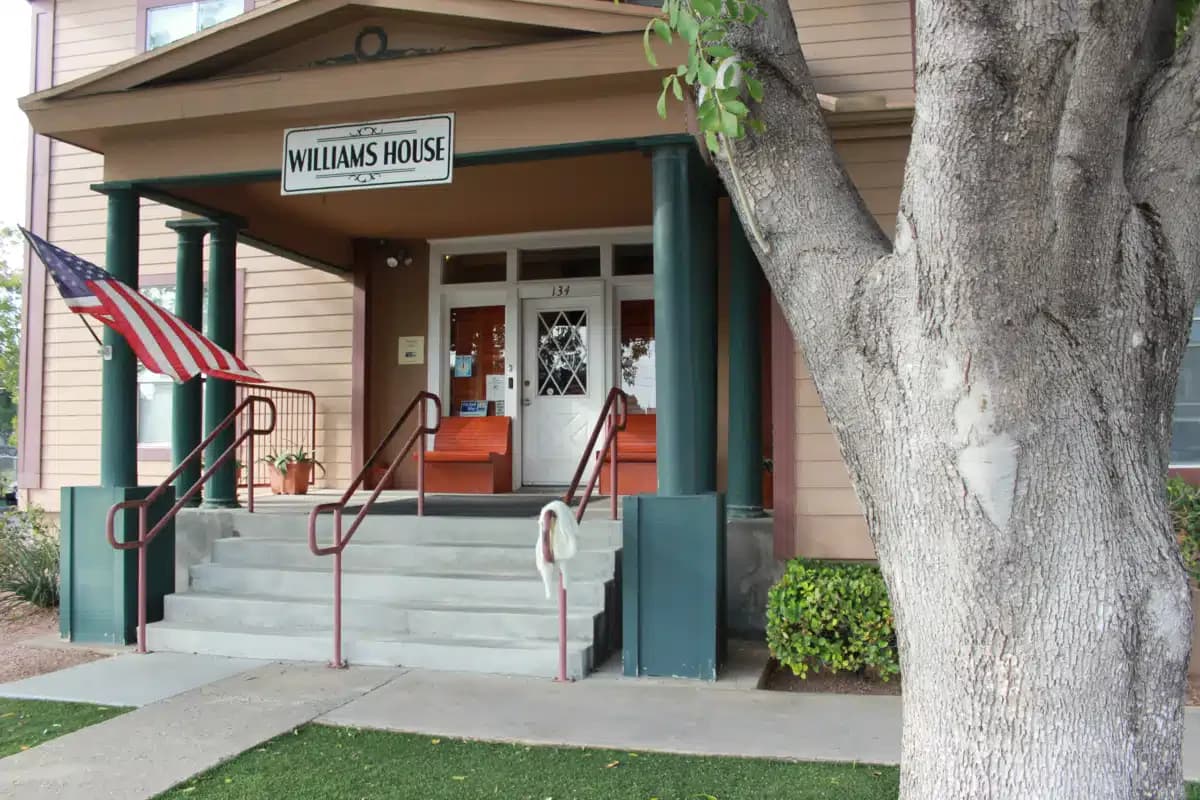
The Alcohol and Drug Awareness Center in San Angelo, TX, provides outpatient addiction recovery services for adults and adolescents. Employing strategies such as 12-step program integration, cognitive behavioral therapy, and motivational interviewing, the center delivers personalized treatment plans. They have specialized offerings for adult men, adult women, and individuals involved with the criminal justice system. The center emphasizes gender-specific approaches to foster a secure and understanding atmosphere for all participants. Their all-encompassing methodology and commitment to high standards establish it as a vital support system for individuals pursuing successful recovery from addiction.
The Alcohol and Drug Awareness Center, situated in San Angelo, TX, is a facility dedicated to providing thorough addiction recovery programs. Their expertise encompasses safe detoxification and extensive substance use disorder treatment, offering extended stays in a residential setting with constant professional oversight. The treatment regimen incorporates proven methodologies such as 12-step program integration, cognitive behavioral techniques, and motivational interviewing. The center provides specialized tracks for adult men, adult women, and individuals involved with the legal system, ensuring each client receives care suited to their unique circumstances. Open to adults and young adults of any gender, this center is committed to delivering high-caliber treatment and customized recovery strategies aimed at achieving sustained sobriety.
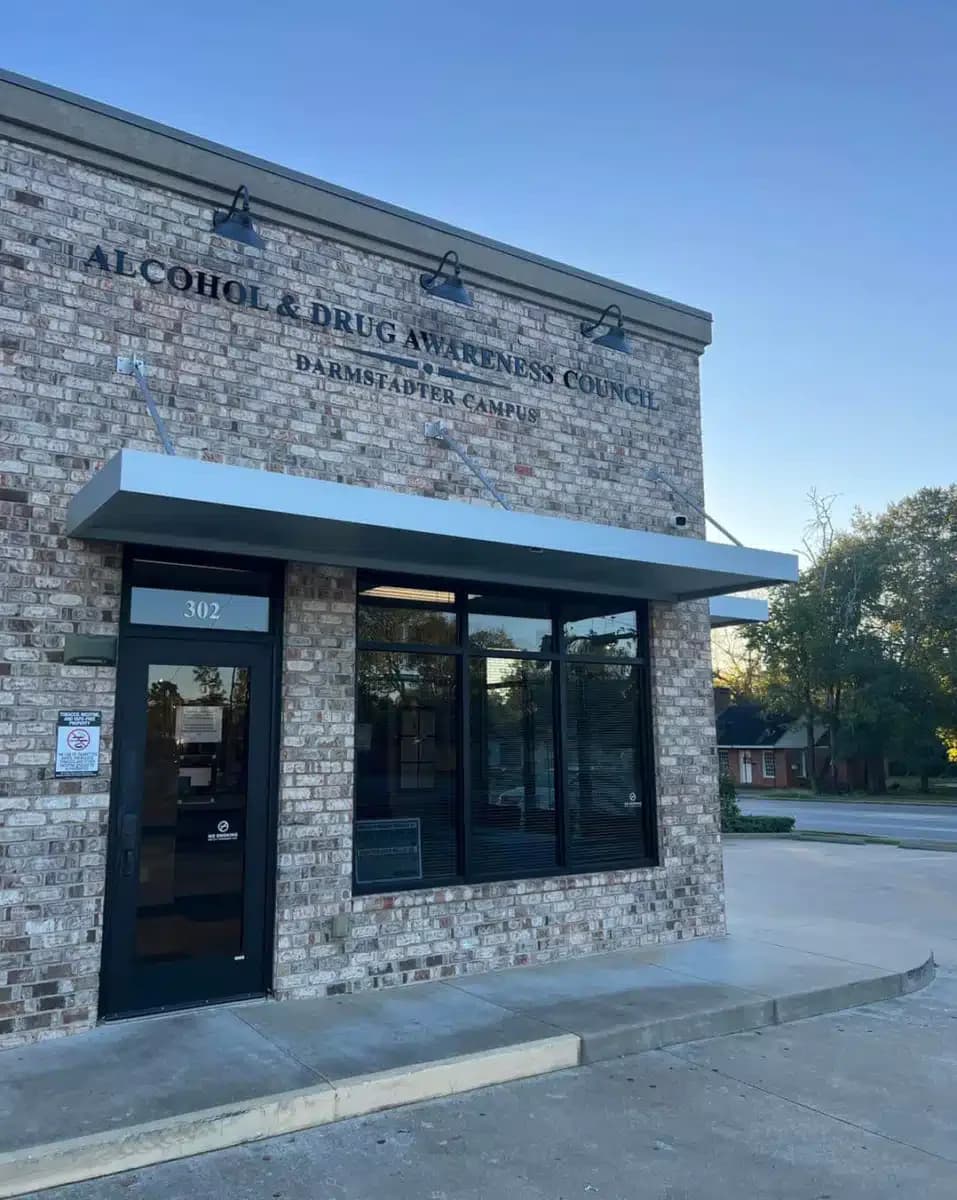
The Alcohol and Drug Abuse Council of, situated in Jasper, TX, provides outpatient treatment services for individuals dealing with substance use issues, targeting both adults and teens. The center employs various therapeutic methods, including Brief Intervention, the Matrix Model, and Motivational Interviewing. Tailored programs are available for adult men, women, and clients involved in the criminal justice system. Committed to personalized care, this facility supports both male and female participants as they navigate their recovery process. Its dedication to high-quality treatment positions the center as an essential support system for individuals aiming to conquer addiction and reclaim their lives.
Situated in Lufkin, TX, the Alcohol and Drug Abuse Council offers outpatient treatment for individuals grappling with substance use issues, both adults and teens. Implementing techniques such as brief intervention, the Matrix Model, and motivational interviewing, this center provides tailored programs specifically designed for adult men, adult women, and adolescents. By accommodating both sexes, the center prioritizes high-quality care for those pursuing recovery from drug and alcohol dependency. Emphasizing customized treatment plans, the facility strives to assist each client on their path to sobriety. If you or someone close to you is in need of professional addiction services, explore the extensive programs available at this center.

Situated in Ottawa, IL, 7th Fire Alcohol and Drug Counseling offers outpatient programs for adults and older individuals dealing with substance use challenges. The center utilizes methods such as 12-step facilitation, anger management, and brief intervention to create tailored treatment plans. With an emphasis on customized care, this facility is open to clients of all genders. Dedicated to providing high-quality services, 7th Fire Alcohol and Drug Counseling is recognized for its focus on tackling addiction through various evidence-supported approaches. If you or someone close to you is in need of effective and personalized substance use treatment, this center may serve as a suitable option for your path to recovery.
Situated in Nacogdoches, TX, the Alcohol and Drug Abuse Council provides dedicated outpatient support for individuals dealing with substance use issues. This center employs a variety of evidence-supported methods, including brief interventions, the Matrix Model, and motivational interviewing, to deliver regular outpatient care. Emphasizing personalized treatment, the facility serves adolescents, adult males, and adult females, accommodating clients of all genders. Their programs are designed for both adults and youths, offering thorough assistance to those of varying ages who are on the path to recovery. Discover exceptional care and customized treatment options at this esteemed rehabilitation center.
Situated in Muskegon, MI, Alcohol and Chemical Abuse Consultants offers focused treatment for individuals dealing with substance use issues, encompassing both adults and young adults. The center provides outpatient services that include methadone and buprenorphine therapies, emphasizing cognitive behavioral strategies, motivational techniques, and methods for preventing relapse. With an individualized approach, this facility serves both men and women. Its commitment to high-quality care and all-encompassing treatment strategies positions it as an excellent option for anyone in need of effective addiction recovery solutions. For those in search of customized outpatient care within a nurturing atmosphere, this center is dedicated to supporting clients on their path to sustainable recovery.
Situated in Muskegon, MI, Alcohol and Chemical Abuse Consultants delivers targeted substance use treatment for both adults and young adults. This facility features outpatient services, day treatment programs, and partial hospitalization, offering customized care through methods like cognitive behavioral therapy, motivational interviewing, and strategies for preventing relapse. Their distinct methodology adapts to the specific needs of each individual, guaranteeing personalized support. Catering to both men and women, this center emphasizes high-quality treatment aimed at guiding individuals through the recovery process from alcohol and chemical dependence. For those in need of thorough and impactful rehabilitation options, Alcohol and Chemical Abuse Consultants presents valuable expertise.
Alcohol and Chemical Abuse Consultants in Grand Rapids, MI, provides effective outpatient care for adults and adolescents struggling with substance abuse. They employ scientifically proven methods such as cognitive behavioral therapy, motivational interviewing, and relapse prevention strategies to create personalized treatment plans. This center embraces a client-centered philosophy, welcoming both men and women seeking to reclaim their lives. Alcohol and Chemical Abuse Consultants prioritizes high-quality support to empower individuals in their pursuit of sustained abstinence and a healthier future. For those in search of a compassionate and successful path to recovery, this establishment stands as a significant resource.
Alcohol and Chemical Abuse Consultants in Grand Rapids, MI, provides outpatient addiction care for individuals of all ages. Their expertise lies in therapeutic modalities such as cognitive behavioral therapy, motivational interviewing, and relapse prevention strategies. This facility is dedicated to personalized treatment, developing specific plans for male and female patients. Committed to high standards and scientifically proven methods, Alcohol and Chemical Abuse Consultants strives to guide individuals toward lasting sobriety. For those in need of complete addiction treatment within a supportive setting, their services are a valuable resource.
Situated in Livingston, TX, the Alcohol and Drug Abuse Council offers outpatient support for adults and young people grappling with substance abuse and concurrent severe mental health challenges. This establishment delivers consistent outpatient therapy, employing methods like brief intervention, the Matrix Model, and motivational interviewing. The center is equipped with distinct programs for teenagers, adult men, and adult women, addressing a spectrum of individual requirements. By assisting both male and female individuals, the facility guarantees thorough support for those pursuing sobriety. The Alcohol and Drug Abuse Council distinguishes itself through its personalized treatment strategies and dedication to superior service.
Alcohol and Drug Abuse Services Inc, situated in Bradford, PA, provides outpatient treatment for adults and seniors struggling with substance use disorders. Their approach incorporates 12-step facilitation, anger management, and brief intervention, with particular expertise in assisting clients with trauma histories. The center supports both men and women, delivering a holistic path to recovery. By prioritizing the resolution of root causes, Alcohol and Drug Abuse Services Inc fosters a nurturing setting for those aiming for lasting sobriety. This dedicated facility stands as a reliable partner in the pursuit of recovery.
Alcohol and Drug Abuse Services Inc in Kane, PA provides outpatient addiction recovery services for adults and older adults. Their approach includes guiding individuals through the 12-step process, offering anger management training, and employing brief intervention techniques. A key strength of this facility is its dedication to supporting individuals with a history of trauma. They offer gender-specific programs to create a comfortable atmosphere for everyone. For those looking for thorough, research-backed treatment within a nurturing environment, Alcohol and Drug Abuse Services Inc delivers effective care and focused therapeutic options.
Situated in Port Allegany, PA, Alcohol and Drug Abuse Services Inc delivers extensive programs aimed at addressing substance use challenges for adults and seniors. This center provides a range of services, including intensive outpatient and regular outpatient treatment options. By employing methods such as 12-step facilitation, brief interventions, and cognitive behavioral therapy, the facility customizes its approach to cater to the unique requirements of each client. With a specialization in supporting those who have faced trauma, the center also features gender-specific initiatives for both men and women. Committed to offering exceptional care and individualized treatment, Alcohol and Drug Abuse Services Inc is focused on guiding individuals towards recovery.
Alcohol and Drug Abuse Services Inc, situated in Saint Marys, PA, delivers a complete spectrum of care for adults and seniors grappling with substance misuse. The center's offerings include intensive outpatient, outpatient, and standard outpatient programs, incorporating therapeutic strategies like 12-step facilitation, anger management, and brief intervention. A particular focus of this establishment is assisting individuals who have faced trauma. Catering to both men and women, the facility is committed to delivering customized support. Alcohol and Drug Abuse Services Inc is devoted to employing effective, research-backed treatments to guide individuals toward lasting sobriety.
Nestled in Ridgway, PA, Alcohol and Drug Abuse Services Inc delivers thorough addiction recovery care for adults and older adults. The facility offers intensive outpatient, standard outpatient, and regular outpatient treatment tracks. Employing methods such as 12-step facilitation, anger management, and brief intervention, this establishment serves both male and female individuals. A notable aspect is its tailored program designed for those with a history of trauma. Emphasizing high-quality support and individualized recovery strategies, Alcohol and Drug Abuse Services Inc stands as a reliable option for individuals pursuing impactful addiction treatment.
Alcohol and Drug Abuse Services Inc, located in Bradford, PA, delivers extensive programs for treating substance use within a nurturing atmosphere. The center presents various treatment types, including long-term residential, 24-hour residential, and short-term residential care. It emphasizes methods like 12-step facilitation, anger management, and brief interventions. A distinctive aspect of this facility is its attention to clients who have faced trauma. Catering to men and women of all ages, the center prioritizes personalized care and support for every individual. With a strong commitment to delivering effective treatment, this center is focused on guiding people on their recovery paths from substance abuse.
Alcohol and Drug Abuse Services Inc, located in Coudersport, PA, provides targeted treatment for substance use disorders. This facility offers a variety of options including intensive outpatient programs, standard outpatient care, and regular outpatient services. Emphasizing approaches such as 12-step facilitation, anger management, and brief interventions, the center serves adults and seniors across all genders. A notable aspect is their specific program designed for individuals who have encountered trauma, which guarantees thorough support for those with intricate needs. The center's dedication to high-quality care and customized treatment strategies makes it a significant asset for individuals in search of effective and empathetic addiction recovery services.
Alcohol and Drug Abuse Services Inc in Emporium, PA, provides specialized outpatient care for individuals struggling with addiction. Their treatment modalities include 12-step facilitation, anger management techniques, and brief intervention strategies. This center is particularly attuned to the needs of those with trauma histories, offering support to adults and seniors across all gender identities. Through personalized treatment plans and a commitment to proven therapeutic methods, they aim to deliver effective recovery services. Individuals, regardless of gender, looking for dedicated addiction treatment will find a supportive environment for their journey.
The Alcohol and Drug Council Tompkins Cnty, situated in Ithaca, NY, delivers outpatient services for individuals navigating substance use challenges. Their approach incorporates evidence-based methods such as cognitive behavioral therapy, motivational interviewing, and relapse prevention techniques. The center accommodates a broad spectrum of individuals, with distinct programs designed for young people, adult men, and adult women. They extend their care across all age demographics, from adults and youth to seniors, and provide gender-specific treatment pathways to foster tailored support. This dedication to effective, personalized care establishes the facility as a vital provider for those striving for recovery.
Frequently Asked Questions
About Alcohol Addiction Treatment
Alcohol use disorder (AUD) is one of the most common forms of substance use disorder in the United States, affecting millions of individuals and their families. At NWVCIL, we understand the complexity of alcohol addiction and provide comprehensive resources to help you find quality treatment programs tailored to your specific needs.
Understanding Alcohol Use Disorder
Alcohol addiction is a chronic disease characterized by an inability to control drinking despite negative physical, psychological, and social consequences. It involves both physical dependence, where the body adapts to alcohol's presence, and psychological dependence, where drinking becomes central to emotional regulation and daily life.
Signs of alcohol use disorder include:
- Drinking more or longer than intended
- Unsuccessful attempts to cut down or quit
- Spending significant time drinking or recovering from drinking
- Strong cravings or urges to drink
- Continued drinking despite problems in relationships, work, or health
- Giving up important activities to drink
- Tolerance (needing more alcohol to achieve the same effect)
- Withdrawal symptoms when alcohol use is stopped
The Alcohol Detox Process
Alcohol withdrawal can be medically dangerous and should always be supervised by healthcare professionals. Symptoms range from mild (anxiety, tremors, sweating) to severe and potentially fatal (seizures, delirium tremens). Medical detox provides 24/7 monitoring, medications to manage symptoms safely, and immediate intervention if complications arise.
Evidence-Based Treatment Approaches
Quality alcohol rehab programs incorporate multiple evidence-based therapies:
- Cognitive Behavioral Therapy (CBT): Identifies and changes thought patterns and behaviors related to drinking
- Motivational Interviewing: Builds internal motivation and commitment to recovery
- 12-Step Programs: Provides structured recovery framework and peer support through AA
- Family Therapy: Heals relationships and creates supportive recovery environment
- Medication-Assisted Treatment: FDA-approved medications like naltrexone, acamprosate, or disulfiram to support sobriety
Levels of Care
Treatment intensity should match individual needs. Residential inpatient treatment provides 24/7 structured support for severe addiction. Intensive Outpatient Programs (IOP) and standard outpatient care allow individuals to maintain work and family commitments while receiving treatment.
Long-Term Recovery Support
Successful recovery extends beyond initial treatment. Aftercare planning, ongoing therapy, participation in support groups like Alcoholics Anonymous, sober living arrangements, and building a recovery-focused lifestyle all contribute to sustained sobriety. Many people benefit from continuing care for months or years after completing primary treatment.
For additional information about alcohol use disorder and treatment, consider these resources:
Related Conditions
Explore Treatment Methods
Browse alcohol addiction programs in states with the most treatment options:
Treatment Approaches
Levels of Care
Need immediate help? Call SAMHSA: 1-800-662-4357 (24/7, free)