
Medication-Assisted Treatment (MAT) Centers
Medication-Assisted Treatment (MAT) combines FDA-approved medications with counseling and behavioral therapies for comprehensive addiction care. MAT is the gold standard for opioid and alcohol use disorders, significantly reducing overdose deaths and improving treatment outcomes.
Found 300 treatment centers offering medication-assisted treatment (mat) across the United States.
Need Help Finding the Right Treatment Center?
Speak with a compassionate specialist now - 100% free & confidential
Showing 21 of 300 results

1 Method in Los Angeles, CA offers residential detoxification and short-term and long-term residential substance use treatment, with programs for veterans and active duty military. Buprenorphine and naltrexone are used in treatment. TRICARE, private insurance, self-pay, and a sliding fee scale are accepted.

1 Method Center in Los Angeles, California provides residential detoxification plus short-term and long-term residential substance use treatment for young adults, adults, and seniors, with programs for veterans and active duty military. Buprenorphine and naltrexone are used in treatment. Payment options include TRICARE, private insurance, and a sliding fee scale.
Nestled in Warren, AR, the 10th District Substance Abuse Program delivers extensive support for individuals battling substance use. Their offerings include structured intensive outpatient services, day treatment, and partial hospitalization. Employing strategies like 12-step integration, anger management, and brief intervention, the center accommodates adult men and women, even those facing dual diagnoses of mental health and substance use challenges. The program also provides supportive housing and sober living environments for adults and young adults. With dedicated tracks for male and female participants, this center is committed to delivering exceptional care and personalized recovery pathways.
Methadone, buprenorphine, and naltrexone support outpatient detox and opioid treatment at this Milwaukee, WI, clinic operated by Milwaukee Health Services System LLC. A program for pregnant and postpartum women is offered alongside care for co-occurring disorders. Medicare, Medicaid, and state-financed plans are accepted, with Spanish-language services.

12 South Recovery in Lake Forest, CA delivers outpatient day treatment, intensive outpatient, and medication-based care with buprenorphine and naltrexone. Programs serve veterans, military families, pregnant women, forensic clients, and people with HIV or trauma histories. TRICARE, tribal funds, private insurance, and state-financed plans are accepted.
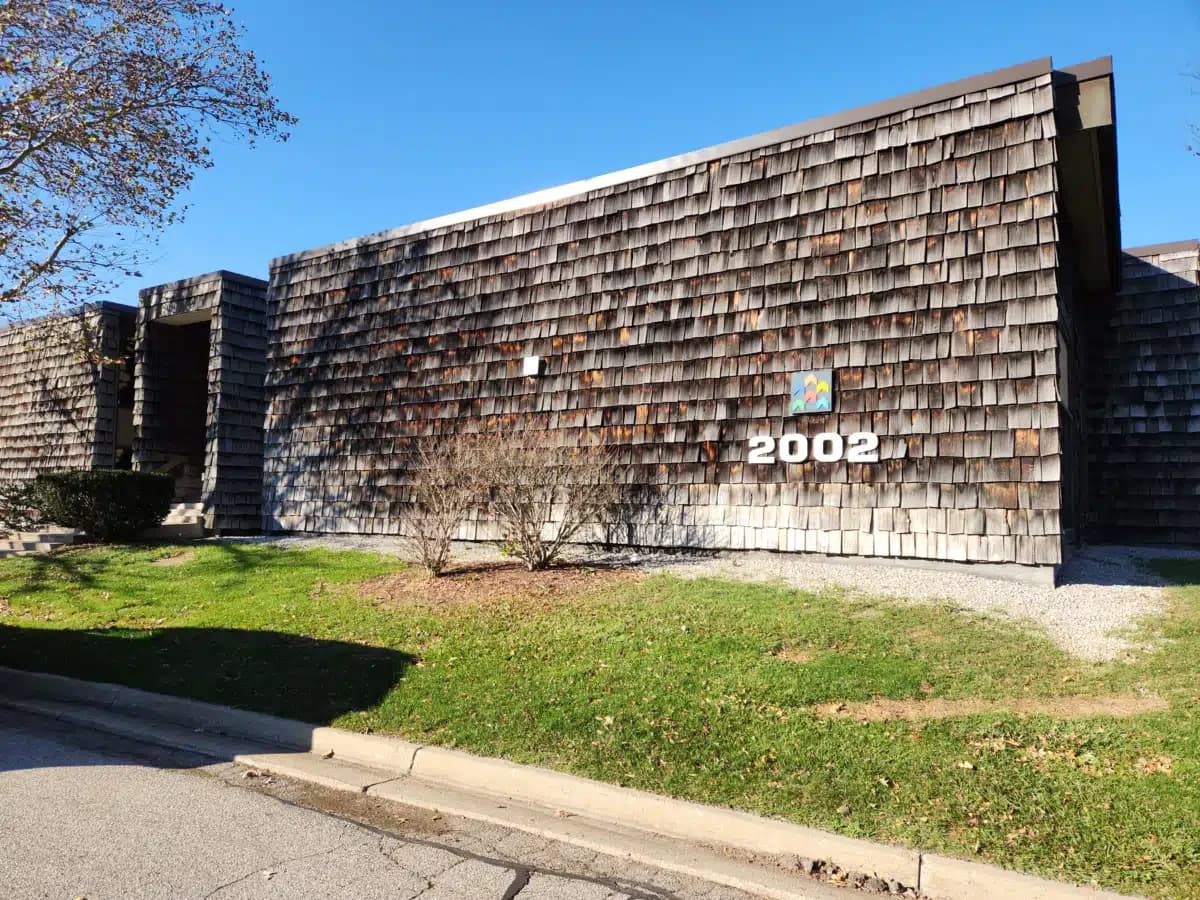
1st Step Referral Services in Ann Arbor, MI, provides accessible outpatient care for adults and youth struggling with addiction and dual diagnoses. Their therapeutic offerings encompass anger management, preventative interventions, and cognitive behavioral therapy. This center is equipped to serve specific populations, including military personnel, teenagers, and adult males. Catering to adults and older individuals of any gender, 1st Step Referral Services is committed to delivering personalized support designed for a wide range of requirements. The dedication to high-quality, customized treatment options positions 1st Step Referral Services as a leading provider for individuals in pursuit of recovery from substance abuse and mental health challenges.
Operating as Trost Health New Jersey, this Freehold, New Jersey center provides intensive and regular outpatient substance use treatment with naltrexone used in care. It treats adults with co-occurring mental health disorders and serves young adults, women, men, and older adults. Private health insurance is accepted.
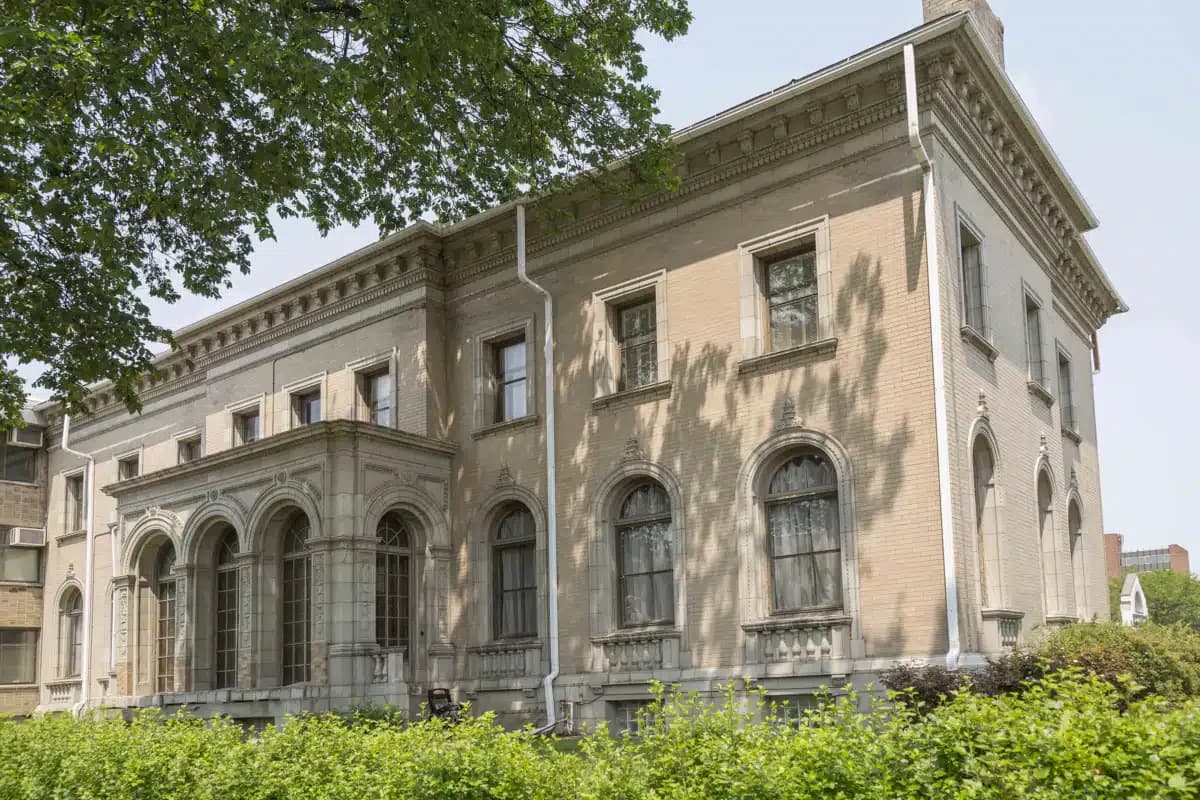
Situated in Minneapolis, MN, the 2118 NUWAY Counseling Center specializes in treating substance use disorders in adults facing significant mental health challenges, as well as emotional issues in children. The center features intensive outpatient and standard outpatient services that employ proven methods like 12-step support, anger management, and short-term interventions. Customized programs cater to adult men, adult women, and individuals who have encountered trauma. This facility serves adults and young adults across all genders, providing tailored support to aid individuals in their recovery journey. Committed to excellence and specialized care, the 2118 NUWAY Counseling Center stands as a guiding light for those in need of effective rehabilitation solutions.
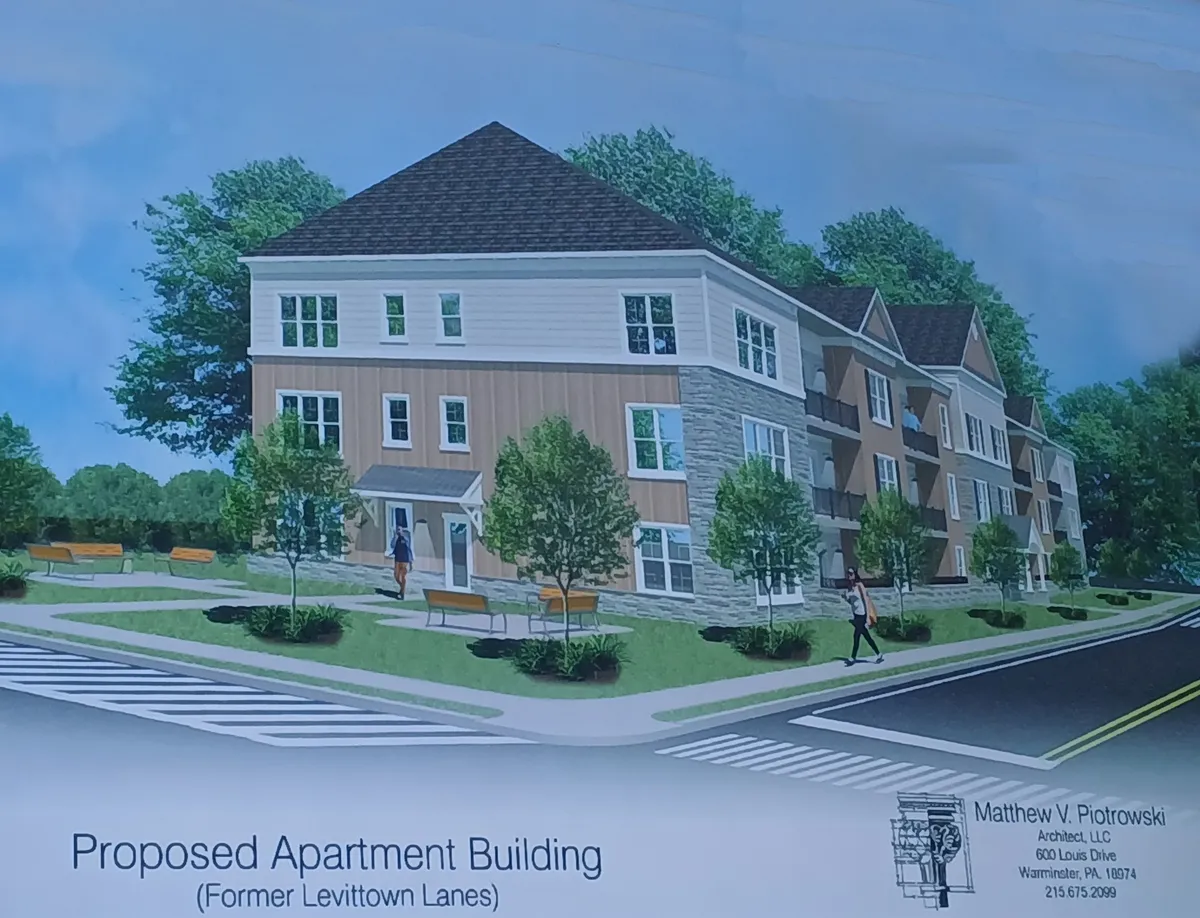
Operating as Hillside Wellness Center in Levittown, PA, this facility offers short-term and long-term residential substance use treatment for adults with co-occurring serious mental illness. Programming covers pregnant and postpartum women, trauma survivors, and domestic violence survivors, with buprenorphine and naltrexone available. Payment is through private insurance or self-pay.
228 COE House, located in Framingham, MA, provides extended residential care for adults facing substance use challenges alongside serious mental health concerns, as well as addressing significant emotional disturbances in children. The center emphasizes a variety of therapeutic approaches, including 12-step programs, brief interventions, and cognitive behavioral methods, ensuring a personalized path to recovery. Tailored initiatives are available for adult women, those who have encountered domestic violence or trauma, and individuals across all ages, from seniors to young adults. Dedicated to maintaining a secure and nurturing atmosphere, 228 COE House focuses on delivering exceptional treatment specifically designed for female clients through an all-encompassing rehabilitation program.
Outpatient addiction treatment with buprenorphine or naltrexone, including an intensive outpatient track, is provided by 2nd Chance in Lexington, Kentucky. The program treats young adults, adults, and seniors. Medicare, Medicaid, private insurance, and self-payment are accepted forms of payment.
2nd Chance Mental Health Center, located in Port Saint Lucie, FL, offers both intensive outpatient and outpatient services aimed at helping adults and children deal with substance abuse and co-occurring mental health disorders. The center specializes in supporting clients with dual diagnoses through tailored programs. Utilizing a variety of evidence-based techniques, such as cognitive behavioral therapy, anger management, and brief interventions, this facility is committed to providing high-quality care. Catering to individuals of all genders, including young adults, 2nd Chance Mental Health Center is focused on guiding people on their journey to recovery. For those seeking holistic treatment that addresses both addiction and mental health issues, this center is dedicated to assisting you in achieving wellness.

2nd Chance Treatment Center, located in Gilbert, AZ, provides a wide range of outpatient services aimed at helping individuals recover from substance use disorders alongside mental health issues. The center emphasizes techniques such as brief intervention, cognitive behavioral therapy, and motivational interviewing. Programs are specifically designed for various groups, including active duty service members, adolescents, and adult males. Personalized treatment strategies are crafted for adults, children or adolescents, and young adults, with programs tailored for different genders. The center offers services like detoxification, outpatient treatment for substance use, and medications such as methadone, buprenorphine, or naltrexone. Discover compassionate and effective support at 2nd Chance Treatment Center.
2nd Chance Treatment Center in Litchfield Park, AZ, provides extensive outpatient care for those pursuing freedom from addiction. Their expertise includes detox, addiction treatment, and addressing co-occurring mental health issues in adults, alongside emotional challenges in younger individuals. Employing techniques like motivational interviewing, relapse prevention, and counseling for substance use disorders, they craft personalized recovery paths. With dedicated programs for active military, teens, and adult men, 2nd Chance Treatment Center serves a wide spectrum of clients. They welcome adults and youth of all genders, committed to delivering excellent support and care throughout the sobriety process.
2nd Chance Treatment Center in Phoenix, AZ, provides extensive outpatient care for those pursuing freedom from addiction and related mental health challenges. The center features tailored programs for current military members, teenagers, and adult men, welcoming adults and young adults of any gender. Employing proven techniques such as cognitive behavioral therapy and motivational interviewing, the center is committed to delivering superior support customized for each person's unique journey. Offering services from detox to ongoing outpatient care and medication-assisted treatment (methadone, buprenorphine, or naltrexone), 2nd Chance Treatment Center is devoted to guiding clients toward enduring recovery and overall well-being.
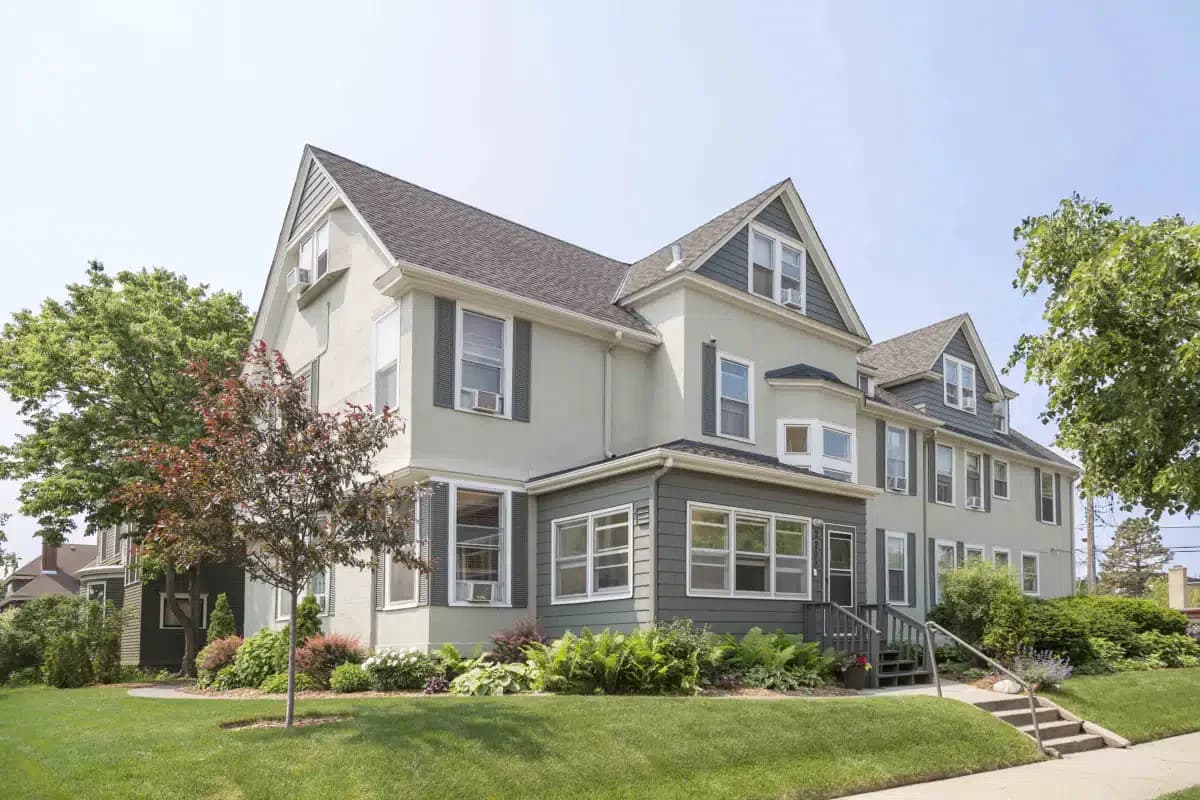
Situated in Minneapolis, MN, the 3Rs NUWAY Counseling Center specializes in thorough substance use rehabilitation along with focused support for those grappling with significant mental health challenges or emotional issues. The center features both intensive outpatient and outpatient treatment options, employing methods like 12-step facilitation, anger management, and short intervention techniques. Custom programs are designed for adult males, adult females, and individuals who have faced trauma. Catering to adults and young adults of all genders, this center prioritizes providing exceptional, personalized care aimed at fostering recovery and promoting sustainable wellness.
4 2 Restore LLC, situated in Baltimore, MD, specializes in providing rehabilitation services tailored for adult men facing challenges with substance use disorders. The center offers various treatment options, including long-term and short-term residential programs, along with transitional housing, all supported by continuous care around the clock. The therapeutic approach integrates evidence-based practices such as 12-step facilitation, brief interventions, and cognitive behavioral therapy to deliver holistic support. Focusing on the specific requirements of adult men and seniors, this center is committed to delivering personalized and high-quality care. 4 2 Restore LLC is devoted to assisting clients in achieving sustainable recovery outcomes.
4 2 Restore LLC, located in Windsor Mill, MD, delivers thorough recovery support for adults and older individuals facing addiction and concurrent mental health challenges. The center offers inpatient medical detox and comprehensive treatment, featuring tailored care for adult men, adult women, and those with dual diagnoses. Their methods incorporate anger management techniques, short-term counseling, and cognitive behavioral therapy for a complete healing experience. Prioritizing excellent service and personalized care strategies, 4 2 Restore LLC serves both male and female patients, committed to aiding their path to sustained sobriety and psychological health.
Outpatient detoxification and treatment with buprenorphine and naltrexone are provided by 406 Recovery in Bozeman, Montana, including care for adults with co-occurring serious mental illness. Programs serve adult women and men and clients with trauma histories. Medicare, Medicaid, TRICARE, and federal government funding are accepted.
Regular and intensive outpatient substance use treatment is offered in Abilene, Kansas, by 409 Addiction Treatment Inc for young adults, adults, and seniors. Federal government funding and Medicaid are accepted alongside cash or self-payment, and a sliding fee scale adjusts charges based on income and other factors.
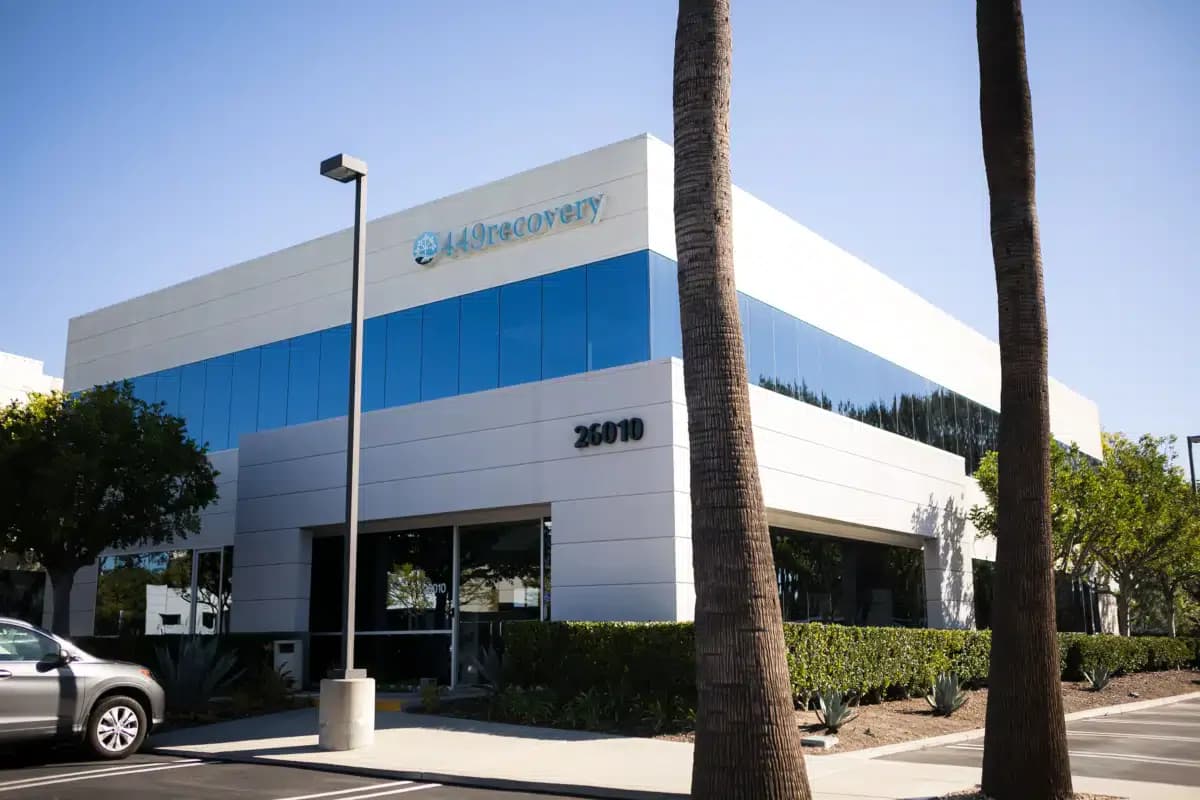
Situated in Mission Viejo, California, 449 Recovery is dedicated to providing tailored substance abuse treatment for adults facing significant mental health challenges or emotional issues in children. This center features intensive outpatient programs, day treatment services, and partial hospitalization options. Emphasizing approaches such as 12-step support, anger management, and brief interventions, it serves both men and women, including clients who have undergone intimate partner or domestic violence. With a commitment to delivering personalized care, this facility offers a supportive atmosphere for adults and adolescents pursuing holistic rehabilitation solutions.
Frequently Asked Questions
What is Medication-Assisted Treatment (MAT)?
What medications are used in MAT?
Is MAT just replacing one addiction with another?
How long does MAT last?
Does insurance cover MAT?
About Medication-Assisted Treatment (MAT)
Medication-Assisted Treatment (MAT) represents the gold standard for treating opioid and alcohol use disorders. By combining FDA-approved medications with counseling and behavioral therapies, MAT addresses both the biological and psychological aspects of addiction. Research consistently demonstrates that MAT reduces overdose deaths by more than 50%, improves treatment retention, and supports long-term recovery.
MAT Medications for Opioid Use Disorder
Three FDA-approved medications treat opioid addiction:
- Methadone: Full opioid agonist eliminating withdrawal and cravings; administered daily at certified opioid treatment programs (OTPs). Longest track record with extensive research supporting effectiveness.
- Buprenorphine (Suboxone, Sublocade): Partial opioid agonist with ceiling effect, reducing abuse potential; prescribed by certified physicians in office settings or as monthly injection. Offers greater flexibility and privacy.
- Naltrexone (Vivitrol): Opioid antagonist blocking opioid effects; requires complete detox before starting; available as daily pill or monthly injection. Best for motivated individuals after detox completion.
MAT for Alcohol Use Disorder
FDA-approved medications for alcohol addiction:
- Naltrexone: Reduces cravings and blocks rewarding effects of alcohol; available as daily pill or monthly injection
- Acamprosate (Campral): Helps restore brain chemistry balance; reduces cravings and supports abstinence
- Disulfiram (Antabuse): Causes unpleasant reaction if alcohol consumed; provides deterrent for impulsive drinking
Comprehensive Treatment Approach
MAT is never medication alone. Quality programs integrate counseling, behavioral therapies, case management, recovery support services, treatment for co-occurring conditions, and peer support. The medication component allows individuals to engage fully in therapy and recovery activities by eliminating withdrawal, cravings, and physiological barriers to recovery.
Addressing Stigma and Misconceptions
MAT faces unfortunate stigma, with some viewing it as "replacing one drug with another." This is false. MAT medications are prescribed at stable therapeutic doses, don't produce euphoria, allow normal functioning, and are medicine treating a medical condition. Research overwhelming supports MAT as most effective treatment for opioid use disorder. Organizations like SAMHSA, NIDA, and medical professional societies strongly endorse MAT.
Finding MAT Treatment
Look for programs offering multiple MAT medication options, addiction medicine physicians, comprehensive counseling services, individualized treatment planning, support for long-term medication management, and evidence-based behavioral therapies. Our directory helps locate opioid treatment centers and programs offering MAT.
Harm Reduction and Medication-Assisted Treatment
Harm reduction is a public health philosophy that meets people where they are in their relationship with substance use. Rather than demanding abstinence as a precondition for support, harm reduction focuses on reducing the negative health, social, and economic consequences of drug use while keeping individuals alive, safe, and connected to care. This pragmatic approach recognizes that not everyone is ready or able to stop using substances immediately, and that incremental steps toward health are meaningful and worth supporting.
Harm reduction programs take many forms in communities across the country. Needle exchange and syringe service programs reduce the spread of HIV and hepatitis C among people who inject drugs. Naloxone (Narcan) distribution puts lifesaving overdose reversal medication directly into the hands of people who use drugs and their loved ones. Drug checking services, including fentanyl test strips, help people identify dangerous adulterants in their supply. Supervised consumption sites, operating in several countries and piloted in the United States, provide sterile environments with medical staff on hand to prevent fatal overdoses. Low-threshold MAT programs remove barriers to treatment by offering same-day starts, flexible scheduling, and minimal requirements for enrollment.
Harm reduction and abstinence are not competing philosophies — they are complementary approaches along a continuum of care. Many people who initially engage with harm reduction services eventually choose to pursue abstinence-based recovery. Research consistently shows that harm reduction programs serve as a critical bridge, connecting individuals to treatment they might never have accessed otherwise. Forcing a choice between the two creates a false dichotomy that costs lives.
MAT is itself a cornerstone harm reduction strategy. Buprenorphine and methadone maintenance programs dramatically reduce overdose deaths — studies show a 50% or greater reduction in all-cause mortality among patients receiving opioid agonist therapy. Beyond preventing fatal overdoses, MAT reduces HIV and hepatitis C transmission by decreasing injection drug use, lowers criminal activity and incarceration rates, and improves overall quality of life, housing stability, and employment outcomes. These benefits occur even when patients are not fully abstinent from all substances. By stabilizing brain chemistry and eliminating the desperate cycle of withdrawal and compulsive use, MAT gives people the stability they need to rebuild their lives. Facilities offering MAT as part of a harm reduction framework can be found through our opioid rehab directory.
FDA-Approved Medications: Detailed Guides
The U.S. Food and Drug Administration has approved several medications for the treatment of opioid and alcohol use disorders. Each works through a different mechanism and is suited to different clinical situations. Understanding the distinctions can help patients and families make informed decisions alongside their treatment providers. Explore our in-depth guides below.
Naltrexone (Vivitrol)
Naltrexone is an opioid antagonist that completely blocks the euphoric and sedative effects of opioids, removing the incentive to use. It is available as a daily oral pill or as a monthly extended-release injection marketed as Vivitrol. Because naltrexone requires a full detox period before initiation — typically 7 to 14 days opioid-free — it is best suited for patients who have already completed withdrawal management. Naltrexone is also FDA-approved for alcohol use disorder, where it reduces cravings and heavy drinking days.
Learn more about Naltrexone →Buprenorphine (Suboxone)
Buprenorphine is a partial opioid agonist with a built-in ceiling effect, meaning its opioid effects plateau at moderate doses — significantly lowering the risk of respiratory depression and overdose. It is available as a sublingual film or tablet (commonly known by the brand name Suboxone, which also contains naloxone to deter misuse) and as a monthly subcutaneous injection (Sublocade). Buprenorphine can be prescribed in office-based settings by qualified providers, making it one of the most accessible MAT options. It effectively reduces cravings and withdrawal symptoms while carrying lower abuse potential than full agonists.
Learn more about Buprenorphine →Methadone
Methadone is a full opioid agonist with more than 60 years of clinical evidence supporting its effectiveness. Administered daily at certified Opioid Treatment Programs (OTPs), methadone eliminates withdrawal symptoms, suppresses cravings, and blocks the effects of other opioids when dosed correctly. It is considered the most effective option for individuals with severe opioid use disorder, particularly those who have not responded to other medications. The structured program participation required — including regular clinic visits, counseling, and drug screening — provides an additional layer of accountability and support.
Learn more about Methadone →Naloxone (Narcan)
Naloxone is an opioid antagonist used to rapidly reverse opioid overdoses. Available as a nasal spray (Narcan) and in injectable formulations, naloxone can restore normal breathing within minutes in a person experiencing respiratory depression from opioids. In 2023, Narcan nasal spray became available over the counter without a prescription, making it more accessible than ever. Every person who uses opioids, is prescribed high-dose opioid pain medication, or has a loved one at risk should keep naloxone on hand — it is safe, effective, and saves lives.
Learn more about Naloxone →MAT resources and information:
Related Treatment Methods
Browse by Condition
Browse medication-assisted treatment (mat) programs in states with the most treatment options.
Related conditions, treatment approaches, and levels of care.
Need immediate help? Call SAMHSA: 1-800-662-4357 (24/7, free)