
Inhalant Abuse Treatment & Recovery Programs
Inhalant abuse — including whippets (nitrous oxide), huffing aerosols, and sniffing solvents — can cause Sudden Sniffing Death Syndrome, permanent brain damage, and organ failure. Below you will find what inhalants are, why they are particularly dangerous for teens, how to recognize abuse, and a directory of treatment centers.
Found 66 rehab centers specializing in inhalant abuse across the United States.
Need Help Finding the Right Treatment Center?
Speak with a compassionate specialist now - 100% free & confidential
Find Inhalant Abuse Treatment Centers Near You
Use the search bar and filters below to find treatment centers that specialize in substance abuse programs, including behavioral therapy for adolescents, neurological assessment, family therapy, and residential or outpatient care for inhalant addiction.
Showing 20 of 66 results

The Adolescent Substance Abuse Program, located in Glendale, AZ, delivers comprehensive outpatient and intensive outpatient services for individuals struggling with addiction. This center employs proven therapeutic modalities, including cognitive behavioral therapy, motivational interviewing, and strategies for sustained sobriety. Their expertise lies in offering specialized, high-quality care designed with adolescents in mind, though they also serve adults, seniors, and young adults. The program is particularly focused on providing support to females. By integrating scientifically validated methods, the center is dedicated to empowering individuals to conquer addiction and cultivate lasting well-being. For those in need of expert-driven adolescent addiction treatment in a nurturing setting, this program offers a promising avenue for healing.
Situated in Mesa, AZ, the Adolescent Substance Abuse Program delivers targeted treatment for young individuals dealing with substance use issues within an outpatient framework. It incorporates proven methods like cognitive behavioral therapy, motivational interviewing, and strategies for preventing relapse, ensuring a personalized approach that meets the distinct requirements of its young female clientele. Supporting a diverse range of ages, including adults, children, seniors, and young adults, the intensive outpatient program at this center provides essential assistance for those looking to conquer their substance use challenges. Emphasizing high-quality care and specialized attention for adolescents, the facility serves as a crucial ally for both individuals and families on the journey to recovery.
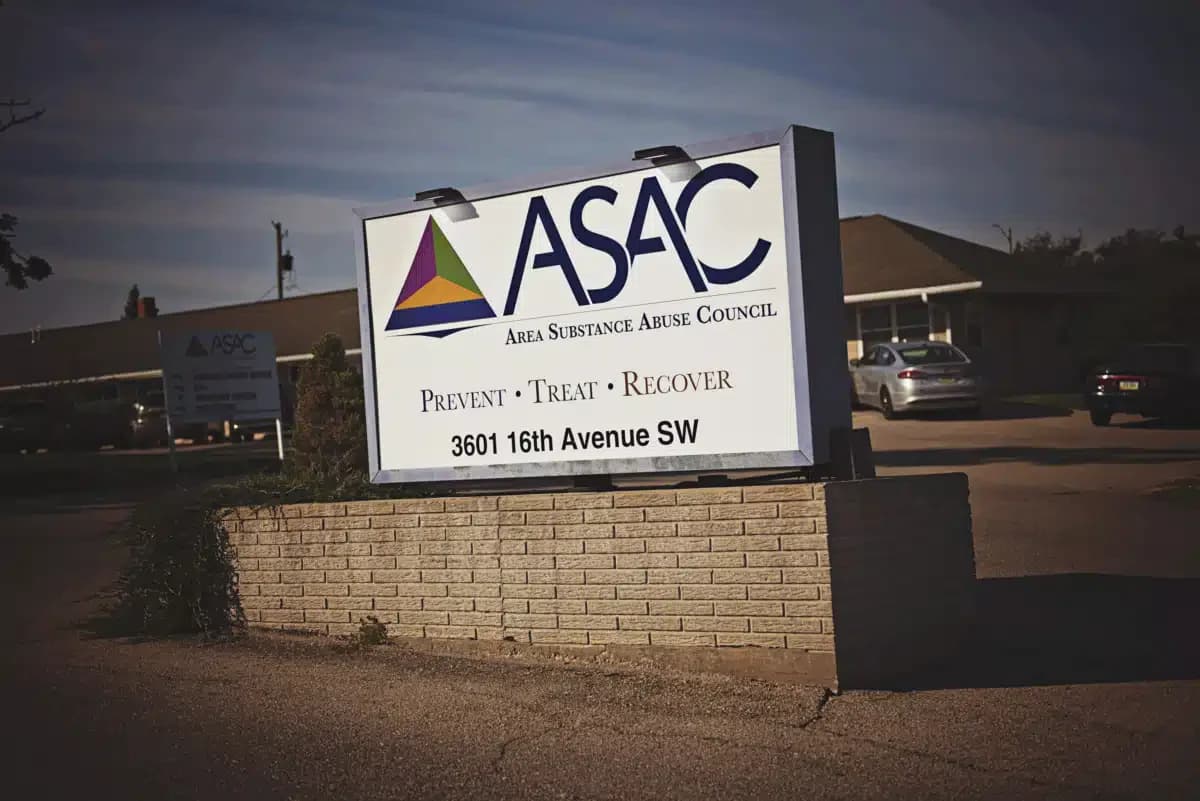
The Area Substance Abuse Council, located in Cedar Rapids, IA, specializes in providing treatment for adults facing substance use disorders along with co-existing mental health challenges, as well as supporting children dealing with emotional issues. Their wide-ranging programs encompass intensive outpatient care, outpatient services, and day treatment alternatives. The center utilizes proven methodologies, including 12-step programs, anger management, and brief therapeutic interventions. It also features specific programs designed for active military personnel, teenagers, and adult males, ensuring that it meets the needs of various demographics. Those in search of dedicated care and personalized assistance for substance use concerns will discover a supportive and effective treatment setting at this center.
Area Substance Abuse Council in Cedar Rapids, IA, offers outpatient substance use treatment with a focus on co-occurring serious mental health illnesses in adults and serious emotional disturbances in children. The program includes 12-step facilitation, anger management, and brief interventions. This facility provides specialized programs for active duty military personnel, adult men, and women. Catering to adults and seniors of both genders, the center delivers quality care through regular outpatient treatment. With a range of tailored approaches and specific programs, the center aims to address the unique needs of each individual seeking addiction treatment.
The Area Substance Abuse Council, situated in Cedar Rapids, IA, provides an extensive array of rehabilitation services. This center focuses on treating substance use disorders, offering transitional living options as well as support for individuals facing both substance use issues and serious mental health conditions. With a variety of treatment formats, including long-term, short-term, and residential programs, the center delivers personalized care through techniques like 12-step facilitation, anger management, and brief interventions. Additionally, specialized programs are available for active military personnel, adult men, and adult women. Catering to adults, seniors, and young adults of all genders, this facility is committed to delivering top-notch support for those striving to overcome substance abuse and mental health obstacles.
Situated in Cedar Rapids, IA, the Area Substance Abuse Council provides an extensive variety of services for substance use treatment. This center features options for transitional housing and halfway houses, designed for those who are looking for a nurturing environment during their recovery process. It focuses on addressing co-occurring substance use disorders as well as significant mental health challenges in adults and emotional issues in children. The facility offers multiple treatment formats, including intensive outpatient, outpatient, and standard outpatient services. It employs various methodologies, such as 12-step programs, anger management techniques, and brief therapeutic interventions. Additionally, specialized programs are available for active military members, as well as for adult men and women, ensuring that individuals of all ages and genders receive the high-quality care they need on their path to recovery.
Situated in Cedar Rapids, IA, the Area Substance Abuse Council presents an extensive variety of services for addiction recovery. This center features intensive outpatient care, long-term residential options, and outpatient programs catering to both adults and the elderly. Emphasizing counseling for substance use disorders and innovative approaches like contingency management and motivational incentives, the facility is equipped to assist those dealing with concurrent mental health concerns. It also includes specialized programs designed for adolescents and both adult men and women, ensuring customized support for varying requirements. Whether individuals are looking for transitional housing or sober living arrangements, this center fosters a nurturing environment conducive to healing. Both male and female clients benefit from the expertise of dedicated professionals who strive to lead them towards sustained sobriety.
Situated in Cedar Rapids, IA, the Area Substance Abuse Council provides extensive treatment services for adults and seniors dealing with concurrent significant mental health disorders and substance use issues. Their offerings encompass intensive outpatient programs, outpatient day therapy, and partial hospitalization. Employing methodologies like 12-step support and anger management, this center delivers tailored care for active military members, as well as adult men and women. With an emphasis on high-quality support and personalized treatment strategies, the facility serves both male and female individuals in need of impactful rehabilitation solutions.
Situated in Phoenix, AZ, the Adolescent Substance Abuse Program stands out as a premier center dedicated to addressing substance use issues. This establishment provides both intensive outpatient and traditional outpatient services specifically designed for younger individuals. Utilizing research-backed methods like cognitive behavioral therapy, motivational interviewing, and strategies for preventing relapse, the program prioritizes female participants while also serving adults, seniors, and young adults. The center's tailored approach and dedication to excellence make it a top option for individuals in search of thorough and effective substance abuse treatment.
The Area Substance Abuse Council, situated in Cedar Rapids, Iowa, specializes in outpatient substance use therapy for adults and seniors. Employing methods like 12-step facilitation, brief intervention, and cognitive behavioral therapy, this center delivers customized support aligned with individual requirements. The program adopts a personalized strategy, serving both male and female individuals. Its core mission is to provide excellent care and assistance to those aiming for recovery from substance dependency. For those seeking effective treatment with a bespoke approach, this institution could be a fitting option for their path to wellness.
Nestled in Warren, AR, the 10th District Substance Abuse Program delivers extensive support for individuals battling substance use. Their offerings include structured intensive outpatient services, day treatment, and partial hospitalization. Employing strategies like 12-step integration, anger management, and brief intervention, the center accommodates adult men and women, even those facing dual diagnoses of mental health and substance use challenges. The program also provides supportive housing and sober living environments for adults and young adults. With dedicated tracks for male and female participants, this center is committed to delivering exceptional care and personalized recovery pathways.
Situated in Hackensack, New Jersey, the Adolescent Substance Abuse Program provides accessible outpatient support for those facing challenges with drug or alcohol dependence. This center is equipped to serve adolescents, adults, and young adults, irrespective of gender identity. Employing therapeutic strategies including 12-step integration, emotional regulation techniques, and concise counseling, the program is designed to cater to the specific requirements of every person. Committed to high standards of care and tailored recovery paths, this facility is devoted to guiding individuals toward sustained wellness. For anyone in need of thorough addiction treatment within a nurturing setting, the Adolescent Substance Abuse Program is a valuable resource.
Situated in Clinton, IA, the Area Substance Abuse Council provides a wide range of treatment options for substance use issues. This center specializes in intensive outpatient programs, standard outpatient services, and partial hospitalization/day treatment. Incorporating methods such as motivational incentives and contingency management, alongside counseling for substance use disorders, the facility accommodates adolescents, men, and women. Dedicated to serving adults and seniors of diverse backgrounds, the center prioritizes personalized treatment for each client. With an emphasis on high-quality care, the Area Substance Abuse Council is a reputable option for individuals looking for effective rehabilitation in the Clinton region.
The Area Substance Abuse Council in Dubuque, IA, provides an array of programs designed to treat substance use issues for individuals with varying needs. This center features several treatment options, including intensive outpatient services, outpatient care, and regular outpatient programs. Employing methods like 12-step facilitation, anger management, and brief interventions, the facility customizes treatment strategies to fit the specific needs of each client. It also offers specialized programs for adolescents, as well as adult men and women, ensuring support for different age groups and genders. Whether for personal recovery or assistance for a loved one, clients can count on receiving high-quality care and effective support throughout their recovery journey at this center.
Situated in Manchester, IA, the Area Substance Abuse Council delivers focused treatment options for adults facing substance use issues, including those who also have significant mental health conditions or emotional challenges in children. The center offers multiple treatment modalities, such as intensive outpatient, outpatient, and partial hospitalization programs. Utilizing customized methods including 12-step facilitation, anger management, and brief interventions, this facility aims to provide personalized care. Special programs are available for active duty military members, adolescents, and adult men. The center is committed to offering quality support and care for individuals of all ages and genders seeking to overcome substance abuse challenges.
Situated in Clinton, IA, the Area Substance Abuse Council provides various treatment options for substance use within a nurturing atmosphere. This center features long-term, short-term, and round-the-clock residential programs specifically designed for adult men, seniors, and those facing both mental health and substance use challenges. The facility excels in offering motivational incentives and counseling for substance use disorders, ensuring an all-encompassing recovery strategy. Distinctive programs are available for individuals who have faced trauma, highlighting a comprehensive approach to healing. With an emphasis on high-quality care and individualized support, this center serves as a guiding light for individuals pursuing sobriety and long-term stability.
Situated in Clinton, IA, the Area Substance Abuse Council delivers extensive treatment solutions for individuals struggling with substance use and concurrent mental health issues. This center features intensive outpatient services, outpatient day programs, and partial hospitalization options. It emphasizes strategies such as 12-step facilitation, anger management, and brief intervention. Tailored programs are available for active military members, as well as specific offerings for adult men and women, addressing the needs of various groups. The facility is committed to providing personalized care and assistance to adults and seniors of all genders, ensuring that each person's distinct requirements are met.
The Area Substance Abuse Council, located in Anamosa, IA, delivers extensive treatment for adults dealing with substance use issues alongside mental health disorders. The center features various programs, including intensive outpatient, outpatient, and day treatment, employing evidence-based techniques such as 12-step facilitation and anger management training. It has specialized offerings for active duty military personnel, adolescents, and adult males, addressing a wide range of community needs. Customized services are provided for both men and women, as well as seniors. With an emphasis on personalized care and a multidisciplinary strategy, the center aims to provide effective support to individuals on their journey to recovery from substance use and mental health challenges.
Situated in Cedar Rapids, IA, the Area Substance Abuse Council serves as a multifaceted rehabilitation facility that offers a range of programs including long-term, short-term, and 24-hour residential care. This center focuses on treating substance use disorders, providing transitional housing solutions, and addressing co-occurring mental health issues. It is designed to meet the needs of adult women who are coping with substance-related and psychological difficulties. The center also implements specialized programs for military personnel, survivors of intimate partner violence, and individuals requiring anger management support, creating a nurturing environment for healing. Utilizing methodologies like 12-step facilitation and brief intervention strategies, the facility emphasizes high-quality care tailored for adults of all ages seeking individualized treatment options.
Situated in Clinton, IA, the Area Substance Abuse Council provides outpatient treatment options for substance use aimed at adults and older individuals. This center incorporates methods such as 12-step facilitation, brief interventions, and cognitive behavioral therapy, delivering a well-rounded recovery experience. Prioritizing personalized care, the facility serves both men and women, ensuring that treatment plans are specifically designed to meet the unique needs of each person. For anyone in search of effective addiction treatment in a nurturing atmosphere, the Area Substance Abuse Council stands out as a commendable option for embarking on a path to recovery.
Inhalants: Key Facts
Classification
Volatile substances inhaled for psychoactive effects
Also known as
Whippets/whip-its, poppers, huffing, sniffing, bagging
Common substances
Nitrous oxide, aerosol sprays, paint thinners, gasoline, glue
Main risks
Sudden Sniffing Death Syndrome, brain damage, organ failure
Addiction potential
Moderate to high
Withdrawal severity
Mild to moderate (primarily psychological)
Legal status
Most inhalants are legal household/commercial products
Recommended treatment
Behavioral therapy + neurological assessment
What Are Inhalants?
Inhalants are a broad class of volatile substances that produce chemical vapors capable of being inhaled to achieve a mind-altering effect. Unlike most other drugs of abuse, inhalants are primarily ordinary household and commercial products that were never intended for human consumption. They are among the most accessible substances of abuse because they are legal, inexpensive, and found in virtually every home, school, and workplace. The National Institute on Drug Abuse (NIDA) groups inhalants into four main categories based on their chemical properties.
Volatile solvents
These are liquids that vaporize at room temperature. Common examples include paint thinners and removers, gasoline, lighter fluid, contact cement, rubber cement, model airplane glue, nail polish remover, and dry-cleaning fluids. Chronic exposure to these solvents can cause severe liver and kidney damage, hearing loss, and permanent brain injury sometimes referred to as "painter's syndrome" or chronic solvent encephalopathy.
Aerosols
Aerosol products contain propellants and solvents that can be inhaled. Commonly abused aerosols include spray paints, deodorant and hair sprays, vegetable oil cooking sprays, fabric protector sprays, and computer keyboard dusters (often called "air dusters" or "canned air"). Computer dusters contain difluoroethane or other fluorocarbons and are especially dangerous because the concentrated gas can displace oxygen and cause sudden cardiac arrest.
Gases
This category includes gases found in household and commercial products as well as medical anesthetics. Nitrous oxide (laughing gas) is the most commonly abused gas in this group and is available in whipped cream dispensers, small cartridges sold for culinary use, and automotive products. Other abused gases include butane from lighters, propane tanks, and refrigerants. Medical gases like ether, chloroform, and halothane are less commonly abused but carry extreme risks.
Nitrites
Alkyl nitrites — commonly known as "poppers" — are a distinct class that includes amyl nitrite, butyl nitrite, and cyclohexyl nitrite. Unlike other inhalants that act on the central nervous system, nitrites primarily dilate blood vessels and relax smooth muscles. They are sold in small bottles as "video head cleaner," "room odorizer," or "leather cleaner." Nitrite abuse is associated with dangerous drops in blood pressure, increased risk of infectious disease, and potential links to immune system damage.
People abuse inhalants through several methods: huffing (soaking a rag with the substance and holding it over the mouth and nose), sniffing or snorting (inhaling fumes directly from a container), bagging (spraying or pouring the substance into a plastic or paper bag and breathing from it), and spraying (discharging aerosols directly into the nose or mouth). Bagging is particularly dangerous because it can cause suffocation in addition to chemical toxicity.
Whippets (Nitrous Oxide): The Most Common Inhalant Drug
Whippets — also spelled "whip-its" or "whippits" — are small metal cartridges filled with nitrous oxide (N₂O), a colorless gas originally designed for use in whipped cream dispensers. The term "whippets drug" has become one of the most searched substance abuse terms online because of how widely available and frequently misused these cartridges have become. They are sold legally and cheaply at grocery stores, kitchen supply shops, and online retailers, making them one of the easiest drugs for young people to access.
To get high, users typically discharge a nitrous oxide cartridge into a balloon using a small handheld device called a "cracker," then inhale from the balloon. Some users inhale directly from whipped cream cans or from larger tanks of nitrous oxide. The high is intense but extremely short-lived — usually lasting only 30 to 60 seconds — which drives repeated, rapid use in a single session. At parties and music festivals, it is common for users to go through dozens or even hundreds of cartridges in one night.
The dangers of whippets are often underestimated because nitrous oxide is used safely in dental and medical settings under controlled conditions. However, recreational use carries serious risks. The most immediate danger is hypoxia — oxygen deprivation — because inhaling concentrated nitrous oxide displaces oxygen from the lungs. This can cause loss of consciousness, falls, and brain damage. The pressurized gas is extremely cold and can cause frostbite to the lips, throat, and airways. Perhaps most concerning for chronic users, nitrous oxide inactivates vitamin B12 in the body, leading to a cascade of neurological problems including peripheral neuropathy, numbness and tingling in the extremities, difficulty walking, and in severe cases, paralysis.
Nitrous Oxide Abuse: Short-Term High, Long-Term Damage
Chronic nitrous oxide abuse is a growing public health concern, and the long-term consequences are far more severe than most users realize. The casual attitude toward nitrous oxide — often dismissed as "just laughing gas" — is dangerously wrong. While a single dental procedure using nitrous oxide under medical supervision is safe, repeated recreational abuse causes cumulative and potentially irreversible damage to the nervous system.
The primary mechanism of harm is nitrous oxide's irreversible oxidation of cobalt in vitamin B12 (cobalamin), rendering it biologically inactive. Vitamin B12 is essential for myelin synthesis — the protective sheath around nerves — and for DNA production. When B12 is depleted, the result is subacute combined degeneration of the spinal cord, a serious condition that damages both the sensory and motor tracts. Patients present with progressive numbness, tingling, and weakness in the hands and feet, difficulty with balance and walking, and loss of fine motor control. Without treatment, the damage can become permanent.
Other consequences of chronic nitrous oxide abuse include peripheral neuropathy (nerve damage in the extremities), megaloblastic anemia (abnormally large and dysfunctional red blood cells due to B12 deficiency), cognitive impairment and memory problems, mood disorders including depression and psychosis, and bone marrow suppression. Emergency departments are seeing increasing numbers of young adults presenting with sudden inability to walk — often the first time they realize their "harmless" whippet habit has been destroying their nervous system.
Treatment for nitrous oxide-related nerve damage involves immediate cessation of use, high-dose vitamin B12 supplementation (often via injection), and neurological rehabilitation. Recovery is possible if damage is caught early, but in severe or prolonged cases, some neurological deficits may be permanent. This is why neurological assessment is a critical component of any inhalant addiction treatment program.
Sudden Sniffing Death Syndrome
Sudden Sniffing Death can occur on the very first use. There are no warning signs, and it can happen to anyone — even a healthy young person with no prior history of substance abuse.
Sudden Sniffing Death Syndrome (SSDS) is the single most devastating risk of inhalant abuse. It can strike any user, at any time — including the very first time someone tries huffing or sniffing. SSDS is responsible for the majority of inhalant-related fatalities and is the reason inhalant abuse should never be treated as a minor or experimental behavior.
The mechanism behind Sudden Sniffing Death involves the heart. Many inhaled chemicals — particularly butane, propane, aerosol propellants, and fluorocarbons — sensitize the myocardium (heart muscle) to catecholamines like adrenaline. When the heart becomes sensitized in this way, any sudden surge of adrenaline — from being startled, running, or even the excitement of the high itself — can trigger a fatal cardiac arrhythmia (ventricular fibrillation). The heart begins beating chaotically and can no longer pump blood effectively. Death follows within minutes unless emergency defibrillation is available.
What makes SSDS particularly terrifying is that there are no reliable warning signs. A person can appear fine one moment and collapse the next. It does not require chronic use or high doses. Studies have found that SSDS accounts for approximately 22% of all inhalant abuse deaths among young people. The substances most commonly associated with SSDS include butane lighter fluid, propane, aerosol sprays (especially computer dusters), air fresheners, and gasoline. According to the National Inhalant Prevention Coalition, about 100 to 200 people die from inhalant abuse in the United States each year, with a significant proportion attributed to SSDS.
For parents and family members: if you discover a child or teenager is experimenting with inhalants, this is a medical emergency that warrants immediate professional intervention — not because every use will be fatal, but because any single use could be. Do not wait to see if it becomes a "pattern."
Effects of Inhalant Abuse
Short-term effects
Inhalants produce a rapid, short-lived high that typically lasts a few minutes. Users may experience:
- Euphoria and lightheadedness
- Dizziness and disorientation
- Slurred speech
- Hallucinations and delusions
- Loss of coordination and impaired judgment
- Nausea and vomiting
- Headaches
- Loss of consciousness (at higher doses)
Long-term effects
Repeated inhalant abuse causes cumulative damage to virtually every organ system. Chronic users face:
- Brain damage — loss of white matter, cognitive decline, memory impairment, and dementia-like symptoms
- Hearing loss — damage to the auditory nerve and cochlea, particularly from toluene-based solvents
- Liver and kidney damage — chronic solvent exposure causes hepatotoxicity and renal failure
- Peripheral nerve damage — numbness, tingling, chronic pain, and muscle weakness (especially with nitrous oxide)
- Bone marrow damage — reduced blood cell production, increasing infection risk
- Cognitive decline — difficulty concentrating, slowed thinking, personality changes
- Chronic respiratory problems — damage to lung tissue and reduced oxygen-carrying capacity
Long-term solvent abusers may develop a condition known as "painter's syndrome" (chronic toxic encephalopathy), characterized by persistent cognitive impairment, mood disturbances, personality changes, and difficulty with memory and concentration. Brain imaging studies of chronic inhalant abusers show significant loss of brain volume and white matter deterioration, similar to the damage seen in multiple sclerosis.
Signs of Inhalant Abuse
Physical and behavioral signs
- Chemical or solvent smell on breath or clothing
- Paint or stain residue on face, hands, or clothing
- Slurred speech or appearing drunk without alcohol
- Frequent nosebleeds or runny nose
- Red or watery eyes, dilated pupils
- Loss of appetite and unexplained weight loss
Warning signs for parents and families
- Hidden collection of aerosol cans, rags, or plastic bags
- Chemical-soaked rags or clothing found in room
- Missing household products (spray paint, glue, lighter fluid)
- Sudden decline in school performance or attendance
- Disorientation, confusion, or memory problems
- Empty whipped cream cans, nitrous oxide cartridges, or balloons
How Inhalant Addiction Develops
Who is most at risk
Inhalant abuse is most prevalent among adolescents aged 12 to 17 — younger than the typical age of onset for almost any other substance. According to the National Survey on Drug Use and Health, inhalants are one of the few substance categories where use is higher among younger teens than older teens or adults. This is because inhalants are cheap, legal, and readily available in every household. Children may begin experimenting as young as elementary school age. Risk factors include poverty, social isolation, history of abuse or neglect, and lack of parental supervision.
Gateway to other substances
For many young people, inhalants serve as a gateway substance — the first drug they ever try. Because inhalants are so accessible and do not require a dealer, money, or fake ID, they lower the barrier to substance experimentation. Research has shown that early inhalant use is associated with a significantly higher risk of later substance use disorders, including alcohol, marijuana, and harder drugs.
Tolerance and psychological dependence
With repeated use, tolerance to inhalants develops — users need to inhale more of the substance, for longer periods, or switch to more potent chemicals to achieve the same effect. Inhalant addiction is primarily psychological rather than physical. Users develop a compulsive need to huff or sniff despite knowing the risks. The short duration of the high (often less than a minute) drives binge patterns where users inhale repeatedly over hours.
Withdrawal symptoms
While inhalant withdrawal is generally milder than withdrawal from opioids or alcohol, chronic users can experience uncomfortable symptoms when they stop using:
- Nausea and loss of appetite
- Anxiety and irritability
- Sleep disturbances and insomnia
- Excessive sweating
- Hand tremors
- Mood swings and depression
- Intense cravings
In rare cases involving heavy, prolonged abuse of certain solvents, withdrawal can include hallucinations or seizures. Medical supervision is recommended during detoxification, especially for adolescents with a history of heavy use.
Treatment Options for Inhalant Addiction
Neurological assessment
Treatment for inhalant addiction should begin with a comprehensive neurological assessment. Because inhalants directly damage the brain and nervous system, it is essential to evaluate the extent of any cognitive impairment, nerve damage, or organ injury before developing a treatment plan. Brain imaging (MRI), nerve conduction studies, blood work (including B12 levels for nitrous oxide users), and cognitive testing help clinicians understand the full scope of damage and tailor rehabilitation accordingly.
Cognitive Behavioral Therapy (CBT) for adolescents
Cognitive Behavioral Therapy (CBT) is the most widely used and evidence-supported approach for treating inhalant addiction, particularly in adolescents. CBT helps young people identify the triggers, thought patterns, and emotional states that lead to inhalant use. It builds practical coping skills, teaches healthier ways to manage stress and boredom, and addresses the distorted thinking that minimizes the dangers of huffing. Dialectical Behavior Therapy (DBT) may also be effective, especially for teens with co-occurring emotional regulation difficulties or self-harm behaviors.
Family therapy
Because the majority of inhalant abusers are adolescents living at home, family therapy is a critical component of treatment. Family-based approaches educate parents and siblings about inhalant abuse, improve communication and family dynamics, establish appropriate boundaries and monitoring, and address any family dysfunction that may be contributing to the teen's substance use. Multi-dimensional family therapy and functional family therapy have shown effectiveness in treating adolescent substance abuse.
Medications and medical support
There are no FDA-approved medications specifically for inhalant addiction. However, medical support plays an important role in treatment. Vitamin B12 supplementation is critical for nitrous oxide users with nerve damage. Medications may be prescribed to manage co-occurring conditions such as depression, anxiety, or ADHD. Medical monitoring is important because organ damage from chronic inhalant use may require ongoing care.
Residential treatment for severe cases
For adolescents or adults with severe inhalant addiction — particularly those with significant cognitive impairment, polysubstance use, unstable home environments, or failed outpatient attempts — residential treatment provides the structured, supervised environment needed for recovery. Residential programs remove access to inhalants (which is nearly impossible to do at home given how ubiquitous these products are) and provide intensive daily therapy, neurological rehabilitation, and academic or vocational support.
Treating co-occurring conditions
Many inhalant abusers — especially adolescents — have co-occurring mental health conditions including depression, anxiety, PTSD, ADHD, or conduct disorders. Dual diagnosis treatment that addresses both the addiction and the underlying mental health condition simultaneously is essential for lasting recovery. Treating the addiction without addressing the emotional or psychological drivers of use leads to high relapse rates.
How To Choose the Right Treatment Center for Inhalant Addiction
Neurological assessment capability
Inhalants cause direct brain and nerve damage. Choose a facility that can perform cognitive testing, brain imaging, and neurological evaluation as part of intake.
Adolescent treatment programs
Most inhalant abusers are teens. Look for age-appropriate programs with experience treating adolescent substance abuse, including school-based support.
Family therapy integration
Family involvement is essential for adolescent recovery. The program should include family therapy sessions, parent education, and structured family support.
Flexible levels of care
The center should offer outpatient, intensive outpatient, and residential options — and be prepared to step up care if home-based treatment proves insufficient.
Verify insurance coverage
Substance use disorder treatment is covered under most health plans including Medicaid. Ask the facility to verify your benefits before admission.
Check credentials and accreditation
Look for CARF or Joint Commission accreditation, licensed adolescent counselors, and evidence-based treatment protocols for inhalant abuse.
Related Treatment Approaches and Levels of Care
Frequently Asked Questions About Inhalants
What are inhalants?
Inhalants are volatile substances that produce chemical vapors which can be inhaled to achieve a mind-altering effect. They include common household products like aerosol sprays, paint thinners, gasoline, glue, nitrous oxide cartridges (whippets), and computer dusters. The National Institute on Drug Abuse groups them into four categories: volatile solvents, aerosols, gases, and nitrites (poppers). They are among the most accessible substances of abuse because they are legal, inexpensive, and found in virtually every home.
What are whippets (whip-its)?
Whippets are small metal cartridges filled with nitrous oxide (N₂O), originally designed for use in whipped cream dispensers. They are commonly abused by discharging the gas into a balloon and inhaling it for a brief, intense high lasting 30 to 60 seconds. Whippets are the most frequently abused inhalant and are widely available at grocery stores and online. Chronic whippet abuse causes serious nerve damage through vitamin B12 depletion, as well as hypoxia, frostbite to airways, and risk of loss of consciousness and falls.
Is huffing dangerous?
Yes, huffing is extremely dangerous — even on the very first use. Inhaling chemical vapors can cause Sudden Sniffing Death Syndrome, a fatal cardiac arrest that occurs without warning. Long-term huffing causes progressive brain damage, hearing loss, liver and kidney failure, peripheral nerve damage, and cognitive decline. There is no safe level of inhalant abuse. Because the high is so short-lived, users often inhale repeatedly in a single session, dramatically increasing the risk of oxygen deprivation and toxic exposure.
What is Sudden Sniffing Death Syndrome?
Sudden Sniffing Death Syndrome (SSDS) occurs when inhaled chemicals sensitize the heart muscle to catecholamines like adrenaline. Any sudden surge of adrenaline — from being startled, physical activity, or the excitement of the high — can trigger a fatal cardiac arrhythmia (ventricular fibrillation). SSDS can happen during any use, including the very first time, and there are no warning signs. It is most commonly associated with butane, propane, aerosol propellants, and fluorocarbons found in computer dusters. It is the leading cause of death among inhalant abusers.
Are inhalants addictive?
Yes. While inhalant addiction is primarily psychological rather than physical, users develop tolerance and compulsive patterns of use. The extremely short duration of the high — often less than a minute — drives repeated binge use. People who abuse inhalants continue using despite knowing the risks and experiencing negative consequences. Withdrawal symptoms include anxiety, irritability, nausea, insomnia, sweating, and cravings. Adolescents are particularly vulnerable because of the accessibility of these substances and the developing nature of their brains.
What are the signs of inhalant use?
Common signs include a chemical or solvent smell on breath or clothing, paint or stain residue on the face or hands, slurred speech or appearing intoxicated without alcohol, disorientation and confusion, frequent nosebleeds, and watery or red eyes. Environmental warning signs for parents include hidden collections of aerosol cans, chemical-soaked rags or bags, missing household products (spray paint, glue, lighter fluid), empty whipped cream cans or nitrous oxide cartridges, and a sudden decline in school performance.
What treatment is available for inhalant addiction?
Treatment for inhalant addiction includes a neurological assessment to evaluate brain and nerve damage, Cognitive Behavioral Therapy (CBT) as the primary therapeutic approach, family therapy (especially important since most users are adolescents), and residential treatment for severe cases. There are no FDA-approved medications specifically for inhalant addiction, but vitamin B12 supplementation is critical for nitrous oxide users with nerve damage. Treatment should also address co-occurring mental health conditions such as depression, anxiety, ADHD, or trauma.
Can inhalants cause permanent brain damage?
Yes. Chronic inhalant abuse causes significant loss of brain white matter, cognitive decline, memory impairment, and personality changes — a condition sometimes called chronic toxic encephalopathy or "painter's syndrome." Nitrous oxide abuse specifically destroys nerve myelin through vitamin B12 depletion, causing numbness, weakness, and difficulty walking. Brain imaging studies show that chronic inhalant abusers have brain volume loss similar to that seen in multiple sclerosis. Some damage is irreversible, particularly with prolonged use, though early intervention and cessation can allow partial recovery.
Medical Review and Sources
Trusted Resources
Substance Abuse and Mental Health Services Administration
Federal agency providing information, resources, and treatment locator for substance abuse and mental health.
Helpline: 1-800-662-4357
National Institute on Drug Abuse
NIH institute advancing science on drug use and addiction causes, consequences, and treatment.
National Institute on Alcohol Abuse and Alcoholism
NIH institute supporting research on alcohol's impact on health and providing treatment resources.
Need Help Finding Treatment Now?
If you or your child is struggling with inhalant abuse, speak with a compassionate specialist who can help you find the right treatment program — including adolescent programs, family therapy, and residential care. 100% free and confidential, available 24/7.
Browse inhalant abuse programs in states with the most treatment options.
Related conditions, treatment approaches, and levels of care.