
Delirium Tremens and Alcohol Withdrawal: Symptoms, Timeline & Treatment
Delirium tremens (DTs) is the most severe and potentially fatal form of alcohol withdrawal, with mortality reaching 37% without medical care. Below you will find a comprehensive guide to alcohol withdrawal symptoms, a detailed timeline, when seizures and DTs occur, why medical detox is essential, and a directory of medical detox centers near you.
Found 220 rehab centers specializing in delirium tremens across the United States.
Need Help Finding the Right Treatment Center?
Speak with a compassionate specialist now - 100% free & confidential
Find Medical Detox and Alcohol Withdrawal Treatment Centers Near You
Use the search bar and filters below to find treatment centers that offer medically supervised alcohol detox, inpatient withdrawal management, and comprehensive addiction treatment programs. Medical detox is the safest way to manage alcohol withdrawal and prevent life-threatening complications like seizures and delirium tremens.
Showing 20 of 220 results

Situated in Farmington, Michigan, Advanced Rapid Detox provides extensive detox and recovery services. They offer treatment in hospital inpatient, round-the-clock hospital inpatient, and outpatient settings. Their expertise lies in rapid intervention, preventing a return to substance use, and counseling for addiction. Advanced Rapid Detox has specific offerings for active military personnel, adult men, and adult women, serving both young and adult individuals of any gender. Their dedication to high-quality, individualized care makes them a prime option for anyone in search of successful and encouraging addiction recovery.

Agape Detox Center, situated in Port Saint Lucie, FL, presents an extensive array of services for those pursuing recovery from substance use issues. This center specializes in detoxification and treatment programs specifically designed for adults and young adults, accommodating all genders. Addressing co-occurring disorders is a priority, and the facility provides residential detox, round-the-clock residential support, and short-term residential options. Employing methods such as 12-step programs, anger management, and brief interventions, Agape Detox Center guarantees tailored care for each individual. The center's commitment to personalized treatment and high-quality services positions it as an excellent option for those in need of effective addiction recovery solutions.
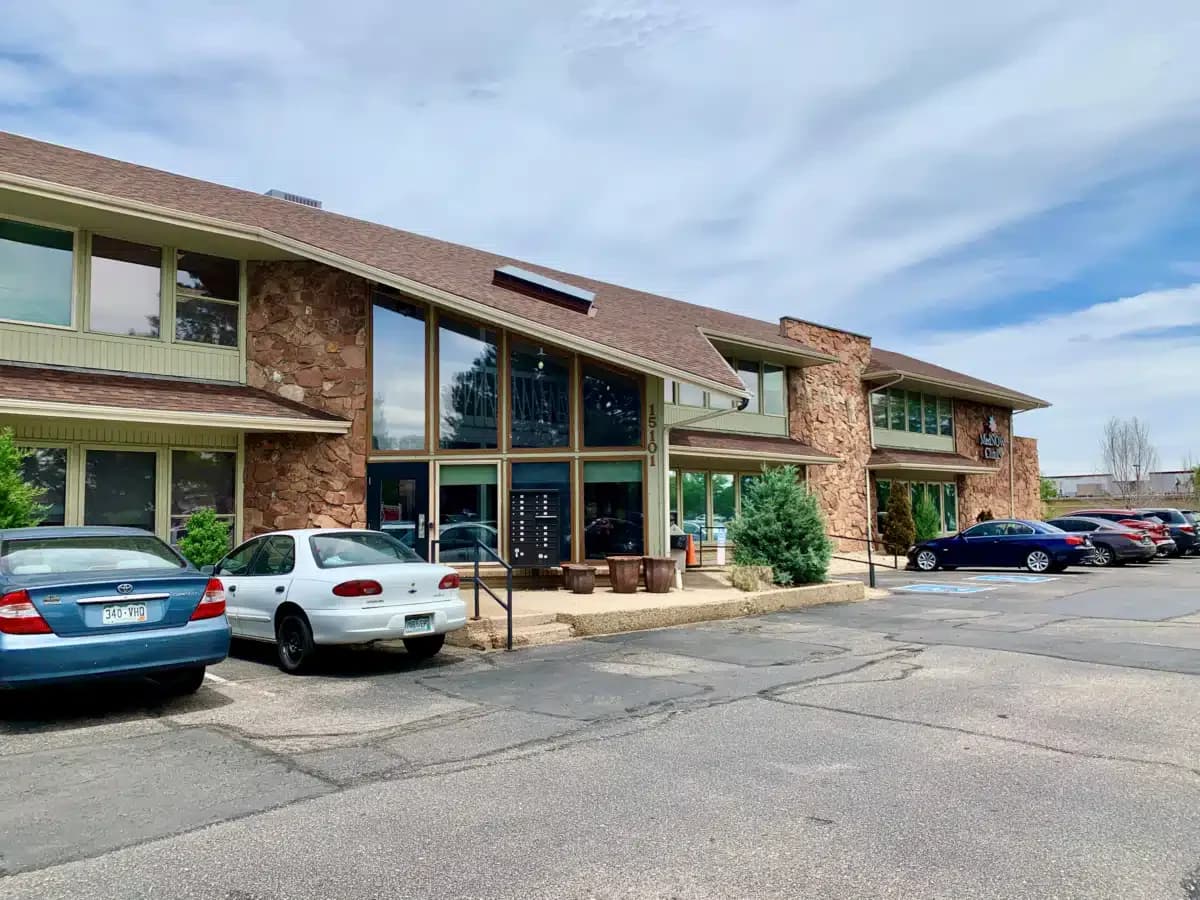
ARCH Detox, situated in Aurora, CO, provides outpatient services for individuals of all ages grappling with substance use and mental health challenges. Their expertise lies in addressing dual diagnoses, encompassing co-occurring substance use disorders and severe mental health conditions in adults, and serious emotional disturbances in children. Utilizing evidence-based approaches like cognitive behavioral therapy, anger management, and brief intervention, ARCH Detox delivers personalized treatment plans. They also offer dedicated programs for active duty military, adult men, and adult women, welcoming both male and female clients on their journey to recovery and improved well-being.

Located in Florence, KY, Alcohol Services of Kentucky specializes in outpatient treatment for both adults and young adults dealing with substance use issues. The center employs a variety of therapeutic techniques, such as brief intervention, cognitive behavioral therapy, and motivational interviewing, to create customized recovery plans that address each person's unique circumstances. With an emphasis on personalized support, both men and women benefit from focused care. Committed to delivering exemplary services, the facility offers a nurturing atmosphere for individuals on their journey to overcome addiction. For those seeking thorough treatment from skilled professionals in a friendly environment, Alcohol Services of Kentucky is an excellent option.
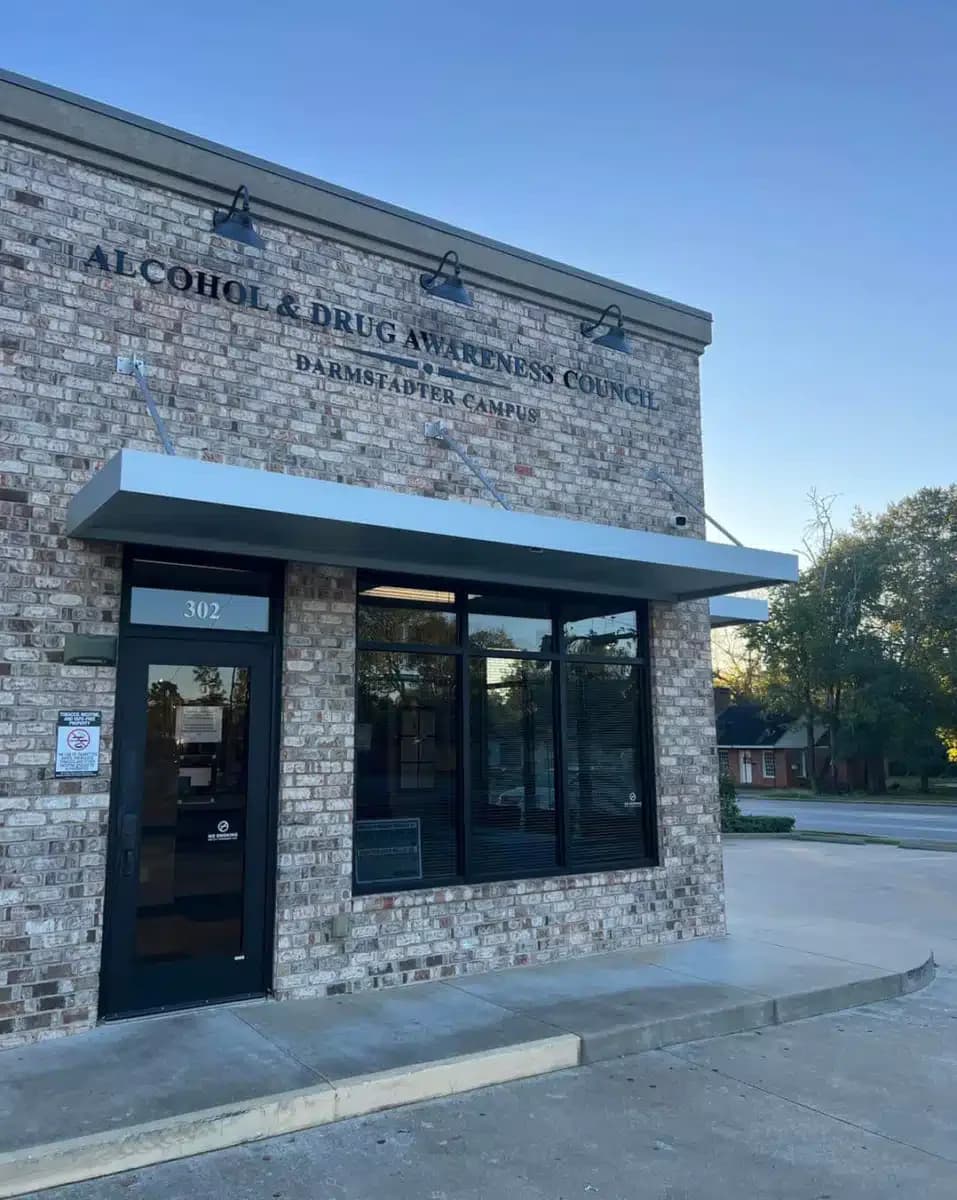
Situated in Lufkin, TX, the Alcohol and Drug Abuse Council offers outpatient treatment for individuals grappling with substance use issues, both adults and teens. Implementing techniques such as brief intervention, the Matrix Model, and motivational interviewing, this center provides tailored programs specifically designed for adult men, adult women, and adolescents. By accommodating both sexes, the center prioritizes high-quality care for those pursuing recovery from drug and alcohol dependency. Emphasizing customized treatment plans, the facility strives to assist each client on their path to sobriety. If you or someone close to you is in need of professional addiction services, explore the extensive programs available at this center.
The Alcohol and Drug Abuse Council of, situated in Jasper, TX, provides outpatient treatment services for individuals dealing with substance use issues, targeting both adults and teens. The center employs various therapeutic methods, including Brief Intervention, the Matrix Model, and Motivational Interviewing. Tailored programs are available for adult men, women, and clients involved in the criminal justice system. Committed to personalized care, this facility supports both male and female participants as they navigate their recovery process. Its dedication to high-quality treatment positions the center as an essential support system for individuals aiming to conquer addiction and reclaim their lives.

Situated in Ottawa, IL, 7th Fire Alcohol and Drug Counseling offers outpatient programs for adults and older individuals dealing with substance use challenges. The center utilizes methods such as 12-step facilitation, anger management, and brief intervention to create tailored treatment plans. With an emphasis on customized care, this facility is open to clients of all genders. Dedicated to providing high-quality services, 7th Fire Alcohol and Drug Counseling is recognized for its focus on tackling addiction through various evidence-supported approaches. If you or someone close to you is in need of effective and personalized substance use treatment, this center may serve as a suitable option for your path to recovery.
Situated in Nacogdoches, TX, the Alcohol and Drug Abuse Council provides dedicated outpatient support for individuals dealing with substance use issues. This center employs a variety of evidence-supported methods, including brief interventions, the Matrix Model, and motivational interviewing, to deliver regular outpatient care. Emphasizing personalized treatment, the facility serves adolescents, adult males, and adult females, accommodating clients of all genders. Their programs are designed for both adults and youths, offering thorough assistance to those of varying ages who are on the path to recovery. Discover exceptional care and customized treatment options at this esteemed rehabilitation center.

Situated in Lapeer, MI, the Alcohol Information and Counseling Center provides a wide range of treatment options for substance use disorders in both adults and teenagers. This center features intensive outpatient, outpatient, and standard outpatient treatment programs. It employs various methodologies, including anger management techniques, brief intervention strategies, and cognitive behavioral therapy, accommodating clients of all genders. Additionally, specialized programs are tailored for adult males, adult females, and adolescents. Committed to delivering high-quality, personalized care, this center serves as a vital resource for individuals in the Lapeer community who are in need of effective addiction rehabilitation support.

Alcohol Recovery Solutions, situated in Phoenix, AZ, specializes in outpatient care for adults and young adults struggling with substance use disorders, particularly those with co-occurring serious mental health conditions. Their therapeutic approaches include cognitive behavioral therapy, relapse prevention strategies, and motivational incentives. Emphasizing personalized treatment, this center crafts programs designed to address the distinct requirements of every individual. Both men and women benefit from specialized interventions within a nurturing setting. Alcohol Recovery Solutions is dedicated to providing excellent services to support individuals in their path toward sustained sobriety.
Situated in Muskegon, MI, Alcohol and Chemical Abuse Consultants offers focused treatment for individuals dealing with substance use issues, encompassing both adults and young adults. The center provides outpatient services that include methadone and buprenorphine therapies, emphasizing cognitive behavioral strategies, motivational techniques, and methods for preventing relapse. With an individualized approach, this facility serves both men and women. Its commitment to high-quality care and all-encompassing treatment strategies positions it as an excellent option for anyone in need of effective addiction recovery solutions. For those in search of customized outpatient care within a nurturing atmosphere, this center is dedicated to supporting clients on their path to sustainable recovery.
Situated in Muskegon, MI, Alcohol and Chemical Abuse Consultants delivers targeted substance use treatment for both adults and young adults. This facility features outpatient services, day treatment programs, and partial hospitalization, offering customized care through methods like cognitive behavioral therapy, motivational interviewing, and strategies for preventing relapse. Their distinct methodology adapts to the specific needs of each individual, guaranteeing personalized support. Catering to both men and women, this center emphasizes high-quality treatment aimed at guiding individuals through the recovery process from alcohol and chemical dependence. For those in need of thorough and impactful rehabilitation options, Alcohol and Chemical Abuse Consultants presents valuable expertise.
Alcohol and Chemical Abuse Consultants in Grand Rapids, MI, provides outpatient addiction care for individuals of all ages. Their expertise lies in therapeutic modalities such as cognitive behavioral therapy, motivational interviewing, and relapse prevention strategies. This facility is dedicated to personalized treatment, developing specific plans for male and female patients. Committed to high standards and scientifically proven methods, Alcohol and Chemical Abuse Consultants strives to guide individuals toward lasting sobriety. For those in need of complete addiction treatment within a supportive setting, their services are a valuable resource.
Alcohol and Chemical Abuse Consultants in Grand Rapids, MI, provides effective outpatient care for adults and adolescents struggling with substance abuse. They employ scientifically proven methods such as cognitive behavioral therapy, motivational interviewing, and relapse prevention strategies to create personalized treatment plans. This center embraces a client-centered philosophy, welcoming both men and women seeking to reclaim their lives. Alcohol and Chemical Abuse Consultants prioritizes high-quality support to empower individuals in their pursuit of sustained abstinence and a healthier future. For those in search of a compassionate and successful path to recovery, this establishment stands as a significant resource.
Situated in Livingston, TX, the Alcohol and Drug Abuse Council offers outpatient support for adults and young people grappling with substance abuse and concurrent severe mental health challenges. This establishment delivers consistent outpatient therapy, employing methods like brief intervention, the Matrix Model, and motivational interviewing. The center is equipped with distinct programs for teenagers, adult men, and adult women, addressing a spectrum of individual requirements. By assisting both male and female individuals, the facility guarantees thorough support for those pursuing sobriety. The Alcohol and Drug Abuse Council distinguishes itself through its personalized treatment strategies and dedication to superior service.
Situated in Port Allegany, PA, Alcohol and Drug Abuse Services Inc delivers extensive programs aimed at addressing substance use challenges for adults and seniors. This center provides a range of services, including intensive outpatient and regular outpatient treatment options. By employing methods such as 12-step facilitation, brief interventions, and cognitive behavioral therapy, the facility customizes its approach to cater to the unique requirements of each client. With a specialization in supporting those who have faced trauma, the center also features gender-specific initiatives for both men and women. Committed to offering exceptional care and individualized treatment, Alcohol and Drug Abuse Services Inc is focused on guiding individuals towards recovery.
Alcohol and Drug Abuse Services Inc, located in Bradford, PA, delivers extensive programs for treating substance use within a nurturing atmosphere. The center presents various treatment types, including long-term residential, 24-hour residential, and short-term residential care. It emphasizes methods like 12-step facilitation, anger management, and brief interventions. A distinctive aspect of this facility is its attention to clients who have faced trauma. Catering to men and women of all ages, the center prioritizes personalized care and support for every individual. With a strong commitment to delivering effective treatment, this center is focused on guiding people on their recovery paths from substance abuse.
Alcohol Counseling and, situated in Fort Collins, CO, offers exceptional outpatient care for individuals struggling with substance use. Their programs incorporate specialized therapies like 12-step facilitation, cognitive behavioral therapy, and motivational interviewing. They provide tailored treatment plans for adult men and women, encompassing young adults as well. This center is committed to delivering high-quality, personalized support for all genders, guiding clients toward lasting recovery through evidence-based methods.
Alcohol Services Center Inc in Jackson, MS provides comprehensive outpatient care for substance use disorders. Their approach integrates anger management, brief intervention techniques, and cognitive behavioral therapy to address addiction. The center is equipped to serve active duty military, adult men, and women, as well as young adults, offering specialized support for diverse populations. Committed to delivering effective treatment, Alcohol Services Center Inc utilizes proven, evidence-based methodologies to guide individuals toward lasting recovery. Clients receive dedicated assistance from a skilled team of professionals, ensuring a supportive and personalized path to healing.
Situated in Oklahoma City, OK, Alcohol Training and Education Inc provides outpatient services for substance use disorders targeting both adults and young adults. The center's customized programs incorporate cognitive behavioral therapy, motivational incentives, and the Matrix Model methodology. Notable for its personal approach, the facility serves both male and female individuals. With a strong emphasis on delivering high-quality care in a nurturing setting, it is an excellent option for individuals pursuing effective and customized addiction recovery solutions.
Delirium Tremens (DTs): Key Facts
Classification
Medical emergency
Mortality without treatment
Up to 37%
Mortality with medical care
Less than 5%
Typical onset
48–96 hours after last drink
Key symptoms
Seizures, hallucinations, severe confusion
Who is at risk
Heavy, prolonged drinkers; prior DT history
Treatment setting
ICU or inpatient medical detox
Standard treatment
Benzodiazepines + 24/7 monitoring
Call 911 Immediately If You See These Symptoms
Delirium tremens is a life-threatening medical emergency. Do not attempt to manage these symptoms at home. Call 911 immediately if you or someone you know is experiencing:
- Severe confusion or disorientation — not knowing where they are, what day it is, or who they are
- Seizures or convulsions of any kind
- Visual, auditory, or tactile hallucinations (seeing, hearing, or feeling things that are not there)
- Rapid or irregular heartbeat, chest pain, or difficulty breathing
- Fever above 104 degrees Fahrenheit (40 degrees Celsius)
- Profuse sweating with severe tremors or shaking
- Extreme agitation, aggression, or uncontrollable restlessness
Alcohol Withdrawal Symptoms
Alcohol withdrawal symptoms occur when someone who has been drinking heavily and regularly suddenly stops or significantly reduces their alcohol intake. The brain and central nervous system, which have adapted to the constant presence of alcohol, become hyperexcitable without it. The severity of alcohol withdrawal symptoms depends on how long a person has been drinking, how much they consume daily, their overall health, and whether they have experienced withdrawal before.
Early symptoms (6 to 12 hours after last drink)
The first alcohol withdrawal symptoms typically appear within 6 to 12 hours after the last drink. These early symptoms are often mild enough that people mistake them for a hangover or general anxiety, but they signal that the body has developed physical dependence on alcohol:
- Anxiety, nervousness, and irritability
- Hand tremors (the "shakes")
- Nausea, vomiting, and loss of appetite
- Headache and sweating
- Insomnia and difficulty sleeping
- Elevated heart rate and blood pressure
Peak symptoms (24 to 72 hours after last drink)
Alcohol withdrawal symptoms typically peak between 24 and 72 hours after the last drink. This is the most dangerous period, when severe and potentially life-threatening complications can develop. Peak symptoms may include:
- Severe tremors affecting the entire body
- Alcohol withdrawal seizures (typically 12 to 48 hours after last drink)
- Alcoholic hallucinosis — vivid visual, auditory, or tactile hallucinations
- Marked increase in blood pressure, heart rate, and body temperature
- Profuse diaphoresis (sweating)
- Delirium tremens in severe cases (onset typically 48 to 96 hours)
Psychological symptoms
Alcohol withdrawal does not only produce physical symptoms. The psychological toll is significant and often persists longer than physical symptoms. Common psychological alcohol withdrawal symptoms include severe anxiety and panic attacks, depression and suicidal ideation, confusion and difficulty concentrating, emotional volatility, nightmares and disturbed sleep, and intense cravings for alcohol. These psychological symptoms can trigger relapse if not managed with proper medical and therapeutic support. In some cases, post-acute withdrawal syndrome (PAWS) can cause mood and cognitive disturbances that persist for weeks or months after the acute phase resolves.
Alcohol Withdrawal Timeline
Understanding the alcohol withdrawal timeline helps patients and caregivers know what to expect and when medical intervention may be needed most urgently. While every person's experience varies based on their drinking history, overall health, and prior withdrawal episodes, the following timeline represents a typical progression of alcohol withdrawal.
Hours 6 to 12: Onset
Mild anxiety, hand tremors, nausea, sweating, and insomnia begin. Heart rate and blood pressure start to rise. Most people are still alert and oriented. This stage can resemble a severe hangover but is distinctly different — the symptoms will worsen rather than improve over the next several hours.
Hours 12 to 24: Escalation
Symptoms intensify. Tremors become more pronounced and may extend beyond the hands. Alcoholic hallucinosis can develop during this window — the person may see, hear, or feel things that are not real, but often recognizes the hallucinations are not real (unlike in delirium tremens). Blood pressure and heart rate continue rising. The risk of alcohol withdrawal seizures begins.
Hours 24 to 48: Peak Danger for Seizures
This is the highest-risk window for alcohol withdrawal seizures. Grand mal (tonic-clonic) seizures can occur without warning. Autonomic instability peaks — blood pressure, heart rate, and temperature may fluctuate dangerously. Agitation and confusion increase. This is a critical period that demands medical supervision.
Hours 48 to 96: Delirium Tremens Window
Delirium tremens (DTs) typically develops between 48 and 96 hours after the last drink, though onset can occur up to 7 days later in some cases. DTs involve global confusion, disorientation, vivid hallucinations that the person cannot distinguish from reality, autonomic hyperactivity (dangerously high heart rate, blood pressure, and temperature), and severe agitation. Without ICU-level care, mortality from DTs can reach 37%.
Days 5 to 7: Resolution of Acute Withdrawal
For most people, the acute physical symptoms of alcohol withdrawal begin to subside after 5 to 7 days. Vital signs stabilize, seizure risk drops, and mental clarity improves. However, insomnia, anxiety, irritability, and cravings often persist well beyond this point, transitioning into the post-acute withdrawal phase.
How Long Does Alcohol Withdrawal Last?
Acute withdrawal: 5 to 7 days
The acute phase of alcohol withdrawal — the period of most intense physical symptoms — typically lasts 5 to 7 days. During this window, the body is recalibrating to function without alcohol. The most dangerous symptoms (seizures and delirium tremens) occur within the first 96 hours, after which physical symptoms gradually diminish. The exact duration depends on several factors: the amount and frequency of alcohol consumed, the duration of the drinking history, the person's age and overall health, whether they have experienced prior withdrawal episodes (kindling), and co-occurring medical or mental health conditions.
Post-Acute Withdrawal Syndrome (PAWS)
After the acute phase resolves, many people experience Post-Acute Withdrawal Syndrome (PAWS), a prolonged period of subtler but persistent symptoms that can last weeks, months, or in some cases over a year. PAWS symptoms include anxiety and depression, mood swings and emotional flatness, sleep disturbances, difficulty concentrating and memory problems, reduced stress tolerance, and persistent alcohol cravings. PAWS is a major contributor to relapse because people feel that something is still wrong even after the acute withdrawal is over. Understanding that PAWS is a normal part of recovery — and that it does improve over time — is essential for sustained sobriety.
Long-term recovery timeline
Full neurological recovery from chronic heavy alcohol use can take 12 to 24 months. During this time, the brain is healing and rebuilding neural pathways. Cognitive function, emotional regulation, and sleep quality continue to improve throughout the first year of sobriety. This is why continuing treatment — through outpatient therapy, support groups, and aftercare planning — is critical even after detox is complete.
What Are Delirium Tremens (DTs)?
Delirium tremens is the most severe and dangerous form of alcohol withdrawal. It is a medical emergency that occurs in approximately 3 to 5 percent of people undergoing alcohol withdrawal, most commonly in those with a long history of heavy drinking. The term "delirium tremens" literally means "trembling delirium" — a combination of profound confusion and violent physical tremors that characterizes this condition.
Symptoms of delirium tremens
Delirium tremens presents with a distinct cluster of severe symptoms that differentiate it from milder forms of alcohol withdrawal:
Neurological symptoms
- Global confusion and disorientation to time, place, and person
- Vivid hallucinations — visual (seeing insects, animals, people), auditory, and tactile (feeling things crawling on the skin)
- Severe agitation and combativeness
- Grand mal seizures
Autonomic symptoms
- Dangerously elevated heart rate (tachycardia)
- Hypertension followed by potential cardiovascular collapse
- High fever (hyperthermia), sometimes exceeding 104 degrees Fahrenheit
- Profuse sweating and severe dehydration
Risk factors for developing DTs
Not everyone who goes through alcohol withdrawal will develop delirium tremens. The following factors significantly increase the risk:
- History of heavy, prolonged alcohol use (typically 10 or more years of daily drinking)
- Previous episodes of delirium tremens or alcohol withdrawal seizures
- Daily consumption of large quantities of alcohol (more than a pint of liquor per day or equivalent)
- Prior withdrawal episodes — each episode increases severity through a process called kindling
- Co-occurring medical conditions, particularly liver disease, infections, or electrolyte imbalances
- Age over 40 years combined with heavy drinking history
- Abrupt cessation of alcohol without medical tapering
Why delirium tremens is fatal without treatment
Delirium tremens kills through a cascade of physiological failures. Uncontrolled autonomic hyperactivity can lead to cardiac arrhythmias, heart attack, or stroke. Sustained high fever causes organ damage. Severe dehydration and electrolyte imbalances can trigger cardiac arrest. Prolonged or repeated seizures (status epilepticus) can cause brain damage and respiratory failure. Aspiration pneumonia can develop when a confused, seizing patient inhales vomit. The historical mortality rate of untreated delirium tremens approaches 37 percent — making it one of the most lethal withdrawal syndromes of any substance. With proper ICU or inpatient medical care, mortality drops to below 5 percent.
Alcohol Withdrawal Seizures
When alcohol withdrawal seizures occur
Alcohol withdrawal seizures are one of the most dangerous complications of stopping alcohol after prolonged heavy use. They typically occur between 12 and 48 hours after the last drink, with peak risk around 24 hours. These are most commonly generalized tonic-clonic (grand mal) seizures — involving loss of consciousness, full-body convulsions, and a postictal period of confusion. Approximately 5 to 10 percent of people going through alcohol withdrawal experience seizures. Unlike seizures in epilepsy, alcohol withdrawal seizures often occur in clusters — multiple seizures within a short period.
Why alcohol causes seizures during withdrawal
Alcohol enhances the effects of GABA, the brain's primary inhibitory neurotransmitter, while suppressing glutamate, the primary excitatory neurotransmitter. With chronic heavy drinking, the brain compensates by downregulating GABA receptors and upregulating glutamate receptors. When alcohol is suddenly removed, the brain is left in a state of severe excitatory imbalance — GABA activity is inadequate and glutamate activity is excessive. This excitatory surge overwhelms the brain's neural circuits, producing seizures.
Risk factors for alcohol withdrawal seizures
- Previous alcohol withdrawal seizures (the single strongest predictor)
- History of prolonged, daily heavy alcohol consumption
- Multiple prior detoxification episodes (kindling effect)
- Concurrent use of benzodiazepines or barbiturates with alcohol
- Low blood sugar (hypoglycemia), low magnesium, or low potassium at the time of withdrawal
- History of traumatic brain injury or pre-existing seizure disorder
Seizures as a warning sign for delirium tremens
Alcohol withdrawal seizures are not only dangerous in themselves — they are also a strong predictor that delirium tremens may follow. Approximately one-third of patients who experience untreated alcohol withdrawal seizures will go on to develop delirium tremens. This is why any seizure in the context of alcohol withdrawal warrants immediate medical evaluation and inpatient monitoring, even if the patient appears to recover fully after the seizure.
Alcohol Detox Symptoms
Alcohol detox symptoms encompass the full range of physical and psychological effects a person experiences when clearing alcohol from their system after a period of dependence. Understanding these symptoms — and the difference between managed medical detox and unassisted withdrawal — can be the difference between a safe recovery and a life-threatening emergency.
Medical detox vs. home detox
Medical detox (recommended)
- 24/7 medical monitoring of vital signs
- Benzodiazepine protocol to prevent seizures and DTs
- IV fluids and electrolyte replacement
- Medications for nausea, anxiety, insomnia, and pain
- Immediate intervention if complications arise
- Nutritional support (thiamine, folate, multivitamins)
- Smooth transition to ongoing addiction treatment
Home detox (dangerous)
- No monitoring — cannot detect rising vital signs
- No seizure prevention or treatment available
- No way to manage delirium tremens if they develop
- High risk of severe dehydration and malnutrition
- Choking or aspiration risk during seizures
- Overwhelming discomfort drives immediate relapse
- Can be fatal — alcohol withdrawal is one of the few withdrawals that kills
Who should never detox at home
Anyone with a history of alcohol withdrawal seizures, delirium tremens, or heavy daily drinking for more than several years should not attempt to detox at home under any circumstances. People with liver disease, heart conditions, diabetes, or other significant medical problems are also at elevated risk. If you are unsure whether home detox is safe, the answer is almost certainly that it is not — call a medical professional or a detox helpline before stopping alcohol on your own.
Why Medical Detox Is Essential for Alcohol Withdrawal
Alcohol is one of only a few substances — along with benzodiazepines and barbiturates — where withdrawal itself can be directly fatal. Unlike opioid withdrawal, which is extremely uncomfortable but rarely life-threatening, alcohol withdrawal can cause fatal seizures, cardiac events, and delirium tremens. This makes medical detox not merely recommended but essential for anyone with significant alcohol dependence.
The benzodiazepine protocol
The standard of care for alcohol withdrawal management is a benzodiazepine-based protocol. Benzodiazepines — such as diazepam (Valium), lorazepam (Ativan), or chlordiazepoxide (Librium) — work on the same GABA receptors as alcohol, allowing the brain to be gradually weaned from its dependence rather than experiencing abrupt excitatory rebound. Most medical detox facilities use either a fixed-dose tapering schedule or a symptom-triggered approach using the Clinical Institute Withdrawal Assessment for Alcohol (CIWA-Ar) scale. In the symptom-triggered approach, benzodiazepine doses are administered based on the severity of withdrawal symptoms, which has been shown to reduce both total medication use and the length of detox.
Additional medications used in medical detox
- Thiamine (Vitamin B1): Administered to prevent Wernicke-Korsakoff syndrome, a serious brain condition caused by thiamine deficiency in chronic alcoholism
- Anticonvulsants: Phenobarbital, carbamazepine, or valproate may be used alongside benzodiazepines for seizure prevention in high-risk patients
- Antihypertensives: Clonidine or beta-blockers to manage elevated blood pressure and heart rate
- Electrolyte replacement: Magnesium, potassium, and phosphate are commonly depleted in chronic heavy drinkers and must be corrected
- Anti-nausea and sleep medications: Ondansetron for nausea, trazodone or hydroxyzine for insomnia and anxiety
Continuous monitoring
During medical detox, patients are monitored around the clock with regular vital sign checks (blood pressure, heart rate, temperature, oxygen saturation) and repeated CIWA-Ar assessments. This allows the medical team to detect early warning signs of escalating withdrawal — such as a rising heart rate or increasing confusion — and intervene before the situation becomes an emergency. In severe cases requiring ICU-level care, patients may receive continuous IV benzodiazepine infusions, mechanical ventilation, and hemodynamic monitoring.
Kindling: why each withdrawal gets worse
Kindling is a neurological phenomenon where each successive episode of alcohol withdrawal becomes more severe than the last, even if the person's drinking pattern has not changed. The brain becomes increasingly sensitized to the excitatory rebound of withdrawal, lowering the threshold for seizures and delirium tremens with each cycle. This means a person who has been through withdrawal multiple times faces significantly greater risk than someone experiencing it for the first time — even if they were drinking less. Kindling is one of the strongest arguments for seeking professional medical detox and committing to sustained recovery, because each relapse-withdrawal cycle makes the next withdrawal more dangerous.
How to Choose a Medical Detox Center for Alcohol Withdrawal
24/7 medical supervision
The facility must have round-the-clock nursing staff and physician availability. Alcohol withdrawal can escalate rapidly — a center that only provides daytime supervision is not adequate for safe detox.
Benzodiazepine protocol
Ask whether the center uses an evidence-based benzodiazepine tapering protocol (CIWA-Ar scoring). This is the gold standard for alcohol withdrawal management and seizure prevention.
ICU transfer capability
For patients at high risk of delirium tremens, the center should have the ability to provide ICU-level care or have a transfer agreement with a nearby hospital for emergencies.
Integrated treatment planning
The best detox centers do not just manage withdrawal — they create a comprehensive treatment plan that transitions patients into ongoing therapy, whether residential, IOP, or outpatient.
Insurance and cost transparency
Alcohol detox is covered by most insurance plans under the Mental Health Parity Act. The center should verify your benefits upfront and provide clear information about any out-of-pocket costs.
Dual diagnosis capability
Many people with severe alcohol dependence also have co-occurring depression, anxiety, PTSD, or other mental health conditions. The center should be equipped to assess and treat these simultaneously.
Related Treatment Approaches and Resources
Treatment approaches
Related conditions and levels of care
Frequently Asked Questions About Alcohol Withdrawal and Delirium Tremens
What are the first signs of alcohol withdrawal?
The first signs of alcohol withdrawal typically appear 6 to 12 hours after the last drink. They include anxiety and nervousness, hand tremors or "the shakes," nausea and vomiting, sweating, insomnia, headache, and an elevated heart rate. These early symptoms can look like a severe hangover, but the key difference is that they progressively worsen over the next 24 to 72 hours rather than improving. If you notice these symptoms after stopping or reducing alcohol use, contact a medical professional — early intervention can prevent the progression to more dangerous complications like seizures and delirium tremens.
How long does alcohol withdrawal last?
The acute phase of alcohol withdrawal typically lasts 5 to 7 days. Symptoms begin within 6 to 12 hours of the last drink, peak around 24 to 72 hours, and gradually subside over the following days. However, many people experience Post-Acute Withdrawal Syndrome (PAWS) — a prolonged period of anxiety, mood disturbances, sleep problems, and cravings that can persist for weeks, months, or even over a year. The duration and severity depend on the length and intensity of drinking history, prior withdrawal episodes, overall health, and whether professional treatment is received.
What is delirium tremens?
Delirium tremens (DTs) is the most severe and life-threatening form of alcohol withdrawal. It typically develops 48 to 96 hours after the last drink and is characterized by profound confusion, vivid hallucinations (visual, auditory, and tactile), seizures, dangerously elevated heart rate and blood pressure, high fever, and extreme agitation. DTs occur in approximately 3 to 5 percent of people undergoing alcohol withdrawal, primarily those with long histories of heavy drinking or prior withdrawal complications. Without medical treatment, the mortality rate from delirium tremens can reach 37 percent. With appropriate ICU or inpatient medical care, the mortality rate drops to below 5 percent.
Can alcohol withdrawal kill you?
Yes — alcohol withdrawal can be fatal. It is one of only a few substance withdrawals (along with benzodiazepines and barbiturates) that can directly cause death. The most common causes of death during alcohol withdrawal are uncontrolled seizures (status epilepticus), cardiac arrhythmias from autonomic instability, complications of delirium tremens including cardiovascular collapse and hyperthermia, and aspiration pneumonia. This is why medical detox is strongly recommended for anyone with significant alcohol dependence. Medical supervision with benzodiazepine protocols reduces the mortality risk from as high as 37 percent to less than 5 percent.
What is an alcohol withdrawal seizure?
Alcohol withdrawal seizures are generalized tonic-clonic (grand mal) seizures that occur when a person who is physically dependent on alcohol stops or significantly reduces their drinking. They typically happen between 12 and 48 hours after the last drink, with peak risk around 24 hours. These seizures involve loss of consciousness, full-body muscle contractions, and a period of confusion afterward. They affect approximately 5 to 10 percent of people in withdrawal and often occur in clusters. Experiencing an alcohol withdrawal seizure is a strong predictor that delirium tremens may follow — about one-third of patients with untreated withdrawal seizures progress to DTs. Benzodiazepines administered during medical detox are highly effective at preventing these seizures.
What is kindling in alcohol withdrawal?
Kindling is a neurological phenomenon where each successive episode of alcohol withdrawal becomes progressively more severe than the previous one, even if the person's drinking pattern has not changed or has decreased. With each withdrawal cycle, the brain becomes increasingly sensitized to the excitatory rebound that occurs when alcohol is removed. This lowers the threshold for seizures and delirium tremens, meaning a person who has gone through withdrawal multiple times faces significantly higher risk than someone withdrawing for the first time. Kindling is one of the strongest arguments for pursuing sustained recovery after detox — each relapse-withdrawal cycle makes future withdrawals more dangerous and more difficult to manage.
Should I detox from alcohol at home?
For most people with significant alcohol dependence, home detox is dangerous and strongly discouraged. Alcohol withdrawal can produce life-threatening seizures and delirium tremens that require immediate medical intervention — neither of which can be safely managed at home. You should absolutely not attempt home detox if you have a history of withdrawal seizures or delirium tremens, drink heavily every day, have been drinking for many years, have liver disease or other serious medical conditions, or use benzodiazepines or other sedatives in addition to alcohol. Medical detox provides 24/7 monitoring, seizure prevention medications, IV fluids, and the ability to respond instantly to emergencies. If cost is a concern, many detox programs accept insurance, Medicaid, or offer sliding-scale fees.
What medications are used for alcohol withdrawal?
The primary medications used for alcohol withdrawal are benzodiazepines — including diazepam (Valium), lorazepam (Ativan), and chlordiazepoxide (Librium). These drugs prevent seizures and reduce the severity of withdrawal symptoms by acting on the same GABA receptors as alcohol. Additional medications commonly used include thiamine (vitamin B1) to prevent Wernicke-Korsakoff syndrome, anticonvulsants like phenobarbital or carbamazepine for additional seizure protection, clonidine or beta-blockers for blood pressure and heart rate control, magnesium and potassium supplementation, and medications for symptom relief such as ondansetron for nausea and trazodone for insomnia. After detox, medications like naltrexone, acamprosate, or disulfiram may be prescribed to help maintain sobriety and reduce cravings as part of a Medication-Assisted Treatment (MAT) plan.
Medical Review and Sources
Trusted Resources
Substance Abuse and Mental Health Services Administration
Federal agency providing information, resources, and treatment locator for substance abuse and mental health.
Helpline: 1-800-662-4357
National Institute on Drug Abuse
NIH institute advancing science on drug use and addiction causes, consequences, and treatment.
National Institute on Alcohol Abuse and Alcoholism
NIH institute supporting research on alcohol's impact on health and providing treatment resources.
Need Help Finding a Medical Detox Program?
Alcohol withdrawal is a medical emergency that requires professional care. Speak with a specialist who can help you find a safe, medically supervised detox program — 100% free and confidential, available 24/7.
Browse delirium tremens programs in states with the most treatment options.
Related conditions, treatment approaches, and levels of care.