
Bath Salts Addiction: Synthetic Cathinones Treatment
Bath salts (synthetic cathinones) are powerful designer stimulants sold under names like flakka, Cloud Nine, and Vanilla Sky. These substances cause psychosis, extreme agitation, hyperthermia, and death. Below you will find what bath salts are, how they affect the brain, how to recognize addiction, and a directory of treatment centers.
Found 75 rehab centers specializing in bath salts (synthetic cathinones) across the United States.
Need Help Finding the Right Treatment Center?
Speak with a compassionate specialist now - 100% free & confidential
Find Bath Salts Addiction Treatment Centers Near You
Use the search bar and filters below to find treatment centers that specialize in stimulant and synthetic drug addiction, including programs offering psychiatric support, behavioral therapy, and residential or outpatient care for bath salts dependence.
Showing 20 of 75 results

The Adolescent Substance Abuse Program, located in Glendale, AZ, delivers comprehensive outpatient and intensive outpatient services for individuals struggling with addiction. This center employs proven therapeutic modalities, including cognitive behavioral therapy, motivational interviewing, and strategies for sustained sobriety. Their expertise lies in offering specialized, high-quality care designed with adolescents in mind, though they also serve adults, seniors, and young adults. The program is particularly focused on providing support to females. By integrating scientifically validated methods, the center is dedicated to empowering individuals to conquer addiction and cultivate lasting well-being. For those in need of expert-driven adolescent addiction treatment in a nurturing setting, this program offers a promising avenue for healing.
Situated in Mesa, AZ, the Adolescent Substance Abuse Program delivers targeted treatment for young individuals dealing with substance use issues within an outpatient framework. It incorporates proven methods like cognitive behavioral therapy, motivational interviewing, and strategies for preventing relapse, ensuring a personalized approach that meets the distinct requirements of its young female clientele. Supporting a diverse range of ages, including adults, children, seniors, and young adults, the intensive outpatient program at this center provides essential assistance for those looking to conquer their substance use challenges. Emphasizing high-quality care and specialized attention for adolescents, the facility serves as a crucial ally for both individuals and families on the journey to recovery.
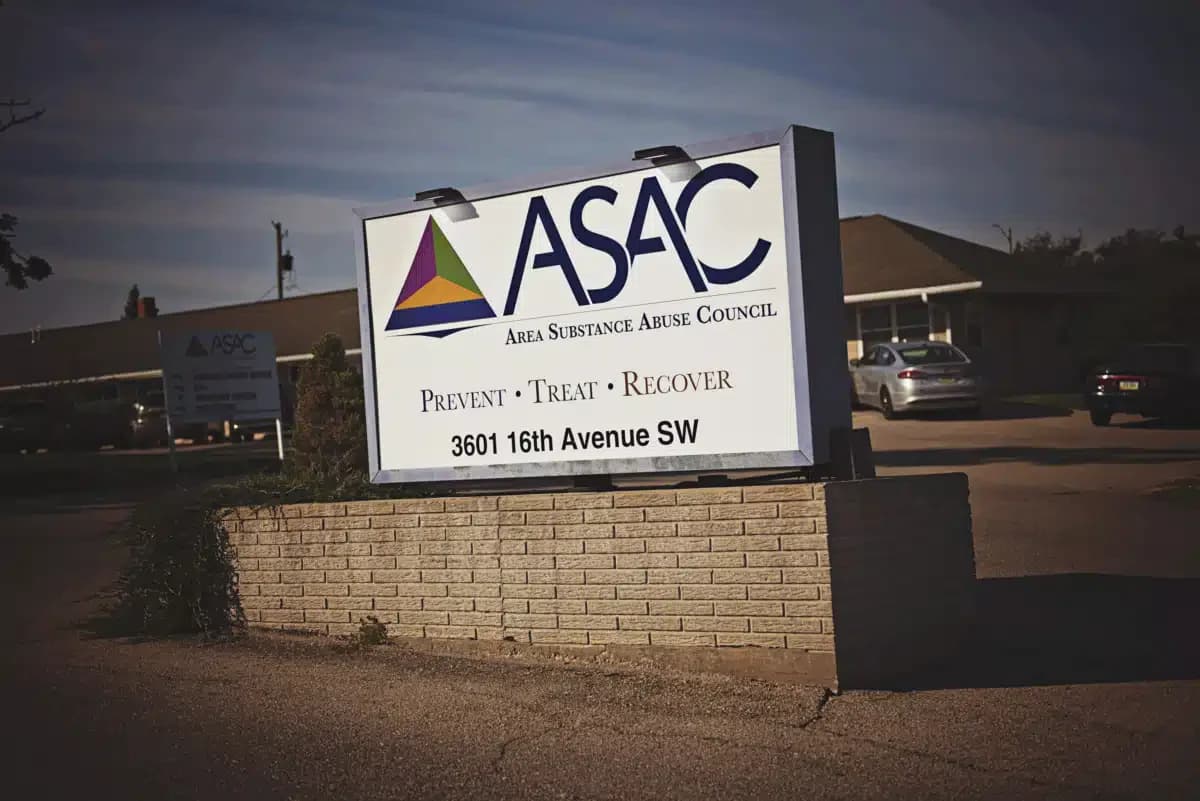
The Area Substance Abuse Council, located in Cedar Rapids, IA, specializes in providing treatment for adults facing substance use disorders along with co-existing mental health challenges, as well as supporting children dealing with emotional issues. Their wide-ranging programs encompass intensive outpatient care, outpatient services, and day treatment alternatives. The center utilizes proven methodologies, including 12-step programs, anger management, and brief therapeutic interventions. It also features specific programs designed for active military personnel, teenagers, and adult males, ensuring that it meets the needs of various demographics. Those in search of dedicated care and personalized assistance for substance use concerns will discover a supportive and effective treatment setting at this center.
Area Substance Abuse Council in Cedar Rapids, IA, offers outpatient substance use treatment with a focus on co-occurring serious mental health illnesses in adults and serious emotional disturbances in children. The program includes 12-step facilitation, anger management, and brief interventions. This facility provides specialized programs for active duty military personnel, adult men, and women. Catering to adults and seniors of both genders, the center delivers quality care through regular outpatient treatment. With a range of tailored approaches and specific programs, the center aims to address the unique needs of each individual seeking addiction treatment.
The Area Substance Abuse Council, situated in Cedar Rapids, IA, provides an extensive array of rehabilitation services. This center focuses on treating substance use disorders, offering transitional living options as well as support for individuals facing both substance use issues and serious mental health conditions. With a variety of treatment formats, including long-term, short-term, and residential programs, the center delivers personalized care through techniques like 12-step facilitation, anger management, and brief interventions. Additionally, specialized programs are available for active military personnel, adult men, and adult women. Catering to adults, seniors, and young adults of all genders, this facility is committed to delivering top-notch support for those striving to overcome substance abuse and mental health obstacles.
Situated in Cedar Rapids, IA, the Area Substance Abuse Council provides an extensive variety of services for substance use treatment. This center features options for transitional housing and halfway houses, designed for those who are looking for a nurturing environment during their recovery process. It focuses on addressing co-occurring substance use disorders as well as significant mental health challenges in adults and emotional issues in children. The facility offers multiple treatment formats, including intensive outpatient, outpatient, and standard outpatient services. It employs various methodologies, such as 12-step programs, anger management techniques, and brief therapeutic interventions. Additionally, specialized programs are available for active military members, as well as for adult men and women, ensuring that individuals of all ages and genders receive the high-quality care they need on their path to recovery.
Situated in Cedar Rapids, IA, the Area Substance Abuse Council presents an extensive variety of services for addiction recovery. This center features intensive outpatient care, long-term residential options, and outpatient programs catering to both adults and the elderly. Emphasizing counseling for substance use disorders and innovative approaches like contingency management and motivational incentives, the facility is equipped to assist those dealing with concurrent mental health concerns. It also includes specialized programs designed for adolescents and both adult men and women, ensuring customized support for varying requirements. Whether individuals are looking for transitional housing or sober living arrangements, this center fosters a nurturing environment conducive to healing. Both male and female clients benefit from the expertise of dedicated professionals who strive to lead them towards sustained sobriety.
Situated in Phoenix, AZ, the Adolescent Substance Abuse Program stands out as a premier center dedicated to addressing substance use issues. This establishment provides both intensive outpatient and traditional outpatient services specifically designed for younger individuals. Utilizing research-backed methods like cognitive behavioral therapy, motivational interviewing, and strategies for preventing relapse, the program prioritizes female participants while also serving adults, seniors, and young adults. The center's tailored approach and dedication to excellence make it a top option for individuals in search of thorough and effective substance abuse treatment.

Agape Substance Abuse Program in Houston, Texas runs intensive and regular outpatient treatment for substance use and co-occurring serious mental illness, serving children, adolescents, adults, and seniors. Programs include options for pregnant and postpartum women, veterans, and trauma survivors. Federal funding and a sliding fee scale are accepted.
The Area Substance Abuse Council, situated in Cedar Rapids, Iowa, specializes in outpatient substance use therapy for adults and seniors. Employing methods like 12-step facilitation, brief intervention, and cognitive behavioral therapy, this center delivers customized support aligned with individual requirements. The program adopts a personalized strategy, serving both male and female individuals. Its core mission is to provide excellent care and assistance to those aiming for recovery from substance dependency. For those seeking effective treatment with a bespoke approach, this institution could be a fitting option for their path to wellness.
Nestled in Warren, AR, the 10th District Substance Abuse Program delivers extensive support for individuals battling substance use. Their offerings include structured intensive outpatient services, day treatment, and partial hospitalization. Employing strategies like 12-step integration, anger management, and brief intervention, the center accommodates adult men and women, even those facing dual diagnoses of mental health and substance use challenges. The program also provides supportive housing and sober living environments for adults and young adults. With dedicated tracks for male and female participants, this center is committed to delivering exceptional care and personalized recovery pathways.
Situated in Hackensack, New Jersey, the Adolescent Substance Abuse Program provides accessible outpatient support for those facing challenges with drug or alcohol dependence. This center is equipped to serve adolescents, adults, and young adults, irrespective of gender identity. Employing therapeutic strategies including 12-step integration, emotional regulation techniques, and concise counseling, the program is designed to cater to the specific requirements of every person. Committed to high standards of care and tailored recovery paths, this facility is devoted to guiding individuals toward sustained wellness. For anyone in need of thorough addiction treatment within a nurturing setting, the Adolescent Substance Abuse Program is a valuable resource.
Situated in Clinton, IA, the Area Substance Abuse Council provides a wide range of treatment options for substance use issues. This center specializes in intensive outpatient programs, standard outpatient services, and partial hospitalization/day treatment. Incorporating methods such as motivational incentives and contingency management, alongside counseling for substance use disorders, the facility accommodates adolescents, men, and women. Dedicated to serving adults and seniors of diverse backgrounds, the center prioritizes personalized treatment for each client. With an emphasis on high-quality care, the Area Substance Abuse Council is a reputable option for individuals looking for effective rehabilitation in the Clinton region.
The Area Substance Abuse Council in Dubuque, IA, provides an array of programs designed to treat substance use issues for individuals with varying needs. This center features several treatment options, including intensive outpatient services, outpatient care, and regular outpatient programs. Employing methods like 12-step facilitation, anger management, and brief interventions, the facility customizes treatment strategies to fit the specific needs of each client. It also offers specialized programs for adolescents, as well as adult men and women, ensuring support for different age groups and genders. Whether for personal recovery or assistance for a loved one, clients can count on receiving high-quality care and effective support throughout their recovery journey at this center.
Situated in Manchester, IA, the Area Substance Abuse Council delivers focused treatment options for adults facing substance use issues, including those who also have significant mental health conditions or emotional challenges in children. The center offers multiple treatment modalities, such as intensive outpatient, outpatient, and partial hospitalization programs. Utilizing customized methods including 12-step facilitation, anger management, and brief interventions, this facility aims to provide personalized care. Special programs are available for active duty military members, adolescents, and adult men. The center is committed to offering quality support and care for individuals of all ages and genders seeking to overcome substance abuse challenges.
Situated in Clinton, IA, the Area Substance Abuse Council provides various treatment options for substance use within a nurturing atmosphere. This center features long-term, short-term, and round-the-clock residential programs specifically designed for adult men, seniors, and those facing both mental health and substance use challenges. The facility excels in offering motivational incentives and counseling for substance use disorders, ensuring an all-encompassing recovery strategy. Distinctive programs are available for individuals who have faced trauma, highlighting a comprehensive approach to healing. With an emphasis on high-quality care and individualized support, this center serves as a guiding light for individuals pursuing sobriety and long-term stability.
Situated in Clinton, IA, the Area Substance Abuse Council delivers extensive treatment solutions for individuals struggling with substance use and concurrent mental health issues. This center features intensive outpatient services, outpatient day programs, and partial hospitalization options. It emphasizes strategies such as 12-step facilitation, anger management, and brief intervention. Tailored programs are available for active military members, as well as specific offerings for adult men and women, addressing the needs of various groups. The facility is committed to providing personalized care and assistance to adults and seniors of all genders, ensuring that each person's distinct requirements are met.
The Area Substance Abuse Council, located in Anamosa, IA, delivers extensive treatment for adults dealing with substance use issues alongside mental health disorders. The center features various programs, including intensive outpatient, outpatient, and day treatment, employing evidence-based techniques such as 12-step facilitation and anger management training. It has specialized offerings for active duty military personnel, adolescents, and adult males, addressing a wide range of community needs. Customized services are provided for both men and women, as well as seniors. With an emphasis on personalized care and a multidisciplinary strategy, the center aims to provide effective support to individuals on their journey to recovery from substance use and mental health challenges.
Situated in Cedar Rapids, IA, the Area Substance Abuse Council serves as a multifaceted rehabilitation facility that offers a range of programs including long-term, short-term, and 24-hour residential care. This center focuses on treating substance use disorders, providing transitional housing solutions, and addressing co-occurring mental health issues. It is designed to meet the needs of adult women who are coping with substance-related and psychological difficulties. The center also implements specialized programs for military personnel, survivors of intimate partner violence, and individuals requiring anger management support, creating a nurturing environment for healing. Utilizing methodologies like 12-step facilitation and brief intervention strategies, the facility emphasizes high-quality care tailored for adults of all ages seeking individualized treatment options.
Situated in Clinton, IA, the Area Substance Abuse Council provides outpatient treatment options for substance use aimed at adults and older individuals. This center incorporates methods such as 12-step facilitation, brief interventions, and cognitive behavioral therapy, delivering a well-rounded recovery experience. Prioritizing personalized care, the facility serves both men and women, ensuring that treatment plans are specifically designed to meet the unique needs of each person. For anyone in search of effective addiction treatment in a nurturing atmosphere, the Area Substance Abuse Council stands out as a commendable option for embarking on a path to recovery.
Bath Salts (Synthetic Cathinones): Key Facts
Classification
Synthetic cathinones (designer stimulants)
Also known as
Flakka, Vanilla Sky, Cloud Nine, Bloom, White Lightning
Active compounds
MDPV, alpha-PVP, mephedrone & methylone
Main risks
Psychosis, hyperthermia, cardiovascular collapse & death
Addiction potential
High
Withdrawal severity
Moderate (primarily psychological)
DEA scheduling
Schedule I (MDPV, mephedrone); some variants unscheduled
Recommended treatment
Behavioral therapy + psychiatric support
What Are Bath Salts? (Synthetic Cathinones)
Bath salts drug definition
The bath salts drug is a class of synthetic stimulants known as synthetic cathinones — laboratory-made chemicals loosely derived from cathinone, a naturally occurring stimulant found in the khat plant (Catha edulis) native to East Africa and the Arabian Peninsula. Despite sharing a name with the legitimate bath products sold in stores, these substances have no relation to actual bathing salts. The misleading name was deliberately chosen by manufacturers to disguise the drugs and evade law enforcement, often labeling packages as "bath salts," "plant food," or "jewelry cleaner" with the disclaimer "not for human consumption."
How bath salts are sold and used
Synthetic cathinones typically appear as white or brown crystalline powders, though they are also sold as capsules, tablets, and liquid solutions. Users ingest them by snorting, swallowing, smoking, or injecting — with injection and snorting producing the most rapid and intense effects. These substances were widely available in convenience stores, gas stations, and head shops before federal scheduling, and they remain accessible through online markets and illicit drug channels. The ease of synthesis and constantly shifting chemical formulas make bath salts particularly difficult to regulate.
Why bath salts are so dangerous
Unlike well-studied substances, the chemical composition of bath salts varies dramatically from batch to batch. Users often have no idea which synthetic cathinone they are consuming, at what dose, or what other chemicals may have been added. This unpredictability makes every use a gamble. Emergency room physicians have reported that patients on bath salts frequently present with symptoms that are far more severe and erratic than those seen with traditional stimulants like cocaine or methamphetamine, including extreme psychosis, violent behavior, and dangerously elevated body temperatures.
What Is Flakka (Alpha-PVP)?
Understanding the flakka drug
Flakka is the street name for alpha-pyrrolidinopentiophenone (alpha-PVP), one of the most potent and dangerous synthetic cathinones in the bath salts family. The name "flakka" is believed to derive from the Spanish slang word "la flaca," meaning a thin, attractive woman, though it has also been called "gravel" due to its appearance as small white or pink crystals that resemble aquarium gravel. Flakka gained national attention in 2014-2016 when a surge of bizarre and violent incidents — including people running naked through streets, attempting to break into police stations, and exhibiting superhuman strength — were linked to its use, particularly in South Florida.
Why flakka is extremely dangerous
Flakka earned the nickname "$5 insanity" because a single dose costs as little as five dollars, making it accessible to nearly anyone. Alpha-PVP is a powerful reuptake inhibitor of dopamine and norepinephrine, flooding the brain with stimulation far beyond what cocaine or methamphetamine typically produce. The margin between a "recreational" dose and a life-threatening overdose is extremely narrow. Users frequently experience a condition called excited delirium — characterized by extreme agitation, hyperthermia (body temperatures exceeding 105 degrees Fahrenheit), superhuman strength, and a complete break from reality. This condition can lead to cardiac arrest, kidney failure, and death. First responders report that individuals on flakka often require multiple officers to restrain and may not respond to standard sedation protocols.
Flakka and lasting health consequences
Even when flakka use does not result in immediate death, it can cause lasting damage. Severe hyperthermia can trigger rhabdomyolysis — the breakdown of muscle tissue that releases proteins into the bloodstream, potentially causing permanent kidney damage. Repeated episodes of stimulant-induced psychosis are associated with long-term psychiatric vulnerability, and some users report persistent paranoia, anxiety, and cognitive difficulties months after their last use. The combination of extreme potency, low cost, and devastating side effects makes flakka one of the most concerning synthetic drugs to emerge in recent decades.
Mephedrone and Other Synthetic Cathinones
Mephedrone (4-MMC)
Mephedrone, also known as 4-methylmethcathinone or "meow meow," was one of the first synthetic cathinones to gain widespread popularity, particularly in the United Kingdom and Europe in the late 2000s before spreading to the United States. It produces effects similar to a combination of MDMA (ecstasy) and cocaine — euphoria, increased sociability, heightened sensory perception, and stimulation. Mephedrone acts by releasing serotonin, dopamine, and norepinephrine simultaneously, which accounts for both its appeal and its danger. Users report strong urges to re-dose frequently, and binge patterns lasting hours or days are common. Mephedrone has been linked to cardiovascular emergencies, serotonin syndrome, and multiple fatalities, and it was placed on Schedule I of the Controlled Substances Act in 2012.
MDPV and methylone
Methylenedioxypyrovalerone (MDPV) was the primary active ingredient in many early bath salts products and is considered one of the most potent dopamine reuptake inhibitors ever identified — roughly ten times more potent than cocaine at blocking dopamine reuptake. Its extreme potency is the reason bath salts gained a reputation for causing violent psychosis and erratic behavior. Methylone, another common synthetic cathinone, is structurally similar to MDMA and produces empathogenic and stimulant effects, though with a higher risk profile and less predictable dosing. Both MDPV and methylone are now Schedule I substances, but their chemical structures served as templates for dozens of newer, unscheduled variants.
The "whack-a-mole" problem
One of the greatest challenges in combating synthetic cathinones is the speed at which clandestine chemists create new variants. When authorities ban one compound, manufacturers make minor molecular modifications to produce a technically legal alternative that evades existing scheduling. This cat-and-mouse dynamic — often called the "whack-a-mole" problem — means that the specific synthetic cathinone in any given batch of bath salts is constantly changing. Users and even dealers may not know exactly which chemical they are handling. The Federal Analogue Act attempts to address this by treating substantially similar compounds as controlled substances, but enforcement remains difficult, and new variants continue to appear on the market regularly.
Bath Salts Drug Effects
Short-term stimulant effects
At lower doses, bath salts drug effects resemble those of other stimulants: increased energy and alertness, euphoria, heightened sociability, reduced appetite, and elevated heart rate and blood pressure. Users may feel more confident, talkative, and physically energized. Some synthetic cathinones also produce empathogenic effects similar to MDMA, including feelings of emotional closeness and enhanced sensory perception. These initial effects are what drive repeated use, but they are inseparable from the serious dangers that accompany them.
Psychotic and neurological effects
At higher doses — or sometimes even at doses the user considered "normal" — bath salts can trigger severe paranoia, visual and auditory hallucinations, delusions of persecution, and extreme agitation. Users have reported believing they are being chased by police, that insects are crawling under their skin, or that people around them are conspiring to harm them. This drug-induced psychosis can persist for hours or even days after the last dose. In the most severe cases, users enter a state of excited delirium characterized by a complete disconnection from reality, extraordinary physical strength, insensitivity to pain, and violent or self-destructive behavior. Emergency departments have documented patients on bath salts who required physical restraints and heavy sedation to prevent self-harm.
Physical dangers and medical emergencies
The physical effects of bath salts can be life-threatening. Hyperthermia — dangerously elevated body temperature — is one of the most common causes of bath salts-related death, as the body's cooling mechanisms are overwhelmed by extreme stimulation and physical exertion. Cardiovascular effects include rapid heart rate, hypertension, chest pain, heart attack, and stroke. Rhabdomyolysis (muscle breakdown) can lead to acute kidney failure. Seizures, respiratory failure, and cerebral edema (brain swelling) have all been documented. Unlike opioid overdoses, there is no reversal agent like naloxone for synthetic cathinone toxicity — treatment is entirely supportive, focused on controlling symptoms like seizures and hyperthermia while the drug clears the system.
Signs of Bath Salts Addiction
Signs of bath salts use
- Extreme bursts of energy followed by prolonged crashes
- Dilated pupils and rapid eye movement
- Excessive sweating and elevated body temperature
- Paranoid statements or irrational fears
- Decreased need for sleep lasting days at a time
Signs of bath salts dependence
- Compulsive re-dosing and inability to stop a binge
- Severe depression or suicidal thoughts when not using
- Continued use despite psychotic episodes or hospitalizations
- Neglecting responsibilities, relationships, and personal hygiene
- Financial problems from compulsive purchasing of the drug
How Bath Salts Addiction Develops
How bath salts affect the brain
Synthetic cathinones produce their effects by flooding the brain with dopamine and norepinephrine — the neurotransmitters responsible for pleasure, reward, alertness, and the fight-or-flight response. Some variants, particularly MDPV and alpha-PVP, block the reuptake of dopamine so powerfully that the surge far exceeds what the brain experiences with natural rewards or even other stimulant drugs. This massive dopamine flood creates an intense high that the brain's reward system registers as profoundly important, driving a powerful compulsion to repeat the experience. Over time, the brain's dopamine system becomes dysregulated — natural pleasures no longer feel rewarding, and the person increasingly depends on the drug just to feel functional.
Tolerance and escalation patterns
Tolerance to synthetic cathinones can develop rapidly, sometimes within a single binge session. Users find that each subsequent dose produces a weaker effect, leading them to take more of the drug, dose more frequently, or switch to a more potent route of administration (for example, moving from snorting to injection). Binge patterns are extremely common with bath salts — users may re-dose every 30 to 60 minutes for hours or days, chasing the initial high while experiencing escalating paranoia, agitation, and physical deterioration. This binge-crash cycle is a hallmark of stimulant addiction and rapidly accelerates the development of dependence.
Withdrawal symptoms
Bath salts withdrawal is primarily psychological rather than physical, but it can be intensely distressing and dangerous. Symptoms typically emerge within hours to days after the last dose and may persist for weeks:
- Severe depression and suicidal ideation
- Intense anxiety and panic attacks
- Extreme fatigue and hypersomnia
- Paranoia and residual psychotic symptoms
- Intense cravings for the drug
- Anhedonia — inability to feel pleasure from normal activities
- Irritability, agitation, and difficulty concentrating
The severity of the depression and anhedonia during bath salts withdrawal is a major risk factor for relapse, as users return to the drug to escape profoundly uncomfortable emotional states. The potential for suicidal ideation during withdrawal makes professional supervision particularly important for people recovering from synthetic cathinone addiction.
Treatment Options for Bath Salts Addiction
Behavioral therapy
Because there are no FDA-approved medications specifically for synthetic cathinone addiction, behavioral therapy is the cornerstone of treatment. Cognitive Behavioral Therapy (CBT) helps individuals identify the triggers, thought patterns, and situations that lead to bath salts use, and develops practical coping strategies to avoid relapse. Contingency management — which provides tangible rewards for maintaining sobriety — has shown particular promise for stimulant addiction. Motivational Interviewing is effective for building internal motivation to change, especially for individuals who may be ambivalent about quitting.
Psychiatric support for psychosis and co-occurring disorders
Many people who use bath salts experience acute psychosis that may require psychiatric stabilization with antipsychotic medications, benzodiazepines, or mood stabilizers. Even after the acute psychotic episode resolves, residual psychiatric symptoms — anxiety, depression, paranoia, sleep disturbances — may persist for weeks or months and require ongoing psychiatric management. A significant number of bath salts users also have co-occurring mental health conditions such as bipolar disorder, PTSD, or severe depression. Dual diagnosis treatment that addresses both the addiction and the underlying psychiatric condition simultaneously produces far better outcomes than treating either in isolation.
Inpatient versus outpatient care
Given the severity of bath salts addiction — including the risk of psychosis, self-harm, and the intense compulsion to re-dose — residential treatment is often recommended, particularly for individuals with a history of binge use, psychotic episodes, or failed outpatient attempts. Residential programs provide 24-hour supervision, psychiatric support, and a structured environment free from drug access. For less severe cases, Intensive Outpatient Programs (IOP) or Partial Hospitalization Programs (PHP) can provide substantial support while allowing the individual to maintain some daily routines.
Treating underlying conditions
Bath salts use is often driven by underlying issues — untreated mental health conditions, trauma, social isolation, or a desire to escape emotional pain. Effective treatment must identify and address these root causes. This may include trauma-focused therapy, treatment for depression or anxiety disorders, social skills training, and building a recovery support network. Without addressing why the person turned to bath salts in the first place, the risk of relapse — whether to synthetic cathinones or other substances — remains high.
How To Choose the Right Treatment Center for Bath Salts Addiction
Experience with synthetic drug psychosis
Look for providers experienced in treating stimulant-induced psychosis and the unique challenges of synthetic cathinone addiction, including unpredictable drug compositions.
Psychiatric medication support
Access to psychiatrists who can manage antipsychotics, mood stabilizers, and medications for co-occurring conditions is critical for bath salts recovery.
Intensive levels of care
Given the severity of bath salts addiction, ensure the center offers residential or partial hospitalization options — not just standard outpatient.
Dual diagnosis capability
Many bath salts users have co-occurring mental health conditions. The program should be equipped to treat addiction and psychiatric disorders simultaneously.
Verify insurance coverage
Substance use disorder treatment is covered under most insurance plans. Ask the center to verify your benefits before admission.
Check credentials
Look for CARF or Joint Commission accreditation, licensed counselors, and evidence-based treatment protocols including contingency management.
Related Treatment Approaches and Levels of Care
Frequently Asked Questions About Bath Salts
What are bath salts drugs?
Bath salts are synthetic cathinones — laboratory-made stimulant drugs loosely derived from cathinone, a naturally occurring substance found in the khat plant. They have no relation to actual bathing products; the name was used to disguise the drugs and evade regulation. Common synthetic cathinones include MDPV, alpha-PVP (flakka), mephedrone, and methylone. They are typically sold as white or brown crystalline powders and can be snorted, swallowed, smoked, or injected.
What is flakka?
Flakka is the street name for alpha-PVP (alpha-pyrrolidinopentiophenone), one of the most potent synthetic cathinones. It gained notoriety for causing extreme psychosis, excited delirium, violent behavior, and dangerously elevated body temperatures. Flakka is sometimes called "$5 insanity" due to its low cost and devastating effects. It has been linked to numerous emergency room visits and deaths, particularly in Florida between 2014 and 2016.
Are bath salts addictive?
Yes, bath salts are highly addictive. Synthetic cathinones like MDPV and alpha-PVP are among the most potent dopamine reuptake inhibitors ever studied, creating an intense high that drives compulsive re-dosing. Users frequently binge for hours or days, unable to stop despite escalating paranoia and physical deterioration. Withdrawal brings severe depression and cravings that make relapse common without professional support.
What are the effects of bath salts?
Bath salts drug effects range from euphoria, increased energy, and heightened alertness at lower doses to severe paranoia, hallucinations, psychosis, and violent agitation at higher doses. Physical effects include rapid heart rate, hypertension, hyperthermia, and in severe cases, heart attack, kidney failure, and death. The effects are unpredictable because the chemical composition varies between batches, and there is no reversal agent for overdose.
How are bath salts different from other stimulants?
Bath salts are far more unpredictable and potentially dangerous than traditional stimulants like cocaine or methamphetamine. Their chemical composition is inconsistent between batches, some variants (like MDPV) are ten times more potent than cocaine at blocking dopamine reuptake, and they are significantly more likely to cause severe psychosis and excited delirium. There is also no standard dosing, making accidental overdose more likely.
What treatment is available for bath salts addiction?
Treatment centers on behavioral therapy — particularly Cognitive Behavioral Therapy (CBT) and contingency management — as there are no FDA-approved medications specifically for synthetic cathinone addiction. Psychiatric support is often needed to manage psychosis, depression, and co-occurring mental health conditions. Residential treatment is frequently recommended due to the intensity of cravings and the risk of psychotic episodes during early recovery.
Can bath salts cause permanent brain damage?
Research suggests that heavy use of synthetic cathinones can cause lasting changes to the brain's dopamine and serotonin systems. Some users experience persistent depression, cognitive difficulties, memory problems, and increased vulnerability to psychotic episodes long after stopping use. The extent of recovery depends on the duration and intensity of use, the specific compounds consumed, and individual factors. Early treatment improves the likelihood of neurological recovery.
Are bath salts illegal?
The most common synthetic cathinones — MDPV, mephedrone, and methylone — are Schedule I controlled substances under federal law, meaning they are illegal to manufacture, distribute, or possess. However, clandestine chemists continuously create new molecular variants that may not yet be specifically named in scheduling laws. The Federal Analogue Act allows prosecution of substances that are "substantially similar" to scheduled drugs, but enforcement is challenging and new variants continue to appear.
Medical Review and Sources
Trusted Resources
Substance Abuse and Mental Health Services Administration
Federal agency providing information, resources, and treatment locator for substance abuse and mental health.
Helpline: 1-800-662-4357
National Institute on Drug Abuse
NIH institute advancing science on drug use and addiction causes, consequences, and treatment.
National Institute on Alcohol Abuse and Alcoholism
NIH institute supporting research on alcohol's impact on health and providing treatment resources.
Need Help Finding Treatment Now?
Speak with a compassionate specialist who can help you find the right residential, outpatient, or therapy program for bath salts addiction — 100% free and confidential, available 24/7.
Browse bath salts (synthetic cathinones) programs in states with the most treatment options.
Related conditions, treatment approaches, and levels of care.