
Naloxone (Narcan): How It Works, How to Use It, and Where to Get It Free
Naloxone — widely known by the brand name Narcan — is a life-saving medication that can reverse an opioid overdose in minutes. Available as an over-the-counter nasal spray, Narcan requires no medical training to administer and is safe to use on anyone suspected of overdosing. This guide covers how naloxone works, step-by-step instructions for using Narcan, where to get free naloxone, and how overdose prevention connects to long-term addiction treatment.
Found 300 treatment centers offering naloxone (narcan) across the United States.
Need Help Finding the Right Treatment Center?
Speak with a compassionate specialist now - 100% free & confidential
Showing 21 of 300 results

1 Method in Los Angeles, CA offers residential detoxification and short-term and long-term residential substance use treatment, with programs for veterans and active duty military. Buprenorphine and naltrexone are used in treatment. TRICARE, private insurance, self-pay, and a sliding fee scale are accepted.

1 Method Center in Los Angeles, California provides residential detoxification plus short-term and long-term residential substance use treatment for young adults, adults, and seniors, with programs for veterans and active duty military. Buprenorphine and naltrexone are used in treatment. Payment options include TRICARE, private insurance, and a sliding fee scale.
Nestled in Warren, AR, the 10th District Substance Abuse Program delivers extensive support for individuals battling substance use. Their offerings include structured intensive outpatient services, day treatment, and partial hospitalization. Employing strategies like 12-step integration, anger management, and brief intervention, the center accommodates adult men and women, even those facing dual diagnoses of mental health and substance use challenges. The program also provides supportive housing and sober living environments for adults and young adults. With dedicated tracks for male and female participants, this center is committed to delivering exceptional care and personalized recovery pathways.
Methadone, buprenorphine, and naltrexone support outpatient detox and opioid treatment at this Milwaukee, WI, clinic operated by Milwaukee Health Services System LLC. A program for pregnant and postpartum women is offered alongside care for co-occurring disorders. Medicare, Medicaid, and state-financed plans are accepted, with Spanish-language services.

12 South Recovery in Lake Forest, CA delivers outpatient day treatment, intensive outpatient, and medication-based care with buprenorphine and naltrexone. Programs serve veterans, military families, pregnant women, forensic clients, and people with HIV or trauma histories. TRICARE, tribal funds, private insurance, and state-financed plans are accepted.
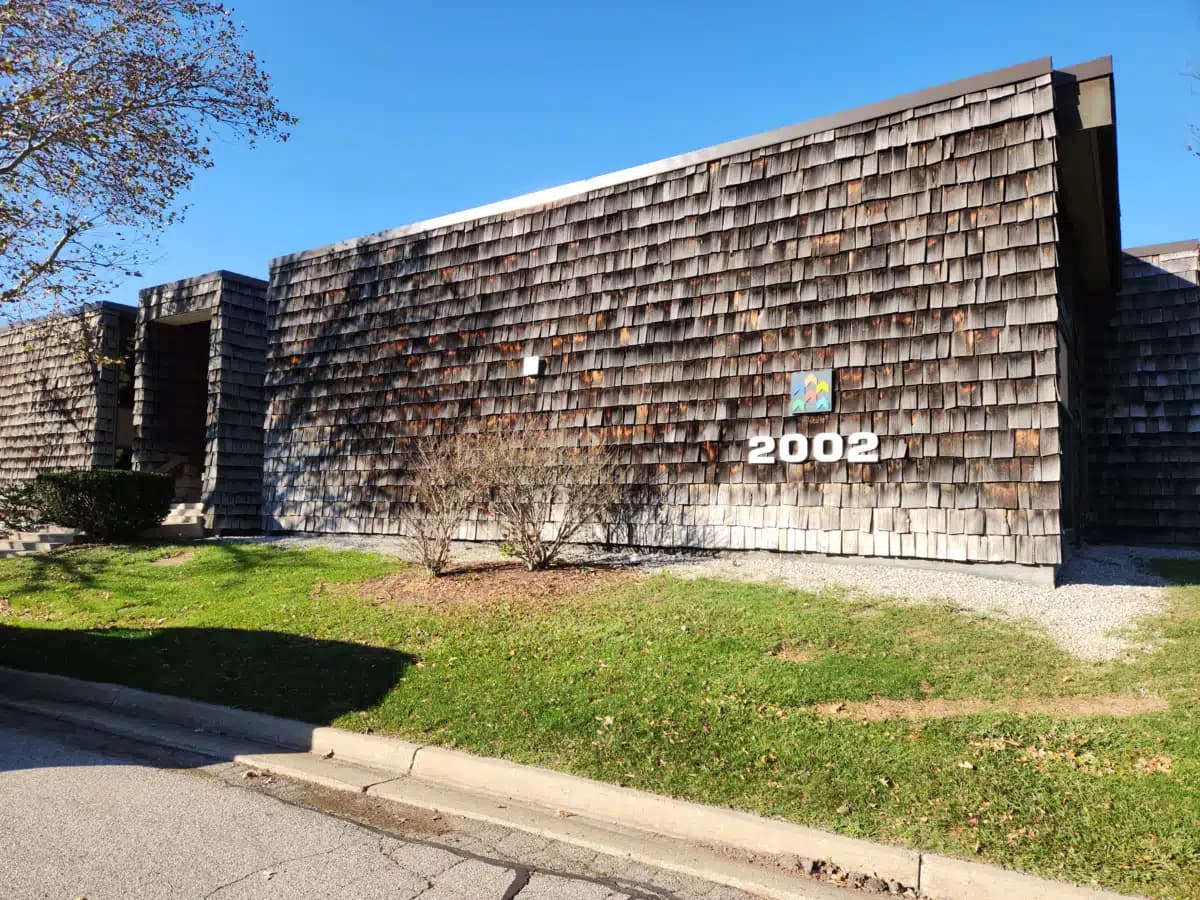
1st Step Referral Services in Ann Arbor, MI, provides accessible outpatient care for adults and youth struggling with addiction and dual diagnoses. Their therapeutic offerings encompass anger management, preventative interventions, and cognitive behavioral therapy. This center is equipped to serve specific populations, including military personnel, teenagers, and adult males. Catering to adults and older individuals of any gender, 1st Step Referral Services is committed to delivering personalized support designed for a wide range of requirements. The dedication to high-quality, customized treatment options positions 1st Step Referral Services as a leading provider for individuals in pursuit of recovery from substance abuse and mental health challenges.
Operating as Trost Health New Jersey, this Freehold, New Jersey center provides intensive and regular outpatient substance use treatment with naltrexone used in care. It treats adults with co-occurring mental health disorders and serves young adults, women, men, and older adults. Private health insurance is accepted.
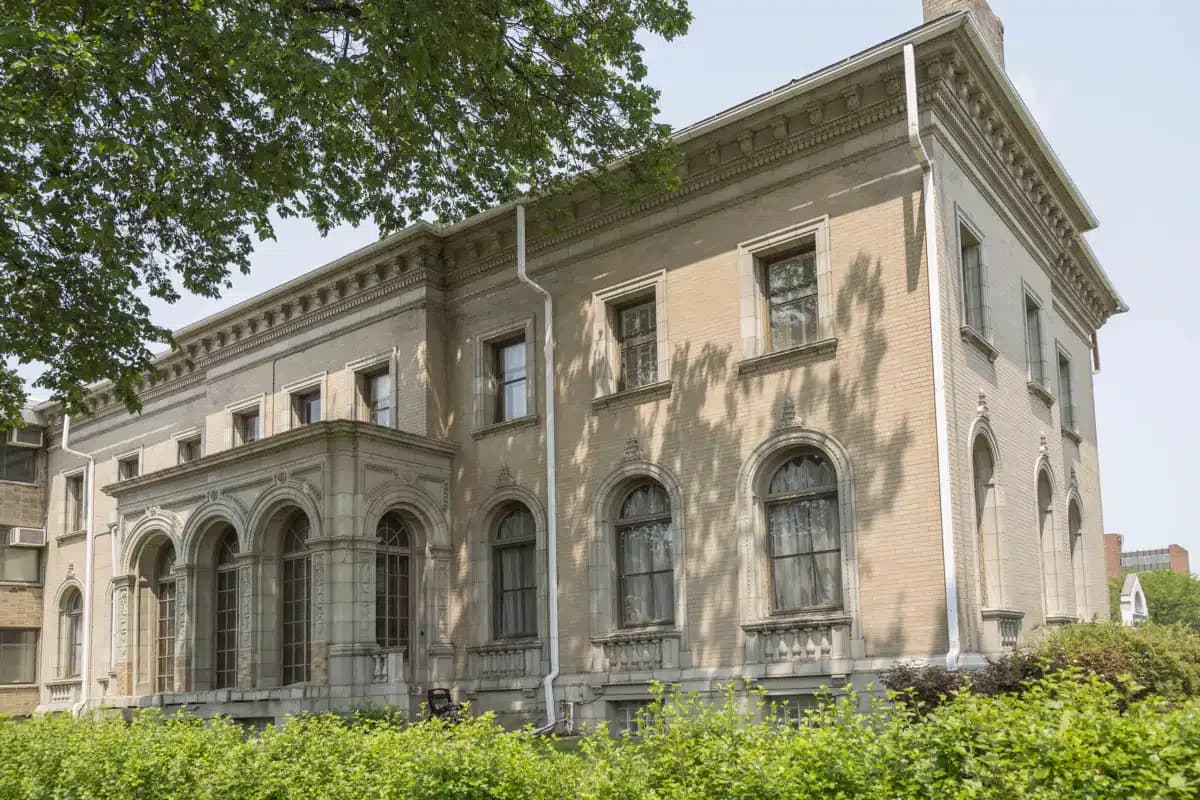
Situated in Minneapolis, MN, the 2118 NUWAY Counseling Center specializes in treating substance use disorders in adults facing significant mental health challenges, as well as emotional issues in children. The center features intensive outpatient and standard outpatient services that employ proven methods like 12-step support, anger management, and short-term interventions. Customized programs cater to adult men, adult women, and individuals who have encountered trauma. This facility serves adults and young adults across all genders, providing tailored support to aid individuals in their recovery journey. Committed to excellence and specialized care, the 2118 NUWAY Counseling Center stands as a guiding light for those in need of effective rehabilitation solutions.
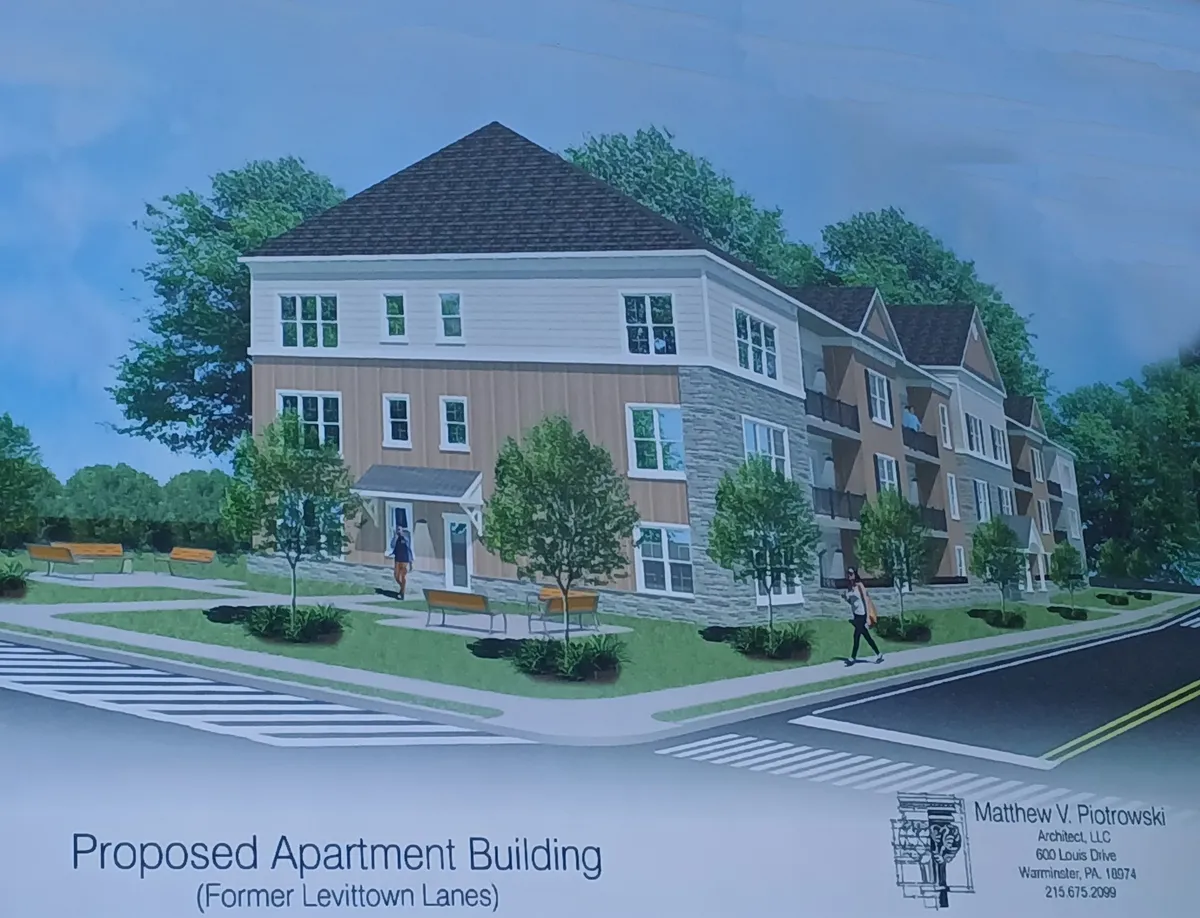
Operating as Hillside Wellness Center in Levittown, PA, this facility offers short-term and long-term residential substance use treatment for adults with co-occurring serious mental illness. Programming covers pregnant and postpartum women, trauma survivors, and domestic violence survivors, with buprenorphine and naltrexone available. Payment is through private insurance or self-pay.
228 COE House, located in Framingham, MA, provides extended residential care for adults facing substance use challenges alongside serious mental health concerns, as well as addressing significant emotional disturbances in children. The center emphasizes a variety of therapeutic approaches, including 12-step programs, brief interventions, and cognitive behavioral methods, ensuring a personalized path to recovery. Tailored initiatives are available for adult women, those who have encountered domestic violence or trauma, and individuals across all ages, from seniors to young adults. Dedicated to maintaining a secure and nurturing atmosphere, 228 COE House focuses on delivering exceptional treatment specifically designed for female clients through an all-encompassing rehabilitation program.
Outpatient addiction treatment with buprenorphine or naltrexone, including an intensive outpatient track, is provided by 2nd Chance in Lexington, Kentucky. The program treats young adults, adults, and seniors. Medicare, Medicaid, private insurance, and self-payment are accepted forms of payment.
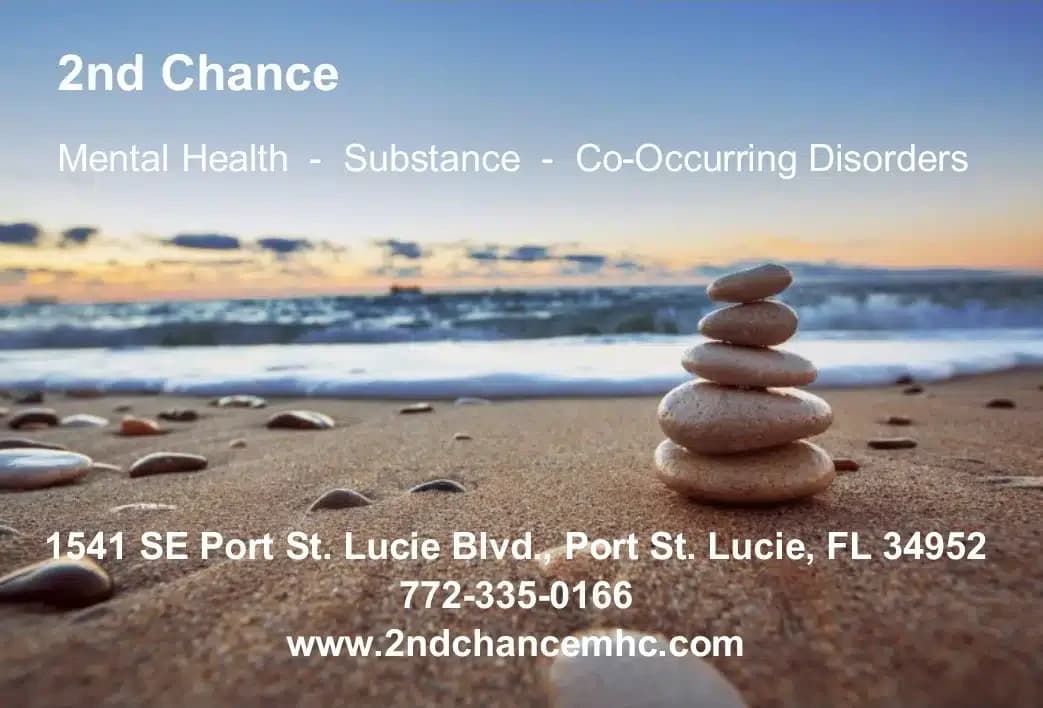
2nd Chance Mental Health Center, located in Port Saint Lucie, FL, offers both intensive outpatient and outpatient services aimed at helping adults and children deal with substance abuse and co-occurring mental health disorders. The center specializes in supporting clients with dual diagnoses through tailored programs. Utilizing a variety of evidence-based techniques, such as cognitive behavioral therapy, anger management, and brief interventions, this facility is committed to providing high-quality care. Catering to individuals of all genders, including young adults, 2nd Chance Mental Health Center is focused on guiding people on their journey to recovery. For those seeking holistic treatment that addresses both addiction and mental health issues, this center is dedicated to assisting you in achieving wellness.

2nd Chance Treatment Center, located in Gilbert, AZ, provides a wide range of outpatient services aimed at helping individuals recover from substance use disorders alongside mental health issues. The center emphasizes techniques such as brief intervention, cognitive behavioral therapy, and motivational interviewing. Programs are specifically designed for various groups, including active duty service members, adolescents, and adult males. Personalized treatment strategies are crafted for adults, children or adolescents, and young adults, with programs tailored for different genders. The center offers services like detoxification, outpatient treatment for substance use, and medications such as methadone, buprenorphine, or naltrexone. Discover compassionate and effective support at 2nd Chance Treatment Center.
2nd Chance Treatment Center in Litchfield Park, AZ, provides extensive outpatient care for those pursuing freedom from addiction. Their expertise includes detox, addiction treatment, and addressing co-occurring mental health issues in adults, alongside emotional challenges in younger individuals. Employing techniques like motivational interviewing, relapse prevention, and counseling for substance use disorders, they craft personalized recovery paths. With dedicated programs for active military, teens, and adult men, 2nd Chance Treatment Center serves a wide spectrum of clients. They welcome adults and youth of all genders, committed to delivering excellent support and care throughout the sobriety process.
2nd Chance Treatment Center in Phoenix, AZ, provides extensive outpatient care for those pursuing freedom from addiction and related mental health challenges. The center features tailored programs for current military members, teenagers, and adult men, welcoming adults and young adults of any gender. Employing proven techniques such as cognitive behavioral therapy and motivational interviewing, the center is committed to delivering superior support customized for each person's unique journey. Offering services from detox to ongoing outpatient care and medication-assisted treatment (methadone, buprenorphine, or naltrexone), 2nd Chance Treatment Center is devoted to guiding clients toward enduring recovery and overall well-being.
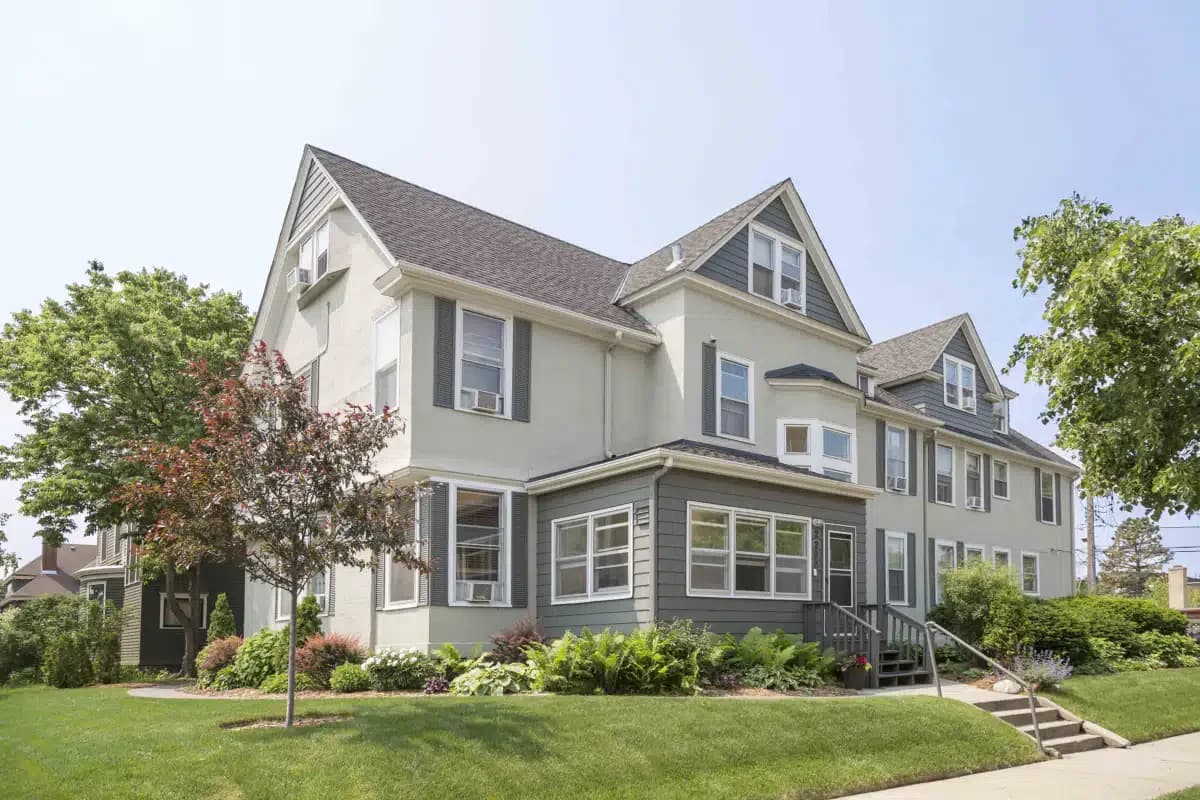
Situated in Minneapolis, MN, the 3Rs NUWAY Counseling Center specializes in thorough substance use rehabilitation along with focused support for those grappling with significant mental health challenges or emotional issues. The center features both intensive outpatient and outpatient treatment options, employing methods like 12-step facilitation, anger management, and short intervention techniques. Custom programs are designed for adult males, adult females, and individuals who have faced trauma. Catering to adults and young adults of all genders, this center prioritizes providing exceptional, personalized care aimed at fostering recovery and promoting sustainable wellness.
4 2 Restore LLC, situated in Baltimore, MD, specializes in providing rehabilitation services tailored for adult men facing challenges with substance use disorders. The center offers various treatment options, including long-term and short-term residential programs, along with transitional housing, all supported by continuous care around the clock. The therapeutic approach integrates evidence-based practices such as 12-step facilitation, brief interventions, and cognitive behavioral therapy to deliver holistic support. Focusing on the specific requirements of adult men and seniors, this center is committed to delivering personalized and high-quality care. 4 2 Restore LLC is devoted to assisting clients in achieving sustainable recovery outcomes.
4 2 Restore LLC, located in Windsor Mill, MD, delivers thorough recovery support for adults and older individuals facing addiction and concurrent mental health challenges. The center offers inpatient medical detox and comprehensive treatment, featuring tailored care for adult men, adult women, and those with dual diagnoses. Their methods incorporate anger management techniques, short-term counseling, and cognitive behavioral therapy for a complete healing experience. Prioritizing excellent service and personalized care strategies, 4 2 Restore LLC serves both male and female patients, committed to aiding their path to sustained sobriety and psychological health.
Outpatient detoxification and treatment with buprenorphine and naltrexone are provided by 406 Recovery in Bozeman, Montana, including care for adults with co-occurring serious mental illness. Programs serve adult women and men and clients with trauma histories. Medicare, Medicaid, TRICARE, and federal government funding are accepted.
Regular and intensive outpatient substance use treatment is offered in Abilene, Kansas, by 409 Addiction Treatment Inc for young adults, adults, and seniors. Federal government funding and Medicaid are accepted alongside cash or self-payment, and a sliding fee scale adjusts charges based on income and other factors.
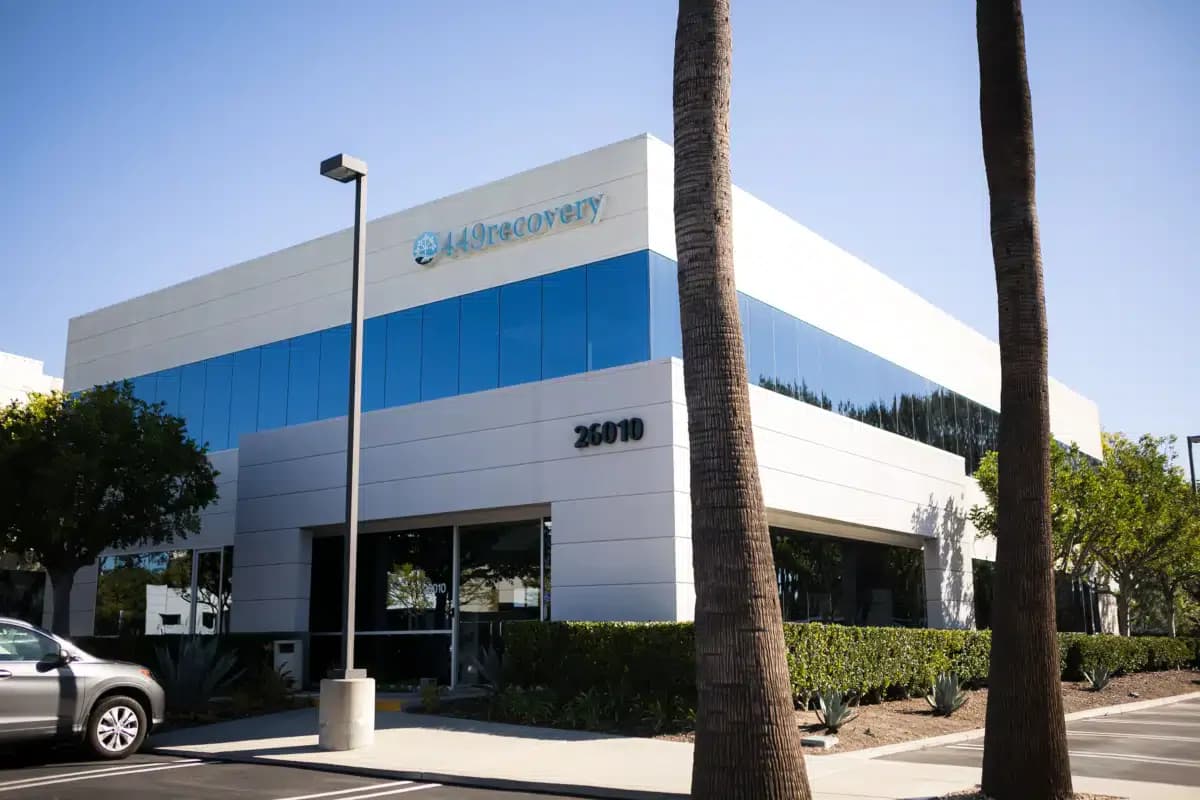
Situated in Mission Viejo, California, 449 Recovery is dedicated to providing tailored substance abuse treatment for adults facing significant mental health challenges or emotional issues in children. This center features intensive outpatient programs, day treatment services, and partial hospitalization options. Emphasizing approaches such as 12-step support, anger management, and brief interventions, it serves both men and women, including clients who have undergone intimate partner or domestic violence. With a commitment to delivering personalized care, this facility offers a supportive atmosphere for adults and adolescents pursuing holistic rehabilitation solutions.
Frequently Asked Questions
What is naloxone and how is it different from Narcan?
How do you use Narcan nasal spray step by step?
Where can I get free Narcan near me?
How long does Narcan last after you administer it?
What are the side effects of Narcan?
Can you use Narcan on someone who has not taken opioids?
Where can I find naloxone training programs?
Should I call 911 after giving someone Narcan?
About Naloxone (Narcan)
Naloxone is a competitive opioid antagonist that binds to the same mu-opioid receptors targeted by heroin, fentanyl, and prescription painkillers — but without activating them. When someone is overdosing, opioids flood these receptors and suppress the brainstem's drive to breathe. Naloxone has a higher binding affinity than most opioids, so it effectively displaces the opioid molecules and temporarily reverses the overdose.
How Naloxone Works
Naloxone has no effect on non-opioid substances like benzodiazepines, alcohol, or stimulants. However, because many street drugs now contain fentanyl regardless of what they are sold as, naloxone should be administered any time an opioid overdose is suspected. It has been used safely in emergency rooms since the 1970s and is now widely available in community settings. For individuals seeking long-term recovery, treatments like medication-assisted treatment and naltrexone therapy work on similar receptor pathways.
Narcan Nasal Spray: How to Use Step by Step
Narcan nasal spray is designed so anyone can use it — no medical training required. Each device contains a single pre-measured 4 mg dose:
- Call 911 immediately. Tell the dispatcher you suspect an opioid overdose.
- Peel back the packaging and hold the device with your thumb on the plunger and two fingers on the nozzle.
- Lay the person on their back. Tilt the head back slightly.
- Insert the nozzle into one nostril until your fingers touch the nose.
- Press the plunger firmly to release the entire dose.
- If no response in 2–3 minutes, give a second dose in the other nostril.
- Place in recovery position (on their side) to prevent choking.
- Stay with them until EMS arrives. Monitor breathing.
With the rise of fentanyl and its analogues, multiple doses may be needed. Always carry at least two doses when possible.
How to Recognize an Opioid Overdose
Key signs of an opioid overdose include:
- Slow, shallow, or stopped breathing
- Gurgling, choking, or snoring sounds
- Blue or grayish lips, fingertips, or skin
- Pinpoint (very small) pupils
- Limp body and unresponsiveness
If you observe any combination of these signs, administer naloxone and call 911 immediately. Even if the substance was not an opioid, naloxone will not cause harm. Facilities that specialize in opioid addiction treatment often provide naloxone kits and training as part of discharge planning.
Where to Get Free Narcan
Since FDA approved Narcan for over-the-counter sale, access has expanded dramatically. Here is where to get free naloxone:
- State health departments: Most states operate naloxone distribution programs
- NEXT Distro: Ships free naloxone by mail to all 50 states (nextdistro.org)
- Harm reduction organizations: Local syringe service programs frequently distribute free kits
- Pharmacies: Under standing-order laws in most states, pharmacists can dispense without a prescription
- Community events: Fire departments, libraries, schools, and faith-based organizations host giveaway events
- Veterans Affairs: Free naloxone through VA medical centers
Naloxone Training Programs
Formal training builds confidence and improves outcomes:
- Online courses: Free 15–30 minute modules from Get Naloxone Now and the National Harm Reduction Coalition
- Community trainings: Hands-on sessions at health departments and recovery centers, often with free naloxone kits
- CPR + naloxone combined: Some Red Cross chapters offer comprehensive emergency response training
- Workplace and school programs: Growing integration into health and safety programs in communities affected by the opioid crisis
Narcan vs Naloxone: Brand vs Generic
Narcan is the brand name for naloxone hydrochloride nasal spray. Generic naloxone may also be available as an injectable solution used in hospital and EMS settings. Another brand, RiVive (naloxone nasal spray 3 mg), also received FDA over-the-counter approval. Regardless of brand, the mechanism is identical — naloxone competitively binds to opioid receptors and blocks opioid effects.
When to Call 911
Always call 911 — before, during, or immediately after giving naloxone. Naloxone is a temporary rescue measure that typically wears off within 30 to 90 minutes, while opioids like fentanyl can remain active for hours. A person who appears recovered can slip back into life-threatening respiratory depression. Stay with the person, monitor their breathing, and place them in the recovery position on their side.
Good Samaritan Laws
Fear of legal consequences remains a major barrier to calling 911 during an overdose. To address this, 48 states and the District of Columbia have enacted Good Samaritan laws providing protections to people who call for help during a drug-related emergency. These laws typically protect both the person overdosing and the bystander from prosecution for drug possession charges. Specifics vary by state — some offer full immunity, others limited protections.
Naloxone as Part of a Broader Treatment Strategy
Naloxone saves lives in the moment, but lasting recovery requires comprehensive treatment. Evidence-based approaches like medication-assisted treatment combine FDA-approved medications with counseling and behavioral therapies. If you or someone you know has experienced an opioid overdose, it may be a critical turning point toward seeking help. Thousands of opioid treatment facilities provide naloxone kits, overdose prevention education, and evidence-based treatment.
Naloxone resources:
Related Treatment Methods
Browse by Condition
Browse naloxone (narcan) programs in states with the most treatment options.
Related conditions, treatment approaches, and levels of care.
Need immediate help? Call SAMHSA: 1-800-662-4357 (24/7, free)