
Cychlorphine (Cyclorphine) Addiction Treatment
Cychlorphine (also spelled cyclorphine) is a potent synthetic opioid linked to overdose deaths across the US. Below you will find what this substance is, why it is dangerous, how to recognize an overdose, what treatment options exist, and a directory of 8,000+ rehab centers that treat opioid addiction.
Found 9,600 rehab centers specializing in cychlorphine (cyclorphine) addiction across the United States.
Need Help Finding the Right Treatment Center?
Speak with a compassionate specialist now - 100% free & confidential
Find Cychlorphine Addiction Rehab Centers Near You
Use the search bar and filters below to find treatment centers that offer opioid addiction programs, including medication-assisted treatment (MAT), medical detox, and residential care. Look for centers that specifically list buprenorphine, methadone, or naltrexone in their available medications.
Showing 20 of 9600 results

The VA Greater LA Healthcare Systems, situated in Los Angeles, CA, is dedicated to providing focused rehabilitation services for both adults and young adults facing challenges related to substance use alongside co-occurring mental health conditions. The facility offers a variety of treatment options including intensive outpatient programs, general outpatient care, and medication-assisted therapies like methadone/buprenorphine or naltrexone. Emphasizing methods such as 12-step facilitation, cognitive behavioral therapy, and short-term interventions, this center customizes its approach to meet each individual's specific requirements. Additionally, it features specialized programs for active duty military members, LGBTQ individuals, and those with co-occurring issues, ensuring an all-encompassing treatment experience. The center is committed to providing high-quality support to both male and female clients on their journey to recovery.
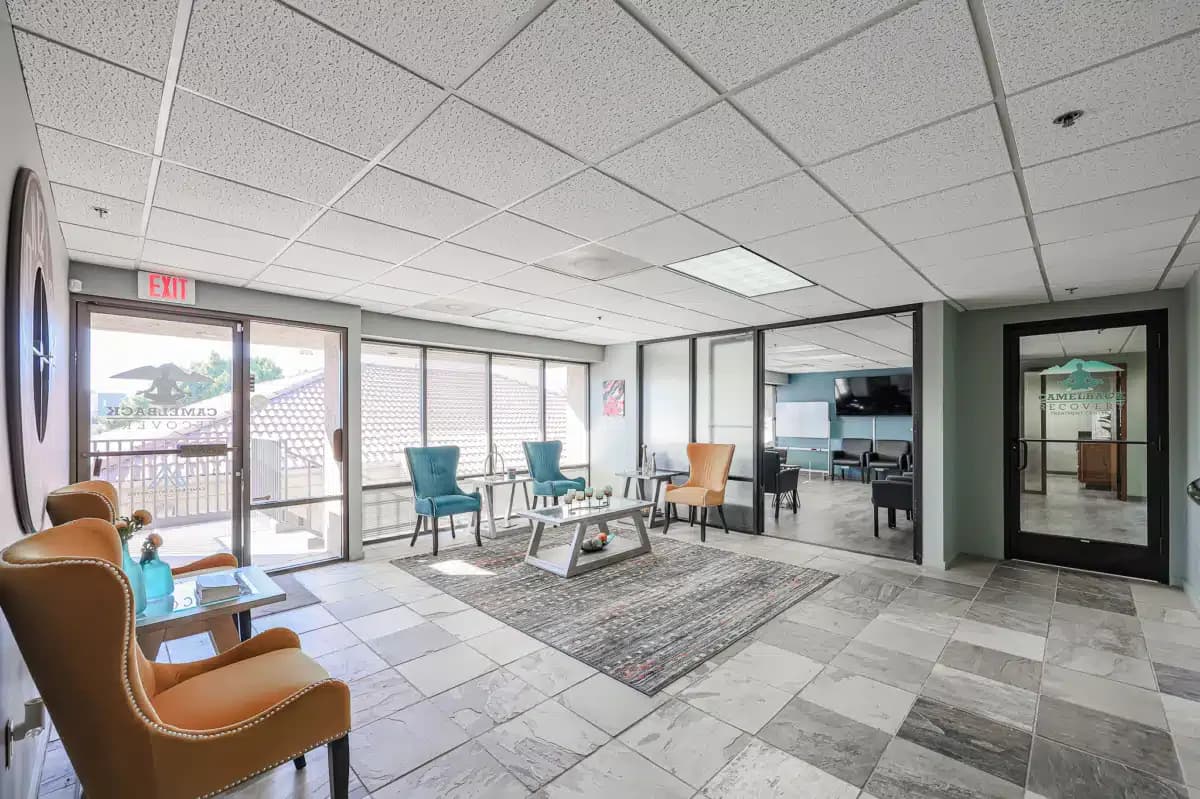
Camelback Recovery Treatment Center located in Phoenix, AZ, provides a wide array of addiction treatment options for both adults and young adults. The center specializes in detoxification, treatment for substance use disorders, and personalized support for those facing concurrent mental health challenges. Their offerings encompass intensive outpatient programs, outpatient day initiatives, and partial hospitalization options. Emphasizing methods such as 12-step support, anger management strategies, and brief intervention techniques, the center customizes treatment approaches to suit the unique needs of each individual. Additionally, the center stands out by offering specialized services for clients who have experienced trauma and those with dual diagnoses. Camelback Recovery Treatment Center is dedicated to delivering high-quality care to all clients, regardless of gender, on their path to recovery.

Ebb Tide Treatment LLC, situated in West Palm Beach, FL, provides a range of rehabilitation services with a focus on substance use treatment and transitional housing specifically for adult males. This center offers various levels of care, including intensive outpatient treatment, outpatient day programs, and additional outpatient services. Their approach incorporates elements such as 12-step programs, anger management, and short-term intervention techniques. Ebb Tide Treatment LLC also features specialized programs for active duty military members, adult males, and those who have faced incidents of intimate partner violence. Emphasizing the treatment of co-occurring substance use disorders alongside serious mental health issues, the center is dedicated to delivering high-quality care in a supportive environment tailored to adults, seniors, and young adults on their path to recovery.
Situated in Midvale, UT, Next Level Recovery provides an extensive array of rehabilitation services. This center focuses on detoxification, addiction treatment, and tailored support for individuals dealing with both substance use issues and significant mental health disorders. The treatment options available include intensive outpatient programs, outpatient services, and partial hospitalization. Next Level Recovery employs proven methods such as 12-step programs, anger management strategies, and brief counseling sessions. The facility also offers specialized programs designed for active duty military members, adolescents, and adult males, accommodating a wide spectrum of clients. Catering to both adults and youth, Next Level Recovery prioritizes personalized care for all clients, offering high-quality support for those aiming to conquer addiction and mental health difficulties.

Mercy Hospital Unity Campus, located in Minneapolis, MN, specializes in addressing addiction issues for both adults and young adults affected by substance use disorders and related mental health complications. The center features a variety of treatment options, including intensive outpatient programs, standard outpatient services, and medication-assisted treatments with methadone, buprenorphine, or naltrexone. To meet diverse patient needs, they integrate strategies such as 12-step programs, anger management training, and brief intervention techniques. Notably, Mercy Hospital Unity Campus emphasizes support for individuals facing both mental health challenges and substance use issues, providing customized care for male and female clients alike. Committed to delivering high-quality treatment, the center ensures extensive assistance for those on their path to recovery.
Situated in Omaha, NE, the Veterans Affairs Medical Center provides an extensive array of services for those in need of detoxification and treatment for substance use disorders. The center focuses on delivering specialized assistance to adults facing co-occurring substance use and severe mental health challenges, as well as children grappling with significant emotional issues. Treatment options include inpatient detoxification and round-the-clock hospital care, employing methodologies such as 12-step facilitation, anger management strategies, and brief intervention techniques. Programs are specifically designed for active-duty military members, as well as adult men and women. Committed to offering top-notch, personalized care, this facility serves adults, seniors, and young adults across all genders, ensuring that the distinct needs of each individual are addressed.

Valley Hope of Parker, situated in Parker, CO, provides extensive residential rehabilitation services. Their offerings include extended stay residential programs, immediate residential detox, and round-the-clock residential care. These services are designed for adults and young adults facing challenges with substance dependence and requiring detoxification. The center excels in therapeutic interventions such as 12-step program integration, anger management techniques, and brief intervention strategies. Tailored programs are available for adult men, adult women, and individuals managing co-occurring mental health and substance use conditions, ensuring personalized support for all genders. Valley Hope is recognized for delivering high-quality, all-encompassing treatment and is a reliable option for individuals pursuing freedom from addiction and sustained sobriety.
Situated in King of Prussia, PA, North Star Treatment Services specializes in extensive rehabilitation programs for both adults and young adults dealing with substance use issues. Emphasizing personalized care, this center provides various treatment options, including intensive outpatient therapy, standard outpatient programs, and daytime outpatient/partial hospitalization services. By incorporating methodologies such as 12-step support, anger management techniques, and short intervention strategies, the facility guarantees a customized treatment journey for every individual. North Star Treatment Services supports clients of all genders, creating an encouraging and inclusive atmosphere for everyone. If you're in search of effective addiction rehabilitation with a tailored approach, this center is committed to assisting you in achieving enduring recovery.
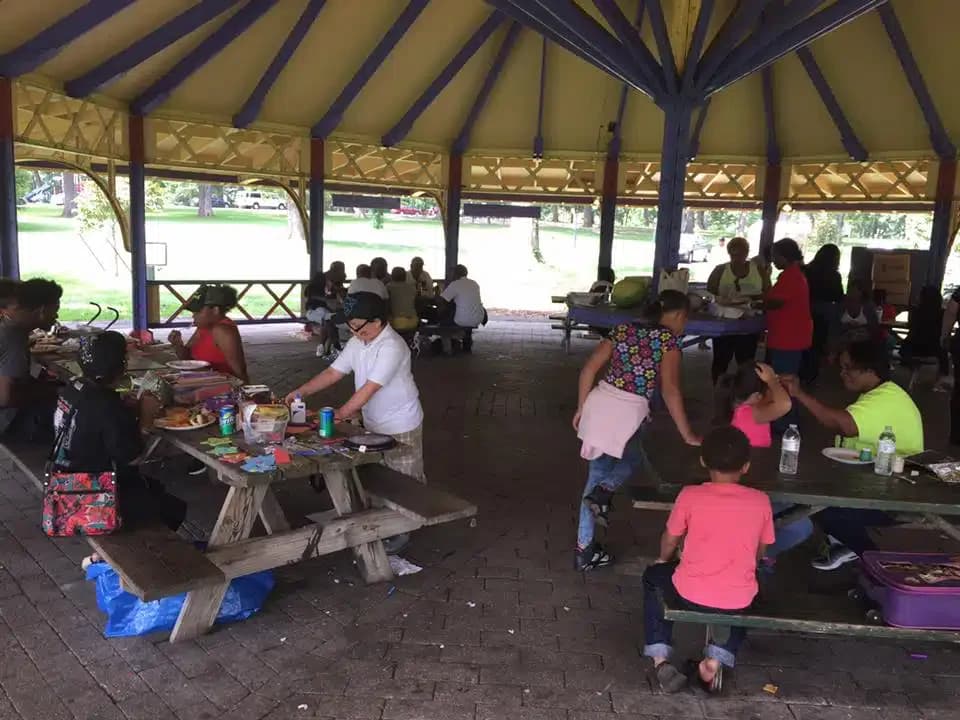
Maryland Wellness, located in Baltimore, MD, provides an extensive array of services aimed at treating addiction. This facility focuses on detoxification and offers specialized care for both substance use disorders and those involving co-occurring mental health issues in adults, as well as serious emotional challenges in children. Their treatment options include intensive outpatient programs, general outpatient care, and medications such as methadone, buprenorphine, or naltrexone for outpatient treatment. Maryland Wellness employs scientifically-backed methods including 12-step programs, anger management techniques, and cognitive behavioral therapy. They also feature specific initiatives for adult men, women, and those affected by intimate partner or domestic violence, ensuring that adults and seniors of all genders receive tailored and effective care.

JFK University Medical Center, situated in Edison, NJ, provides a wide range of rehabilitation services aimed at helping both adults and children who are facing challenges related to substance use and concurrent mental health conditions. Their offerings encompass intensive outpatient programs, standard outpatient services, and targeted treatments with methadone, buprenorphine, or naltrexone. The center employs various therapeutic methods, such as anger management therapies, brief interventions, and cognitive behavioral techniques. Committed to delivering high-quality care, they serve a diverse clientele, including individuals from the criminal justice sector. JFK University Medical Center is dedicated to customizing rehabilitation programs to address the specific needs of each person, fostering a compassionate and effective pathway to recovery.
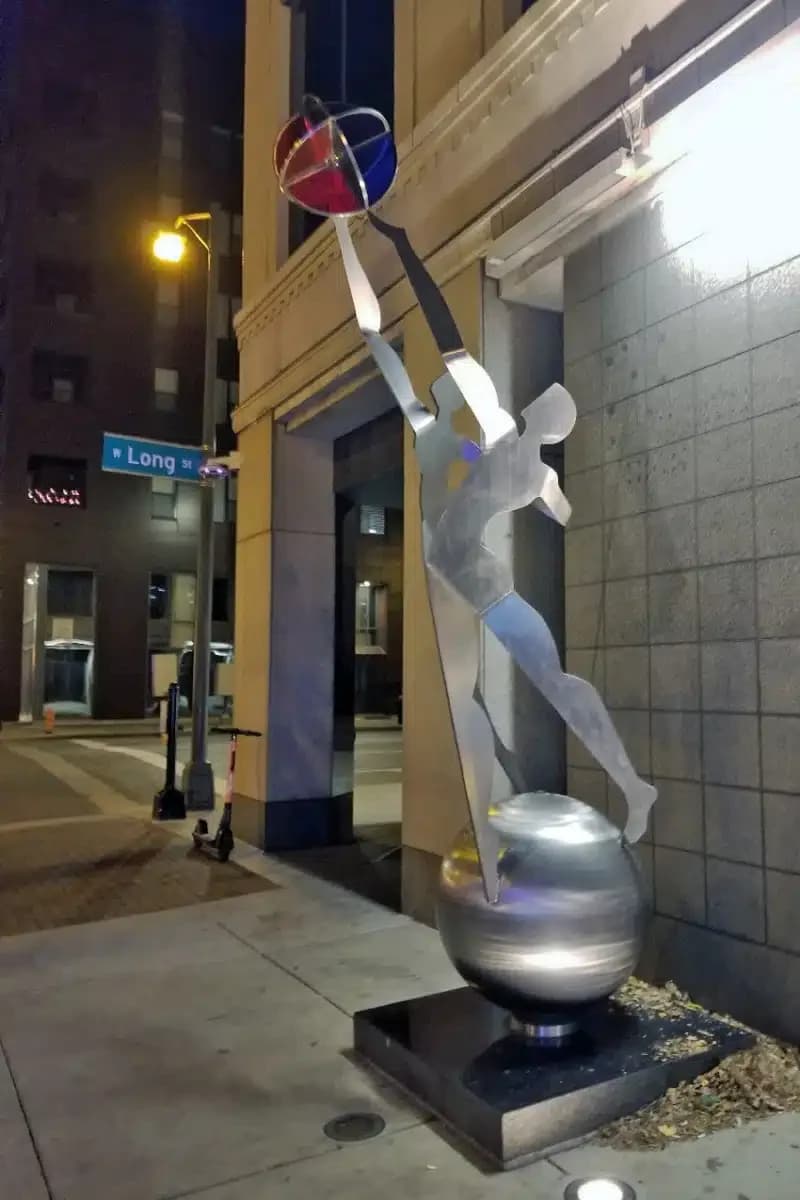
Situated in Columbus, OH, Southeast Healthcare delivers outpatient services for individuals grappling with substance use issues and those facing severe mental health challenges concurrently. The center offers various therapeutic approaches, including outpatient treatment using methadone, buprenorphine, or naltrexone, alongside standard outpatient options. Emphasizing cognitive behavioral techniques, anger management, and short-term interventions, Southeast Healthcare primarily serves both adult men and women, as well as young adults. The center is recognized for its specific programs designed for clients with dual diagnoses of mental health and substance use conditions, including support for those within the criminal justice system. Clients can anticipate thorough care and extensive assistance at this establishment.
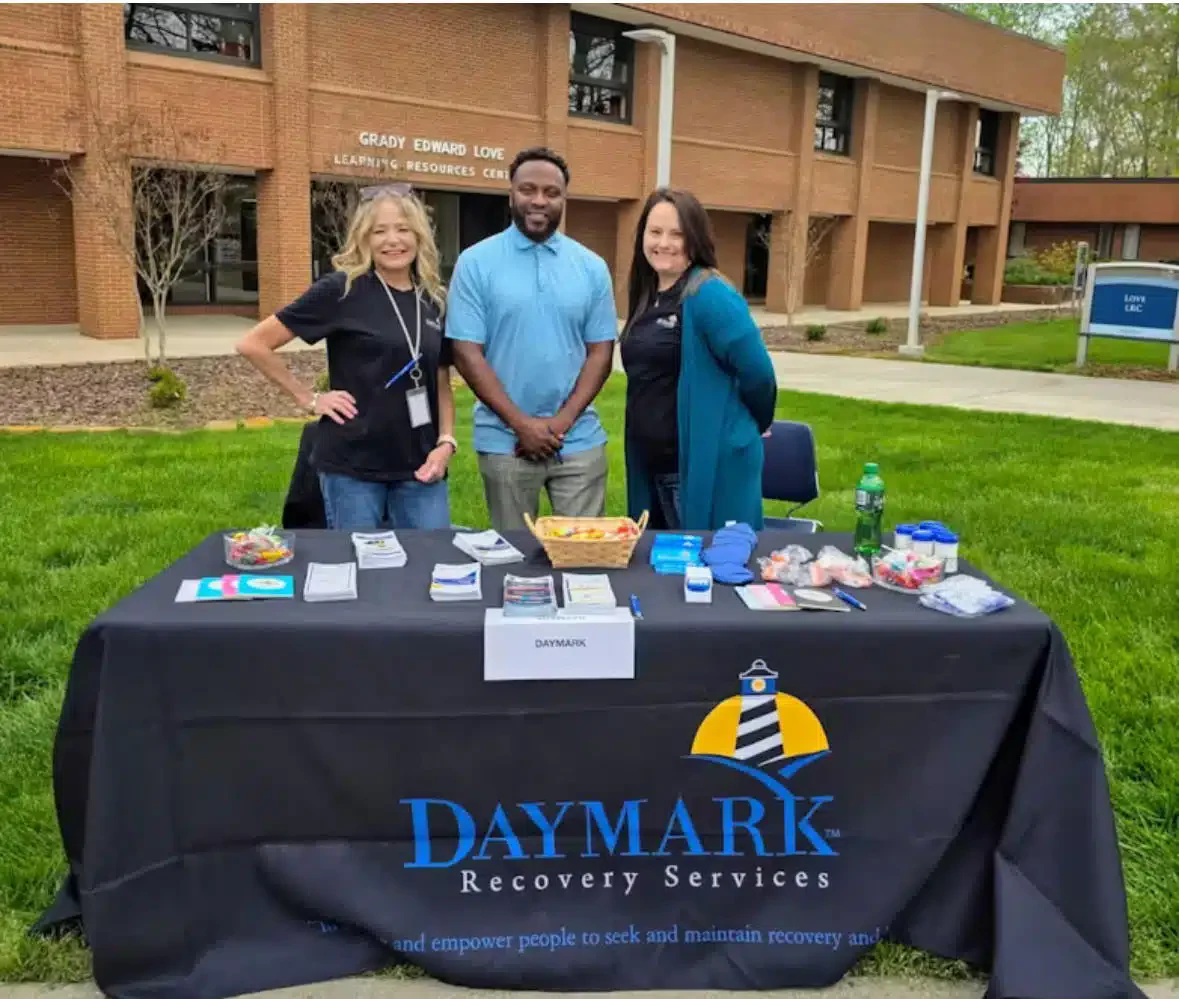
Daymark Recovery Services, located in Salisbury, NC, is dedicated to providing extensive treatment for substance use disorders and addressing co-occurring mental health challenges in adults, as well as significant emotional issues in children. The facility offers a range of services including intensive outpatient care, general outpatient support, and medication-assisted treatment with methadone, buprenorphine, or naltrexone. Emphasizing approaches like anger management, brief interventions, and cognitive behavioral therapy, Daymark Recovery Services serves a diverse clientele, including adolescents and adult men and women. The center is committed to delivering personalized treatment strategies tailored to meet the unique needs of each client, ensuring a high standard of care for both adults and younger patients.
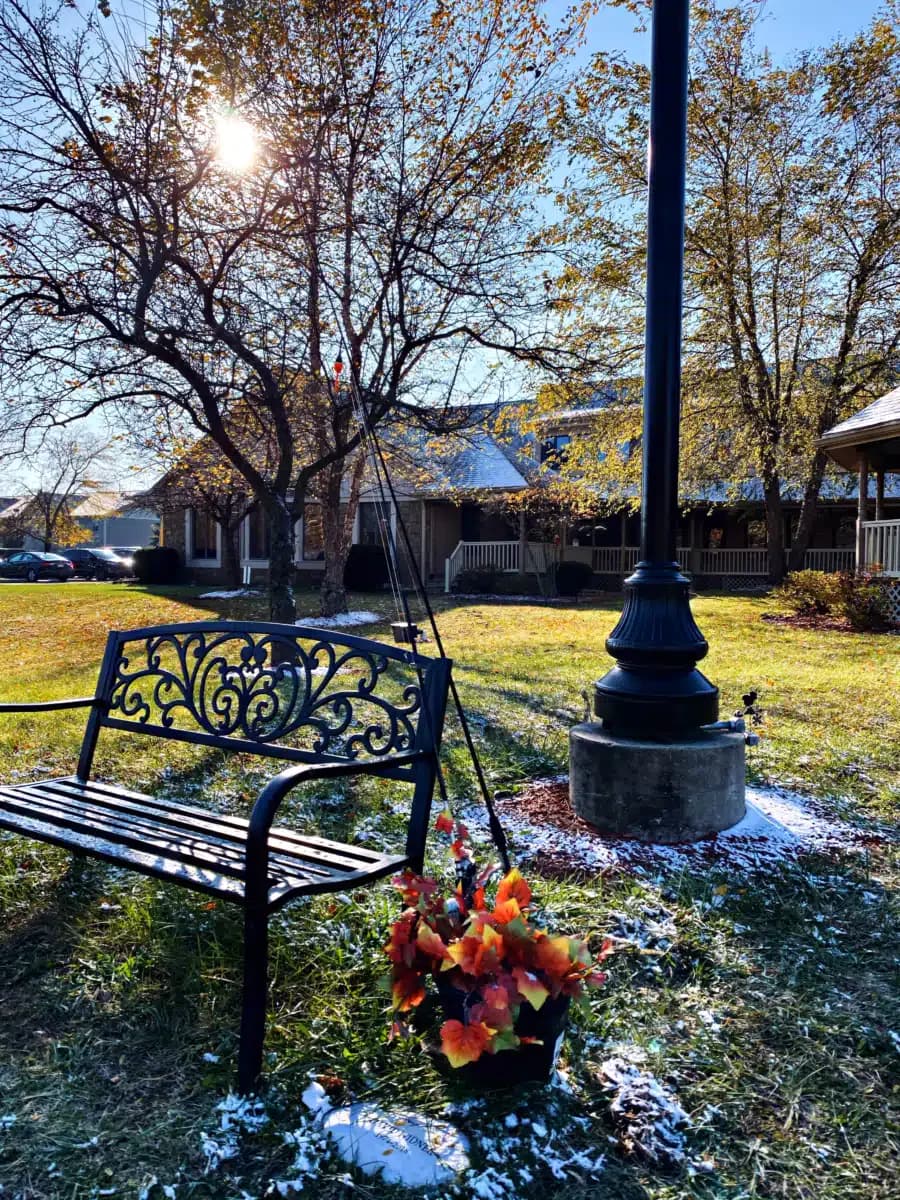
Situated in Anderson, IN, Bridges of Hope is a holistic rehabilitation facility that provides detox services, treatment for substance abuse, and targeted care for adults dealing with both substance use disorders and severe mental health issues, along with support for children experiencing emotional challenges. The center offers various modes of treatment, including outpatient services, day programs, and partial hospitalization, all designed to cater to individual needs. By employing methods such as 12-step facilitation, anger management, and brief therapeutic interventions, Bridges of Hope is dedicated to delivering custom programs for individuals of all ages and genders. Its emphasis on personalized care and high-quality support makes it a vital resource for those on the path to recovery from addiction.
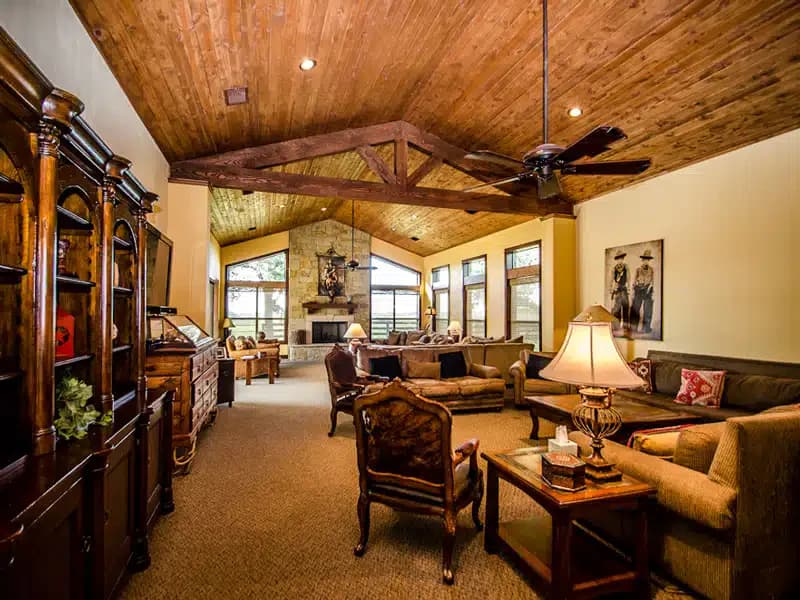
Arbor Behavioral Healthcare, located in Georgetown, TX, specializes in the treatment of substance use disorders alongside co-occurring mental health issues for both adults and children. The center features various programs, including inpatient care, around-the-clock hospital supervision, and long-term residential options designed to meet the unique needs of each individual. Utilizing methods such as 12-step programs, anger management techniques, and brief interventions, Arbor Behavioral Healthcare emphasizes a holistic approach to treatment. The facility has specific programs for adult men, women, and those facing both mental health and addiction challenges. Catering to both adults and younger clients, this center is committed to delivering high-quality, personalized care to support enduring recovery.
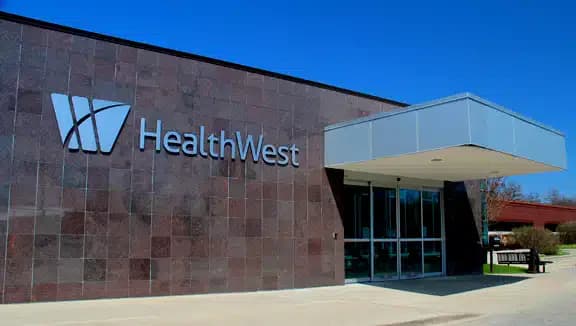
HealthWest, located in Muskegon, MI, provides outpatient services for adults struggling with substance use issues, with a particular emphasis on those facing both substance use and significant mental health challenges, as well as emotional issues in children. The center prioritizes methods such as anger management, brief interventions, and cognitive behavioral therapy. It offers consistent outpatient treatment along with options for methadone, buprenorphine, or naltrexone. Specialized programs are created for adolescents and adult men and women. HealthWest caters to adults and seniors of all genders, delivering a thorough and personalized approach to rehabilitation, thereby ensuring superior care for individuals on their journey to recovery from substance use disorders and mental health difficulties.
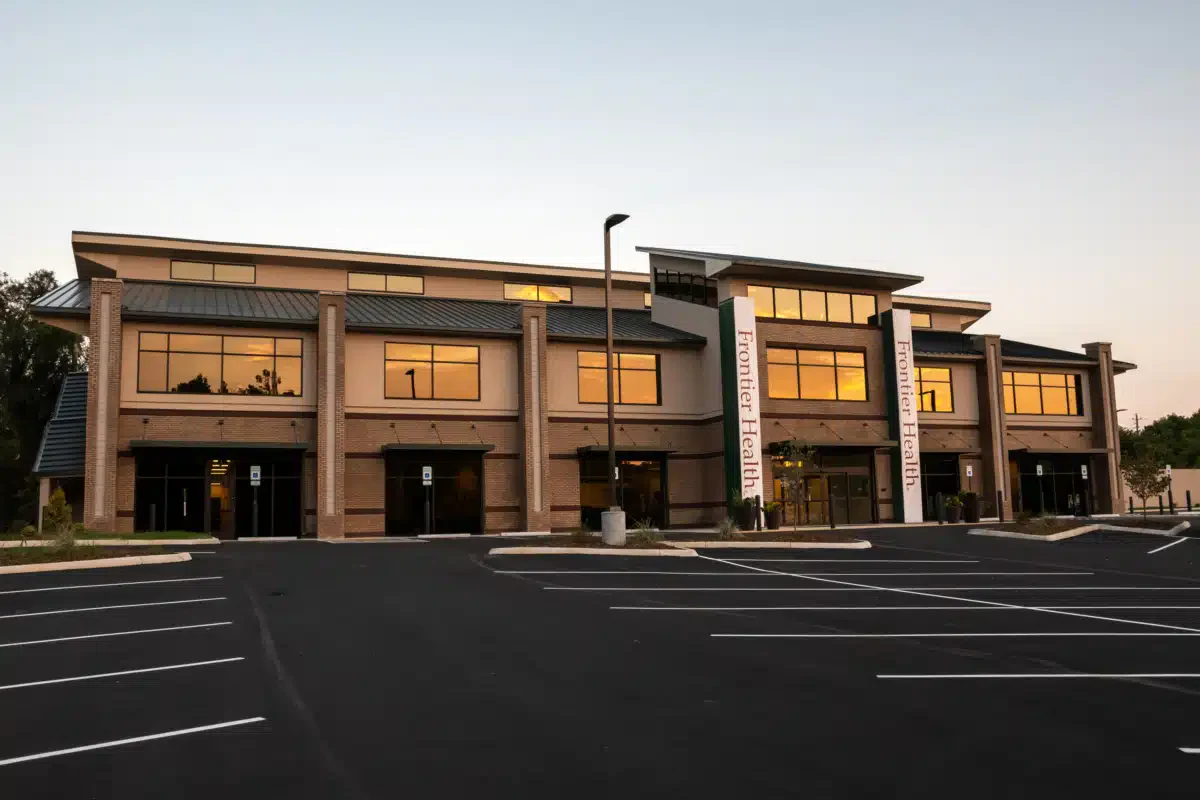
Frontier Health, situated in Kingsport, TN, specializes in a wide range of rehabilitation services targeting substance use disorders alongside mental health issues for both adults and children. The center offers various levels of care, including intensive outpatient programs, standard outpatient services, and specific treatments using methadone, buprenorphine, or naltrexone. Emphasizing approaches such as 12-step programs, anger management, and short-term interventions, Frontier Health is designed for those who have faced trauma, individuals with dual diagnoses, and those in contact with the criminal justice system. The facility serves a diverse population of adults and young adults, ensuring that quality care and tailored treatment plans are at the forefront of their recovery efforts.

The Family Self Help Center Inc, located in Joplin, MO, specializes in providing tailored substance use treatment for adult women who have experienced domestic violence, intimate partner violence, and sexual abuse. The center offers an array of services, including intensive outpatient treatment, outpatient day programs, and partial hospitalization, all grounded in evidence-based practices such as cognitive behavioral therapy, anger management, and brief interventions. Designed to cater to adults, seniors, and young adults, this facility creates a nurturing atmosphere for women seeking thorough support. Emphasizing personalized care and high standards, Family Self Help Center Inc is dedicated to meeting the specific needs of women facing challenges related to substance use and trauma.
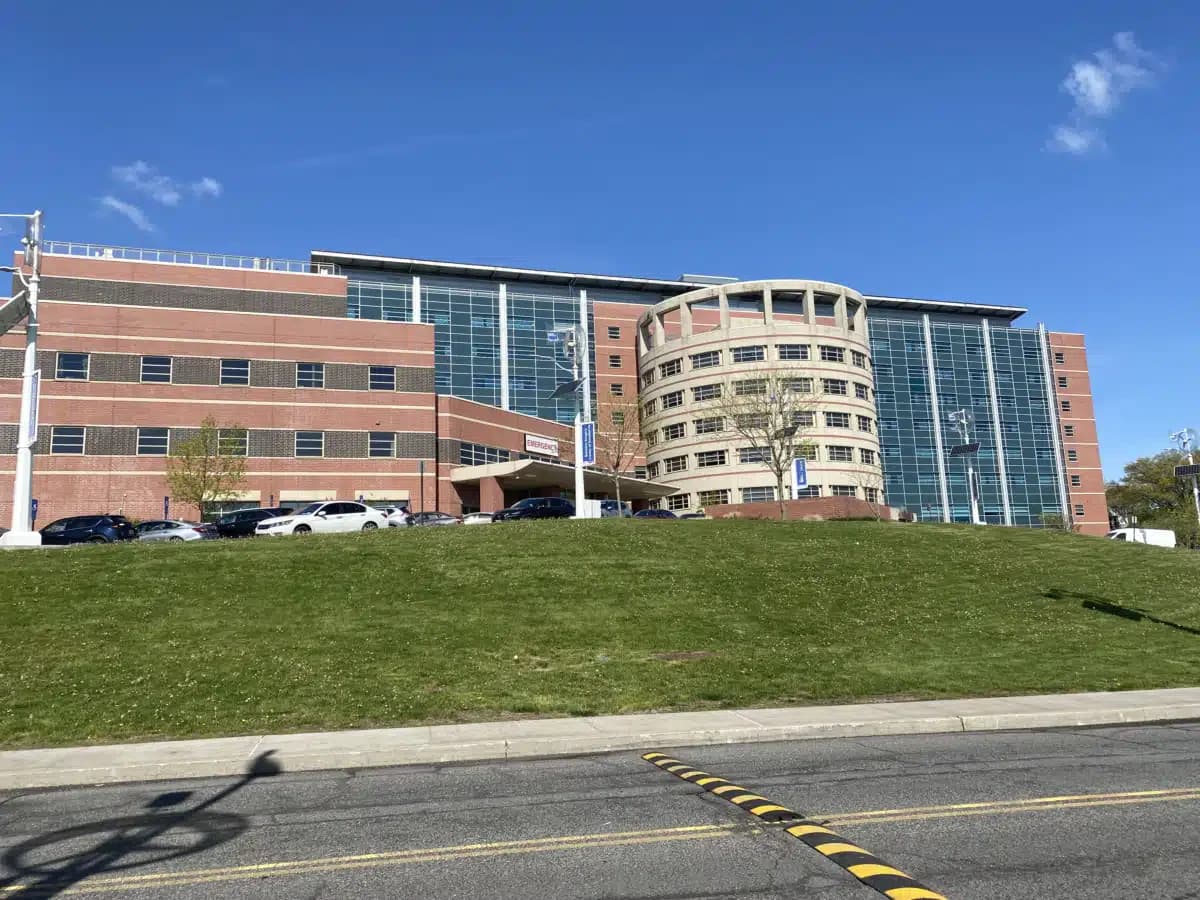
Located in the Bronx, NYCHHC/Jacobi Medical Center provides a wide range of addiction care services for both adults and young adults. The facility specializes in detox, treatment for substance use, and targeted support for those facing concurrent addiction and severe mental health issues. Available treatment modalities include intensive outpatient programs, standard outpatient services, and detox programs. Emphasizing strategies like 12-step support, anger management, and brief intervention techniques, the center serves adult males and females, as well as clients who have suffered from intimate partner violence. NYCHHC/Jacobi Medical Center is committed to delivering personalized care that meets the individual requirements of each patient, promoting successful recovery results.

Metro Treatment of Alabama LP, located in Mobile, AL, specializes in providing outpatient detox and treatments for substance use issues tailored for both adults and young adults. The center employs methods such as cognitive behavioral therapy and anger management, while also offering specialized programs for clients dealing with HIV or AIDS, co-occurring mental health conditions alongside substance use disorders, as well as services for pregnant and postpartum women. Committed to delivering high-quality care, the facility provides outpatient treatments with methadone, buprenorphine, or naltrexone in a nurturing atmosphere. Catering to both males and females, this center is devoted to assisting individuals in their journey to overcome addiction and attain sustainable recovery.
Crossroads Treatment Centers located in Louisville, KY, specializes in outpatient treatment for substance use, focusing on alternatives like methadone, buprenorphine, and naltrexone therapy. This facility emphasizes strategies for preventing relapse, counseling for substance use disorders, and offers telehealth services for easy access to treatment. With a particular emphasis on supporting pregnant and postpartum women, it serves a diverse group of adults and young adults across all genders. Crossroads Treatment Centers adopts a thorough strategy and personalized programs to deliver individualized care for those on their journey to recovery. The center is committed to offering effective, evidence-informed treatment aimed at empowering clients to achieve sustainable recovery.
Cychlorphine (Cyclorphine): Key Facts
Classification
Synthetic opioid
Also known as
Cyclorphine / Cychlorphine HCl
Chemical name
N-propionitrile chlorphine
Main risk
Overdose & respiratory depression
Addiction potential
Very high
Withdrawal severity
High
Emergency response
Call 911, give naloxone
Recommended treatment
MAT + behavioral therapy
What Is Cychlorphine?
Cychlorphine definition
Cychlorphine is a potent synthetic opioid — a laboratory-made substance that binds to the same brain receptors as heroin and morphine but with far greater strength. Its formal chemical name is N-propionitrile chlorphine, and it is sometimes listed in pharmaceutical literature as Cychlorphine HCl. Unlike plant-derived opioids, cychlorphine is entirely manufactured, which means its potency can vary widely from batch to batch, making every exposure unpredictable and potentially fatal.
Is cychlorphine the same as cyclorphine?
Yes. "Cychlorphine" (with an H) and "cyclorphine" (without an H) refer to the same compound. The spelling variation appears across different toxicology reports, news articles, and law enforcement alerts. Both terms describe the same synthetic opioid that has been linked to overdose deaths in Tennessee, Ohio, Kentucky, and other states since late 2025.
Why synthetic opioids are especially dangerous
Synthetic opioids now account for the majority of overdose deaths in the United States. Unlike heroin or prescription painkillers, substances like cychlorphine, fentanyl, and nitazenes are produced in clandestine laboratories with no quality control. A dose that was tolerable yesterday may be lethal today if the next batch is even slightly more concentrated. This unpredictability is the single biggest reason synthetic opioids kill so effectively — users have no reliable way to gauge what they are taking.
Why Cychlorphine Is So Dangerous
High overdose risk
Cychlorphine is estimated to be significantly more potent than fentanyl. The margin between an active dose and a lethal dose is extremely narrow. Even a trace amount — invisible to the naked eye — can shut down breathing within minutes, leading to fatal respiratory depression before anyone nearby realizes what has happened.
Unknown potency and contamination risk
Cychlorphine has been detected mixed into heroin, fentanyl, counterfeit pills, and other street drugs. Forensic testing has found it in polysubstance samples alongside methamphetamine. There is no street-level test that can identify cychlorphine, so people may be exposed without any warning.
Why people may take it without knowing
Drug dealers do not label their products. Cychlorphine is mixed into the illicit supply as a cheap way to increase potency. A person who believes they are buying heroin, a painkiller, or even cocaine may unknowingly ingest cychlorphine. This is why overdose rates spike in areas where the substance enters the local drug market.
Can naloxone still help?
Yes — naloxone (Narcan) can reverse a cychlorphine overdose, but multiple doses may be required. Standard single-dose naloxone kits distributed through many harm-reduction programs may not be sufficient. First responders in East Tennessee have reported needing several administrations to revive patients. Always call 911 even if naloxone is given.
Signs of Cychlorphine Use and Overdose
Common signs of opioid use
- Extreme drowsiness or "nodding off"
- Constricted (pinpoint) pupils
- Slurred speech and confusion
- Nausea and vomiting
- Itching or flushed skin
Signs of a possible overdose
- Slow, shallow, or stopped breathing
- Blue or gray lips and fingertips
- Unresponsive to voice or touch
- Gurgling or choking sounds
- Limp body and pale skin
When to call 911
If you see any overdose signs — do not wait. Call 911 immediately. You do not need to be certain it is cychlorphine. Most states have Good Samaritan laws that protect callers from prosecution when reporting an overdose.
What To Do in a Cychlorphine Overdose Emergency
Call 911 immediately
Tell them you suspect an opioid overdose. Give your location.
Give naloxone if available
Administer a dose. If no response in 2–3 minutes, give another. Multiple doses may be needed.
Recovery position
Place the person on their side to prevent choking if they vomit.
Stay until help arrives
Monitor breathing. Be ready to give more naloxone or perform rescue breathing.
How Cychlorphine Addiction Develops
How it affects the brain
Cychlorphine binds to mu-opioid receptors in the brain, triggering a massive surge of dopamine — the chemical responsible for feelings of pleasure and reward. This flood is far more intense than what the brain produces naturally, which is why the high feels so powerful and why the brain quickly begins to crave it again.
Tolerance and dependence
With repeated use, the brain adapts by reducing its own dopamine production and becoming less responsive to the drug. This is tolerance — needing more of the substance to feel the same effect. Physical dependence follows: the body now requires cychlorphine to function normally. Without it, withdrawal sets in.
Withdrawal symptoms
Cychlorphine withdrawal is similar to other opioid withdrawals but may be more intense due to the substance's potency. Symptoms typically begin 8–24 hours after the last dose and include:
- Severe muscle and bone pain
- Intense cravings
- Insomnia and restlessness
- Nausea, vomiting, diarrhea
- Cold sweats and goosebumps
- Anxiety, irritability, depression
Withdrawal is rarely life-threatening but is extremely uncomfortable, and the risk of relapse during this period is very high. Medical supervision and medication-assisted treatment make withdrawal safer and more manageable.
Treatment Options for Cychlorphine Addiction
Medical detox
Detox is the first step — safely clearing the substance from the body under medical supervision. For synthetic opioids like cychlorphine, medically managed detox uses medications to ease withdrawal symptoms and prevent complications. However, detox alone is not treatment. Without follow-up care, relapse rates are extremely high.
Medication-Assisted Treatment (MAT)
MAT is the gold standard for opioid addiction treatment. FDA-approved medications — buprenorphine (Suboxone), methadone, or naltrexone (Vivitrol) — reduce cravings, prevent withdrawal, and block the euphoric effects of opioids. Research shows MAT cuts overdose deaths by more than 50% and significantly improves long-term recovery outcomes.
Inpatient and residential rehab
Residential treatment provides 24/7 structured care in a drug-free environment. Programs typically last 30–90 days and include medical monitoring, individual and group therapy, and skills building. This level of care is recommended for people with severe addiction, co-occurring mental health conditions, or limited support at home.
Outpatient treatment programs
Outpatient programs allow people to live at home while attending treatment sessions. Intensive Outpatient Programs (IOP) typically meet 9–12 hours per week, while standard outpatient care offers more flexible scheduling. This works best for people with stable housing, a strong support system, and moderate addiction severity.
Therapy and relapse prevention
Cognitive Behavioral Therapy (CBT) helps identify triggers and build coping skills. Dialectical Behavior Therapy (DBT) teaches emotional regulation. Group therapy provides peer support. Family therapy repairs relationships damaged by addiction. Aftercare planning ensures ongoing support after primary treatment ends.
What Treatment Works Best for Synthetic Opioid Addiction?
Why MAT is often recommended
Synthetic opioids like cychlorphine create profound physical dependence. Willpower alone is rarely enough — the brain's reward system has been chemically altered. MAT medications stabilize brain chemistry, allowing the person to focus on therapy, rebuilding relationships, and developing a sober life without the constant pull of cravings or fear of withdrawal.
When inpatient care may be needed
Inpatient care is often the safest option when someone has been using ultra-potent synthetic opioids. The risk of fatal overdose during relapse is extremely high because even a brief period of abstinence rapidly reduces tolerance. A controlled environment removes access to the substance while medical teams manage withdrawal and begin MAT.
Who may need dual diagnosis treatment
Many people who develop opioid addiction also struggle with depression, anxiety, PTSD, or other mental health conditions. Dual diagnosis treatment addresses both issues simultaneously — because treating one while ignoring the other almost always leads to relapse.
How To Choose the Right Rehab Center for Cychlorphine Addiction
Look for MAT availability
The center should offer buprenorphine, methadone, or naltrexone — the evidence-based medications for opioid addiction.
Check detox and overdose support
Medical detox with 24/7 monitoring is essential for synthetic opioid withdrawal. Ask about naloxone protocols.
Consider inpatient vs outpatient
Severe synthetic opioid addiction typically benefits from inpatient care first, then stepping down to outpatient.
Ask about co-occurring mental health
Depression, anxiety, and PTSD are common alongside opioid addiction. Integrated dual diagnosis care gets better results.
Verify insurance and payment
Most insurance plans cover addiction treatment under the Mental Health Parity Act. Ask the center to verify your benefits.
Check accreditation
Look for CARF or Joint Commission accreditation, licensed medical staff, and evidence-based treatment approaches.
Related Treatment Approaches and Levels of Care
Frequently Asked Questions About Cychlorphine
What is cychlorphine and why is it dangerous?
Cychlorphine (also known as cyclorphine or N-propionitrile chlorphine) is a potent synthetic opioid. It is dangerous because extremely small amounts can cause fatal respiratory depression. Its presence in the illicit drug supply makes it a threat even to people who do not intend to use it.
Is cychlorphine the same as cyclorphine?
Yes. "Cychlorphine" (with an H) and "cyclorphine" (without an H) are the same compound. The spelling varies across sources. The formal chemical designation is N-propionitrile chlorphine, sometimes listed as Cychlorphine HCl.
How does cychlorphine compare to fentanyl?
Both are synthetic opioids manufactured in laboratories. Fentanyl is 50–100 times more potent than morphine. Cychlorphine's exact potency is still being studied, but early reports from Tennessee suggest it may be even stronger. All synthetic opioids carry extreme overdose risk.
Can you overdose on a very small amount of cychlorphine?
Yes. Like fentanyl and carfentanil, cychlorphine is active in microgram quantities — amounts invisible to the naked eye. A single exposure can be fatal, especially for someone without opioid tolerance.
Can naloxone reverse a cychlorphine overdose?
Yes, but multiple doses may be needed. Standard single-dose naloxone kits may not be sufficient for ultra-potent synthetic opioids. Administer naloxone immediately and call 911 — do not wait to see if one dose works before calling for help.
What treatment is available for cychlorphine addiction?
The most effective treatment is Medication-Assisted Treatment (MAT) combining FDA-approved medications (buprenorphine, methadone, or naltrexone) with behavioral counseling. Programs may include medical detox, inpatient rehab, outpatient treatment, and long-term aftercare.
Is detox enough on its own?
No. Detox clears the substance from the body but does not address the underlying addiction. Without follow-up treatment — MAT, therapy, aftercare — relapse rates are extremely high. For synthetic opioids, relapse is especially dangerous because even brief abstinence rapidly reduces tolerance, making a previously survivable dose potentially lethal.
What type of rehab center should I look for?
Look for centers that offer MAT (buprenorphine, methadone, or naltrexone), have medical detox capabilities, treat co-occurring mental health conditions, and are accredited by CARF or the Joint Commission. Use the filters above to search by location, level of care, and payment options.
Medical Review and Sources
Trusted Resources
Substance Abuse and Mental Health Services Administration
Federal agency providing information, resources, and treatment locator for substance abuse and mental health.
Helpline: 1-800-662-4357
National Institute on Drug Abuse
NIH institute advancing science on drug use and addiction causes, consequences, and treatment.
National Institute on Alcohol Abuse and Alcoholism
NIH institute supporting research on alcohol's impact on health and providing treatment resources.
Need Help Finding Treatment Now?
Speak with a compassionate specialist who can help you find the right detox, MAT, or rehab program — 100% free and confidential, available 24/7.
Browse cychlorphine (cyclorphine) addiction programs in states with the most treatment options.
Related conditions, treatment approaches, and levels of care.