
Anxiety Disorder Treatment in Rehab Centers
Anxiety disorders and substance use disorders often occur together, each exacerbating the other. Discover treatment centers specializing in co-occurring disorder care with integrated mental health and addiction treatment.
Found 12,199 rehab centers specializing in anxiety disorders across the United States.
Need Help Finding the Right Treatment Center?
Speak with a compassionate specialist now - 100% free & confidential
Showing 20 of 12199 anxiety disorders rehab centers
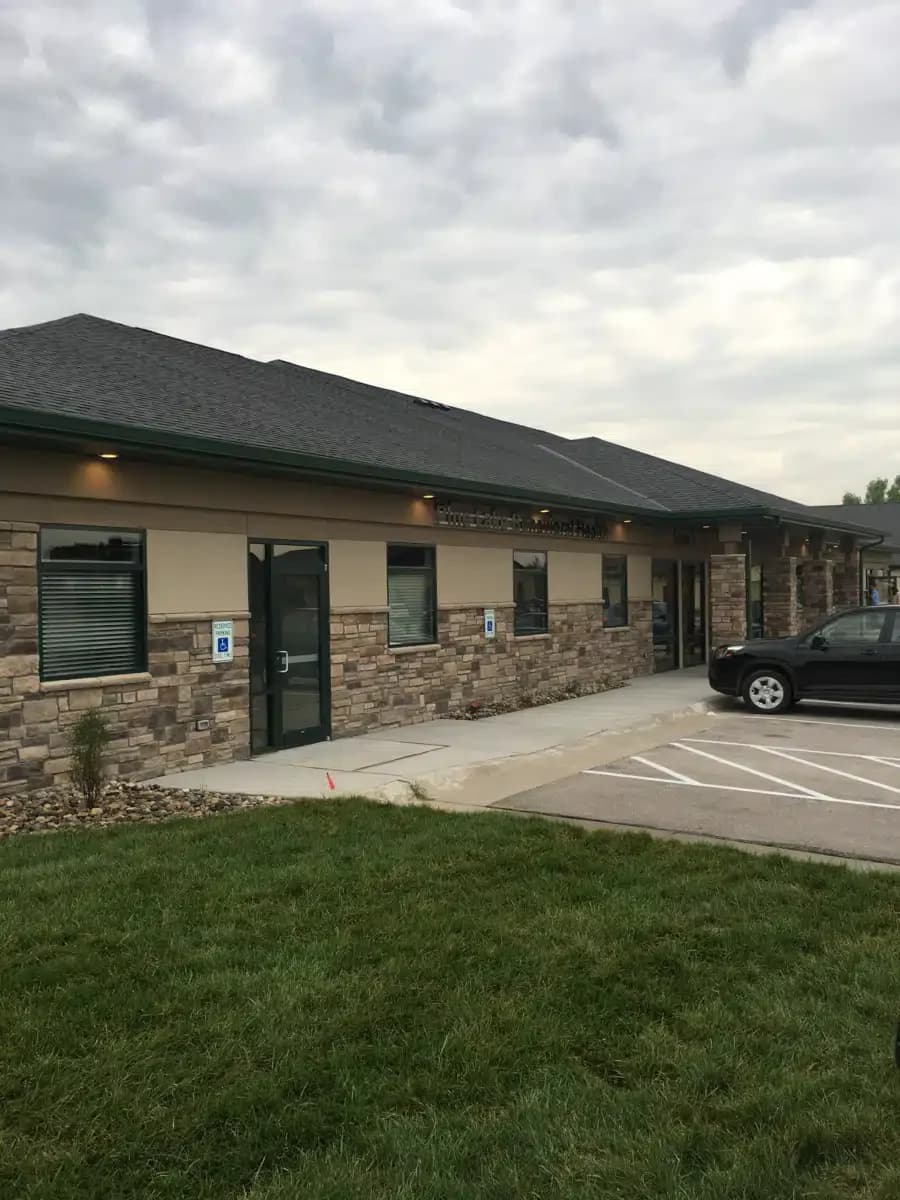
Pine Lake Behavioral Health/Medical, situated in Lincoln, NE, delivers extensive addiction recovery programs tailored for adults and seniors. The center features intensive outpatient treatment, outpatient detox services, and other outpatient offerings, prioritizing detoxification, substance use support, and co-occurring conditions. Emphasizing techniques such as anger management, brief intervention, and cognitive behavioral therapy, the facility serves both men and women, including individuals with trauma backgrounds. Pine Lake Behavioral Health/Medical is committed to providing personalized care and fostering a comprehensive path to recovery for every client.
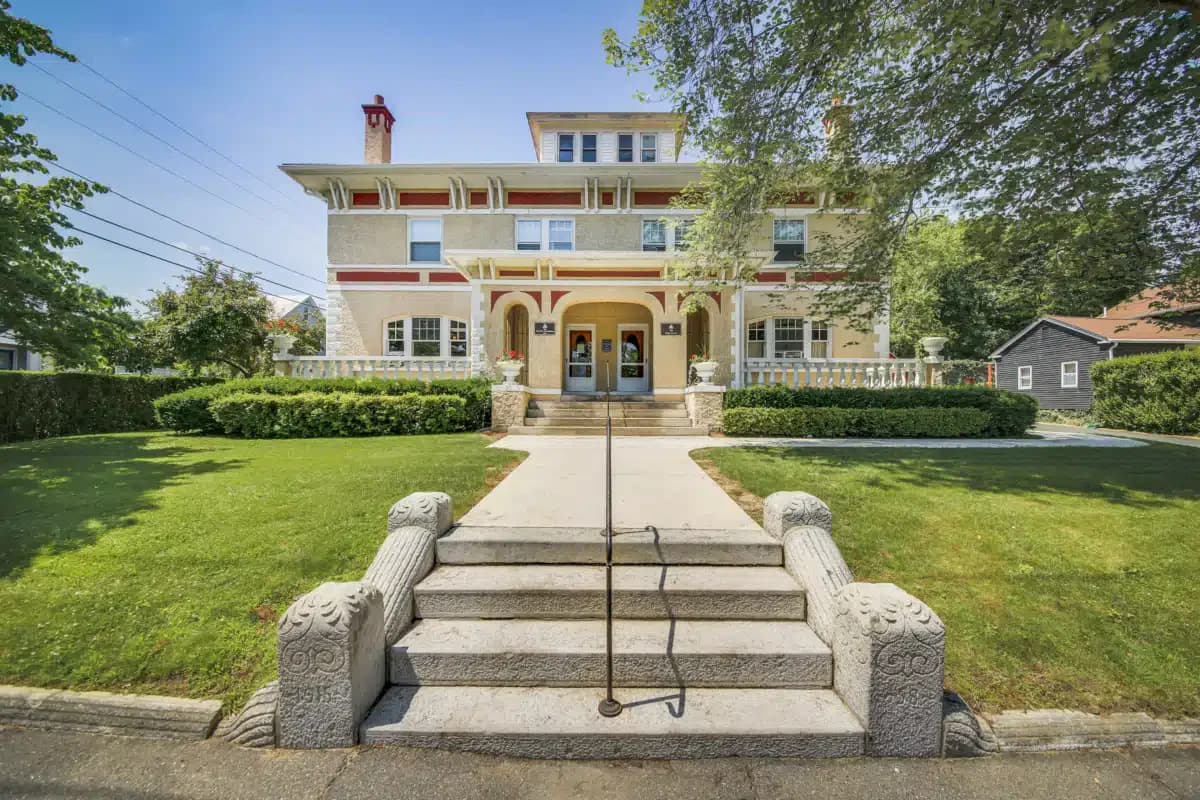
McCall Behavioral Health Network, located in Torrington, CT, provides a wide range of substance abuse treatment options, including intensive outpatient programs, standard outpatient services, and outpatient care with methadone or buprenorphine and naltrexone. Emphasizing evidence-based methodologies such as anger management, brief intervention strategies, and cognitive behavioral therapy, this center offers tailored programs for adolescents and adults, regardless of gender. With a commitment to delivering high-quality care, McCall Behavioral Health Network is dedicated to helping individuals of all ages navigate their journey to recovery from addiction.
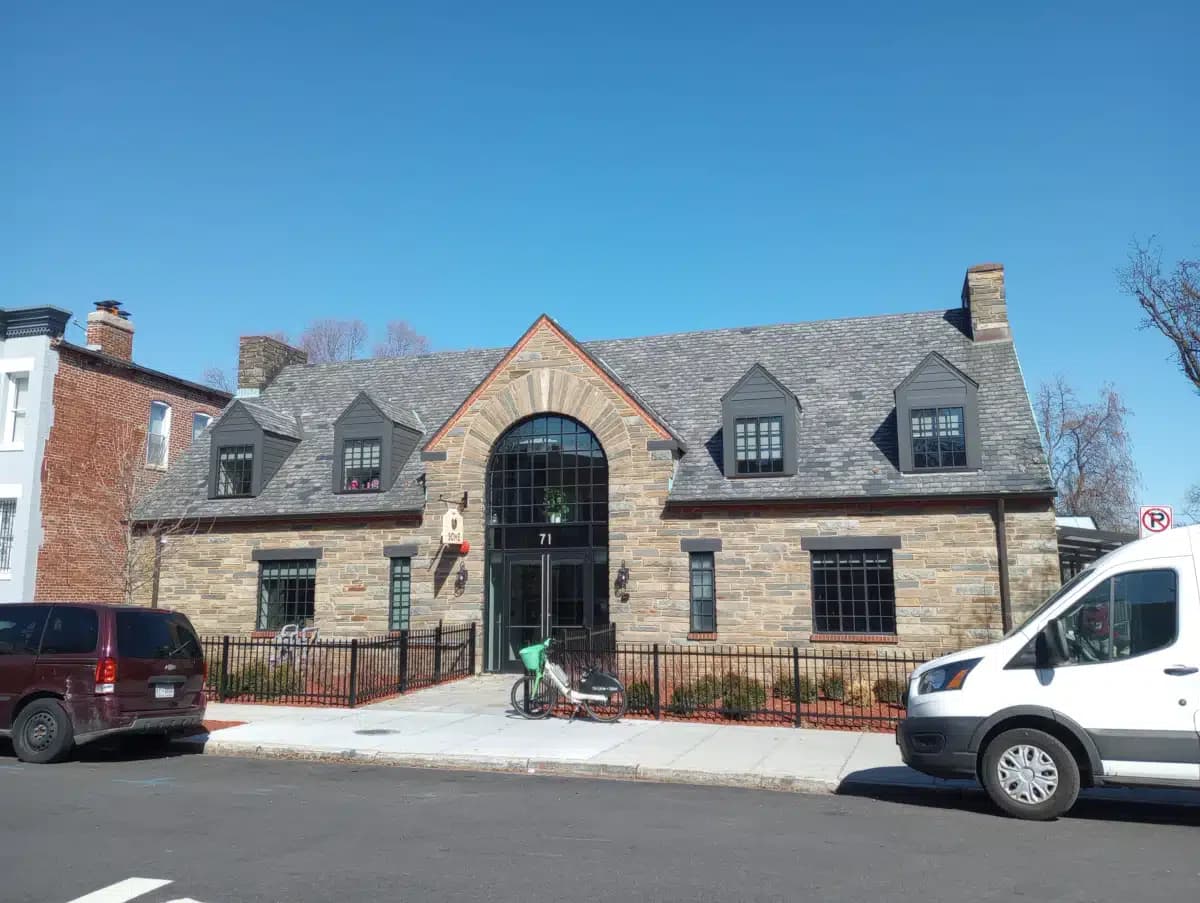
So Others Might Eat Inc (SOME) located in Washington, DC, delivers extensive rehabilitation services for both adults and younger individuals facing substance use challenges alongside significant mental health disorders or emotional issues. The center offers a variety of treatment options including intensive outpatient programs, outpatient services, and medication-assisted interventions that utilize proven methods such as cognitive behavioral therapy and motivational interviewing. SOME is dedicated to serving adult men and women, particularly those who have encountered trauma. With distinct programs designed for various genders and age demographics, SOME prioritizes personalized care suited to each client's requirements. This center is recognized for its comprehensive approach to managing addiction and mental health care.
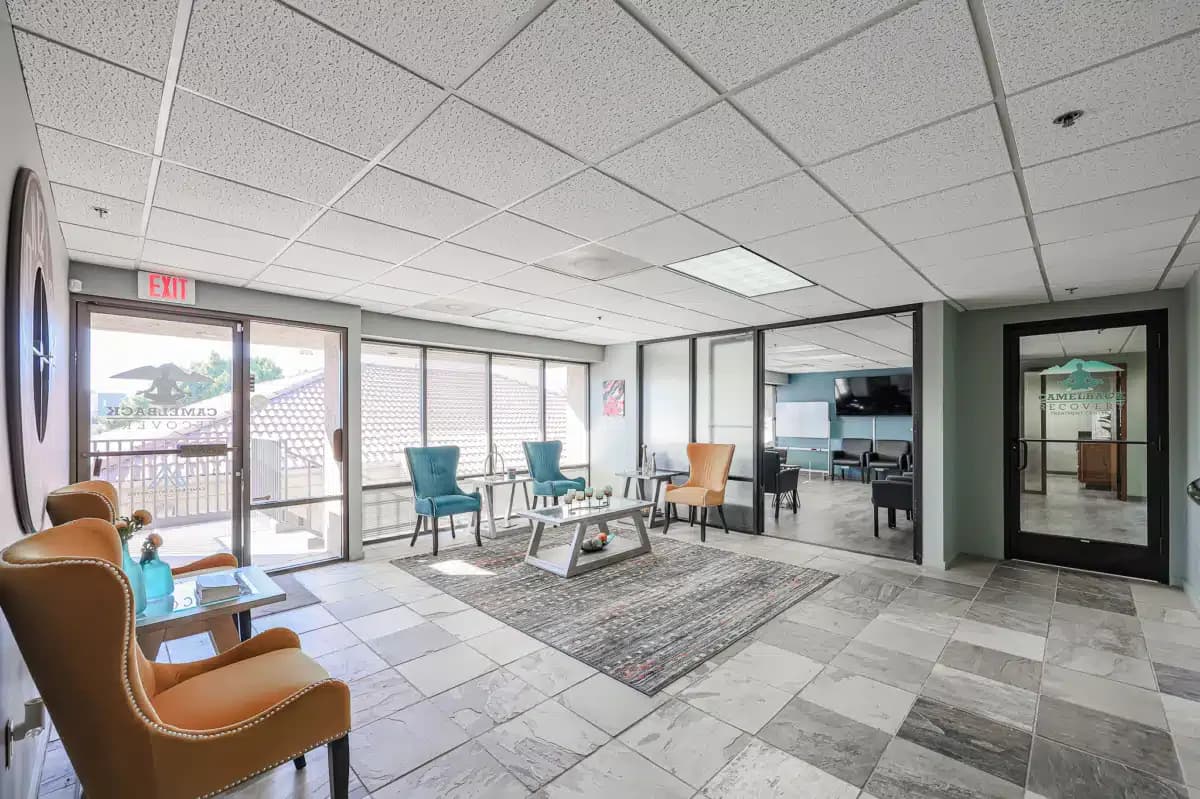
Camelback Recovery Treatment Center located in Phoenix, AZ, provides a wide array of addiction treatment options for both adults and young adults. The center specializes in detoxification, treatment for substance use disorders, and personalized support for those facing concurrent mental health challenges. Their offerings encompass intensive outpatient programs, outpatient day initiatives, and partial hospitalization options. Emphasizing methods such as 12-step support, anger management strategies, and brief intervention techniques, the center customizes treatment approaches to suit the unique needs of each individual. Additionally, the center stands out by offering specialized services for clients who have experienced trauma and those with dual diagnoses. Camelback Recovery Treatment Center is dedicated to delivering high-quality care to all clients, regardless of gender, on their path to recovery.
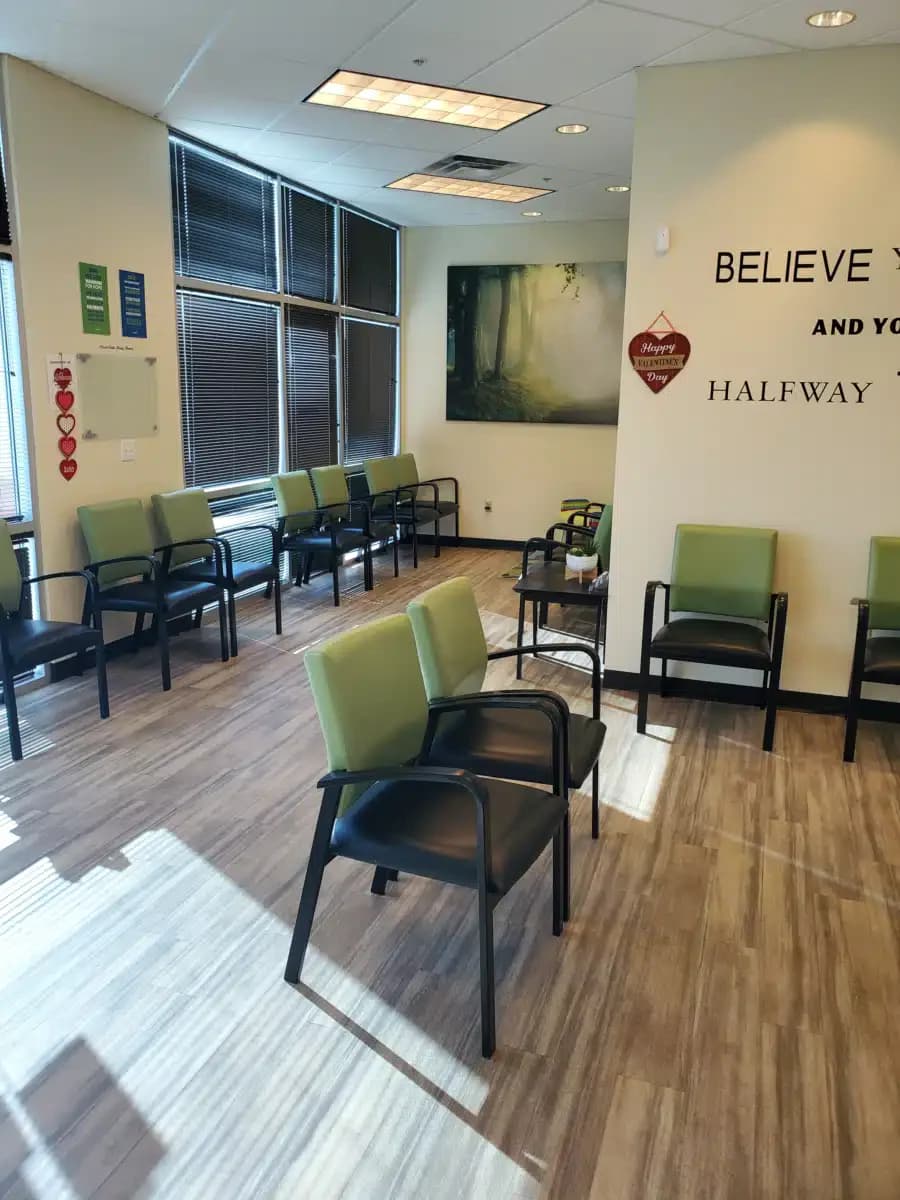
CleanSlate Centers located in Worcester, MA, provides outpatient treatment for substance use, featuring options such as outpatient methadone/buprenorphine and naltrexone therapies. The center emphasizes motivational interviewing techniques, strategies for preventing relapse, and counseling for substance use disorders. With a distinctive individual-focused approach, this facility serves adults and young adults across all genders. CleanSlate Centers in Worcester delivers specialized support aimed at helping individuals navigate their recovery from substance use issues. Their high-quality services and customized programs are designed to assist each person on their path to recovery. If you are in search of effective and tailored addiction treatment, this center could be a suitable choice for you.

Situated in Edinburg, TX, Tropical Texas Behavioral Health delivers a variety of outpatient services tailored for those aiming to overcome substance use disorders alongside mental health challenges. The center specializes in detoxification, treatment for substance use, and dedicated programs for active military personnel, teenagers, and adult males. Emphasizing evidence-based methodologies such as cognitive behavioral therapy and anger management, this facility serves clients of all ages and genders. From outpatient detox to methadone and buprenorphine therapies, the center emphasizes personalized care and holistic recovery, providing thorough support throughout each individual’s journey to wellness.
PV3 Recovery Center for Men, located in Minneapolis, MN, specializes in offering both long-term and short-term residential treatment options, including around-the-clock care for adult and senior males facing challenges related to substance use and concurrent mental health conditions. The center utilizes proven treatment methodologies such as 12-step facilitation, cognitive behavioral therapy, and contingency management. With a commitment to addressing the specific needs of adult men with co-occurring disorders, PV3 Recovery Center is focused on delivering effective care that promotes a path toward sustained recovery and enhanced mental health.
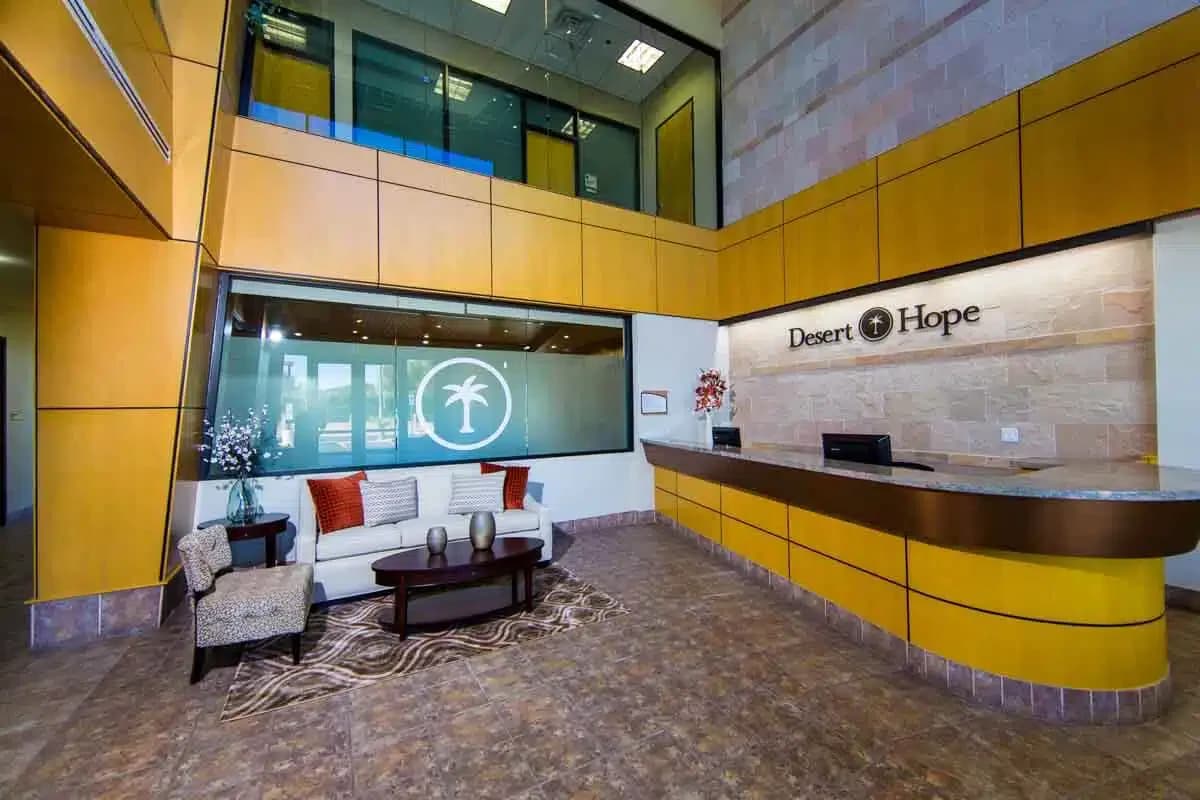
Desert Hope, situated in Las Vegas, NV, is a premier treatment center dedicated to addressing substance use disorders and concurrent mental health challenges for individuals of all ages. The facility offers a range of programs, including intensive outpatient, outpatient services, and day treatment, all customized to meet the unique requirements of each client. Desert Hope employs specialized approaches such as anger management, cognitive behavioral therapy, and brief intervention strategies to provide thorough care for adults, particularly those with co-occurring conditions. Catering to adults and young adults across the gender spectrum, this center prioritizes delivering exceptional, individualized support to guide them toward lasting recovery.
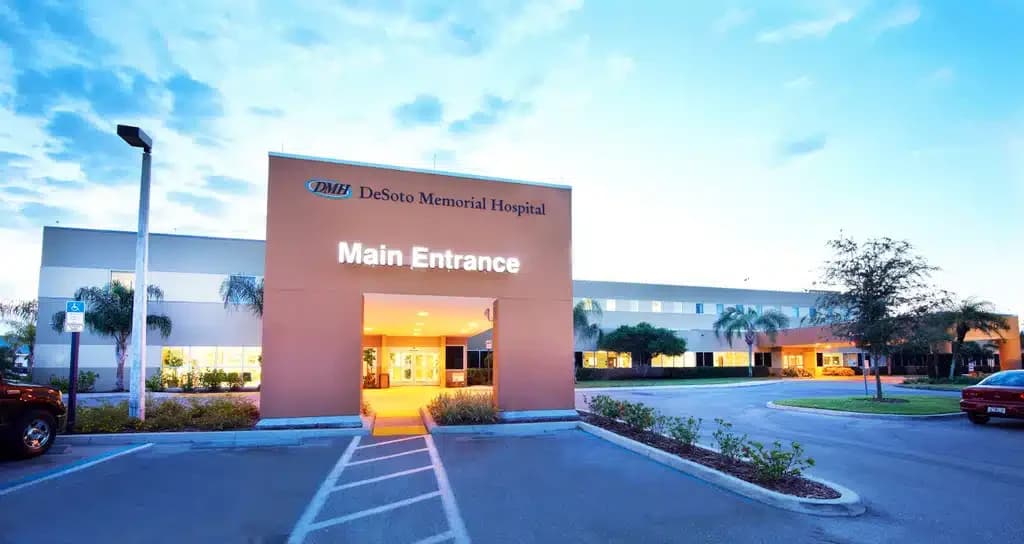
Situated in Arcadia, FL, DeSoto Psychiatric Services provides outpatient treatment for substance use issues in both adults and teens. This facility focuses on anger management, cognitive behavioral therapy, and utilizes the Matrix Model for effective recovery. With customized programs designed for adult men, women, and teenagers, the center addresses a variety of needs. Welcoming both male and female clients, DeSoto Psychiatric Services ensures holistic care in an inviting setting. Those looking for help for themselves or family members can anticipate exceptional support and care at this esteemed center.

Situated in Norton, KS, Valley Hope of Norton delivers a wide range of addiction treatment services tailored for adults and young adults. The center offers detoxification, intensive outpatient programs, outpatient services, and regular outpatient care. Utilizing methods such as 12-step facilitation, anger management, and brief intervention strategies, the facility aims to bolster recovery. Valley Hope of Norton has specialized programs for adult men and women, as well as for those facing co-occurring disorders, ensuring personalized attention for each individual. The center is committed to providing quality care through evidence-based practices, helping clients achieve long-term sobriety.
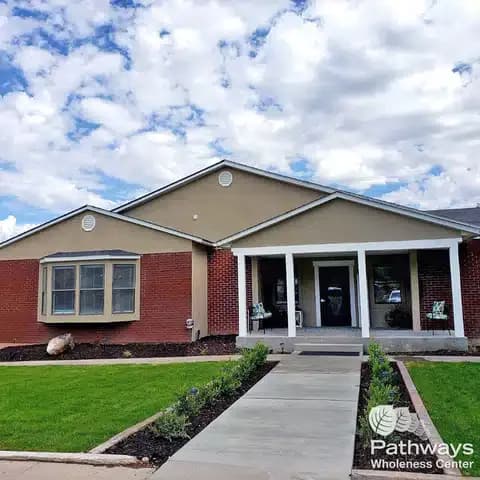
Pathways Wholeness Center in Glenwood, UT, provides extensive treatment options for addiction and mental health challenges. They offer residential detox, round-the-clock residential support, and short-term residential programs for adults and young adults dealing with substance abuse and co-occurring psychiatric issues. The center has specific programs designed for active military members, men, and women, adapting their methods to suit individual requirements. Utilizing proven therapeutic strategies like 12-step support, emotional regulation training, and short-term counseling, Pathways Wholeness Center delivers effective, customized recovery services to all its clients.
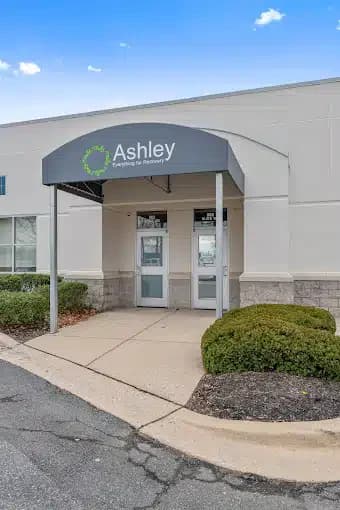
Situated in Bel Air, Maryland, Ashley Inc provides extensive addiction recovery solutions for adults and adolescents. The center excels in detox and substance abuse treatment, delivering intensive outpatient, outpatient, and day treatment options. Emphasizing 12-step facilitation, anger control, and brief intervention strategies, Ashley Inc customizes its offerings to suit each person's distinct requirements. Distinctive services include targeted programs for individuals involved with the criminal justice system. Catering to both men and women, this establishment guarantees excellent care and assistance for individuals on their journey to overcome addiction.
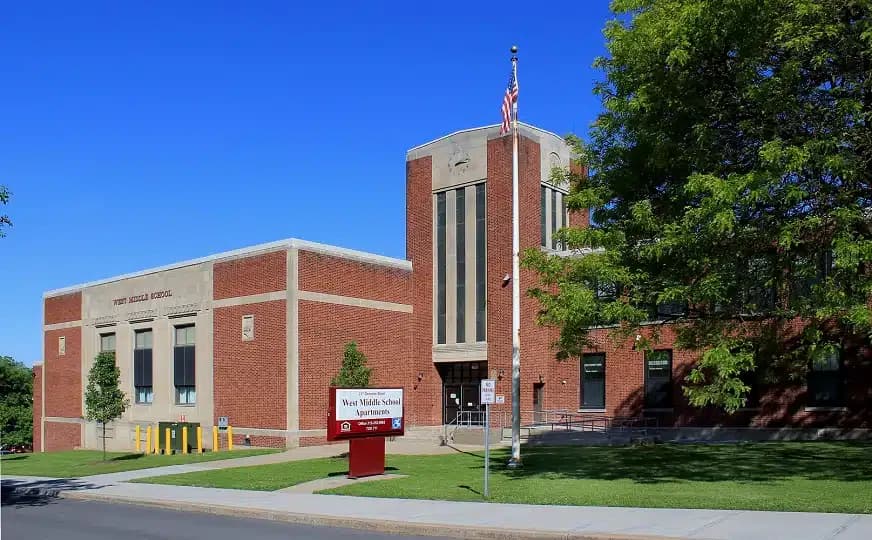
Grace House, situated in Auburn, NY, is a long-term residential facility dedicated to aiding individuals in their journey through substance use recovery. Providing a nurturing atmosphere, this center extends transitional housing and sober living accommodations for adults and young adults, encompassing both men and women. Emphasizing personalized support, Grace House employs therapeutic strategies such as 12-step program integration, anger management techniques, and brief intervention methods to offer thorough support for addiction challenges. The hallmark of Grace House is its dedication to crafting treatment regimens specifically designed for each resident's distinct requirements. Within this residential, round-the-clock setting, individuals will find dependable care and mentorship to foster lasting sobriety.
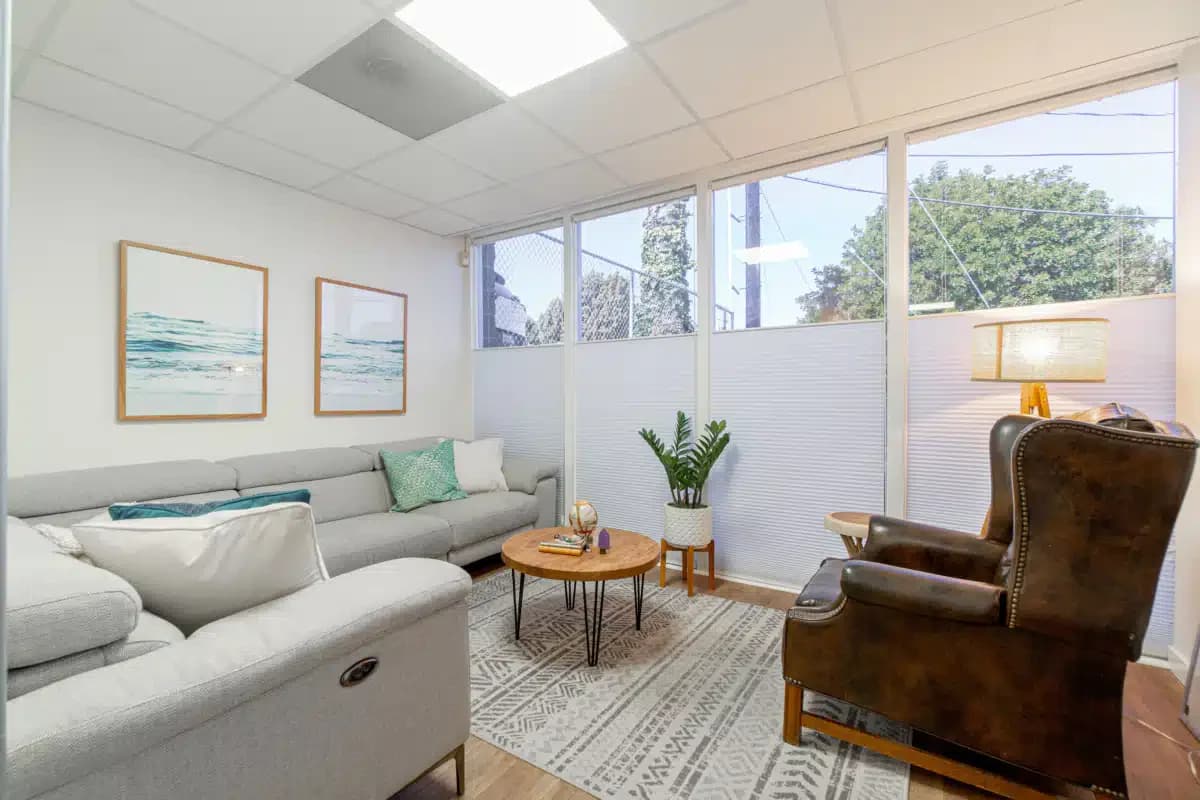
Situated in San Pedro, CA, Coastwise Recovery Center provides focused treatment for adults and young adults dealing with substance use issues, particularly those with concurrent severe mental health conditions. Their offerings encompass intensive outpatient and outpatient programs, featuring strategies such as 12-step facilitation, anger management, and brief intervention tactics. Emphasizing a personalized approach, the center serves both men and women. Clients can choose between outpatient day treatment and partial hospitalization, receiving exceptional care that meets their individual requirements. Coastwise Recovery Center is distinguished by its all-encompassing programs that tackle both substance use and mental health challenges, making it an excellent option for individuals ready to begin their recovery journey.
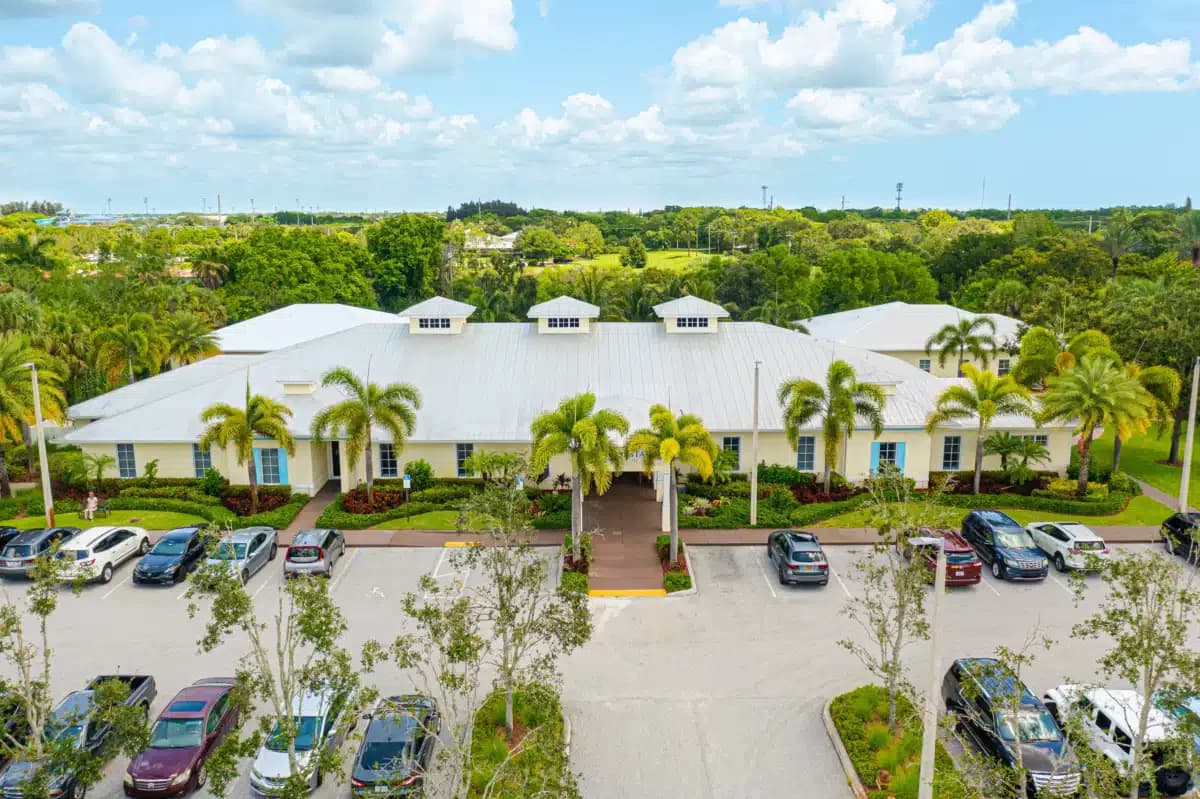
Coastal Detox Inc, situated in Stuart, Florida, provides a full spectrum of recovery care, addressing detox, substance abuse, and co-occurring mental health conditions for both adults and minors. Operating as a hospital inpatient facility with round-the-clock services, they offer targeted programs for active military personnel, adult men, and adult women. Treatment methodologies employed include 12-step facilitation, anger management, and brief intervention. Coastal Detox Inc serves individuals of all genders, including adults and young adults, offering customized treatment plans. This center is committed to delivering high-quality, individualized care to guide those seeking to regain their health.
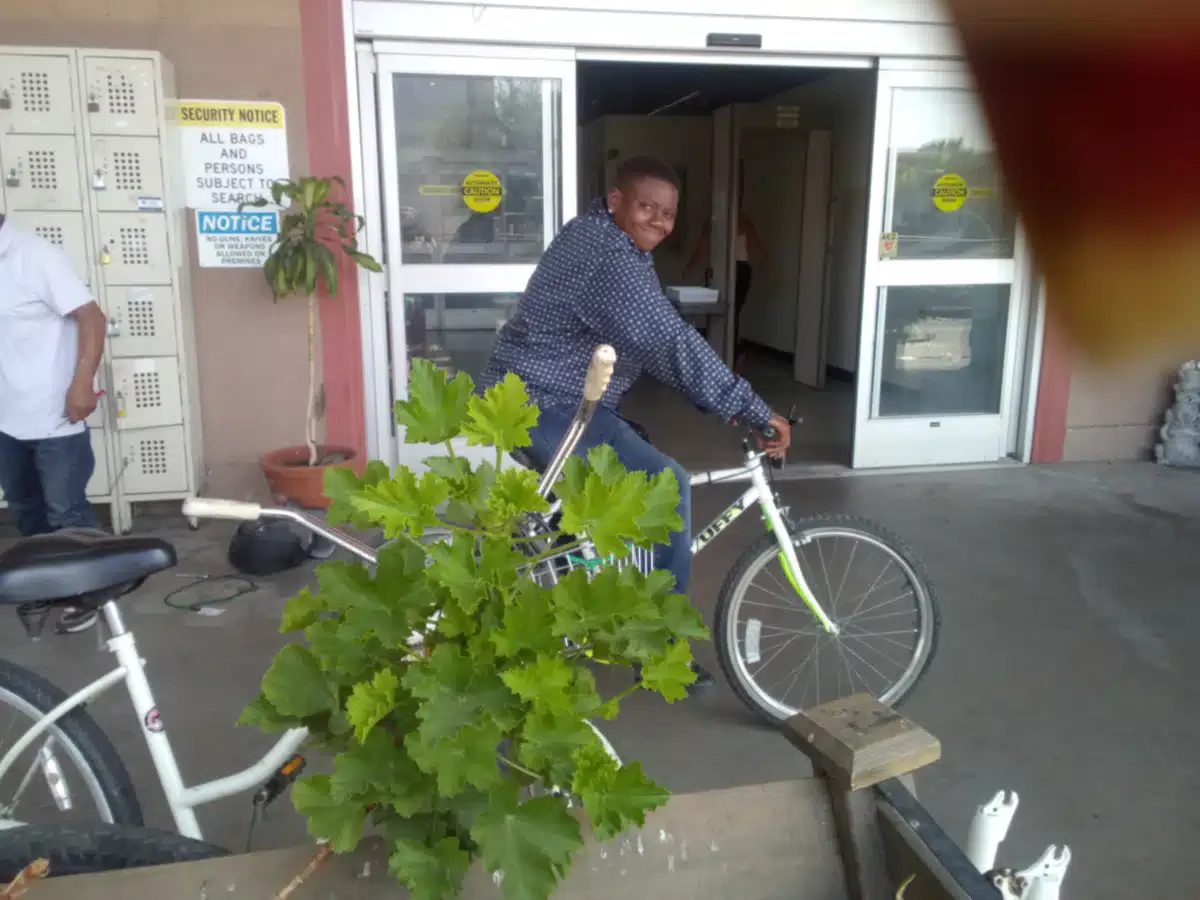
The Cleveland-based Salvation Army rehabilitation center delivers robust outpatient and intensive outpatient substance use disorder treatment for adults and young adults. Employing strategies such as 12-step facilitation, cognitive behavioral therapy, and motivational interviewing, the center provides a thorough path to healing. Its distinctive feature is the development of customized plans designed for each individual's specific requirements. Offering distinct programs for male and female individuals, the Salvation Army cultivates a welcoming and accommodating atmosphere. For those in search of effective, personalized care to conquer addiction, this center is committed to supporting your recovery process.
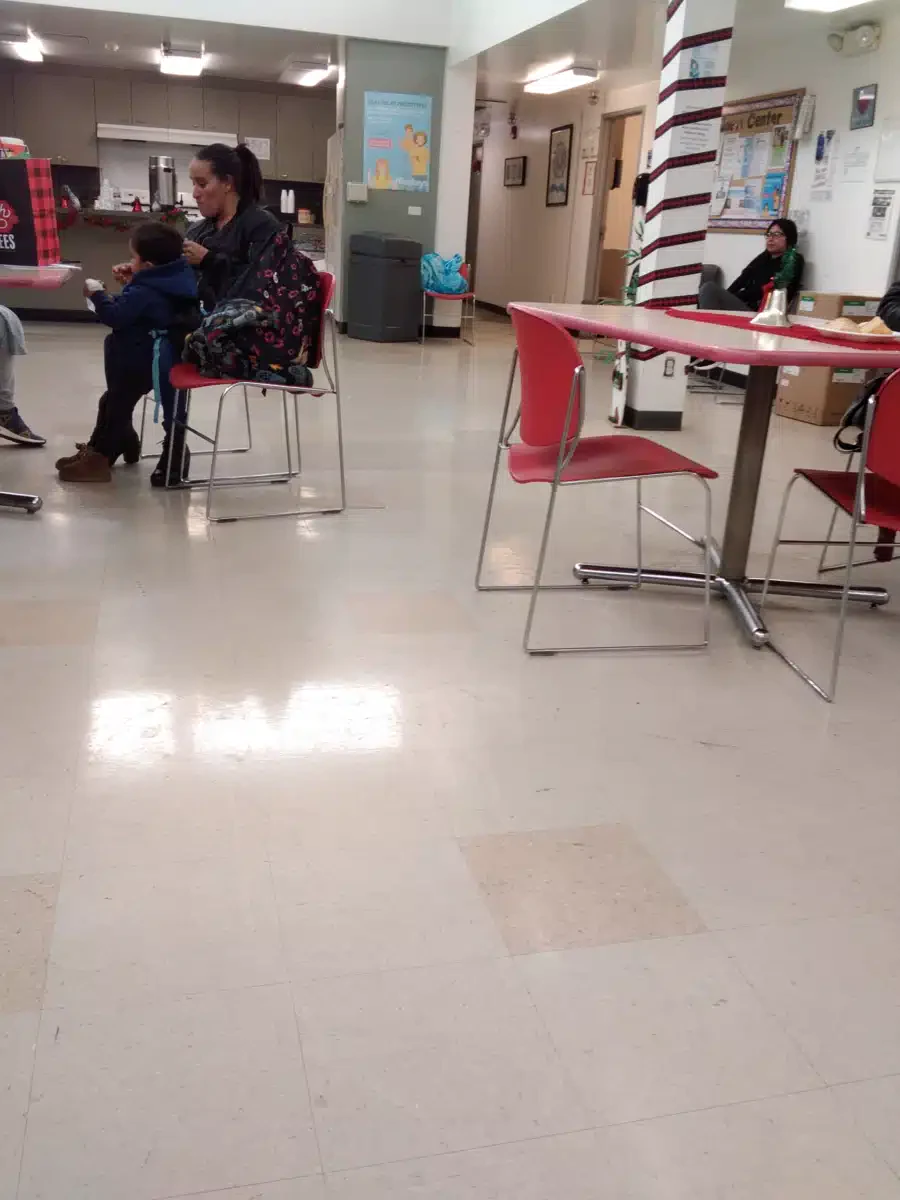
One Touch Recovery Center located in Pomona, CA, provides an extensive array of treatment programs for substance use, with a particular emphasis on individuals facing both substance use disorders and significant mental health challenges. The center offers various levels of care, such as intensive outpatient programs, outpatient day treatment, and partial hospitalization services. With an emphasis on 12-step methodologies, anger management techniques, and short-term intervention strategies, One Touch Recovery Center customizes its treatment plans to address the unique requirements of each client. Additionally, there are specialized programs designed for active military members, as well as distinct offerings for adult men and women. Catering to adults and young adults across the gender spectrum, One Touch Recovery Center is committed to delivering exceptional, gender-sensitive treatment within a nurturing setting.

Newport Academy, situated in Camarillo, California, provides a variety of services for addiction treatment catering to both adults and youth facing concurrent mental health issues. The center features intensive outpatient, long-term residential, and standard outpatient programs customized to suit individual circumstances. Employing methods like cognitive behavioral therapy, anger management, and strategies for relapse prevention, Newport Academy focuses on the needs of trauma survivors and those dealing with dual diagnoses. With dedicated programs for adolescents and young adults, the center ensures that both male and female clients receive comprehensive care as they work towards recovery from substance use and related mental health conditions.
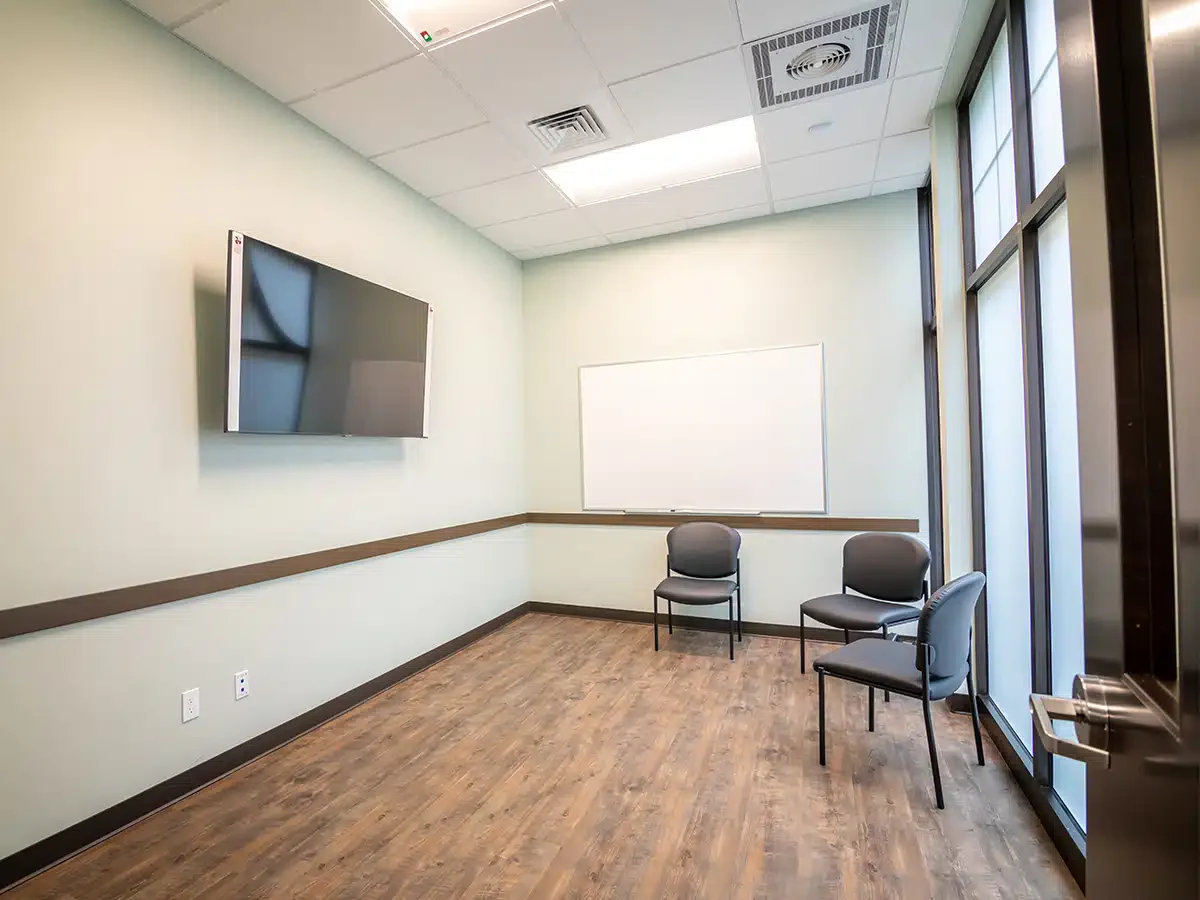
Bangor Comprehensive Treatment Center, located in Bangor, ME, provides outpatient treatment for adults dealing with substance use issues, including those who also face severe mental health challenges. This facility specializes in addressing substance use disorders with options such as methadone, buprenorphine, or naltrexone therapy. Emphasizing the principles of 12-step recovery, anger management, and short intervention strategies, Bangor Comprehensive Treatment Center customizes its treatment approaches to fit the unique requirements of each individual. Beyond standard outpatient offerings, the center features distinct programs tailored for adult men and women, and for clients with histories of intimate partner or domestic violence. Committed to delivering exceptional and comprehensive care, this center supports adults and young adults of all genders on their journey to recovery.
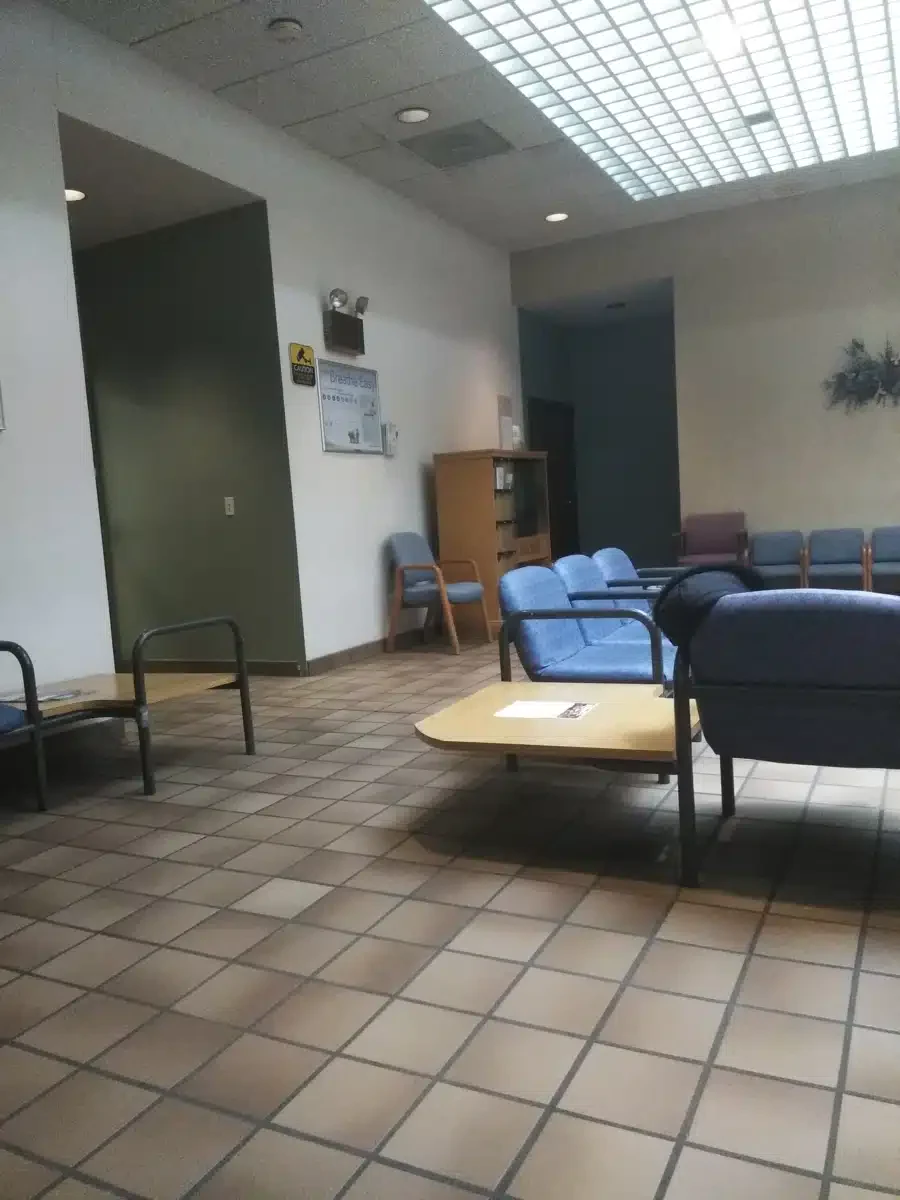
South Shore Hospital, situated in Chicago, IL, delivers thorough addiction recovery programs. This institution focuses on medically supervised inpatient detoxification and care for individuals facing substance use challenges. Employing methodologies like 12-step support integration, cognitive behavioral therapy, and short-term counseling, the center delivers individualized treatment plans for adults and young adults. Distinctive services are offered to active military members, adult males, and those who have encountered domestic violence. Committed to high-quality support, South Shore Hospital provides specialized interventions for both male and female patients within a nurturing and organized setting.
Frequently Asked Questions
About Anxiety Disorders Treatment
Anxiety disorders and substance use disorders commonly occur together, with each condition influencing and worsening the other. Many people use alcohol or drugs to temporarily relieve anxiety symptoms, while others develop anxiety as a consequence of substance use or withdrawal. Integrated treatment addressing both conditions provides the foundation for lasting recovery.
Types of Anxiety Disorders
Anxiety disorders that frequently co-occur with addiction include:
- Generalized Anxiety Disorder (GAD): Persistent, excessive worry about various aspects of life
- Social Anxiety Disorder: Intense fear of social situations and being judged by others
- Panic Disorder: Recurring panic attacks with intense physical symptoms
- Specific Phobias: Intense fear of particular objects or situations
- Obsessive-Compulsive Disorder (OCD): Intrusive thoughts and compulsive behaviors
The Self-Medication Cycle
People with anxiety often discover that alcohol or drugs temporarily reduce anxiety symptoms, leading to increased use. However, this relief is short-lived, and substances ultimately worsen anxiety through tolerance, withdrawal, and disrupted brain chemistry. Breaking this cycle requires addressing both the anxiety disorder and substance dependence simultaneously through integrated treatment.
Safe Anxiety Management in Recovery
While benzodiazepines (Xanax, Ativan) are commonly prescribed for anxiety, they carry high addiction risk and are typically avoided in recovery. Fortunately, effective non-addictive alternatives exist including SSRIs, SNRIs, buspirone, and hydroxyzine. These medications treat anxiety without abuse potential. Psychological approaches like CBT, DBT, and mindfulness provide powerful anxiety relief.
Evidence-Based Therapies
Effective treatments include:
- Cognitive Behavioral Therapy: Challenges anxious thoughts and changes avoidance behaviors
- Dialectical Behavior Therapy: Teaches emotional regulation and distress tolerance skills
- Exposure Therapy: Gradually confronts feared situations to reduce anxiety response
- Acceptance and Commitment Therapy (ACT): Develops psychological flexibility and value-based living
- Mindfulness-Based Stress Reduction (MBSR): Cultivates present-moment awareness to manage anxiety
Comprehensive Dual Diagnosis Care
Look for programs with psychiatric services for medication management, licensed therapists trained in evidence-based treatments for both conditions, individual and group therapy, skills training for managing anxiety and cravings, integrated treatment planning, and ongoing support for long-term recovery.
Additional resources:
Browse anxiety disorders programs in states with the most treatment options:
Treatment Approaches
Levels of Care
Need immediate help? Call SAMHSA: 1-800-662-4357 (24/7, free)