
Dual Diagnosis Treatment Centers Near You
Dual diagnosis treatment addresses co-occurring mental health and substance use disorders simultaneously. Find integrated treatment centers providing comprehensive care for lasting mental health and addiction recovery.
Found 261 rehab centers specializing in dual diagnosis across the United States.
Need Help Finding the Right Treatment Center?
Speak with a compassionate specialist now - 100% free & confidential
Showing 1 of 261 dual diagnosis rehab centers
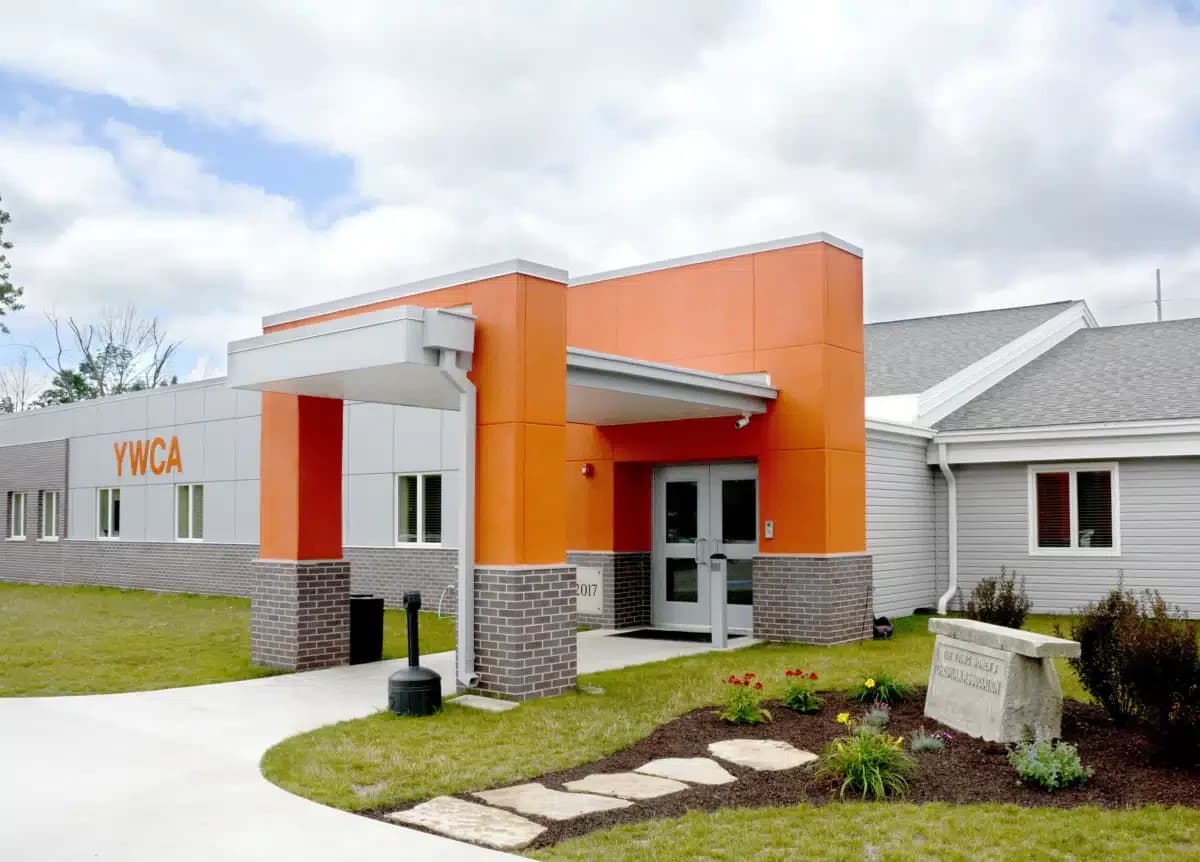
YWCA Northeast Indiana in Fort Wayne, IN, is dedicated to assisting adult women grappling with substance use disorders and concurrent mental health challenges. They provide a continuum of care including extended residential stays, intensive outpatient services, and standard outpatient treatment. Their therapeutic modalities encompass anger management, brief intervention strategies, and cognitive behavioral therapy. Notably, they offer specialized support for individuals with histories of intimate partner violence, domestic abuse, and sexual trauma. Catering to adults, seniors, and young adults, this women's health center emphasizes providing excellent rehabilitative care in a nurturing setting.
Frequently Asked Questions
About Dual Diagnosis Treatment
Dual diagnosis (co-occurring disorders) refers to the simultaneous presence of a mental health disorder and a substance use disorder. This condition affects nearly 50% of individuals with severe mental illness and requires specialized integrated treatment addressing both conditions together. Traditional approaches treating one condition while ignoring the other typically fail, leading to relapse in both.
Common Co-Occurring Conditions
Mental health conditions that frequently occur with addiction include:
- Depression: Major depressive disorder often co-occurs with alcohol or drug use
- Anxiety Disorders: GAD, panic disorder, social anxiety commonly co-occur with substance use
- PTSD: Trauma and addiction frequently occur together
- Bipolar Disorder: High rates of substance use during mood episodes
- Schizophrenia and Psychotic Disorders: Significantly increased substance use rates
- Personality Disorders: Borderline and antisocial personality disorders commonly co-occur
Why Integrated Treatment Is Essential
Mental health and addiction affect each other in complex ways. Mental health symptoms may lead to substance use as self-medication. Substance use worsens mental health symptoms and interferes with treatment. Withdrawal can trigger or worsen psychiatric symptoms. Each condition can mask or mimic symptoms of the other. This bidirectional relationship requires simultaneous, coordinated treatment of both conditions.
Components of Integrated Dual Diagnosis Treatment
Quality programs provide:
- Comprehensive Assessment: Thorough evaluation of both mental health and substance use
- Psychiatric Services: Medication management for mental health conditions
- Individual Therapy: Evidence-based approaches like CBT and DBT
- Group Therapy: Dual diagnosis specific groups with others facing similar challenges
- Family Involvement: Education and support for loved ones
- Coordinated Care: Mental health professionals and addiction specialists working together
- Continuing Care Planning: Long-term support for both conditions
Finding Quality Dual Diagnosis Treatment
Look for programs with:
- Licensed mental health professionals AND addiction specialists on staff
- Psychiatric services and medication management capabilities
- Experience and expertise in treating co-occurring disorders
- Integrated treatment philosophy (not separate tracks)
- Evidence-based therapies for both conditions
- Accreditation from recognized organizations (Joint Commission, CARF)
- Individualized treatment planning based on comprehensive assessment
Insurance Coverage and Access
The Mental Health Parity and Addiction Equity Act requires insurance companies to cover mental health and substance use treatment at levels comparable to medical coverage. Most health insurance plans cover dual diagnosis treatment under both mental health and substance use benefits. Contact your insurance provider or treatment center admissions teams to verify specific coverage and costs.
Resources for dual diagnosis:
Browse dual diagnosis programs in states with the most treatment options:
Treatment Approaches
Levels of Care
Need immediate help? Call SAMHSA: 1-800-662-4357 (24/7, free)