
PTSD & Addiction Treatment Programs
Post-traumatic stress disorder (PTSD) and addiction commonly co-occur. Find trauma-informed treatment centers offering specialized therapies like EMDR, prolonged exposure, and integrated care for lasting recovery.
Found 84 rehab centers specializing in ptsd across the United States.
Need Help Finding the Right Treatment Center?
Speak with a compassionate specialist now - 100% free & confidential
Showing 4 of 84 ptsd rehab centers

Turning Point of Tampa is a premier addiction treatment provider in Tampa, Florida, delivering a wide array of recovery services designed for individual requirements. They offer detoxification, drug and alcohol abuse treatment, and specialized support for individuals facing co-occurring substance use disorders and significant mental health challenges. Their treatment modalities encompass intensive outpatient, extended residential stays, and standard outpatient care, serving adults and young adults across all gender identities. Turning Point of Tampa utilizes therapeutic methods such as 12-step program integration, anger management strategies, and brief intervention approaches. Distinctive programs are offered for adult men, adult women, and individuals who have undergone sexual trauma. Emphasizing high-quality services and customized recovery paths, Turning Point of Tampa is committed to assisting individuals throughout their healing process.

Nestled in Vero Beach, FL, Vero Beach Recovery Center delivers a full spectrum of care for substance dependence. They provide medical detoxification alongside substance use disorder treatment through intensive outpatient, standard outpatient, and detox-focused outpatient programs. Employing methods such as anger management, motivational interviewing, and cognitive behavioral therapy, this establishment serves adult men and women, as well as young adults. Their expertise lies in supporting individuals with trauma histories and those facing dual diagnoses of mental health and addiction issues, ensuring personalized recovery plans. Committed to excellent care and whole-person wellness, Vero Beach Recovery Center stands as a reliable resource for individuals pursuing lasting sobriety.
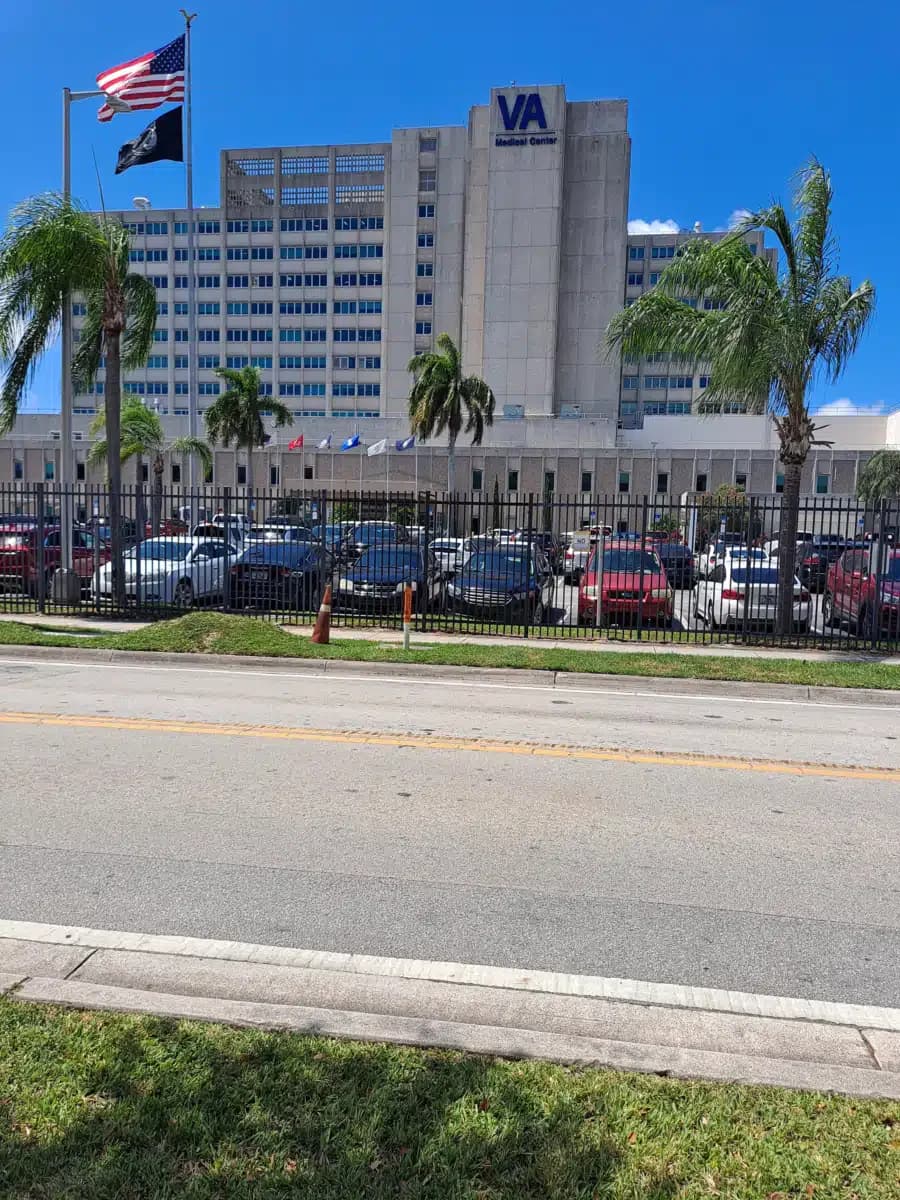
Situated in Miami, FL, the Veterans Affairs Miami Medical Ctr delivers extensive rehabilitation services designed for both adults and teens dealing with substance use issues alongside mental health challenges. This center offers inpatient detoxification and treatment programs emphasizing 12-step approaches, anger management, and short intervention strategies. It features specialized programs for adult women, individuals who have faced trauma, and clients with dual diagnoses of mental health and substance use disorders. Committed to providing high-quality care, the center accommodates both men and women, developing personalized treatment plans that cater to the distinct requirements of each patient.
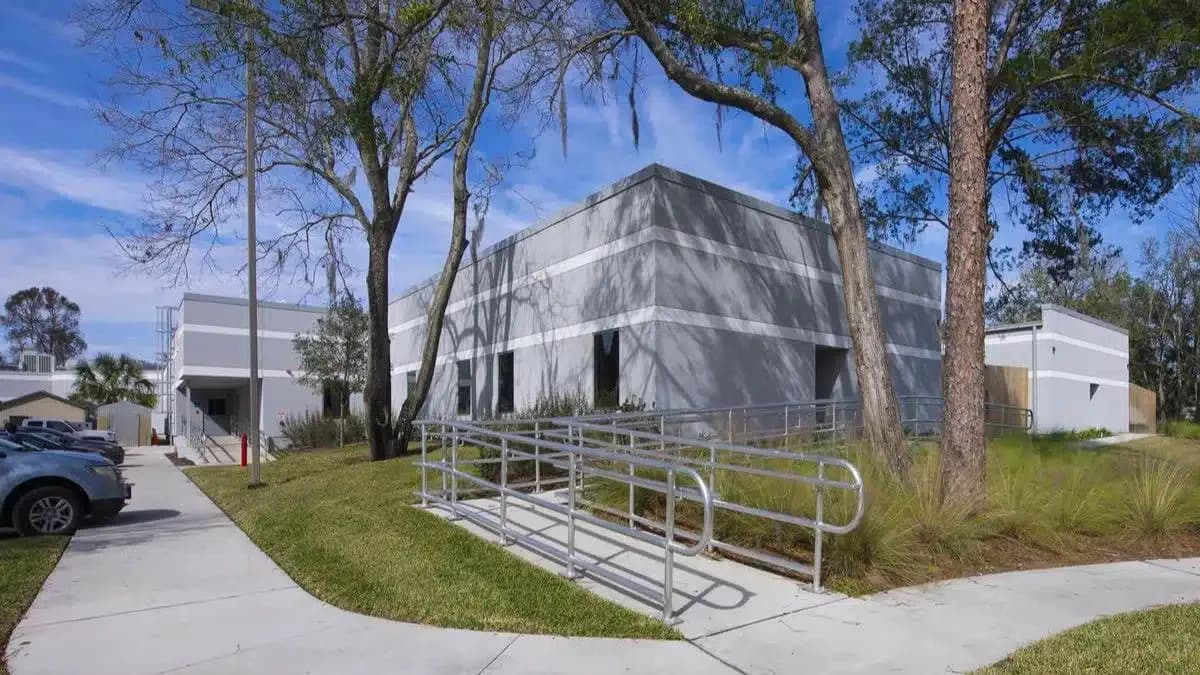
Wekiva Springs Center in Jacksonville, FL, is dedicated to aiding adults and young adults in overcoming substance use disorders and accompanying mental health challenges. Their services include inpatient hospital detoxification and treatment, emphasizing 12-step facilitation, brief intervention, and relapse prevention strategies. The facility also offers tailored programs for active military members, trauma survivors, and individuals with dual diagnoses. Wekiva Springs Center provides a nurturing setting for both men and women on their journey to wellness.
Frequently Asked Questions
About PTSD Treatment
Post-traumatic stress disorder (PTSD) and substance use disorders co-occur at remarkably high rates. Up to 50% of individuals seeking addiction treatment also meet criteria for PTSD. The relationship between trauma and addiction is complex, requiring specialized trauma-informed treatment that addresses both conditions simultaneously for effective, lasting recovery.
Understanding PTSD and Addiction
PTSD develops after experiencing or witnessing traumatic events like combat, assault, accidents, or natural disasters. Symptoms include intrusive memories, flashbacks, nightmares, hypervigilance, avoidance, and emotional numbness. Many people use alcohol or drugs to manage these distressing symptoms, finding temporary relief but ultimately worsening both PTSD and developing addiction. Substances interfere with trauma processing and prevent real healing.
Trauma-Informed Care Principles
Quality trauma-informed treatment emphasizes:
- Safety: Creating physical and emotional safety throughout treatment
- Trustworthiness: Building trust through transparency and consistency
- Peer Support: Connecting with others who understand trauma and recovery
- Collaboration: Shared decision-making and partnership in treatment
- Empowerment: Building strengths and restoring sense of control
- Cultural Sensitivity: Respecting diverse backgrounds and experiences
Evidence-Based Trauma Therapies
Specialized therapies for PTSD and addiction include:
- Prolonged Exposure (PE): Safely confronts trauma memories to reduce their power
- Eye Movement Desensitization and Reprocessing (EMDR): Processes traumatic memories through bilateral stimulation
- Cognitive Processing Therapy (CPT): Addresses unhelpful beliefs about trauma
- Seeking Safety: Integrated model addressing both PTSD and substance use
- Trauma-Focused CBT: Cognitive behavioral approach adapted for trauma
Integrated Treatment Approach
Modern research clearly shows that addressing PTSD and addiction together leads to better outcomes than treating them sequentially. Integrated programs provide coordinated care where trauma therapists and addiction specialists work together, creating comprehensive treatment plans that recognize how these conditions interact and support each other in recovery.
Taking It at Your Pace
Quality trauma-informed programs never force trauma disclosure before you're ready. Early treatment focuses on safety, stabilization, developing coping skills, and addressing substance use. Trauma processing begins when you and your therapist collaboratively decide you're prepared. Building foundation skills—emotional regulation, distress tolerance, mindfulness—creates readiness for deeper trauma work.
Resources for PTSD and addiction:
Browse ptsd programs in states with the most treatment options:
Treatment Approaches
Levels of Care
Need immediate help? Call SAMHSA: 1-800-662-4357 (24/7, free)