
Residential Inpatient Treatment Centers
Residential inpatient treatment provides comprehensive 24/7 care in a structured therapeutic environment. Living at the treatment facility allows complete focus on recovery without outside distractions, offering intensive therapy, medical support, and peer connection for lasting change.
Found 3 residential treatment treatment centers across the United States.
Need Help Finding the Right Treatment Center?
Speak with a compassionate specialist now - 100% free & confidential
Showing 3 of 3 results

Blue Hills Residential Treatment, situated in Moroni, UT, provides specialized care for individuals facing substance use challenges, serving adult males, youth, and young adults. Their diverse treatment options include extended residential stays, intensive outpatient programs, and standard outpatient services. The center employs evidence-based strategies such as anger management, cognitive behavioral therapy, and motivational interviewing. They also offer distinct programs designed for adolescents, individuals with trauma histories, and those managing co-occurring mental health and substance use conditions. Dedicated to delivering high-quality assistance, this establishment offers individualized pathways to recovery for those pursuing thorough and impactful rehabilitation.

Divine Light Residential Treatment LLC, situated in Baltimore, MD, delivers extensive support for those pursuing freedom from addiction. The center features inpatient hospital detoxification and therapeutic care, emphasizing 12-step principles, emotional regulation techniques, and short-term support strategies. Dedicated tracks are available for adult males and females, including individuals impacted by domestic abuse or relationship violence. Catering to adults and young adults across genders, Divine Light Residential Treatment LLC fosters a nurturing and organized setting conducive to sustained recovery and overall well-being.
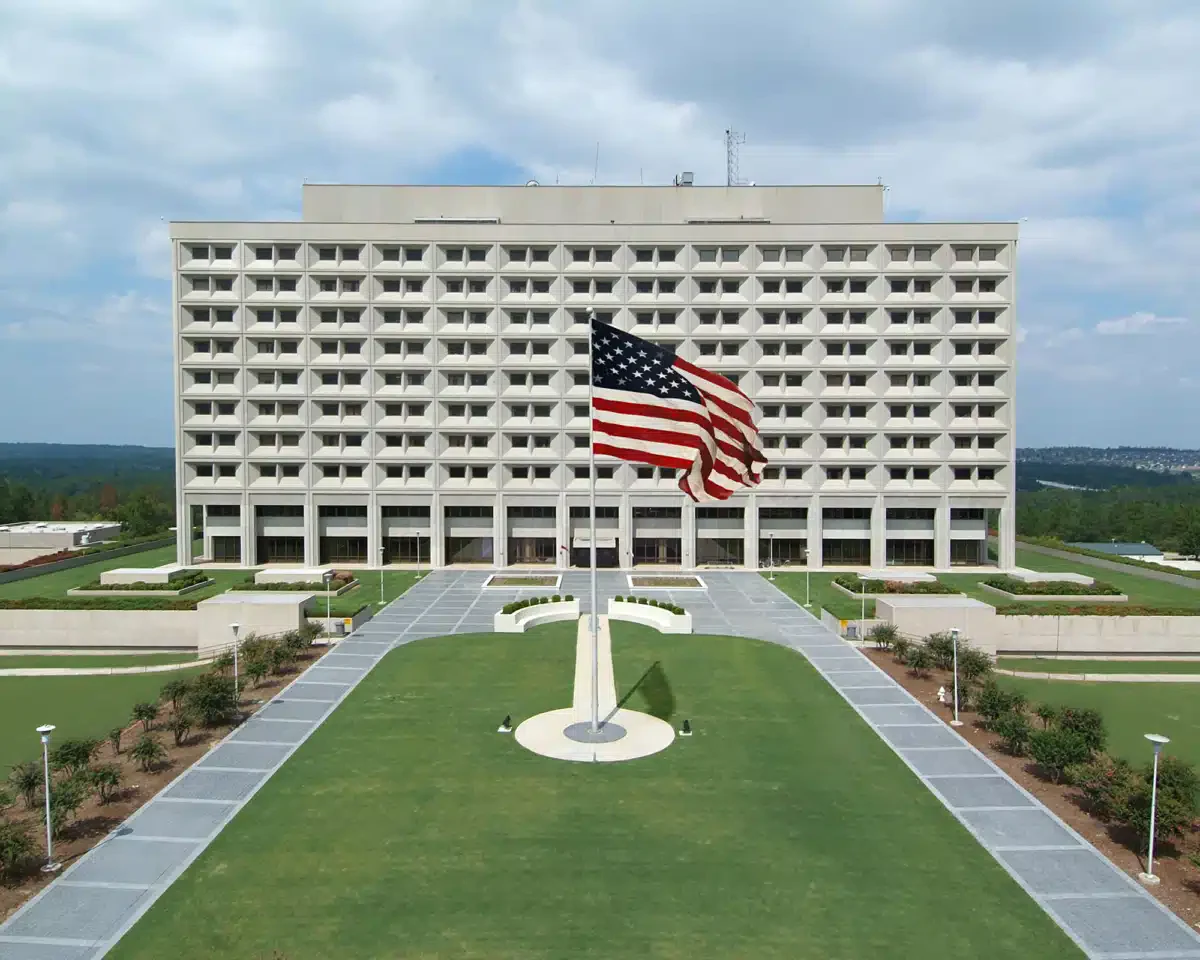
Situated in Augusta, GA, the Residential Treatment Facility delivers an extensive array of services designed for individuals pursuing recovery from addiction. This center features hospital inpatient treatment, residential detoxification, and tailored programs for active military members and individuals facing both mental health and substance use disorders. Emphasizing proven methodologies such as 12-step facilitation, anger management, and cognitive behavioral therapy, this facility serves adults and young adults of all genders. The center's dedication to high-quality care and personalized treatment options establishes it as a premier option for those ready to begin their recovery journey.
Frequently Asked Questions
About Residential Treatment
Residential inpatient treatment provides immersive 24/7 care in structured therapeutic environments. Living at the treatment facility allows complete focus on recovery without outside distractions, triggers, or responsibilities. This intensive approach combines comprehensive therapy, medical support, peer connection, and skills development for lasting behavioral change and recovery foundation.
Comprehensive Therapeutic Programming
Quality residential programs provide:
- Individual Therapy: Weekly sessions addressing personal issues, trauma, and individualized goals
- Group Therapy: Daily process groups, CBT groups, skills training, and peer support
- Family Programming: Family therapy, education, and weekend family visits or programs
- Psychiatric Services: Assessment, medication management for co-occurring conditions
- Medical Care: Nursing staff, physician oversight, medication administration
- Recreational Therapy: Exercise, sports, outdoor activities, creative therapies
- Life Skills: Communication, stress management, healthy habits, relapse prevention
- 12-Step Integration: On-site meetings, step work, sponsorship connections
Structured Daily Schedule
Days follow structured schedules providing routine, accountability, and multiple therapeutic touchpoints. Wake-up, meals, group therapy, individual sessions, educational programming, recreational activities, reflection time, and support meetings create rhythm supporting recovery. Structure reduces decision fatigue, provides safety, teaches healthy routines, and demonstrates disciplined living supporting long-term sobriety.
Peer Community and Support
Living alongside others in recovery provides powerful peer support, reduces isolation, offers validation and understanding, creates accountability, models healthy relationships, and demonstrates that recovery is possible. Many people form lasting friendships and support networks beginning in residential treatment that continue supporting recovery for years afterward.
Duration and Outcomes
While 28-30 day programs are common for insurance reasons, research shows 60-90 days provides better outcomes for most people. Longer duration allows deeper therapeutic work, more complete skill development, stronger recovery foundation, and greater behavior change integration. Some individuals benefit from extended programs beyond 90 days, particularly for severe addiction, trauma, or co-occurring conditions.
Transitioning to Lower Levels
Quality residential programs include comprehensive discharge planning connecting clients to continuing care. Most people step down to PHP or IOP for continued structure, then gradually to standard outpatient care and long-term maintenance. Some enter sober living homes providing supportive housing during transition to independent living.
Residential treatment resources:
Other Levels of Care
Browse residential treatment programs in states with the most treatment options:
Treatment Approaches
Need immediate help? Call SAMHSA: 1-800-662-4357 (24/7, free)