
Outpatient Addiction Treatment Programs
Standard outpatient treatment offers flexible addiction care while you maintain work, school, and family responsibilities. With regular counseling sessions (typically 1-9 hours weekly), outpatient programs provide ongoing support for motivated individuals with stable environments and strong support systems.
Found 84 standard outpatient treatment centers across the United States.
Need Help Finding the Right Treatment Center?
Speak with a compassionate specialist now - 100% free & confidential
Showing 4 of 84 standard outpatient treatment centers
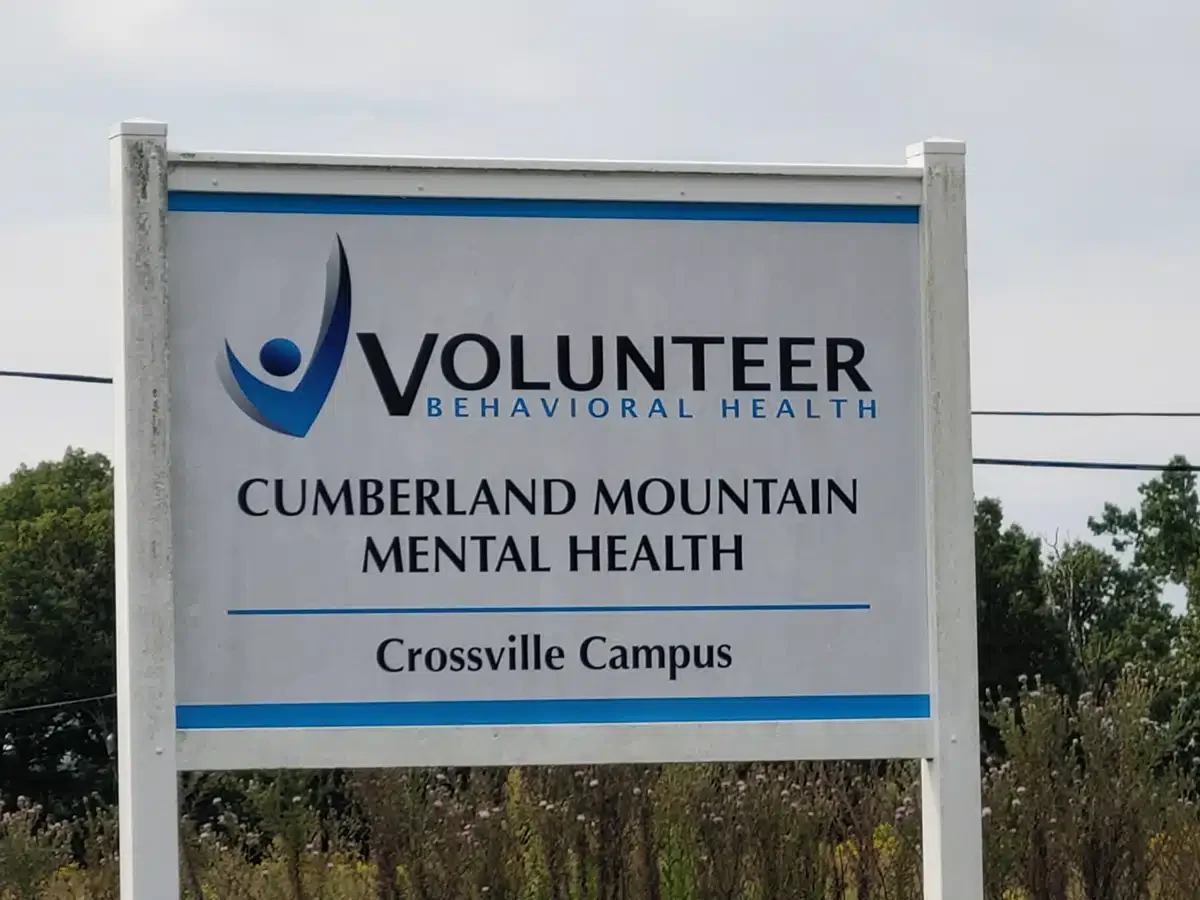
Situated in Murfreesboro, TN, Volunteer Behavioral Health delivers tailored support for those grappling with substance use challenges alongside simultaneous mental health conditions. The facility features intensive outpatient programs, standard outpatient options, and treatments involving methadone, buprenorphine, or naltrexone. Emphasizing techniques such as anger management, brief intervention, and cognitive behavioral therapy, the center serves adults and seniors regardless of gender. They are particularly adept at addressing clients facing both mental health and substance use disorders. Volunteer Behavioral Health is committed to offering exceptional, holistic care, aiming to assist individuals in achieving sustainable recovery and enhanced mental wellness.
Situated in Athens, TN, Volunteer Behavioral Health provides focused treatment for substance use issues in both adults and children experiencing concurrent mental health challenges. The facility offers both intensive outpatient and standard outpatient programs, utilizing therapies such as methadone, buprenorphine, or naltrexone. Emphasizing cognitive behavioral therapy, anger management techniques, and brief therapeutic interventions, this center addresses the needs of individuals with multifaceted challenges. Volunteer Behavioral Health is committed to delivering tailored care for adults and seniors of any gender, ensuring a supportive atmosphere for those seeking help with substance use and mental health difficulties.
Volunteer Behavioral Health, situated in Chattanooga, TN, is dedicated to providing a variety of expert recovery programs. They deliver robust intensive outpatient and standard outpatient care for individuals struggling with addiction. The center also offers support for adults with dual diagnoses of substance use and severe mental health conditions, and for children experiencing significant emotional difficulties. Employing methods like anger management, brief intervention, and cognitive behavioral therapy, this establishment serves adults and older adults, regardless of gender. Volunteer Behavioral Health is particularly recognized for its specialization in assisting those with co-occurring mental health and addiction issues, guaranteeing tailored and thorough support for everyone pursuing recovery.
Situated in Dayton, TN, Volunteer Behavioral Health delivers focused treatment for substance use, catering to both adults and children who are also dealing with mental health disorders. The center offers a range of services including intensive outpatient programs, standard outpatient services, and medication-assisted treatment options such as methadone/buprenorphine and naltrexone. With an emphasis on techniques like anger management, brief intervention strategies, and cognitive behavioral therapy, this facility effectively addresses the needs of clients with co-occurring conditions. By providing high-quality, personalized care to adults and seniors of any gender, Volunteer Behavioral Health stands out as an essential option for those in need of thorough and impactful rehabilitation in the Dayton community.
Frequently Asked Questions
About Standard Outpatient
Standard outpatient treatment provides addiction counseling and therapy while you maintain normal daily life - living at home, working, attending school, and fulfilling family responsibilities. This flexible approach typically involves 1-9 hours of treatment weekly, offering ongoing support for motivated individuals with stable environments and strong support systems.
Who Succeeds in Outpatient Treatment
Outpatient care works well for:
- Mild to Moderate Addiction: Without severe physical dependence or medical complications
- Completed Detox: If physical dependence existed, safely completed medical withdrawal
- Stable Living Situation: Safe, supportive home environment free from active substance use
- Strong Motivation: Internal commitment to recovery and willingness to engage fully in treatment
- Support System: Family, friends, or community supporting recovery
- Step-Down Care: Transitioning from higher levels after stabilization in residential or IOP
Outpatient Services and Approaches
Programs typically offer individual counseling using evidence-based approaches like CBT or Motivational Interviewing, group therapy for peer support and skill development, family therapy addressing relationships and communication, relapse prevention education and planning, referrals to AA/NA or other support groups, case management coordinating care, and medication management if applicable.
Flexibility and Real-World Practice
Outpatient treatment's primary advantage is maintaining life responsibilities while receiving care. You practice recovery skills in real-world situations immediately, maintain employment and income, stay connected with supportive family and friends, and integrate recovery into daily life rather than being removed from it. Sessions schedule around work and family commitments, often evenings or weekends.
Long-Term Maintenance Care
Outpatient treatment continues as long as beneficial, often 6-12 months or longer. Frequency may decrease gradually as stability increases. Many people maintain some level of outpatient therapy for years as relapse prevention and ongoing support. There's no predetermined endpoint - treatment continues while providing value, supporting growth, and preventing relapse.
Outpatient treatment resources:
Browse standard outpatient programs in states with the most treatment options:
Treatment Approaches
Need immediate help? Call SAMHSA: 1-800-662-4357 (24/7, free)