
12-Step Program Treatment Facilities
12-Step Programs like Alcoholics Anonymous (AA) and Narcotics Anonymous (NA) provide peer support, structured recovery framework, and proven principles for lasting sobriety. Millions worldwide have found recovery through 12-step fellowship.
Found 91 treatment centers offering 12-step programs across the United States.
Need Help Finding the Right Treatment Center?
Speak with a compassionate specialist now - 100% free & confidential
Showing 7 of 91 12-step programs treatment centers
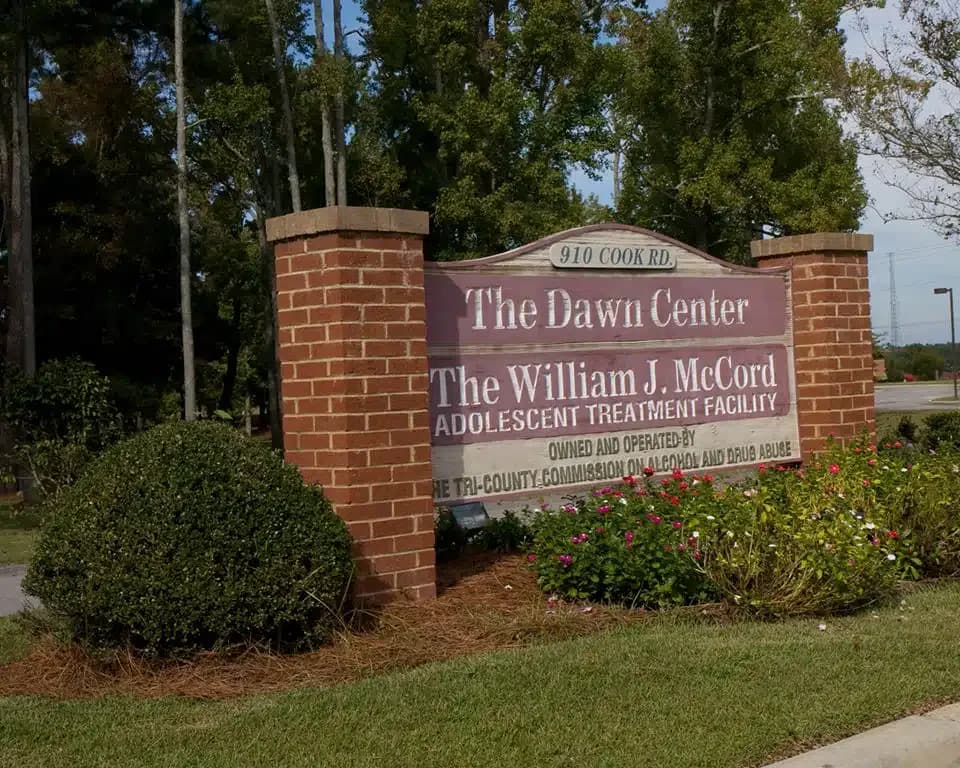
Situated in Orangeburg, SC, the Tri County Commission on delivers extensive treatment options for adults facing substance use issues alongside significant mental health challenges, as well as for children experiencing severe emotional disturbances. Their programs, including intensive outpatient and outpatient services, utilize proven techniques such as cognitive behavioral therapy, motivational interviewing, and anger management. The center also offers tailored resources for adult women and those involved in the criminal justice system. With an emphasis on personalized care, they serve clients of all genders and ages, offering outpatient treatment with methadone, buprenorphine, or naltrexone. Opt for the Tri County Commission on for effective rehabilitation in a nurturing setting.

Situated in Orangeburg, SC, the William J McCord Rehabilitation Center specializes in delivering extensive support for those facing challenges related to substance abuse and accompanying mental health issues. This center offers targeted treatment options for adults dealing with severe mental health disorders, as well as support for children experiencing emotional difficulties and teenagers in need of assistance. Emphasizing evidence-based techniques such as cognitive behavioral therapy and motivational interviewing, the center also provides tailored programs aimed at managing anger. With services including hospital inpatient detox and around-the-clock care, this facility accommodates both male and female patients of various ages. Anticipate exceptional care and customized treatment strategies at the William J McCord Rehabilitation Center.

Situated in Newberry, SC, Westview Behavioral Health Services delivers extensive outpatient care for individuals of all ages struggling with addiction and co-occurring psychological challenges. The facility features tailored interventions for teenagers, those impacted by relationship abuse, domestic violence, and sexual trauma. Therapies offered encompass anger regulation, short-term counseling, and cognitive restructuring. Westview Behavioral Health Services serves both men and women, providing effective support through outpatient medication-assisted treatment (methadone/buprenorphine or naltrexone). Committed to personalized treatment plans and proven therapeutic methods, the center aims to guide patients toward lasting recovery.
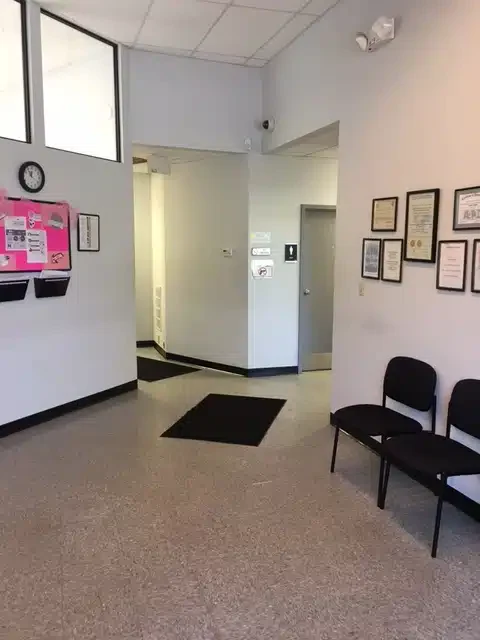
Located in Fort Mill, SC, the York County Treatment Center offers outpatient substance use treatment for adults and young adults. This facility provides outpatient methadone/buprenorphine or naltrexone treatment, regular outpatient treatment, and specialized programs for pregnant/postpartum women. With a focus on quality care, the center utilizes evidence-based approaches including 12-step facilitation, cognitive behavioral therapy, and contingency management/motivational incentives. Serving both male and female clients, the center caters to a diverse range of individuals seeking effective addiction treatment in a supportive environment.
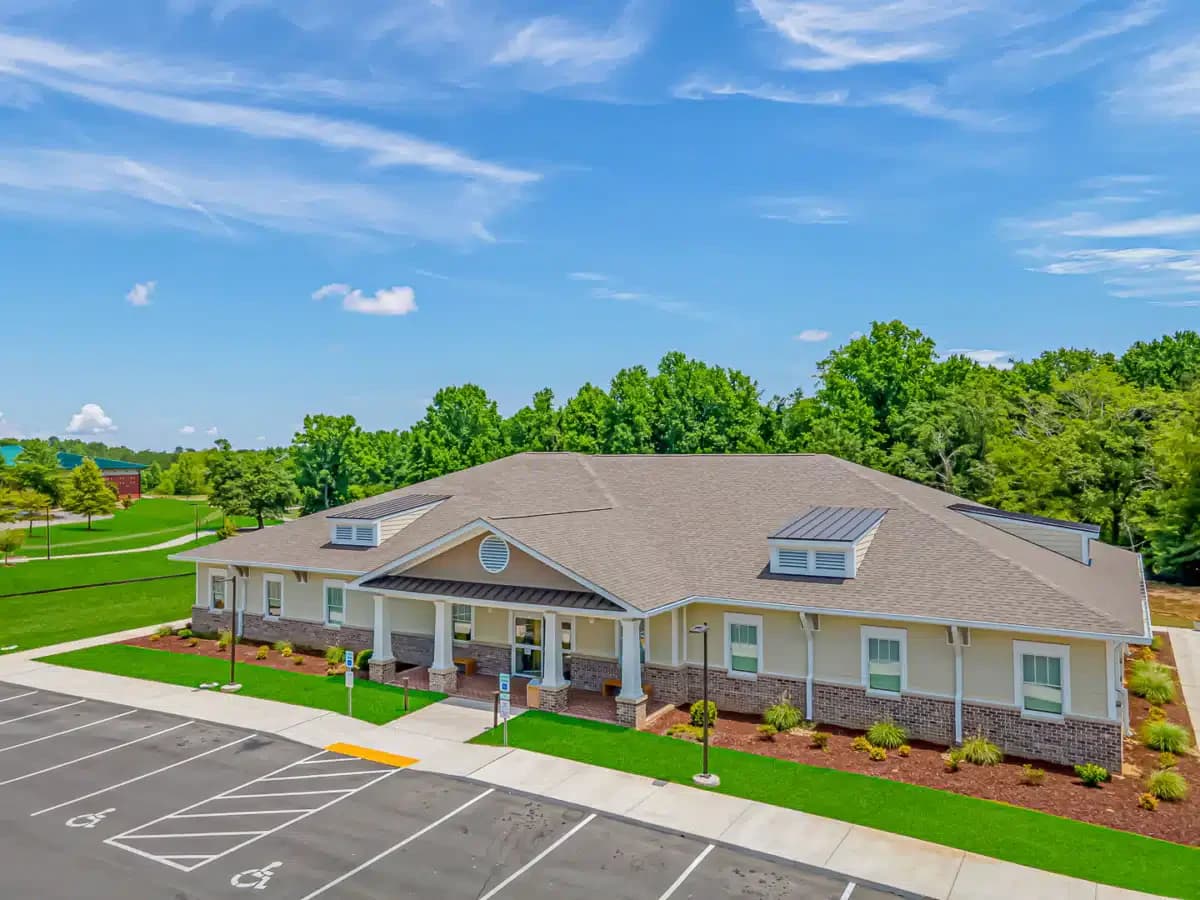
Trinity Behavioral Care, located in Dillon, SC, provides a wide range of substance use disorder treatment programs designed to meet the specific needs of each individual. The center offers intensive outpatient services, as well as outpatient alternatives, including methadone, buprenorphine, and naltrexone treatments. Emphasizing holistic recovery, the center incorporates anger management techniques, cognitive behavioral therapy, and a community reinforcement approach with vouchers to support clients. Unique programs are available for active duty military members, adolescents, and adult males, while also accommodating adults and children/adolescents across all genders. The dedication of Trinity Behavioral Care to delivering high-quality care and a variety of services solidifies its reputation as a reliable option for those in need of effective addiction treatment.
Situated in Mullins, SC, Trinity Behavioral Care delivers a wide range of services for substance use rehabilitation. The center specializes in intensive outpatient programs, standard outpatient care, and offers medication-assisted treatment options including methadone, buprenorphine, and naltrexone. Utilizing methods such as anger management, cognitive behavioral therapy, and community reinforcement with vouchers, Trinity addresses the unique needs of its clients. It also features special programs designed for active military personnel, teenagers, and adult men. Catering to both adults and youth, the center provides personalized treatment plans for males and females alike. With an emphasis on high-quality, individualized care, Trinity Behavioral Care is recognized as a reliable option for those seeking recovery from addiction.
Westview Behavioral Health Services, located in Saluda, SC, delivers a wide range of outpatient rehabilitation programs catering to both substance use issues and co-existing mental health challenges in both adults and children. The center specializes in aiding individuals who have experienced intimate partner and domestic violence. Emphasizing techniques such as 12-step facilitation, brief intervention, and cognitive behavioral therapy, Westview adapts its programs to address the distinct requirements of adolescents, adult men, and individuals of all gender identities. Its dedication to high-quality care and personalized treatment strategies establishes it as a reputable option for anyone in need of compassionate support and effective addiction recovery solutions.
Frequently Asked Questions
About 12-Step Programs
12-Step Programs, originating with Alcoholics Anonymous (AA) in 1935, represent the most widely available peer support resource for addiction recovery. With millions of participants worldwide attending free meetings in thousands of locations daily, 12-step fellowship has helped countless individuals achieve and maintain sobriety through peer support, spiritual principles, and structured recovery framework.
The 12 Steps of Recovery
The 12 steps provide a framework for personal growth and recovery: admitting powerlessness over addiction, believing a Higher Power can help, turning life over to that power, taking moral inventory, admitting wrongs, becoming ready for change, asking Higher Power to remove defects, making amends to those harmed, continuing personal inventory, seeking spiritual connection, and helping others in recovery. Steps are worked progressively with sponsor guidance.
12-Step Fellowship Varieties
Different 12-step programs address specific issues:
- Alcoholics Anonymous (AA): Alcohol addiction
- Narcotics Anonymous (NA): Drug addiction (all substances)
- Cocaine Anonymous (CA): Cocaine and crack addiction
- Crystal Meth Anonymous (CMA): Methamphetamine addiction
- Marijuana Anonymous (MA): Cannabis dependence
- Al-Anon/Nar-Anon: Family members of people with addiction
Sponsorship and Fellowship
Sponsors provide guidance, support, and accountability while helping newcomers work through the 12 steps. Fellowship - connection with others in recovery - reduces isolation, provides understanding, offers hope through witnessing others' recovery, and creates sober social network. Service work (helping others, setting up meetings, making coffee) provides purpose and strengthens personal recovery.
Integration with Professional Treatment
Many treatment centers incorporate 12-step principles, facilitate meeting attendance, and encourage continued involvement post-treatment. The combination of professional treatment (therapy, medical care, structured programming) with ongoing 12-step participation provides comprehensive support. 12-step meetings offer free, lifelong support available anywhere, anytime - a crucial resource during and after formal treatment.
Spirituality in 12-Step Programs
12-step programs are spiritual but not religious. "Higher Power" is self-defined - deity, the group, nature, universe, or personal concept. The emphasis is on spiritual principles (honesty, humility, service, surrender) rather than specific religious beliefs. Many atheists and agnostics find meaningful recovery through 12-step programs by focusing on human connection and spiritual principles without religious interpretation.
Find 12-step meetings:
Browse 12-step programs programs in states with the most treatment options:
Levels of Care
Need immediate help? Call SAMHSA: 1-800-662-4357 (24/7, free)