
Art & Music Therapy Treatment Centers
Art and music therapy use creative expression to help process emotions, reduce stress, and develop healthy coping mechanisms in addiction recovery. Creative therapies access feelings and experiences that may be difficult to verbalize.
Found 253 treatment centers offering art & music therapy across the United States.
Need Help Finding the Right Treatment Center?
Speak with a compassionate specialist now - 100% free & confidential
Showing 1 of 253 art & music therapy treatment centers
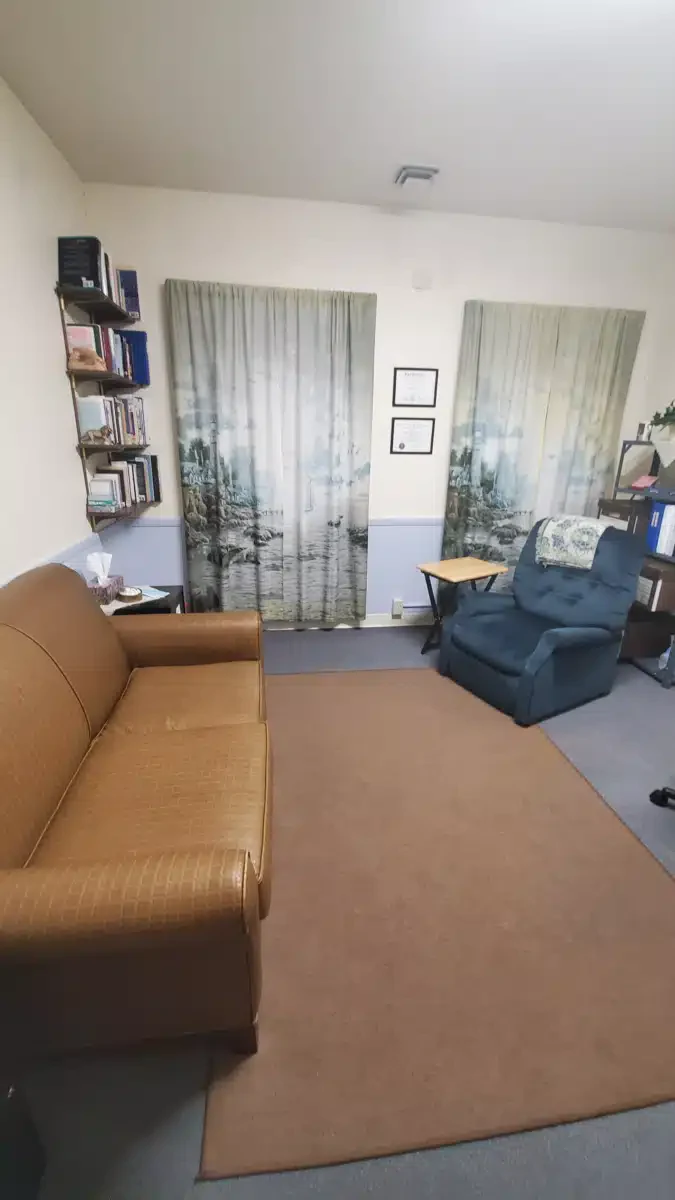
Yampa Valley Psychotherapists, located in Craig, CO, provides tailored substance abuse recovery services via intensive outpatient, standard outpatient, and regular outpatient treatment tracks. Their individualized methods incorporate anger resolution, short-term counseling, and cognitive behavioral techniques. This establishment features distinct therapeutic pathways for young individuals, adult males, and adult females, serving adults and older adults across all gender identities. Prioritizing excellent service, Yampa Valley Psychotherapists delivers thorough assistance to those pursuing successful addiction recovery within a supportive and professional setting.
Frequently Asked Questions
About Art & Music Therapy
Art and music therapy use creative expression as therapeutic tools in addiction recovery. Facilitated by credentialed therapists (Board Certified Art Therapists, Board Certified Music Therapists), these approaches help individuals process emotions, reduce stress, develop coping skills, explore identity, and heal from trauma. Creative therapies access feelings and experiences often difficult to express verbally, providing alternative pathways to healing.
Art Therapy in Addiction Treatment
Art therapy uses creative processes - painting, drawing, sculpture, collage, and other media - to explore emotions, experiences, and issues related to addiction. Creating art externalizes internal experiences, making them visible and manageable. Art therapists help clients understand meanings in their artwork, process difficult emotions, develop self-awareness, and build healthier coping mechanisms replacing substance use.
Music Therapy Benefits
Music therapy in addiction recovery includes:
- Songwriting: Creating lyrics and music expressing recovery journey
- Music-Assisted Relaxation: Reducing stress and anxiety through guided music experiences
- Improvisation: Spontaneous musical expression promoting emotional release
- Lyric Analysis: Exploring meaningful songs relating to recovery themes
- Group Music Making: Building social skills and community through shared musical experiences
Therapeutic Benefits
Creative therapies provide healthy emotional outlets reducing need for substance-based coping. They build self-esteem through creative accomplishment, process trauma non-verbally when words fail, develop mindfulness and present-moment awareness, foster social connection in group settings, offer positive activities replacing substance use, and access unconscious material bypassing intellectual defenses. Many find creative expression profoundly healing.
No Talent Required
Creative therapies focus on process, not product. Artistic skill, musical talent, or previous experience aren't necessary. Therapists create safe, non-judgmental environments where everyone can participate. The goal is self-expression, exploration, and healing - not creating gallery-quality art or concert performances. What matters is your willingness to engage creatively, not your technical ability.
Integration in Treatment
Creative therapies complement evidence-based treatments like CBT, DBT, and individual counseling. Many comprehensive treatment programs integrate art and music therapy into schedules, recognizing that addressing addiction from multiple angles - cognitive, emotional, creative, social - provides most robust support for recovery.
Creative therapy resources:
Browse art & music therapy programs in states with the most treatment options:
Levels of Care
Need immediate help? Call SAMHSA: 1-800-662-4357 (24/7, free)