
Cognitive Behavioral Therapy (CBT) Treatment Centers
Cognitive Behavioral Therapy (CBT) is one of the most researched and effective evidence-based treatments for addiction. CBT helps identify and change negative thought patterns and behaviors that contribute to substance use, providing practical skills for lasting recovery.
Found 65 treatment centers offering cognitive behavioral therapy (cbt) across the United States.
Need Help Finding the Right Treatment Center?
Speak with a compassionate specialist now - 100% free & confidential
Showing 2 of 65 cognitive behavioral therapy (cbt) treatment centers
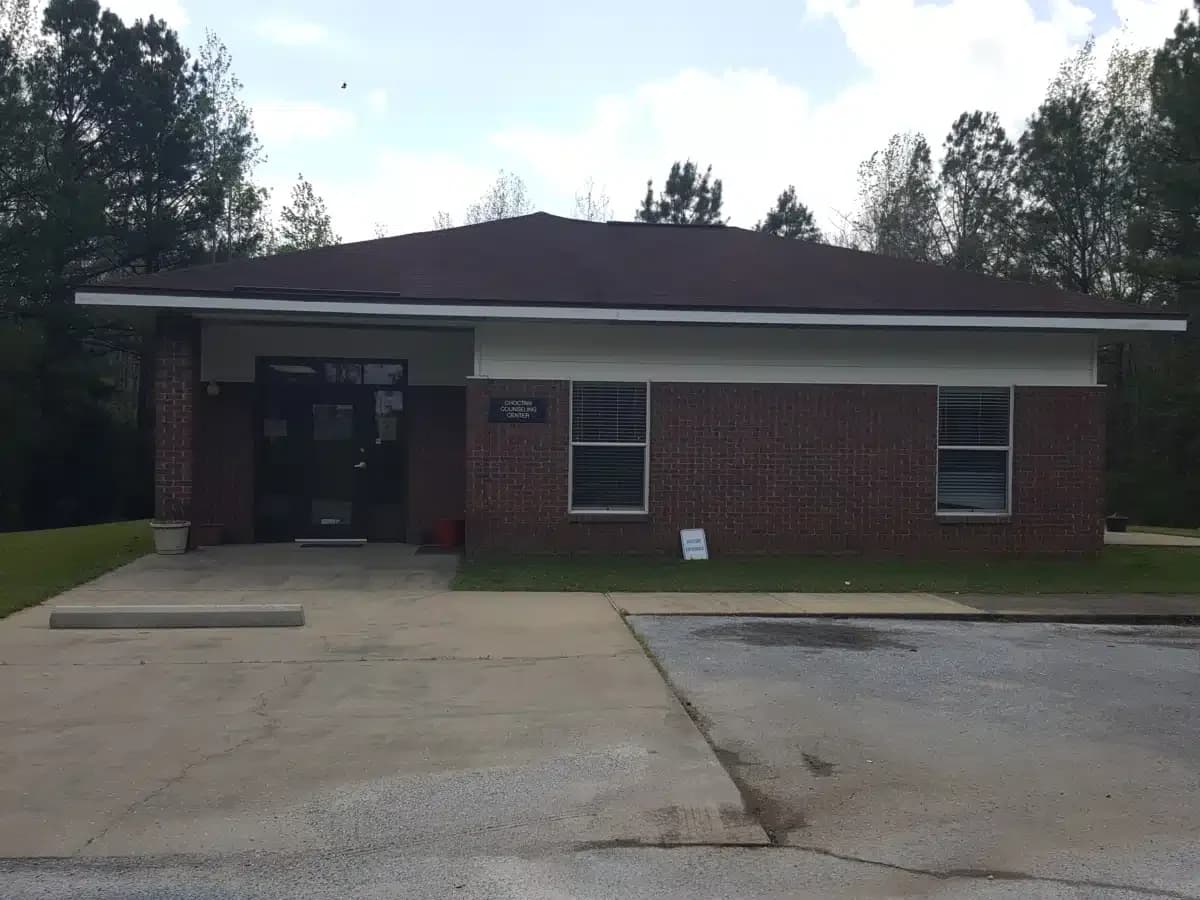
West Alabama Mental Health Center, situated in Butler, AL, delivers exceptional care for substance use challenges through its outpatient programs. This center employs diverse therapeutic methods, such as anger management, brief intervention, and cognitive behavioral therapy, within its regular outpatient services. It is equipped to assist adult men, adult women, and individuals facing dual diagnoses of mental health and substance use conditions. The center warmly welcomes adults and young adults of all genders, committed to providing personalized and high-quality treatment. For those in search of impactful recovery support, West Alabama Mental Health Center stands as a dedicated resource.
The West Alabama Mental Health Center, situated in Eutaw, AL, delivers extensive treatment for substance use through its outpatient services. This center utilizes a diverse array of techniques, including anger management, brief intervention, and cognitive behavioral therapy, to provide consistent outpatient support. It features tailored programs for adult males, adult females, and individuals facing both mental health and substance use issues, accommodating a broad spectrum of clients. By serving both adults and young adults of all genders, this facility is dedicated to providing high-quality care and assistance to those in need of addiction recovery in a professional and organized setting.
Frequently Asked Questions
About Cognitive Behavioral Therapy (CBT)
Cognitive Behavioral Therapy (CBT) is one of the most extensively researched and widely used evidence-based treatments for substance use disorders. Developed in the 1960s by Dr. Aaron Beck, CBT has been adapted and proven effective for addiction treatment across decades of clinical research and practice.
Core Principles of CBT for Addiction
CBT is based on the principle that thoughts, feelings, and behaviors are interconnected. Negative or distorted thinking patterns contribute to problematic behaviors including substance use. By identifying and challenging these thought patterns, individuals can change their emotional responses and behaviors, developing healthier coping mechanisms.
How CBT Works in Addiction Treatment
CBT treatment includes:
- Functional Analysis: Understanding triggers, thoughts, and consequences of substance use
- Identifying High-Risk Situations: Recognizing people, places, and circumstances that trigger use
- Cognitive Restructuring: Challenging and changing distorted thoughts and beliefs
- Skills Training: Learning coping strategies, refusal skills, and problem-solving
- Relapse Prevention: Developing plans for managing triggers and preventing return to use
- Homework Assignments: Practicing skills between sessions for real-world application
Effectiveness and Research
Extensive research demonstrates CBT effectiveness for various substance use disorders including alcohol, cocaine, marijuana, opioids, and polysubstance use. Studies show CBT helps reduce substance use, improves treatment retention, and provides skills that continue benefiting individuals long after treatment ends. CBT works well alone or combined with other approaches like medication-assisted treatment.
Finding CBT Treatment
Most quality addiction treatment programs incorporate CBT. Look for centers with licensed therapists trained in CBT for substance use disorders, structured programming, evidence-based practices, and individualized treatment planning. CBT can be delivered in individual therapy, group settings, or both, across various treatment levels from residential to outpatient care.
Learn more about CBT research:
Browse cognitive behavioral therapy (cbt) programs in states with the most treatment options:
Levels of Care
Need immediate help? Call SAMHSA: 1-800-662-4357 (24/7, free)