
SMART Recovery Treatment Programs
SMART Recovery (Self-Management and Recovery Training) offers a science-based alternative to 12-step programs, focusing on self-empowerment, motivation, coping with urges, managing thoughts and behaviors, and balanced living.
Found 253 treatment centers offering smart recovery across the United States.
Need Help Finding the Right Treatment Center?
Speak with a compassionate specialist now - 100% free & confidential
Showing 1 of 253 smart recovery treatment centers
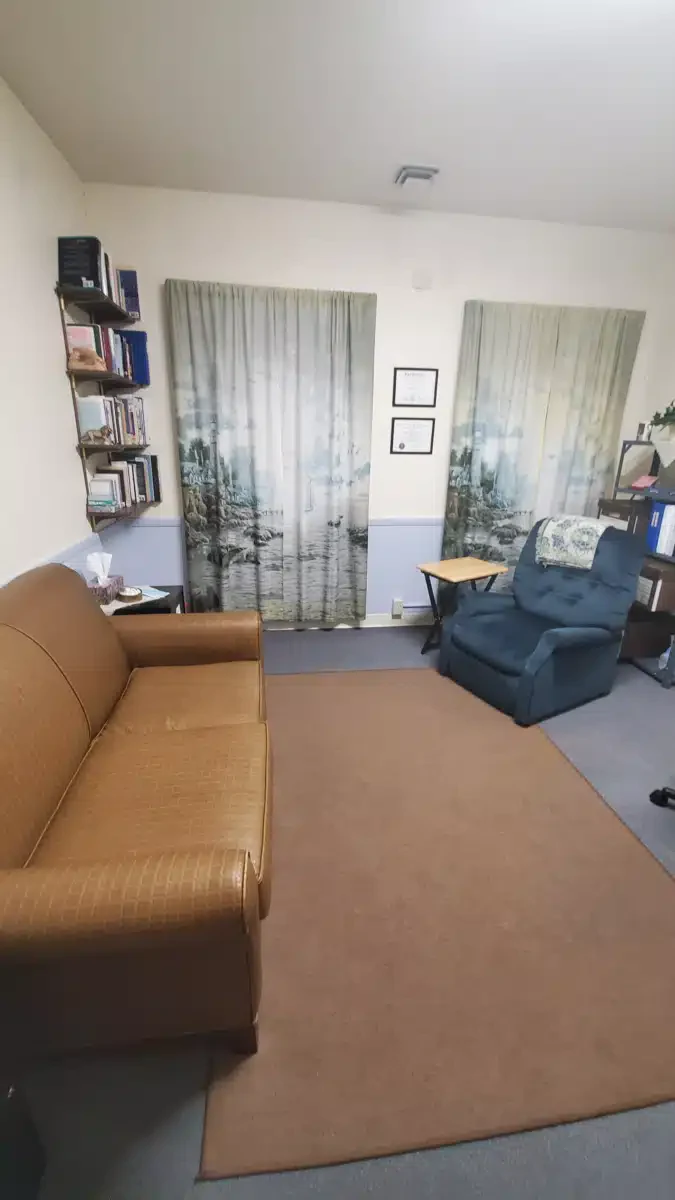
Yampa Valley Psychotherapists, located in Craig, CO, provides tailored substance abuse recovery services via intensive outpatient, standard outpatient, and regular outpatient treatment tracks. Their individualized methods incorporate anger resolution, short-term counseling, and cognitive behavioral techniques. This establishment features distinct therapeutic pathways for young individuals, adult males, and adult females, serving adults and older adults across all gender identities. Prioritizing excellent service, Yampa Valley Psychotherapists delivers thorough assistance to those pursuing successful addiction recovery within a supportive and professional setting.
Frequently Asked Questions
About SMART Recovery
SMART Recovery (Self-Management and Recovery Training) is a science-based mutual support program founded in 1994 as an alternative to 12-step programs. Using cognitive-behavioral and motivational approaches, SMART empowers individuals with practical tools and techniques for overcoming addiction. Meetings are free, available worldwide both in-person and online, and address all types of addictions.
The SMART 4-Point Program
SMART Recovery focuses on four essential points:
- Point 1: Building Motivation: Identifying reasons for change, exploring costs and benefits, setting goals, strengthening commitment
- Point 2: Coping with Urges: Managing cravings using techniques like urge surfing, distraction, delay, and challenging irrational beliefs
- Point 3: Managing Thoughts, Feelings, Behaviors: Using Rational Emotive Behavior Therapy (REBT) to challenge irrational beliefs and develop rational thinking
- Point 4: Living a Balanced Life: Creating healthy, values-based lifestyle supporting recovery without extreme deprivation or indulgence
SMART Tools and Techniques
SMART teaches specific, practical tools including Cost-Benefit Analysis for decision-making, ABC tool (Activating event, Beliefs, Consequences) for understanding emotional and behavioral responses, DISARM (Destructive Images and Self-talk Awareness and Refusal Method) for managing urges, and Hierarchy of Values for making decisions aligned with what matters most. These evidence-based techniques come from cognitive-behavioral therapy.
Key Differences from 12-Step Programs
SMART emphasizes self-empowerment rather than powerlessness, uses science-based rather than spiritual approaches, doesn't require labels or lifetime attendance, addresses all addictions together rather than separately, employs facilitators rather than sponsors, and supports various recovery goals including abstinence or moderation (though abstinence is generally recommended for substance addiction). Some people benefit from both SMART and 12-step approaches.
Accessibility and Format
SMART meetings are available in-person globally and online 24/7, making support accessible regardless of location or schedule. Online meetings are particularly valuable for those in rural areas, with mobility limitations, or preferring anonymity. Meetings typically last 90 minutes, are facilitated by trained volunteers, and focus on teaching tools and applying them to participant concerns through collaborative problem-solving.
SMART Recovery resources:
Browse smart recovery programs in states with the most treatment options:
Levels of Care
Need immediate help? Call SAMHSA: 1-800-662-4357 (24/7, free)