
Dual Diagnosis Treatment Centers Near You
Dual diagnosis treatment addresses co-occurring mental health and substance use disorders simultaneously. Find integrated treatment centers providing comprehensive care for lasting mental health and addiction recovery.
Found 264 rehab centers specializing in dual diagnosis across the United States.
Need Help Finding the Right Treatment Center?
Speak with a compassionate specialist now - 100% free & confidential
Showing 20 of 264 results
2nd Chance Mental Health Center, located in Port Saint Lucie, FL, offers both intensive outpatient and outpatient services aimed at helping adults and children deal with substance abuse and co-occurring mental health disorders. The center specializes in supporting clients with dual diagnoses through tailored programs. Utilizing a variety of evidence-based techniques, such as cognitive behavioral therapy, anger management, and brief interventions, this facility is committed to providing high-quality care. Catering to individuals of all genders, including young adults, 2nd Chance Mental Health Center is focused on guiding people on their journey to recovery. For those seeking holistic treatment that addresses both addiction and mental health issues, this center is dedicated to assisting you in achieving wellness.

Basic Steps Mental Health SPC, located in Everett, WA, is dedicated to providing expert treatment for individuals grappling with substance use and co-occurring severe mental health issues, as well as addressing significant emotional challenges in children. The center offers a range of treatment formats, including intensive outpatient programs, standard outpatient care, and day treatment services. Their specialized programs utilize cognitive behavioral therapy, techniques for preventing relapse, and counseling specifically focused on substance use disorders. They feature distinct programs designed for adult men, women, and individuals facing issues related to intimate partner or domestic violence. This facility caters to adults and young adults of diverse genders, ensuring comprehensive care and personalized support to promote sustainable recovery.

Beacon Mental Health, situated in Kansas City, MO, is a full-service rehabilitation center providing outpatient care for adults and children struggling with substance abuse and co-occurring mental health conditions. Employing proven therapeutic methods such as cognitive behavioral therapy and the Matrix Model, the center delivers tailored programs for trauma victims, those with dual diagnoses, and the elderly population. Beacon Mental Health prioritizes excellent care, offering outpatient medication-assisted treatment options including methadone, buprenorphine, or naltrexone, serving adults and seniors of all genders. This establishment is committed to delivering impactful treatment within a nurturing setting for individuals pursuing sobriety.
Beacon Mental Health, located in Kansas City, MO, specializes in providing tailored treatment plans for adults dealing with substance abuse and concurrent mental health challenges, as well as emotional issues in children. The center offers various programs, including intensive outpatient and outpatient services, with options for methadone and buprenorphine therapy. Their distinctive approach utilizes techniques such as 12-step support, anger management, and short-term interventions. Notably, Beacon Mental Health emphasizes programs designed for adolescents, making it suitable for individuals of all ages and genders. The center is committed to offering high-quality, evidence-based treatment to assist individuals on their path to recovery.

Situated in Benton Harbor, MI, the Berrien Mental Health Authority delivers targeted rehabilitation services for individuals dealing with substance abuse and concurrent mental health issues. This center features various treatment programs, including intensive outpatient, outpatient, and standard outpatient options, specifically designed for adults and older adults. Emphasizing techniques such as 12-step guidance, anger management, and short-term interventions, the facility guarantees thorough support. Furthermore, dedicated programs are also offered for pregnant and postpartum women. The center is equipped to serve both men and women, fostering a nurturing atmosphere for those in pursuit of tailored and effective rehabilitation solutions.

Appleseed Community Mental Health Center in Ashland, OH, delivers diverse therapeutic approaches designed for adults and older individuals grappling with addiction and intertwined mental health challenges. Through focused outpatient and intensive outpatient options, the center provides personalized care pathways such as 12-step integration, strategies for managing anger, and concise intervention techniques. Specialized tracks for young people, adult men, and women offer distinct and supportive environments. The inclusion of gender-specific care elevates the standard of treatment, catering to the distinct needs of both men and women. For those requiring medication-assisted treatment, including methadone, buprenorphine, or naltrexone, this facility offers complete assistance structured around individual requirements.

Aroostook Mental Health Center in Ellsworth, ME, provides extensive addiction treatment for adults facing concurrent serious mental health conditions. This center focuses on outpatient programs, such as medication-assisted treatment with methadone, buprenorphine, or naltrexone, supporting those in need of ongoing care. Employing proven strategies like anger management, brief intervention, and cognitive behavioral therapy, the center delivers personalized treatment for adult males, young people, and active military members. Their diverse programs are available for all genders and age ranges, including older adults, ensuring robust assistance for individuals working towards recovery from substance abuse and mental health issues.
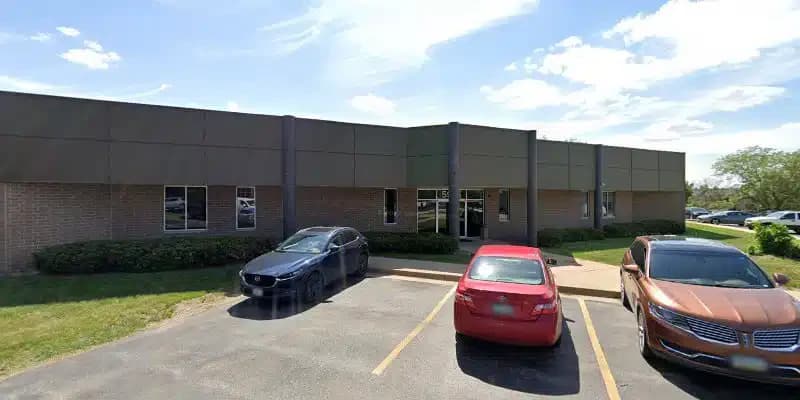
A New Leaf Mental Health and Wellness, located in Cedar Rapids, IA, specializes in outpatient services for adults and seniors dealing with substance use issues. The center employs a variety of evidence-based methodologies, including cognitive behavioral therapy, motivational incentives, and the Matrix Model, to administer effective treatment. What distinguishes this facility is its commitment to personalized care, developing customized treatment plans that meet the specific needs of each individual. A New Leaf Mental Health and Wellness is open to both men and women, fostering a welcoming and supportive atmosphere. By prioritizing high-quality care and customized programs, the center is devoted to assisting individuals in their recovery journey.
The Albany County Dept of Mental Health, located in Albany, NY, delivers tailored outpatient services for individuals facing substance use challenges, co-occurring disorders, and severe mental health conditions in adults, as well as serious emotional issues in children. This center provides different treatment options, such as outpatient services using methadone, buprenorphine, or naltrexone, along with standard outpatient care. Emphasizing anger management, brief therapeutic interventions, and cognitive behavioral therapy, the facility serves a diverse range of adults and young adults. Additionally, specialized care programs for those dealing with both mental health and substance use issues ensure a holistic approach to treatment. Discover high-quality care and customized treatment strategies at this center.
Nestled in Caribou, ME, Aroostook Mental Health Center delivers expert treatment for substance abuse and dual diagnoses to individuals of all ages. Through structured intensive outpatient and outpatient services, they employ proven therapeutic methods including cognitive behavioral therapy and anger management. Their adaptable programs are designed for teenagers, adult men, and women, ensuring personalized support. Aroostook Mental Health Center is dedicated to providing exceptional care and thorough assistance to adults and seniors, regardless of gender, who are striving to conquer addiction and mental health issues.
Situated in Presque Isle, ME, the Aroostook Mental Health Center delivers targeted rehabilitation services for individuals dealing with substance abuse challenges alongside mental health conditions. The center provides a variety of treatment options, including intensive outpatient programs, regular outpatient services, and medication-assisted treatments using methadone, buprenorphine, or naltrexone. Emphasizing techniques like anger management, brief interventions, and cognitive behavioral therapy, the facility serves both adults and seniors, and offers specialized programs for active military personnel, adolescents, and adult males. Committed to offering customized care for both men and women, this center prioritizes a thorough and high-quality approach to support those on their path to recovery and wellness.
Aroostook Mental Health Center in Machias, ME, is dedicated to providing comprehensive care for individuals of all ages struggling with addiction and related mental health conditions. They offer a range of therapeutic approaches, including intensive outpatient services, general outpatient care, and medication-assisted treatment utilizing methadone, buprenorphine, or naltrexone. Their therapeutic framework includes specialized interventions such as anger management, brief counseling, and cognitive behavioral therapy, serving a diverse clientele that includes adults, seniors, active military personnel, teenagers, and adult men. The center is equipped to support both men and women, ensuring personalized treatment plans designed for successful and sustained recovery.
Aroostook Mental Health Center located in Madawaska, ME, provides a wide range of substance abuse treatments designed for adults facing serious mental health challenges alongside children experiencing significant emotional issues. The center's offerings encompass intensive outpatient programs, general outpatient services, and medications such as methadone, buprenorphine, or naltrexone for outpatient care. Utilizing methods such as anger management, short interventions, and cognitive behavioral therapy, the center serves active duty military personnel, teenagers, adult males and females, and seniors. With a focus on personalized care, this facility delivers high-standard rehabilitation solutions tailored to meet the needs of individuals seeking assistance with addiction and mental health matters.
Aroostook Mental Health Center located in Calais, ME, specializes in treating substance use disorders alongside severe mental health conditions or emotional challenges. The center features a variety of services, including intensive outpatient programs, standard outpatient care, and medication-assisted treatment options such as methadone, buprenorphine, or naltrexone. Emphasizing methods like anger management, brief interventions, and cognitive behavioral therapy, Aroostook adapts its services to fit the unique needs of each client. Additionally, there are dedicated programs designed for active military members, teens, and adult males. This center is committed to providing high-quality support to adults and seniors of all genders, ensuring a wide array of services aimed at fostering sustainable recovery.
Aroostook Mental Health Center, located in Presque Isle, ME, specializes in comprehensive treatment for substance use disorders in both adults and young adults who also face significant mental health challenges or emotional issues. The center offers both residential and short-term residential services customized to meet the specific needs of clients. With programs designed for active duty military members as well as distinct services for adult men and women, this facility prioritizes individualized support. Employing evidence-based techniques such as 12-step programs, anger management, and brief interventions, the center aims for a holistic approach to recovery. Aroostook Mental Health Center serves a diverse clientele, committed to delivering exceptional care and assistance to help individuals attain sustained sobriety and improved mental health.
Aroostook Mental Health Center, situated in Fort Kent, ME, offers complete care for substance use disorders. They are particularly adept at treating individuals with co-occurring substance use issues and significant mental health challenges, serving both adults and young people. The center provides a range of treatment options, including intensive outpatient, outpatient, and medication-assisted treatment using methadone, buprenorphine, or naltrexone. Their therapeutic methods encompass anger management, brief intervention strategies, and cognitive behavioral therapy. Special services are available for active-duty military personnel, teenagers, and adult men. Aroostook Mental Health Center's commitment to individualized care and effective treatment makes it a dependable choice for comprehensive recovery services for adults and seniors of all genders.
Aroostook Mental Health Center, situated in Houlton, ME, specializes in a wide range of substance use therapies for both children and adults grappling with concurrent mental health issues. This facility offers intensive outpatient services alongside outpatient treatment options that include methadone, buprenorphine, or naltrexone. Emphasizing approaches such as anger management, cognitive behavioral therapy, and concise intervention methods, the center supports military personnel, teenagers, and adult males. Catering to both men and women, including seniors, Aroostook Mental Health Center is committed to providing personalized care, establishing itself as a reliable option for individuals pursuing successful rehabilitation outcomes in the area.
Barry County Community Mental Health in Hastings, MI provides comprehensive care for adults and youth facing addiction and dual diagnosis challenges. Their services encompass intensive outpatient, standard outpatient, and regular outpatient tracks, employing methods like 12-step integration, anger control techniques, and brief counseling. The center also offers specialized support for those with trauma histories and concurrent mental health and substance use conditions. Catering to a diverse adult and senior population, this facility prioritizes personalized, high-quality treatment.
Bear River Mental Health Center Inc, located in Garden City, UT, delivers outpatient services for adults struggling with addiction and co-occurring mental health challenges. The center employs proven therapeutic methods, including 12-step support, anger control techniques, and brief counseling. They offer tailored programs for younger individuals, adult men, and adult women. Serving both male and female adults and seniors, the center prioritizes individualized care plans. Bear River Mental Health Center Inc is committed to offering excellent support for those in need of thorough recovery assistance.
The Berrien Mental Health Authority, situated in Niles, MI, delivers focused addiction treatment for individuals of all ages who are experiencing significant mental health challenges. Their comprehensive outpatient services, including intensive options, utilize methodologies such as 12-step support, emotional regulation strategies, and concise counseling. This center is particularly equipped to support expectant and new mothers, serving adults and older adults without regard to gender. By emphasizing the treatment of dual diagnoses, the Berrien Mental Health Authority guarantees personalized and effective support, standing as a crucial provider for those in pursuit of all-encompassing recovery programs.
Frequently Asked Questions
About Dual Diagnosis Treatment
Dual diagnosis (co-occurring disorders) refers to the simultaneous presence of a mental health disorder and a substance use disorder. This condition affects nearly 50% of individuals with severe mental illness and requires specialized integrated treatment addressing both conditions together. Traditional approaches treating one condition while ignoring the other typically fail, leading to relapse in both.
Common Co-Occurring Conditions
Mental health conditions that frequently occur with addiction include:
- Depression: Major depressive disorder often co-occurs with alcohol or drug use
- Anxiety Disorders: GAD, panic disorder, social anxiety commonly co-occur with substance use
- PTSD: Trauma and addiction frequently occur together
- Bipolar Disorder: High rates of substance use during mood episodes
- Schizophrenia and Psychotic Disorders: Significantly increased substance use rates
- Personality Disorders: Borderline and antisocial personality disorders commonly co-occur
Why Integrated Treatment Is Essential
Mental health and addiction affect each other in complex ways. Mental health symptoms may lead to substance use as self-medication. Substance use worsens mental health symptoms and interferes with treatment. Withdrawal can trigger or worsen psychiatric symptoms. Each condition can mask or mimic symptoms of the other. This bidirectional relationship requires simultaneous, coordinated treatment of both conditions.
Components of Integrated Dual Diagnosis Treatment
Quality programs provide:
- Comprehensive Assessment: Thorough evaluation of both mental health and substance use
- Psychiatric Services: Medication management for mental health conditions
- Individual Therapy: Evidence-based approaches like CBT and DBT
- Group Therapy: Dual diagnosis specific groups with others facing similar challenges
- Family Involvement: Education and support for loved ones
- Coordinated Care: Mental health professionals and addiction specialists working together
- Continuing Care Planning: Long-term support for both conditions
Finding Quality Dual Diagnosis Treatment
Look for programs with:
- Licensed mental health professionals AND addiction specialists on staff
- Psychiatric services and medication management capabilities
- Experience and expertise in treating co-occurring disorders
- Integrated treatment philosophy (not separate tracks)
- Evidence-based therapies for both conditions
- Accreditation from recognized organizations (Joint Commission, CARF)
- Individualized treatment planning based on comprehensive assessment
Insurance Coverage and Access
The Mental Health Parity and Addiction Equity Act requires insurance companies to cover mental health and substance use treatment at levels comparable to medical coverage. Most health insurance plans cover dual diagnosis treatment under both mental health and substance use benefits. Contact your insurance provider or treatment center admissions teams to verify specific coverage and costs.
Resources for dual diagnosis:
Browse dual diagnosis programs in states with the most treatment options:
Treatment Approaches
Levels of Care
Need immediate help? Call SAMHSA: 1-800-662-4357 (24/7, free)