
Cannabis Dependency Treatment Programs
Cannabis use disorder is increasingly recognized as a serious condition requiring professional treatment. Find programs offering counseling, behavioral therapy, and support for marijuana dependency and psychological addiction.
Found 21 rehab centers specializing in marijuana dependence across the United States.
Need Help Finding the Right Treatment Center?
Speak with a compassionate specialist now - 100% free & confidential
Showing 1 of 21 marijuana dependence rehab centers
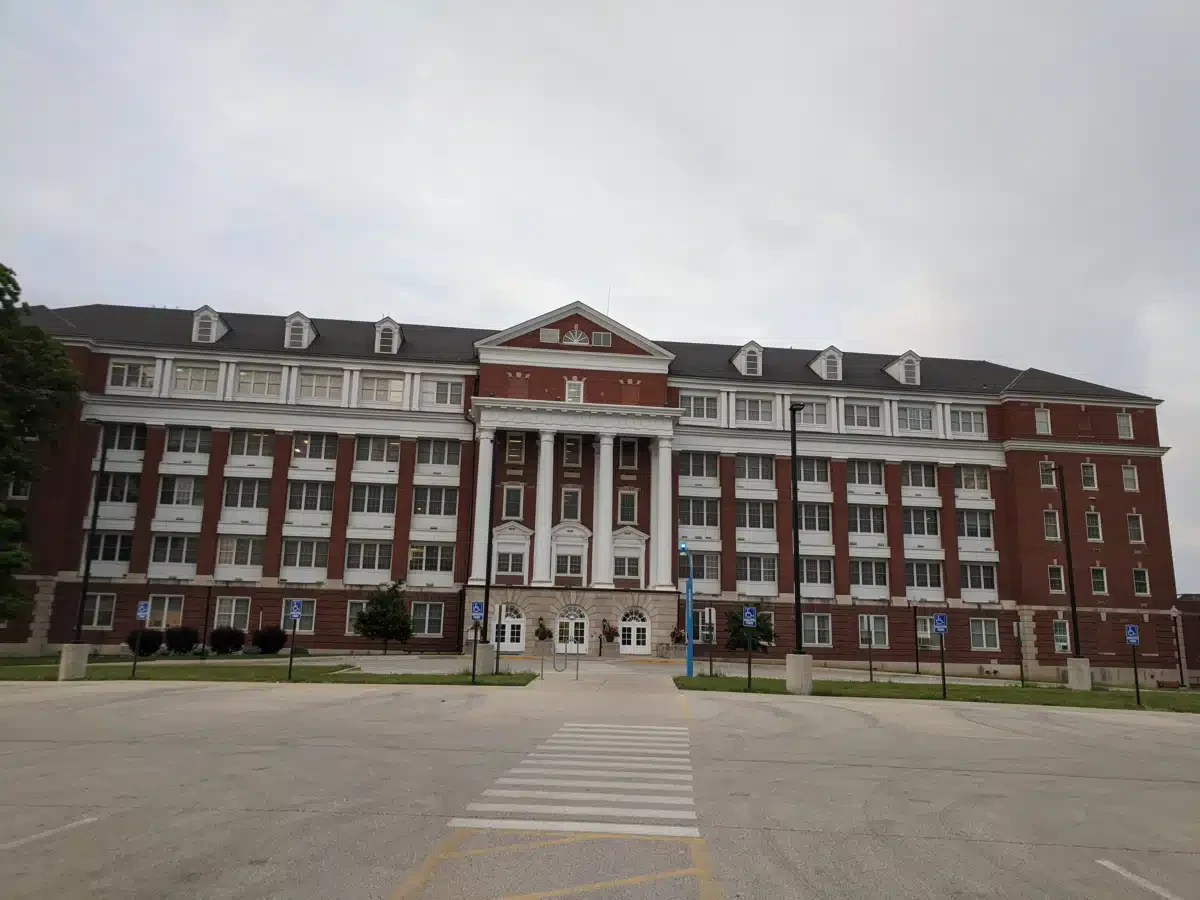
Located in Danville, IL, the VA Illiana Healthcare System delivers a wide array of services for addiction treatment. The facility specializes in detoxification, substance use therapy, and offers targeted support for individuals experiencing both substance use disorders and severe mental health issues, as well as emotional challenges in youth. With options including intensive outpatient care, long-term residential treatment, and general outpatient programs, the center customizes its services to meet the unique requirements of each individual. The use of techniques like anger management, brief interventions, and cognitive behavioral therapy fosters a comprehensive approach to healing. Furthermore, distinct programs aimed at active duty service members and veterans underscore the facility's dedication to supporting those who have served in the military. Catering to adults and young adults of all genders, the VA Illiana Healthcare System is committed to delivering quality care that prioritizes personalized treatment strategies.
Frequently Asked Questions
About Marijuana Dependence Treatment
While marijuana is increasingly legalized and often perceived as harmless, cannabis use disorder is a real condition affecting millions. Approximately 9% of marijuana users develop dependence, rising to 17% for those who start as adolescents and 25-50% among daily users. Professional treatment helps individuals overcome psychological dependence and regain control of their lives.
Understanding Cannabis Use Disorder
Cannabis use disorder occurs when marijuana use becomes compulsive, continues despite negative consequences, and causes significant impairment in daily functioning. Unlike popular belief, marijuana withdrawal is real, though typically less severe than other substances. Symptoms include irritability, anxiety, sleep difficulties, decreased appetite, restlessness, and depressed mood.
Today's Higher-Potency Marijuana
Modern marijuana is dramatically more potent than in previous decades. THC concentrations in flower have increased from 3-4% to 15-20% or higher, while concentrates (wax, shatter, dabs) can exceed 80-90% THC. Higher potency increases addiction risk, withdrawal severity, mental health impacts, and impairment. This makes treatment more important than ever for those struggling with marijuana dependence.
Evidence-Based Treatment Approaches
Effective treatments for cannabis use disorder include:
- Cognitive Behavioral Therapy (CBT): Identifies triggers, challenges thoughts supporting use, and develops coping skills
- Motivational Enhancement Therapy (MET): Brief intervention approach that builds motivation for change through exploring ambivalence
- Contingency Management: Provides incentives and rewards for maintaining abstinence
- Family-Based Approaches: Particularly important for adolescents; involves family in treatment and recovery
Co-Occurring Mental Health Issues
Many individuals use marijuana to self-medicate anxiety, depression, insomnia, or trauma symptoms. Comprehensive treatment addresses underlying mental health conditions through integrated dual diagnosis care, ensuring both marijuana dependence and co-occurring conditions receive appropriate attention.
Outpatient Treatment Options
Most marijuana dependency is effectively treated in outpatient settings, allowing individuals to maintain work, school, and family responsibilities while receiving care. Intensive Outpatient Programs (IOP) typically meet 9-12 hours per week, while standard outpatient care offers more flexible scheduling. Residential treatment may be appropriate for co-occurring conditions or when outpatient treatment hasn't succeeded.
Recovery and Lifestyle Change
Successful recovery involves more than stopping marijuana use. It includes developing healthy coping strategies, addressing reasons for use, building supportive relationships, finding meaningful activities and purpose, managing stress and emotions without substances, and creating a lifestyle that supports long-term wellness and sobriety.
Additional resources on marijuana addiction:
Browse marijuana dependence programs in states with the most treatment options:
Treatment Approaches
Levels of Care
Need immediate help? Call SAMHSA: 1-800-662-4357 (24/7, free)