
Cannabis Dependency Treatment Programs
Cannabis use disorder is increasingly recognized as a serious condition requiring professional treatment. Find programs offering counseling, behavioral therapy, and support for marijuana dependency and psychological addiction.
Found 373 rehab centers specializing in marijuana dependence across the United States.
Need Help Finding the Right Treatment Center?
Speak with a compassionate specialist now - 100% free & confidential
Showing 20 of 373 results
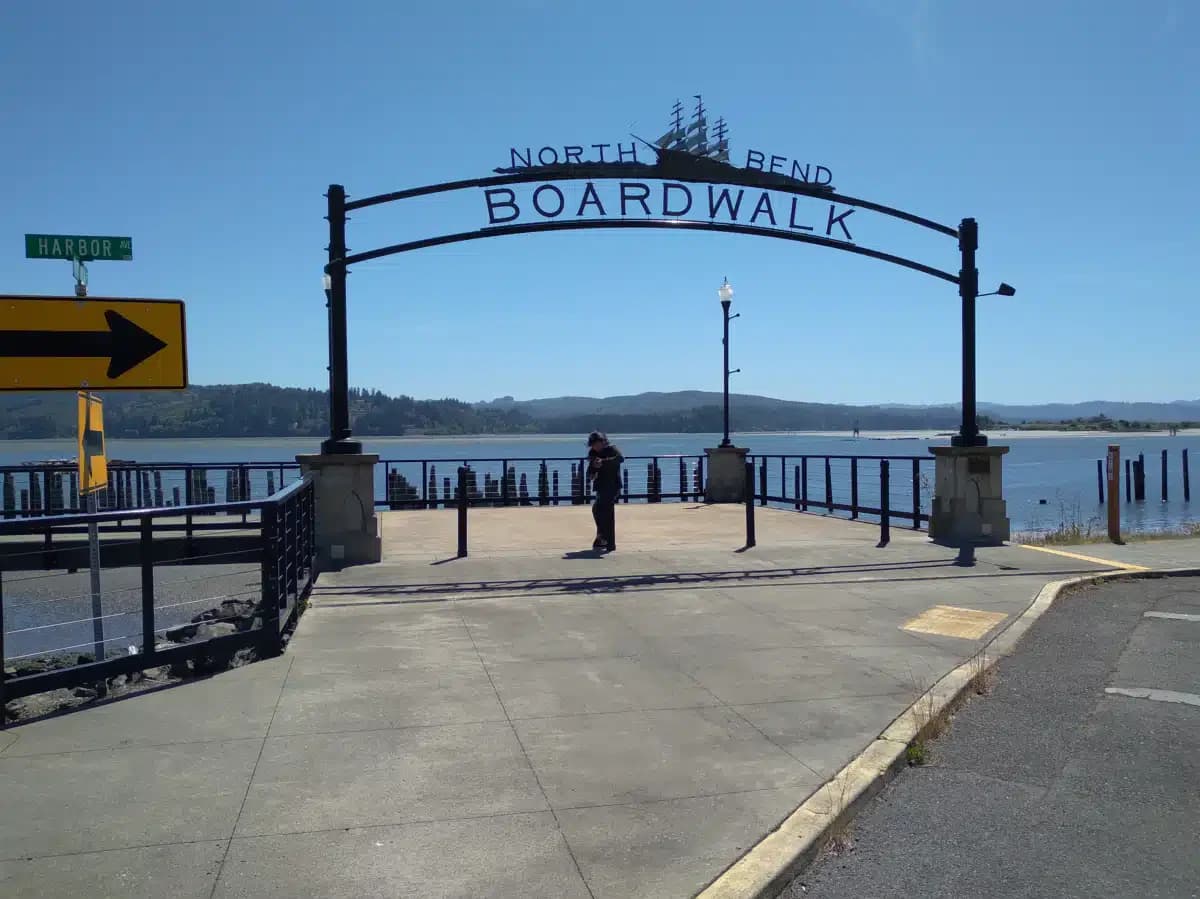
Integrated Healthcare in North Bend, OR, delivers personalized outpatient care for substance use disorders. They offer distinct programs for adult men, adult women, and individuals with trauma histories, fostering a nurturing setting for healing. Employing evidence-based methods such as cognitive behavioral therapy, motivational interviewing, and contingency management, the center prioritizes holistic recovery. Their services extend to both adults and young adults, accommodating both genders. This commitment to high-quality, individualized treatment establishes Integrated Healthcare as a crucial support for individuals pursuing successful addiction recovery in the North Bend region.
Adapt Integrated Healthcare, situated in North Bend, OR, stands as a premier facility dedicated to overcoming substance abuse challenges. They provide a spectrum of care, including intensive outpatient, outpatient, and standard outpatient services for both young people and adults. Their approach integrates specialized interventions such as anger management, brief intervention, and cognitive behavioral therapy, ensuring personalized treatment plans that address the distinct requirements of every individual. The center also features dedicated support for adult men and women, as well as those affected by intimate partner or domestic violence. Offering gender-specific programs for all clients, Adapt Integrated Healthcare cultivates a nurturing setting. Their commitment lies in offering effective, research-supported care to guide individuals toward a successful recovery journey.
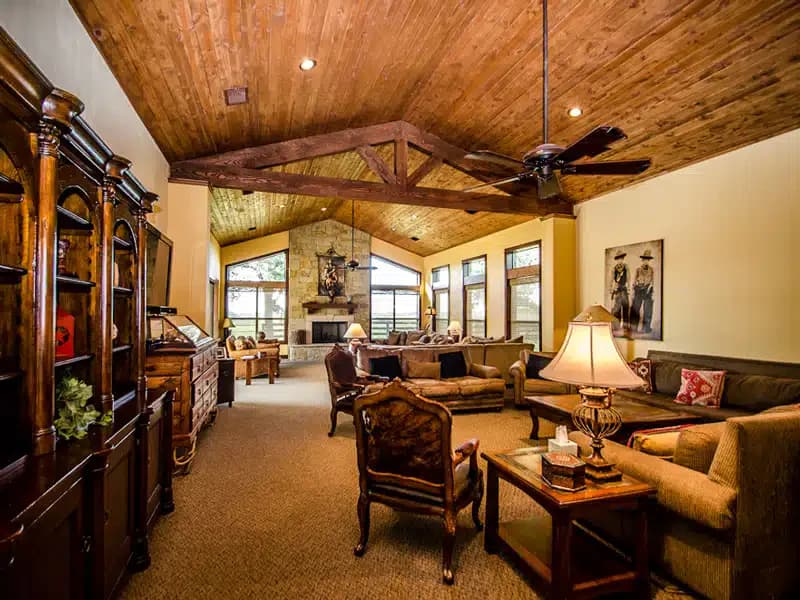
Arbor Behavioral Healthcare, located in Georgetown, TX, specializes in the treatment of substance use disorders alongside co-occurring mental health issues for both adults and children. The center features various programs, including inpatient care, around-the-clock hospital supervision, and long-term residential options designed to meet the unique needs of each individual. Utilizing methods such as 12-step programs, anger management techniques, and brief interventions, Arbor Behavioral Healthcare emphasizes a holistic approach to treatment. The facility has specific programs for adult men, women, and those facing both mental health and addiction challenges. Catering to both adults and younger clients, this center is committed to delivering high-quality, personalized care to support enduring recovery.
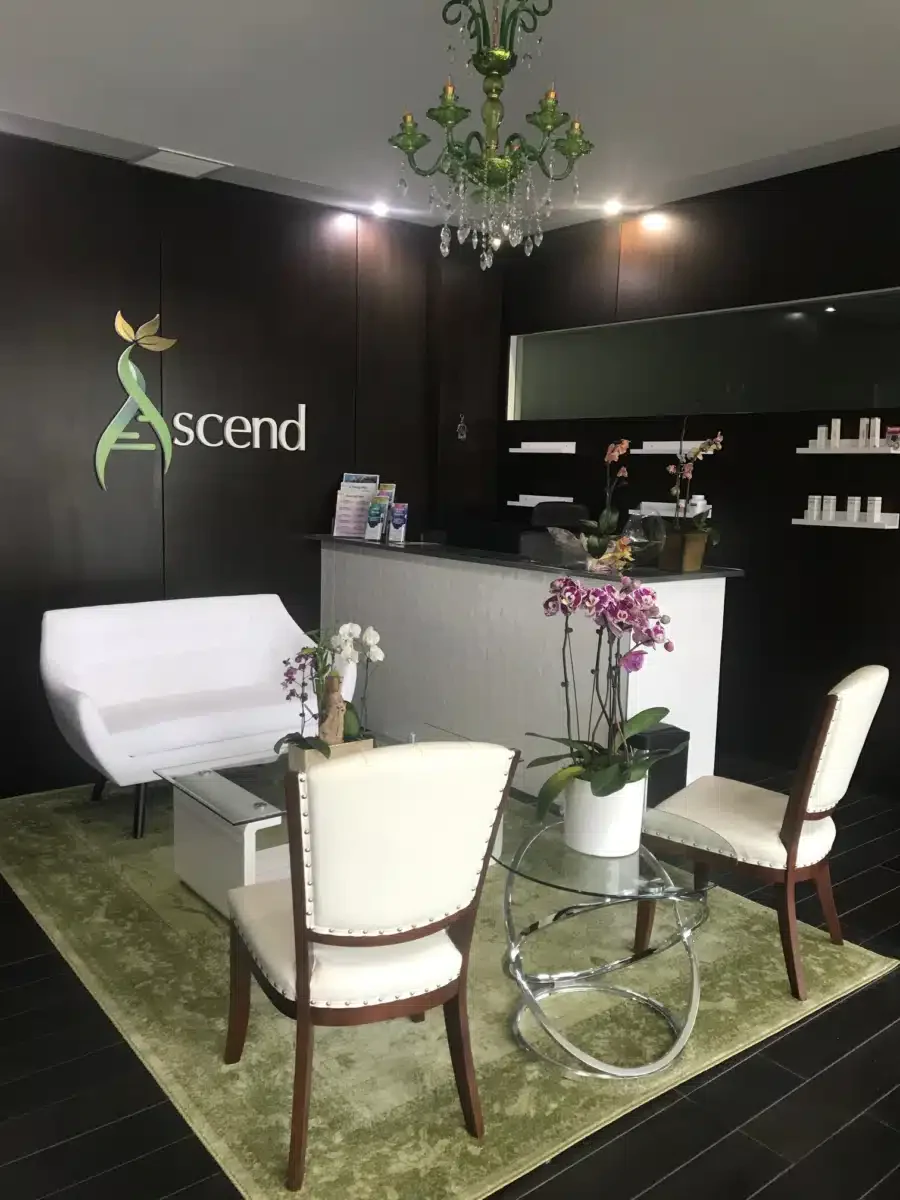
Ascend Healthcare in Encino, CA, provides dedicated recovery programs for individuals struggling with addiction and underlying mental health conditions. Their services are structured to support adults with substance use and co-occurring disorders, as well as children experiencing emotional difficulties. Clients can choose from various care settings, including hospital-level inpatient treatment, continuous 24-hour support, and extended residential stays. The center employs personalized therapeutic strategies like 12-step integration, anger management techniques, and brief intervention methods. Ascend Healthcare distinguishes itself by offering specialized care for adolescents, survivors of domestic violence, and those who have endured sexual trauma. Serving men, women, and young people, the facility is committed to delivering thorough and empathetic assistance to all who are on their journey to wellness.
Adapt Integrated Healthcare, situated in Roseburg, OR, provides a comprehensive suite of empirically supported therapeutic interventions. This institution focuses on addressing addiction and co-occurring mental health conditions in both pediatric and adult populations. They offer various levels of care, including intensive outpatient and standard outpatient programs, and administer medication-assisted treatment such as methadone and buprenorphine. Their specialized therapeutic approaches encompass anger management, cognitive behavioral therapy, and brief intervention strategies. Adapt Integrated Healthcare welcomes adult men and women, including survivors of domestic abuse, and extends its services to young adults of any gender, fostering a nurturing setting for holistic recovery.
Adapt Integrated Healthcare, situated in Roseburg, Oregon, delivers a full spectrum of detox and addiction recovery services. They offer hospital-based inpatient detox, treatment, and round-the-clock support for adults and young adults. The center features tailored programs for active military members, as well as separate tracks for adult men and women, addressing a variety of circumstances. Employing methods like 12-step encouragement, emotional regulation techniques, and brief counseling, this establishment ensures individualized support. Adapt Integrated Healthcare is dedicated to providing effective, research-backed care for all clients, aiding their path to sustained wellness.
Adapt Integrated Healthcare in Roseburg, OR, provides extended stay and round-the-clock residential care for young individuals struggling with substance dependency. Their approach integrates methods such as 12-step facilitation, brief intervention, and motivational incentives. They also offer tailored services for individuals with a history of trauma and those dealing with combined mental health and addiction challenges. This facility is committed to delivering high-quality, gender-specific treatment, offering robust support for those seeking specialized recovery services.

Affinity Healthcare Group Cherry Hill, situated in Cherry Hill, NJ, provides a range of outpatient services including detoxification, comprehensive substance use disorder treatment, and medication-assisted treatment options such as methadone, buprenorphine, and naltrexone. This facility is equipped to assist both adults and young adults. Their specialized therapeutic approaches include anger management, brief intervention strategies, and cognitive behavioral therapy. A particular focus is placed on delivering personalized care for adult women, with programs designed to address their unique recovery journeys. The center welcomes both male and female clients, reflecting a holistic philosophy in addiction recovery. Affinity Healthcare Group Cherry Hill is committed to delivering excellent care and supportive services to those striving to recover from addiction.
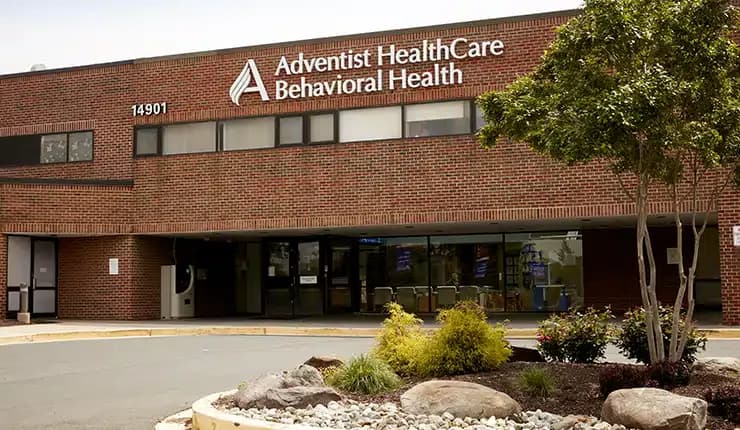
Adventist Behavioral Healthcare located in Rockville, MD, specializes in treating adults with substance use disorders and co-occurring severe mental health issues, as well as addressing serious emotional problems in children. The center offers a range of treatment options, including intensive outpatient, outpatient, and traditional outpatient services, to cater to individual needs. Techniques such as 12-step programs, brief interventions, and cognitive behavioral therapy are employed to enhance the therapeutic process. Programs are specifically designed for adults and young adults of all genders, ensuring that each individual receives comprehensive support. The center's focus on personalized treatment strategies and evidence-based techniques reflects its commitment to providing exceptional care for those in pursuit of recovery from addiction and mental health difficulties.
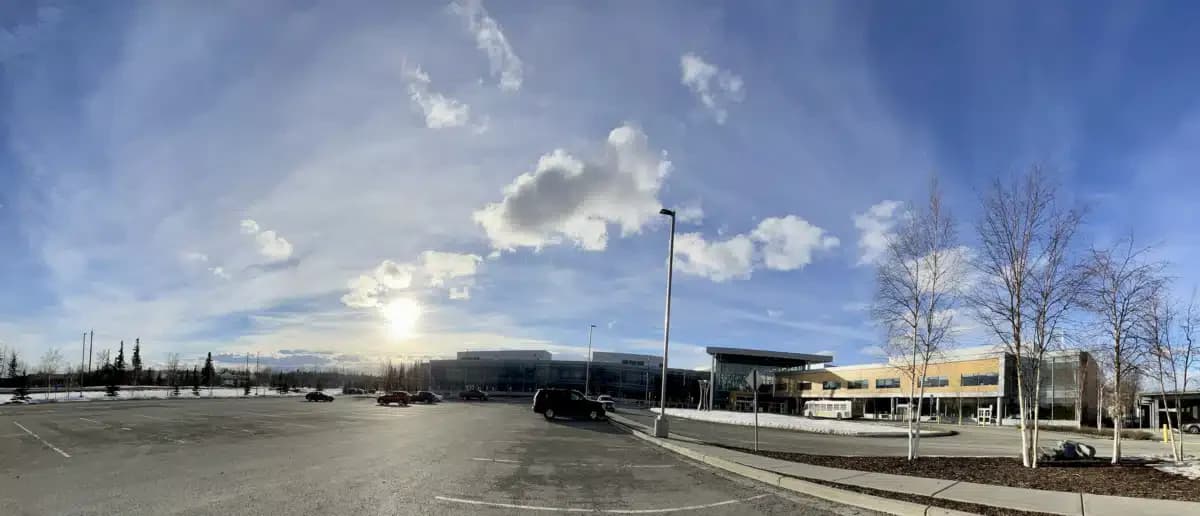
Situated in Anchorage, AK, the Alaska VA Healthcare System presents an extensive array of services designed for those in recovery from addictions and mental health issues. This establishment offers various treatment options, including intensive outpatient, long-term residential, and standard outpatient programs. They utilize methods like 12-step support, anger management strategies, and brief interventions. Special programs are available for adult men and women, as well as clients who have faced intimate partner violence and survivors of domestic violence. Dedicated to helping adults and young adults of diverse backgrounds, the center’s high-quality care and personalized treatment plans are aimed at facilitating individuals' journeys toward healing and recovery.
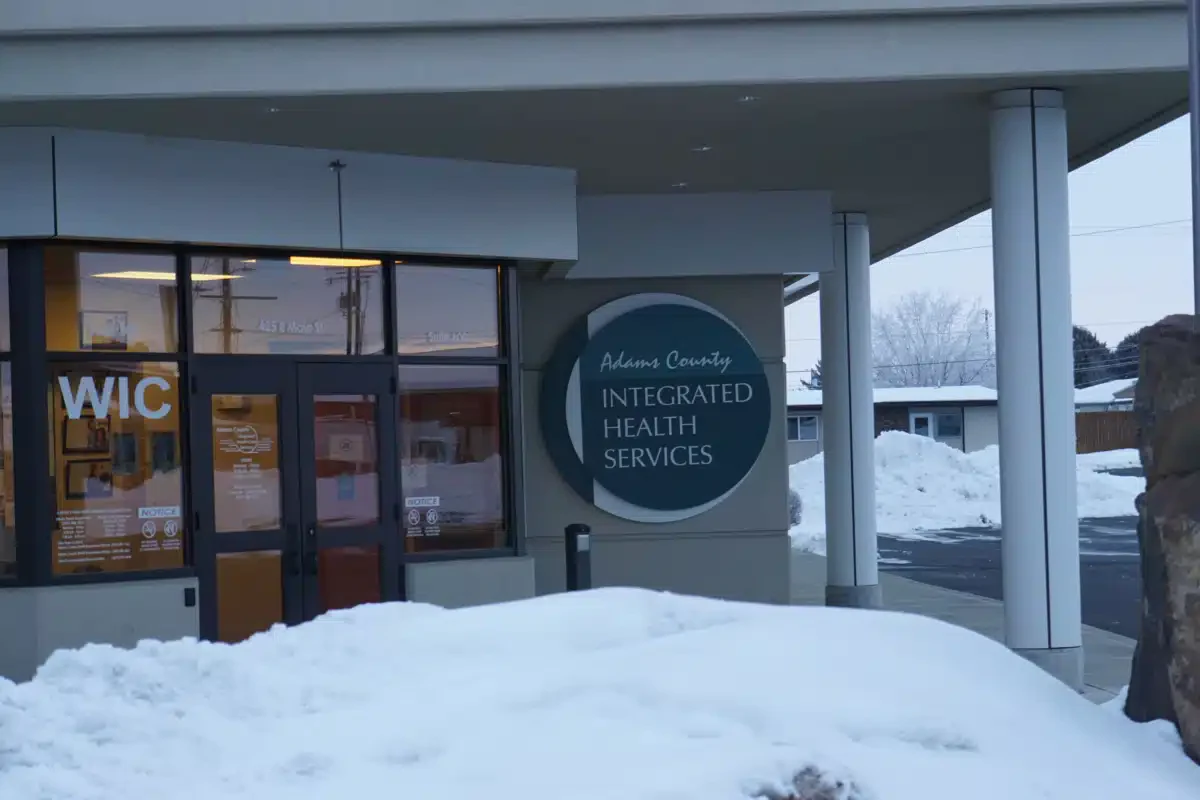
Adams Cnty Integrated Healthcare Servs, located in Othello, WA, specializes in extensive substance abuse recovery programs. This facility offers a variety of treatment options, including intensive outpatient and standard outpatient services. Emphasizing techniques such as 12-step programs, brief interventions, and cognitive behavioral therapy, the center provides personalized care tailored to the specific needs of each client. It also features dedicated programs for adolescents as well as adult men and women, accommodating a wide array of individuals. Catering to adults and seniors of every gender, the center fosters a nurturing atmosphere for healing. Adams Cnty Integrated Healthcare Servs is dedicated to providing exceptional support to help individuals attain long-term recovery.
Adapt Integrated Healthcare, located in Roseburg, OR, provides outpatient services for substance use disorders, emphasizing 12-step support, short-term interventions, and motivational interviewing techniques. This center focuses on programs designed for adolescents and young adults, accommodating clients of all genders. It offers a holistic approach to recovery, addressing the needs of adults as well as children and teenagers. The committed staff at Adapt Integrated Healthcare delivers exceptional care and assistance to those looking to overcome their addiction challenges.
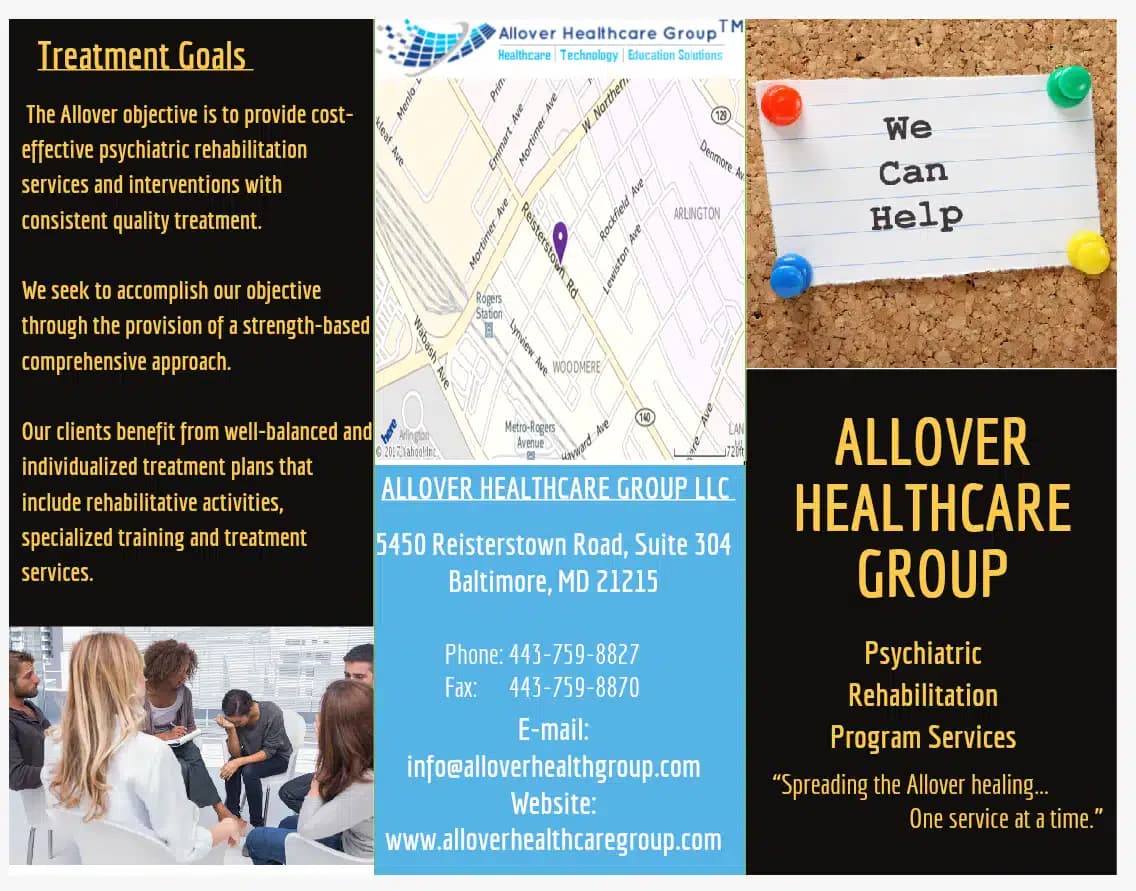
Allover Healthcare Group in Baltimore, MD, delivers a full spectrum of recovery support for those facing addiction and co-occurring mental health challenges. They offer various levels of care, including intensive outpatient, day treatment, and partial hospitalization, employing proven methods like anger management, cognitive behavioral therapy, and brief intervention strategies. The center is equipped to serve a wide array of clients with distinct programs for active military personnel, teenagers, and adult men. Additionally, Allover Healthcare Group provides options for transitional housing and sober living environments. Their dedication to high-quality, personalized care makes them a leading resource for adults and children on their path to healing.
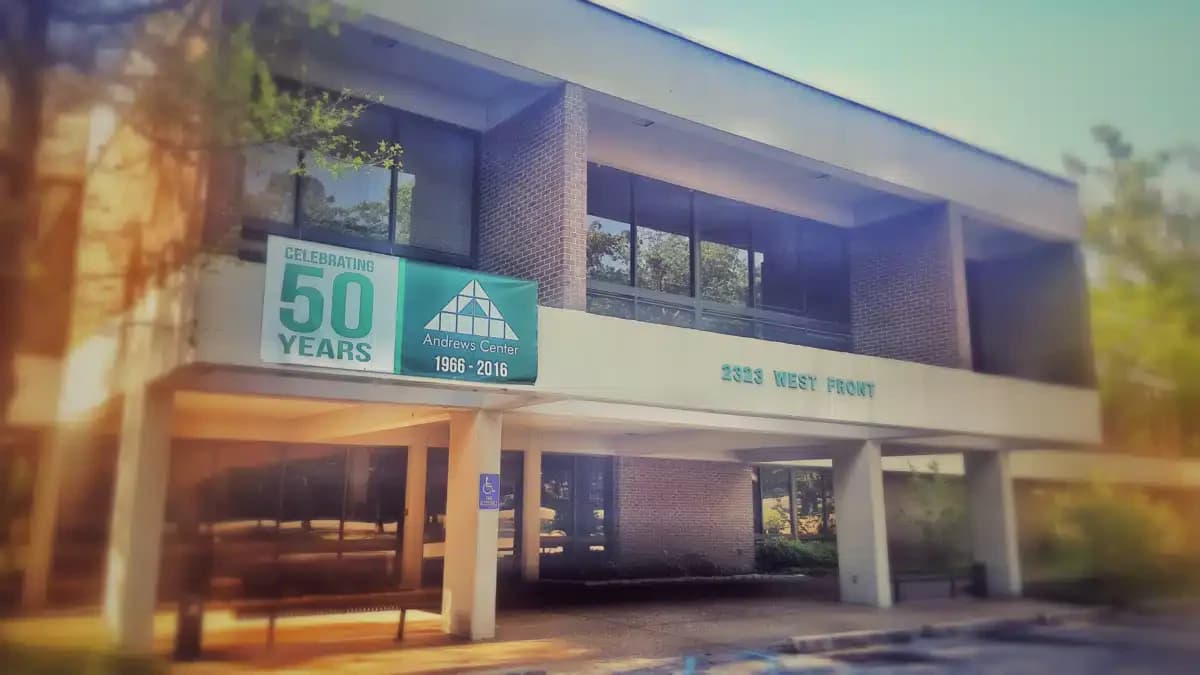
Situated in Tyler, TX, Andrews Center Behavioral Healthcare delivers outpatient treatment for substance use disorders and also addresses co-occurring mental health conditions in adults, as well as emotional challenges in children. Emphasizing techniques such as anger management, brief interventions, and cognitive behavioral therapy, the center designs personalized programs for active military members, teenagers, and adult males. Catering to individuals of all genders, Andrews Center Behavioral Healthcare is committed to providing effective and gender-sensitive care for both adults and children/adolescents. If you're looking for thorough and customized treatment in a nurturing setting, this facility is devoted to guiding you on your recovery journey.
Adapt Integrated Healthcare in Gold Beach, OR, delivers specialized outpatient care for substance use disorders, prioritizing a tailored approach for every individual. Their regular outpatient services employ proven methods like brief intervention, cognitive behavioral therapy, and motivational incentive programs. Catering to adults, children, and adolescents across all genders, this facility offers complete support. Adapt Integrated Healthcare is committed to providing excellent, customized addiction treatment that addresses each client's specific requirements.
In Grants Pass, OR, Adapt Integrated Healthcare provides excellent substance abuse rehabilitation using methods such as anger management, brief intervention, and cognitive behavioral therapy. This establishment supports adult men, adult women, and individuals affected by intimate partner and domestic violence. Adapt Integrated Healthcare offers intensive outpatient, outpatient, and standard outpatient programs for adults and young people of any gender. Prioritizing personalized care and scientifically supported treatments, Adapt Integrated Healthcare is a reliable choice for those pursuing effective and thorough recovery programs.
Situated in Port Orford, OR, Adapt Integrated Healthcare delivers thorough treatment for substance use disorders via outpatient programs. The facility employs various evidence-based methods, including brief interventions, cognitive behavioral therapy, and motivational incentives to facilitate recovery. A distinguishing feature of this center is its tailored approach, accommodating adults as well as children and adolescents of diverse gender identities. With an emphasis on individualized care, Adapt Integrated Healthcare is committed to providing exceptional treatment that aids individuals on their path to recovery. If you're looking for efficient addiction support in a nurturing atmosphere, this center is focused on helping you attain enduring sobriety.
Adapt Integrated Healthcare in Roseburg, OR, provides extensive substance abuse recovery options via personalized outpatient care. Their services include medication-assisted treatment with methadone, buprenorphine, or naltrexone, alongside standard outpatient therapy. They employ proven techniques like cognitive behavioral therapy, contingency management, and motivational interviewing. Specialized support is available for adult men, adult women, and individuals with trauma histories. Adapt Integrated Healthcare welcomes adults and young adults of all genders, offering dedicated and supportive addiction treatment in an affirming setting.
Adapt Integrated Healthcare, situated in Brookings, OR, delivers outpatient care for individuals of all ages struggling with substance use disorders. They employ therapeutic strategies including brief intervention, cognitive behavioral therapy, and contingency management, often referred to as motivational incentives. Their approach emphasizes personalized treatment plans, designed to address the specific circumstances of every patient. Adapt Integrated Healthcare is committed to providing effective, research-supported addiction services in a supportive setting for anyone pursuing lasting sobriety.
Located in Baltimore, MD, AKT Healthcare Inc provides extensive rehabilitation services designed for adults and seniors facing challenges with substance abuse and co-existing mental health issues. This center specializes in long-term residential care, which encompasses detox services and round-the-clock assistance, employing evidence-based methods like 12-step programs and anger management techniques. Tailored programs are available for youth, individuals impacted by intimate partner violence, domestic violence, and sexual abuse. AKT Healthcare Inc emphasizes personalized treatment plans, ensuring that both male and female clients receive dedicated care. Discover empathetic and impactful rehabilitation at this esteemed facility.
Frequently Asked Questions
About Marijuana Dependence Treatment
While marijuana is increasingly legalized and often perceived as harmless, cannabis use disorder is a real condition affecting millions. Approximately 9% of marijuana users develop dependence, rising to 17% for those who start as adolescents and 25-50% among daily users. Professional treatment helps individuals overcome psychological dependence and regain control of their lives.
Understanding Cannabis Use Disorder
Cannabis use disorder occurs when marijuana use becomes compulsive, continues despite negative consequences, and causes significant impairment in daily functioning. Unlike popular belief, marijuana withdrawal is real, though typically less severe than other substances. Symptoms include irritability, anxiety, sleep difficulties, decreased appetite, restlessness, and depressed mood.
Today's Higher-Potency Marijuana
Modern marijuana is dramatically more potent than in previous decades. THC concentrations in flower have increased from 3-4% to 15-20% or higher, while concentrates (wax, shatter, dabs) can exceed 80-90% THC. Higher potency increases addiction risk, withdrawal severity, mental health impacts, and impairment. This makes treatment more important than ever for those struggling with marijuana dependence.
Evidence-Based Treatment Approaches
Effective treatments for cannabis use disorder include:
- Cognitive Behavioral Therapy (CBT): Identifies triggers, challenges thoughts supporting use, and develops coping skills
- Motivational Enhancement Therapy (MET): Brief intervention approach that builds motivation for change through exploring ambivalence
- Contingency Management: Provides incentives and rewards for maintaining abstinence
- Family-Based Approaches: Particularly important for adolescents; involves family in treatment and recovery
Co-Occurring Mental Health Issues
Many individuals use marijuana to self-medicate anxiety, depression, insomnia, or trauma symptoms. Comprehensive treatment addresses underlying mental health conditions through integrated dual diagnosis care, ensuring both marijuana dependence and co-occurring conditions receive appropriate attention.
Outpatient Treatment Options
Most marijuana dependency is effectively treated in outpatient settings, allowing individuals to maintain work, school, and family responsibilities while receiving care. Intensive Outpatient Programs (IOP) typically meet 9-12 hours per week, while standard outpatient care offers more flexible scheduling. Residential treatment may be appropriate for co-occurring conditions or when outpatient treatment hasn't succeeded.
Recovery and Lifestyle Change
Successful recovery involves more than stopping marijuana use. It includes developing healthy coping strategies, addressing reasons for use, building supportive relationships, finding meaningful activities and purpose, managing stress and emotions without substances, and creating a lifestyle that supports long-term wellness and sobriety.
Additional resources on marijuana addiction:
Browse marijuana dependence programs in states with the most treatment options:
Treatment Approaches
Levels of Care
Need immediate help? Call SAMHSA: 1-800-662-4357 (24/7, free)