
Hospital-Based Inpatient Addiction Treatment
Hospital-based inpatient treatment combines medical and psychiatric care with addiction treatment in a medical facility setting. This highest level of care serves individuals with complex medical conditions, severe psychiatric symptoms, or situations requiring intensive medical supervision throughout treatment.
Found 12,199 hospital inpatient treatment centers across the United States.
Need Help Finding the Right Treatment Center?
Speak with a compassionate specialist now - 100% free & confidential
Showing 20 of 12199 results
Nestled in Warren, AR, the 10th District Substance Abuse Program delivers extensive support for individuals battling substance use. Their offerings include structured intensive outpatient services, day treatment, and partial hospitalization. Employing strategies like 12-step integration, anger management, and brief intervention, the center accommodates adult men and women, even those facing dual diagnoses of mental health and substance use challenges. The program also provides supportive housing and sober living environments for adults and young adults. With dedicated tracks for male and female participants, this center is committed to delivering exceptional care and personalized recovery pathways.
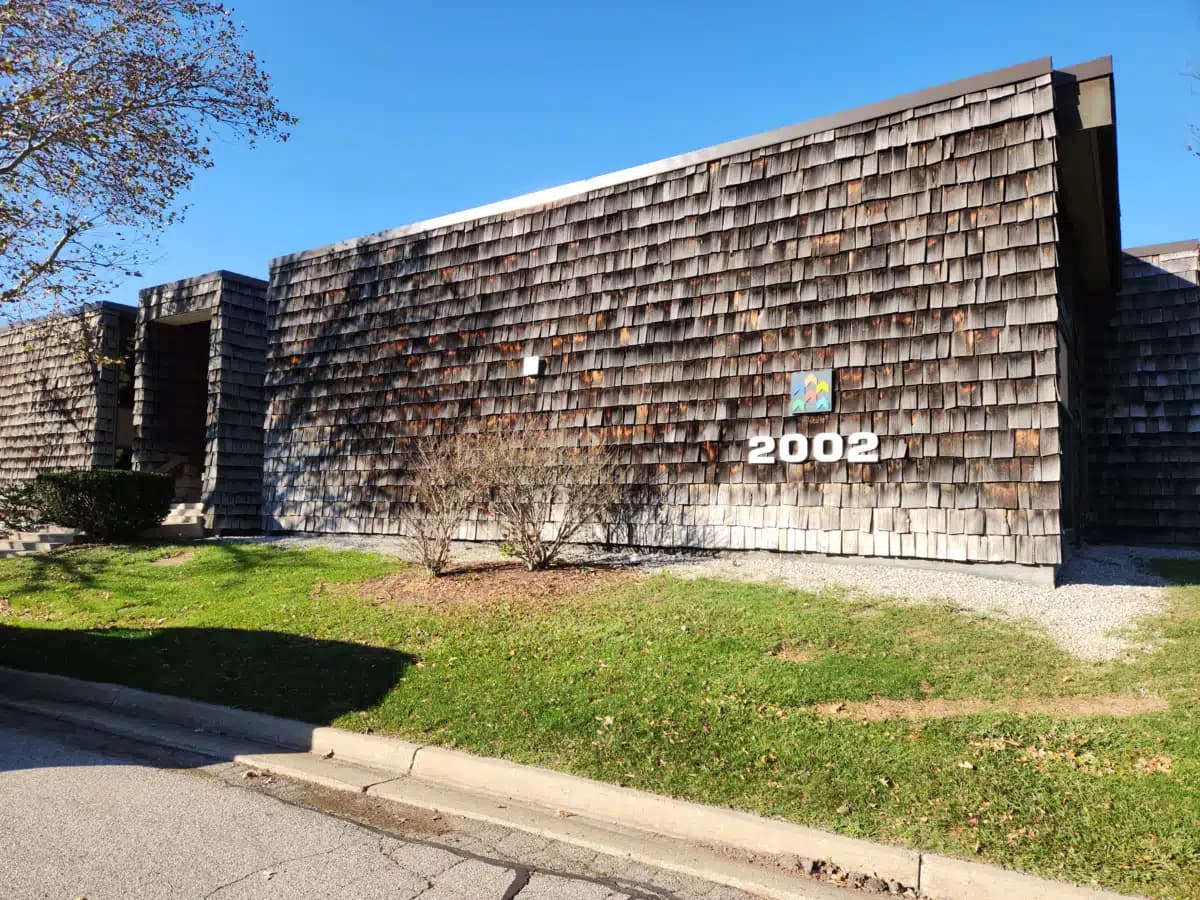
1st Step Referral Services in Ann Arbor, MI, provides accessible outpatient care for adults and youth struggling with addiction and dual diagnoses. Their therapeutic offerings encompass anger management, preventative interventions, and cognitive behavioral therapy. This center is equipped to serve specific populations, including military personnel, teenagers, and adult males. Catering to adults and older individuals of any gender, 1st Step Referral Services is committed to delivering personalized support designed for a wide range of requirements. The dedication to high-quality, customized treatment options positions 1st Step Referral Services as a leading provider for individuals in pursuit of recovery from substance abuse and mental health challenges.
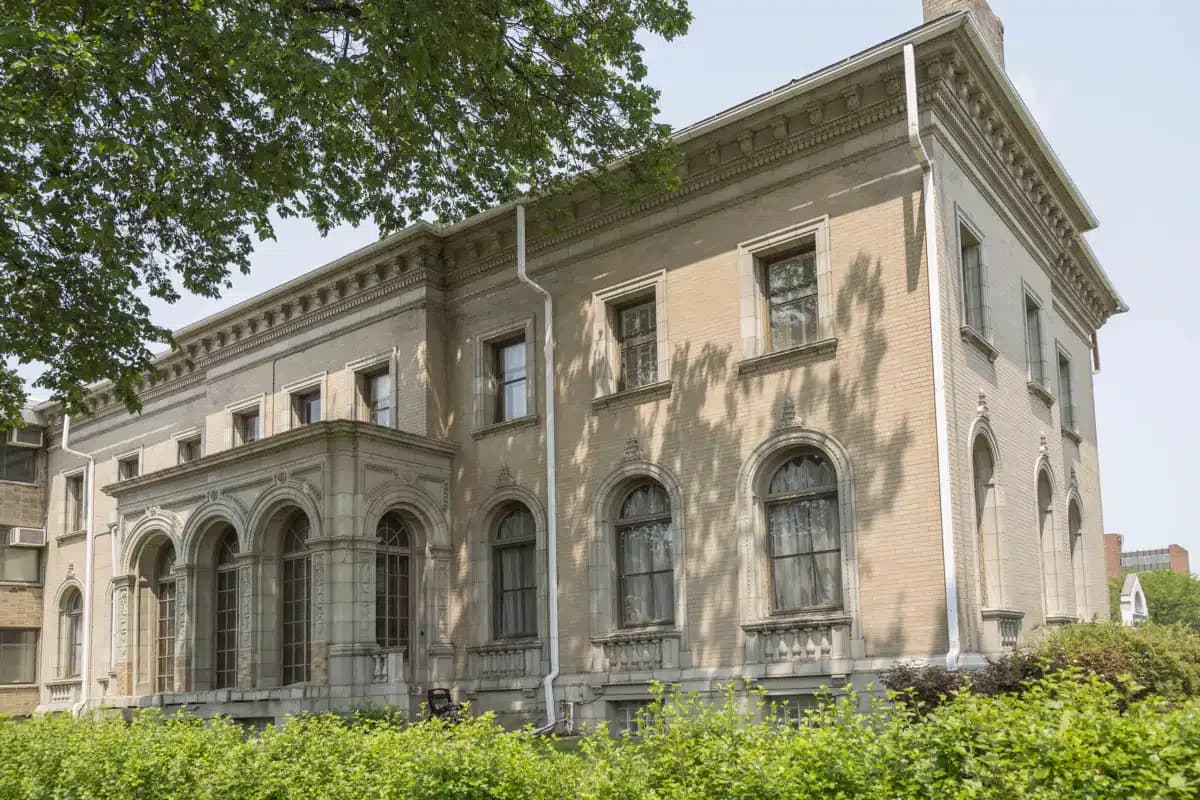
Situated in Minneapolis, MN, the 2118 NUWAY Counseling Center specializes in treating substance use disorders in adults facing significant mental health challenges, as well as emotional issues in children. The center features intensive outpatient and standard outpatient services that employ proven methods like 12-step support, anger management, and short-term interventions. Customized programs cater to adult men, adult women, and individuals who have encountered trauma. This facility serves adults and young adults across all genders, providing tailored support to aid individuals in their recovery journey. Committed to excellence and specialized care, the 2118 NUWAY Counseling Center stands as a guiding light for those in need of effective rehabilitation solutions.
228 COE House, located in Framingham, MA, provides extended residential care for adults facing substance use challenges alongside serious mental health concerns, as well as addressing significant emotional disturbances in children. The center emphasizes a variety of therapeutic approaches, including 12-step programs, brief interventions, and cognitive behavioral methods, ensuring a personalized path to recovery. Tailored initiatives are available for adult women, those who have encountered domestic violence or trauma, and individuals across all ages, from seniors to young adults. Dedicated to maintaining a secure and nurturing atmosphere, 228 COE House focuses on delivering exceptional treatment specifically designed for female clients through an all-encompassing rehabilitation program.
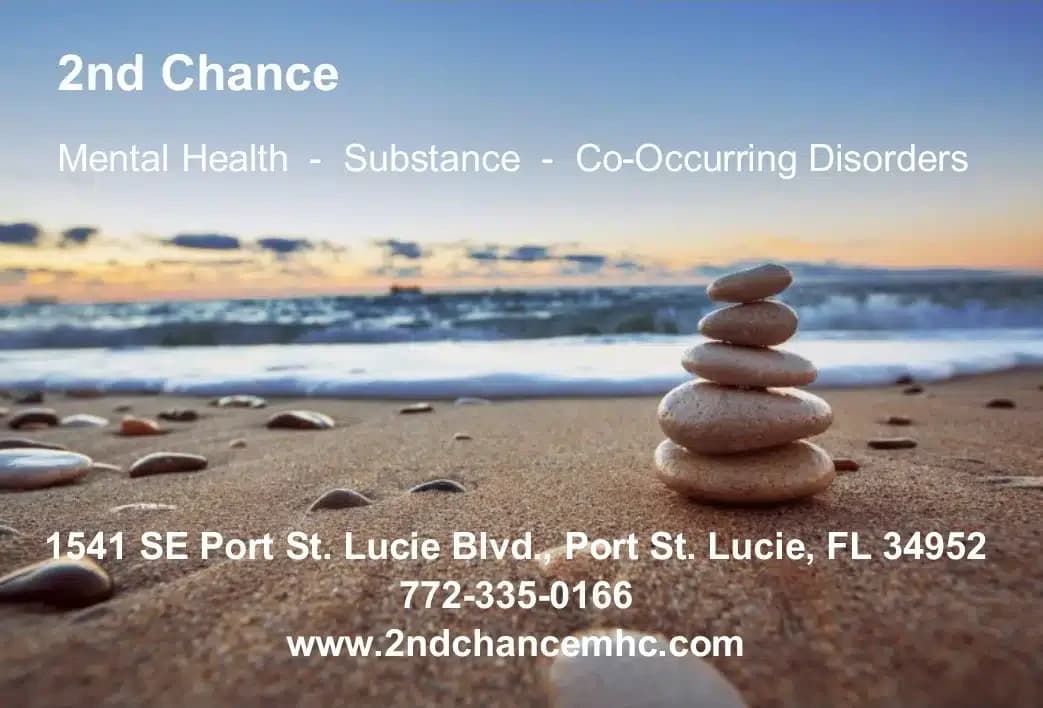
2nd Chance Mental Health Center, located in Port Saint Lucie, FL, offers both intensive outpatient and outpatient services aimed at helping adults and children deal with substance abuse and co-occurring mental health disorders. The center specializes in supporting clients with dual diagnoses through tailored programs. Utilizing a variety of evidence-based techniques, such as cognitive behavioral therapy, anger management, and brief interventions, this facility is committed to providing high-quality care. Catering to individuals of all genders, including young adults, 2nd Chance Mental Health Center is focused on guiding people on their journey to recovery. For those seeking holistic treatment that addresses both addiction and mental health issues, this center is dedicated to assisting you in achieving wellness.

2nd Chance Treatment Center in Litchfield Park, AZ, provides extensive outpatient care for those pursuing freedom from addiction. Their expertise includes detox, addiction treatment, and addressing co-occurring mental health issues in adults, alongside emotional challenges in younger individuals. Employing techniques like motivational interviewing, relapse prevention, and counseling for substance use disorders, they craft personalized recovery paths. With dedicated programs for active military, teens, and adult men, 2nd Chance Treatment Center serves a wide spectrum of clients. They welcome adults and youth of all genders, committed to delivering excellent support and care throughout the sobriety process.
2nd Chance Treatment Center in Phoenix, AZ, provides extensive outpatient care for those pursuing freedom from addiction and related mental health challenges. The center features tailored programs for current military members, teenagers, and adult men, welcoming adults and young adults of any gender. Employing proven techniques such as cognitive behavioral therapy and motivational interviewing, the center is committed to delivering superior support customized for each person's unique journey. Offering services from detox to ongoing outpatient care and medication-assisted treatment (methadone, buprenorphine, or naltrexone), 2nd Chance Treatment Center is devoted to guiding clients toward enduring recovery and overall well-being.
2nd Chance Treatment Center, located in Gilbert, AZ, provides a wide range of outpatient services aimed at helping individuals recover from substance use disorders alongside mental health issues. The center emphasizes techniques such as brief intervention, cognitive behavioral therapy, and motivational interviewing. Programs are specifically designed for various groups, including active duty service members, adolescents, and adult males. Personalized treatment strategies are crafted for adults, children or adolescents, and young adults, with programs tailored for different genders. The center offers services like detoxification, outpatient treatment for substance use, and medications such as methadone, buprenorphine, or naltrexone. Discover compassionate and effective support at 2nd Chance Treatment Center.
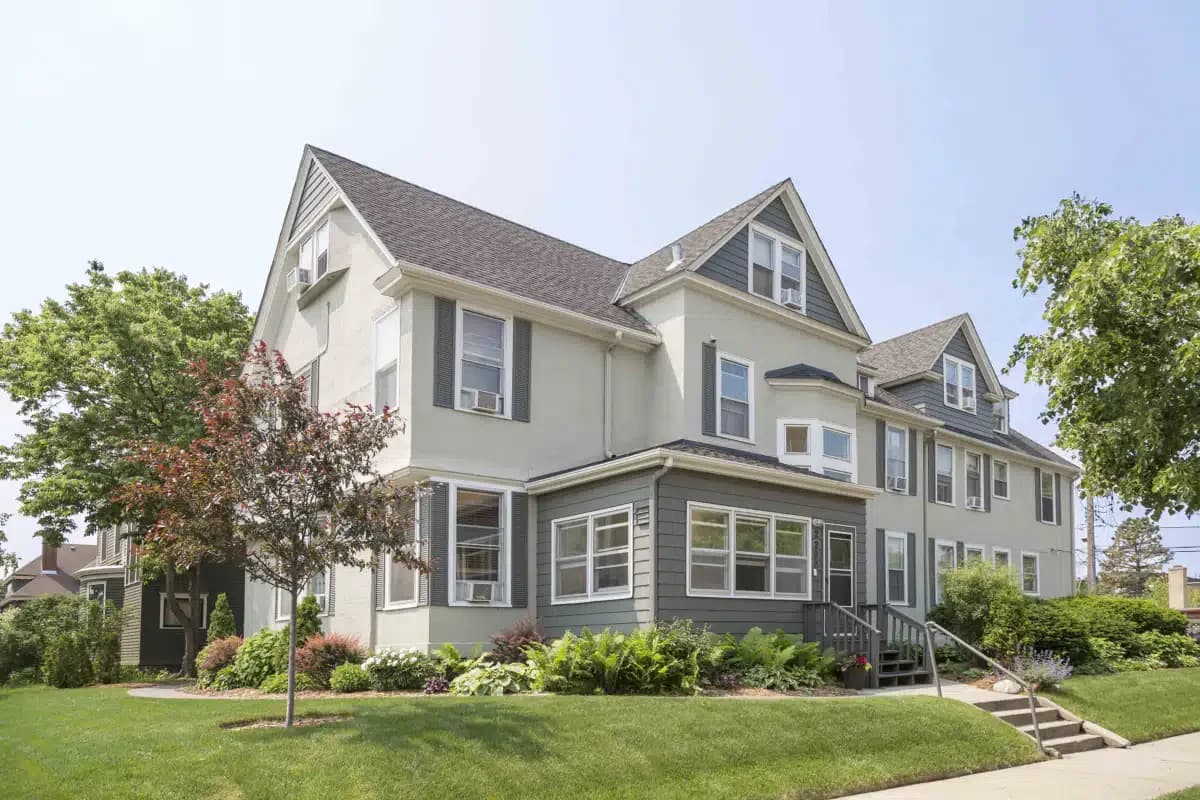
Situated in Minneapolis, MN, the 3Rs NUWAY Counseling Center specializes in thorough substance use rehabilitation along with focused support for those grappling with significant mental health challenges or emotional issues. The center features both intensive outpatient and outpatient treatment options, employing methods like 12-step facilitation, anger management, and short intervention techniques. Custom programs are designed for adult males, adult females, and individuals who have faced trauma. Catering to adults and young adults of all genders, this center prioritizes providing exceptional, personalized care aimed at fostering recovery and promoting sustainable wellness.
4 2 Restore LLC, situated in Baltimore, MD, specializes in providing rehabilitation services tailored for adult men facing challenges with substance use disorders. The center offers various treatment options, including long-term and short-term residential programs, along with transitional housing, all supported by continuous care around the clock. The therapeutic approach integrates evidence-based practices such as 12-step facilitation, brief interventions, and cognitive behavioral therapy to deliver holistic support. Focusing on the specific requirements of adult men and seniors, this center is committed to delivering personalized and high-quality care. 4 2 Restore LLC is devoted to assisting clients in achieving sustainable recovery outcomes.
4 2 Restore LLC, located in Windsor Mill, MD, delivers thorough recovery support for adults and older individuals facing addiction and concurrent mental health challenges. The center offers inpatient medical detox and comprehensive treatment, featuring tailored care for adult men, adult women, and those with dual diagnoses. Their methods incorporate anger management techniques, short-term counseling, and cognitive behavioral therapy for a complete healing experience. Prioritizing excellent service and personalized care strategies, 4 2 Restore LLC serves both male and female patients, committed to aiding their path to sustained sobriety and psychological health.
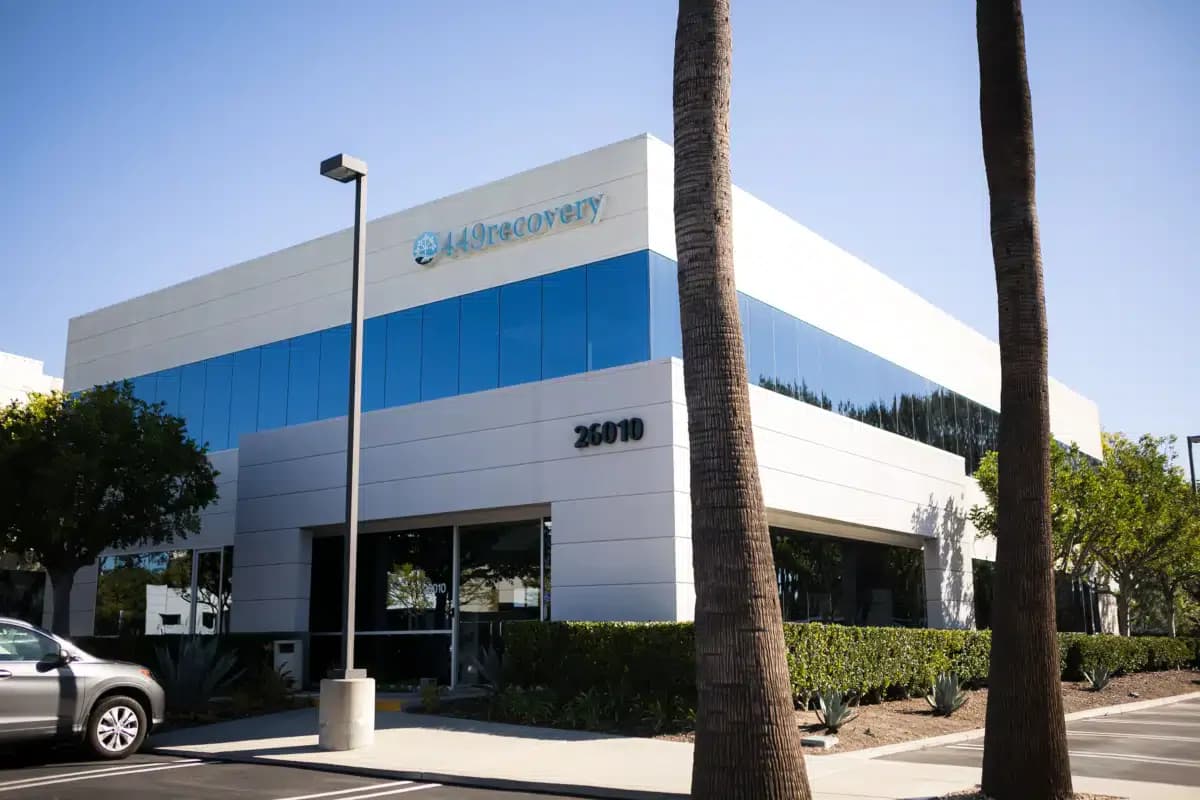
Situated in Mission Viejo, California, 449 Recovery is dedicated to providing tailored substance abuse treatment for adults facing significant mental health challenges or emotional issues in children. This center features intensive outpatient programs, day treatment services, and partial hospitalization options. Emphasizing approaches such as 12-step support, anger management, and brief interventions, it serves both men and women, including clients who have undergone intimate partner or domestic violence. With a commitment to delivering personalized care, this facility offers a supportive atmosphere for adults and adolescents pursuing holistic rehabilitation solutions.
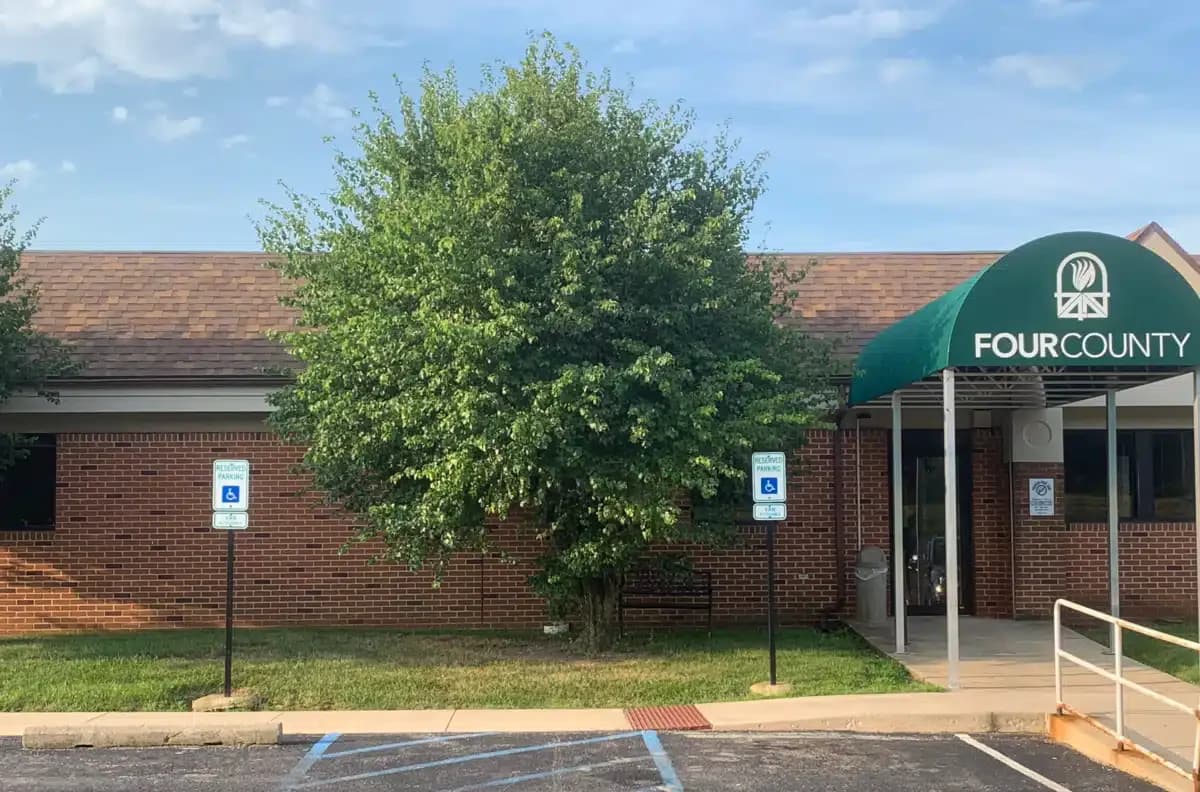
4C Health, located in Rochester, IN, specializes in outpatient treatment for substance abuse and offers targeted support for individuals facing both substance use disorders and significant mental health complications. The facility employs a range of evidence-based methods, including anger management, brief intervention, and cognitive behavioral therapy, as part of its regular outpatient services. With programs specifically designed for adolescents, women, and survivors of intimate partner violence, 4C Health addresses the needs of various client groups. The center provides effective treatment for adults and seniors of all genders, focusing on personalized care and extensive support for those striving to overcome addiction and mental health issues.
Located in Peru, IN, 4C Health specializes in outpatient care for substance use disorders, as well as support for individuals facing both substance use and significant mental health challenges in adults, along with emotional issues in children. The center offers treatments involving methadone, buprenorphine, or naltrexone, applying modalities such as cognitive behavioral therapy, anger management, and brief intervention strategies. There are dedicated programs designed specifically for adolescents, adult males, and females. With a commitment to serving adults and older adults of diverse backgrounds, 4C Health prioritizes individualized treatment approaches and evidence-based methods, highlighting its dedication to providing exceptional care for patients on their recovery journey.
4th Judicial District Recov Servs Inc located in White Pine, TN, provides a wide array of treatment solutions for individuals dealing with substance use issues, focusing on both adults and young adults. The center features specialized programs designed for those facing dual challenges of mental health and substance use disorders, especially for clients involved with the criminal justice system. Treatment options available at this facility include intensive outpatient, outpatient, and regular outpatient services. Utilizing methods such as 12-step facilitation, cognitive behavioral therapy, and community reinforcement with vouchers, the center prioritizes personalized treatment. It serves both men and women and is recognized for its dedication to delivering high-quality support for individuals pursuing recovery within a structured setting, including transitional housing, halfway houses, or sober living environments.
The 5th Generation Healing Center, situated in Belcourt, ND, provides extensive substance use recovery services for adults and young adults. Their treatment modalities encompass intensive outpatient, long-term residential, and standard outpatient care. The center excels in areas such as 12-step program integration, anger management techniques, and brief intervention strategies. Specialized programs are available for adult men, adult women, and individuals impacted by intimate partner or domestic violence. The 5th Generation Healing Center is dedicated to offering exceptional, individualized care to guide clients toward a successful recovery journey.

6390 Meadows Court LLC, situated in Malibu, California, specializes in extensive detox and treatment services for substance use issues. This center features residential detox programs, round-the-clock care, and short-term residential options for adult men and women, including those who have faced traumatic experiences. Emphasizing cognitive behavioral therapy, strategies for relapse prevention, and counseling for substance use disorders, the facility serves both adults and young adults. With tailored services available for male and female participants, 6390 Meadows Court LLC is committed to delivering exceptional care and support for those in need of effective rehabilitation in a peaceful environment.

Situated in Ottawa, IL, 7th Fire Alcohol and Drug Counseling offers outpatient programs for adults and older individuals dealing with substance use challenges. The center utilizes methods such as 12-step facilitation, anger management, and brief intervention to create tailored treatment plans. With an emphasis on customized care, this facility is open to clients of all genders. Dedicated to providing high-quality services, 7th Fire Alcohol and Drug Counseling is recognized for its focus on tackling addiction through various evidence-supported approaches. If you or someone close to you is in need of effective and personalized substance use treatment, this center may serve as a suitable option for your path to recovery.
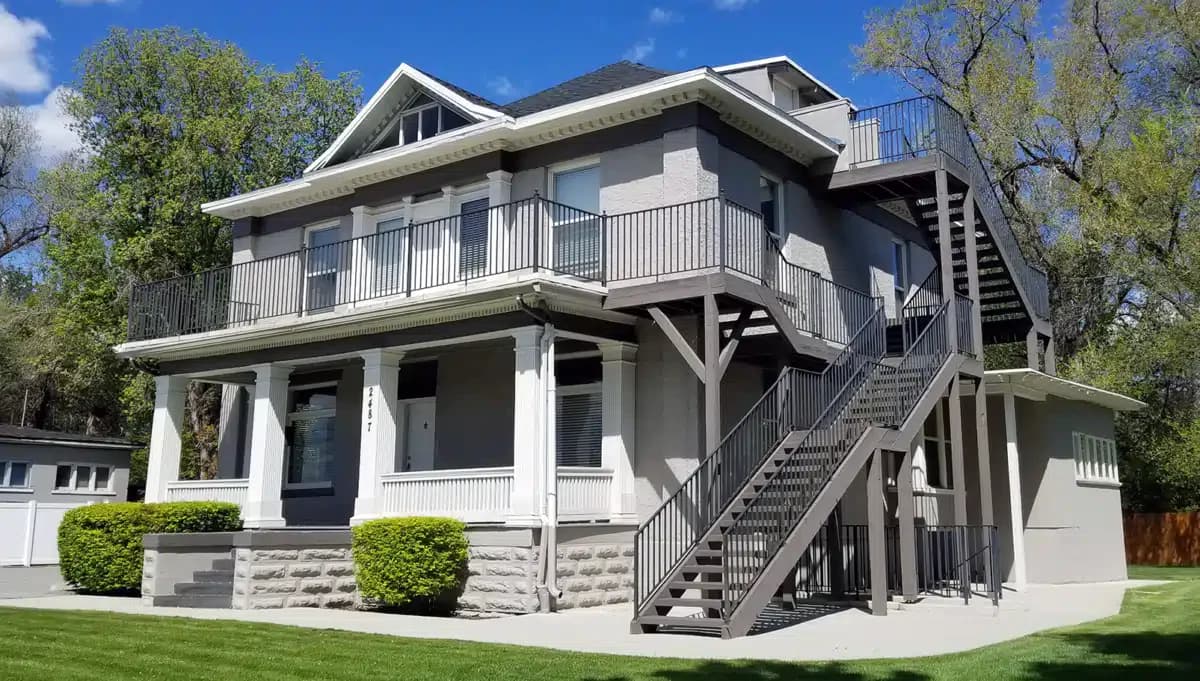
7th Street, situated in Salt Lake City, UT, provides expert rehabilitation for individuals of all ages facing substance abuse and concurrent mental health challenges. Their offerings include intensive outpatient, extended residential stays, and standard outpatient care, incorporating methods like 12-step support, emotional regulation training, and concise counseling. Customized treatment plans are developed for adult men, adult women, and those with histories of trauma. Catering to adults and young adults of both genders, the center delivers high-standard care and extensive support.
820 River Street Inc, located in Albany, NY, delivers a wide range of substance use recovery programs that include intensive outpatient care, outpatient services, as well as methadone, buprenorphine, and naltrexone therapies. Emphasizing methods such as 12-step support, anger management, and brief intervention techniques, this center serves adult men and women, along with clients who have a history of trauma. They offer specialized treatment options for both adults and children/adolescents, ensuring a comprehensive approach for male and female clients alike. Recognized for its exceptional care and customized treatment plans, 820 River Street Inc stands as an essential option for individuals seeking effective rehabilitation solutions in the Albany region.
Frequently Asked Questions
About Hospital Inpatient
Hospital inpatient treatment provides the highest level of addiction care in licensed medical facilities with full hospital resources. This level serves individuals with complex medical conditions, severe psychiatric symptoms, or situations requiring intensive medical and psychiatric monitoring alongside addiction treatment. Hospital-based care ensures immediate access to emergency medical services, specialists, and advanced medical technologies.
When Hospital-Level Care Is Needed
Hospital inpatient treatment is indicated for:
- Severe Medical Complications: Liver disease, cardiac issues, infections, diabetes complications, or other serious medical conditions requiring physician oversight
- Psychiatric Crisis: Active suicidal ideation, psychosis, severe depression, mania, or other psychiatric emergencies
- Dangerous Withdrawal: Severe alcohol or benzodiazepine dependence with high seizure risk
- Pregnancy: Addiction treatment during pregnancy requiring obstetric oversight
- Polysubstance Dependence: Multiple substances creating complex medical management needs
Hospital Services and Resources
Hospital inpatient units provide comprehensive services including 24/7 physician availability, registered nursing staff, psychiatric consultation and medication management, medical testing and imaging, emergency medical intervention capacity, pharmacy services, and consultation with medical specialists as needed. These resources address complex cases requiring medical acuity beyond what residential treatment can safely manage.
Difference from Residential Treatment
While both provide 24/7 care, hospital treatment operates in licensed medical facilities with hospital-level medical and psychiatric capabilities. Residential treatment occurs in therapeutic environments focusing on rehabilitation rather than acute medical care. Most people requiring 24/7 structure without complex medical/psychiatric needs appropriately receive residential treatment. Hospital inpatient serves the smaller subset with medical complexity requiring hospital resources.
Typical Hospital Stay and Transition
Hospital stays focus on medical and psychiatric stabilization, typically lasting 3-14 days. Once medically and psychiatrically stable, patients step down to residential treatment, partial hospitalization, or intensive outpatient care for continued addiction treatment while no longer requiring hospital-level medical services. The goal is stabilization enabling safe transition to less restrictive, more rehabilitation-focused settings.
Hospital treatment resources:
Browse hospital inpatient programs in states with the most treatment options:
Treatment Approaches
Need immediate help? Call SAMHSA: 1-800-662-4357 (24/7, free)