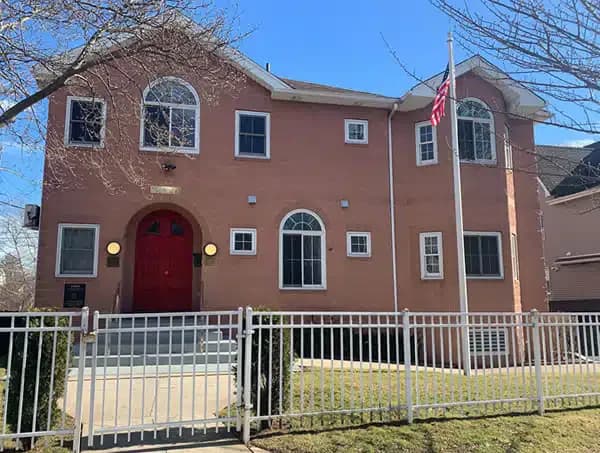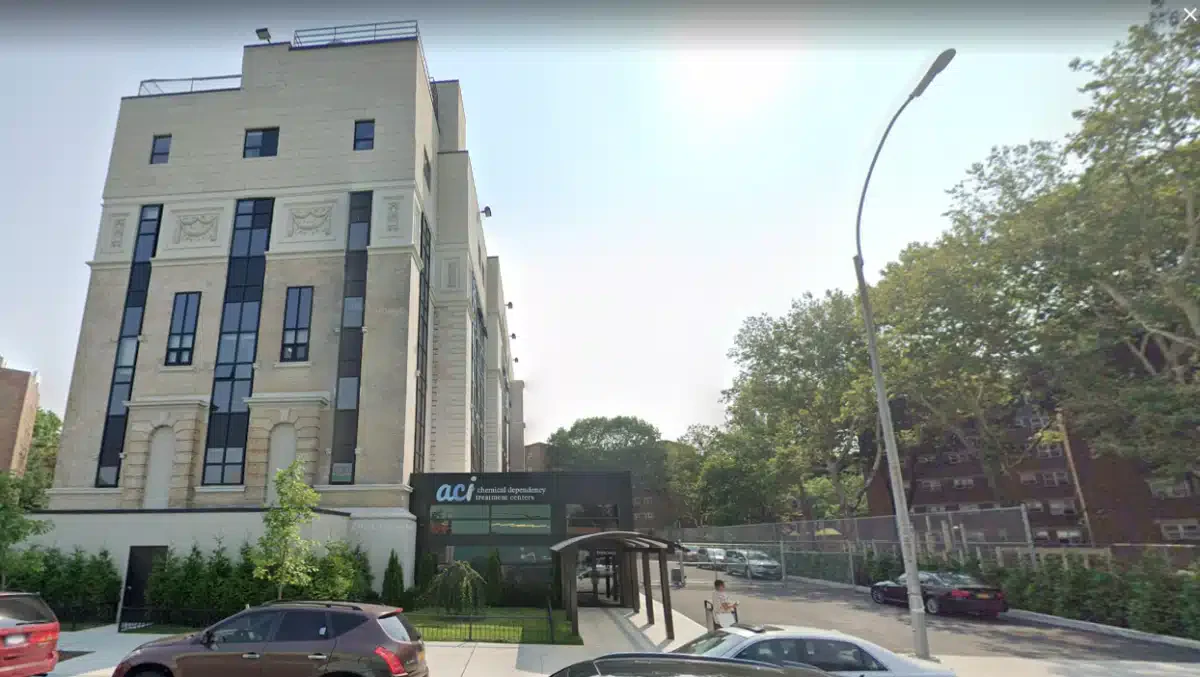
Addiction Care Interventions
Medically Supervised Withdrawal
Available 24/7 for immediate assistance
Full Address
589 Rockaway Avenue
Brooklyn, New York 11212
Phone Numbers
Main: 212-293-3000 x1005
Intake: 800-724-4444
Hours
24/7 - Always Available
Addiction Care Interventions
589 Rockaway Avenue, Brooklyn, NY 11212
Addiction Care Interventions in Brooklyn, NY, provides thorough addiction treatment options for adults and younger individuals. Their services include inpatient hospital detox, residential detox, and continuous 24-hour hospital inpatient care. Employing methods such as 12-step facilitation, anger management, and brief interventions, the center supports both male and female patients. They also offer specialized programs for adult men, adult women, and survivors of intimate partner violence. Renowned for its high standards of care and personalized treatment strategies, Addiction Care Interventions is a reliable destination for individuals pursuing successful and empathetic recovery from addiction.
This facility accepts various insurance plans. Contact them directly to verify coverage for your specific plan.
Addiction Care Interventions
589 Rockaway Avenue, Brooklyn, NY 11212
Available 24/7 for confidential support
| Type of Care | Detoxification, Substance use treatment |
| Service Settings | Hospital inpatient detoxification, Hospital inpatient/24-hour hospital inpatient, Residential detoxification, Residential/24-hour residential, Short-term residential |
| Medications Offered | Buprenorphine used in Treatment, Methadone used in Treatment, Naltrexone used in Treatment |
- Breathalyzer or blood alcohol testing
- Complete medical history/physical exam
- Comprehensive mental health assessment
- Comprehensive substance use assessment
- Drug or alcohol urine screening
- HIV testing
- Metabolic syndrome monitoring
- Outreach to persons in the community
- Screening for mental disorders
- Screening for substance use
- Screening for tobacco use
- TB screening
- Testing for Hepatitis B (HBV)
- Testing for Hepatitis C (HCV)
Accepted Payment Methods
- Drug Enforcement Agency (DEA)
- SAMHSA certification for opioid treatment program (OTP)
- State Substance use treatment agency
- State department of health
- The Joint Commission
Data verified through SAMHSA (Substance Abuse and Mental Health Services Administration)
Age Groups
Gender
Where are you located?
Addiction Care Interventions is located in Brooklyn, NY at 589 Rockaway Avenue, 11212. Our facility serves individuals throughout the NY area and welcomes clients from across the country. We're committed to providing accessible, high-quality treatment in a supportive environment. For detailed directions, parking information, or if you need help with transportation arrangements, please contact us at +1 (614) 960-9767 and our admissions team will assist you.
How do I start treatment or get admitted?
Starting treatment at Addiction Care Interventions is simple and confidential. First, call our 24/7 helpline at +1 (614) 960-9767 to speak with an admissions specialist. We'll conduct a brief, confidential assessment to understand your needs, verify your insurance coverage, answer all your questions, and schedule your admission date. The entire process typically takes 24-48 hours from first contact to admission, though we can expedite for urgent situations. Don't wait—reaching out is the hardest and most important step. Our compassionate team is here to help you begin your recovery journey.
What should I expect on my first day of treatment?
Your first day at Addiction Care Interventions focuses on making you comfortable and beginning your personalized care. You'll complete intake paperwork, meet with clinical staff for an initial assessment, receive a tour of the facility, learn about daily schedules and rules, and meet other staff members who will support your recovery. We understand the first day can be overwhelming, so our team is there to answer questions and help you settle in. The goal is to create a safe, welcoming environment where healing can begin. Call +1 (614) 960-9767 if you have questions before arriving.
How does group therapy work in addiction treatment?
Group therapy is a cornerstone of addiction treatment at Addiction Care Interventions. In group sessions, you'll meet with other people in recovery, guided by a trained therapist. Benefits include: realizing you're not alone in your struggles; learning from others' experiences and insights; receiving support and accountability from peers; practicing social skills and honest communication; giving and receiving feedback in a safe environment; and building connections that can continue after treatment. Groups may focus on different topics like coping skills, relapse prevention, or trauma. Many people find group therapy more powerful than individual sessions alone.
Can you treat prescription drug addiction?
Yes, Addiction Care Interventions treats prescription drug addiction, which is increasingly common. This includes addiction to: opioid painkillers (OxyContin, Vicodin, Percocet); benzodiazepines (Xanax, Valium, Klonopin); stimulants (Adderall, Ritalin); and sleep medications. Treatment approach depends on the specific medication but generally involves safe medical detox (especially critical for benzodiazepines), therapy to address why the addiction developed, pain management alternatives if applicable, and education about safe medication use going forward. Many people develop prescription addiction after legitimate medical use—there's no shame in seeking help.
Are there financing options or payment plans available?
Addiction Care Interventions works to make treatment accessible regardless of financial situation. Options may include: payment plans spreading costs over time; sliding scale fees based on income; healthcare credit cards or loans (like CareCredit); scholarships or grants if available; state-funded treatment programs; and help accessing public assistance programs you may qualify for. Cost should never prevent someone from getting help. Our admissions team will work with you to explore every option. Call +1 (614) 960-9767 to discuss your financial situation confidentially—we'll find a way to make treatment work.
Are luxury or expensive treatment centers better?
Higher cost doesn't necessarily mean better treatment. Luxury amenities (private rooms, gourmet food, spa services) don't improve clinical outcomes—what matters is quality of clinical care, staff qualifications, evidence-based treatment methods, aftercare support, and appropriate level of care. That said, comfort can help some people stay engaged in treatment. Consider what you actually need vs. what's nice to have. Addiction Care Interventions focuses on providing quality clinical care that produces results. Some people do better in simpler environments that mirror real life they'll return to. Judge facilities on treatment quality, not amenities.
What should I do if my loved one relapses?
Relapse is often part of recovery—don't lose hope. If your loved one relapses: Stay calm; reacting with anger or disappointment can push them away. Express concern and support without enabling. Encourage them to reach out to their support system immediately. Contact their treatment program—many offer continuing care and crisis support. Don't take it personally—relapse isn't about you. Review and strengthen boundaries if needed. Remember that each attempt builds toward success. Addiction Care Interventions provides aftercare support and welcomes people back after relapse. Recovery is a journey with possible setbacks—what matters is getting back on track.
What is medical detox and who needs it?
Medical detox is supervised withdrawal from substances in a safe, monitored environment. It's needed for: alcohol (withdrawal can cause life-threatening seizures); benzodiazepines (also dangerous withdrawal); opioids (while rarely fatal, extremely uncomfortable without support); and anyone with severe physical dependence. At Addiction Care Interventions, medical detox includes 24/7 monitoring, medications to ease withdrawal symptoms, medical management of complications, emotional support, and transition planning to continued treatment. Detox alone isn't treatment—it's the first step. Never attempt to detox from alcohol or benzos without medical supervision.
Can I bring my phone or laptop to treatment?
Technology policies vary by treatment phase and facility. At Addiction Care Interventions, general guidelines: Early treatment typically has limited phone/laptop access to help you focus on recovery and avoid distractions or triggers. As you progress, access usually increases. Residential programs have designated phone times. Outpatient programs generally don't restrict devices. Laptops may be allowed for work purposes in some programs. Specific policies will be explained during admission. We know being disconnected feels hard, but limiting technology early in treatment actually helps. The goal is presence and focus during this crucial time.