
Alcohol Rehab Near You: Detox, Inpatient & Outpatient Programs
Find SAMHSA-listed alcohol rehab programs across all 50 states — filter by medical detox availability, level of care (inpatient, residential, IOP, outpatient), and insurance acceptance. Alcohol use disorder (AUD) affects 28.9 million US adults aged 12+ (NSDUH 2023); MAT options (naltrexone, acamprosate, disulfiram) plus CBT and 12-step support reduce relapse by 30-50% (NIAAA). Untreated alcohol withdrawal can be fatal — heavy drinkers require medically supervised detox using the CIWA-Ar protocol before behavioral treatment begins.
Found 7,967 rehab centers specializing in alcohol addiction across the United States.
Need Help Finding the Right Treatment Center?
Speak with a compassionate specialist now - 100% free & confidential
Find Alcohol Rehab Centers Near You
Browse our directory of alcohol rehab centers below. Use filters to narrow by state, insurance, treatment type, and level of care.
Showing 20 of 7967 results
Balm of Gilead Health and Wellness Center, located in Middle River, MD, offers a wide range of outpatient rehabilitation services. The center focuses on detoxification, treatment for substance use, and managing co-occurring disorders. It provides outpatient detox programs along with methadone and buprenorphine treatment. With an emphasis on 12-step programs, anger management, and brief intervention techniques, this facility serves active duty military personnel, adolescents, and adult men. Catering to both adults and young individuals, the center features programs tailored for each gender. Known for its exceptional care and customized treatment plans, Balm of Gilead Health and Wellness Center stands as a source of hope for individuals on their journey to recovery from addiction.
BNI Treatment Centers located in Agoura Hills, CA, specializes in detoxification and substance abuse treatment for adults facing serious mental health disorders, as well as children with significant emotional challenges. The center features a variety of treatment options, including residential detox, round-the-clock residential care, and short-term residential programs. By employing strategies such as 12-step facilitation, anger management, and brief intervention techniques, this facility supports adolescents and those affected by intimate partner violence, domestic violence, and sexual trauma. BNI Treatment Centers offers extensive services for both males and females, along with support for children and teens, all within a nurturing environment.
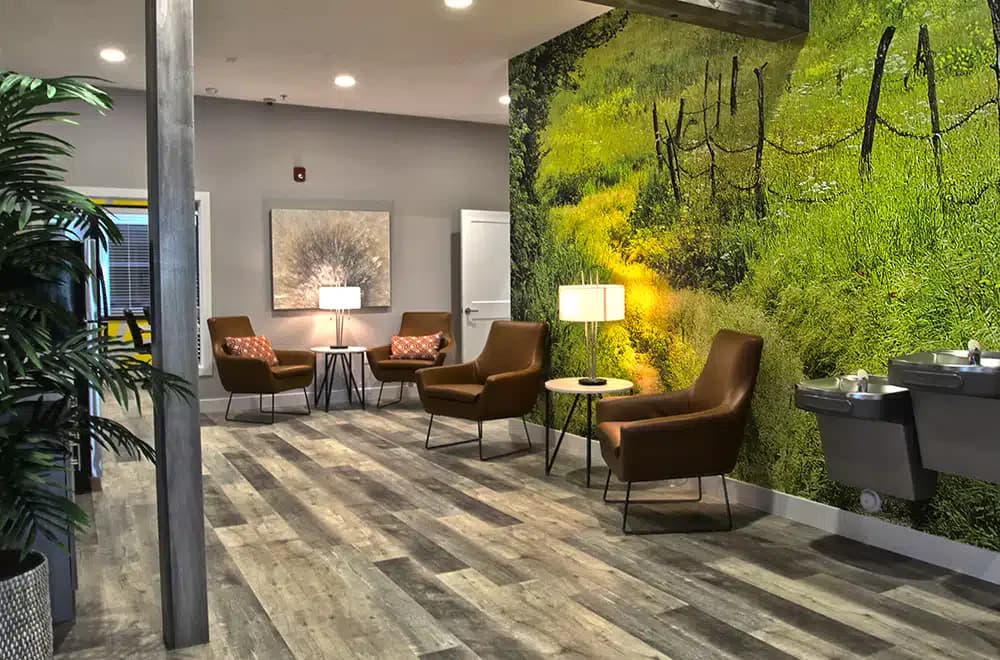
BRC Outpatient LLC in Salt Lake City, UT, delivers extensive support for individuals navigating addiction, requiring temporary housing, and dealing with concurrent mental health challenges. Their offerings include structured intensive outpatient care, day treatment programs, and partial hospitalization, all grounded in proven therapeutic methods like 12-step integration and concise counseling interventions. The facility also features specialized programs designed for adult men and women, and those affected by domestic or intimate partner abuse. Catering to adults and young adults across the gender spectrum, BRC Outpatient LLC provides personalized, high-quality care, establishing itself as a vital partner in recovery and personal restoration.
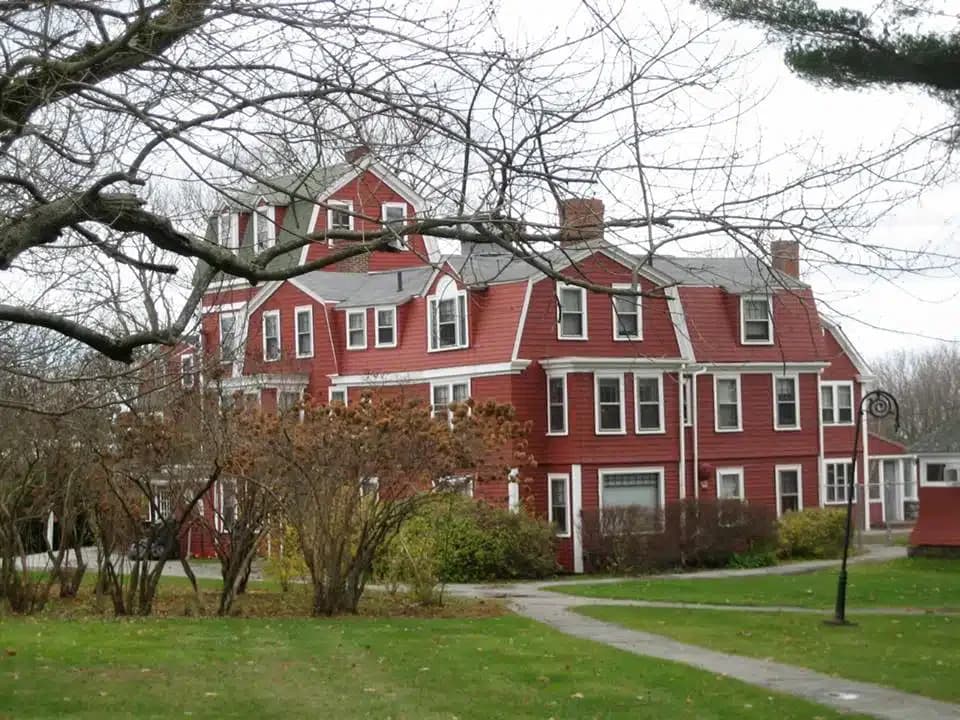
Situated in Georgetown, MA, Baldpate is a well-respected rehabilitation center that specializes in detoxification programs. This facility offers around-the-clock residential services for both adults and young adults of any gender. Emphasizing personalized care, Baldpate employs various methods such as 12-step facilitation, brief intervention, and cognitive behavioral therapy to effectively tackle addiction. The center is known for customizing treatment plans to meet each individual's unique requirements, ensuring thorough and tailored care. For those looking for a nurturing and professional setting to start their recovery journey, Baldpate in Georgetown is committed to delivering high-quality addiction treatment services.
Situated in Georgetown, MA, Baldpate stands out as a premier rehabilitation facility dedicated to providing targeted substance abuse treatment for adult and senior male clients. The center offers a range of extensive residential programs, featuring both 24-hour and short-term residential care. Baldpate utilizes a variety of therapeutic methods, including 12-step facilitation, brief intervention, and cognitive behavioral therapy, to effectively tackle addiction. With an emphasis on personalized care, the center customizes treatment strategies to align with each client's specific requirements. Renowned for its high standards of care, Baldpate is an excellent option for those in search of tailored, evidence-based addiction recovery in a nurturing atmosphere.
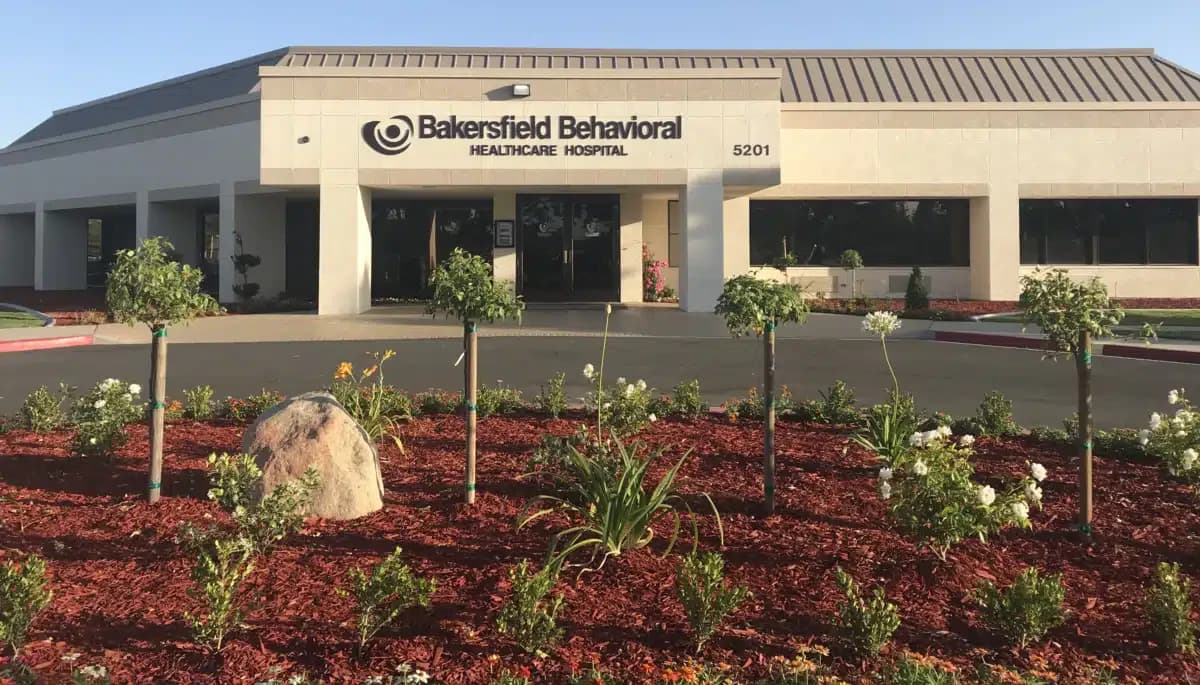
Bakersfield Behavioral Healthcare, located in Bakersfield, CA, provides extensive programs for addiction recovery for adults and adolescents. Their expertise includes detox services, treatment for substance abuse, and care for dual diagnoses. This center offers inpatient hospital treatment incorporating 12-step facilitation, anger management techniques, and brief intervention strategies. They feature specialized tracks for adult men, adult women, and individuals with trauma histories, ensuring personalized treatment plans. Their distinct approach to treating severe mental health conditions and emotional challenges serves both male and female patients. Bakersfield Behavioral Healthcare is devoted to delivering high-quality, empathetic support throughout the recovery journey.

Situated in Scottsdale, AZ, Banner Behavioral Health Hospital specializes in a wide range of addiction treatment options for both adults and children. This establishment offers inpatient detox services and addresses co-occurring substance use disorders alongside significant mental health challenges. Featuring programs designed for adolescents, adult males, and young adults, the center employs proven methods like 12-step support and cognitive behavioral therapy. Customized to fit the specific requirements of each individual, the offerings at Banner Behavioral Health Hospital provide effective care and assistance for clients of all genders pursuing recovery from addiction.

Banner University Medical Center, located in Phoenix, Arizona, provides an extensive array of outpatient detox and substance abuse recovery programs. This center is equipped to deliver targeted care for active military members, teenagers, adult males, as well as adults and seniors. Utilizing methods like cognitive behavioral therapy and brief interventions, the facility emphasizes personalized treatment tailored to meet individual needs. Additionally, it incorporates contingency management and motivational incentives to enhance the recovery process. The center is committed to fostering a welcoming and supportive atmosphere for all individuals, regardless of gender, who are pursuing addiction recovery services.
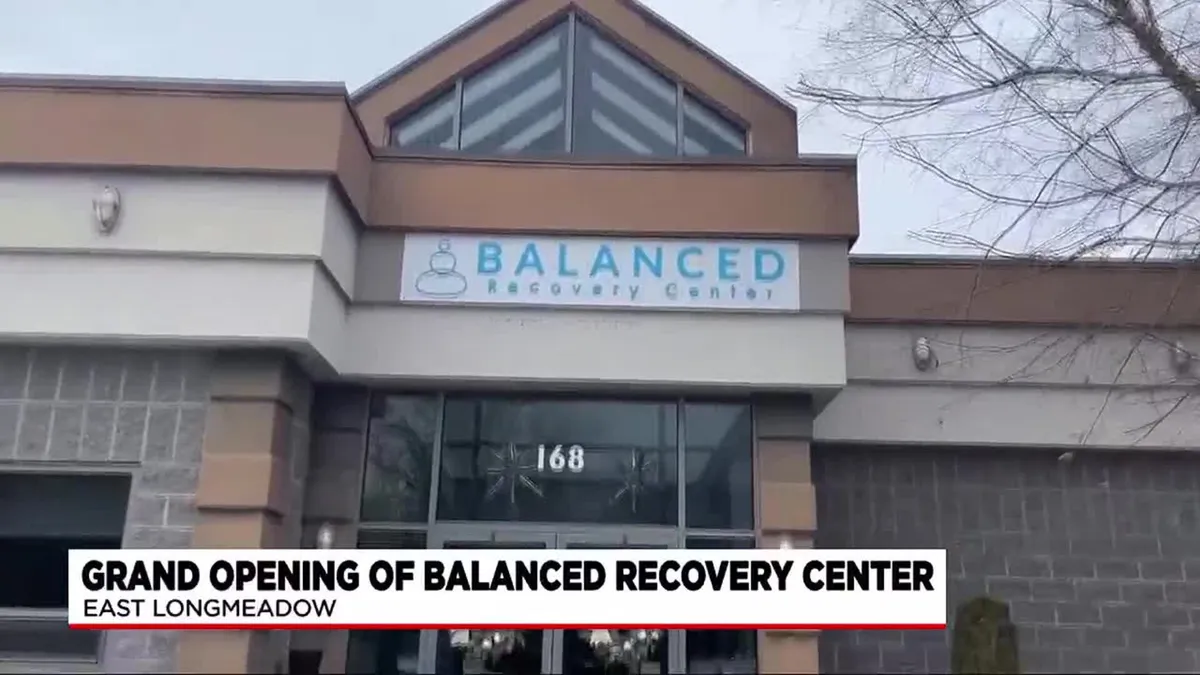
Day treatment, intensive outpatient, and regular outpatient care are offered at Balanced Recovery Center in East Longmeadow, Massachusetts, for substance use and co-occurring serious mental illness. Programs serve veterans, military families, pregnant women, and clients with trauma histories. Medicare, Medicaid, TRICARE, private insurance, and self-payment are accepted.
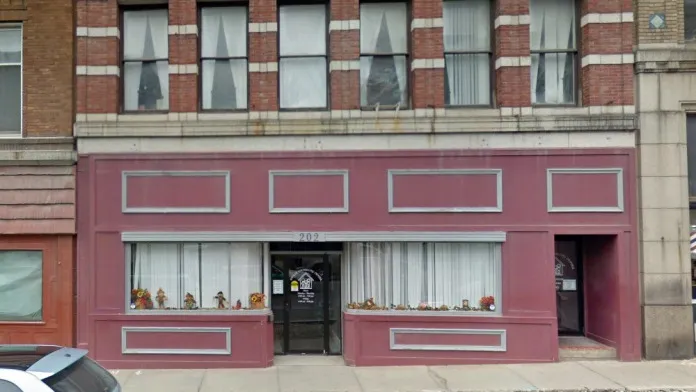
Bangor Counseling Center in Bangor, Maine, offers regular outpatient substance use treatment for adolescents as well as adults of all ages. Operated by New Life Mission, it accepts Medicare, Medicaid, TRICARE, and private insurance, with sign language services for deaf and hard-of-hearing clients.
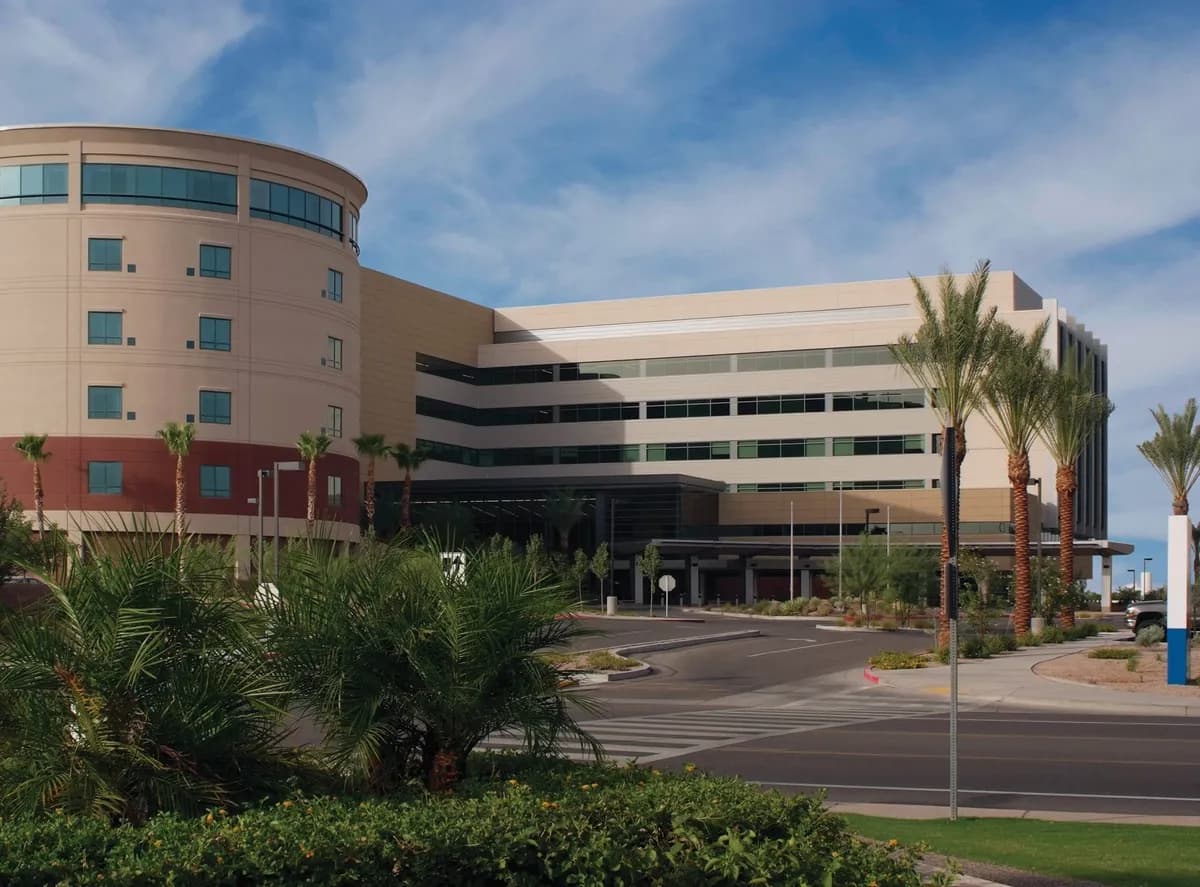
Part of the Del Webb hospital campus in Sun City West, Arizona, this program combines hospital inpatient treatment with an intensive outpatient track for substance use and co-occurring mental disorders in adults. Medicare, Medicaid, TRICARE, and private insurance are accepted, and sign language services are offered.
Situated in Phoenix, AZ, Banner University Medical Center delivers extensive rehabilitation services aimed at both adults and children dealing with substance use issues and related mental health challenges. The facility features specialized programs designed for active duty military personnel, teenagers, and adult males. It offers inpatient detoxification and treatment that incorporates evidence-based practices such as cognitive behavioral therapy and strategies for managing anger. Programs are customized to meet the unique needs of adults and seniors, regardless of gender, ensuring personalized support. With an emphasis on high-quality care and diverse treatment options, including round-the-clock inpatient services, the center stands out as an exceptional choice for individuals seeking dedicated and effective rehabilitation.

Situated in Rochester, NY, Baden Street Settlement stands out as a prominent rehabilitation center dedicated to helping adults and young adults overcome substance use issues. The center offers outpatient options, including treatments with methadone, buprenorphine, or naltrexone, ensuring that individuals receive customized support. Utilizing methods such as cognitive behavioral therapy, motivational interviewing, and strategies for relapse prevention, Baden Street Settlement prioritizes a personalized approach to recovery. With services available for both men and women, this facility fosters a nurturing atmosphere aimed at successfully guiding clients through their rehabilitation process. If you are seeking tailored care within a compassionate setting, Baden Street Settlement is here to assist you.
Situated in Chandler, AZ, Banner Behavioral Health Hospital specializes in rehabilitation services geared towards both adults and children. The facility features intensive outpatient and outpatient programs aimed at treating substance use issues and co-occurring conditions. With a foundation in evidence-based practices such as cognitive behavioral therapy and motivational interviewing, the center emphasizes personalized treatment. Tailored programs exist for adolescents and adult men to address their unique challenges, and therapy options are available, including anger management. Committed to providing high-quality care, Banner Behavioral Health Hospital is open to individuals of all genders on their journey to recovery and mental well-being.

Bad River Behavioral Health in Ashland, WI, provides regular outpatient substance use treatment with buprenorphine and naltrexone for children, adolescents, young adults, and seniors. Tribal ITU funds, Medicare, Medicaid, and SAMHSA block grants are accepted. Sign language services are available.
Outpatient detoxification and medication treatment with buprenorphine and naltrexone are provided at this Boston Medical Center program in Roxbury, Massachusetts. Services cover adults with co-occurring serious mental illness, veterans, military families, and forensic clients. Medicare, Medicaid, TRICARE, and SAMHSA block grant funding are accepted. Spanish and sign language services are available.
Badlands Human Service Center in Dickinson, ND, provides tailored recovery programs for adults with addiction and co-occurring mental health issues, as well as children facing emotional challenges. They offer intensive and standard outpatient services, including medication-assisted treatment with methadone/buprenorphine or naltrexone. Employing proven methods like brief intervention, cognitive behavioral therapy, and the Matrix Model, their personalized plans serve adults and seniors across all demographics, ensuring a thorough and individualized path to healing. This commitment to high-quality, personalized care positions the center as a key provider of impactful and empathetic addiction treatment.
Bailey House Inc, located in New York, NY, provides outpatient treatment services for adults dealing with substance use issues alongside significant mental health disorders. The center also supports children grappling with emotional challenges. With a focus on methods such as cognitive behavioral therapy, motivational interviewing, and counseling for substance use disorders, Bailey House Inc offers consistent outpatient services, including treatment options involving methadone/buprenorphine or naltrexone. The facility features specialized programs designed for both adult men and women, as well as individuals who have faced domestic or intimate partner violence. Catering to adults and young adults across various genders, Bailey House Inc is dedicated to delivering personalized, high-quality addiction treatment in a nurturing and supportive atmosphere.
Situated in Baltimore, MD, Baltimore Crisis Response Inc delivers extensive addiction rehabilitation services for both adults and young adults. This center features long-term residential options, detoxification services, and around-the-clock residential support. It employs various methodologies, including 12-step principles, cognitive behavioral therapy, and brief intervention techniques, to effectively address substance use disorders alongside co-occurring mental health issues. Specialized programs are available for adult men and women, as well as for clients who have faced intimate partner or domestic violence. Committed to offering high-quality care and personalized treatment plans, Baltimore Crisis Response Inc aims to guide clients toward successful recovery.
Situated in Baltimore, MD, Baltimore Crisis Response Inc delivers an extensive array of services for individuals facing challenges related to substance use and concurrent mental health issues. This center features long-term residential care, detoxification services, and around-the-clock residential treatment programs, employing proven methodologies such as 12-step facilitation and cognitive behavioral therapy. Emphasizing personalized care, the facility includes specialized programs for adult men and women, alongside those who have gone through intimate partner violence. Catering to adults and young adults of all genders, Baltimore Crisis Response Inc is committed to offering high-quality support and care for individuals striving for recovery.
Alcohol Use Disorder (AUD): Key Facts
Classification
Substance Use Disorder (AUD)
Prevalence
28.3 million adults in the US (NIAAA)
Mortality
140,000+ alcohol-related deaths/year in the US
Withdrawal risk
Can be fatal — medical detox required
Treatment success
40-60% maintain long-term sobriety
Treatment duration
30-90 days inpatient; 3-12 months outpatient
FDA-approved medications
Naltrexone, Acamprosate, Disulfiram
Insurance
Covered under ACA and Mental Health Parity Act
What Is Alcohol Use Disorder (AUD)?
DSM-5 definition
Alcohol Use Disorder (AUD) is a chronic medical condition defined by the Diagnostic and Statistical Manual of Mental Disorders (DSM-5) as a problematic pattern of alcohol use leading to clinically significant impairment or distress. The DSM-5 identifies 11 diagnostic criteria, and the severity of AUD is classified based on how many criteria a person meets: mild (2-3 criteria), moderate (4-5 criteria), or severe (6 or more criteria).
The 11 DSM-5 criteria
The criteria include drinking more or longer than intended, unsuccessful efforts to cut down, spending excessive time obtaining or recovering from alcohol, craving alcohol, failing to fulfill major obligations, continued use despite social problems, giving up important activities, using alcohol in hazardous situations, continued use despite physical or psychological problems, developing tolerance, and experiencing withdrawal symptoms. A healthcare professional can conduct a formal assessment to determine whether AUD is present.
AUD is a medical condition, not a moral failing
Modern neuroscience has established that AUD is a chronic brain disorder involving changes to brain circuits related to reward, stress, and self-control. These changes can persist long after a person stops drinking, which is why willpower alone is rarely sufficient for sustained recovery. Like diabetes or hypertension, AUD responds best to evidence-based medical treatment combined with behavioral support and lifestyle changes.
Signs and Symptoms of Alcohol Addiction
Behavioral signs
- Drinking alone or in secret
- Making excuses to drink or hiding alcohol
- Neglecting responsibilities at work, school, or home
- Losing interest in hobbies or social activities
- Continuing to drink despite relationship problems
- Frequent blackouts or memory gaps
Physical signs
- Needing more alcohol to feel the same effects (tolerance)
- Tremors, sweating, or nausea when not drinking
- Unexplained weight loss or poor nutrition
- Redness in the face, broken capillaries
- Liver problems (jaundice, swelling)
- Insomnia or disrupted sleep patterns
The Alcohol Withdrawal Timeline
Alcohol withdrawal is a potentially life-threatening medical emergency. The timeline and severity depend on the duration and intensity of alcohol use, but the general progression follows a predictable pattern. Medical supervision is strongly recommended for anyone with a history of heavy or prolonged drinking.
6-12 hours
Mild symptoms: anxiety, insomnia, nausea, tremors, sweating, headache, heart palpitations
12-24 hours
Moderate symptoms: visual/auditory hallucinations, increased blood pressure and heart rate, confusion
24-48 hours
Peak risk: withdrawal seizures (tonic-clonic), dangerous blood pressure spikes, severe agitation
48-96 hours
Risk of delirium tremens (DTs): severe confusion, hallucinations, fever, seizures — fatal without treatment
Post-acute withdrawal symptoms (PAWS) — including anxiety, irritability, sleep disturbances, and cravings — may persist for weeks to months after acute withdrawal resolves. Ongoing medical support and therapy help manage these symptoms and reduce relapse risk.
Warning: Alcohol Withdrawal Can Be Fatal
Unlike most other substances, alcohol withdrawal can cause life-threatening complications including seizures and delirium tremens (DTs). Do NOT attempt to quit heavy drinking abruptly without medical supervision. If you or someone you know is experiencing withdrawal symptoms, seek emergency medical care immediately.
SAMHSA National Helpline: 1-800-662-4357 (free, confidential, 24/7)
Alcohol Detox: CIWA-Ar Protocol & Medical Withdrawal Management
Alcohol detox is the medically supervised process of clearing alcohol from the body and managing withdrawal symptoms safely. For anyone physically dependent on alcohol — especially heavy daily drinkers — medical detox is not optional. Unsupervised withdrawal carries a 5-15% mortality risk from seizures and delirium tremens; medical detox reduces that to under 2%.
Clinicians use the CIWA-Ar scale (Clinical Institute Withdrawal Assessment for Alcohol, revised) every 1-4 hours to measure withdrawal severity across 10 symptom categories. Scores guide benzodiazepine dosing — typically lorazepam or chlordiazepoxide — under either symptom-triggered or fixed-schedule protocols. Thiamine, folate, and multivitamins are administered to prevent Wernicke-Korsakoff encephalopathy. IV fluids correct dehydration and electrolyte imbalances.
Length: 3-7 days for typical cases; up to 10-14 days for severe withdrawal with prior DT history. Setting: hospital-based inpatient detox (highest acuity), residential detox facilities, or ambulatory/outpatient detox for lower-risk patients with strong social support. The American Society of Addiction Medicine (ASAM) Level of Care criteria guide setting selection based on CIWA score, vital signs, and comorbidities.
Detox alone is not treatment. Without follow-on behavioral therapy and MAT, relapse rates exceed 80% within 90 days (NIAAA). Quality detox programs include warm-handoff discharge planning to residential treatment, IOP, or MAT-supported outpatient care.
Types of Alcohol Rehab Programs
Inpatient / residential treatment
Residential treatment programs provide 24/7 structured care in a live-in facility. Programs typically last 30-90 days and include individual therapy, group counseling, medication management, life skills training, and relapse prevention education. Inpatient care is recommended for individuals with severe AUD, co-occurring mental health disorders, or unstable home environments.
Intensive Outpatient Programs (IOP)
Intensive outpatient programs offer 9-20 hours of structured treatment per week while allowing patients to live at home and maintain work or school schedules. IOPs include group therapy, individual counseling, and skill-building sessions. They serve as a step-down from residential care or as primary treatment for moderate AUD.
Standard outpatient treatment
Outpatient treatment involves 1-2 therapy sessions per week and is appropriate for individuals with mild AUD or those transitioning from more intensive levels of care. Outpatient programs focus on relapse prevention, behavioral therapy, and building a sustainable recovery lifestyle over a period of 3-12 months.
Sober living homes
Sober living provides a structured, substance-free living environment for individuals transitioning from inpatient treatment back to independent life. Residents follow house rules (drug testing, curfews, chore participation) and attend outside treatment or support groups. Sober living bridges the gap between intensive treatment and full independence, reducing early relapse risk.
Evidence-Based Treatment Approaches
Cognitive Behavioral Therapy (CBT)
Cognitive Behavioral Therapy (CBT) is one of the most extensively researched treatments for AUD. CBT helps individuals identify the thoughts, feelings, and situations that trigger drinking, and develop healthier coping strategies. Studies show that CBT reduces drinking frequency and quantity, and its effects persist well beyond the end of treatment.
Medication-Assisted Treatment (MAT) for Alcohol
Medication-Assisted Treatment combines FDA-approved medications with behavioral therapy to treat AUD. Three medications are approved for alcohol addiction — each works through a different mechanism. The table below summarizes the differences:
| Medication | Mechanism | Form | Frequency | Best for | Key caution |
|---|---|---|---|---|---|
| Naltrexone (Revia, Vivitrol) | Opioid antagonist — blocks alcohol-triggered dopamine reward | Oral tablet (50 mg) or monthly IM injection (Vivitrol 380 mg) | Daily oral / monthly Vivitrol | Reducing heavy drinking & craving; concurrent opioid use disorder | Must be opioid-free 7-14 days before starting; LFT monitoring |
| Acamprosate (Campral) | Modulates GABA / glutamate — restores brain chemistry after detox | Oral tablet (333 mg) | 3× daily (2 tablets) | Maintaining abstinence post-detox; no liver concerns | Renal dosing adjustment; works best when started during detox |
| Disulfiram (Antabuse) | Inhibits aldehyde dehydrogenase — toxic reaction if alcohol consumed | Oral tablet (250-500 mg) | Daily | Highly motivated patients; deterrence strategy | Severe reaction if alcohol consumed (flushing, nausea, hypotension); cardiac contraindications |
A 2014 JAMA meta-analysis found acamprosate and naltrexone each reduce return to any drinking by ~10% absolute. Combination therapy (MAT + CBT or 12-step) outperforms either alone. Despite this evidence, fewer than 9% of US adults with AUD receive any MAT (NIAAA) — a major treatment gap.
12-Step Programs
12-step programs such as Alcoholics Anonymous (AA) provide peer-based support through a structured recovery framework. Research published in the Cochrane Database of Systematic Reviews found that AA and other 12-step facilitation programs are as effective as CBT in producing sustained abstinence, and may be superior in promoting long-term continuous sobriety. These programs are free and widely available.
Motivational Interviewing (MI)
Motivational Interviewing is a client-centered counseling approach designed to strengthen a person's own motivation and commitment to change. MI is particularly effective in the early stages of treatment, helping individuals who may be ambivalent about quitting alcohol to recognize the discrepancy between their current behavior and their goals. MI is often used alongside other treatment modalities.
Family Therapy
Alcohol addiction affects the entire family system. Family therapy approaches — including Behavioral Couples Therapy and the Community Reinforcement and Family Training (CRAFT) model — help repair damaged relationships, improve communication, and create a home environment that supports recovery. Research shows that involving family members in treatment improves outcomes and reduces relapse rates.
Medications for Alcohol Addiction
Naltrexone
Naltrexone is an opioid antagonist that blocks the euphoric and reinforcing effects of alcohol by binding to opioid receptors in the brain. Available as a daily oral tablet (ReVia) or a monthly injection (Vivitrol), naltrexone reduces heavy drinking days by approximately 25% compared to placebo. It does not cause illness if a person drinks, but it significantly reduces the pleasurable effects of alcohol, helping to break the reward cycle.
Acamprosate (Campral)
Acamprosate works by restoring the balance of neurotransmitters (particularly glutamate and GABA) that are disrupted by chronic alcohol use. It helps reduce the protracted withdrawal symptoms — anxiety, insomnia, restlessness, and dysphoria — that often trigger relapse in early recovery. Acamprosate is most effective when started after detox is complete and is taken three times daily.
Disulfiram (Antabuse)
Disulfiram works through aversion therapy: it blocks the enzyme aldehyde dehydrogenase, causing intensely unpleasant symptoms (nausea, vomiting, flushing, headache, rapid heartbeat) if a person consumes any alcohol. The knowledge that drinking will cause illness serves as a powerful deterrent. Disulfiram is most effective for highly motivated individuals and in supervised administration settings.
How To Choose the Right Alcohol Rehab Center
Evidence-based treatment
Look for programs that use proven approaches like CBT, MAT, and 12-step facilitation rather than unproven methods.
Medical detox available
For moderate to severe AUD, the facility should offer medically supervised detox with 24/7 nursing and physician oversight.
Multiple levels of care
The best programs offer a continuum from detox through residential, IOP, and outpatient so you can step down as you progress.
Dual diagnosis treatment
Depression, anxiety, and PTSD commonly co-occur with AUD. The program should treat both conditions simultaneously.
Verify insurance coverage
Alcohol rehab is covered under most plans thanks to the ACA. Ask the center to verify your benefits before admission.
Check accreditation
Look for CARF or Joint Commission accreditation, licensed counselors, and board-certified addiction medicine physicians.
Related Treatment Approaches and Levels of Care
Frequently Asked Questions About Alcohol Rehab
What is alcohol rehab and how does it work?
Alcohol rehab is a comprehensive treatment program designed to help individuals overcome alcohol use disorder. It typically begins with medical detoxification to safely manage withdrawal symptoms, followed by therapy (individual and group counseling), behavioral interventions, and aftercare planning. Treatment can be provided in inpatient or outpatient settings depending on the severity of addiction.
How long does alcohol rehab treatment last?
Treatment duration varies based on individual needs. Typical programs range from 30 days to 90 days for residential treatment, though some individuals benefit from longer-term care. Outpatient programs may last several months to a year. Research shows that longer treatment durations generally lead to better outcomes and lower relapse rates.
Is medical detox necessary for alcohol addiction?
Medical detox is strongly recommended for alcohol addiction, especially for heavy or long-term drinkers. Alcohol withdrawal can be dangerous and even life-threatening, potentially causing seizures, delirium tremens (DTs), and other serious complications. Medical supervision ensures safety through monitoring, medications to ease symptoms, and immediate intervention if complications arise.
What types of therapy are used in alcohol rehab?
Evidence-based therapies include Cognitive Behavioral Therapy (CBT), which helps identify and change negative thought patterns; Motivational Interviewing to build commitment to recovery; group therapy for peer support; family therapy to heal relationships; and 12-step facilitation. Many programs also incorporate holistic approaches like mindfulness, art therapy, and exercise.
Does insurance cover alcohol rehab treatment?
Most health insurance plans cover alcohol addiction treatment to some degree, thanks to the Affordable Care Act and Mental Health Parity Act. Coverage varies by plan and may include inpatient, outpatient, detox, and therapy services. Contact your insurance provider or the treatment center's admissions team to verify your specific coverage and out-of-pocket costs.
What is the success rate of alcohol rehab?
Success rates vary depending on individual factors, program quality, and commitment to recovery. Studies show that about 40-60% of people who complete treatment maintain sobriety long-term. Success improves with longer treatment duration, strong aftercare support, ongoing therapy, and participation in support groups. Remember that recovery is a lifelong journey, and even temporary setbacks don't mean failure.
What is the CAGE questionnaire?
The CAGE questionnaire is a widely used screening tool for alcohol problems. It consists of four questions: Have you ever felt you should Cut down on your drinking? Have people Annoyed you by criticizing your drinking? Have you ever felt Guilty about your drinking? Have you ever had a drink first thing in the morning (Eye-opener) to steady your nerves or get rid of a hangover? Two or more "yes" answers suggest a high likelihood of alcohol use disorder and warrant further evaluation.
Can you die from alcohol withdrawal?
Yes, alcohol withdrawal can be fatal. Unlike withdrawal from most other substances, alcohol withdrawal carries a significant risk of life-threatening complications including grand mal seizures, delirium tremens (DTs), and cardiovascular collapse. The mortality rate for untreated delirium tremens is estimated at 15-40%. This is why medical detox under professional supervision is critical for anyone physically dependent on alcohol. Never attempt to quit heavy drinking cold turkey without medical guidance.
Medical Review and Sources
Trusted Resources
Substance Abuse and Mental Health Services Administration
Federal agency providing information, resources, and treatment locator for substance abuse and mental health.
Helpline: 1-800-662-4357
National Institute on Drug Abuse
NIH institute advancing science on drug use and addiction causes, consequences, and treatment.
National Institute on Alcohol Abuse and Alcoholism
NIH institute supporting research on alcohol's impact on health and providing treatment resources.
Need Help Finding Alcohol Rehab?
Speak with a compassionate specialist who can help you find the right detox, residential, or outpatient program for alcohol addiction — 100% free and confidential, available 24/7.
Browse alcohol addiction programs in states with the most treatment options.
Related conditions, treatment approaches, and levels of care.