
Anxiety & Addiction Treatment Centers Near You
Anxiety disorders and substance use disorders often occur together, each exacerbating the other. Discover treatment centers specializing in co-occurring disorder care with integrated mental health and addiction treatment.
Found 9,213 rehab centers specializing in anxiety disorders across the United States.
Need Help Finding the Right Treatment Center?
Speak with a compassionate specialist now - 100% free & confidential
Find Dual Diagnosis Treatment Centers for Anxiety and Addiction
Browse dual diagnosis treatment centers for anxiety and addiction below. Filter by therapy type, insurance, and level of care.
Showing 20 of 9213 results

Avenues Recovery Center at Louisville, located in Clarksville, IN, delivers extensive addiction recovery services for adults and adolescents. This establishment offers detoxification, comprehensive substance use therapy, and tailored support for individuals facing dual diagnoses of mental health conditions and substance use disorders in children. Recovery modalities encompass intensive outpatient care, extended residential stays, and standard outpatient services. The center employs scientifically validated treatment strategies, including 12-step integration, emotional regulation techniques, and concise therapeutic interventions. Featuring distinct programs designed for adult men, adult women, and those with a history of trauma, the center addresses a broad spectrum of client requirements. Avenues Recovery Center at Louisville is committed to providing superior assistance to those on their journey to sobriety.
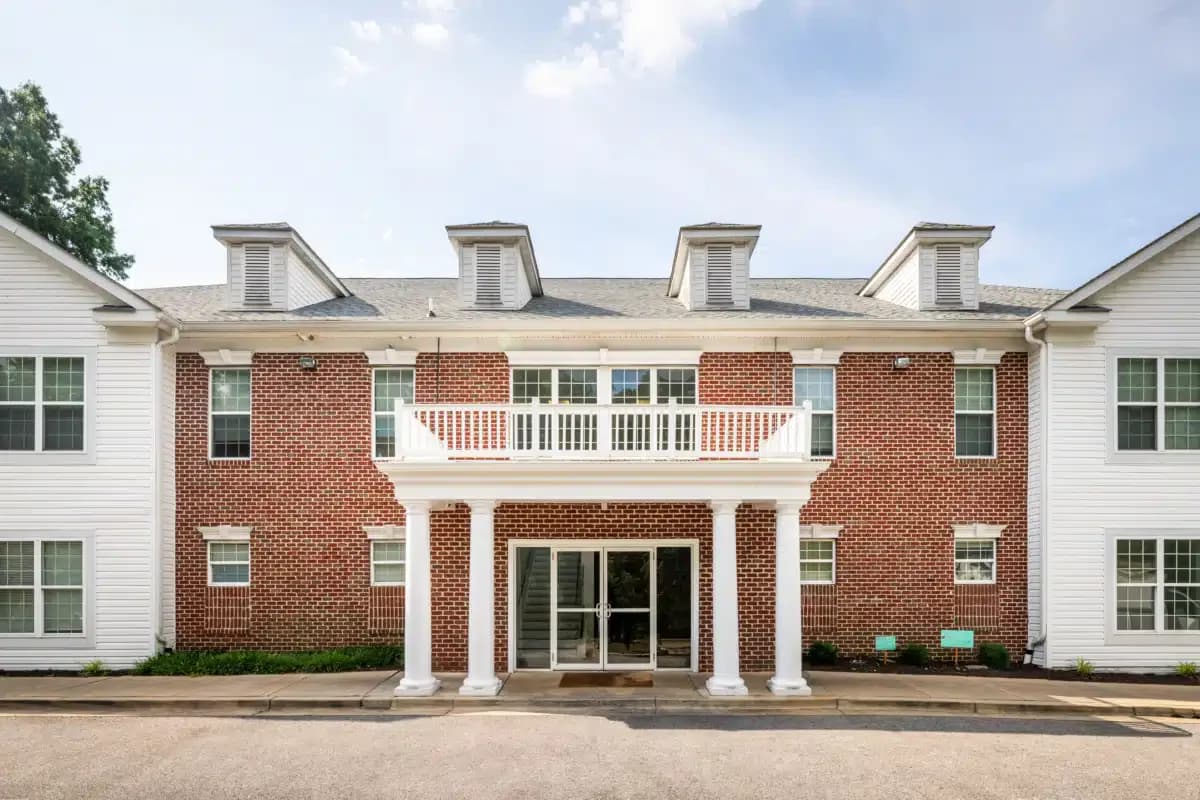
Avenues Recovery Center at Maryland, located in Prince Frederick, MD, provides an extensive array of addiction rehabilitation services for both adults and young adults. The center specializes in detoxification, treatment for substance use disorders, and dedicated support for those facing both substance use challenges and significant mental health issues or emotional difficulties. Offering a variety of treatment options, including intensive outpatient services, long-term residential care, and standard outpatient programs, the facility addresses a wide spectrum of needs. It employs methods like 12-step support, anger management techniques, and quick interventions, creating individualized treatment plans for each client. Additionally, there are specialized programs tailored for adult men, adult women, and individuals with trauma histories. Avenues Recovery Center at Maryland is committed to providing effective care and guidance for those striving to overcome addiction.

Avenues Recovery Center at New England, located in Concord, NH, provides a full range of treatment options for substance use disorders alongside specialized support for individuals facing concurrent mental health issues. The center offers various programs including intensive outpatient care, outpatient day services, and partial hospitalization to suit diverse needs. Emphasizing 12-step approach, anger management, and brief interventions, Avenues customizes treatment strategies for each person. Programs are designed specifically for adult men, adult women, and those affected by trauma. Catering to adults and young adults of all genders, this facility is dedicated to delivering effective care and guidance for individuals pursuing recovery from addiction and mental health difficulties.

Avenues Recovery Center at New Orleans, located in Metairie, LA, provides an extensive selection of services for addiction treatment. The facility specializes in detox services, substance use rehabilitation, and tailored support for individuals facing both substance use disorders and significant mental health challenges in adults, as well as emotional issues in children. Offering treatment options like intensive outpatient care, long-term residential support, and outpatient services, this center serves individuals of all genders, including both adults and young adults. Avenues Recovery Center at New Orleans utilizes a variety of methods such as 12-step programs, anger management strategies, and brief intervention techniques to ensure each person receives customized care. Additionally, the center features distinct programs for adult men, women, and individuals who have experienced trauma, highlighting its commitment to fostering a nurturing recovery environment.

Avery Lane for Women, situated in Novato, CA, provides focused addiction recovery services for adult women, particularly those facing concurrent significant mental health challenges. The facility features a variety of outpatient options, such as intensive outpatient programs and partial hospitalization. Emphasizing 12-step principles, emotional regulation strategies, and cognitive behavioral techniques, this establishment customizes care to individual requirements. Distinctive offerings for active service members, women, and survivors of domestic abuse distinguish this center. Catering to adults, older adults, and younger adults, Avery Lane for Women delivers excellent care within a nurturing, gender-exclusive setting.

Aviary Recovery Center, situated in Eolia, MO, delivers extensive addiction care. Services include detox, substance abuse treatment, and supportive living environments like sober living homes and halfway houses. Patients can select from various treatment modalities such as intensive outpatient, extended residential stays, and standard outpatient plans, allowing for a personalized recovery path. The center focuses on 12-step principles, emotional regulation skills, and cognitive behavioral approaches. Specialized care is available for individuals facing dual diagnoses of mental health and substance use issues, as well as those managing pain alongside addiction. Aviary Recovery Center supports adults, older adults, and young adults across all genders, offering equitable and effective support for those pursuing recovery.
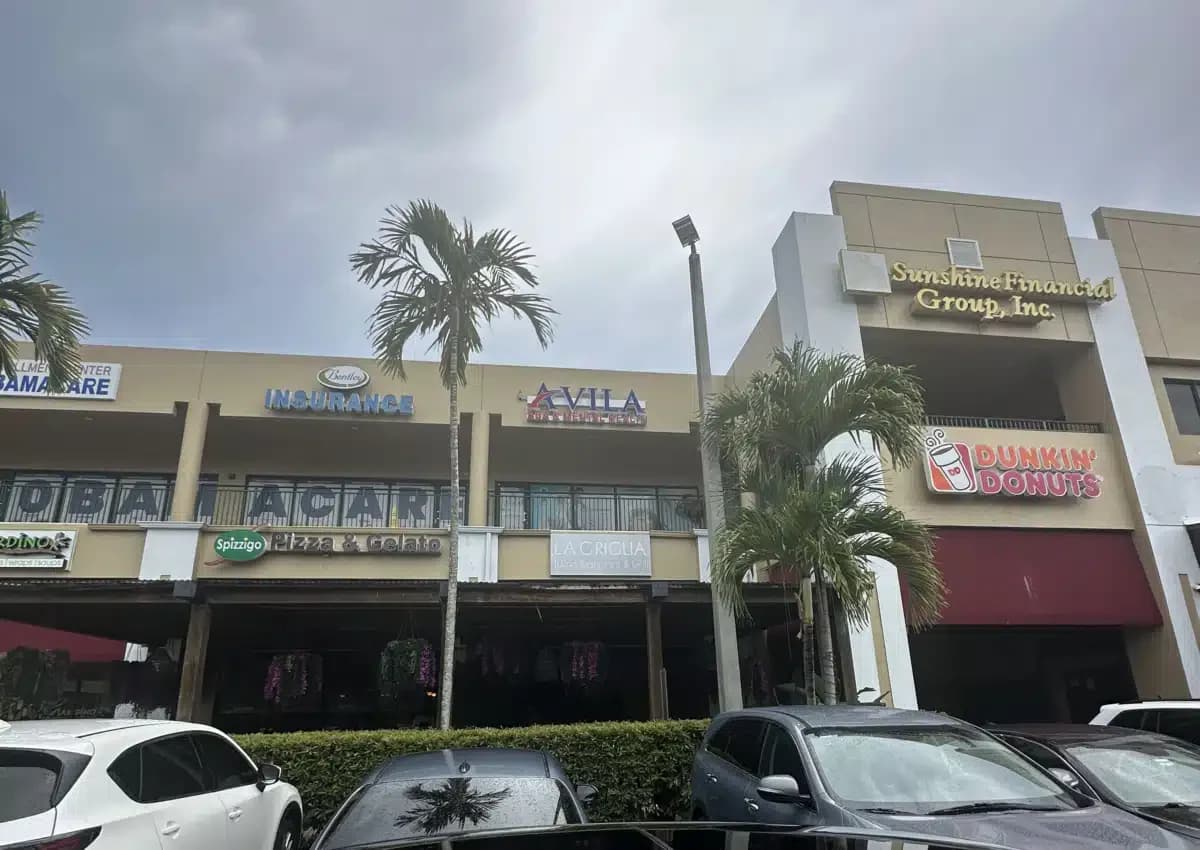
Avila Health Group in Miami, FL, is dedicated to providing expert outpatient services for individuals grappling with substance abuse and concurrent severe mental health conditions in adults, as well as emotional challenges in youth. Their therapeutic approach emphasizes anger management, brief intervention strategies, and cognitive behavioral therapy, ensuring personalized treatment plans for active military personnel, teenagers, and adult men. Catering to both boys and girls within the youth demographic, this institution delivers exceptional, research-supported care through various program structures including outpatient, day treatment, and partial hospitalization. For those in search of thorough addiction recovery services that also prioritize robust mental health assistance, Avila Health Group stands as a reliable option.
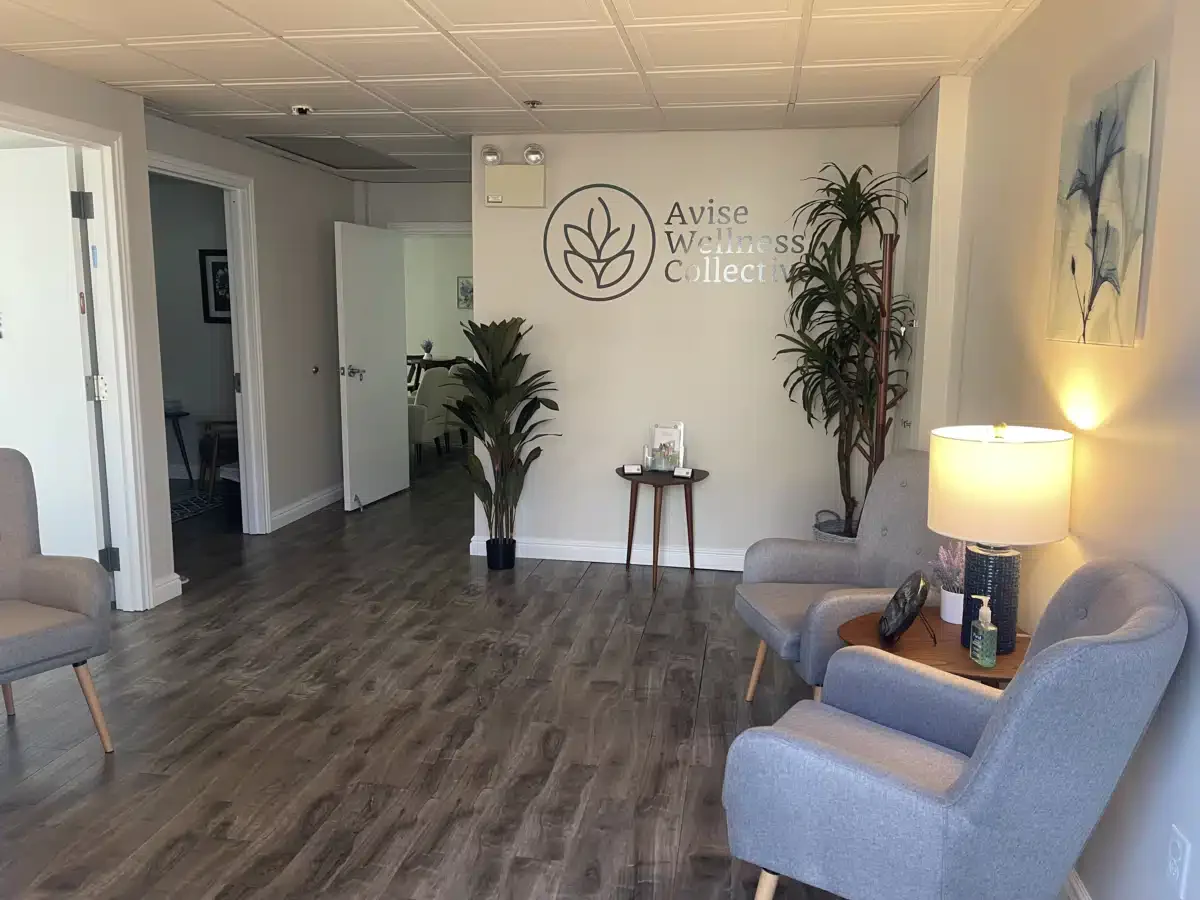
Nestled in Newtown, PA, Avise Wellness Collective delivers complete substance abuse rehabilitation for adults, alongside dedicated support for dual-diagnosis issues affecting adults and youngsters. The center features diverse therapeutic approaches such as intensive outpatient, standard outpatient, and partial hospitalization programs. Emphasizing 12-step program integration, anger regulation techniques, and brief intervention strategies, Avise Wellness Collective welcomes adult men, women, and trauma survivors. Serving adults and adolescents across all gender identities, this establishment prioritizes excellent care customized to every person's distinct requirements, positioning it as a premier destination for effective and empathetic recovery solutions.
Aviary Recovery Center, located in Saint Louis, MO, delivers focused substance abuse treatment for adults, concurrently addressing serious mental health concerns in adults and emotional challenges in children. This establishment offers intensive outpatient, standard outpatient, and day treatment programs, employing proven methods including 12-step facilitation, anger management, and cognitive behavioral therapy. Aviary's services are customized for active duty military, adult men, and individuals with a background of sexual abuse, reflecting its commitment to varied requirements. Catering to adults and young adults of all genders, the center prioritizes thorough, high-quality care to guide individuals toward healing.
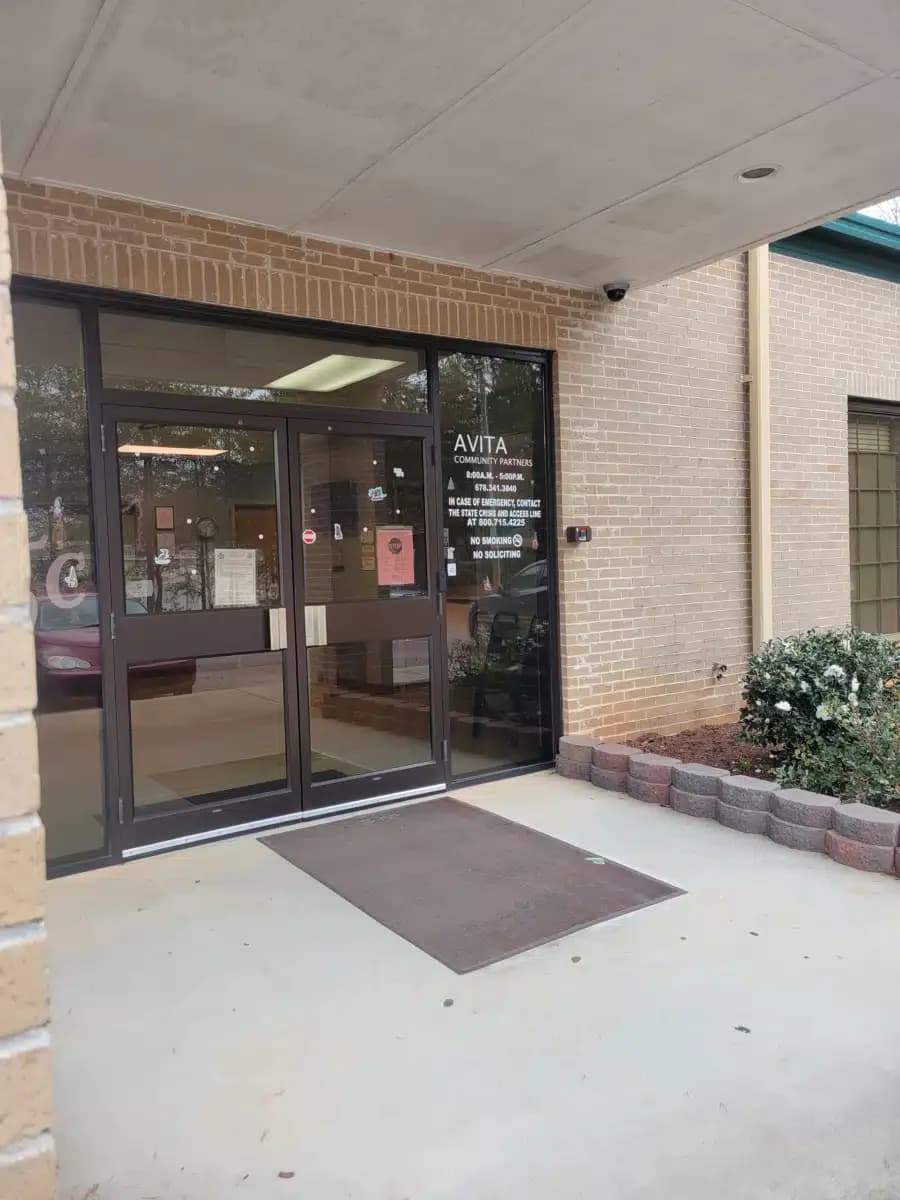
Avita Community Partners in Cumming, GA, provides outpatient therapeutic services for adults facing co-occurring substance use and serious mental health challenges, as well as for children with significant emotional disturbances. The center employs standard outpatient treatment methodologies, including techniques like anger management, brief intervention strategies, and cognitive behavioral therapy. They also offer targeted programs for teenagers, adult women, and survivors of domestic abuse, demonstrating a commitment to varied client requirements. Serving a broad demographic of adults and children of both genders, Avita Community Partners is recognized for its high standard of care and customized recovery plans, acting as a vital resource for individuals in pursuit of complete recovery.

Avenues Recovery Center at Norfolk in Norfolk, Virginia, covers residential detoxification, long-term and short-term residential care, partial hospitalization, intensive outpatient, and regular outpatient treatment. Buprenorphine and naltrexone are used, and adults with co-occurring disorders are served. Medicaid and TRICARE are accepted, with a sliding fee scale based on income.
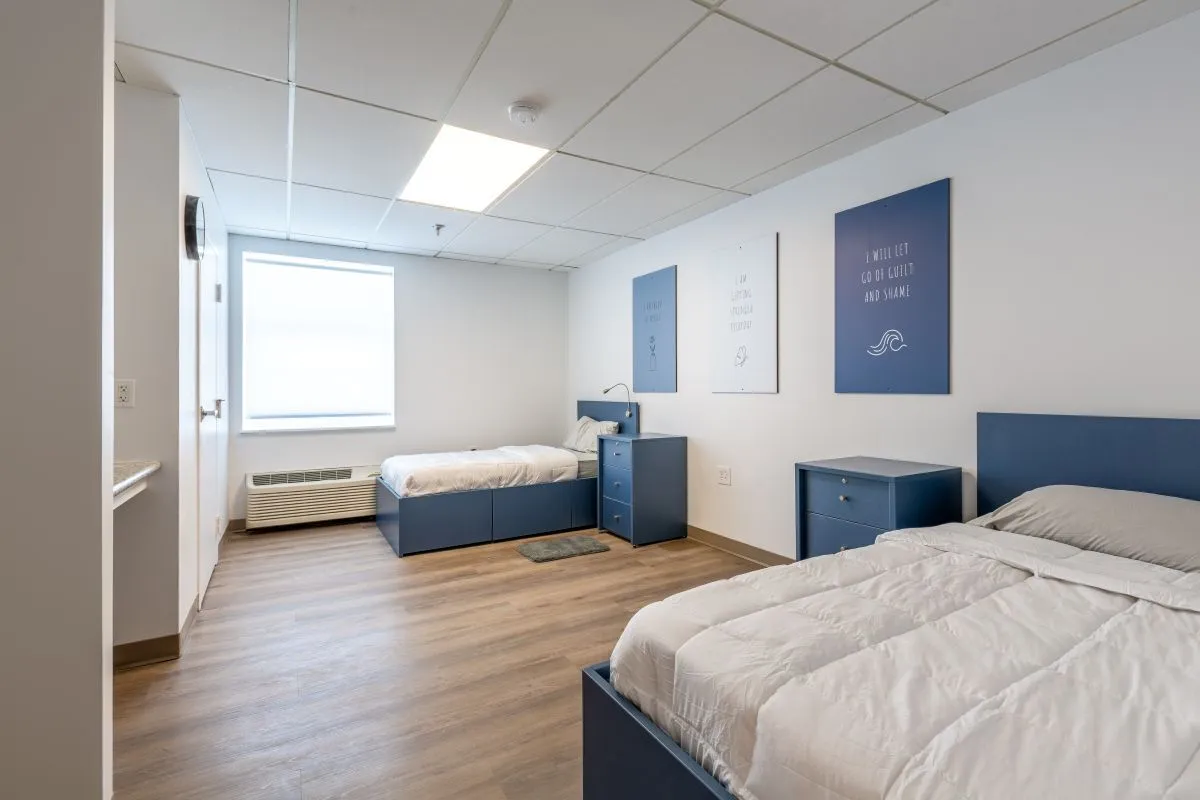
Avenues Recovery Center at Richmond, Virginia, offers residential detoxification and short- and long-term residential treatment for substance use and co-occurring mental health disorders, using buprenorphine and naltrexone. The program serves young adults through seniors, including trauma survivors. Medicaid, TRICARE, private insurance, and a sliding fee scale are accepted.

Avita Hope in Jersey City, New Jersey provides intensive and regular outpatient substance use treatment with buprenorphine and naltrexone, including programs for criminal justice clients and people with co-occurring disorders. Medicaid is accepted and a sliding fee scale based on income is available.
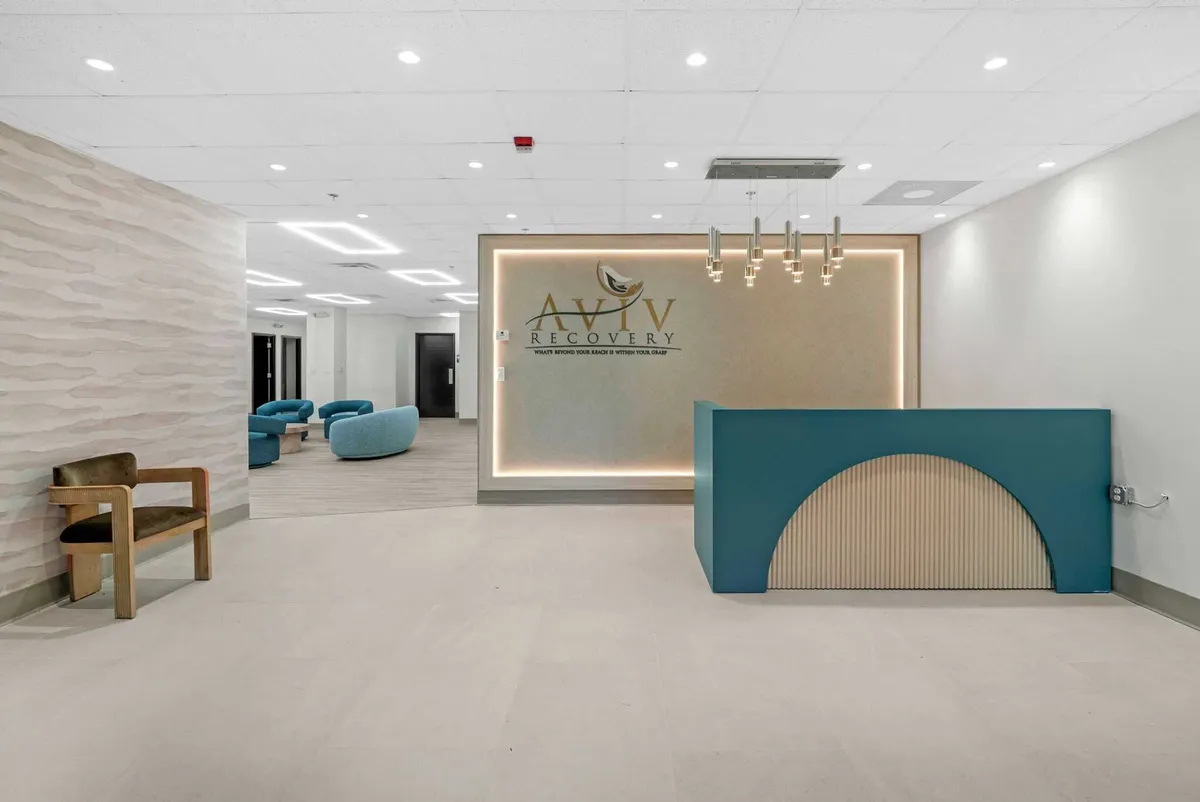
This Virginia Beach, Virginia provider offers outpatient and intensive outpatient treatment for substance use and co-occurring serious mental illness in adults, with buprenorphine and naltrexone available for opioid use disorder. Special programs serve veterans, active duty military, pregnant and postpartum women, forensic clients, and trauma survivors. Medicaid, TRICARE, private insurance, and self-payment are accepted.

In Minneapolis, MN, Avivo delivers a complete suite of services for substance use disorder, transitional housing, and targeted support for those with co-occurring mental health concerns. The facility offers intensive outpatient, outpatient, and standard outpatient treatment modalities, employing proven methods such as cognitive behavioral therapy and contingency management. Avivo serves a diverse population, encompassing active duty military, adult men, adult women, and young adults. Emphasizing anger management and motivational incentives, this institution guarantees excellent care for individuals pursuing recovery from addiction and mental health issues.
Avita Community Partners located in Dawsonville, GA, provides outpatient treatment for adults dealing with substance use issues alongside serious mental health conditions, as well as support for children facing significant emotional challenges. The center emphasizes techniques like anger management, brief intervention, and cognitive behavioral therapy, offering dedicated outpatient programs designed specifically for adolescents, adult women, and individuals affected by intimate partner or domestic violence. Avita Community Partners caters to both men and women, ensuring personalized, high-quality care for adults and children pursuing thorough rehabilitation in a nurturing atmosphere.
Avita Community Partners located in Hartwell, GA, provides extensive outpatient services for substance use issues among both adults and children, including individuals facing dual mental health challenges. The center emphasizes techniques in anger management, brief interventions, and cognitive behavioral therapy, delivering personalized care for adult men and women, along with those who have undergone traumatic experiences. By focusing on personalized treatment plans, Avita Community Partners guarantees a high standard of care for every client. Catering to male and female patients alike, this facility is committed to fostering recovery and supporting individuals in their journey toward overcoming addiction and mental health difficulties.
Situated in Demorest, GA, Avita Community Partners is a leading rehabilitation facility that provides outpatient treatment for substance use disorders and co-occurring conditions for both adults and children. The center offers specialized services in areas such as anger management, brief interventions, and cognitive behavioral therapy. With customized programs designed for adult men, women, and those who have faced traumatic experiences, Avita Community Partners delivers extensive support to a wide variety of clients. The emphasis on high-quality care and personalized strategies ensures that every individual receives the necessary assistance to foster enduring recovery. Focusing on gender-specific and trauma-informed practices, this center is committed to empowering clients to establish a solid basis for long-term health and wellness.
Situated in Toccoa, Georgia, Avita Community Partners stands out as a leading rehabilitation center, specializing in outpatient care for adults dealing with substance abuse and severe mental health disorders, alongside addressing emotional challenges in children. The center emphasizes strategies such as anger management, brief intervention, and cognitive behavioral therapy, offering personalized treatment for both adult men and women, including those with a history of trauma. Catering to the needs of both adults and youth, Avita Community Partners is dedicated to delivering high-quality care through specialized programs aimed at male and female clients. Opt for Avita Community Partners for thorough and impactful rehabilitation services within a nurturing atmosphere.
Awakenings Counseling Center, located in Merrillville, IN, specializes in treatment programs for substance use aimed at adults, teenagers, and active military members. The facility offers a range of services including intensive outpatient care, outpatient therapy, and day treatment, utilizing proven methods such as 12-step programs, anger management strategies, and brief interventions. With an emphasis on personalized support, the center accommodates both men and women, developing unique treatment plans for each client. Additionally, it features distinctive programs tailored for adult men and adolescents, ensuring comprehensive care for diverse age groups and genders. Awakenings Counseling Center is committed to providing exceptional care to assist individuals on their path to sustained recovery.
Anxiety Disorders and Substance Use: Key Facts
Classification
Anxiety Disorders + Substance Use Disorder (Dual Diagnosis)
Co-occurrence
~20% of people with anxiety disorders also have SUD
Prevalence
40 million adults with anxiety disorders in the US (ADAA)
Common types
GAD, Social Anxiety, Panic Disorder, Phobias, OCD
Self-medication risk
Alcohol and benzodiazepines most commonly used
Benzo danger
Benzodiazepine withdrawal can be life-threatening
Safe medications
SSRIs, SNRIs, buspirone, hydroxyzine (non-addictive)
Key therapies
CBT, DBT, exposure therapy, mindfulness
Anxiety and Addiction: Why They Co-Occur
Self-medication with alcohol and benzodiazepines
Anxiety disorders cause persistent, overwhelming fear and worry that can make daily life feel unmanageable. Many people discover that alcohol or sedatives like Xanax provide fast, temporary relief from anxious thoughts and physical symptoms. This relief is real — but short-lived. Over time, the brain adapts and requires more of the substance to achieve the same calming effect, leading to tolerance, dependence, and addiction.
Substance-induced anxiety
The relationship also works in reverse. Stimulants like cocaine and methamphetamine directly trigger anxiety by flooding the brain with stress hormones. Chronic alcohol use disrupts GABA and glutamate systems, leaving the brain in a state of hyperexcitability. Even cannabis, often perceived as calming, can produce severe anxiety and panic attacks in many users — especially with today's high-THC products.
Withdrawal anxiety
When someone who has been using alcohol or benzodiazepines to manage anxiety tries to stop, rebound anxiety occurs — often worse than the original symptoms. This happens because the brain has downregulated its own calming mechanisms in response to the substance. The intense anxiety during withdrawal drives many people back to using, creating a cycle that is extremely difficult to break without professional help.
The vicious cycle
Anxiety leads to substance use for relief. Substance use worsens anxiety over time. Worsening anxiety drives more substance use. Each cycle deepens both the anxiety disorder and the addiction, making each condition harder to treat in isolation. This is why dual diagnosis treatment — addressing both conditions simultaneously — is the most effective approach for lasting recovery.
Types of Anxiety Disorders Treated in Rehab
Generalized Anxiety Disorder (GAD)
GAD involves persistent, excessive worry about everyday matters — health, finances, work, relationships — that is difficult to control and lasts six months or more. People with GAD often turn to alcohol to quiet the constant stream of worry. Over time, alcohol becomes the only way they know how to relax, and quitting means facing the full force of unmanaged anxiety.
Social Anxiety Disorder
Social anxiety causes intense fear of judgment, embarrassment, or rejection in social situations. Alcohol is the most common substance used to cope — many people with social anxiety cannot imagine attending a party, giving a presentation, or even making a phone call without drinking first. This pattern of "liquid courage" can quickly escalate into alcohol dependence.
Panic Disorder
Panic disorder causes sudden, intense episodes of overwhelming fear accompanied by physical symptoms — racing heart, chest tightness, difficulty breathing, dizziness. These attacks feel like medical emergencies. Benzodiazepines like Xanax provide rapid relief from panic attacks, making them feel like a lifeline. But benzodiazepine dependence develops quickly, and withdrawal can actually trigger more panic attacks.
Specific Phobias
Phobias are intense, irrational fears of specific situations or objects — flying, heights, medical procedures, enclosed spaces. People may use alcohol or sedatives to get through unavoidable situations that trigger their phobia. While less commonly associated with full addiction, phobia-driven substance use can develop into a pattern of avoidance that prevents people from ever addressing the underlying fear.
Obsessive-Compulsive Disorder (OCD)
OCD involves intrusive, unwanted thoughts (obsessions) and repetitive behaviors performed to reduce anxiety (compulsions). The relentless nature of OCD can drive people toward alcohol, marijuana, or other substances to temporarily quiet obsessive thoughts. Studies show that approximately 25% of people with OCD also meet criteria for a substance use disorder.
The Benzodiazepine Trap
How benzodiazepine dependence starts
Benzodiazepines — Xanax (alprazolam), Valium (diazepam), Ativan (lorazepam), and Klonopin (clonazepam) — are among the most commonly prescribed medications for anxiety. They work fast and effectively, providing near-instant relief from acute anxiety and panic. This rapid effectiveness is exactly what makes them so dangerous: the brain quickly associates the drug with relief, and tolerance develops within weeks of daily use.
Rapid tolerance and dose escalation
Within 2–4 weeks of regular use, most people need higher doses of benzodiazepines to achieve the same anxiety relief. Some increase their prescribed dose without telling their doctor. Others seek prescriptions from multiple providers or buy pills on the street. Tolerance develops even when the medication is taken exactly as prescribed, which is why most clinical guidelines now recommend benzodiazepines only for short-term use (2–4 weeks).
Dangerous withdrawal
Benzodiazepine withdrawal is one of the few substance withdrawals that can be fatal. Abruptly stopping benzodiazepines after prolonged use can cause seizures, psychosis, delirium, and death. Even with medical supervision, withdrawal must be managed through a slow, carefully monitored taper that can take weeks or months. This is why you should never stop taking benzodiazepines suddenly without medical guidance. Learn more about prescription drug abuse treatment.
Why medical taper is essential
A medical taper involves gradually reducing the benzodiazepine dose over weeks or months under professional supervision. The rate of reduction is adjusted based on how the patient responds. Longer-acting benzodiazepines like diazepam are sometimes substituted for shorter-acting ones like alprazolam to create a smoother taper. Throughout the process, non-addictive anxiety medications and therapy are introduced to provide alternative relief.
Safe Anxiety Medications During Recovery
SSRIs (Selective Serotonin Reuptake Inhibitors)
SSRIs like sertraline (Zoloft), escitalopram (Lexapro), and paroxetine (Paxil) are first-line medications for anxiety disorders. They have no abuse potential, do not produce euphoria, and are safe for people in recovery. SSRIs take 2–6 weeks to reach full effectiveness, which requires patience — but they provide sustained anxiety relief without the risks of benzodiazepines.
SNRIs (Serotonin-Norepinephrine Reuptake Inhibitors)
SNRIs like venlafaxine (Effexor) and duloxetine (Cymbalta) are effective for GAD, social anxiety, and panic disorder. They work on both serotonin and norepinephrine systems and are non-addictive. SNRIs are particularly useful for people who also experience chronic pain alongside anxiety, as they address both conditions.
Buspirone
Buspirone is an anti-anxiety medication specifically designed to treat GAD without addiction risk. Unlike benzodiazepines, buspirone does not cause sedation, cognitive impairment, or physical dependence. It takes 1–2 weeks to become effective and works best with consistent daily use. Buspirone is often a good choice for patients transitioning off benzodiazepines.
Hydroxyzine
Hydroxyzine (Vistaril) is an antihistamine with anti-anxiety properties. It provides fast-acting relief for acute anxiety without addiction risk, making it useful as a "rescue" medication during recovery when patients would otherwise reach for a benzodiazepine. It can cause drowsiness, which also makes it helpful for anxiety-related insomnia.
Addressing patient concerns
Many patients worry that non-benzodiazepine medications will not be strong enough. This concern is understandable — benzos work faster and feel more powerful. However, SSRIs and SNRIs provide more consistent, sustained anxiety relief without the rebound anxiety and cognitive fog that benzodiazepines cause with long-term use. Working closely with a psychiatrist experienced in addiction medicine ensures the right medication and dose are found for each individual.
Therapy Approaches for Anxiety and Addiction
Cognitive Behavioral Therapy (CBT)
CBT is the gold standard treatment for anxiety disorders and is equally effective for addiction. CBT teaches patients to identify the catastrophic thought patterns that fuel anxiety ("What if something terrible happens?"), challenge their accuracy, and replace them with realistic, balanced thinking. For addiction, CBT identifies triggers and builds concrete coping strategies that do not involve substances.
Dialectical Behavior Therapy (DBT)
DBT was originally developed for emotional dysregulation and is particularly effective for anxiety combined with addiction. DBT teaches four core skills: mindfulness (staying present instead of worrying), distress tolerance (surviving crises without substances), emotion regulation (managing intense feelings), and interpersonal effectiveness (communicating needs assertively).
Exposure therapy
Exposure therapy is the most effective treatment for specific phobias, social anxiety, and panic disorder. Under professional guidance, patients gradually face feared situations in a controlled, safe manner. Over time, the brain learns that the feared outcome does not occur, and anxiety diminishes naturally. For people in recovery, exposure therapy provides a permanent alternative to using substances to avoid feared situations.
Mindfulness-based approaches
Mindfulness meditation and mindfulness-based stress reduction (MBSR) train patients to observe anxious thoughts without reacting to them. Rather than trying to eliminate anxiety, mindfulness changes the relationship with it — allowing worry to pass through without triggering panic or substance use. Research shows mindfulness reduces both anxiety symptoms and relapse rates in recovery.
What to Expect in Dual Diagnosis Treatment
Comprehensive assessment
Treatment begins with a thorough evaluation of both the anxiety disorder and the substance use disorder. Clinicians determine which anxiety disorder is present, how severe it is, what substances are involved, and whether the anxiety is primary (existed before substance use) or substance-induced. This assessment guides every aspect of the treatment plan.
Medication stabilization
If benzodiazepines are involved, a medically supervised taper begins. At the same time, non-addictive anxiety medications (SSRIs, SNRIs, buspirone) are introduced. Because these medications take weeks to become fully effective, this overlap period requires close medical monitoring and strong therapeutic support.
Therapy phases
Early therapy focuses on stabilization, psychoeducation, and building basic coping skills. As patients stabilize, therapy deepens into CBT, DBT, or exposure work targeting the specific anxiety disorder. Individual therapy addresses personal history and trauma, while group therapy provides peer support from others managing the same dual challenge.
Gradual anxiety exposure
Once patients are stable and have basic coping tools, therapists gradually introduce exposure to anxiety-provoking situations. This might mean social interactions for social anxiety, uncertainty tolerance exercises for GAD, or interoceptive exposure for panic disorder. Each step builds confidence that anxiety can be tolerated without substances.
Aftercare with ongoing anxiety management
Discharge planning includes ongoing psychiatric care, continued therapy, medication management, and relapse prevention strategies specific to anxiety triggers. Support groups, alumni programs, and step-down care (from residential to outpatient, or from IOP to standard outpatient) ensure the transition back to daily life is gradual and supported.
Important: Anxiety may temporarily worsen during early recovery as brain chemistry rebalances. This is normal and manageable with professional support. The increase in anxiety does not mean treatment is failing — it means the brain is healing and learning to regulate itself without substances.
Frequently Asked Questions About Anxiety and Addiction
How are anxiety and addiction connected?
Anxiety disorders and substance use disorders frequently co-occur. Some people develop substance dependence after self-medicating anxiety symptoms with alcohol or drugs. Others develop anxiety as a consequence of substance use or during withdrawal. Both conditions interact, with each worsening the other, which is why integrated dual diagnosis treatment addressing both simultaneously is most effective.
Can I take anxiety medication during addiction treatment?
Yes, but medication must be carefully managed. Benzodiazepines like Xanax and Ativan are avoided due to their high addiction potential. Non-addictive alternatives exist and are highly effective: SSRIs, SNRIs, buspirone, and hydroxyzine all treat anxiety without abuse risk. Dual diagnosis programs work with psychiatrists experienced in addiction medicine to find safe, effective anxiety management.
What types of anxiety disorders can be treated alongside addiction?
Dual diagnosis programs treat all anxiety disorders including Generalized Anxiety Disorder (GAD), Social Anxiety Disorder, Panic Disorder, specific phobias, and Obsessive-Compulsive Disorder (OCD) alongside substance use disorders. Treatment is individualized based on the specific anxiety diagnosis, the substance involved, and personal circumstances. Each anxiety type requires a tailored therapeutic approach.
What therapies help with anxiety and addiction together?
Evidence-based therapies include Cognitive Behavioral Therapy (CBT) to challenge anxious thoughts and addictive behaviors, Dialectical Behavior Therapy (DBT) for emotional regulation and distress tolerance, exposure therapy for specific fears, and mindfulness practices to manage both anxiety and cravings. These approaches address both conditions simultaneously.
Will my anxiety get worse when I stop using substances?
Anxiety may temporarily increase during early withdrawal and recovery as your brain chemistry rebalances. This is normal and expected. Quality dual diagnosis treatment provides support through this period with therapy, appropriate non-addictive medication, coping skills training, and medical monitoring. Long-term, treating both conditions properly leads to significant improvement in anxiety symptoms beyond what substances ever provided.
How do I find a treatment center for anxiety and addiction?
Look for centers explicitly offering dual diagnosis or co-occurring disorder treatment. Verify they have licensed mental health professionals, psychiatric services, medication management capabilities, and experience treating both conditions together. Use our directory to filter for dual diagnosis programs, read facility details, and verify accreditation. Contact admissions teams to discuss your specific needs.
Does insurance cover anxiety and addiction treatment?
Most health insurance plans cover dual diagnosis treatment under mental health and substance use benefits, thanks to the Mental Health Parity and Addiction Equity Act. Coverage varies by plan and may include inpatient, outpatient, detox, therapy, and psychiatric services. Contact your insurance provider or the treatment center's admissions team to verify your specific coverage and out-of-pocket costs.
Is it safe to stop taking Xanax cold turkey?
No, never stop taking Xanax (alprazolam) or any benzodiazepine abruptly. Benzodiazepine withdrawal can cause life-threatening seizures, psychosis, delirium, and death. A medically supervised taper — gradually reducing the dose over weeks or months — is the only safe way to discontinue benzodiazepines. If you are taking Xanax and want to stop, talk to a medical professional about a safe tapering plan. Learn more about prescription drug treatment.
How long does anxiety last after getting sober?
Rebound anxiety is typically most intense during the first 1–4 weeks of sobriety as the brain adjusts to functioning without substances. Most people see gradual improvement over 2–6 months as brain chemistry normalizes. Some experience post-acute withdrawal symptoms (PAWS) including anxiety for up to a year. With proper medication, therapy, and ongoing support, anxiety becomes increasingly manageable over time. The vast majority of people in recovery report significantly less anxiety after 6–12 months of sobriety than they experienced while actively using.
Medical Review and Sources
Trusted Resources
Substance Abuse and Mental Health Services Administration
Federal agency providing information, resources, and treatment locator for substance abuse and mental health.
Helpline: 1-800-662-4357
National Institute on Drug Abuse
NIH institute advancing science on drug use and addiction causes, consequences, and treatment.
National Institute on Alcohol Abuse and Alcoholism
NIH institute supporting research on alcohol's impact on health and providing treatment resources.
Need Help Finding Treatment Now?
Speak with a compassionate specialist who can help you find the right dual diagnosis program for anxiety and addiction — 100% free and confidential, available 24/7.
Browse anxiety disorders programs in states with the most treatment options.
Related conditions, treatment approaches, and levels of care.