
Bipolar Disorder & Addiction Treatment Centers
Bipolar disorder and substance use disorders require specialized integrated treatment. Connect with centers offering mood stabilization, medication management, and comprehensive dual diagnosis care.
Found 7,770 rehab centers specializing in bipolar disorder across the United States.
Need Help Finding the Right Treatment Center?
Speak with a compassionate specialist now - 100% free & confidential
Showing 20 of 7770 results
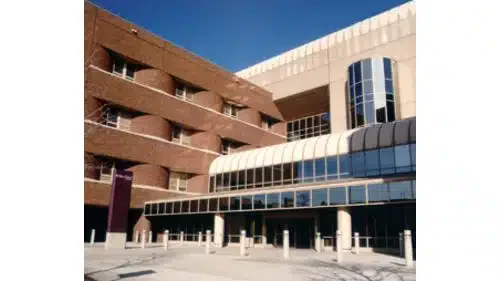
MacNeal Hospital in Berwyn, IL is dedicated to providing extensive addiction treatment for individuals, both adults and young adults, who are dealing with substance use disorders and overlapping mental health issues. The center offers a range of services including hospital-based inpatient detox, intensive outpatient programs, and round-the-clock hospital inpatient care. Employing methods like 12-step facilitation, cognitive behavioral therapy, and brief intervention, the facility customizes treatment plans to suit each person's unique requirements. Their specialized programs are designed for individuals with co-occurring disorders, guaranteeing comprehensive care. Prioritizing high standards and individualized treatment, MacNeal Hospital accepts both male and female patients, fostering a nurturing atmosphere for healing and recovery.

Madison East Comprehensive Treatment Center, located in Madison, WI, provides a variety of outpatient services focused on detoxification and treating substance use disorders. The center offers outpatient detox services alongside treatment options using methadone, buprenorphine, or naltrexone. By employing techniques such as brief intervention, cognitive behavioral therapy, and motivational interviewing, the center supports active military personnel as well as adult men and women. Catering to both adults and young adults of all genders, Madison East Comprehensive Treatment Center is dedicated to delivering customized care aimed at guiding individuals towards successful recovery with an emphasis on quality and efficacy.

Madison West Comprehensive Trt Ctr, located in Madison, WI, specializes in extensive outpatient treatment for substance use disorders. The center offers options such as methadone/buprenorphine and naltrexone outpatient treatment, standard outpatient services, and focused programs for individuals dealing with both mental health issues and substance use, including those who are pregnant or postpartum. Catering to adults and young adults of all genders, Madison West emphasizes personalized care by employing strategies like anger management, motivational interviewing, and techniques for preventing relapse. The facility is dedicated to providing high-quality, individualized support to assist clients in their recovery journey with empathy and evidence-based methods.
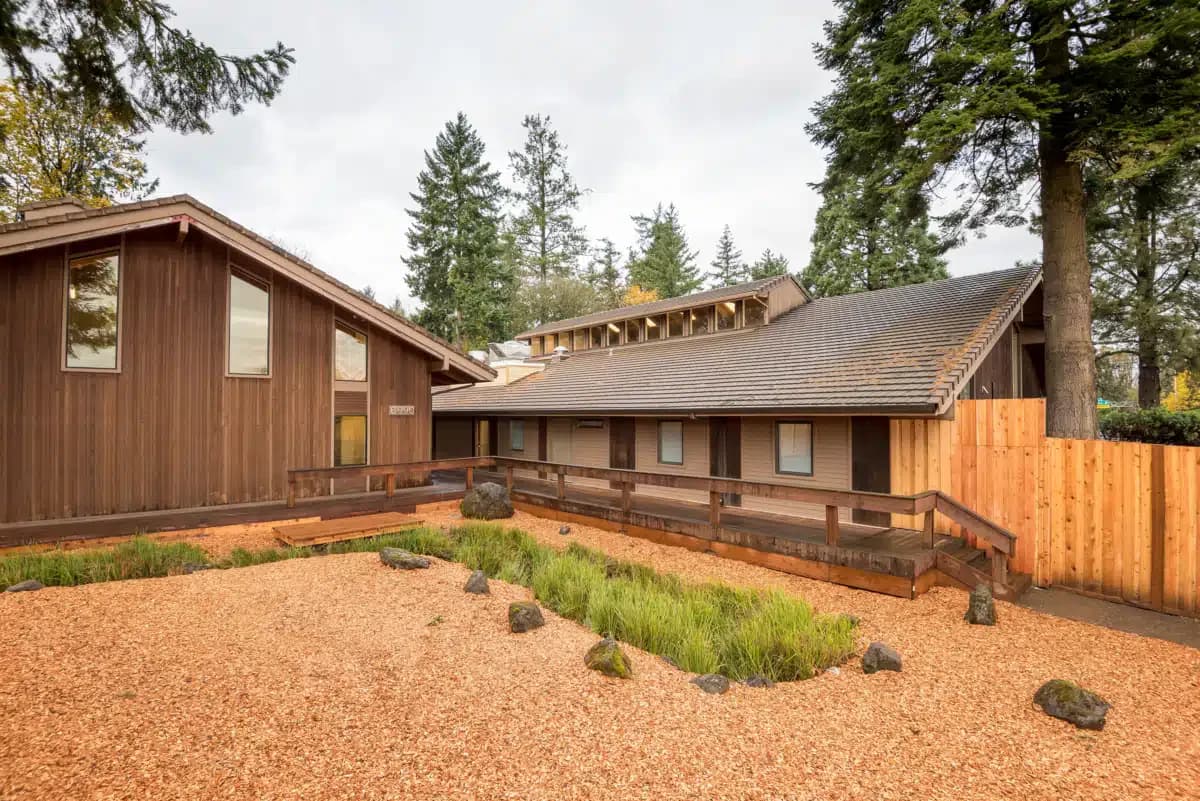
Madrona Recovery, located in Portland, OR, delivers an extensive array of services to those pursuing recovery from addiction. This center specializes in care for detoxification, treatment of substance use disorders, and co-occurring mental health issues for both adults and minors. It features residential detox options, around-the-clock residential care, as well as short-stay programs. Emphasizing 12-step approaches, anger management, and quick intervention techniques, Madrona Recovery personalizes treatment strategies to fit each individual's circumstances. The center stands out with its distinct offerings for teenagers, individuals who have experienced intimate partner violence, domestic abuse, and sexual trauma. Madrona Recovery admits clients of all genders, including children and teens, ensuring inclusive and quality support for every age group.

Situated in Portland, ME, Maine Behavioral Healthcare provides a wide array of services for substance use treatment and tailored support for those facing co-existing mental health challenges. The center offers an intensive outpatient program, standard outpatient services, and treatment alternatives like methadone, buprenorphine, or naltrexone. Emphasizing techniques such as anger management, cognitive behavioral therapy, and brief interventions, this facility is designed to assist adult women, trauma survivors, and individuals dealing with both mental health and substance use issues. Maine Behavioral Healthcare accommodates adults and seniors of every gender, delivering quality care and individualized rehabilitation services to meet diverse needs.
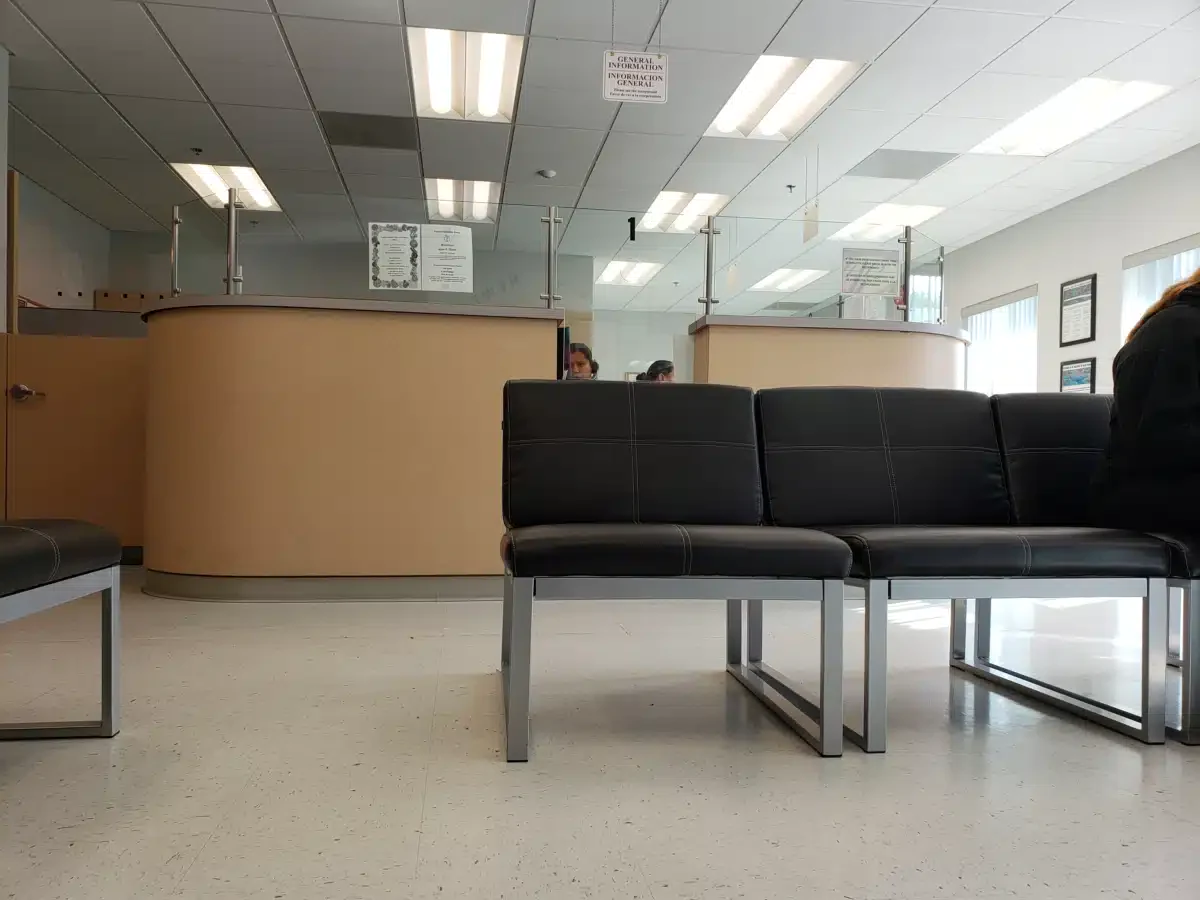
Madera County Behav Health Services, located in Madera, California, delivers thorough treatment for substance abuse and targeted assistance for those dealing with both substance use and significant mental health disorders. The center offers various treatment options, such as intensive outpatient, outpatient, and traditional outpatient programs. Emphasizing techniques like brief intervention, cognitive behavioral therapy, and motivational incentives, Madera County Behav Health Services tailors its approach to suit both adults and younger individuals, including children and teenagers. Specialized programs are available for adolescents, as well as for adult men and women, ensuring a gender-sensitive environment that fosters support for all clients. Experience dedicated care and individualized guidance at Madera County Behav Health Services.

Magnolia Women's Recovery Program in Oakland, CA, provides in-depth, long-term residential care for adult women experiencing substance use disorders and related serious mental health challenges. Their approach integrates 12-step principles, anger management techniques, and brief intervention strategies to guide individuals through their healing process. A distinctive aspect of their offerings includes specialized support for women who have experienced intimate partner violence, domestic abuse, or sexual assault. Serving adult, senior, and young adult women, the center ensures constant care within a secure and nurturing setting. For those looking for thorough and empathetic support, this establishment is committed to empowering women to conquer addiction and regain control of their lives.
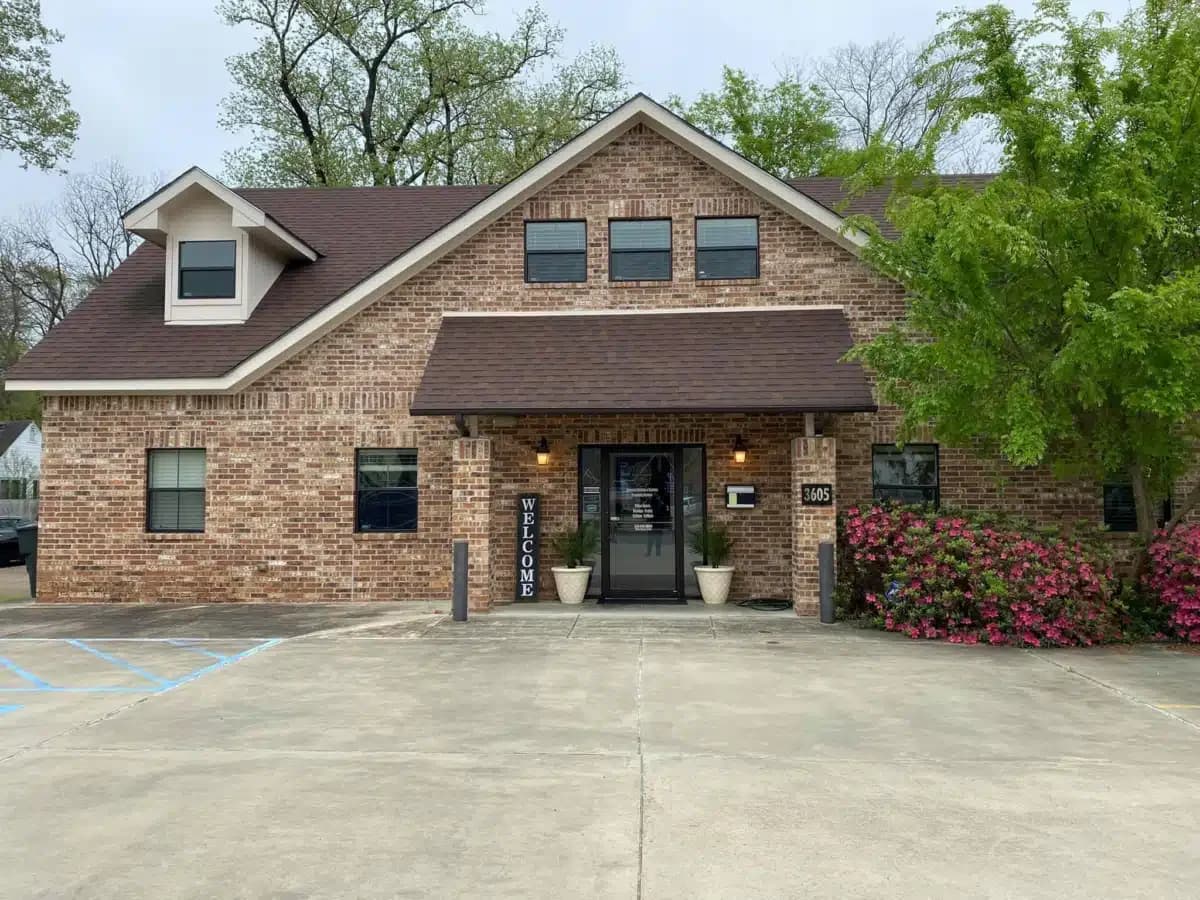
Situated in Shreveport, LA, Magnolia Recovery presents a wide array of treatment programs for substance use aimed at both adults and youth, including those who face significant mental health challenges or emotional issues. The center focuses on intensive outpatient services, outpatient treatment, and medication-assisted options using methadone, buprenorphine, or naltrexone. Emphasizing therapies such as anger management, cognitive behavioral therapy, and the Matrix Model, this facility is designed to meet the specific requirements of active duty military personnel, young people, and adult males. Magnolia Recovery provides inclusive services for both genders, dedicated to delivering effective and compassionate support to those seeking recovery from addiction.
Mahajan Therapeutics, located in Ironton, OH, specializes in the treatment of substance use disorders for adults who are also dealing with serious mental health challenges. The center features both intensive outpatient and outpatient programs, incorporating treatments such as methadone, buprenorphine, and naltrexone therapy. Utilizing various methods like 12-step facilitation, anger management, and brief intervention strategies, the facility is equipped to meet the specific needs of active military members, adolescents, and adult males. Mahajan Therapeutics provides comprehensive support for adult clients of all genders, ensuring that its programs are customized to effectively address the dual issues of substance use and mental health.
The MAAC Project in San Diego, CA, provides tailored substance abuse recovery services for adult women impacted by domestic violence, sexual assault, and intimate partner abuse. This center offers various residential treatment durations, including extended stays, shorter programs, and immediate 24-hour care. Their approach integrates anger management techniques, proactive brief interventions, and evidence-based cognitive behavioral therapy. Serving a diverse age range from young adults to seniors, the MAAC Project emphasizes gender-specific support. They are recognized for their thorough programs designed to address the distinct challenges faced by women in their healing process, delivering exceptional support and quality care.
MAAC Project in Chula Vista, CA, provides targeted substance abuse rehabilitation for adult males. The center features diverse residential options, including extended stays, shorter durations, and round-the-clock care. Their treatment methodologies incorporate anger management, brief intervention strategies, and cognitive behavioral therapy, all personalized for each client's requirements. Distinctive programs are available for adult men who have endured intimate partner violence, domestic abuse, or sexual trauma. Serving a broad age spectrum from young adults to seniors, MAAC Project prioritizes high-quality care with a specific emphasis on male individuals. MAAC Project is a reputable provider for those in search of thorough and successful recovery services.
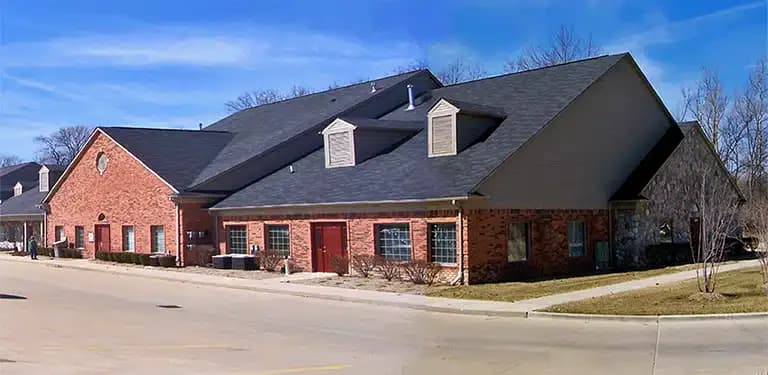
Macomb Family Services Inc located in Romeo, MI, provides outpatient treatment for substance use and specialized support for individuals facing both substance use disorders and serious mental health challenges. The facility utilizes proven methods including anger management, brief intervention, and cognitive behavioral therapy in its regular outpatient programs. It also features specific initiatives designed for active military members, teenagers, and adult males, serving a diverse population that includes both adults and seniors. The center emphasizes personalized care and tailored treatment strategies, positioning itself as an essential option for individuals in need of thorough and effective rehabilitation services.
Macomb Family Services Inc, located in Richmond, MI, provides outpatient treatment for substance abuse and specialized support for adults with co-existing substance use disorders and significant mental health challenges, as well as emotional issues in children. Their range of treatment options features anger management, short interventions, and cognitive behavioral therapy. The center designs specific services for active military members, teenagers, adult men and women, as well as senior citizens. Committed to high-quality care and utilizing evidence-based methods, Macomb Family Services Inc strives to assist individuals in attaining sustainable recovery and enhanced mental health.
Macomb Family Services Inc, located in Clinton Township, MI, provides outpatient services for individuals struggling with substance use and co-occurring mental health conditions. Their programs are designed for adults and children, with specific offerings for active military members, teenagers, adult males, and people across all age groups. The center employs strategies such as anger management, brief counseling, and cognitive behavioral therapy to deliver personalized support to both male and female clients. Their dedication to high-quality treatment and diverse therapeutic methods positions Macomb Family Services Inc as a significant provider of recovery support in the Clinton Township community.
M and M Behav Health Solutions LLC, located in Glen Burnie, MD, specializes in rehabilitation services for individuals dealing with substance use issues and accompanying mental health challenges for both adults and children. The facility offers a range of services, including intensive outpatient programs, outpatient support, and medication-assisted treatment with options such as methadone, buprenorphine, or naltrexone. By employing evidence-based methods like cognitive behavioral therapy, the Matrix Model, and motivational interviewing, the center customizes treatment plans to suit the unique needs of each patient. It features programs specifically aimed at adult men, women, and those who have faced intimate partner violence, ensuring it serves a wide array of communities. The center is dedicated to providing effective care and assistance to individuals of all genders seeking to recover from addiction and mental health issues.
M and M Behavioral Health Solution, located in Glen Burnie, MD, specializes in treating substance use disorders among adults and children who also face serious mental health challenges. The facility offers a range of treatment modalities, including intensive outpatient programs, outpatient care, and options involving methadone, buprenorphine, or naltrexone. Adopting evidence-based practices such as cognitive behavioral therapy, the Matrix Model, and motivational interviewing, M and M crafts personalized treatment strategies to address the unique needs of each client. The center also features tailored programs for adult men and women, as well as individuals who have been victims of intimate partner violence. Focused on providing high-quality, holistic care, it is dedicated to helping both adults and young adults achieve lasting recovery.
Situated in Marshall, NC, the Madison County Health Department delivers extensive support for substance use disorders through its outpatient services. The center specializes in the administration of methadone, buprenorphine, and naltrexone treatments, employing motivational interviewing techniques to assist clients on their path to recovery. This facility is designed for adult men and women, including those who have faced intimate partner violence or domestic abuse. Catering to all genders, the center fosters a secure and welcoming atmosphere for individuals pursuing addiction treatment. Committed to high-quality care and proven methods, the Madison County Health Department aims to help individuals attain sustainable recovery.
Mahalas Hope, situated in Eden, WI, is a dedicated facility providing extended residential care for adult women addressing substance use challenges. This center fosters a nurturing atmosphere for individuals facing dual diagnoses of mental health and substance use issues, alongside those with histories of trauma. Employing scientifically validated methods like cognitive behavioral therapy and motivational interviewing, Mahalas Hope personalizes its 12-step program to suit each client's specific journey. Catering to women across adult age groups, including seniors and young adults, the center offers pathways to sustained recovery through transitional housing and sober living arrangements.
Main Gate Counseling Services, located in Winner, SD, delivers expert substance abuse recovery programs for adults and older individuals. This establishment features intensive outpatient, standard outpatient, and partial hospitalization services, all adapted to suit each person's unique requirements. Employing methods such as motivational enhancement therapy, cognitive behavioral therapy, and contingency management, the center provides thorough support. Main Gate Counseling Services serves active duty military, teenagers, and adult males, with specialized programs for each group. Their dedication to providing high-caliber treatment for all genders distinguishes them. For individuals in search of impactful substance abuse treatment with individualized support, Main Gate Counseling Services stands as a trustworthy option in Winner, SD.
Maine Behavioral Healthcare, located in Springvale, ME, provides an extensive range of substance use treatments along with specialized services for individuals facing concurrent mental health challenges. The center offers various levels of care, including intensive outpatient, outpatient, and standard outpatient programs suited for adults and seniors. Emphasizing anger management, brief intervention techniques, and cognitive behavioral therapy, the facility customizes treatment approaches to fit the specific requirements of each person. There are dedicated programs for clients who have undergone trauma and those dealing with both mental health and substance use disorders. Maine Behavioral Healthcare is committed to serving both men and women, ensuring they receive exceptional care to aid in their recovery journey and overall health.
Frequently Asked Questions
How are bipolar disorder and substance use connected?
What is the treatment approach for bipolar disorder and addiction?
Will mood stabilizers interact with addiction treatment?
Can substance use cause bipolar-like symptoms?
Is residential treatment recommended for bipolar disorder and addiction?
About Bipolar Disorder Treatment
Bipolar disorder and substance use disorders co-occur at alarmingly high rates, with 40-60% of individuals with bipolar disorder also experiencing addiction. The combination creates unique challenges: mood episodes can trigger substance use, while substances destabilize mood and interfere with treatment. Integrated care addressing both conditions simultaneously is essential for stability and recovery.
Understanding Bipolar Disorder
Bipolar disorder involves extreme mood swings between manic/hypomanic episodes (elevated mood, increased energy, impulsivity, reduced need for sleep) and depressive episodes (low mood, lack of energy, hopelessness, difficulty functioning). These mood shifts significantly impact judgment, behavior, and vulnerability to substance use. During mania, increased impulsivity and risk-taking often lead to substance use, while depressive episodes may prompt self-medication attempts.
Why Treatment Must Be Integrated
Treating only one condition while ignoring the other typically fails. Substances destabilize mood, trigger episodes, reduce medication effectiveness, and worsen bipolar symptoms. Conversely, untreated bipolar disorder makes maintaining sobriety nearly impossible. Integrated programs with psychiatrists, addiction specialists, and therapists working together provide coordinated care recognizing the complex interaction between these conditions.
Medication Management
Mood stabilization is foundational to recovery. Medications include:
- Mood Stabilizers: Lithium, valproate, lamotrigine regulate mood swings
- Atypical Antipsychotics: Quetiapine, aripiprazole, olanzapine for mania and maintenance
- Antidepressants: Sometimes used cautiously with mood stabilizers for bipolar depression
These medications are not addictive and do not interfere with addiction recovery—they support it by stabilizing mood, improving judgment, reducing impulsivity, and decreasing self-medication urges.
Comprehensive Treatment Components
Quality dual diagnosis programs provide:
- Psychiatric Services: Regular medication management and monitoring
- Individual Therapy: Addresses both conditions and underlying issues
- Group Therapy: Peer support from others with co-occurring disorders
- Family Education: Helping loved ones understand both conditions
- Sleep Regulation: Critical for mood stability and recovery
- Stress Management: Preventing triggers for both mood episodes and substance use
- Relapse Prevention: For both bipolar episodes and addiction
Level of Care Considerations
Residential treatment is often recommended for bipolar disorder and addiction, especially during mood episodes, after hospitalization, with severe addiction, or when outpatient treatment hasn't succeeded. The structured environment provides medication management, 24/7 monitoring, intensive therapy, and support for both mood stabilization and addiction recovery.
Resources for bipolar disorder and addiction:
Related Conditions
Explore Treatment Methods
Browse bipolar disorder programs in states with the most treatment options.
Related conditions, treatment approaches, and levels of care.
Need immediate help? Call SAMHSA: 1-800-662-4357 (24/7, free)