
Depression & Addiction Treatment Centers Near You
Depression and addiction frequently co-occur, requiring integrated treatment approaches. Find dual diagnosis treatment centers addressing both mental health and substance use disorders through coordinated care and evidence-based therapies.
Found 7,770 rehab centers specializing in depression across the United States.
Need Help Finding the Right Treatment Center?
Speak with a compassionate specialist now - 100% free & confidential
Find Depression and Addiction Treatment Centers Near You
Browse dual diagnosis treatment centers below. Filter for programs treating depression and substance abuse together.
Showing 20 of 7770 results
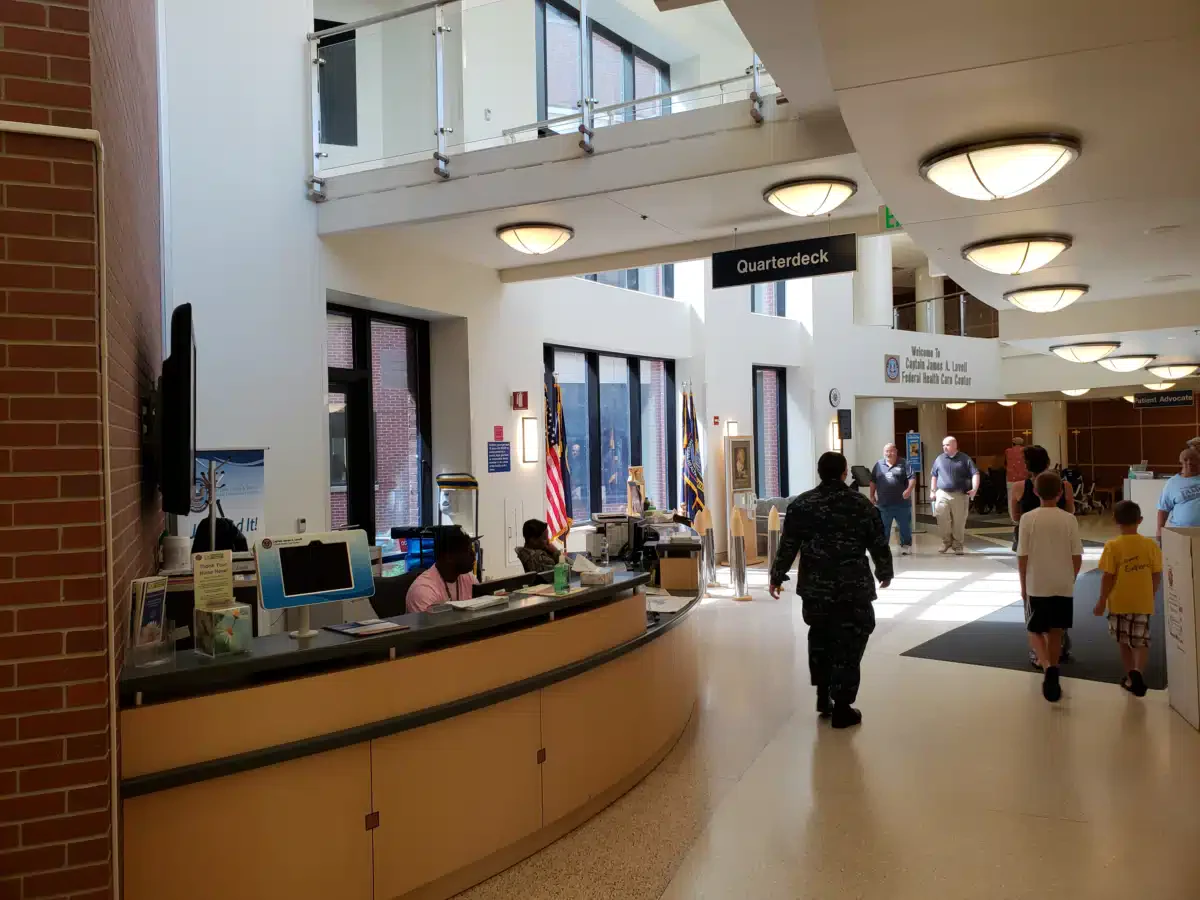
Captain James A Lovell FHCC, situated in North Chicago, IL, delivers a complete spectrum of addiction recovery support. Their services encompass detox, comprehensive substance use therapy, and supportive housing, including both transitional and sober living environments. Patients can engage in various treatment structures, such as intensive outpatient, extended residential stays, and standard outpatient care. The center employs methodologies like 12-step facilitation, anger management strategies, and brief intervention techniques. They primarily serve active duty military, adult men, and women, along with adult and young adult individuals of any gender, emphasizing personalized, top-tier care.

Care Plus NJ Inc. in Paramus, NJ, provides extensive therapeutic options for adults and young people dealing with addiction and mental health concerns. Their offerings include structured outpatient and intensive outpatient care, encompassing services like detox, cognitive behavioral therapy, and motivation-based interventions. They also offer targeted support for teenagers, members of the LGBTQ community, and individuals with coexisting conditions. Committed to high standards of care, Care Plus NJ Inc. serves adults and elderly individuals across the gender spectrum, delivering personalized assistance for each person's path to wellness.

Care Resource Comm Health Ctrs located in Miami, FL, provides outpatient services for substance use treatment catering to both adults and children dealing with concurrent serious mental health conditions. The center features dedicated programs for trauma-affected individuals, those living with HIV/AIDS, and persons facing dual diagnoses, ensuring a holistic approach to recovery. Treatment options encompass anger management, brief interventions, and cognitive behavioral therapy. Customized outpatient services with methadone, buprenorphine, or naltrexone are offered. This facility is committed to delivering superior care to male and female clients pursuing recovery from substance use issues alongside mental health concerns.
Care Resource Comm Health Ctrs in Fort Lauderdale, FL, provides outpatient care for adults and children battling substance misuse and co-occurring mental health issues. Their comprehensive approach includes medication-assisted treatment with methadone, buprenorphine, or naltrexone, complemented by cognitive behavioral therapy and anger management strategies. The center offers specialized support for individuals with a history of trauma, those living with HIV/AIDS, and people experiencing dual diagnoses of substance use and mental health disorders. Services are individualized for adults and young adults, accommodating both male and female clients. Care Resource Comm Health Ctrs is dedicated to delivering excellent care to support clients in their path to healing and wellness.
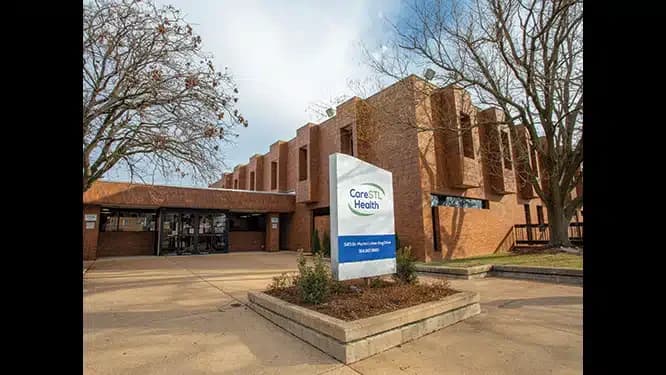
Care STL Health, located in Saint Louis, MO, stands out as a leading rehabilitation center that provides a variety of treatment options for individuals dealing with substance use disorders and concurrent mental health issues, applicable to both adults and children. The facility offers outpatient services such as methadone/buprenorphine therapies and cognitive behavioral therapy, aimed at creating personalized recovery plans. Special initiatives are in place for active duty service members, teenagers, and adult males, with accessible services for adults and seniors of all gender identities. The center prioritizes anger management, brief interventions, and customized care, ensuring that individuals receive high-quality support in their path towards recovery and well-being.

At Carestl Health Pope in Saint Louis, MO, we provide extensive outpatient support for individuals, spanning all age groups, who are navigating substance use challenges, particularly when co-occurring serious mental health conditions or emotional disturbances are present. Our services are structured to address the distinct requirements of active duty military members, teenagers, and adult men, with personalized treatment strategies designed for every person. Emphasizing techniques such as anger management, brief intervention strategies, and cognitive behavioral therapy, this center is committed to delivering superior care to adults and older adults, regardless of gender. Carestl Health Pope is steadfast in its mission to assist individuals in their pursuit of lasting recovery, whether through outpatient methadone/buprenorphine services or general outpatient care.
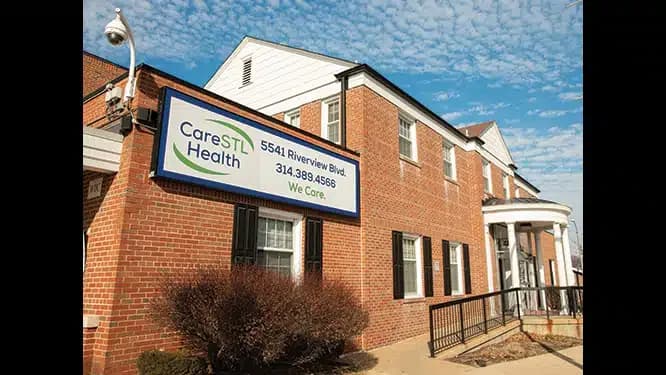
Carestl Health Riverview, located in Saint Louis, MO, offers extensive outpatient services for individuals of all ages grappling with substance use and dual diagnoses. The facility is equipped to address the unique needs of various groups, including military personnel, teenagers, and adult men, through tailored treatment plans. Utilizing a variety of therapeutic modalities such as anger management techniques, cognitive behavioral therapy, and short-term counseling, Carestl Health Riverview is committed to providing individualized support. Additionally, they provide outpatient medication-assisted treatment using methadone, buprenorphine, or naltrexone, alongside standard outpatient care for adult men and women. Their mission is to deliver high-quality, evidence-based care to adults and older adults, regardless of gender, with the ultimate goal of fostering sustained recovery.

Carestlhealth, situated in Saint Louis, MO, stands out as a premier rehabilitation center that provides outpatient services for adults struggling with substance use disorders and co-occurring severe mental health issues, as well as emotional challenges in children. The center features targeted programs for active military members, teens, and adult males. Carestlhealth employs a variety of evidence-based methods such as anger management, brief interventions, and cognitive behavioral therapy. Catering to adults and seniors of any gender, the facility is focused on delivering exceptional care that is specifically designed to address the distinct needs of each patient. If you are in search of thorough and effective addiction recovery solutions, Carestlhealth is dedicated to assisting you on your path to healing.

Carilion New River Valley Medical Ctr, situated in Christiansburg, VA, delivers extensive recovery programs for both young and adult individuals struggling with addiction and accompanying mental health challenges. The facility offers inpatient detox and care, emphasizing strategies like brief intervention, motivational interviewing, and counseling for substance use issues. They also feature distinct services for men, women, and survivors of domestic abuse. Carilion New River Valley Medical Ctr provides customized support for adults, older adults, and young adults across the gender spectrum, promoting individual healing and wellness.

Capstone Counseling Centers LLC, located in Salt Lake City, UT, provides targeted treatment programs for substance use disorders. Their extensive offerings encompass intensive outpatient programs, standard outpatient services, and options for outpatient treatment with methadone, buprenorphine, or naltrexone. The center employs evidence-based methodologies such as cognitive behavioral therapy, anger management, and motivational interviewing, designed to assist adult men and women, including those affected by intimate partner or domestic violence. Capstone Counseling Centers LLC focuses on delivering personalized care for both adults and young adults, fostering a nurturing atmosphere conducive to healing and recovery.

Capstone Behavioral Health PC in Omaha, NE, provides comprehensive outpatient services for individuals struggling with substance use and co-occurring mental health conditions. Their approach integrates proven therapeutic modalities such as cognitive behavioral therapy and motivational interviewing to foster recovery. The center is dedicated to offering specialized programs for active duty military personnel, adolescents, and adult men, demonstrating a commitment to diverse populations. Capstone Behavioral Health PC welcomes adults and seniors of all gender identities, prioritizing personalized care and a holistic path to wellness. They are devoted to supporting individuals in their journey towards enduring sobriety and improved mental well-being.

The Care Consultants Treatment Center located in Clinton, MD, specializes in a wide range of substance use therapies for both adults and children facing significant mental health issues simultaneously. This center offers various levels of care, including intensive outpatient, outpatient, and standard outpatient services, employing proven methods such as 12-step programs, anger management techniques, and brief intervention strategies. Catering to unique needs, the center provides specialized programs designed for active military personnel, teenagers, and adult males, ensuring a diverse approach to treatment. It serves clients of all genders and emphasizes personalized treatment plans to enhance the effectiveness of recovery efforts.
Care Counseling Services located in Killeen, TX, provides a wide array of therapeutic programs aimed at treating substance use disorders alongside co-existing mental health issues for both adults and children. The center features various treatment options, including intensive outpatient care, outpatient therapy, and standard outpatient programs. Their treatment strategies encompass anger management, brief intervention techniques, and cognitive behavioral therapy. With tailored programs for active duty service members, as well as distinct offerings for adult men and women, the center accommodates a varied clientele. Dedicated to offering exceptional care, Care Counseling Services focuses on meeting the unique requirements of adults and young adults from all backgrounds.
Cardinal Recovery LLC, located in Gallipolis, OH, provides extensive treatment options for substance use disorders, including hospital inpatient care, 24-hour inpatient services, and long-term residential programs. This facility employs proven strategies such as cognitive behavioral therapy, the Matrix Model, and motivational interviewing to meet the needs of active duty military members and adults, both male and female. Cardinal Recovery LLC emphasizes personalized care for adults and young adults of all genders, ensuring that treatment is customized to fit individual requirements. With a commitment to high-quality and effective recovery solutions, this center serves as a guiding light for individuals pursuing healing from addiction.
Care Center located in Butler, PA, provides specialized rehabilitation services tailored for adults and seniors facing challenges related to substance use disorders alongside co-occurring mental health issues. This facility offers both intensive outpatient and outpatient treatment options that feature therapies such as methadone/buprenorphine or naltrexone. Emphasizing techniques like cognitive behavioral therapy, anger management, and brief interventions, the center aims to deliver personalized care for those in need. They also provide distinctive programs specifically designed for active duty military personnel, adolescents, and adult males. Care Center is open to both male and female clients, fostering an inclusive and comprehensive recovery environment. Discover quality and individualized care at this dedicated rehabilitation facility.
Care Clinic of Naperville Inc located in Naperville, IL delivers an extensive array of treatment services for substance use issues among both adults and children, including those facing concurrent mental health challenges. The center features various treatment formats, such as intensive outpatient programs, standard outpatient services, and regular outpatient care, employing research-backed methodologies like 12-step support, anger management techniques, and cognitive behavioral therapy. There are specialized programs designed for individuals who have faced trauma, those with dual diagnoses, and clients involved in the criminal justice system. This facility is dedicated to providing exceptional care that meets the unique requirements of adults and seniors across all gender identities.
Care Clinics Inc, located in Yorkville, IL, provides outpatient treatment for substance use as well as specialized support for individuals dealing with concurrent mental health issues. Their offerings are designed for both adults and seniors, serving clients across genders. The facility employs a variety of methods including 12-step programs, anger management strategies, and cognitive behavioral therapy to customize treatment according to personal requirements. Care Clinics Inc distinguishes itself with unique programs aimed at trauma survivors, individuals with co-occurring disorders, and those engaged with the criminal justice system. With a commitment to delivering high-quality care, this center strives to create a nurturing space for individuals pursuing thorough rehabilitation services.
CareFirst Community Health Services in Detroit, MI offers comprehensive substance use treatment for adult men, adult women, and clients who have experienced intimate partner violence or domestic violence. The center provides intensive outpatient treatment, outpatient, and regular outpatient treatment programs tailored to the needs of adults and young adults. With specialized approaches like 12-step facilitation, anger management, and brief intervention, this facility ensures personalized care for each individual. CareFirst Community Health Services focuses on delivering high-quality rehabilitation services to help clients achieve lasting recovery in a supportive and inclusive environment.
CarePartners of Georgia, located in Swainsboro, GA, provides outpatient services for adults dealing with substance abuse and co-occurring mental health disorders, along with addressing emotional issues in children. Emphasizing the 12-step approach, anger management techniques, and brief interventions, this center features targeted programs for adolescents and adult men and women. Catering to both adult and juvenile populations, it ensures that both male and female clients receive exceptional care in a nurturing atmosphere. If you're an adult facing addiction or a parent looking for assistance for your child, CarePartners of Georgia presents a wide range of personalized treatment solutions.
Caring Associates Counseling Group Inc, located in Brownsburg, IN, provides a variety of targeted treatment options for individuals dealing with substance use issues and concurrent mental health conditions in both adults and children. The center emphasizes methodologies such as 12-step support, anger management techniques, and brief intervention strategies, offering a range of services including intensive outpatient, outpatient, and standard outpatient programs. Specialized initiatives are available for active military members, teenagers, and adult males, catering to clients of all genders. Focused on ensuring exceptional care, the facility designs personalized treatment strategies to address the unique requirements of those on their journey to recovery from addiction and mental health difficulties.
Depression & Substance Use Disorder: Key Facts
Classification
Major Depressive Disorder + Substance Use Disorder (Dual Diagnosis)
Co-occurrence
~1 in 3 people with depression also have SUD (NIDA)
Prevalence
21 million adults with major depressive episode/year (NIMH)
Self-medication
Depression is the #1 reason for substance self-medication
Treatment approach
Integrated dual diagnosis (treat both simultaneously)
Key therapies
CBT, DBT, medication management, group therapy
Medications
SSRIs (non-addictive), SNRIs — safe during addiction treatment
Prognosis
Significantly better outcomes with integrated treatment vs sequential
If you or someone you know is experiencing suicidal thoughts, call 988 (Suicide & Crisis Lifeline) or text 988 immediately. Help is available 24/7.
Depression and Addiction: The Dual Diagnosis Connection
How depression and addiction feed each other
Depression and substance use disorder share a deeply intertwined relationship. Depression causes persistent feelings of emptiness, hopelessness, and emotional pain that drive many people toward alcohol or drugs as a form of self-medication. Substances may provide temporary relief, but they alter brain chemistry in ways that worsen depressive symptoms over time — creating a destructive cycle that accelerates both conditions.
The self-medication cycle
The self-medication cycle is the most common pathway from depression to addiction. A person experiencing persistent sadness, fatigue, or emotional numbness turns to alcohol, opioids, or stimulants to feel better temporarily. As tolerance builds, they need more of the substance to achieve the same relief. Meanwhile, the substance disrupts serotonin and dopamine regulation in the brain, deepening the depression. When the substance wears off, the depression returns worse than before — driving further substance use.
Why treating one without the other fails
Treating addiction without addressing underlying depression leaves the root cause intact. The person achieves sobriety but continues suffering from untreated depression, making relapse nearly inevitable as they seek relief. Conversely, treating depression without addressing active substance use is ineffective because ongoing drug or alcohol use undermines the neurochemical changes that antidepressants and therapy work to achieve. This is why dual diagnosis treatment — addressing both conditions simultaneously — produces significantly better outcomes than treating either condition alone.
Signs of Co-Occurring Depression and Substance Abuse
Recognizing co-occurring depression and substance abuse can be challenging because symptoms overlap. Watch for these warning signs:
Emotional and behavioral signs
- Persistent sadness combined with increased substance use
- Withdrawal from friends, family, and activities once enjoyed
- Using drugs or alcohol specifically to cope with emptiness or hopelessness
- Feelings of worthlessness or excessive guilt alongside substance use
- Loss of motivation or interest in recovery efforts
Physical signs
- Significant changes in sleep patterns — insomnia or oversleeping
- Appetite and weight changes (loss or gain)
- Chronic fatigue even with adequate rest
- Increased substance tolerance requiring higher doses
- Neglect of personal hygiene and self-care
How Dual Diagnosis Treatment Works
Integrated approach
Dual diagnosis treatment treats depression and addiction as interconnected conditions rather than separate problems. Instead of completing addiction treatment first and then addressing depression (the sequential approach that often fails), integrated programs work on both simultaneously. This means therapy sessions address how depressive thoughts drive substance use, while psychiatric care stabilizes mood to support sobriety.
Psychiatric evaluation during early sobriety
Accurate diagnosis of depression requires evaluation during a period of sobriety, because many substances can mimic or mask depressive symptoms. Alcohol is a depressant that causes sadness and lethargy. Stimulant withdrawal causes profound depression. A psychiatrist experienced in dual diagnosis will conduct thorough assessments during early sobriety to distinguish substance-induced mood changes from underlying major depressive disorder, ensuring the right treatment plan.
Coordinated care teams
Effective dual diagnosis programs use coordinated care teams where psychiatrists, addiction counselors, therapists, and medical staff communicate about each patient's progress. The psychiatrist managing antidepressant medication works closely with the addiction counselor guiding recovery, so treatment decisions account for both conditions. This prevents the common problem of one provider unknowingly undermining another's treatment plan.
Medication management alongside addiction treatment
One of the most important aspects of dual diagnosis care is safe medication management. Antidepressants like SSRIs and SNRIs are non-addictive and can be prescribed safely during addiction treatment. A psychiatrist monitors medication effectiveness, adjusts dosages, and watches for interactions — all while the person is actively working on recovery from substance use disorder.
Evidence-Based Therapies for Depression in Recovery
Cognitive Behavioral Therapy (CBT)
Cognitive Behavioral Therapy (CBT) is the gold standard for treating co-occurring depression and addiction. CBT helps identify negative thought patterns that drive both depressive episodes and substance use — such as "nothing will ever get better" or "I can't cope without drinking." Patients learn to challenge these distortions and replace them with realistic, constructive thinking. Research consistently shows CBT reduces both depressive symptoms and substance use relapse rates.
Dialectical Behavior Therapy (DBT)
Dialectical Behavior Therapy (DBT) is particularly effective for people with severe depression, emotional dysregulation, or self-harm behaviors alongside addiction. DBT teaches four core skill sets: mindfulness, distress tolerance, emotion regulation, and interpersonal effectiveness. These skills directly address the emotional pain that drives self-medication and provide healthier alternatives to substance use.
Group therapy
Group therapy combats the isolation that is central to both depression and addiction. Hearing others share similar struggles reduces shame and hopelessness. Dual diagnosis groups specifically address how depression and substance use interact, offering peer support from people who understand both conditions. Group settings also build social skills and accountability that support long-term recovery.
Medication management
Antidepressant medications are a critical component of treatment for many people with co-occurring depression and addiction. SSRIs (selective serotonin reuptake inhibitors) like sertraline and fluoxetine are first-line treatments because they are effective, well-tolerated, and — importantly — non-addictive. They carry no abuse potential and do not produce euphoria, making them safe to prescribe during addiction recovery. SNRIs like venlafaxine and duloxetine are also effective alternatives.
Levels of Care for Depression and Addiction
When residential treatment is needed
Residential treatment is recommended when depression is severe — particularly when suicidal ideation is present, when the person has made previous suicide attempts, or when outpatient treatment has failed. Residential programs provide 24/7 psychiatric monitoring, immediate medication adjustments, and a safe environment removed from triggers. People with severe addiction alongside major depression often need this level of structured support to stabilize both conditions.
Intensive Outpatient Programs (IOP)
Intensive Outpatient Programs provide 9–20 hours of structured therapy per week while allowing patients to live at home. IOP is appropriate for moderate depression with addiction, for people stepping down from residential care, or when the person has a stable living environment and support system. Dual diagnosis IOP programs include both addiction counseling and psychiatric services.
Outpatient care with medication management
Standard outpatient treatment works well for mild to moderate depression with substance use disorder, especially when combined with antidepressant medication. This typically involves weekly therapy sessions, regular psychiatric check-ins for medication management, and support group participation. Outpatient care allows people to maintain work, family, and daily responsibilities while receiving treatment.
Choosing the right level of care
The appropriate level of care depends on several factors: severity of depression (mild vs. severe with suicidal thoughts), severity of addiction, previous treatment attempts and outcomes, strength of social support, co-occurring medical conditions, and safety concerns. A professional assessment by a dual diagnosis specialist can determine the best starting point. Many people move through multiple levels of care as they progress in recovery.
Antidepressant Medications in Recovery
SSRIs: the first-line treatment
Selective serotonin reuptake inhibitors (SSRIs) such as sertraline (Zoloft), fluoxetine (Prozac), and escitalopram (Lexapro) are the most commonly prescribed antidepressants for people in addiction recovery. They work by increasing serotonin availability in the brain, gradually improving mood, sleep, and motivation over 4–6 weeks. SSRIs are not addictive, do not produce a high, and have no abuse potential — making them fundamentally different from the substances being treated.
SNRIs and bupropion
Serotonin-norepinephrine reuptake inhibitors (SNRIs) like venlafaxine (Effexor) and duloxetine (Cymbalta) target both serotonin and norepinephrine, which can be helpful for depression with prominent fatigue or chronic pain. Bupropion (Wellbutrin) is another option that acts on dopamine and norepinephrine — it can help with depression, low energy, and is also used to support smoking cessation. None of these medications carry addiction risk.
Addressing the stigma around psychiatric medication
Many people in recovery resist antidepressants because they feel taking any medication contradicts sobriety. This misconception is dangerous. Antidepressants are not mood-altering substances in the way drugs of abuse are — they restore normal brain chemistry rather than creating artificial highs. Untreated depression is one of the strongest predictors of addiction relapse. Taking prescribed, non-addictive medication to manage a medical condition is not a failure of recovery — it supports it.
Why stopping psychiatric meds leads to relapse
A common and harmful pattern occurs when people in recovery stop their antidepressants because they feel better, believe they no longer need them, or face pressure from others to be "medication-free." When depression returns — often within weeks — the emotional pain drives them back to substances. Antidepressant treatment for co-occurring depression should be maintained for at least 12 months after stabilization, and many people benefit from long-term maintenance. Any changes to psychiatric medication should be made gradually under medical supervision.
Frequently Asked Questions About Depression and Addiction
What is dual diagnosis treatment for depression and addiction?
Dual diagnosis treatment addresses both depression and substance use disorders simultaneously through integrated care. This approach recognizes that mental health and addiction affect each other and must be treated together for lasting recovery. Treatment includes psychiatric care, medication management, therapy (CBT, DBT), and specialized counseling that addresses both conditions comprehensively.
Can depression cause substance abuse?
Yes, depression significantly increases the risk of substance abuse. Many people self-medicate depression symptoms with alcohol or drugs, seeking temporary relief from emotional pain, low energy, or insomnia. However, substance use worsens depression long-term by disrupting serotonin and dopamine regulation, creating a vicious cycle. Proper treatment addresses root causes of depression while providing healthier coping strategies than substances.
Will antidepressants interfere with addiction treatment?
No, appropriate antidepressant medication actively supports recovery. Quality dual diagnosis programs work with psychiatrists to find effective antidepressant treatment while addressing addiction. Medications like SSRIs and SNRIs are non-addictive and help stabilize mood, making it easier to engage in therapy and maintain sobriety. Never stop psychiatric medications without medical guidance.
How do I find a treatment center for depression and addiction?
Look for centers explicitly offering dual diagnosis or co-occurring disorder treatment. Verify they have licensed mental health professionals, psychiatric services, medication management capabilities, and experience treating both conditions together. Use our directory to filter for dual diagnosis programs, read reviews, and verify accreditation. Contact admissions teams to discuss your specific needs.
Is residential treatment necessary for depression and addiction?
Not always. Treatment level depends on severity of both conditions, previous treatment attempts, safety concerns, and support system. Some people do well with intensive outpatient care plus medication management. Residential treatment provides 24/7 support for severe depression, suicide risk, or when outpatient treatment hasn't succeeded. A professional assessment determines the most appropriate level of care.
Can addiction cause depression or does depression cause addiction?
The relationship is bidirectional — it works both ways. Depression can lead to substance abuse through self-medication, as people use drugs or alcohol to escape emotional pain. At the same time, chronic substance use alters brain chemistry in ways that cause or worsen depression — alcohol is a central nervous system depressant, stimulant withdrawal causes profound depression, and opioid use disrupts the brain's natural mood regulation. In many cases, both conditions develop and reinforce each other simultaneously, which is why integrated dual diagnosis treatment is essential for lasting recovery.
Will I need antidepressants forever?
Not necessarily. Many people take antidepressants for 12–24 months after their mood stabilizes, then gradually taper off under medical supervision. However, some people with recurrent major depression (three or more episodes) benefit from long-term maintenance medication. The decision depends on depression severity, number of past episodes, family history, and individual response to treatment. What is critical is never stopping antidepressants abruptly — doing so can cause withdrawal symptoms and trigger relapse in both depression and addiction. Always work with your prescribing psychiatrist to make any medication changes.
Medical Review and Sources
Trusted Resources
Substance Abuse and Mental Health Services Administration
Federal agency providing information, resources, and treatment locator for substance abuse and mental health.
Helpline: 1-800-662-4357
National Institute on Drug Abuse
NIH institute advancing science on drug use and addiction causes, consequences, and treatment.
National Institute on Alcohol Abuse and Alcoholism
NIH institute supporting research on alcohol's impact on health and providing treatment resources.
Need Help Finding Treatment Now?
Speak with a compassionate specialist who can help you find the right dual diagnosis program for depression and addiction — 100% free and confidential, available 24/7.
Browse depression programs in states with the most treatment options.
Related conditions, treatment approaches, and levels of care.