
Dual Diagnosis Treatment Centers Near You
Dual diagnosis treatment addresses co-occurring mental health and substance use disorders simultaneously. Find integrated treatment centers providing comprehensive care for lasting mental health and addiction recovery.
Found 8,517 rehab centers specializing in dual diagnosis across the United States.
Need Help Finding the Right Treatment Center?
Speak with a compassionate specialist now - 100% free & confidential
Find Dual Diagnosis Treatment Centers Near You
Browse dual diagnosis treatment centers below. All listed facilities treat co-occurring mental health and substance use disorders with integrated care.
Showing 20 of 8517 results

Located in Torrington, CT, McCall Behavioral Health Network delivers tailored substance use rehabilitation in a nurturing residential atmosphere. The facility offers an extensive range of services, including anger management, cognitive behavioral therapy, and the Matrix Model methodology. Aiming to assist adult men, adult women, and individuals with trauma histories, the program is designed to address various needs. This center welcomes adults and young adults of all identities, providing personalized care to ensure each client’s needs are met. With a dedication to high-quality, evidence-based treatment, McCall Behavioral Health Network is a reliable choice for those pursuing effective addiction recovery in a caring setting.

McDermott Center/Haymarket Ctr, located in Chicago, IL, provides extensive treatment options for adult men dealing with both substance use issues and significant mental health challenges. Their inpatient and residential services integrate 12-step methodologies along with anger management techniques, delivering personalized care for every patient. The center also features specialized programs aimed at active duty military personnel, adult males, and individuals who have experienced intimate partner violence, ensuring focused assistance. Dedicated to serving adults, seniors, and young adults, this center emphasizes high-quality care within a nurturing and secure atmosphere. If you or someone you know is in need of effective, individualized treatment, McDermott Center/Haymarket Ctr is ready to assist.
McDermott Center/Haymarket Ctr in Chicago, IL, delivers expert hospital-based inpatient and residential care for individuals facing addiction and co-occurring severe mental health conditions. This establishment emphasizes 12-step support, emotional regulation strategies, and short-term counseling approaches. They offer individualized services to adult men, active military members, older adults, and young adults affected by domestic abuse. The center's thorough treatment plans guarantee superior, gender-sensitive care designed to foster enduring sobriety. McDermott Center/Haymarket Ctr is recognized as a committed and successful provider for those in need of a nurturing setting to confront addiction and mental health struggles.
The McDermott Center/Haymarket Ctr, situated in Chicago, IL, is dedicated to providing targeted recovery programs for individuals of all ages who are struggling with addiction and co-occurring severe mental health conditions. Their extensive treatment spectrum encompasses inpatient hospital stays and round-the-clock residential care, ensuring continuous support through proven methods such as 12-step engagement and emotional regulation strategies. The center also features distinct programming specifically designed for women, including adult females and survivors of domestic abuse. Catering to a diverse age range from seniors to young adults, the McDermott Center/Haymarket Ctr is committed to delivering high-standard, personalized interventions to foster enduring well-being for those seeking assistance with substance dependence and mental health challenges.

Located in Springfield, OH, McKinley Hall Inc delivers a wide array of addiction recovery services. The facility features intensive outpatient programs, outpatient services, and treatments utilizing methadone, buprenorphine, or naltrexone. Emphasizing 12-step support, cognitive behavioral therapy, and the Matrix Model, this center serves adult clients, including those who have faced traumatic experiences. With specialized programs for both men and women, McKinley Hall Inc is dedicated to providing high-quality care and a variety of treatment options, making it an essential support for individuals on their path to overcoming substance use issues.

McCullough Vargas and Associates in Hillsdale, MI, provides comprehensive outpatient care for individuals struggling with substance use disorders, including specialized support for co-occurring mental health and emotional challenges in adults and children. Their therapeutic modalities encompass 12-step integration, anger management techniques, and brief intervention strategies. This center tailors its services to meet the unique needs of adult men, adult women, and survivors of intimate partner or domestic violence. Catering to a diverse population of adults and young adults, McCullough Vargas and Associates is dedicated to offering effective and personalized rehabilitation.
Situated in Chicago, IL, the McDermott Center/Haymarket Ctr delivers an extensive range of addiction recovery services for both adults and young adults. This center features various programs, including hospital inpatient care, intensive outpatient options, and long-term residential support, all aimed at detoxification, addressing substance use issues, and treating co-occurring mental health disorders. It offers tailored programs for different groups, such as active military members, men, and women. Employing strategies such as the 12-step model, anger management techniques, and brief intervention methods, the facility guarantees personalized treatment. The McDermott Center/Haymarket Ctr is committed to providing exceptional support for those pursuing recovery from substance use and mental health difficulties.
The McDermott Center/Haymarket Ctr, located in Chicago, IL, specializes in addressing substance use disorders specifically for adult males dealing with serious mental health issues simultaneously. This center offers a range of services, including hospital inpatient care, round-the-clock hospital treatment, and extended residential programs. Emphasizing methods such as 12-step support, anger management, and brief intervention techniques, it serves various groups, including active military personnel, adult men, and individuals affected by intimate partner violence. Catering to adults, seniors, and younger adults, McDermott Center/Haymarket Ctr prioritizes quality services in a male-exclusive setting. If you or someone close to you is in need of comprehensive addiction recovery options tailored to individual needs, this facility is committed to delivering effective and empathetic support.
McDermott Center/Haymarket Ctr located in Chicago, IL, delivers extensive programs for addiction recovery for both adults and young adults. The center specializes in detox services, treatment for substance abuse, and managing co-occurring conditions, offering around-the-clock inpatient care as well as rigorous outpatient options. Emphasizing a personalized approach, the facility incorporates 12-step support, anger management techniques, and short intervention strategies to meet the distinct needs of each client. They also feature specific programs designed for active military personnel, as well as tailored services for adult men and women. Committed to providing effective care for all individuals, McDermott Center aims to support those in their journey towards overcoming addiction and mental health issues.
The McDermott Center/Haymarket Ctr located in Chicago, IL, delivers extensive treatment for substance use disorders along with specialized services for those facing dual challenges of substance use and significant mental health conditions. This center features inpatient hospital care, round-the-clock assistance, and residential treatment options for the long term. Emphasizing techniques such as 12-step engagement, anger management, and short-term interventions, the center specifically supports adult women experiencing issues related to intimate partner violence. Additionally, customized programs are provided for active duty service members. McDermott Center/Haymarket Ctr is dedicated to serving adults, seniors, and young adults, prioritizing individualized care and support for women in their journey toward recovery from addiction and mental health difficulties.
The McDermott Center/Haymarket Ctr, situated in Chicago, IL, delivers expert inpatient hospital and residential detoxification programs. Their approach emphasizes 12-step facilitation, anger management techniques, and brief intervention strategies. This center is designed to support adult men, encompassing active military service members and individuals who have faced domestic abuse. They offer focused care for adults, seniors, and young adults, ensuring treatment is customized for the specific recovery requirements of male patients. For those seeking thorough detox with personalized attention and specialized recovery paths, this establishment offers robust assistance for achieving sobriety.
The McDermott Center/Haymarket Ctr, situated in Chicago, IL, provides extensive detoxification services designed for adults, older adults, and younger adults. This institution excels in providing inpatient hospital detoxification and residential detoxification, offering continuous care for individuals pursuing recovery. Emphasizing 12-step facilitation, anger management, and brief intervention techniques, the center serves female patients, including active military members and adult women affected by domestic abuse. Known for its high standards of care and specialized offerings, McDermott Center/Haymarket Ctr is a premier destination for individuals requiring focused and successful substance abuse treatment.
McDermott Center/Haymarket Ctr in Chicago, IL, delivers extensive substance abuse rehabilitation for adults and older adults. This establishment features hospital inpatient, round-the-clock hospital inpatient, and extended residential recovery options. Emphasizing 12-step facilitation, emotional regulation strategies, and short-term intervention methods, the center supports those facing concurrent addiction and mental health challenges. Specialized tracks are provided for current military service members, victims of intimate partner abuse, domestic violence, and sexual assault. Individuals of any gender desiring effective treatment in a nurturing setting will discover personalized recovery plans at this facility.

Situated in Dyersburg, TN, McDowell Center delivers high-quality treatment for substance use disorders, along with specialized services for adults facing co-occurring mental health issues and for children experiencing emotional challenges. The center operates as a long-term residential facility, offering 24/7 support through a holistic rehabilitation approach. Distinctive programs are available for teenagers and individuals grappling with both pain management and substance use problems, accommodating male adults, children and adolescents, as well as seniors. McDowell Center is renowned for its commitment to exceptional care and customized treatment strategies, positioning itself as a source of hope for individuals on their journey to sustainable recovery.
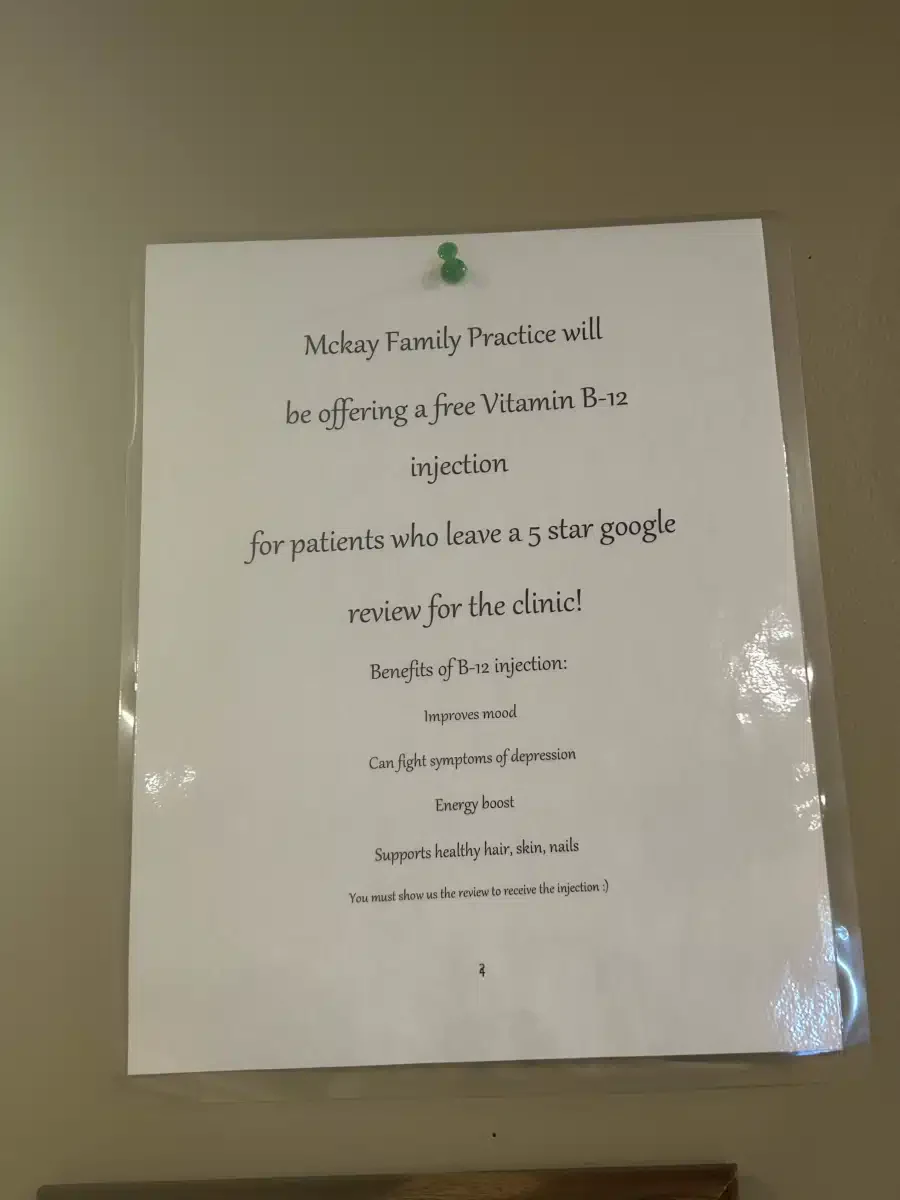
McKay Family Practice, located in West Jordan, UT, provides outpatient detox programs and treatment for substance use disorders. This center focuses on brief interventions, cognitive behavioral therapy, and strategies for preventing relapse. It offers customized programs for youth, men, and women, addressing the needs of a diverse clientele. Catering to adults and older adults of all genders, the facility ensures high-quality care within a compassionate atmosphere. With options for outpatient treatment using methadone, buprenorphine, or naltrexone, McKay Family Practice presents a thorough approach to recovery from addiction. It is a reputable option for individuals seeking tailored rehabilitation services in West Jordan.
McCall Behavioral Health Network, situated in Winsted, CT, specializes in outpatient treatment for substance use and offers targeted support for individuals dealing with co-occurring mental health issues. This center presents various therapeutic options, including outpatient services utilizing methadone, buprenorphine, or naltrexone, alongside routine outpatient counseling. Emphasizing anger management, quick intervention strategies, and cognitive behavioral therapy, the facility serves adult men and women, as well as young adults, in need of holistic care. Clients receive customized programs specifically aimed at addressing both mental health and substance use challenges, ensuring a high standard of individualized treatment for everyone.
McCarty Avenue, situated in Albany, NY, provides extensive substance abuse treatment for adult males within a secure and nurturing setting. The center's expertise lies in extended residential stays, inpatient detoxification services, and round-the-clock residential care. Employing scientifically validated methods like anger management, cognitive behavioral therapy, and motivational interviewing, the facility delivers personalized interventions for addiction and co-occurring psychological health issues. Specialized services are available for those who have endured intimate partner violence, domestic abuse, and sexual trauma. Catering specifically to adult, senior, and young adult men, McCarty Avenue is dedicated to offering superior treatment and assistance for individuals pursuing freedom from addiction.
McCullough Vargas and Associates, located in Adrian, MI, provides a wide range of substance use disorder treatments and specialized support for individuals facing significant mental health challenges concurrently. The center offers various treatment modalities, including intensive outpatient and standard outpatient services, specifically designed for adults and seniors. Their customized programs encompass 12-step support, anger management strategies, and brief intervention approaches to facilitate a comprehensive recovery journey. Additionally, the center features distinct programs tailored for adult men and women, as well as those impacted by intimate partner violence, making it a unique choice for many. The facility is dedicated to delivering high-quality care to both male and female clients, aiming for meaningful and lasting rehabilitation results.
McIntosh Trail Community Servs Board in Griffin, GA, specializes in integrated care for individuals of all ages struggling with substance abuse and co-occurring mental health challenges. The facility offers various levels of support, including intensive outpatient, outpatient, and day treatment, employing evidence-based methods like anger management, cognitive behavioral therapy, and brief interventions. Dedicated services are available for adult men, those with dual diagnoses, and individuals involved with the criminal justice system. McIntosh Trail Community Servs Board is committed to providing tailored, high-quality rehabilitation and recovery support to all who seek it.
Situated in Cleveland, OH, McIntyre Center Inc provides an all-encompassing approach to substance use recovery, offering transitional housing and sober living arrangements. The center features both intensive outpatient and outpatient services, incorporating 12-step methodologies, brief interventions, and cognitive behavioral therapy. Designed for a wide range of clients, McIntyre Center Inc caters to adults, children, and teenagers across all genders. Known for its personalized treatment strategies, the center is committed to ensuring that each client receives care tailored to their individual needs. If you or someone you know is looking for a nurturing setting to embark on the journey of addiction recovery, this center's well-rounded programs and varied treatment methods can offer the essential support needed for achieving sobriety.
Dual Diagnosis (Co-Occurring Disorders): Key Facts
Classification
Co-occurring mental health + substance use disorders
Prevalence
9.2 million adults in the US (SAMHSA)
Affected
~50% of people with severe mental illness have SUD
Common pairings
Depression+alcohol, Anxiety+benzos, PTSD+opioids, Bipolar+stimulants
Treatment model
Integrated (simultaneous), NOT sequential
Why it matters
Treating one without the other = high relapse rate for both
Key credential
CARF or Joint Commission dual diagnosis accreditation
Insurance
Covered under Mental Health Parity and Addiction Equity Act
What Is Dual Diagnosis?
Definition of dual diagnosis
Dual diagnosis — also called co-occurring disorders — refers to the presence of both a mental health disorder and a substance use disorder (SUD) in the same person at the same time. This is not two separate problems that happen to overlap. The mental health condition and the addiction interact with and reinforce each other, making both harder to treat in isolation.
More common than most people realize
According to the Substance Abuse and Mental Health Services Administration (SAMHSA), approximately 9.2 million adults in the United States have co-occurring mental health and substance use disorders. Roughly half of all people with a severe mental illness also struggle with substance abuse, and about one-third of all people with any mental illness also have a substance use disorder. Despite how common this is, fewer than 10% of people with co-occurring disorders receive treatment for both conditions.
Why dual diagnosis is often missed
Many people with co-occurring disorders are only diagnosed with one condition. Substance use can mask or mimic mental health symptoms, and mental health symptoms can be dismissed as consequences of substance use. This is why comprehensive assessment by professionals trained in both mental health and addiction is essential for accurate diagnosis and effective treatment planning.
Common Co-Occurring Disorder Combinations
Depression + Alcohol
Depression and alcohol use disorder is one of the most common co-occurring combinations. People with depression often drink to numb emotional pain, but alcohol is a central nervous system depressant that worsens depression over time. This creates a self-reinforcing cycle where each condition drives the other.
Anxiety Disorders + Benzodiazepines or Alcohol
People with generalized anxiety, social anxiety, or panic disorder frequently turn to benzodiazepines or alcohol for relief. While these substances reduce anxiety temporarily, they cause rebound anxiety that is often worse than the original symptoms, leading to escalating use and physical dependence.
PTSD + Opioids
Post-traumatic stress disorder and opioid use disorder frequently co-occur. Opioids blunt the emotional pain, hyperarousal, and intrusive memories associated with PTSD. However, opioid dependence adds a second layer of suffering and makes trauma processing in therapy far more difficult.
Bipolar Disorder + Stimulants
People with bipolar disorder have some of the highest rates of co-occurring substance use. During depressive episodes, stimulants like cocaine or methamphetamine may be used to elevate mood. During manic episodes, stimulants can intensify risky behavior. Substance use also destabilizes mood cycling and interferes with medication effectiveness.
Eating Disorders + Various Substances
Eating disorders like anorexia, bulimia, and binge eating disorder frequently co-occur with alcohol, stimulants, laxatives, or diet pills. Both conditions involve compulsive behavior patterns and distorted self-perception. Treatment must address the shared psychological roots rather than treating each behavior in isolation.
Why Integrated Treatment Is Essential
The failure of the sequential model
For decades, the standard approach was sequential treatment: address the addiction first, then treat the mental health condition (or vice versa). This approach consistently produced poor outcomes. A person who achieves sobriety but still has untreated depression, anxiety, or PTSD is at extremely high risk for relapse. Likewise, stabilizing someone's mental health while ignoring active substance use undermines psychiatric treatment effectiveness.
The evidence for integrated care
Research consistently shows that integrated treatment — addressing both conditions simultaneously with a coordinated team — produces significantly better outcomes than sequential or parallel treatment. SAMHSA has identified integrated dual diagnosis treatment as an evidence-based practice and recommends it as the standard of care for co-occurring disorders. Integrated programs reduce hospitalization rates, improve treatment retention, decrease substance use, and improve mental health symptoms.
What integrated means in practice
In an integrated program, the same treatment team addresses both conditions together. A psychiatrist manages medication for both the mental health disorder and any medication-assisted addiction treatment. Therapists are trained in both mental health and substance use counseling. Treatment plans account for how the two conditions interact, and progress is measured across both domains simultaneously.
What Happens in Dual Diagnosis Treatment
Comprehensive assessment
Treatment begins with a thorough evaluation by professionals trained in both mental health and addiction. This assessment identifies all co-occurring conditions, determines the severity of each, evaluates how the conditions interact, screens for medical complications, and establishes a baseline for measuring progress.
Medication evaluation and management
A psychiatrist evaluates medication needs for both conditions. This may include antidepressants, mood stabilizers, anti-anxiety medications (non-addictive options), antipsychotics, and addiction-specific medications like buprenorphine, naltrexone, or acamprosate. Medication management is ongoing throughout treatment, with adjustments as symptoms change.
Individual and group therapy
Individual therapy uses evidence-based approaches like Cognitive Behavioral Therapy (CBT) and Dialectical Behavior Therapy (DBT) to address thought patterns, emotional regulation, trauma, and coping skills. Group therapy provides peer support from others with co-occurring disorders, reduces isolation, and builds interpersonal skills. Specialized groups may focus on relapse prevention, emotion management, or specific conditions like trauma or anxiety.
Family education and involvement
Co-occurring disorders affect the entire family. Family education helps loved ones understand both conditions, learn how to provide effective support without enabling, establish healthy boundaries, and participate constructively in the recovery process. Family therapy sessions address relationship dynamics that may contribute to or result from the conditions.
Aftercare planning
Before discharge, the treatment team develops a detailed aftercare plan that includes ongoing psychiatric care, continued therapy, support group participation, medication management, relapse prevention strategies, and crisis planning. Aftercare is especially important for dual diagnosis because both conditions are chronic and require ongoing management.
Typical program timeline
Dual diagnosis programs are often longer than single-condition treatment. Residential programs typically last 30 to 90 days, though some extend to 6 months for complex cases. Intensive outpatient programs run 8 to 12 weeks. Step-down to standard outpatient therapy and psychiatric follow-up usually continues for 6 to 12 months or longer, depending on individual progress and needs.
How to Choose a Dual Diagnosis Treatment Center
Licensed MH + addiction staff
Verify the center has both licensed mental health professionals (psychiatrists, psychologists) and certified addiction specialists working together.
Psychiatric services on-site
On-site psychiatric care is essential for medication evaluation, prescribing, and ongoing management of both psychiatric and addiction medications.
Medication management
Look for programs that coordinate psychiatric medications with addiction treatment medications, monitoring for interactions and adjusting as needed.
Accreditation (CARF, Joint Commission)
CARF or Joint Commission accreditation with a specific dual diagnosis designation indicates the program meets rigorous quality standards for co-occurring care.
Evidence-based therapies
The center should offer CBT, DBT, trauma-focused therapy, motivational interviewing, and other proven approaches tailored to co-occurring disorders.
Individualized treatment plans
Every dual diagnosis presentation is different. The center should create personalized plans based on your specific conditions, severity, history, and goals.
Insurance Coverage for Dual Diagnosis Treatment
The Mental Health Parity and Addiction Equity Act
The Mental Health Parity and Addiction Equity Act (MHPAEA) requires health insurance plans that offer mental health and substance use coverage to provide benefits that are comparable to medical and surgical coverage. This means your insurer cannot impose stricter limits on dual diagnosis treatment than it would on treatment for a physical health condition like diabetes or heart disease.
ACA essential health benefits
Under the Affordable Care Act, mental health and substance use disorder services are classified as essential health benefits. All ACA-compliant marketplace plans must cover these services, including dual diagnosis treatment. This applies to individual and small group plans purchased through the Health Insurance Marketplace.
Medicaid coverage
Medicaid covers mental health and substance use treatment in all states, though the specific services covered and provider networks vary by state. Many states have expanded Medicaid under the ACA, broadening access to dual diagnosis treatment for low-income adults. Contact your state Medicaid office or a treatment center's admissions team to verify your specific coverage.
How to verify your benefits
Call the member services number on the back of your insurance card and ask specifically about coverage for co-occurring mental health and substance use treatment. Request details on in-network providers, deductibles, copays, prior authorization requirements, and any limits on residential or outpatient days. Most treatment centers also offer free insurance verification — call their admissions line and provide your insurance information for a benefits check before committing to a program.
If you've tried treatment for addiction OR mental health alone and relapsed, you may need integrated dual diagnosis care. This is not a failure — it means both conditions need to be addressed together.
Frequently Asked Questions About Dual Diagnosis
What exactly is dual diagnosis?
Dual diagnosis refers to having both a mental health disorder (like depression, anxiety, PTSD, or bipolar disorder) and a substance use disorder simultaneously. Also called co-occurring disorders, this condition affects approximately 9.2 million adults in the United States and nearly 50% of people with severe mental illness. Integrated treatment that addresses both issues together — rather than separately — produces significantly better outcomes.
Why is integrated treatment important for dual diagnosis?
Integrated treatment is crucial because mental health and addiction affect each other directly. Treating only one condition while ignoring the other typically leads to relapse in both. For example, getting sober without addressing underlying depression or PTSD leaves the person vulnerable to self-medicating with substances again. Integrated programs provide coordinated care where mental health professionals and addiction specialists work together on a unified treatment plan.
How do I know if I have dual diagnosis?
Signs that you may have co-occurring disorders include: experiencing mental health symptoms (depression, anxiety, mood swings, paranoia) alongside substance use problems; using substances to cope with emotional pain or mental health symptoms; difficulty controlling substance use despite consequences; mental health symptoms that persist or worsen even during periods of sobriety; or previous treatment failure for either addiction or mental health alone. A comprehensive assessment by a qualified professional can confirm a dual diagnosis.
What makes a treatment center qualified for dual diagnosis?
Look for programs that have both licensed mental health professionals (psychiatrists, psychologists, licensed clinical social workers) and certified addiction specialists on staff. The center should offer on-site psychiatric services, medication management, evidence-based therapies for both conditions (CBT, DBT, trauma-focused therapy), and individualized treatment plans. CARF or Joint Commission accreditation with a dual diagnosis designation is a strong indicator of quality.
Does insurance cover dual diagnosis treatment?
Yes, most health insurance plans cover dual diagnosis treatment. The Mental Health Parity and Addiction Equity Act requires insurers to cover mental health and substance use treatment at levels comparable to medical and surgical coverage. ACA-compliant plans include these as essential health benefits. Medicaid also covers co-occurring disorder treatment in all states. Contact your insurance provider or a treatment center's admissions team to verify your specific benefits and out-of-pocket costs.
What if I was only diagnosed with addiction but think I have a mental health condition too?
This is very common — many people enter addiction treatment without a formal mental health diagnosis. If you experience persistent sadness, anxiety, mood swings, flashbacks, difficulty concentrating, or other symptoms beyond your substance use, tell your treatment team. Request a comprehensive psychiatric evaluation. A qualified dual diagnosis program will screen for co-occurring mental health conditions and adjust your treatment plan accordingly. Getting the right diagnosis is essential for lasting recovery.
Can I take psychiatric medications while in addiction treatment?
Yes, and in many cases it is essential. Proper psychiatric medication management is a critical part of dual diagnosis treatment. Non-addictive medications like SSRIs, SNRIs, mood stabilizers, and certain anti-anxiety medications (such as buspirone or hydroxyzine) are safe and effective during addiction recovery. Dual diagnosis programs have psychiatrists who specialize in prescribing medications that treat mental health conditions without interfering with sobriety or creating new dependencies. Never stop taking prescribed psychiatric medications without consulting your doctor.
Medical Review and Sources
Trusted Resources
Substance Abuse and Mental Health Services Administration
Federal agency providing information, resources, and treatment locator for substance abuse and mental health.
Helpline: 1-800-662-4357
National Institute on Drug Abuse
NIH institute advancing science on drug use and addiction causes, consequences, and treatment.
National Institute on Alcohol Abuse and Alcoholism
NIH institute supporting research on alcohol's impact on health and providing treatment resources.
Need Help Finding Dual Diagnosis Treatment?
Speak with a compassionate specialist who can help you find the right integrated treatment program for co-occurring mental health and substance use disorders — 100% free and confidential, available 24/7.
Browse dual diagnosis programs in states with the most treatment options.
Related conditions, treatment approaches, and levels of care.