
Kratom Addiction Treatment & Recovery Programs
Kratom (Mitragyna speciosa) is a psychoactive plant that acts on opioid receptors and can lead to dependence and addiction. Below you will find what kratom is, why it can be dangerous, how to recognize dependence, what treatment options exist, and a directory of rehab centers that treat kratom and substance use disorders.
Found 722 rehab centers specializing in kratom addiction across the United States.
Need Help Finding the Right Treatment Center?
Speak with a compassionate specialist now - 100% free & confidential
Find Kratom Addiction Treatment Centers Near You
Use the search bar and filters below to find treatment centers that offer substance abuse programs, including behavioral therapy, medical support for withdrawal, and outpatient or residential care for kratom dependence.
Showing 7 of 722 results

The Substance Abuse Rehabilitation Prog, situated in Jacksonville, FL, delivers thorough support for individuals grappling with substance use disorders and co-occurring mental health concerns across all age groups. Tailoring treatment to each person's unique needs, they offer diverse modalities such as intensive outpatient, extended residential stays, and flexible outpatient plans. Their therapeutic interventions include proven methods like 12-step engagement, emotional regulation techniques, and cognitive behavioral therapy. The center also features specialized services for active military members, adult men, and adult women, ensuring gender-specific support. Committed to excellence, this establishment assists adults and young adults of all genders on their journey toward sustained recovery.

Substance Abuse Services Inc, located in Tulsa, OK, provides outpatient treatment for substance use tailored for both adults and young adults. The facility employs various strategies, including 12-step facilitation, anger management techniques, and brief interventions in its regular outpatient programs. It has a particular focus on clients involved with the criminal justice system. Catering to the needs of both women and men, the center emphasizes personalized care and support for each individual. Substance Abuse Services Inc is recognized for its thorough treatment plans and a passionate team dedicated to assisting clients on their path to recovery. If you are looking for effective substance abuse treatment in a nurturing setting, this center is ready to support you on your road to recovery.
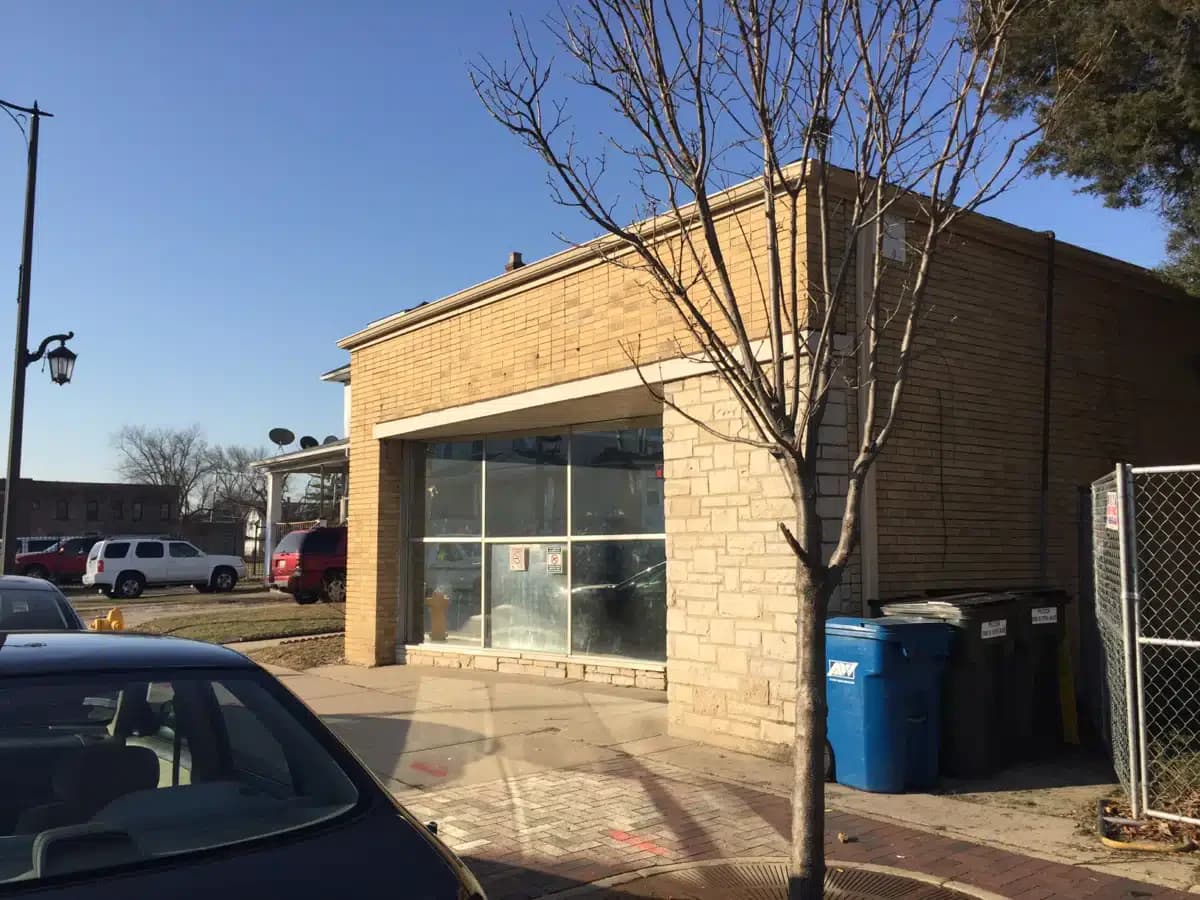
Substance Abuse Operations in Maywood, IL, provides a spectrum of services including outpatient detox, substance use disorder care, and medication-assisted treatment with methadone, buprenorphine, or naltrexone. Their therapeutic approach incorporates 12-step facilitation, anger management techniques, and brief intervention strategies to aid in the recovery process. The center is equipped to serve specific populations such as active duty military personnel, adult men, and adult women, demonstrating a commitment to individualized care. Substance Abuse Operations offers tailored treatment for adults and young adults of all genders, ensuring a supportive and effective path to recovery within the Maywood community.

Situated in Newport, RI, the Substance Abuse Rehabilitation Program provides outpatient services for adults and young adults dealing with substance use issues. This center focuses on counseling for substance use disorders, offering consistent outpatient care to assist individuals on their path to recovery. It serves both men and women, featuring a dedicated program for those in active military service. Emphasizing high-quality care and research-backed methods, the facility is committed to supporting individuals in overcoming addiction and attaining long-term sobriety.
Wayne Substance Abuse Services, located in Lyons, NY, is dedicated to providing outpatient treatment for adults struggling with substance use disorders, particularly those also facing significant mental health challenges. Their approach incorporates specialized techniques such as anger management, cognitive behavioral therapy, and brief intervention strategies, ensuring that each client receives personalized care. The center accommodates a broad spectrum of individuals, offering programs for active military personnel, teenagers, and adult men. Furthermore, they extend their services to both adult men and women, as well as seniors, emphasizing a holistic path to recovery. Utilizing medication-assisted treatments like methadone, buprenorphine, or naltrexone, alongside standard outpatient services, Wayne Substance Abuse Services is committed to delivering high-quality, effective rehabilitation to all who seek their assistance.
The White Earth Substance Abuse Program in Ogema, MN, is committed to delivering thorough substance use recovery services for adults and young adults. Prioritizing excellent treatment, they offer intensive outpatient, standard outpatient, and regular outpatient programs. Through methods like 12-step facilitation, anger management, and brief intervention, this center is equipped to serve active duty military, adult men, and adult women. The program accepts both male and female patients, fostering a welcoming and inclusive setting. For those in search of effective addiction care with tailored support, the White Earth Substance Abuse Program is devoted to assisting individuals on their journey to sustained wellness.
Situated in Ogema, MN, the White Earth Substance Abuse Program delivers extensive treatment for substance use issues among both adults and young adults. The facility offers various treatment solutions, including intensive outpatient, outpatient, and regular outpatient services. Employing methodologies like 12-step facilitation, anger management, and brief interventions, this center addresses the specific needs of active duty military members, men, and women. With tailored programs for each gender, the center focuses on personalized care for every individual. For those in search of reliable, evidence-driven addiction treatment within a nurturing atmosphere, the White Earth Substance Abuse Program provides exceptional support.
Kratom (Mitragyna speciosa): Key Facts
Classification
Psychoactive plant substance
Also known as
Ketum, Biak-Biak, Thom, Kakuam
Active compounds
Mitragynine & 7-hydroxymitragynine
Main risks
Dependence, withdrawal & liver toxicity
Addiction potential
Moderate to high
Withdrawal severity
Moderate
DEA scheduling
Not federally scheduled (state bans vary)
Recommended treatment
Behavioral therapy + medical support
What Is Kratom?
Kratom definition
Kratom (Mitragyna speciosa) is a tropical tree native to Southeast Asia whose leaves contain psychoactive compounds — primarily mitragynine and 7-hydroxymitragynine. These alkaloids bind to opioid receptors in the brain, producing stimulant effects at low doses and sedative, pain-relieving effects at higher doses. Kratom is sold as powders, capsules, extracts, and brewed teas in the United States, often marketed as a "natural" supplement or herbal remedy.
Is kratom legal?
Kratom is not federally scheduled in the United States, but its legal status varies by state. As of 2026, kratom is banned in Alabama, Arkansas, Indiana, Rhode Island, Vermont, and Wisconsin. Several other states have enacted the Kratom Consumer Protection Act, which regulates but does not ban the substance. The FDA has not approved kratom for any medical use and has issued warnings about its safety.
Why people use kratom
Many people turn to kratom to self-treat chronic pain, anxiety, depression, or opioid withdrawal symptoms. Some use it for energy or focus. Because it is marketed as a natural supplement and is widely available online and in smoke shops, many users underestimate the risks. However, kratom acts on the same brain receptors as opioids, which means it carries real potential for dependence and addiction.
Why Kratom Can Be Dangerous
Opioid-like effects and dependence
At higher doses, kratom's primary alkaloid 7-hydroxymitragynine acts as a potent mu-opioid receptor agonist — the same receptor targeted by heroin, fentanyl, and prescription painkillers. Regular use leads to tolerance, physical dependence, and withdrawal symptoms that closely mirror opioid withdrawal.
Contamination and adulteration
Because kratom is unregulated by the FDA, product quality varies dramatically. Testing has found kratom products contaminated with heavy metals (lead, nickel), salmonella, and even spiked with synthetic opioids or other undisclosed substances. There is no guarantee that what is on the label matches what is in the product.
Liver toxicity and other health risks
The FDA has linked kratom use to serious liver injury (hepatotoxicity), seizures, respiratory depression, and cardiac arrhythmias. When combined with other substances — particularly opioids, benzodiazepines, or alcohol — the risk of fatal overdose increases significantly. Between 2011 and 2024, kratom was listed as a contributing factor in hundreds of overdose deaths in the United States.
The "natural" fallacy
Being plant-derived does not make kratom safe. Tobacco, opium, and cocaine are all plant-derived and highly addictive. Kratom's marketing as a natural supplement creates a false sense of safety that leads many users to dismiss warning signs of dependence until the problem is severe.
Signs of Kratom Use and Dependence
Common signs of kratom use
- Unusual energy followed by drowsiness
- Loss of appetite and weight loss
- Nausea, constipation, or stomach pain
- Darkening of skin (with chronic use)
- Increased secrecy about supplement use
Signs of kratom dependence
- Needing more kratom to feel the same effects
- Anxiety or irritability without kratom
- Failed attempts to cut down or quit
- Spending significant money on kratom
- Withdrawal symptoms when not using
How Kratom Addiction Develops
How it affects the brain
Kratom's active alkaloids bind to mu-opioid receptors, triggering dopamine release in the brain's reward pathway. This creates feelings of euphoria, pain relief, and relaxation. Over time, the brain adapts to this artificial stimulation by reducing its natural dopamine production, creating a cycle where the person needs kratom just to feel normal.
Tolerance and escalation
With regular use, tolerance develops quickly — often within weeks. Users find they need larger or more frequent doses to achieve the same effects. Many escalate from powder to concentrated extracts, or switch to stronger opioids altogether. This pattern of escalation is a hallmark of developing addiction.
Withdrawal symptoms
Kratom withdrawal symptoms resemble opioid withdrawal, though generally less severe. They typically begin 12–24 hours after the last dose and can last 3–7 days:
- Muscle aches and joint pain
- Insomnia and restlessness
- Irritability, anxiety, and mood swings
- Nausea, diarrhea, and stomach cramps
- Sweating and runny nose
- Intense cravings
While kratom withdrawal is rarely dangerous, it is uncomfortable enough that many people continue using simply to avoid these symptoms — a key driver of the addiction cycle. Professional support can make withdrawal more manageable and reduce relapse risk.
Treatment Options for Kratom Addiction
Medical assessment and supervised tapering
Treatment typically begins with a comprehensive medical evaluation. For people with significant physical dependence, a gradual taper — slowly reducing the dose over days or weeks — is often more effective and comfortable than abrupt cessation. Medical professionals can manage symptoms with supportive medications for sleep, anxiety, and pain.
Medication-Assisted Treatment (MAT)
Because kratom acts on opioid receptors, some treatment providers use MAT medications like buprenorphine (Suboxone) for severe kratom dependence. This approach is particularly helpful for people who have been using large doses of kratom extracts or who have co-occurring opioid addiction. MAT stabilizes brain chemistry and reduces cravings while the person engages in therapy.
Behavioral therapy
Cognitive Behavioral Therapy (CBT) is the primary evidence-based approach for kratom addiction. CBT helps identify the triggers and thought patterns that drive kratom use, and builds healthier coping strategies. Motivational Interviewing helps strengthen commitment to change, while group therapy provides peer support and accountability.
Inpatient and outpatient programs
Most kratom addiction is treated in outpatient settings, allowing people to continue working and living at home while attending therapy sessions. For severe cases — especially those involving polysubstance use or co-occurring mental health disorders — residential treatment or Intensive Outpatient Programs (IOP) provide more structured support.
Treating the underlying condition
Many people who develop kratom dependence started using it to self-treat chronic pain, anxiety, or depression. Effective treatment must address these underlying conditions with appropriate medical care — otherwise, the person is likely to return to kratom or other substances for relief. Dual diagnosis treatment addresses both addiction and mental health simultaneously.
How To Choose the Right Treatment Center for Kratom Addiction
Experience with kratom cases
Look for providers who understand kratom's unique pharmacology — it acts on opioid receptors but also serotonin and adrenergic pathways.
Medication support available
For severe dependence, access to MAT medications (buprenorphine) and symptom management medications is important.
Flexible levels of care
Most kratom addiction responds to outpatient treatment, but the center should offer step-up to IOP or residential if needed.
Treats underlying conditions
Chronic pain, anxiety, and depression often drive kratom use. The program should address these root causes, not just the substance.
Verify insurance coverage
Substance use disorder treatment is covered under most plans. Ask the center to verify your benefits before admission.
Check credentials
Look for CARF or Joint Commission accreditation, licensed counselors, and evidence-based treatment protocols.
Related Treatment Approaches and Levels of Care
Frequently Asked Questions About Kratom
Is kratom addictive?
Yes. Kratom's active compounds bind to opioid receptors in the brain, and regular use leads to tolerance, physical dependence, and withdrawal symptoms similar to opioid withdrawal. The risk of addiction increases with higher doses, more frequent use, and use of concentrated extracts.
What are the symptoms of kratom withdrawal?
Kratom withdrawal symptoms include muscle aches, insomnia, irritability, anxiety, nausea, diarrhea, sweating, and intense cravings. Symptoms typically begin 12–24 hours after the last dose and last 3–7 days. While generally not life-threatening, withdrawal is uncomfortable enough that many people relapse without professional support.
Is kratom an opioid?
Kratom is not classified as an opioid, but it acts like one. Its active compounds — mitragynine and 7-hydroxymitragynine — bind to mu-opioid receptors and produce opioid-like effects including pain relief, euphoria, sedation, and physical dependence. The FDA considers kratom an opioid based on its pharmacological profile.
Can you overdose on kratom?
Yes. While fatal overdose from kratom alone is uncommon, the risk increases significantly when kratom is combined with other substances — especially opioids, benzodiazepines, or alcohol. The FDA has linked kratom to dozens of deaths. Additionally, unregulated kratom products may be adulterated with more dangerous substances.
What treatment is available for kratom addiction?
Treatment options include behavioral therapy (CBT, motivational interviewing), medically supervised tapering, medication-assisted treatment for severe dependence, and outpatient or residential programs. Because many people use kratom to self-treat pain or mental health conditions, comprehensive treatment also addresses these underlying issues.
Is kratom legal in the United States?
Kratom is not federally scheduled, but it is banned in Alabama, Arkansas, Indiana, Rhode Island, Vermont, and Wisconsin. Several states have enacted the Kratom Consumer Protection Act to regulate (but not ban) sales. Legality can change — check your state's current laws. The FDA has not approved kratom for any medical use.
Can kratom be used to treat opioid addiction?
Some people use kratom to self-manage opioid withdrawal, but this approach is not FDA-approved and carries significant risks — including developing kratom dependence. Evidence-based MAT medications like buprenorphine (Suboxone) and methadone are safer, more effective, and backed by decades of research. If you're struggling with opioid addiction, talk to a medical professional rather than self-medicating with kratom.
How long does it take to recover from kratom addiction?
Acute withdrawal typically resolves in 3–7 days. Post-acute symptoms like mood instability and cravings may persist for weeks. Outpatient treatment programs generally last 2–6 months. Long-term recovery is supported by ongoing therapy, aftercare planning, and addressing underlying conditions that led to kratom use in the first place.
Medical Review and Sources
Trusted Resources
Substance Abuse and Mental Health Services Administration
Federal agency providing information, resources, and treatment locator for substance abuse and mental health.
Helpline: 1-800-662-4357
National Institute on Drug Abuse
NIH institute advancing science on drug use and addiction causes, consequences, and treatment.
National Institute on Alcohol Abuse and Alcoholism
NIH institute supporting research on alcohol's impact on health and providing treatment resources.
Need Help Finding Treatment Now?
Speak with a compassionate specialist who can help you find the right outpatient, residential, or therapy program for kratom addiction — 100% free and confidential, available 24/7.
Browse kratom addiction programs in states with the most treatment options.
Related conditions, treatment approaches, and levels of care.