
Marijuana Addiction Treatment Centers Near You
Cannabis use disorder is increasingly recognized as a serious condition requiring professional treatment. Find programs offering counseling, behavioral therapy, and support for marijuana dependency and psychological addiction.
Found 431 rehab centers specializing in marijuana dependence across the United States.
Need Help Finding the Right Treatment Center?
Speak with a compassionate specialist now - 100% free & confidential
Showing 20 of 431 results
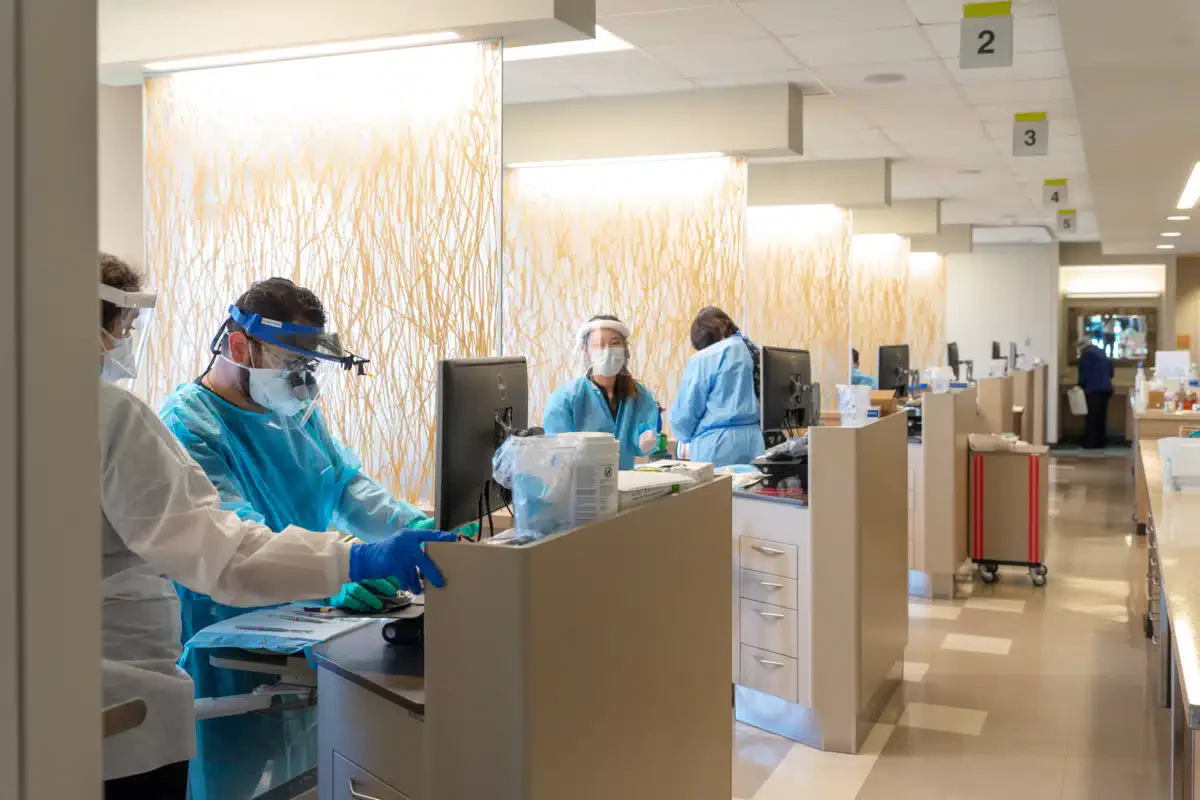
Healthcare for the Homeless Houston, located in Houston, TX, provides thorough addiction treatment via flexible outpatient services designed to meet each person's unique requirements. The center employs scientifically proven methods, including brief intervention, cognitive behavioral therapy, and motivational interviewing, to combat addiction effectively. Specific services are offered for adult men, adult women, and individuals affected by intimate partner or domestic violence. Serving adults and seniors of all genders, this establishment delivers excellent care within a nurturing setting. Individuals looking for tailored and empathetic addiction recovery support will discover significant assistance at Healthcare for the Homeless Houston.

Healthcare and Rehabilitation Services, situated in Springfield, VT, delivers a full spectrum of care for individuals of all ages facing addiction and dual diagnoses. They employ proven methods like brief intervention, CBT, and motivational interviewing through intensive outpatient, outpatient, and standard outpatient programs. Tailored services are available for adult men, adult women, and those with co-occurring conditions, ensuring personalized support for seniors and adults of all genders. The focus is on high-quality, individualized care to foster lasting sobriety.
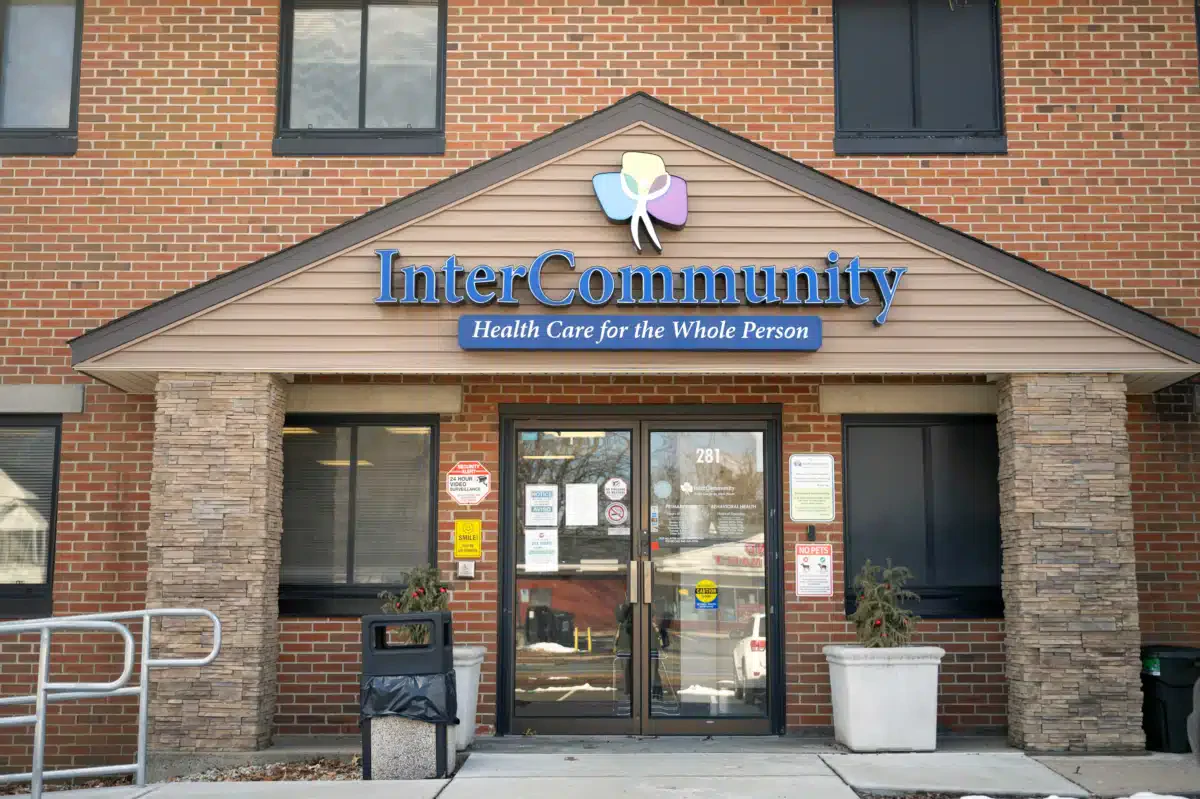
InterCommunity Healthcare, located in East Hartford, CT, delivers extensive treatment for substance use disorders in adults, with a focus on those facing concurrent serious mental health issues. The center features a variety of treatment options, such as intensive outpatient and outpatient programs, with specific therapies including methadone/buprenorphine and naltrexone. Their methodology encompasses anger management, brief interventions, and cognitive behavioral therapy. Special programs are designed for adult men, women, and survivors of intimate partner violence. Catering to adults and seniors across all genders, InterCommunity Healthcare ensures customized support for each person. Committed to high-quality care and proven treatment methods, this center is recognized as a reliable source for addiction recovery services.
InterCommunity Healthcare, situated in Hartford, CT, specializes in addressing substance use disorders alongside mental health issues for both adults and children. The center provides extended residential treatment emphasizing 12-step programs, anger management techniques, and short-term interventions. Tailored programs are available for adult women, particularly those who have experienced intimate partner violence, domestic abuse, and sexual assault. The facility accommodates a diverse range of clients, including adults, seniors, and young adults, with a special emphasis on women. With a strong focus on delivering effective care and utilizing evidence-based practices, InterCommunity Healthcare is committed to aiding individuals in their recovery journey.
InterCommunity Healthcare, located in Hartford, CT, specializes in comprehensive detoxification and treatment for substance use within a nurturing setting. The center features residential detox services and round-the-clock care, employing proven methods including 12-step support, brief interventions, and cognitive behavioral therapy. InterCommunity Healthcare provides tailored programs for adult men and women, ensuring gender-sensitive treatment options for both sexes. Patients can anticipate individualized, high-quality care aimed at facilitating their recovery process.
InterCommunity Healthcare, located in Hartford, CT, provides a wide range of treatment options for adults and young adults dealing with both substance use disorders and significant mental health challenges. The center features specialized programs designed for men and women, offering various levels of care including short-term, long-term, and around-the-clock residential services. By employing proven methods such as cognitive behavioral therapy, 12-step programs, and targeted brief interventions, this facility effectively meets the needs of its diverse clientele. With a strong focus on high-quality care, gender-sensitive programming, and individualized treatment plans, InterCommunity Healthcare stands out as an excellent choice for those in need of effective rehabilitation solutions in the Hartford region.
Residential substance use treatment, both short-term and long-term, is provided at Hygea Healthcare in Owings Mills, Maryland. Separate programs serve adult women and adult men, including clients with co-occurring mental health disorders. Medicaid is accepted.
Residential detoxification and short-term residential substance use treatment are available at this Middle River, Maryland facility, with buprenorphine and naltrexone used in care. Programs serve adult women and men, including those with co-occurring disorders. Medicaid, private insurance, and Spanish-language services are offered.
In Tampa, Florida, Ibis Healthcare's Medication Assisted Treatment Program pairs outpatient care with short-term and long-term residential treatment, using methadone, buprenorphine, and naltrexone. Programming serves pregnant women, veterans, forensic clients, and people with HIV or AIDS. Medicaid, SAMHSA block grants, and sliding fees are accepted, with Spanish and sign language services.
Ibis Healthcare's Outpatient and Medication Assisted Treatment site in Lakeland, Florida, uses methadone, buprenorphine, and naltrexone to treat opioid use disorder in adults. Programming covers pregnant women, veterans, forensic clients, and trauma survivors. Medicaid, SAMHSA block grants, payment assistance, and sliding fees are accepted, with Spanish and sign language services.

Ibis Healthcare's Youth Clinical Services in Tampa, Florida provides regular outpatient substance use treatment exclusively for children and adolescents. Programs address pregnant and postpartum teens, criminal justice clients, and young people who have experienced sexual abuse, domestic violence, or trauma. Medicaid, Medicare, and private insurance are accepted.
Outpatient detoxification and regular outpatient substance use treatment are provided at this Pounding Mill, Virginia clinic, which also treats co-occurring disorders in adults with serious mental illness and children with serious emotional disturbance. Buprenorphine and naltrexone are used in treatment. Medicare, Medicaid, TRICARE, private insurance, and state-financed plans are accepted, and sign language services are available.

Nestled in Hardy, AR, Hope Behavioral Healthcare provides outpatient services for substance use disorders. They also specialize in treating adults with co-occurring substance use and severe mental health issues, as well as children experiencing serious emotional disturbances. Their treatment strategies are grounded in proven methods such as anger management, cognitive behavioral therapy, and motivational interviewing. Hope Behavioral Healthcare prioritizes personalized care, serving adults, seniors, and young adults across all genders. Individuals looking for effective addiction treatment within a nurturing setting will discover extensive support designed for their specific requirements.

Housing Works Community Healthcare, based in Brooklyn, NY, provides a wide range of substance use treatment options for adults and young adults facing significant mental health challenges alongside their substance use issues. This facility offers outpatient services such as methadone and buprenorphine therapies, as well as cognitive behavioral therapy. With tailored programs designed for adult men, women, and individuals who have faced intimate partner violence, it addresses various client needs. The center also provides anger management, brief interventions, and customized care for all clients, ensuring that individuals seeking healing from substance use and mental health problems receive top-notch, personalized support.
Situated in Hartford, VT, Healthcare and Rehabilitation Services provides outpatient care for individuals dealing with substance abuse and concurrent mental health challenges, serving both adults and children. This facility is experienced in brief interventions, cognitive behavioral therapy, and motivational interviewing techniques. Their offerings are designed for individuals with dual diagnoses as well as those who are navigating the criminal justice system. Emphasizing support for adults and seniors of all genders, the center ensures that care is customized to meet each person's unique needs. For anyone in need of thorough rehabilitation services within a nurturing atmosphere, this center is committed to guiding you towards sustained recovery.
Healthcare and Rehabilitation Services in Brattleboro, VT, provides outpatient support aimed at addressing substance use issues and concurrent mental health conditions in adults, as well as serious emotional challenges in children. The center employs proven methods including brief intervention, cognitive behavioral therapy, and motivational interviewing to deliver consistent outpatient care. Specialized programs are available for individuals with dual diagnoses and those connected to the criminal justice system. Prioritizing adults and seniors of various genders, this center is committed to delivering high-quality care through customized treatment strategies and extensive support for individuals pursuing recovery from addiction and mental health difficulties.
Hopefield Healthcare Services in Jackson, Tennessee, runs a partial hospitalization program, intensive outpatient care, and medication treatment with buprenorphine and naltrexone. A separate program track serves adolescents. Medicare, Medicaid, TRICARE, a sliding fee scale, and payment assistance are accepted.
Impact Healthcare, situated in Jackson, TN, provides targeted rehabilitation services for both adults and young adults dealing with substance use issues and coexisting mental health challenges. The center offers a range of options including intensive outpatient therapy, general outpatient services, and treatments involving methadone, buprenorphine, or naltrexone. Emphasizing techniques such as anger management, brief intervention, and cognitive behavioral therapy, they customize treatment strategies to address the unique requirements of each individual. Impact Healthcare also has dedicated programs for active duty service members as well as adult men and women, fostering an inclusive atmosphere for all participants. Discover exceptional care and individualized assistance at Impact Healthcare.
Situated in Lawrenceburg, IN, INcompass Healthcare specializes in treating adults and children dealing with substance use disorders alongside significant mental health challenges. The center offers various outpatient services, such as intensive outpatient programs and partial hospitalization, designed to meet diverse needs. INcompass Healthcare employs proven methods including 12-step facilitation, anger management, and brief interventions to aid individuals in their recovery process. With an emphasis on personalized treatment, the facility serves adults and seniors of all genders, crafting specific plans that cater to each client’s unique situation. Discover empathetic and all-encompassing support at INcompass Healthcare.
INcompass Healthcare, located in Lawrenceburg, IN, provides tailored recovery programs for individuals grappling with addiction and associated mental health challenges, serving both adolescents and adults. Their approach encompasses a spectrum of care, from intensive inpatient hospital stays to sustained residential living, all designed with personalization at its core for men, women, and seniors. Employing proven therapeutic techniques like 12-step support, emotional regulation training, and concise counseling, INcompass Healthcare guarantees advanced treatment strategies adapted to the unique journey of each patient. For a supportive and successful path to healing, INcompass Healthcare is committed to delivering excellent services for enduring sobriety.
Frequently Asked Questions
Is marijuana really addictive?
What are signs of marijuana dependence?
What treatment options exist for marijuana dependency?
Should I choose inpatient or outpatient treatment for marijuana addiction?
How is high-potency marijuana different from older strains?
About Marijuana Dependence Treatment
While marijuana is increasingly legalized and often perceived as harmless, cannabis use disorder is a real condition affecting millions. Approximately 9% of marijuana users develop dependence, rising to 17% for those who start as adolescents and 25-50% among daily users. Professional treatment helps individuals overcome psychological dependence and regain control of their lives.
Understanding Cannabis Use Disorder
Cannabis Use Disorder (CUD) is the clinical diagnosis in the DSM-5 for problematic marijuana use causing significant impairment or distress. Like other substance use disorders, CUD is diagnosed when a person meets at least two of eleven criteria within 12 months — including unsuccessful attempts to quit, cravings, tolerance, withdrawal, and continued use despite social or health consequences. CUD is classified as mild (2–3 criteria), moderate (4–5), or severe (6+). As marijuana potency has increased and daily use has become more common, CUD diagnoses have risen sharply — the condition now affects an estimated 4.4 million American adults.
Unlike popular belief, marijuana withdrawal is real, though typically less severe than other substances. Symptoms include irritability, anxiety, sleep difficulties, decreased appetite, restlessness, and depressed mood. Withdrawal typically begins within 24–72 hours of last use and can last 1–2 weeks, making professional support valuable for those attempting to quit after prolonged daily use.
Today's Higher-Potency Marijuana
Modern marijuana is dramatically more potent than in previous decades. THC concentrations in flower have increased from 3-4% to 15-20% or higher, while concentrates (wax, shatter, dabs) can exceed 80-90% THC. Higher potency increases addiction risk, withdrawal severity, mental health impacts, and impairment. This makes treatment more important than ever for those struggling with marijuana dependence.
Evidence-Based Treatment Approaches
Effective treatments for cannabis use disorder include:
- Cognitive Behavioral Therapy (CBT): Identifies triggers, challenges thoughts supporting use, and develops coping skills
- Motivational Enhancement Therapy (MET): Brief intervention approach that builds motivation for change through exploring ambivalence
- Contingency Management: Provides incentives and rewards for maintaining abstinence
- Family-Based Approaches: Particularly important for adolescents; involves family in treatment and recovery
Co-Occurring Mental Health Issues
Many individuals use marijuana to self-medicate anxiety, depression, insomnia, or trauma symptoms. Comprehensive treatment addresses underlying mental health conditions through integrated dual diagnosis care, ensuring both marijuana dependence and co-occurring conditions receive appropriate attention.
Outpatient Treatment Options
Most marijuana dependency is effectively treated in outpatient settings, allowing individuals to maintain work, school, and family responsibilities while receiving care. Intensive Outpatient Programs (IOP) typically meet 9-12 hours per week, while standard outpatient care offers more flexible scheduling. Residential treatment may be appropriate for co-occurring conditions or when outpatient treatment hasn't succeeded.
Recovery and Lifestyle Change
Successful recovery involves more than stopping marijuana use. It includes developing healthy coping strategies, addressing reasons for use, building supportive relationships, finding meaningful activities and purpose, managing stress and emotions without substances, and creating a lifestyle that supports long-term wellness and sobriety.
Additional resources on marijuana addiction:
Related Conditions
Explore Treatment Methods
Browse marijuana dependence programs in states with the most treatment options.
Related conditions, treatment approaches, and levels of care.
Need immediate help? Call SAMHSA: 1-800-662-4357 (24/7, free)