
Opioid Rehab Near You: MAT, Detox & Recovery Programs
Browse SAMHSA-listed opioid rehab programs across all 50 states — filter by MAT type (buprenorphine, methadone, naltrexone), level of care (OTP, OBOT, residential, IOP, telehealth), and insurance acceptance. MAT reduces opioid overdose deaths by more than 50% (NIDA), yet fewer than 20% of people with OUD receive it. Synthetic opioids (primarily fentanyl) drive ~75% of US opioid overdose deaths — CDC reports over 80,000 annually. After the 2023 MAT Act, any licensed prescriber can offer buprenorphine in office-based or telehealth settings.
Found 9,319 rehab centers specializing in opioid addiction across the United States.
Need Help Finding the Right Treatment Center?
Speak with a compassionate specialist now - 100% free & confidential
Find Opioid Treatment Centers Near You
Browse opioid treatment centers below. Filter by MAT availability, state, insurance, and level of care to find the right program for your recovery needs.
Showing 20 of 9319 results
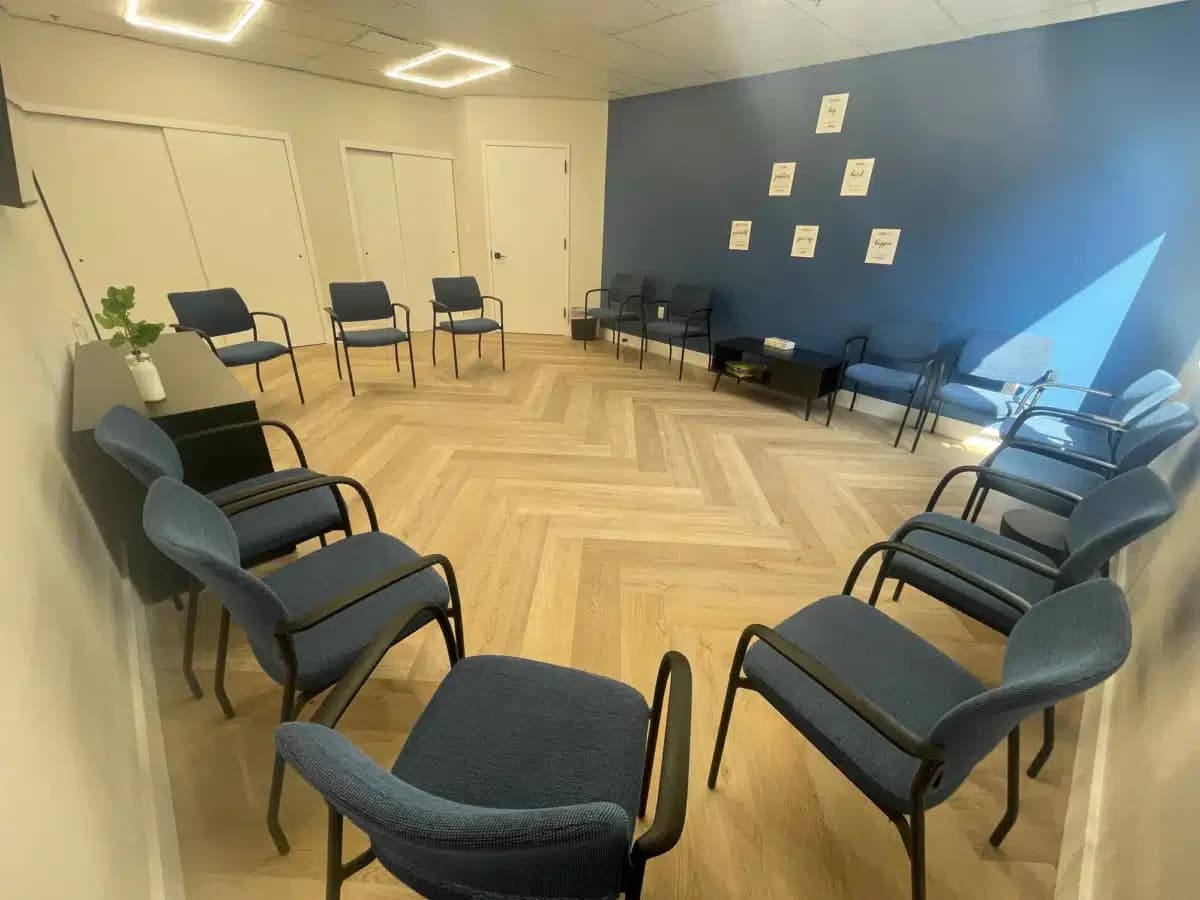
Rosewood Recovery, situated in Newtown, PA, is dedicated to delivering targeted substance use care for adults and young adults. Their program is specifically designed to address co-occurring serious mental health concerns. Clients can choose from intensive outpatient, outpatient, and day treatment formats, all delivered through a distinctive personalized methodology. Rosewood Recovery's therapeutic offerings encompass 12-step facilitation, anger management techniques, and brief intervention strategies. Committed to high standards of care, the facility welcomes both male and female individuals pursuing thorough and tailored recovery services. Rosewood Recovery is committed to guiding individuals toward healing within a nurturing setting.
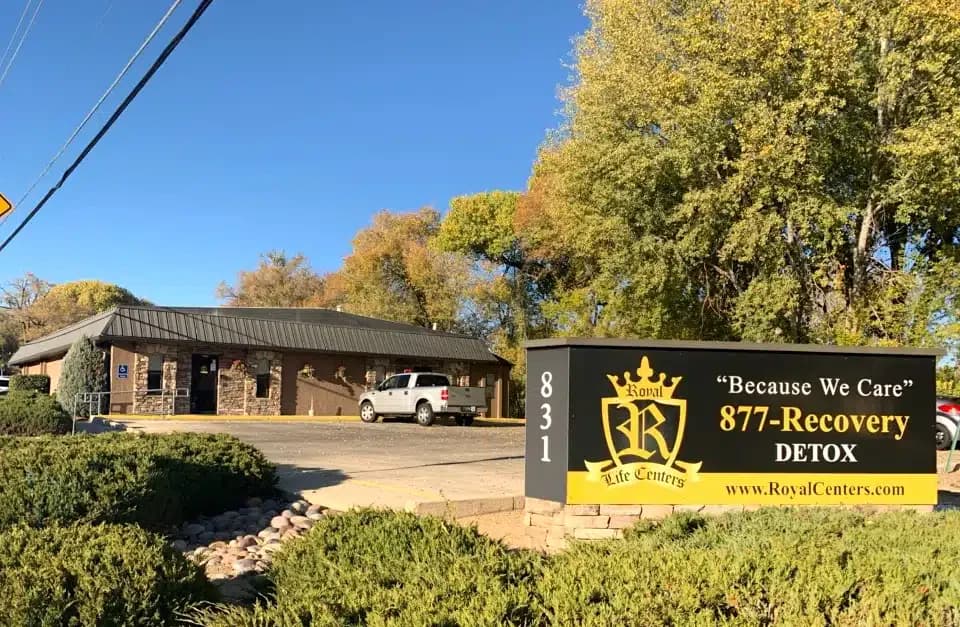
Situated in Prescott, AZ, Royal Life Centers provides extensive treatment for substance use in a residential format. The program covers various therapeutic modalities, including 12-step facilitation, strategies for anger management, and brief intervention techniques. This center serves adult women, current military members, and those who have faced intimate partner violence. Emphasizing care for adults, seniors, and young adults, Royal Life Centers offers focused support for female patients. With its short-term and round-the-clock residential options, the facility creates a nurturing environment conducive to recovery. Clients can anticipate personalized care and customized treatment plans to support their path to sobriety.
Royal Life Centers located in Prescott, AZ, provides exceptional treatment for substance use within a calm residential environment. This center emphasizes 12-step facilitation, anger management, and brief intervention strategies to tackle addiction. It offers customized programs specifically designed for active duty military members, adult males, and those who have endured intimate partner violence, ensuring focused support. Catering to adults, seniors, and young adults, this facility is dedicated to male clients in need of thorough rehabilitation services. Discover quality care and individualized treatment plans at Royal Life Centers to promote effective recovery and sustained sobriety.
Located in Prescott, AZ, Royal Life Centers provides extensive addiction rehabilitation services through multiple formats such as intensive outpatient programs, outpatient care, and day treatment options. The center focuses on 12-step facilitation, along with anger management and brief intervention strategies. With specialized programs designed for active military members, as well as adult men and women, Royal Life Centers serves a variety of individuals. The facility is committed to delivering exceptional care in a nurturing atmosphere to both adults and young adults of all genders. Individuals in search of personalized addiction treatment in a friendly environment will discover programs that cater to their specific requirements at Royal Life Centers.
Royal Life Centers, located in Prescott, Arizona, provides focused detox and substance abuse treatment in a tranquil residential environment. The center employs customized methods including 12-step support, anger management, and brief intervention to ensure thorough care for both adults and young adults. Programs are specifically designed for active military members, men, and women, allowing for personalized assistance. Clients can access residential detox services, round-the-clock care, and short-term residential treatments available for both genders. Committed to delivering high-quality care and individualized therapies, Royal Life Centers aims to support individuals on their journey to long-term recovery.
Situated in Mead, WA, Royal Life Centers delivers thorough addiction recovery services for adults and younger individuals. The facility offers intensive outpatient, standard outpatient, and day treatment (partial hospitalization) programs. Emphasizing 12-step facilitation, anger management, and brief intervention techniques, this center serves adult men and women, as well as active duty military members. Specialized programs for both genders guarantee personalized recovery plans. Royal Life Centers is committed to high-quality care and assistance for individuals striving to conquer addiction, establishing itself as a leading option for effective rehabilitation.
Royal Life Centers in Spokane, WA, delivers thorough addiction recovery services. This establishment offers detox and addiction therapy within residential accommodations, featuring round-the-clock support and shorter-term stays. Their approach includes the 12-step program, strategies for managing anger, and concise intervention techniques. They serve adult men and women, as well as active military members. Customized treatment plans are provided for both younger and older adults, guaranteeing personalized attention. Royal Life Centers distinguishes itself by offering distinct programs for male and female patients, underscoring their commitment to high-caliber treatment and successful rehabilitation for sustained sobriety.
Situated in Olympia, Washington, Royal Life Centers provides complete care for addiction, encompassing both detox and ongoing treatment. They offer various residential options, including immediate detox, round-the-clock residential support, and shorter residential stays, serving adults and young adults of all genders. The facility employs tailored therapeutic methods like 12-step support, emotional regulation training, and immediate intervention strategies. Special programs are available for active military members, adult men, and adult women. Royal Life Centers is dedicated to offering excellent care and assistance to those battling substance abuse, positioning itself as a leading facility for individuals aiming for a sober life.
At Royal Life Centers in Sumner, WA, we provide extensive addiction recovery solutions for individuals and younger adults. Our services include detox and comprehensive substance abuse care via our intensive outpatient, outpatient, and day treatment options. We offer tailored programs for active duty military personnel, adult men, and adult women, recognizing the unique challenges each group faces. Royal Life Centers employs proven therapeutic methods including 12-step facilitation, anger management strategies, and brief intervention techniques to foster healing. Our dedication to personalized attention and a nurturing atmosphere ensures clients are empowered for lasting abstinence.
Royal Life Centers, situated in Olympia, WA, delivers all-encompassing addiction recovery services for adults and young adults. The facility offers a spectrum of care, encompassing intensive outpatient, outpatient, and partial hospitalization programs. Employing strategies like 12-step facilitation, anger management, and brief intervention, Royal Life Centers customizes treatment plans for each person. Dedicated programs are provided for active military members, adult males, and adult females. Catering to both genders, this establishment prioritizes effective care and assistance for individuals pursuing sobriety.
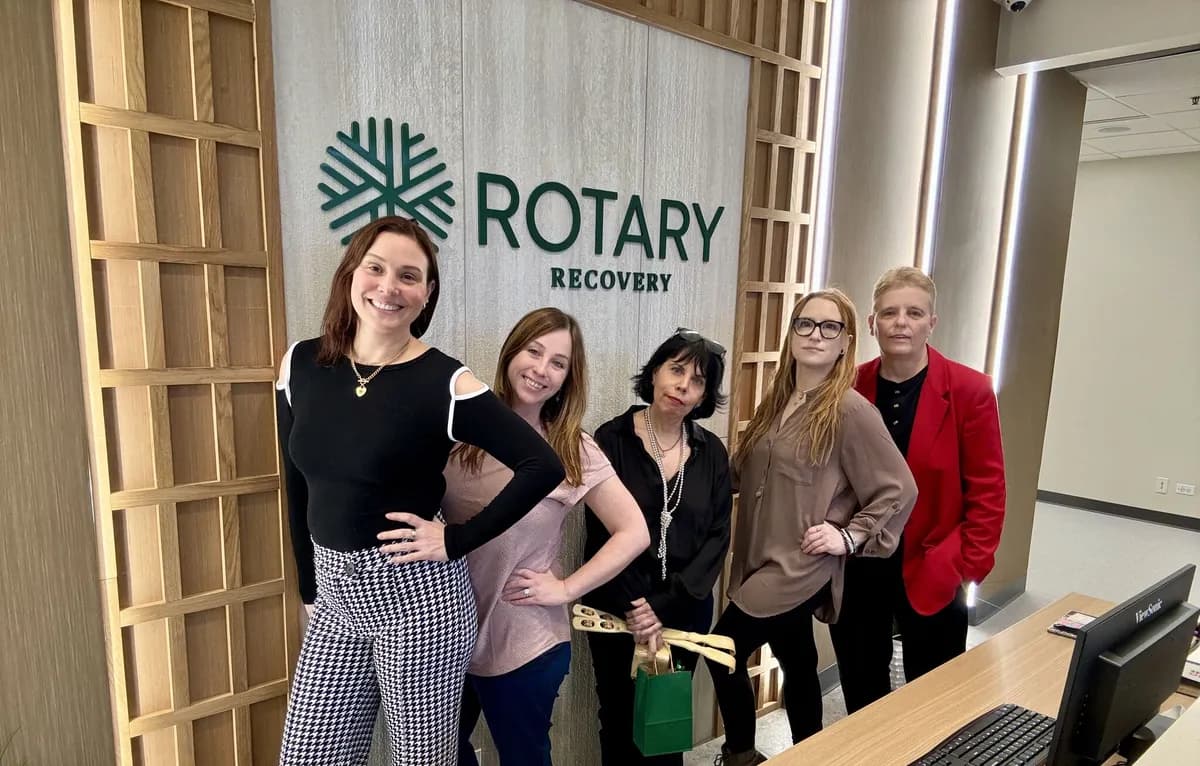
Rotary Recovery in Northbrook, Illinois, provides outpatient detoxification, partial hospitalization, intensive outpatient care, and buprenorphine or naltrexone treatment. Programs serve pregnant women, veterans, criminal justice clients, and people with HIV or co-occurring disorders. TRICARE, tribal and IHS funds, private insurance, and sliding fees are accepted.
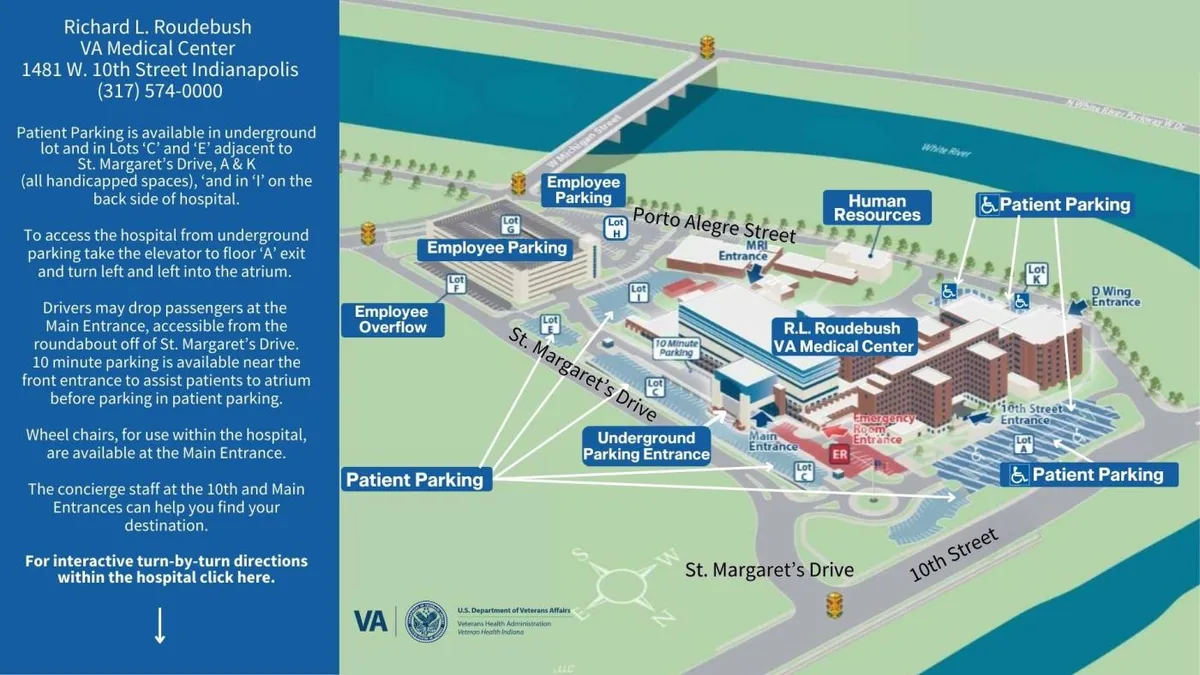
The substance use disorders recovery program at this Indianapolis, Indiana VA medical center spans hospital inpatient detoxification, outpatient detox, intensive outpatient care, and treatment with methadone, buprenorphine, or naltrexone. Programs serve veterans, adult women and men, trauma survivors, and clients with co-occurring disorders. Medicare, Medicaid, and TRICARE are accepted, with sign language services.
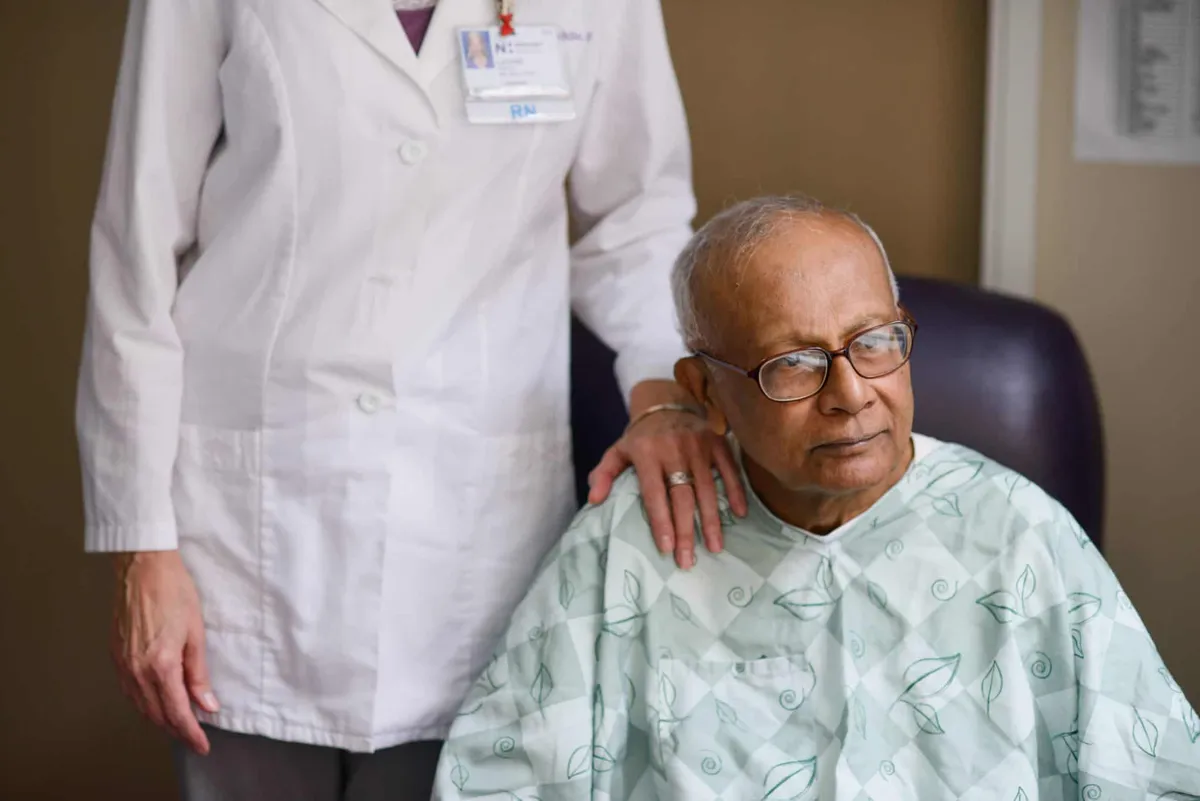
Rowan Regional Medical Center in Salisbury, North Carolina, provides hospital inpatient detoxification and inpatient substance use treatment, including care for co-occurring mental health disorders. Buprenorphine and naltrexone are used in treatment. Young adults, adults, and seniors are served. Medicare, Medicaid, TRICARE, and sign language services are available.

This Rumford, Maine, outpatient clinic offers methadone, buprenorphine, and naltrexone for opioid use disorder, treating adults and seniors including veterans, military families, and pregnant women. Medicare, Medicaid, private insurance, and SAMHSA block grants are accepted.
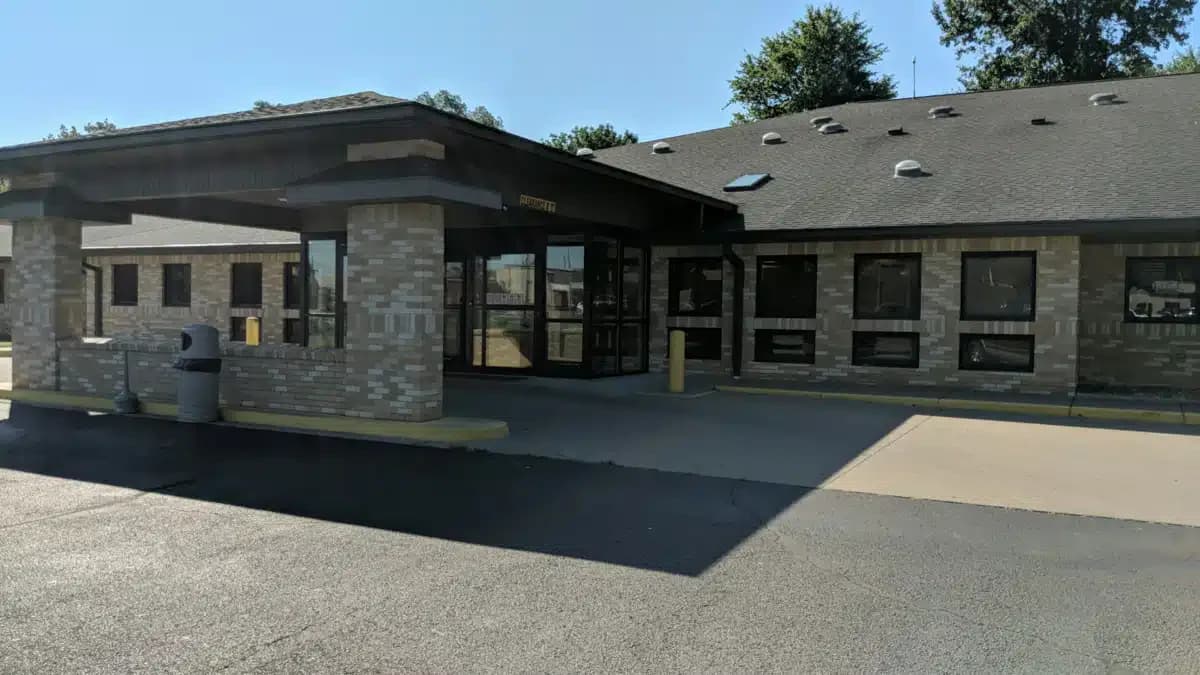
Rural Health Inc, situated in Goreville, IL, provides extensive outpatient care for adults and young adults struggling with substance use. This center is particularly adept at addressing dual diagnoses, managing co-occurring substance use disorders and significant mental health conditions in adults, and emotional challenges in children. Employing approaches like cognitive behavioral therapy, motivational interviewing, and brief interventions, they deliver tailored support to both male and female patients. Rural Health Inc also offers specialized assistance to those with a history of trauma and individuals facing concurrent mental health concerns. Their comprehensive services include outpatient treatment with methadone/buprenorphine or naltrexone, integrated with ongoing outpatient support, promoting a well-rounded path to recovery.
Rural Health Inc, situated in Dongola, IL, provides extensive support for individuals battling substance use disorders and those facing complex challenges with co-occurring mental health conditions. Their specialized programs cater to both adults and young people, offering outpatient options such as methadone and buprenorphine treatment alongside standard outpatient care. Employing proven methods like cognitive behavioral therapy and motivational interviewing, the center is distinguished by its dedicated approach to individuals with trauma histories and dual diagnoses. Rural Health Inc is committed to delivering high-quality, personalized care to foster sustained recovery for all clients, regardless of gender.
Roxbury Outpatient Services, situated in Chambersburg, PA, focuses on delivering specialized treatment for women dealing with substance use issues alongside significant mental health conditions. The center features both intensive outpatient and standard outpatient options, incorporating treatments such as methadone/buprenorphine and naltrexone. Roxbury Outpatient Services prioritizes personalized treatment plans and employs various methods, including 12-step programs, anger management, and brief interventions. This facility is dedicated to providing adults, seniors, and younger individuals with thorough and customized rehabilitation support. Clients can expect quality care in an encouraging atmosphere tailored to meet their specific needs.
Located in Baltimore, MD, Royal Minds provides a complete spectrum of substance abuse treatment options, customized to each person's unique requirements. The center excels in providing intensive outpatient services, extended residential stays, and standard outpatient care, employing proven methodologies such as anger management techniques, cognitive behavioral therapy, and brief intervention strategies. Royal Minds is dedicated to delivering high-quality support and offers distinct programs for active military members, adult men, and women. Catering to both older and younger adults, this establishment is open to individuals of any gender looking for a structured journey toward healing within a nurturing setting.
Situated in Metropolis, IL, Rural Health Inc delivers an extensive variety of outpatient treatment services for individuals struggling with substance use, including both adults and young adults. The center specializes in addressing both substance use disorders and severe mental health conditions, employing evidence-based techniques such as cognitive behavioral therapy and motivational interviewing. Emphasizing trauma-informed care, Rural Health Inc is dedicated to assisting clients who have experienced trauma and those facing both mental health challenges and substance use issues. With programs designed separately for males and females, the center ensures that each individual receives a personalized treatment strategy. Clients looking for standard outpatient care or methadone/buprenorphine therapy can anticipate receiving exceptional support and quality care at Rural Health Inc.
Situated in Vienna, IL, Rural Health Inc provides targeted outpatient services for individuals dealing with substance abuse, concurrent mental health issues, and those who have experienced trauma. Catering to both adults and young adults across all genders, this center utilizes a variety of evidence-supported methods such as cognitive behavioral therapy and motivational interviewing. Emphasizing personalized treatment, the facility is equipped to support clients needing consistent outpatient care, as well as those pursuing methadone, buprenorphine, or naltrexone therapies. Patients receive customized support and interventions aimed at addressing significant emotional challenges. Rural Health Inc is recognized for its exceptional, all-encompassing services that foster sustainable recovery and overall wellness.
Opioid Use Disorder (OUD): Key Facts
Classification
Opioid Use Disorder (OUD)
Prevalence
2.1 million adults with OUD in the US (SAMHSA)
Overdose deaths
80,000+ opioid overdose deaths/year in US (CDC)
Primary substances
Fentanyl, heroin, oxycodone, hydrocodone
Gold standard treatment
Medication-Assisted Treatment (MAT)
MAT effectiveness
Reduces overdose deaths by 50%+ (NIDA)
FDA-approved medications
Buprenorphine (Suboxone), Methadone, Naltrexone (Vivitrol)
Emergency reversal
Naloxone (Narcan)
Opioid Overdose Emergency: Know the Signs
An opioid overdose can kill within minutes. If you see these signs, act immediately:
Overdose warning signs
- Blue or purple lips and fingernails (cyanosis)
- Pinpoint (extremely small) pupils
- Slow, shallow, or stopped breathing
- Unresponsive to shouting or sternal rub
- Gurgling or choking sounds
- Limp body, pale or clammy skin
What to do
- Call 911 immediately — most states have Good Samaritan laws protecting callers
- Administer naloxone (Narcan) if available — nasal spray or injection
- Perform rescue breathing — one breath every 5 seconds
- Place in recovery position (on their side) to prevent choking
- Give a second dose of naloxone after 2-3 minutes if no response
- Stay until help arrives — naloxone wears off in 30-90 minutes
National Overdose Prevention Hotline: 911 | SAMHSA Helpline: 1-800-662-4357 (24/7, free, confidential)
What Is Opioid Use Disorder?
DSM-5 diagnostic criteria
Opioid Use Disorder (OUD) is a chronic, relapsing brain condition defined by the Diagnostic and Statistical Manual of Mental Disorders, Fifth Edition (DSM-5). It is diagnosed when a person meets at least two of eleven criteria within a 12-month period, including: taking opioids in larger amounts or for longer than intended, persistent desire or unsuccessful efforts to cut down, spending excessive time obtaining or using opioids, cravings, failure to fulfill major obligations, continued use despite social or interpersonal problems, giving up important activities, use in physically hazardous situations, continued use despite physical or psychological problems, tolerance, and withdrawal.
Severity classification
OUD severity is classified based on the number of criteria met: mild (2-3 criteria), moderate (4-5 criteria), and severe (6 or more criteria). Severe OUD carries the highest risk of overdose death and typically requires the most intensive treatment, including medication-assisted treatment. Even mild OUD warrants professional intervention, as the disorder tends to progress without treatment.
Opioids vs. opiates
The term "opiates" refers specifically to natural compounds derived from the opium poppy (morphine, codeine). "Opioids" is the broader term that includes opiates plus semi-synthetic drugs (oxycodone, hydrocodone, heroin) and fully synthetic drugs (fentanyl, methadone, tramadol). All opioids bind to mu-opioid receptors in the brain, producing pain relief, euphoria, and respiratory depression — the mechanism that causes fatal overdoses.
The Opioid Epidemic: Fentanyl Crisis
Three waves of the opioid epidemic
The US opioid crisis has unfolded in three distinct waves. The first wave (1990s) was driven by aggressive marketing of prescription opioids — OxyContin, Vicodin, Percocet — leading doctors to overprescribe and millions of patients to develop dependence. The second wave (around 2010) saw a surge in heroin use as people with prescription opioid addiction shifted to cheaper, more accessible heroin. The third wave (2013-present) is defined by illicitly manufactured fentanyl and its analogs, which now account for the majority of opioid overdose deaths in the United States.
Why fentanyl changed everything
Fentanyl is a fully synthetic opioid that is 50-100 times more potent than morphine and approximately 50 times more potent than heroin. A lethal dose of fentanyl is just 2 milligrams — roughly the size of a few grains of salt. Because fentanyl is cheap to manufacture and extremely potent by weight, drug traffickers mix it into heroin, cocaine, methamphetamine, and counterfeit prescription pills. Many people who die from fentanyl overdoses did not know they were consuming it. Counterfeit pills made to look like oxycodone (M30), Xanax, or Adderall frequently contain lethal doses of fentanyl.
Current impact
According to the CDC, over 80,000 Americans die from opioid overdoses each year, with synthetic opioids (primarily illicit fentanyl) responsible for roughly 75% of those deaths. Opioid overdose is now the leading cause of accidental death for Americans under 50. The crisis affects every demographic, geographic region, and socioeconomic group in the country.
Opioid Withdrawal Timeline
Opioid withdrawal is intensely uncomfortable but rarely life-threatening on its own. The timeline varies depending on whether the person was using short-acting opioids (heroin, oxycodone, hydrocodone) or long-acting opioids (methadone, extended-release morphine).
Short-acting opioids (heroin, oxycodone)
- 6-12 hours: Onset of symptoms — anxiety, muscle aches, sweating, yawning, runny nose
- 24-48 hours: Escalation — insomnia, diarrhea, nausea, vomiting, abdominal cramps, dilated pupils
- 48-72 hours: Peak severity — intense cravings, body aches, goosebumps, rapid heartbeat
- 5-7 days: Acute symptoms begin to subside
- 1-2 weeks: Most physical symptoms resolve
Long-acting opioids (methadone, ER morphine)
- 24-48 hours: Delayed onset of symptoms
- 3-5 days: Symptoms escalate and peak
- 5-10 days: Peak and plateau of acute withdrawal
- 10-20 days: Gradual improvement of physical symptoms
- 2-3 weeks: Most acute symptoms resolve
Post-Acute Withdrawal Syndrome (PAWS)
After acute withdrawal resolves, many people experience Post-Acute Withdrawal Syndrome (PAWS) — a set of prolonged symptoms including anxiety, depression, insomnia, fatigue, difficulty concentrating, and mood swings that can persist for weeks to months. PAWS is the leading cause of relapse in the first year of recovery and is a key reason why ongoing treatment and support are essential after detox.
Why medical detox matters
While opioid withdrawal itself is rarely fatal, the extreme discomfort drives many people to relapse during detox — and relapse after a period of abstinence is when overdose risk is highest, because tolerance has decreased. Medically supervised detoxification uses medications like buprenorphine, clonidine, and comfort medications to manage symptoms safely, dramatically reducing relapse during the withdrawal period.
Medication-Assisted Treatment (MAT)
Medication-Assisted Treatment is the gold standard for opioid use disorder, combining FDA-approved medications with counseling and behavioral therapies. Research from NIDA shows MAT reduces opioid overdose deaths by more than 50%, decreases illicit opioid use, reduces criminal activity, improves social functioning, and increases treatment retention. Despite this evidence, fewer than 20% of people with OUD receive MAT — a treatment gap that costs tens of thousands of lives each year.
Buprenorphine (Suboxone)
Type: Partial opioid agonist
Buprenorphine activates opioid receptors just enough to prevent withdrawal and cravings without producing the intense euphoria of full agonists. It has a "ceiling effect," meaning higher doses do not increase effects — significantly reducing overdose risk. Suboxone combines buprenorphine with naloxone to deter misuse.
Setting: Can be prescribed by any licensed prescriber in office-based settings (OBOT), pharmacies, or telehealth.
Methadone
Type: Full opioid agonist
Methadone is a long-acting opioid that stabilizes brain chemistry, eliminates withdrawal symptoms, and blocks the euphoric effects of other opioids at proper doses. It has the longest track record of any MAT medication, with over 50 years of evidence supporting its effectiveness.
Setting: Must be dispensed daily at a certified Opioid Treatment Program (OTP/methadone clinic). Take-home doses earned over time with compliance.
Naltrexone (Vivitrol)
Type: Opioid antagonist (blocker)
Naltrexone completely blocks opioid receptors, preventing any opioid from producing effects. The extended-release injection (Vivitrol) is administered monthly and eliminates the need for daily medication adherence. Unlike buprenorphine and methadone, naltrexone has no abuse potential and is not a controlled substance.
Requirement: Patient must be fully detoxed (7-14 days opioid-free) before starting naltrexone to avoid precipitated withdrawal.
MAT medication comparison
The three FDA-approved MAT medications differ in mechanism, dispensing model, and patient fit. The table below summarizes the key distinctions:
| Medication | Type | DEA Schedule | Setting | Dispensing | Best for |
|---|---|---|---|---|---|
| Buprenorphine (Suboxone, Sublocade, Subutex, Zubsolv, Brixadi) | Partial agonist with ceiling effect | III | OBOT, telehealth, retail pharmacy | Take-home from day 1 (or monthly injection) | Most patients; rural areas; daily clinic not feasible |
| Methadone | Full mu-opioid agonist | II | OTP only (42 CFR Part 8) | Daily at clinic → take-home after 90 days | Severe OUD; prior buprenorphine failure; long-standing dependence |
| Naltrexone (Vivitrol) | Opioid antagonist (blocker) | Not controlled | Any prescriber; injection at clinic | Monthly IM injection (380 mg) | Highly motivated; post-detox (7-14 days opioid-free); no abuse potential desired |
All three are effective; the best choice is the one the patient will actually take consistently. Adherence, not pharmacology, is the dominant predictor of outcomes. Buprenorphine and methadone are first-line for active opioid use; naltrexone requires complete detox before initiation.
Types of Opioid Treatment Programs
OTP / Methadone Clinics
Opioid Treatment Programs are federally certified clinics that dispense methadone and provide comprehensive services including counseling, drug testing, and case management. Patients visit daily initially, earning take-home privileges over time.
OBOT (Office-Based Treatment)
Office-Based Opioid Treatment allows any licensed prescriber to treat OUD with buprenorphine in a standard medical office or via telehealth. This model dramatically increases access, especially in rural areas with no OTPs. Patients fill prescriptions at regular pharmacies.
Residential (inpatient) programs provide 24/7 structured care for 30-90 days. Best for severe OUD, polysubstance use, co-occurring mental health disorders, or patients who need separation from their environment. Most residential programs offer MAT as part of treatment.
IOP programs provide 9-20 hours of structured treatment per week while allowing patients to live at home. Combines group therapy, individual counseling, and MAT. Effective for moderate OUD or as a step-down from residential treatment.
Standard outpatient involves 1-2 sessions per week — typically individual therapy and/or group sessions combined with MAT. Suitable for mild to moderate OUD or as a long-term maintenance level of care after completing more intensive treatment.
Medical detox provides 3-7 days of supervised withdrawal management using medications to ease symptoms. Detox alone is not treatment — it must be followed by ongoing MAT and/or behavioral therapy. Detox without continued care has very high relapse rates.
Naloxone: The Overdose Reversal Medication
What naloxone does
Naloxone (brand name Narcan) is an opioid antagonist that rapidly reverses opioid overdose by displacing opioids from receptors in the brain. It restores normal breathing within 2-5 minutes in most cases. Naloxone has no effect on people who do not have opioids in their system and has virtually no abuse potential. Since 2023, Narcan nasal spray is available over the counter at pharmacies nationwide without a prescription.
How to use naloxone nasal spray
Using Narcan nasal spray requires no medical training:
- Peel back the package and remove the device
- Tilt the person's head back and insert the nozzle into one nostril
- Press the plunger firmly to deliver the full dose
- If no response in 2-3 minutes, administer a second dose in the other nostril
- Continue rescue breathing and call 911 — naloxone wears off in 30-90 minutes, and the person may stop breathing again
Where to get naloxone for free
Many harm reduction organizations, health departments, and community pharmacies distribute naloxone for free or at low cost. SAMHSA's Opioid Overdose Prevention Toolkit and state naloxone access programs provide resources. Most states have standing orders allowing pharmacists to dispense naloxone without an individual prescription. If you or someone you know uses opioids, carrying naloxone can save a life.
Frequently Asked Questions About Opioid Treatment
What is medication-assisted treatment (MAT) for opioid addiction?
Medication-Assisted Treatment (MAT) combines FDA-approved medications — methadone, buprenorphine (Suboxone), or naltrexone (Vivitrol) — with counseling and behavioral therapies. These medications reduce cravings, prevent withdrawal symptoms, and normalize brain chemistry, allowing people to focus on recovery. MAT is the most effective treatment for opioid use disorder: it reduces overdose deaths by more than 50%, decreases illicit drug use, and improves treatment retention rates (NIDA).
How long does opioid withdrawal last?
The withdrawal timeline depends on the opioid used. Short-acting opioids like heroin and oxycodone cause symptoms within 6-12 hours that peak at 48-72 hours and subside over 5-7 days. Long-acting opioids like methadone produce delayed symptoms starting at 24-48 hours, peaking at 3-5 days, and lasting up to 2-3 weeks. Post-acute withdrawal symptoms (PAWS) — including anxiety, insomnia, and mood instability — may persist for weeks to months after acute withdrawal resolves.
Is buprenorphine (Suboxone) just replacing one addiction with another?
No — this is one of the most harmful misconceptions in addiction medicine. Buprenorphine is a partial opioid agonist prescribed at stable, controlled doses as part of comprehensive treatment. It does not produce euphoria when taken as directed, eliminates cravings, prevents withdrawal, and allows people to function normally — work, care for families, and rebuild their lives. Taking buprenorphine for OUD is no different than taking insulin for diabetes: it is evidence-based medication for a chronic medical condition.
What should I look for in an opioid treatment center?
Look for centers offering MAT options (buprenorphine, methadone, and/or naltrexone), accreditation from CARF or The Joint Commission, licensed medical staff experienced in addiction medicine, comprehensive assessment with individualized treatment plans, evidence-based therapies (CBT, contingency management), family support services, and strong aftercare planning. Verify they accept your insurance and offer the appropriate level of care for your situation.
Can I work while in opioid treatment?
Yes, especially with outpatient MAT programs. Outpatient treatment — including OBOT (office-based buprenorphine) and standard outpatient counseling — allows you to maintain work, family, and social responsibilities while receiving care. Intensive Outpatient Programs (IOP) typically meet 9-20 hours per week and can often be scheduled around work. Many employers are required to support recovery under the ADA and FMLA. Residential treatment requires time away but provides the most intensive support for severe cases.
What is fentanyl and why is it so dangerous?
Fentanyl is a fully synthetic opioid that is 50-100 times more potent than morphine. A lethal dose is just 2 milligrams. It is increasingly found in the illicit drug supply, mixed into heroin, cocaine, methamphetamine, and counterfeit prescription pills — often without the user's knowledge. Fentanyl is now responsible for roughly 75% of all opioid overdose deaths in the United States. Treatment for fentanyl addiction typically requires MAT (often at higher buprenorphine or methadone doses), naloxone training, and comprehensive behavioral support.
How long does MAT treatment last?
There is no fixed duration for MAT — treatment length should be individualized. Research consistently shows that longer treatment produces better outcomes. The American Society of Addiction Medicine (ASAM) recommends a minimum of one year of MAT, and many addiction specialists recommend indefinite maintenance for people with severe OUD, as the risk of fatal overdose is highest in the period after discontinuing MAT. The decision to taper off medication should be made collaboratively with a treatment provider when the patient is stable, has strong support systems, and is not facing major life stressors.
Is fentanyl in the drug supply near me?
Almost certainly yes. Fentanyl has been detected in the illicit drug supply in all 50 states. It is routinely found in heroin, counterfeit prescription pills (especially fake oxycodone M30s, Xanax, and Adderall), cocaine, and methamphetamine. DEA lab testing shows that 7 out of 10 counterfeit pills seized contain a potentially lethal dose of fentanyl. Fentanyl test strips — which can detect fentanyl before use — are available for free from many harm reduction organizations, health departments, and community pharmacies. The safest assumption is that any illicit substance may contain fentanyl.
Medical Review and Sources
Trusted Resources
Substance Abuse and Mental Health Services Administration
Federal agency providing information, resources, and treatment locator for substance abuse and mental health.
Helpline: 1-800-662-4357
National Institute on Drug Abuse
NIH institute advancing science on drug use and addiction causes, consequences, and treatment.
National Institute on Alcohol Abuse and Alcoholism
NIH institute supporting research on alcohol's impact on health and providing treatment resources.
Ready To Start Opioid Treatment?
Opioid addiction is a medical condition — not a moral failure. Medication-assisted treatment saves lives. Speak with a specialist who can help you find the right MAT program, detox center, or residential facility — 100% free and confidential, available 24/7.
Browse opioid addiction programs in states with the most treatment options.
Related conditions, treatment approaches, and levels of care.