
PAWS (Post-Acute Withdrawal Syndrome): Symptoms, Timeline & Recovery
Post-acute withdrawal syndrome (PAWS) is a set of prolonged withdrawal symptoms — anxiety, depression, insomnia, cognitive fog, and anhedonia — that persist for weeks to months after detox. PAWS is the leading cause of relapse in the first year of recovery. Below you will find what PAWS is, how symptoms differ by substance, the waves-and-windows pattern, treatment strategies, and a directory of outpatient and aftercare programs.
Found 1,588 rehab centers specializing in paws (post-acute withdrawal syndrome) across the United States.
Need Help Finding the Right Treatment Center?
Speak with a compassionate specialist now - 100% free & confidential
Find Outpatient and Aftercare Programs for PAWS Management
Use the search bar and filters below to find treatment centers that offer outpatient programs, intensive outpatient (IOP), therapy services, and aftercare support for managing post-acute withdrawal syndrome. Look for programs that provide ongoing counseling, relapse prevention planning, and access to psychiatric care.
Showing 20 of 1588 results

Restoring Hope Substance Abuse and dual diagnosis treatment center in Little Falls, MN provides a range of services for adults and young adults battling addiction and co-occurring mental health challenges. Programs include intensive outpatient, outpatient, and standard outpatient care. Utilizing proven methods such as 12-step facilitation, brief intervention, and cognitive behavioral therapy, the center emphasizes a personalized treatment plan for every individual. Restoring Hope Substance Abuse and is committed to delivering excellent care, fostering hope, and supporting long-term sobriety for all clients, regardless of gender.
Situated in Upper Marlboro, MD, Serenity Outpatient Services specializes in extensive substance use rehabilitation within a supportive atmosphere. The center offers various programs including intensive outpatient treatment, outpatient day therapy, and partial hospitalization for both adults and young adults, regardless of gender. Emphasizing 12-step methods, anger management, and cognitive behavioral therapy, this facility serves clients facing both mental health and substance use challenges, trauma victims, and individuals linked to the criminal justice system. Serenity Outpatient Services is committed to providing personalized, high-quality care that fosters enduring recovery and overall wellness.
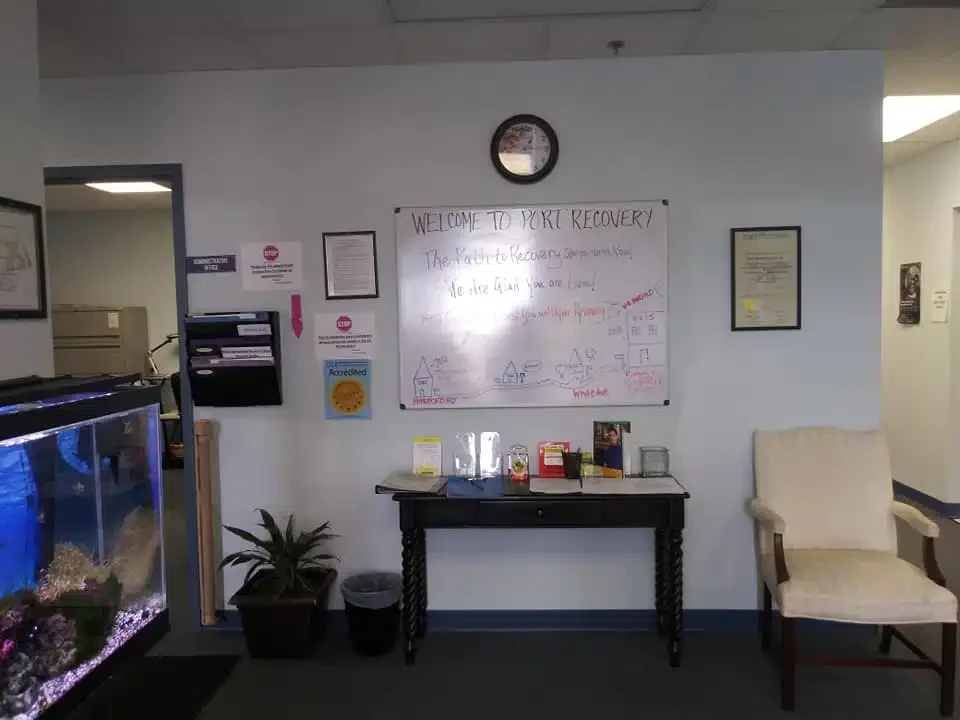
Port Recovery IOP Inc, situated in Nottingham, MD, delivers a wide array of treatment programs focused on substance use for both adults and young adults. The center excels in addressing co-occurring substance use disorders as well as significant mental health challenges in adults and serious emotional disturbances in children. Treatment options include intensive outpatient programs, long-term residential care, and standard outpatient services, all emphasizing personalized treatment plans. Utilizing methods such as 12-step support, anger management techniques, and brief interventions, the facility also offers specialized programs for men and women, along with support for those who have faced trauma. Port Recovery IOP Inc is dedicated to providing quality rehabilitation services to all clients, regardless of gender.
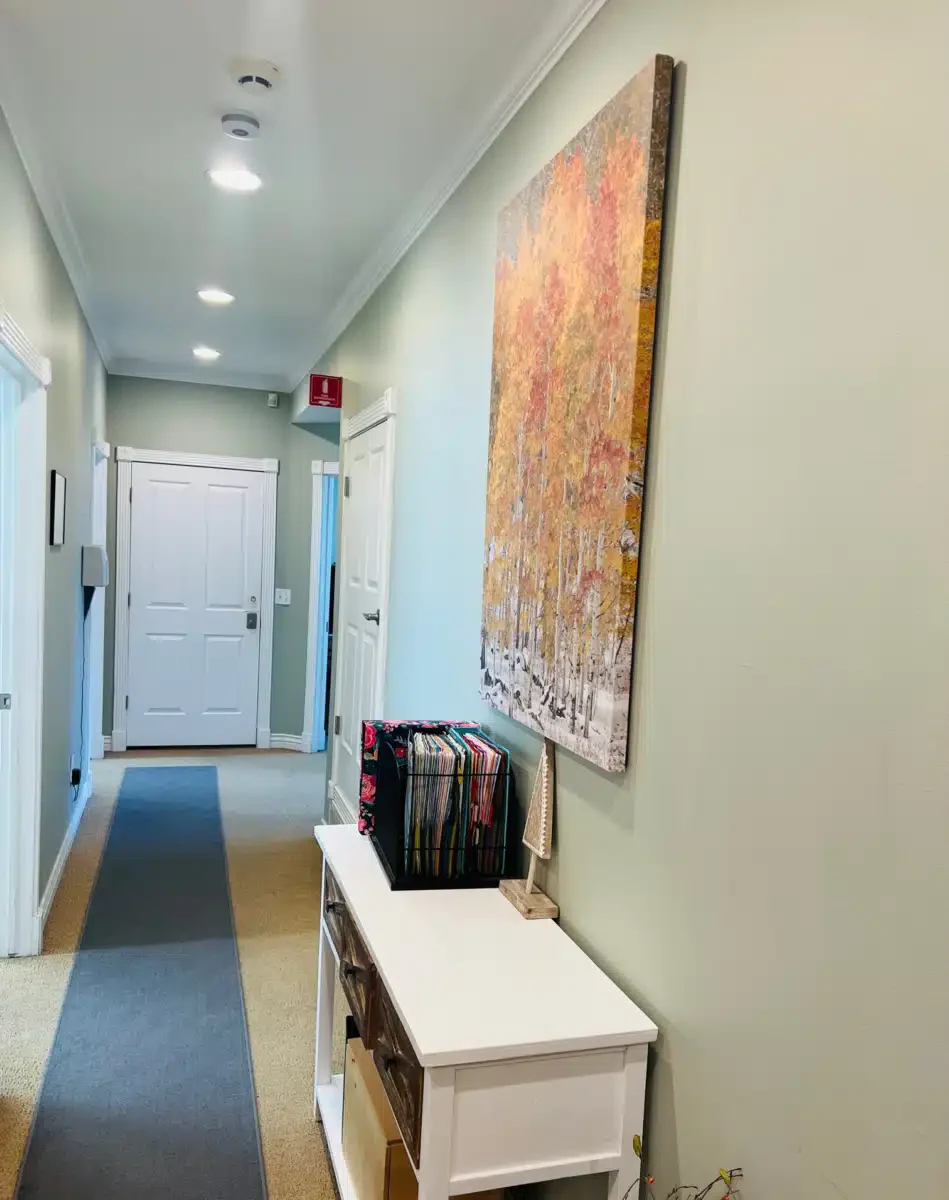
Situated in Orem, UT, Pomarri Outpatient Services provides a wide range of addiction treatment programs for both adults and young individuals. The center excels in detoxification, addressing substance use issues, and managing co-occurring disorders. Offering intensive outpatient, outpatient, and partial hospitalization options, Pomarri emphasizes anger management, brief interventions, and motivational incentives. Its programs are specifically designed to meet the needs of adult men and women, including those who have faced trauma. With a commitment to personalized care, Pomarri Outpatient Services strives to deliver effective, evidence-supported treatment to support clients on their journey toward long-term recovery.
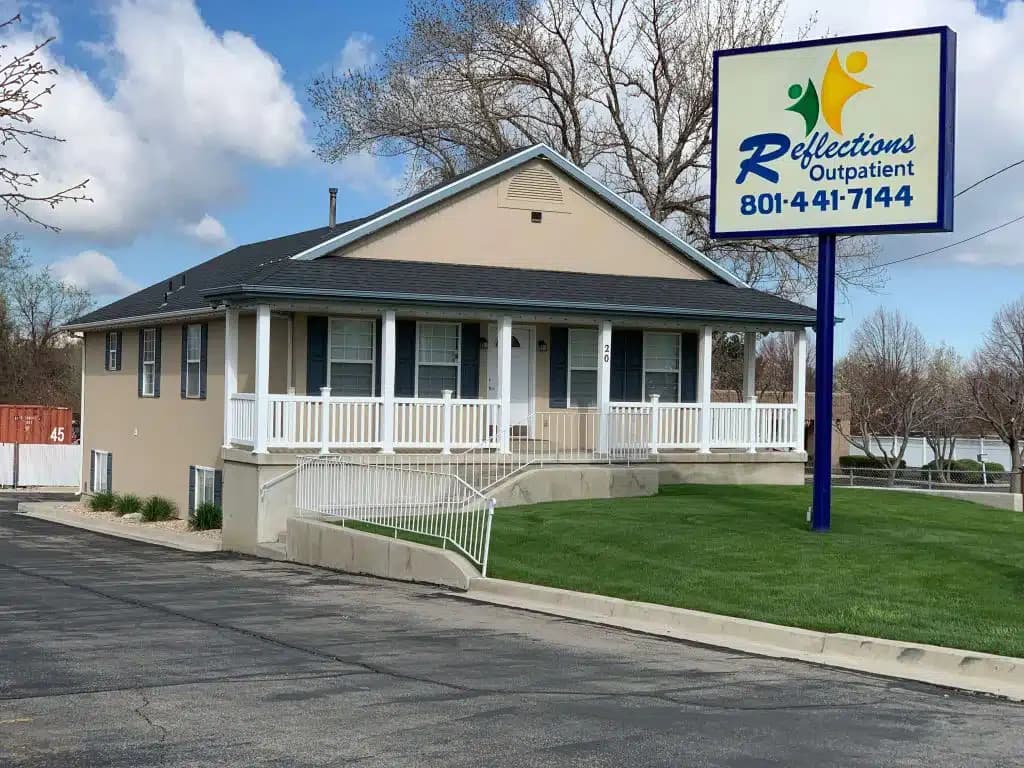
Nestled in Lindon, UT, Reflections Outpatient is dedicated to providing tailored substance use recovery programs for adults and young adults managing co-occurring serious mental health conditions. They offer structured care through intensive outpatient, day treatment, and partial hospitalization programs. Their therapeutic approach incorporates methods such as 12-step facilitation, anger management techniques, and brief intervention strategies. This center serves adult men and women, including those who have faced intimate partner or domestic violence. Reflections Outpatient stands as a crucial support system for individuals pursuing healing and well-being within a nurturing setting designed to address their specific challenges.

SagePoint Intensive Outpatient Program, located in Elk Grove, CA, delivers tailored treatment options for adults and children dealing with substance use and simultaneous mental health issues. The facility features various treatment modalities, including intensive outpatient, outpatient, and standard outpatient programs. Emphasizing techniques such as anger management, cognitive behavioral therapy, and the Matrix Model, the center addresses the needs of individuals with multifaceted challenges. Additionally, specialized programs are designed for clients experiencing both mental health and substance use disorders. SagePoint Intensive Outpatient Program provides quality care and holistic support for adults and young adults of all genders seeking assistance with addiction and mental wellness struggles.

Service First Outpatient Program located in Stockton, CA, provides extensive treatment options for substance use through its outpatient services. This center emphasizes methods such as 12-step facilitation, cognitive behavioral therapy, and anger management. It offers customized programs catering to adult men, adult women, and clients involved in the criminal justice system. Targeting both adults and young adults, the facility ensures specialized support for male and female participants alike. Service First Outpatient Program is committed to delivering high-quality care with personalized treatment strategies aimed at assisting individuals in their journey to recover from substance use disorders.
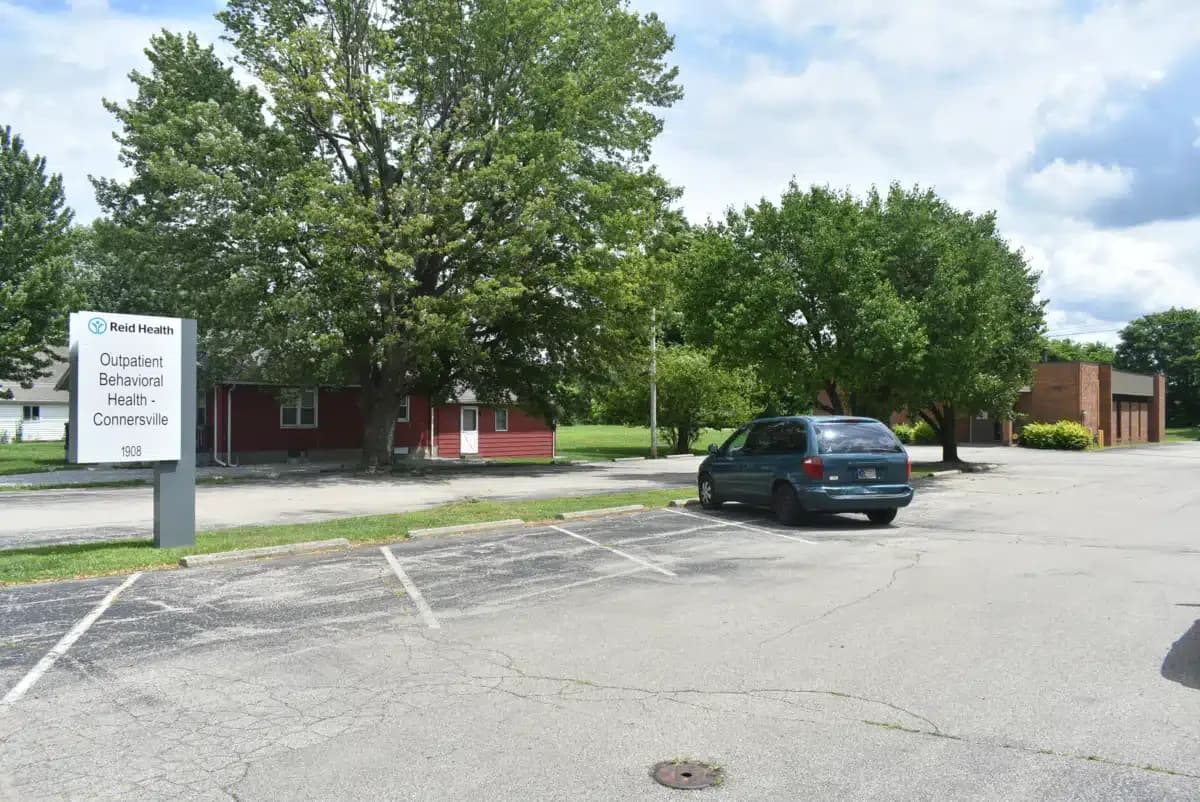
Reid Outpatient Behavioral Health in Connersville, IN, delivers targeted outpatient care for addiction and intertwined mental health challenges affecting individuals of all ages. The facility employs a variety of proven therapeutic methods such as anger control, cognitive restructuring, and incentive-based motivation. Their offerings are designed for specific groups including military personnel, adult men, and adult women, demonstrating a commitment to serving varied needs. Catering to both younger and adult individuals regardless of gender, Reid Outpatient Behavioral Health prioritizes effective treatment through outpatient medication options like methadone, buprenorphine, or naltrexone, alongside consistent outpatient care.

Skyway House Outpatient, situated in Chico, CA, specializes in extensive treatment for substance use disorders aimed at both adults and young adults. The center features various program formats, including intensive outpatient, outpatient, and standard outpatient services, all designed to meet the unique needs of each individual. Through methods such as 12-step support, anger management techniques, and cognitive behavioral therapy, the center facilitates a comprehensive approach to recovery. Skyway House Outpatient distinguishes itself with its commitment to personalized treatment strategies, serving clients of all genders. For individuals seeking effective care and tailored guidance on their path to sobriety, this facility represents a source of inspiration and support.

Situated in Pasadena, TX, the Pasadena Substance Abuse Clinic delivers outpatient services for substance use recovery, emphasizing personalized treatment strategies. This center offers options like methadone, buprenorphine, or naltrexone therapy for both adults and adolescents of all genders. Utilizing methodologies such as 12-step facilitation, brief interventions, and motivational incentives, the clinic customizes care to address the distinct requirements of each individual. Dedicated to providing high-quality support, the Pasadena Substance Abuse Clinic strives to assist individuals in their path to overcoming substance use challenges.
Parkside Outpatient Program in Astoria, NY, provides targeted care for adults struggling with substance use disorders, particularly when accompanied by serious mental health issues or emotional difficulties in younger individuals. This center delivers a range of services including intensive outpatient treatment, standard outpatient care, and medication-assisted options like methadone, buprenorphine, or naltrexone. They employ specialized therapeutic techniques such as 12-step facilitation, anger management, and brief interventions, serving adult men and women, as well as those with a history of trauma. The program is equipped to support both adult and pediatric/adolescent populations, offering personalized plans for both male and female participants. Parkside Outpatient Program is dedicated to delivering effective treatment, standing as a key provider for individuals pursuing recovery from addiction.
Pathway Outpatient is situated in Santa Clara, CA, and specializes in extensive treatment for substance use, centering on outpatient services for both adults and young adults. The center offers various living arrangements, including transitional housing, halfway houses, and sober homes. With a focus on personalized care, Pathway Outpatient develops tailored treatment plans that address the specific requirements of each individual. Both males and females benefit from ongoing outpatient sessions that ensure high standards of care. For those in need of a program that balances support with autonomy, Pathway Outpatient's gender-focused offerings could be the key to achieving lasting recovery.
The Perinatal Substance Abuse Program, located in San Jose, CA, is dedicated to providing targeted substance use therapy for adult women struggling with addiction. This center offers a range of services including intensive outpatient care, general outpatient services, and medication-assisted treatment utilizing methadone, buprenorphine, or naltrexone. Their treatment methodology incorporates evidence-based practices like anger management, cognitive behavioral therapy, and motivational interviewing to meet each person's unique circumstances. Specifically designed to support adult women, including those who have experienced intimate partner violence, domestic abuse, or sexual assault, the program fosters a secure and supportive atmosphere for healing. They welcome adults of all ages, from young adults to seniors, prioritizing comprehensive care and overall well-being in their recovery journey.
Pro Med Substance Abuse Prog LLC, located in Hamtramck, MI, delivers focused treatment for adults and young adults grappling with substance use and concurrent mental health issues. The center offers a range of programs including intensive outpatient, outpatient, and partial hospitalization, utilizing proven methods such as 12-step facilitation and anger management. Catering to the needs of active military members as well as adult men and women, the facility fosters an inclusive atmosphere for all genders. Prioritizing personalized treatment strategies and high-quality care, those in need of thorough and effective addiction recovery support can turn to Pro Med Substance Abuse Prog LLC for specialized assistance.
Situated in Redlake, Minnesota, the Red Lake Outpatient Program specializes in providing targeted substance abuse treatment for both adults and young adults. The program emphasizes intensive outpatient and outpatient care, employing evidence-based techniques like 12-step facilitation, brief interventions, and cognitive behavioral therapy. Customized programs are designed for adult men, adult women, and pregnant or postpartum individuals, ensuring personalized assistance. The center employs a gender-sensitive approach, addressing the needs of both women and men. With a strong dedication to delivering high-quality care, it serves as an essential resource for individuals looking for thorough addiction treatment in a nurturing setting.
Located in Las Animas, CO, RESADA Outpatient provides outpatient substance abuse treatment options designed to meet diverse needs. Their programs emphasize approaches such as 12-step support, brief intervention techniques, and cognitive behavioral therapy. This facility accommodates active duty military members as well as adolescents and adult males. RESADA Outpatient is dedicated to serving individuals of all ages and genders, ensuring that treatment plans are personalized. With a strong focus on high-quality care and a range of treatment methodologies, RESADA Outpatient stands as a vital asset for those pursuing effective addiction recovery solutions in the Las Animas community.
Roxbury Outpatient Services, situated in Chambersburg, PA, focuses on delivering specialized treatment for women dealing with substance use issues alongside significant mental health conditions. The center features both intensive outpatient and standard outpatient options, incorporating treatments such as methadone/buprenorphine and naltrexone. Roxbury Outpatient Services prioritizes personalized treatment plans and employs various methods, including 12-step programs, anger management, and brief interventions. This facility is dedicated to providing adults, seniors, and younger individuals with thorough and customized rehabilitation support. Clients can expect quality care in an encouraging atmosphere tailored to meet their specific needs.
Situated in Russell, Kentucky, Russell IOP is dedicated to providing extensive substance use recovery services for adults and adolescents. The program emphasizes addressing dual diagnoses and features intensive outpatient, standard outpatient, and basic outpatient care. Employing proven therapeutic methods like cognitive behavioral therapy and the Matrix Model, the center also provides a distinctive personalized treatment plan. Russell IOP welcomes both male and female individuals, fostering a nurturing and welcoming atmosphere. For those in need of effective treatment delivered with a tailored approach, this center offers a variety of specialized options designed to meet the intricate challenges of addiction and co-occurring mental health conditions.
At the Scott County Outpatient Center in Oneida, TN, we provide focused support for individuals struggling with addiction and dual diagnoses. Our outpatient programs feature medication-assisted treatment options such as methadone, buprenorphine, or naltrexone, alongside evidence-based therapies like cognitive behavioral therapy and anger management. We offer specialized tracks for adult women, those with co-occurring mental health and substance use disorders, and individuals involved with the criminal justice system. Serving adults and seniors of all genders, the Scott County Outpatient Center is dedicated to delivering high-quality, individualized recovery solutions.
Service First Outpatient Program in Stockton, CA, provides extensive substance abuse care via its regular and intensive outpatient services. Employing strategies such as 12-step facilitation, anger management, and cognitive behavioral therapy, this establishment serves adult men and women, alongside individuals involved with the criminal justice system. The program concentrates on adults and young adults, offering tailored support for both male and female patients. Service First Outpatient Program is dedicated to furnishing effective, research-backed treatment to aid individuals in their path to overcoming addiction.
PAWS (Post-Acute Withdrawal Syndrome): Key Facts
Duration
Weeks to months (sometimes 1–2 years)
Also known as
Protracted withdrawal syndrome
Most affected substances
Alcohol, opioids, benzodiazepines
Primary risk
#1 cause of relapse in the first year
Core symptoms
Anxiety, depression, insomnia, cognitive fog
Symptom pattern
Waves and windows (episodes alternate with relief)
Anhedonia
Inability to feel pleasure — common in PAWS
Recommended treatment
Ongoing outpatient care + therapy + lifestyle changes
What Is PAWS (Post-Acute Withdrawal Syndrome)?
PAWS definition
Post-acute withdrawal syndrome (PAWS) refers to a set of prolonged withdrawal symptoms that persist for weeks, months, or even years after the acute withdrawal phase has ended. Unlike acute withdrawal — which involves intense physical symptoms that peak within the first week of sobriety — PAWS is primarily neurological and psychological. It occurs because the brain needs extended time to restore normal neurotransmitter function after prolonged substance use. PAWS is sometimes called protracted withdrawal syndrome, post-withdrawal syndrome, or prolonged withdrawal.
Why PAWS happens
Chronic substance use fundamentally alters brain chemistry. Drugs and alcohol hijack the brain's reward system by flooding it with dopamine, serotonin, GABA, or endorphins — depending on the substance. Over time, the brain down-regulates its natural production of these neurotransmitters and restructures its neural pathways. When the substance is removed, the brain does not snap back to normal overnight. It can take 6 to 24 months for neurochemistry to fully stabilize, and during this recovery period, the person experiences the fluctuating symptoms of PAWS.
Who is affected by PAWS?
PAWS can affect anyone recovering from substance dependence, but it is most common and most severe in people recovering from alcohol, opioids, benzodiazepines, and stimulants (cocaine and methamphetamine). The likelihood and severity of PAWS generally increase with the duration and intensity of substance use. People with co-occurring mental health disorders — such as anxiety, depression, or PTSD — are particularly vulnerable. Estimates suggest that up to 90% of people recovering from opioid addiction and approximately 75% of those recovering from alcohol or benzodiazepine dependence experience some form of PAWS.
PAWS Symptoms by Substance
While post-acute withdrawal syndrome shares a common core of symptoms across substances, the specific pattern and severity vary depending on which substance was used. Understanding the substance-specific profile of PAWS helps people in recovery know what to expect and when to seek help.
AlcoholPAWS From Alcohol
Alcohol PAWS is among the most well-documented forms. Because alcohol affects GABA and glutamate systems throughout the brain, recovery from alcohol dependence can produce prolonged neurological instability.
- Severe anxiety and panic attacks
- Persistent insomnia and sleep disruption
- Emotional volatility and irritability
- Cognitive difficulties and memory problems
- Depression and anhedonia
- Cravings triggered by stress or social situations
OpioidsPAWS From Opioids
Opioid PAWS is driven by the slow recovery of the endorphin and dopamine systems. After opioid detox, the brain's natural pain-modulation and reward pathways remain suppressed for months.
- Dysphoria and inability to feel pleasure
- Increased pain sensitivity (hyperalgesia)
- Fatigue and low energy
- Anxiety and restlessness
- Insomnia and disrupted sleep cycles
- Intense drug cravings that come in waves
BenzodiazepinesPAWS From Benzodiazepines
Benzodiazepine PAWS is often the most prolonged and severe. Because benzos directly modulate GABA-A receptors, the brain's primary inhibitory system can take a very long time to recalibrate — sometimes 12 to 24 months or longer.
- Severe anxiety that may exceed pre-use levels
- Perceptual disturbances (tinnitus, tingling)
- Depersonalization and derealization
- Severe insomnia
- Cognitive impairment and brain fog
- Muscle tension, pain, and gastrointestinal issues
StimulantsPAWS From Stimulants
Stimulant PAWS (from cocaine, methamphetamine, or prescription amphetamines) is dominated by dopamine depletion. The brain's reward circuit was chronically overstimulated and now struggles to produce normal levels of motivation and pleasure.
- Profound anhedonia (inability to feel pleasure)
- Depression and suicidal ideation
- Extreme fatigue and hypersomnia
- Difficulty concentrating and making decisions
- Emotional flatness alternating with irritability
- Vivid drug-use dreams
PAWS vs. Acute Withdrawal: How They Differ
One of the most important things to understand about PAWS is that it is fundamentally different from acute withdrawal. Many people complete detox expecting to feel better immediately, and when lingering symptoms persist, they feel confused, discouraged, or afraid that something is permanently wrong. Knowing the difference helps set realistic expectations for recovery.
| Feature | Acute Withdrawal | Post-Acute Withdrawal (PAWS) |
|---|---|---|
| Onset | Hours to days after last use | Begins after acute withdrawal resolves (1–2 weeks) |
| Duration | 3–14 days (varies by substance) | Weeks to months, sometimes 1–2 years |
| Primary symptoms | Physical: nausea, tremors, sweating, seizures, pain | Psychological: anxiety, depression, insomnia, brain fog |
| Symptom pattern | Constant, worsening to a peak then resolving | Waves and windows — symptoms come and go unpredictably |
| Medical danger | Can be life-threatening (alcohol, benzos) | Not directly life-threatening, but major relapse risk |
| Treatment setting | Often requires medical detox | Managed through outpatient therapy and lifestyle changes |
The key takeaway: acute withdrawal is the body adjusting to the absence of a substance, while PAWS is the brain slowly healing its neurochemistry. Both are normal parts of recovery, and both are manageable with appropriate support. If you have completed detox but still do not feel right, you are likely experiencing PAWS — and it does get better.
PAWS Timeline: Waves and Windows — How Long Does PAWS Last?
The waves and windows pattern
PAWS does not follow a straight line of gradual improvement. Instead, it follows a characteristic pattern that clinicians call "waves and windows." During a wave, symptoms flare up — sometimes intensely — and you may feel as though you have made no progress at all. During a window, symptoms recede and you feel significantly better, sometimes almost normal. Over time, the windows become longer and the waves become shorter and less intense. This pattern is normal and expected. It does not mean that recovery is failing.
General PAWS recovery timeline
Symptoms are most frequent and intense. Waves may last several days at a time, with shorter windows of relief. Mood swings, insomnia, anxiety, and cravings are common. This is when relapse risk is highest. Professional support is critical during this period.
Many people notice a meaningful improvement. Windows become longer — days or weeks of feeling well. Waves still occur but are generally less severe. Cognitive function begins to sharpen. Sleep patterns start to normalize. Continued therapy and healthy routines make a significant difference during this phase.
Substantial neurological healing has occurred. Most people experience extended windows with only occasional mild waves — often triggered by stress, poor sleep, or significant life events. Anhedonia typically resolves during this period, and emotional range gradually returns to normal.
For most people, PAWS symptoms have fully resolved or become so infrequent they no longer interfere with daily life. Some people — especially those recovering from long-term benzodiazepine or alcohol use — may experience occasional mild symptoms beyond this point, but they continue to improve. Full neurological recovery is achievable.
Important: These timelines are general estimates. Your individual PAWS experience depends on the substance used, duration of use, your overall health, genetics, and whether you have co-occurring mental health conditions. PAWS always improves with time. The brain is remarkably capable of healing — it just needs patience and support.
Protracted Withdrawal: The Clinical Term for PAWS
In medical and research literature, PAWS is often referred to as protracted withdrawal syndrome or protracted abstinence syndrome. These terms are interchangeable. "Protracted withdrawal" is the preferred term in clinical settings and peer-reviewed research, while "PAWS" or "post-acute withdrawal syndrome" is more commonly used in recovery communities and patient-facing resources.
The Substance Abuse and Mental Health Services Administration (SAMHSA) recognizes protracted withdrawal as a legitimate clinical phenomenon that requires ongoing treatment support. Research from the National Institute on Drug Abuse (NIDA) has documented protracted withdrawal across multiple substance classes, with neuroimaging studies showing measurable brain changes that correspond to the duration of PAWS symptoms.
Regardless of the terminology used, the underlying mechanism is the same: the brain's neurochemistry takes significantly longer to normalize than the body's physical dependence takes to resolve. If your doctor, therapist, or support group refers to "protracted withdrawal," they are talking about the same condition as PAWS.
Why PAWS Causes Relapse — and How To Prevent It
PAWS is the #1 cause of relapse in the first year
Research consistently shows that PAWS is the leading cause of relapse during the first year of recovery. The reason is straightforward: people expect to feel better after detox, and when months of anxiety, depression, insomnia, and anhedonia follow, many conclude that sobriety is not working — or that something is permanently broken. In a moment of desperation during a particularly bad wave, the temptation to use "just once" to get relief can be overwhelming.
Why PAWS feels so discouraging
Several factors make PAWS uniquely dangerous for relapse. The waves-and-windows pattern means that after a stretch of feeling good, a sudden return of symptoms feels like a devastating setback. Anhedonia — the inability to feel pleasure — makes it hard to enjoy anything, which undermines motivation. Cognitive fog makes it difficult to think clearly about consequences. And insomnia compounds everything by degrading mood, judgment, and coping capacity.
How to protect yourself during PAWS
Educate yourself
Understanding that PAWS is temporary and follows a predictable pattern makes the bad days less frightening. Knowledge is your best defense against panic-driven relapse.
Stay in treatment
Do not leave therapy or aftercare because you feel better during a window. Ongoing support through the full PAWS timeline (6–18 months) dramatically reduces relapse risk.
Build a support network
Recovery groups, sober friends, family, and your treatment team all matter. When a wave hits, having someone to call can make the difference between relapsing and pushing through.
Track your patterns
Keep a simple journal of good days and bad days. Over weeks and months, you will see the evidence of improvement that is hard to notice day-to-day.
Treatment Strategies for PAWS
There is no single medication that "cures" PAWS, but a combination of evidence-based strategies can significantly reduce symptom severity, shorten the overall duration, and support the brain's natural healing process. The most effective approach combines professional therapy, lifestyle modifications, and — when appropriate — targeted medications.
Therapy and counseling
Cognitive Behavioral Therapy (CBT) is the front-line treatment for managing PAWS. CBT helps you identify distorted thinking patterns that amplify PAWS symptoms — such as catastrophizing during a wave or believing that you will never feel normal again. It also builds practical coping skills for managing anxiety, insomnia, and cravings without substances. Mindfulness-Based Relapse Prevention (MBRP) has also shown strong results for PAWS, teaching people to observe uncomfortable symptoms without reacting to them impulsively.
Exercise and physical activity
Regular aerobic exercise is one of the most powerful tools for PAWS recovery. Exercise directly stimulates dopamine and endorphin production — the very neurotransmitters that PAWS depletes. Studies show that consistent moderate exercise (30 minutes, 4–5 times per week) reduces anxiety, improves sleep quality, lifts mood, and accelerates cognitive recovery. It does not need to be intense — brisk walking, swimming, cycling, or yoga all provide substantial benefits.
Sleep hygiene
Insomnia is one of the most persistent and disruptive PAWS symptoms. Poor sleep worsens every other symptom — mood, cognition, anxiety, and cravings all deteriorate with sleep deprivation. Sleep hygiene practices are essential: maintaining a consistent wake time, avoiding screens before bed, keeping the bedroom cool and dark, limiting caffeine after noon, and using relaxation techniques like progressive muscle relaxation. If insomnia persists despite these measures, a physician can prescribe non-addictive sleep aids.
Medication support
While no medication is FDA-approved specifically for PAWS, several medications can help manage individual symptoms under medical supervision. Antidepressants (SSRIs or SNRIs) may help with persistent depression and anxiety. Gabapentin can reduce anxiety and improve sleep. For people recovering from opioid addiction, extended use of buprenorphine or naltrexone provides ongoing neurological stabilization. Acamprosate is sometimes used for alcohol-related PAWS to help normalize brain chemistry. All medication decisions should be made with a prescribing physician who understands addiction medicine.
Intensive outpatient programs (IOP) and aftercare
For many people, the structured support of an outpatient treatment program is the ideal setting for managing PAWS. Intensive outpatient programs (IOP) typically provide 9–12 hours of therapy per week — enough structure to maintain accountability and learn coping skills, while allowing you to continue working and living at home. Step-down aftercare programs provide ongoing support as PAWS symptoms gradually resolve over months.
Nutrition and supplementation
Substance use depletes essential vitamins and minerals that the brain needs for recovery. A balanced diet rich in omega-3 fatty acids, B vitamins, magnesium, and antioxidants supports neurological healing. Some treatment providers recommend specific supplements — but always consult a healthcare provider before starting any supplement regimen, especially in early recovery.
PAWS Is Manageable With Ongoing Professional Support
If you or someone you love is struggling with post-acute withdrawal symptoms, you do not have to push through it alone. Outpatient therapy, IOP programs, and aftercare support can make the difference between relapse and lasting recovery. Use the directory below to find programs near you.
Find Outpatient & IOP ProgramsHow To Choose a Program for PAWS Support
PAWS-informed care
Choose a program where clinicians understand PAWS, set realistic recovery timelines, and do not dismiss lingering symptoms as a lack of willpower.
Psychiatric support available
Access to a psychiatrist or prescribing physician is important for managing PAWS symptoms like persistent insomnia, anxiety, or depression with appropriate medication.
Flexible program duration
PAWS can last months. Look for programs that offer flexible treatment lengths and step-down options rather than rigid 30-day timelines.
Relapse prevention focus
The program should teach specific relapse prevention strategies for PAWS — including how to recognize waves, manage cravings, and build healthy coping mechanisms.
Holistic wellness components
Programs that incorporate exercise, nutrition counseling, sleep hygiene education, and stress management give your brain the best environment for healing.
Aftercare and alumni support
Recovery from PAWS extends well beyond formal treatment. Look for programs with robust aftercare planning, alumni groups, and ongoing check-ins.
Related Conditions, Treatments, and Levels of Care
Related conditions
Treatment approaches
Frequently Asked Questions About PAWS
What is PAWS (post-acute withdrawal syndrome)?
PAWS (post-acute withdrawal syndrome) is a set of prolonged withdrawal symptoms that persist for weeks, months, or sometimes years after the acute withdrawal phase has ended. Unlike acute withdrawal — which involves intense physical symptoms that resolve within about a week — PAWS symptoms are primarily psychological and neurological. They include anxiety, depression, insomnia, cognitive fog, emotional instability, and anhedonia (the inability to feel pleasure). PAWS occurs because the brain needs extended time to restore normal neurotransmitter function after chronic substance use. It is also called protracted withdrawal syndrome.
How long does PAWS last?
PAWS typically lasts 6 to 18 months, though the duration varies by substance, length of use, and individual factors. Some people — especially those recovering from long-term benzodiazepine or heavy alcohol use — may experience intermittent symptoms for up to 2 years. The important thing to understand is that PAWS follows a "waves and windows" pattern: periods of symptoms (waves) alternate with periods of feeling well (windows). Over time, the windows get longer and the waves get shorter and milder. PAWS always improves with time.
What are PAWS symptoms?
The most common PAWS symptoms include persistent anxiety, depression, insomnia and sleep disruption, cognitive fog (difficulty concentrating, memory lapses, slow thinking), emotional instability (mood swings, irritability, emotional numbness), anhedonia (inability to feel pleasure or motivation), fatigue, and cravings for the substance. Symptoms fluctuate in intensity — they are not constant. Stress, poor sleep, illness, and major life changes can trigger symptom flare-ups. The specific symptom profile varies somewhat depending on the substance involved.
Is PAWS the same as protracted withdrawal?
Yes. "PAWS" (post-acute withdrawal syndrome) and "protracted withdrawal syndrome" are different names for the same clinical condition. "Protracted withdrawal" is the term more commonly used in medical literature and research, while "PAWS" is more widely used in recovery communities and patient education materials. Both terms refer to the prolonged neurological and psychological symptoms that continue after acute physical withdrawal has resolved. SAMHSA and NIDA both recognize this condition under either name.
Does PAWS happen with alcohol?
Yes. PAWS from alcohol is well-documented and affects approximately 75% of people recovering from alcohol dependence. Alcohol disrupts the brain's GABA and glutamate systems, and these pathways can take months to rebalance. Alcohol-related PAWS symptoms include persistent anxiety and panic attacks, severe insomnia, emotional volatility, depression, cognitive difficulties, and cravings — especially in social situations or when under stress. Ongoing outpatient treatment and medications like acamprosate can help manage alcohol PAWS.
Does PAWS happen with opioids?
Yes. Opioid PAWS is extremely common, affecting up to 90% of people recovering from opioid addiction. After the acute withdrawal phase (which lasts about a week), opioid PAWS symptoms can persist for 6 to 18 months. The most prominent symptoms are dysphoria, anhedonia, increased pain sensitivity (hyperalgesia), fatigue, anxiety, insomnia, and intense cravings. Medication-assisted treatment with buprenorphine or naltrexone can provide significant relief by stabilizing the brain's opioid and dopamine systems during recovery.
Can PAWS cause relapse?
PAWS is the number one cause of relapse during the first year of sobriety. The persistent discomfort, unpredictable symptom waves, and the frustrating inability to feel pleasure can make people feel that recovery is not working — leading them to return to substance use for relief. This is why ongoing treatment through the full PAWS timeline is so critical. Understanding the waves-and-windows pattern, staying engaged in therapy, maintaining a strong support network, and having a relapse prevention plan all dramatically reduce the risk of PAWS-driven relapse.
How is PAWS treated?
PAWS treatment combines multiple evidence-based strategies: Cognitive Behavioral Therapy (CBT) and mindfulness-based relapse prevention help manage anxiety, depression, and cravings. Regular aerobic exercise stimulates natural dopamine and endorphin production. Sleep hygiene practices address insomnia. Targeted medications — such as antidepressants, gabapentin, acamprosate, or MAT medications like buprenorphine — can help with specific symptoms under medical supervision. Nutritional support, stress management techniques, and ongoing participation in outpatient or aftercare programs round out a comprehensive PAWS management plan. There is no quick fix, but these combined approaches significantly reduce symptom severity and support lasting recovery.
Medical Review and Sources
Trusted Resources
Substance Abuse and Mental Health Services Administration
Federal agency providing information, resources, and treatment locator for substance abuse and mental health.
Helpline: 1-800-662-4357
National Institute on Drug Abuse
NIH institute advancing science on drug use and addiction causes, consequences, and treatment.
National Institute on Alcohol Abuse and Alcoholism
NIH institute supporting research on alcohol's impact on health and providing treatment resources.
Struggling With Lingering Withdrawal Symptoms?
PAWS is temporary, manageable, and a normal part of recovery — but you do not have to push through it alone. Speak with a specialist who can help you find the right outpatient, IOP, or therapy program for ongoing PAWS support. Free, confidential, and available 24/7.
Browse paws (post-acute withdrawal syndrome) programs in states with the most treatment options.
Related conditions, treatment approaches, and levels of care.