
Polysubstance Abuse Treatment Programs
Polysubstance abuse — using two or more drugs simultaneously or in close succession — dramatically increases overdose risk and complicates recovery. Below you will find what polysubstance use disorder is, why cross addiction develops, which drug combinations are most dangerous, and how integrated treatment programs address multiple addictions.
Found 66 rehab centers specializing in polysubstance abuse across the United States.
Need Help Finding the Right Treatment Center?
Speak with a compassionate specialist now - 100% free & confidential
Find Polysubstance Abuse Treatment Centers Near You
Use the search bar and filters below to find treatment centers that specialize in multi-substance addiction. Look for programs offering integrated detox protocols, comprehensive psychiatric assessment, medication-assisted treatment, and experience treating patients with multiple concurrent substance use disorders.
Showing 20 of 66 results
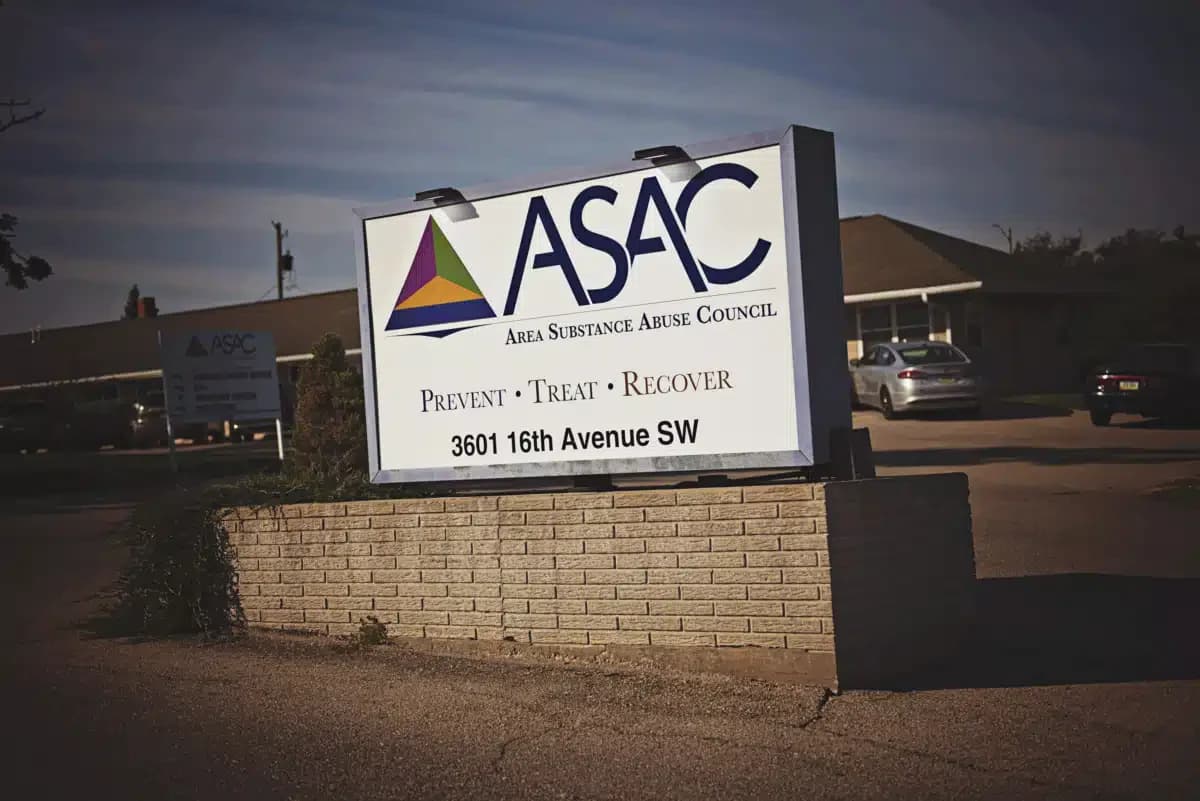
Area Substance Abuse Council in Cedar Rapids, IA, provides outpatient addiction recovery services for adults and older individuals. Their approach emphasizes customized treatment, incorporating 12-step support, brief counseling, and cognitive behavioral techniques. Serving both men and women, the center fosters a nurturing atmosphere. Their dedication to tailored treatment strategies and proven therapeutic methods distinguishes them as a premier option for comprehensive substance use disorder care.
The Area Substance Abuse Council, situated in Cedar Rapids, IA, provides dedicated support for individuals grappling with addiction and co-occurring psychological issues across all age groups. Their programs emphasize robust outpatient care, including intensive and day treatment options. Utilizing proven therapeutic methods like 12-step support, emotional regulation techniques, and short-term counseling, the center offers a holistic recovery pathway. They are equipped to support specific populations such as military personnel, and adult men and women. Furthermore, the facility extends its services to seniors of every gender, ensuring personalized and successful rehabilitation journeys for those overcoming substance dependence and mental health concerns.

Henry Ford Health System Jackson, located in Jackson, Michigan, focuses on providing targeted care for adults facing dual diagnoses of substance use disorders and severe mental health conditions, as well as for children experiencing significant emotional challenges. The center offers a variety of program intensities, including intensive outpatient, standard outpatient, and day treatment. Their therapeutic approaches encompass 12-step program integration, techniques for managing anger, and brief intervention strategies. Specific treatment plans are designed for active duty military personnel, adult males, and adult females. Catering to adults and young individuals of all gender identities, this facility is dedicated to delivering high-quality, supportive care. For those in search of effective, all-encompassing addiction treatment, this institution offers a wide array of proven methods to aid in the recovery process.

Commonwealth Substance Abuse Services, located in Newport, KY, provides outpatient care for adults and young adults struggling with substance use. Their specialized services include anger management, motivational interviewing techniques, and relapse prevention strategies, all designed to aid clients in their path to recovery. The center is particularly adept at working with individuals involved in the criminal justice system, offering customized programs for their specific circumstances. Serving both men and women, Commonwealth Substance Abuse Services fosters a complete and welcoming treatment setting. The facility is committed to delivering high-quality, evidence-based care to support long-term freedom from substance use disorders.
Commonwealth Substance Abuse Services in Florence, KY, is an outpatient facility dedicated to addressing substance use disorders. They offer general outpatient services for adults and young adults across all genders. Their therapeutic methods include techniques such as anger management, motivational interviewing, and relapse prevention, all integrated into personalized treatment strategies. A distinct aspect of their service is a specialized program designed for individuals involved with the criminal justice system. Commonwealth Substance Abuse Services is committed to delivering effective care in a nurturing setting for those on their path to overcoming addiction.

The BPHC Substance Abuse Prevention and center, situated in Boston, MA, delivers extensive outpatient care for individuals battling substance use disorders. They are particularly adept at addressing co-occurring mental health challenges in adults and emotional difficulties in children. Services include outpatient treatment with methadone, buprenorphine, and naltrexone. Their therapeutic approach incorporates anger management, brief intervention strategies, and cognitive behavioral therapy. The program is designed to assist adolescents and adults, encompassing both men and women, and accepts patients of all genders. This facility is committed to providing high-standard care and tailored programs to aid individuals in their recovery journey.

Nestled in Alamosa, CO, "Hope Grief Loss and Substance Abuse" delivers targeted interventions for individuals grappling with addiction and co-occurring psychological challenges. They also address emotional difficulties in younger populations. Their diverse array of outpatient services, including intensive options, features customized therapeutic modalities like anger management, brief intervention, and cognitive behavioral therapy. Special programs are available for adult men, women, and survivors of domestic violence. The center's dedication extends to providing personalized support for both adult and child clients, aiming for holistic healing and recovery.

Based in Hilo, HI, the Big Island Substance Abuse Council specializes in extended residential treatment for adult males dealing with substance use issues. The center features transitional housing, a halfway house, and sober living arrangements designed for individuals in pursuit of thorough recovery. Emphasizing 12-step programs, anger management techniques, and brief intervention strategies, the services are tailored for adults, seniors, and younger adults. The center is dedicated to providing specialized support for men, creating an environment that addresses their unique needs. With a focus on high-quality care, this facility stands out as an excellent option for personalized and effective addiction treatment solutions.
Situated in Hilo, Hawaii, the Big Island Substance Abuse Council delivers extensive treatment options for substance use disorders in both adults and children facing concurrent severe mental health challenges. The center features a range of services, including intensive outpatient programs, standard outpatient care, and day treatment focused on methods such as 12-step support, anger management, and short-term interventions. Programs are customized to meet the specific needs of adolescents, men, and women, providing personalized care for each person. With a strong emphasis on effective treatment and diverse methodologies, this center is devoted to supporting individuals in their recovery journey.
Situated in Hilo, Hawaii, the Big Island Substance Abuse Council delivers effective substance abuse treatment along with transitional housing specifically for women. Concentrating on extended residential care, the center offers round-the-clock assistance and tailored programs for those who are pregnant or recently postpartum. Implementing methods such as 12-step facilitation and anger management, the facility serves adults and older individuals aiming for thorough addiction recovery. The program prioritizes brief interventions, allowing for customized support for younger adults. With a nurturing atmosphere and services designed for women, this center is committed to empowering women to attain enduring sobriety and overall health.
The Big Island Substance Abuse Council, situated in Hilo, HI, provides extensive residential care for adult men battling substance dependence, fostering a nurturing atmosphere for recovery. This establishment offers extended-stay housing and sober living arrangements, with expertise in 12-step support, emotional regulation, and immediate intervention strategies. Designed for adult men, older adults, and younger men, the program aims to equip participants with the tools needed to conquer addiction. Prioritizing personalized support, the center's dedication to gender-affirming care guarantees a thorough and impactful journey toward lasting sobriety for male residents.
The Area Substance Abuse Council located in Manchester, IA, offers a broad range of services for individuals struggling with substance use, specifically catering to adults and seniors. The center's offerings include intensive outpatient programs as well as more standard outpatient options. Utilizing evidence-based methods such as 12-step programs, brief interventions, and cognitive behavioral therapy, the facility creates personalized treatment strategies that address the unique circumstances of each individual. Additionally, specialized programs are available to support teenagers, adult men, and adult women, ensuring targeted and effective treatment. With an emphasis on gender-sensitive care, this center strives to provide high-quality support to assist clients in achieving long-term recovery. For those in search of dependable addiction recovery assistance within a nurturing setting, this facility presents a variety of services to facilitate the path to sobriety.
Situated in Maquoketa, IA, the Area Substance Abuse Council delivers extensive substance use rehabilitation for both adults and children dealing with concurrent mental health challenges. The center offers a range of services including intensive outpatient care, day programs, and partial hospitalization. It employs various strategies such as 12-step methodologies, anger management techniques, and short-term interventions. The facility serves active military members, teens, adult males, and people of all genders. Committed to providing high-quality support, this center aims to assist adults and seniors in their journey to recovery and enhanced mental health.
The Area Substance Abuse Council, situated in Clinton, IA, delivers a full spectrum of care for individuals struggling with substance use, fostering a nurturing atmosphere. This establishment features extended, brief, and round-the-clock inpatient options designed for adult women and older adults. Employing methods like motivational encouragement and therapy for substance use disorders, the center excels in aiding patients who have co-occurring mental health conditions and past trauma. Offering housing support during the recovery process, this center champions a complete path to wellness. For those in search of expert assistance in a setting tailored for women, the Area Substance Abuse Council in Clinton is committed to delivering excellent treatment and ongoing encouragement.
The Area Substance Abuse Council, situated in Vinton, IA, delivers thorough substance use disorder recovery services for individuals of all ages, including those concurrently experiencing significant mental health challenges. Their treatment modalities encompass intensive outpatient, day treatment, and standard outpatient care. The facility features specialized therapeutic interventions like 12-step support, anger management techniques, and brief counseling. Distinctive programs tailored for active-duty military personnel, adult men, and women distinguish this center. Catering to adults and older adults irrespective of gender, the Area Substance Abuse Council is committed to delivering high-quality, scientifically supported care to aid individuals in their journey toward lasting sobriety.
The Big Island Substance Abuse Council, situated in Kailua Kona, HI, delivers thorough addiction recovery services for adults and young adults experiencing dual mental health concerns. Dedicated programs exist for adult males, adult females, and expectant or new mothers, offering intensive outpatient, standard outpatient, and continuing outpatient care. Employing methods such as 12-step encouragement, emotional regulation training, and concise intervention strategies, this center serves individuals of any gender in pursuit of excellent support and treatment for their healing path. For tailored and successful substance abuse treatment, this establishment is committed to assisting you in attaining enduring abstinence and psychological well-being.
Boston Alcohol and Substance Abuse, located in Allston, MA, provides outpatient treatment options for individuals facing challenges related to substance use and co-occurring mental health disorders for both adults and children. The program features methodologies such as 12-step approaches, anger management classes, and brief intervention strategies. This center is particularly adept at accommodating active duty military members, as well as adolescents and adult men. Aimed at delivering personalized support, the facility focuses on adults and seniors across all genders, ensuring that care is both effective and customized. Whether individuals are in need of routine outpatient services or targeted programs, this center is committed to offering thorough assistance for those dealing with addiction and mental wellness challenges.
East Orange Substance Abuse Trt Prog, situated in East Orange, NJ, delivers a full spectrum of care for individuals struggling with substance use disorders. Their services encompass intensive outpatient, general outpatient, and medication-assisted treatment options including methadone, buprenorphine, or naltrexone. The program emphasizes evidence-based modalities such as 12-step facilitation, anger management, and brief intervention techniques. This facility is equipped to support adult men and women, including those affected by intimate partner or domestic violence. They provide tailored support to adults and young adults of all genders embarking on their recovery journey.
Georgia Pines Substance Abuse Services in Pelham, GA, delivers outpatient treatment for adults, children, and adolescents struggling with substance use. Their expertise extends to addressing dual diagnoses, including co-occurring substance use and serious mental health conditions in adults, and serious emotional disturbances in youth. The program incorporates 12-step facilitation, anger management, and brief intervention techniques to offer personalized support to all clients, regardless of gender. Specialized services are available for adolescents, individuals with co-occurring disorders, and those involved with the criminal justice system. Georgia Pines Substance Abuse Services is committed to providing thorough and effective care to aid in the recovery journey.
Hill Alcohol and Substance Abuse in Flossmoor, IL, provides tailored substance abuse treatment for adults and young people. Their services include intensive outpatient, outpatient, and standard outpatient programs. Emphasizing 12-step facilitation, anger management, and brief intervention, the center serves both men and women. Specialized tracks for adolescents, adult men, and adult women guarantee personalized support. Hill Alcohol and Substance Abuse is recognized for its dedication to providing exceptional care to individuals of all ages, making it a complete recovery resource in the region.
Polysubstance Abuse: Key Facts
Classification
Co-occurring substance use pattern
Also known as
Polydrug use, multiple substance abuse, co-addiction
Common combinations
Alcohol + benzos, opioids + stimulants, alcohol + opioids
Main risks
Unpredictable interactions, amplified overdose risk, organ damage
Addiction potential
Very high (multiple dependencies)
Withdrawal complexity
High — requires coordinated medical management
DSM-5 diagnosis
Multiple substance use disorders diagnosed separately
Recommended treatment
Integrated, comprehensive dual/multi-substance program
What Is Polysubstance Abuse?
Polysubstance abuse refers to a pattern of using two or more psychoactive substances simultaneously or in close succession to enhance, modify, or counteract the effects of each drug. This is distinct from simply having tried different drugs at different points in life — polysubstance abuse involves intentional or habitual co-use of multiple substances during the same period. Common examples include drinking alcohol while taking benzodiazepines, combining opioids with stimulants, or mixing cocaine with alcohol.
Polysubstance abuse is extremely common among people with substance use disorders. Research published by the National Institute on Drug Abuse (NIDA) indicates that the majority of people who seek treatment for addiction report using more than one substance. The danger is compounded because the interactions between drugs are often unpredictable — each substance alters how the body metabolizes the other, creating risks that are far greater than the sum of using each substance alone.
It is important to note that the DSM-5 removed "polysubstance dependence" as a standalone diagnosis. Previously, a person could receive a single diagnosis covering their use of multiple substances. Under current diagnostic criteria, each substance use disorder is diagnosed separately. For example, a person who abuses both alcohol and opioids would receive two diagnoses: alcohol use disorder and opioid use disorder. This change was made to improve clinical precision but can sometimes obscure the interconnected nature of polydrug use in treatment planning.
Polysubstance use is more dangerous than single-substance use for several critical reasons. Drug interactions can amplify toxic effects on the heart, liver, and brain. The risk of fatal overdose increases exponentially when central nervous system (CNS) depressants are combined. And withdrawal from multiple substances simultaneously creates overlapping symptoms that are harder to manage medically and more likely to lead to dangerous complications.
Polysubstance Use Disorder: How It Is Diagnosed
Under the DSM-5, there is no single "polysubstance use disorder" diagnosis. Instead, clinicians evaluate each substance a person uses against the 11 criteria for substance use disorder, which include loss of control over use, continued use despite negative consequences, tolerance, withdrawal, cravings, and impairment in social or occupational functioning. A person meets the threshold for a substance use disorder when they exhibit at least two of these criteria within a 12-month period for a given substance. The severity is classified as mild (2-3 criteria), moderate (4-5 criteria), or severe (6 or more criteria).
Diagnosing polysubstance use disorder presents unique clinical challenges. Patients may not fully disclose all substances they are using, either due to stigma, fear of legal consequences, or because they do not consider certain substances (like alcohol or marijuana) to be part of their problem. The effects of one substance can mask or mimic the effects of another, making it difficult to determine which symptoms belong to which drug. Comprehensive toxicology screening and honest clinical interviews are essential for accurate assessment.
Many treatment centers now use integrated screening protocols specifically designed to capture polysubstance use patterns. Tools like the Addiction Severity Index (ASI) and the ASSIST (Alcohol, Smoking and Substance Involvement Screening Test) evaluate use across multiple substance categories. These instruments help clinicians develop a complete picture of a person's substance use and create a treatment plan that addresses all active addictions rather than focusing on a single "primary" substance.
Cross Addiction: When One Substance Leads to Another
Cross addiction is the phenomenon where a person recovering from dependence on one substance develops a new dependence on a different substance. This happens because addiction fundamentally changes the brain's reward circuitry — the neural pathways that were hijacked by the first substance remain vulnerable to hijacking by another. A person who has developed addiction to one substance has a significantly elevated risk of developing addiction to any other psychoactive substance, even one that seems unrelated to their original drug of choice.
Cross addiction is remarkably common and often begins innocuously. A person recovering from alcohol use disorder may be prescribed benzodiazepines for anxiety and develop a new dependence. Someone in recovery from opioid addiction may start drinking heavily, reasoning that alcohol was never "their problem." A person who has quit cocaine may begin using prescription stimulants. In each case, the person's brain — already primed for addiction — rapidly develops a compulsive relationship with the new substance.
Understanding cross addiction is critical for treatment planning. Effective recovery programs educate patients about this vulnerability and develop strategies to address it. This includes careful management of prescribed medications (especially those with abuse potential), development of non-chemical coping strategies for pain, anxiety, and insomnia, and ongoing monitoring for early signs of transfer to a new substance. People in recovery should discuss the risk of cross addiction openly with their treatment providers and be transparent about any new substance use.
Common and Dangerous Drug Combinations
Certain drug combinations are particularly lethal because of how they interact in the body. Understanding these interactions is essential because many people who engage in polysubstance abuse are unaware of just how dangerous specific combinations are.
Alcohol and Benzodiazepines
Both alcohol and benzodiazepines (Xanax, Valium, Klonopin, Ativan) are central nervous system depressants that enhance the activity of GABA, the brain's primary inhibitory neurotransmitter. When combined, their sedative effects do not simply add together — they multiply. This synergistic CNS depression can rapidly slow breathing to dangerous levels, cause loss of consciousness, and lead to respiratory failure and death. Emergency departments frequently see fatal overdoses involving this combination, and withdrawal from concurrent alcohol and benzodiazepine dependence is among the most medically dangerous withdrawal syndromes, requiring careful inpatient management.
Opioids and Stimulants
The combination of opioids with stimulants — known as a speedball (heroin + cocaine) or goofball (methamphetamine + heroin) — is one of the most dangerous patterns of polydrug use. Users combine these substances believing that the stimulant will counteract the sedative effects of the opioid, allowing them to use more of both. In reality, the stimulant masks the warning signs of opioid overdose (extreme drowsiness, slowed breathing) while placing enormous stress on the cardiovascular system. When the stimulant wears off — often before the opioid — respiratory depression can set in suddenly and fatally. This combination has been implicated in numerous high-profile overdose deaths.
Alcohol and Opioids
Alcohol and opioids are both CNS depressants, and their combined use dramatically increases the risk of fatal respiratory depression. Alcohol impairs judgment and reduces inhibition, making it more likely that a person will take a higher dose of opioids than intended. The combination also compounds liver toxicity — acetaminophen-containing opioid formulations (like Vicodin or Percocet) combined with alcohol can cause acute liver failure. The CDC reports that alcohol is involved in a significant percentage of opioid overdose deaths, making this one of the most common lethal combinations in the United States.
Cocaine and Alcohol
When cocaine and alcohol are used together, the liver produces a unique metabolite called cocaethylene. Cocaethylene has a longer half-life than cocaine, prolonging the euphoric effects — which is why many users combine these substances. However, cocaethylene is significantly more cardiotoxic than either substance alone. It increases the risk of sudden cardiac death by up to 18 times compared to cocaine use alone. Cocaethylene also intensifies the toxic effects on the liver and amplifies impulsive and aggressive behavior. This combination is one of the most common patterns of polysubstance abuse treated in emergency departments.
Benzodiazepines and Opioids
The combination of benzodiazepines and opioids is the single most common drug combination found in overdose deaths in the United States. Both drug classes depress the central nervous system and suppress breathing. The FDA has issued its strongest warning (a Black Box Warning) about the dangers of combining these medications. Despite this, co-prescribing remains common, and many people who obtain opioids illicitly also use benzodiazepines. Fentanyl — now the leading cause of overdose death — is frequently found mixed with counterfeit benzodiazepine pills, meaning users may unknowingly be taking this lethal combination.
Why Polysubstance Abuse Is More Dangerous
Using multiple substances simultaneously creates risks that extend far beyond the dangers of any single drug. The body's ability to metabolize and eliminate toxins is finite — when multiple substances compete for the same metabolic pathways in the liver, blood levels of each drug can rise to dangerous levels. A dose of one substance that would be survivable on its own can become lethal when combined with another substance that competes for the same liver enzymes.
One of the most insidious dangers of polysubstance abuse is that one drug can mask the warning signs of overdose from another. Stimulants can keep a person conscious and alert even as opioids suppress their breathing to dangerous levels. Alcohol can make a person feel less intoxicated by cocaine, leading them to use more of both. This masking effect means people who use multiple substances are more likely to unknowingly cross the threshold into overdose.
The organ damage from polysubstance abuse is compounded. The liver, which must process every substance a person ingests, faces dramatically increased workload. The heart is stressed by competing signals — stimulants accelerate heart rate while depressants slow it, creating dangerous arrhythmias. The brain is subjected to conflicting neurochemical signals that accelerate neurological damage. Chronic polysubstance abuse leads to faster deterioration of physical and mental health compared to single-substance use.
Withdrawal from multiple substances is significantly more complex and dangerous than single-substance withdrawal. Different substances have different withdrawal timelines, and symptoms can overlap and compound each other. For example, a person withdrawing from both alcohol and benzodiazepines simultaneously faces a heightened risk of seizures that is greater than withdrawing from either substance alone. Medical teams must carefully coordinate detoxification protocols when multiple dependencies are present, which is why supervised medical detox is essential for polysubstance users.
Signs of Polysubstance Abuse
Signs someone is using multiple substances
- Rapid and unpredictable mood swings
- Alternating between hyperactivity and extreme sedation
- Paraphernalia for multiple drug types (pipes, needles, pill bottles, rolling papers)
- Unexplained financial problems or missing money
- Physical symptoms that don't match a single substance (e.g., dilated and constricted pupils at different times)
- Frequent visits to multiple doctors or pharmacies
Signs of polysubstance dependence
- Inability to function without using multiple substances
- Using one substance to counteract or manage effects of another
- Withdrawal symptoms that vary in nature and intensity
- Multiple failed attempts to quit one substance while continuing others
- Severe health decline across multiple organ systems
- History of emergency room visits for overdose or adverse reactions
Treatment for Polysubstance Abuse
Why treatment is more complex
Treating polysubstance abuse is significantly more complex than treating single-substance addiction. Each substance creates its own pattern of physical dependence, withdrawal risk, and psychological craving. Treatment providers must address all active addictions simultaneously — treating only the "primary" substance while ignoring others almost always leads to relapse. Integrated treatment that addresses all substances, along with any co-occurring mental health conditions, produces the best outcomes.
Medical detoxification
Medical detoxification is particularly important for polysubstance users because withdrawal from certain combinations (especially alcohol plus benzodiazepines, or multiple CNS depressants) can be life-threatening. Medical teams must carefully sequence and coordinate the detox process. In some cases, substances are tapered sequentially — stabilizing the patient on one substance before withdrawing another. In other cases, simultaneous medically managed withdrawal is appropriate. The approach depends on which substances are involved, the severity of each dependence, and the patient's overall health.
Medication-Assisted Treatment (MAT)
Medication-Assisted Treatment plays an important role in polysubstance recovery. For opioid dependence, medications like buprenorphine (Suboxone) or naltrexone (Vivitrol) can stabilize cravings. For alcohol dependence, naltrexone, acamprosate, or disulfiram may be appropriate. When a person has both opioid and alcohol use disorders, naltrexone can address both simultaneously. MAT decisions in polysubstance cases require careful coordination to avoid interactions between treatment medications and to ensure all active dependencies are being addressed.
Behavioral therapies
Cognitive Behavioral Therapy (CBT) is the cornerstone of polysubstance abuse treatment. CBT helps patients identify the triggers, situations, and thought patterns that lead to use of each substance. Because polysubstance users often have complex trigger patterns — where the use of one substance triggers cravings for another — therapy must address these interconnected patterns rather than treating each substance in isolation. Contingency management, motivational interviewing, and group therapy all play supporting roles in comprehensive treatment.
Treating co-occurring mental health conditions
Polysubstance abuse is strongly associated with co-occurring mental health conditions including depression, anxiety disorders, PTSD, ADHD, and personality disorders. Dual diagnosis treatment that addresses both addiction and mental health simultaneously is essential. Many people who use multiple substances are self-medicating — using stimulants for ADHD or depression, opioids for physical or emotional pain, and benzodiazepines or alcohol for anxiety. Without addressing the underlying condition, the person will continue to seek chemical solutions to their distress.
How To Choose the Right Treatment Center for Polysubstance Abuse
Experience with multiple SUDs
Look for programs that routinely treat patients with two or more concurrent substance use disorders — not just a primary substance with secondary issues.
Integrated detox protocols
The center should offer medically supervised detoxification that can safely manage withdrawal from multiple substances simultaneously or sequentially.
Psychiatric support on staff
Polysubstance abuse frequently co-occurs with mental health conditions. Choose a center with psychiatrists who can assess and treat co-occurring disorders.
MAT availability for multiple substances
Ensure the program can provide medication-assisted treatment for all applicable dependencies — opioid, alcohol, and others — coordinated together.
Verify insurance coverage
Multi-substance treatment may require longer stays. Ask the center to verify your benefits and confirm coverage for the anticipated length of treatment.
Check credentials and outcomes
Look for CARF or Joint Commission accreditation. Ask about their experience with polysubstance cases and what their completion and relapse rates look like.
Related Treatment Approaches and Levels of Care
Frequently Asked Questions About Polysubstance Abuse
What is polysubstance abuse?
Polysubstance abuse is the pattern of using two or more psychoactive substances simultaneously or in close succession. Also called polydrug use or multiple substance abuse, it involves intentional co-use of drugs to enhance, modify, or counteract each other's effects. Polysubstance abuse is more dangerous than single-substance use because the interactions between drugs are often unpredictable and can amplify the risk of overdose, organ damage, and death.
What are the most dangerous drug combinations?
The most lethal combinations involve multiple CNS depressants. Benzodiazepines combined with opioids are the single most common drug combination found in overdose deaths. Alcohol with benzodiazepines and alcohol with opioids are also extremely dangerous due to synergistic respiratory depression. Cocaine with alcohol produces cocaethylene, which increases the risk of sudden cardiac death. Opioids combined with stimulants (speedball) mask overdose warning signs and place extreme stress on the heart.
What is cross addiction?
Cross addiction occurs when a person in recovery from one substance develops a new dependence on a different substance. Addiction changes the brain's reward circuitry in ways that persist after sobriety, making the person vulnerable to developing compulsive use of any psychoactive substance. Common examples include recovering alcoholics developing benzodiazepine dependence, or people in opioid recovery beginning to abuse alcohol or stimulants.
How is polysubstance use disorder diagnosed?
The DSM-5 removed "polysubstance dependence" as a standalone diagnosis. Instead, each substance use disorder is diagnosed separately based on 11 criteria including loss of control, tolerance, withdrawal, cravings, and continued use despite harm. A person using multiple substances may receive multiple SUD diagnoses — for example, both alcohol use disorder and opioid use disorder. Comprehensive screening tools like the ASI and ASSIST help clinicians capture the full picture of multi-substance use.
Can you withdraw from multiple substances at the same time?
Yes, and it can be medically dangerous — particularly when multiple CNS depressants are involved. Withdrawal from both alcohol and benzodiazepines simultaneously carries a heightened risk of seizures that exceeds the risk of withdrawing from either alone. Medical detox teams may taper substances sequentially (stabilizing one before addressing the next) or manage simultaneous withdrawal with careful medication protocols. This is why medically supervised detoxification is essential for polysubstance users.
What treatment is available for polysubstance abuse?
Treatment for polysubstance abuse is comprehensive and integrated. It typically includes medically supervised detoxification, medication-assisted treatment (MAT) for applicable dependencies, behavioral therapies like cognitive behavioral therapy and motivational interviewing, and treatment for co-occurring mental health conditions. The most effective programs address all active substance use disorders simultaneously rather than treating a single "primary" substance.
Is polysubstance abuse more dangerous than using one drug?
Yes, significantly more dangerous. Drug interactions can amplify toxic effects on the heart, liver, and brain. One substance can mask the warning signs of overdose from another. Organ damage is compounded when the liver must process multiple toxins simultaneously. Withdrawal is more complex and potentially life-threatening. The risk of fatal overdose increases exponentially when multiple central nervous system depressants are combined.
How long does treatment for polysubstance abuse take?
Treatment duration depends on which substances are involved and the severity of each dependence. Medical detox typically takes 5–14 days, longer than single-substance detox because multiple withdrawal timelines must be managed. Residential treatment generally lasts 30–90 days. Outpatient programs continue for 3–12 months. Because multiple addictions and often co-occurring mental health conditions must be addressed, polysubstance treatment tends to be longer and more intensive than single-substance programs. Aftercare and relapse prevention support may continue for a year or more.
Medical Review and Sources
Trusted Resources
Substance Abuse and Mental Health Services Administration
Federal agency providing information, resources, and treatment locator for substance abuse and mental health.
Helpline: 1-800-662-4357
National Institute on Drug Abuse
NIH institute advancing science on drug use and addiction causes, consequences, and treatment.
National Institute on Alcohol Abuse and Alcoholism
NIH institute supporting research on alcohol's impact on health and providing treatment resources.
Need Help Finding Treatment Now?
Polysubstance abuse requires specialized care. Speak with a compassionate specialist who can help you find a treatment program equipped to handle multiple substance dependencies — 100% free and confidential, available 24/7.
Browse polysubstance abuse programs in states with the most treatment options.
Related conditions, treatment approaches, and levels of care.