
PTSD & Addiction Treatment Centers Near You
Post-traumatic stress disorder (PTSD) and addiction commonly co-occur. Find trauma-informed treatment centers offering specialized therapies like EMDR, prolonged exposure, and integrated care for lasting recovery.
Found 11,549 rehab centers specializing in ptsd across the United States.
Need Help Finding the Right Treatment Center?
Speak with a compassionate specialist now - 100% free & confidential
Showing 20 of 11549 results

Nestled in Lebanon, PA, the Lebanon Comprehensive Treatment Center provides outpatient programs aimed at assisting adult individuals struggling with substance use issues, including those contending with concurrent mental health conditions. The center emphasizes specialized treatment for both young adults and older adults, focusing on techniques such as anger management, cognitive behavioral therapy, and motivational incentives. Patients can receive customized outpatient treatments using methadone, buprenorphine, or naltrexone. Demonstrating a dedication to delivering high-quality care, this center strives to aid individuals in their recovery journey through evidence-based methods and individualized treatment strategies.
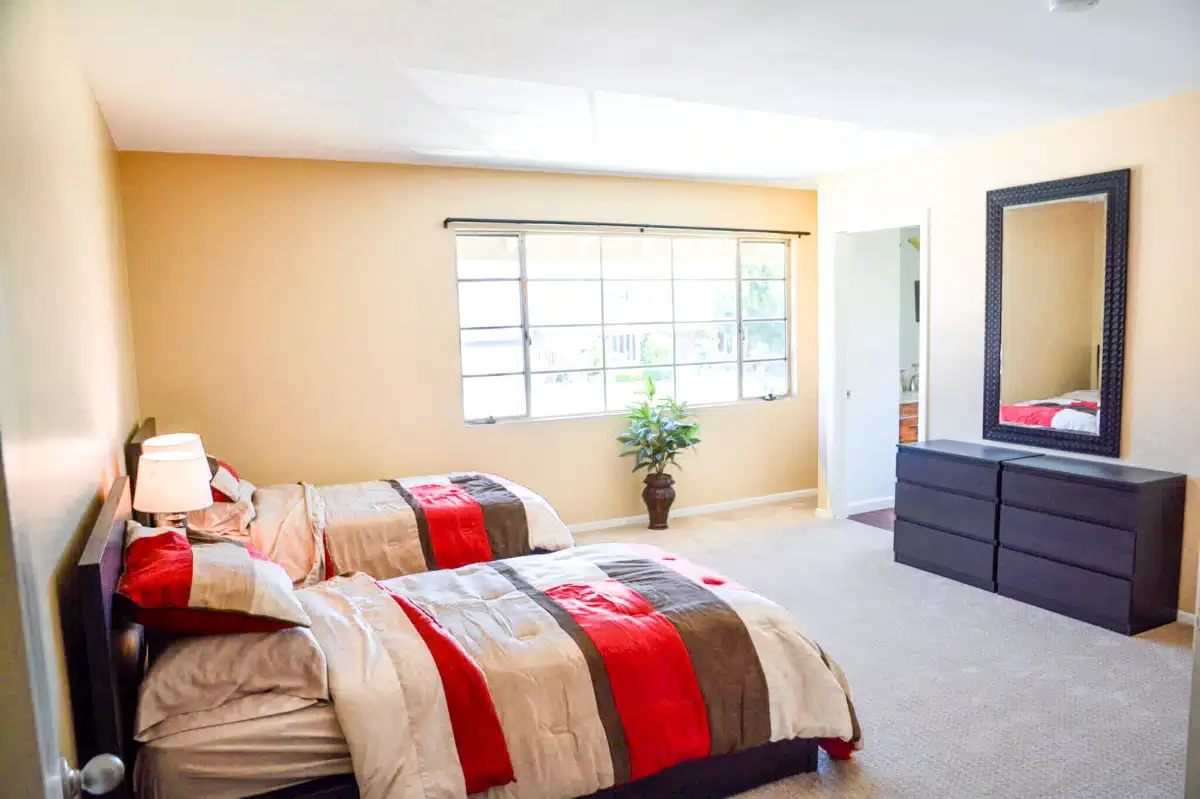
Situated in Orange, CA, Lead Recovery Center delivers extensive addiction treatment options for both adults and young adults. The facility includes long-term residential treatment, detox services, and support available around the clock. It emphasizes 12-step programs, anger management strategies, and short-term intervention techniques, specifically addressing the needs of individuals with simultaneous substance abuse and significant mental health challenges. Tailored programs are provided for adult men, women, and individuals who have faced sexual trauma. The center's distinct methodology guarantees personalized care for every client, prioritizing effective treatment to foster long-term recovery.
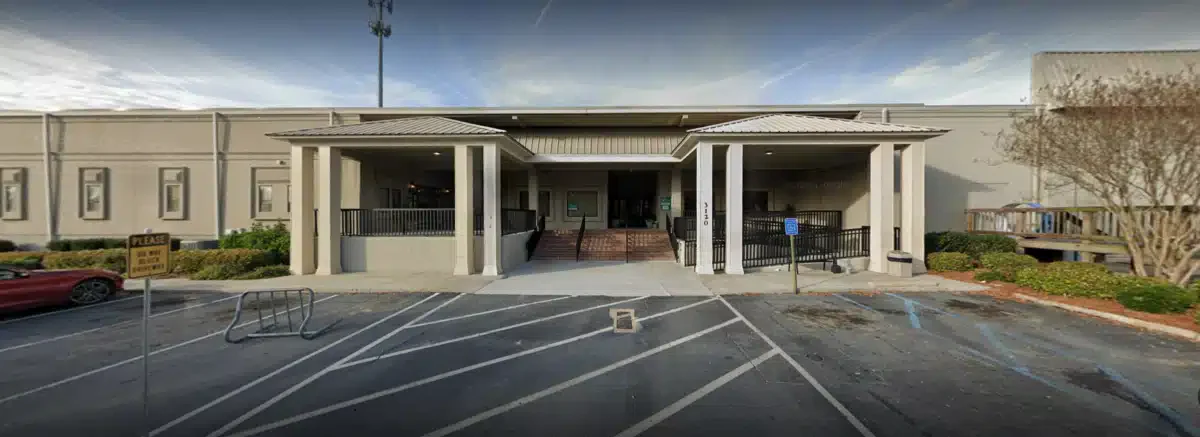
Legacy Behavioral Health Services, located in Valdosta, GA, provides an extensive array of outpatient programs designed to treat substance use disorders alongside co-occurring mental health issues for both adults and youth. The center offers targeted treatments that include anger management, brief interventions, and cognitive behavioral therapy. By delivering customized programs for teenagers, adult males, and females, Legacy Behavioral Health Services prioritizes personalized attention for every individual. Additionally, the facility offers outpatient options for methadone, buprenorphine, or naltrexone treatments aimed at serving all clients effectively. Discover exceptional support and care at Legacy Behavioral Health Services.

Leaders for Life in Richmond, Virginia, treats substance use disorders alongside serious mental illness in adults and serious emotional disturbance in children through regular and intensive outpatient care. All ages from children and adolescents through seniors are eligible. Medicaid and private insurance are accepted, and a sliding fee scale is based on income.
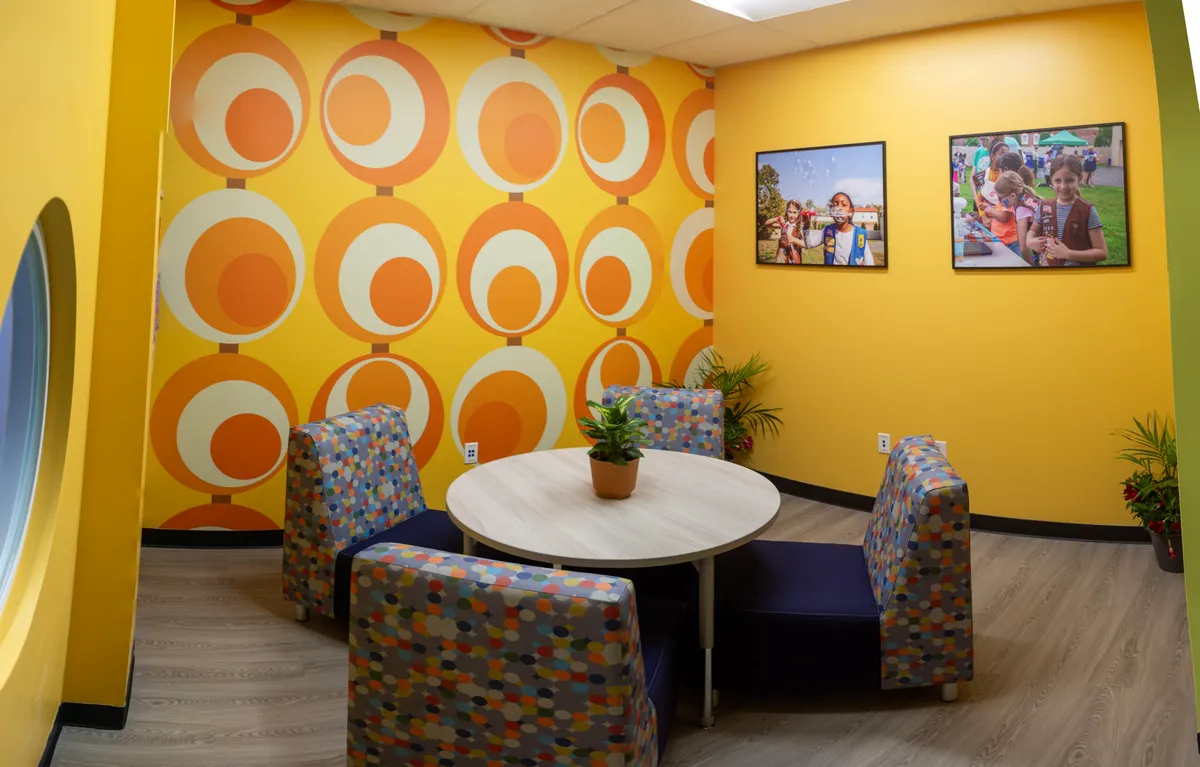
Long-term residential care with on-site detoxification is provided by Leadership Center in New York City, serving adult men including criminal justice and forensic clients and those with co-occurring mental health disorders or trauma histories. Buprenorphine and naltrexone are used. Medicaid, SAMHSA block grants, and a sliding fee scale apply.
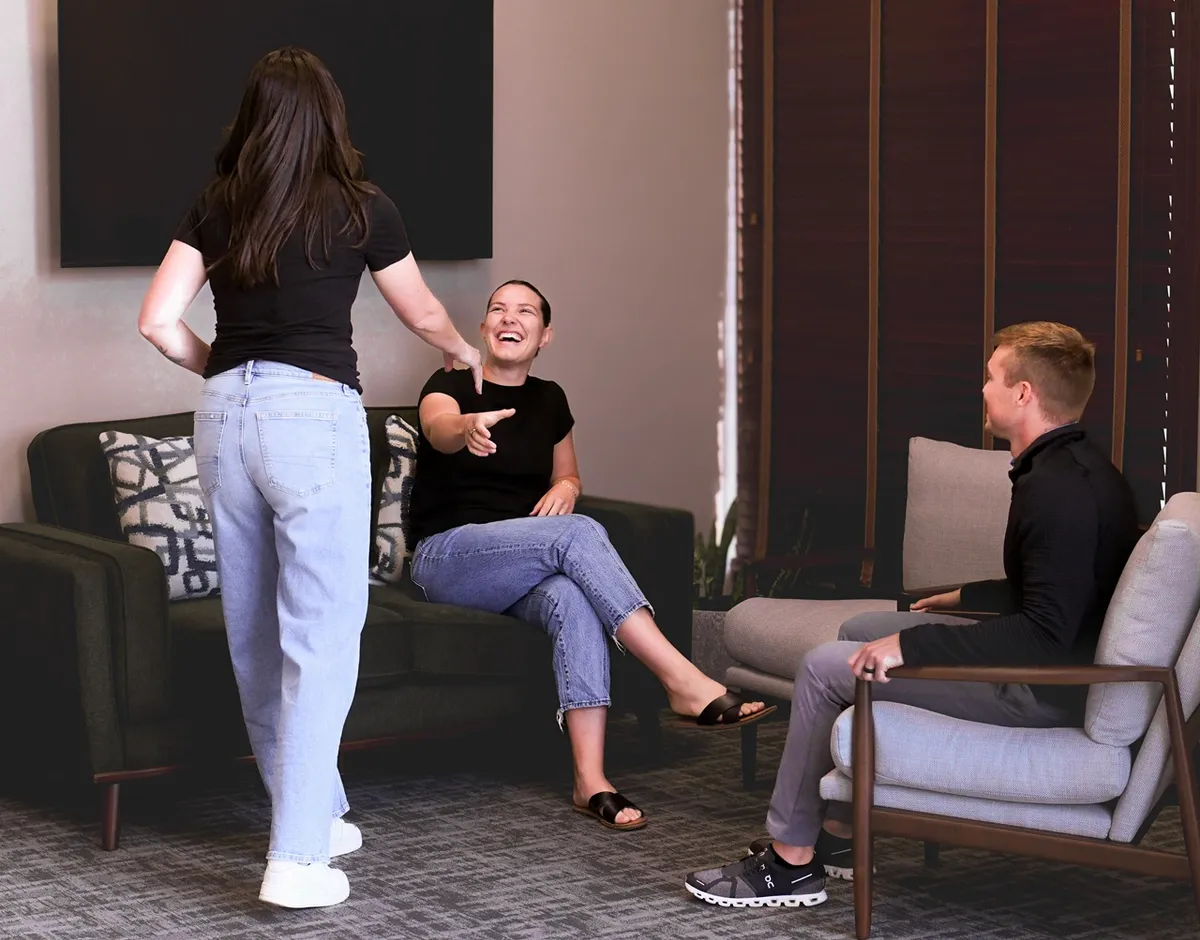
Learn to Live Clinical Services in Washington, Missouri, provides regular and intensive outpatient treatment for adults, with a program for clients who have experienced trauma and care for co-occurring disorders. Naltrexone is used in treatment. Private insurance and self-payment are accepted, and Spanish-language services are available.
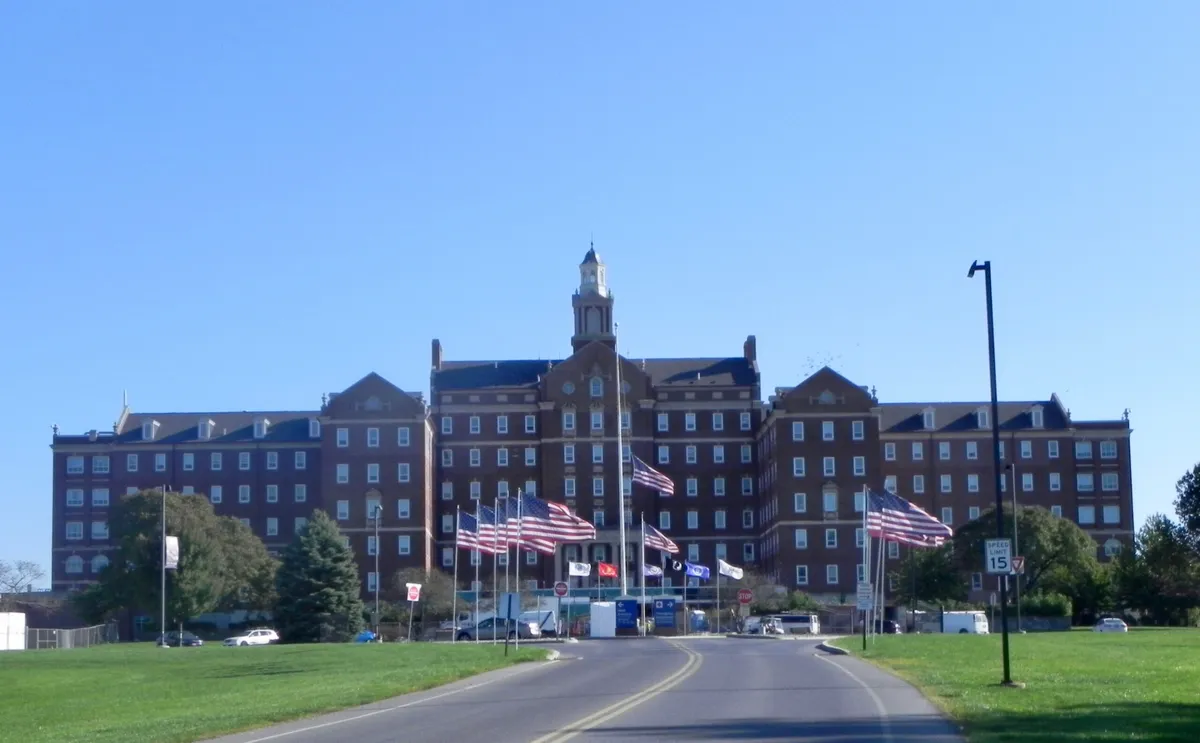
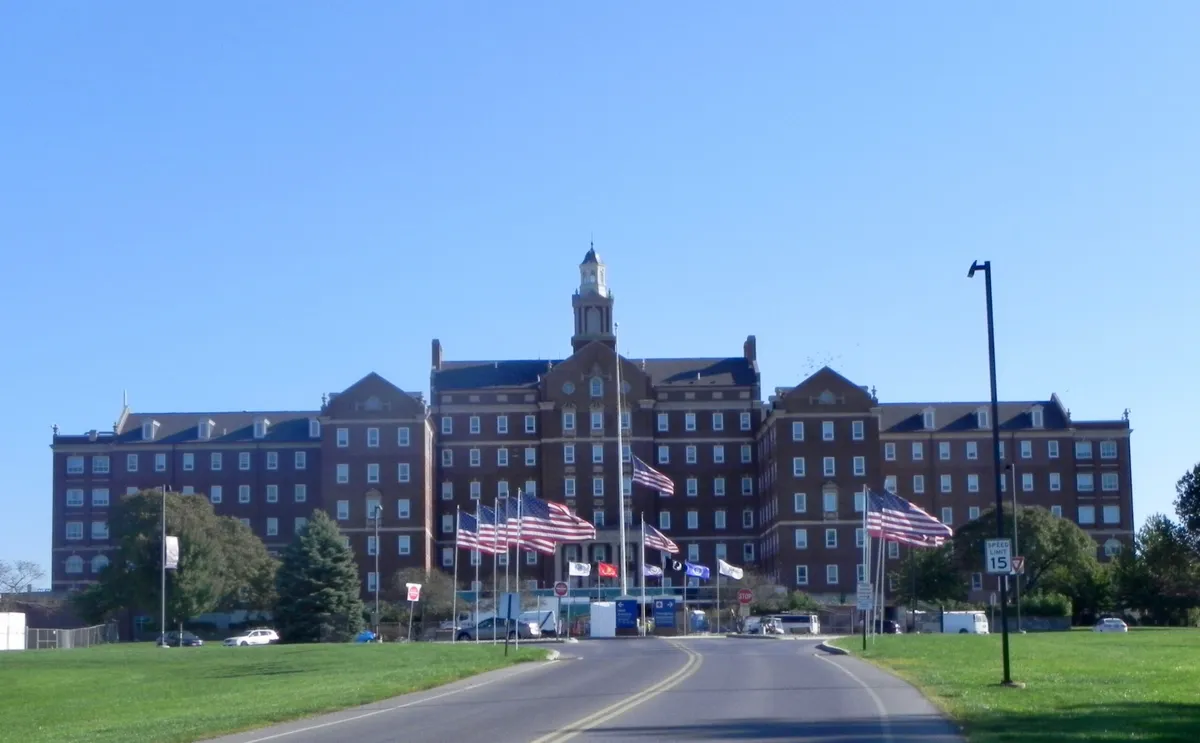
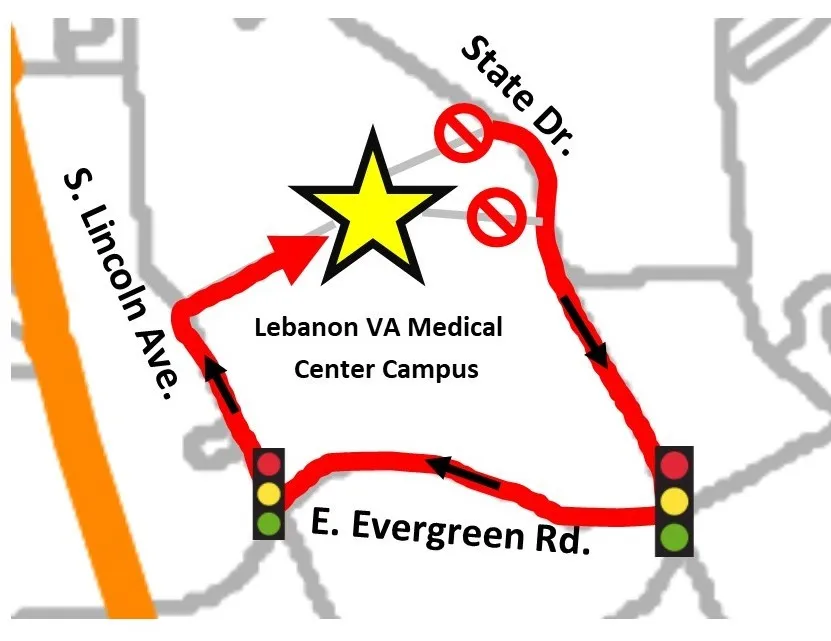
The Lebanon VAMC Behavioral Health and Sciences campus in Lebanon, Pennsylvania, runs a full continuum of veteran care, from hospital inpatient and residential detoxification to long-term residential, intensive outpatient, and medication treatment with buprenorphine and naltrexone. Transitional housing is available. Medicare, TRICARE, and private insurance are accepted.
The York VA Outpatient Clinic, part of Lebanon VAMC, provides outpatient and intensive outpatient substance use treatment in York, Pennsylvania, for veterans, active duty service members, and military families. Buprenorphine and naltrexone are used in treatment. Medicare, TRICARE, private insurance, and self-payment are accepted.
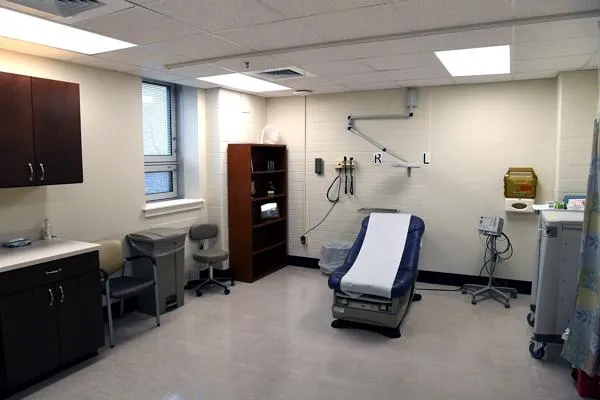
Veterans near Willow Street, Pennsylvania, receive outpatient and intensive outpatient addiction treatment at the Lebanon VAMC Lancaster VA Outpatient Clinic, with buprenorphine and naltrexone available for opioid use disorder. Programs also address trauma, chronic pain, and co-occurring disorders. Medicare, TRICARE, and private insurance are accepted.
Reading, Pennsylvania, is home to the Lebanon VAMC Berks VA Outpatient Clinic, where veterans and military family members access outpatient and intensive outpatient substance use treatment. Buprenorphine and naltrexone are used, with tracks for pregnant women, trauma survivors, and clients with HIV or AIDS. Medicare and TRICARE are accepted.
Intensive and regular outpatient substance use treatment in Las Vegas, Nevada, with a focus that includes chemical dependency care for adolescents. Also treats adults with co-occurring serious mental illness and serves veterans, military families, and pregnant women. Medicare, Medicaid, and TRICARE are accepted.
Veterans in Mechanicsburg, Pennsylvania, can access outpatient and intensive outpatient substance use treatment at the Lebanon VAMC Cumberland County Outpatient Clinic, including buprenorphine and naltrexone for opioid use disorder. The clinic serves active duty military and military families and accepts TRICARE, Medicare, and private insurance.
Outpatient and intensive outpatient addiction treatment for veterans is provided at the Lebanon VAMC Pottsville VA Outpatient Clinic in Pottsville, Pennsylvania. Buprenorphine and naltrexone are prescribed for opioid use disorder, and services address co-occurring mental health conditions, chronic pain, and trauma. TRICARE, Medicare, and private insurance are accepted.
Situated in Bishopville, SC, the Lee Center provides outpatient treatment for substance use, emphasizing anger management, brief interventions, and cognitive behavioral therapy. This facility features tailored programs for adolescents, adult men, and adult women, addressing the needs of both genders. Catering to adults as well as children and adolescents, the center ensures high-quality care through evidence-based methods customized to suit individual requirements. With a strong dedication to holistic and personalized care, the Lee Center is recognized as a reliable option for individuals in need of effective addiction rehabilitation services in the Bishopville region.
Situated in Cass Lake, MN, Leech Lake provides extensive substance use rehabilitation services tailored to individuals regardless of age or gender. The center includes various treatment options such as intensive outpatient, outpatient, and standard outpatient programs, employing methods like 12-step facilitation, techniques for anger management, and brief intervention strategies. Notably, the facility features specialized programs designed for teenagers and clients who have faced intimate partner violence or sexual abuse. Committed to high-quality care and personalized treatment, Leech Lake aims to assist both male and female clients on their path to recovery from addiction.
Leeward Counseling Center, situated in Honolulu, HI, provides outpatient addiction recovery services for adults and adolescents. The center emphasizes tailored treatment plans, incorporating methods such as 12-step facilitation, anger management, and brief intervention. It serves active military members, adult men, and adult women, fostering a nurturing setting for all clients. Leeward Counseling Center is committed to offering effective, scientifically supported care to support long-term sobriety.
Left Bank Recovery Services LLC, situated in Lewiston, ME, delivers targeted outpatient programs for substance use disorders aimed at both adults and young adults. The center features various treatment modalities, including outpatient care, as well as methadone, buprenorphine, or naltrexone options. Prioritizing personalized treatment, the center utilizes techniques such as anger management, brief interventions, and cognitive behavioral therapy to effectively tackle addiction challenges. Customized programs are available for both men and women, fostering a welcoming and supportive atmosphere for everyone. For individuals in pursuit of effective addiction recovery with a personal approach, this center excels in its dedication to comprehensive healing.
Legacy Associates Inc, located in Bloomfield, IN, provides specialized outpatient care for adults and children struggling with substance use disorders, particularly when these co-occur with other mental health conditions. Their therapeutic approach incorporates proven methods such as 12-step facilitation, anger management techniques, and brief intervention strategies. The center serves a diverse client base, including adolescents, adult men, and women, and extends its individualized treatment plans to seniors. By employing a gender-specific model, Legacy Associates Inc ensures that both male and female individuals receive care that is precisely suited to their unique needs. This dedication to high-quality, tailored programs positions Legacy Associates Inc as a leading provider of thorough addiction recovery services.
Legacy Behavioral Health Services in Adel, GA, provides a thorough outpatient program for substance use recovery, emphasizing the importance of addressing concurrent mental health challenges. The facility is dedicated to offering specialized support for adults grappling with severe mental health disorders as well as children dealing with significant emotional difficulties. Utilizing a variety of proven treatment methods such as anger management, brief intervention techniques, and cognitive behavioral therapy, the center formulates personalized treatment strategies. Programs designed specifically for adolescents, adult men, and adult women accommodate a variety of requirements, with services accessible to clients of any gender. Legacy Behavioral Health Services is committed to delivering exceptional care to individuals of all ages who are on their journey to recovery in a nurturing setting.
Legacy Behavioral Health Services, located in Tifton, GA, provides outpatient services for individuals struggling with substance use disorders and dual diagnoses involving serious mental health concerns for adults, as well as children with serious emotional disturbances. Their treatment methods include anger management, brief intervention, and cognitive behavioral therapy, creating personalized programs for teens, adult males, and adult females. Catering to all genders across adult and youth populations, Legacy Behavioral Health Services emphasizes customized care plans and scientifically proven therapeutic techniques.
Frequently Asked Questions
How are PTSD and addiction related?
What is trauma-informed care?
What therapies treat PTSD and addiction together?
Should I address PTSD or addiction first?
What if I'm not ready to talk about my trauma?
About PTSD Treatment
Post-traumatic stress disorder (PTSD) and substance use disorders co-occur at remarkably high rates. Up to 50% of individuals seeking addiction treatment also meet criteria for PTSD. The relationship between trauma and addiction is complex, requiring specialized trauma-informed treatment that addresses both conditions simultaneously for effective, lasting recovery.
Understanding PTSD and Addiction
PTSD develops after experiencing or witnessing traumatic events like combat, assault, accidents, or natural disasters. Symptoms include intrusive memories, flashbacks, nightmares, hypervigilance, avoidance, and emotional numbness. Many people use alcohol or drugs to manage these distressing symptoms, finding temporary relief but ultimately worsening both PTSD and developing addiction. Substances interfere with trauma processing and prevent real healing.
Trauma-Informed Care Principles
Quality trauma-informed treatment emphasizes:
- Safety: Creating physical and emotional safety throughout treatment
- Trustworthiness: Building trust through transparency and consistency
- Peer Support: Connecting with others who understand trauma and recovery
- Collaboration: Shared decision-making and partnership in treatment
- Empowerment: Building strengths and restoring sense of control
- Cultural Sensitivity: Respecting diverse backgrounds and experiences
Evidence-Based Trauma Therapies
Specialized therapies for PTSD and addiction include:
- Prolonged Exposure (PE): Safely confronts trauma memories to reduce their power
- Eye Movement Desensitization and Reprocessing (EMDR): Processes traumatic memories through bilateral stimulation
- Cognitive Processing Therapy (CPT): Addresses unhelpful beliefs about trauma
- Seeking Safety: Integrated model addressing both PTSD and substance use
- Trauma-Focused CBT: Cognitive behavioral approach adapted for trauma
Integrated Treatment Approach
Modern research clearly shows that addressing PTSD and addiction together leads to better outcomes than treating them sequentially. Integrated programs provide coordinated care where trauma therapists and addiction specialists work together, creating comprehensive treatment plans that recognize how these conditions interact and support each other in recovery.
Taking It at Your Pace
Quality trauma-informed programs never force trauma disclosure before you're ready. Early treatment focuses on safety, stabilization, developing coping skills, and addressing substance use. Trauma processing begins when you and your therapist collaboratively decide you're prepared. Building foundation skills—emotional regulation, distress tolerance, mindfulness—creates readiness for deeper trauma work.
Resources for PTSD and addiction:
Related Conditions
Explore Treatment Methods
Browse ptsd programs in states with the most treatment options.
Related conditions, treatment approaches, and levels of care.
Need immediate help? Call SAMHSA: 1-800-662-4357 (24/7, free)