
Speedball Addiction: Heroin and Cocaine Treatment
Speedball (heroin + cocaine) and goofball (meth + heroin) are among the deadliest drug combinations in existence. Mixing opioids with stimulants masks overdose warning signs and has killed thousands. Below you will find why these combinations are so lethal, how to recognize addiction, and a directory of treatment centers with dual-focus programs.
Found 78 rehab centers specializing in speedball addiction across the United States.
Need Help Finding the Right Treatment Center?
Speak with a compassionate specialist now - 100% free & confidential
Find Speedball Addiction Treatment Centers Near You
Use the search bar and filters below to find treatment centers that specialize in polydrug addiction, including dual-focus programs for opioid and stimulant dependence, medication-assisted treatment, behavioral therapy, and residential or outpatient care.
Showing 20 of 78 results

Henry Ford Health System Jackson, located in Jackson, Michigan, focuses on providing targeted care for adults facing dual diagnoses of substance use disorders and severe mental health conditions, as well as for children experiencing significant emotional challenges. The center offers a variety of program intensities, including intensive outpatient, standard outpatient, and day treatment. Their therapeutic approaches encompass 12-step program integration, techniques for managing anger, and brief intervention strategies. Specific treatment plans are designed for active duty military personnel, adult males, and adult females. Catering to adults and young individuals of all gender identities, this facility is dedicated to delivering high-quality, supportive care. For those in search of effective, all-encompassing addiction treatment, this institution offers a wide array of proven methods to aid in the recovery process.

Nestled in Alamosa, CO, "Hope Grief Loss and Substance Abuse" delivers targeted interventions for individuals grappling with addiction and co-occurring psychological challenges. They also address emotional difficulties in younger populations. Their diverse array of outpatient services, including intensive options, features customized therapeutic modalities like anger management, brief intervention, and cognitive behavioral therapy. Special programs are available for adult men, women, and survivors of domestic violence. The center's dedication extends to providing personalized support for both adult and child clients, aiming for holistic healing and recovery.

Situated in Elmhurst, IL, the MCM Substance Abuse Center delivers an extensive variety of therapeutic options for individuals facing substance use challenges. This center is dedicated to addressing the complexities of co-occurring substance use issues alongside significant mental health conditions in adults, as well as handling serious emotional issues in children. Offering intensive outpatient, outpatient, and regular outpatient treatment formats, the facility emphasizes customized care through cognitive behavioral therapy and specialized counseling for substance use disorders. Programs are designed specifically for adults and seniors of diverse backgrounds, fostering an encouraging atmosphere for healing. The center's commitment to personalized treatment and evidence-based practices positions it as a leading option for those in search of effective and empathetic support in overcoming addiction.
GLOM Substance Abuse Program's Marengo Grove location in Galt, California, provides residential detox with long-term and short-term residential care for adult women, including pregnant and postpartum women, as well as veterans and trauma survivors. Buprenorphine and naltrexone are used. Spanish-language services are available, with state-financed plans accepted.
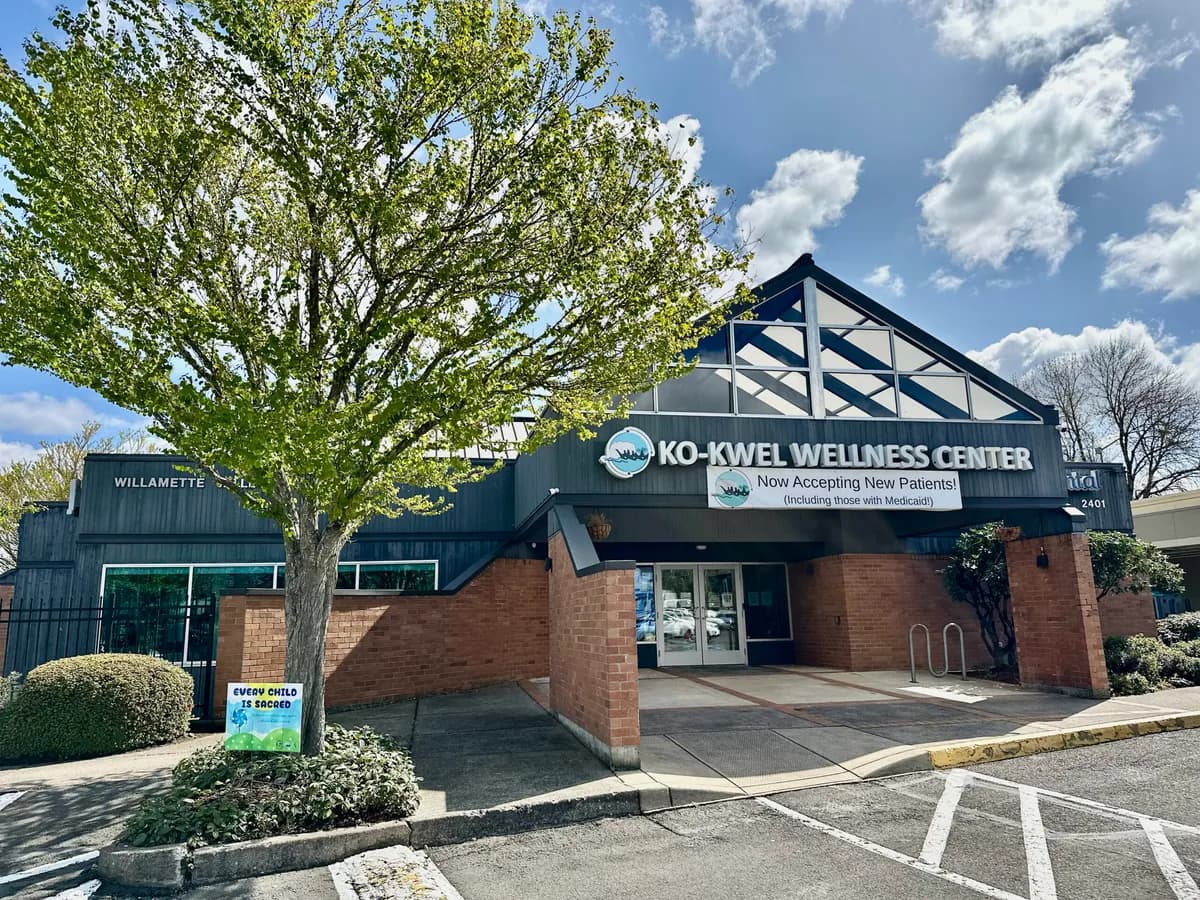
An opioid treatment program in Eugene, Oregon, the Ko-Kwel Wellness Center provides outpatient medication treatment with buprenorphine and naltrexone for adults, including those with co-occurring serious mental illness. Medicare, Medicaid, federal funding, and tribal funds are accepted, with Spanish and sign language services.

Doing business as Red River Treatment Facility in Pineville, Louisiana, Pathways Substance Abuse covers detoxification, residential short-term care, partial hospitalization, intensive outpatient, and regular outpatient treatment. Buprenorphine and naltrexone are available. Programs serve pregnant and postpartum women, veterans, active duty military, and forensic clients. Medicaid and SAMHSA block grants are accepted.
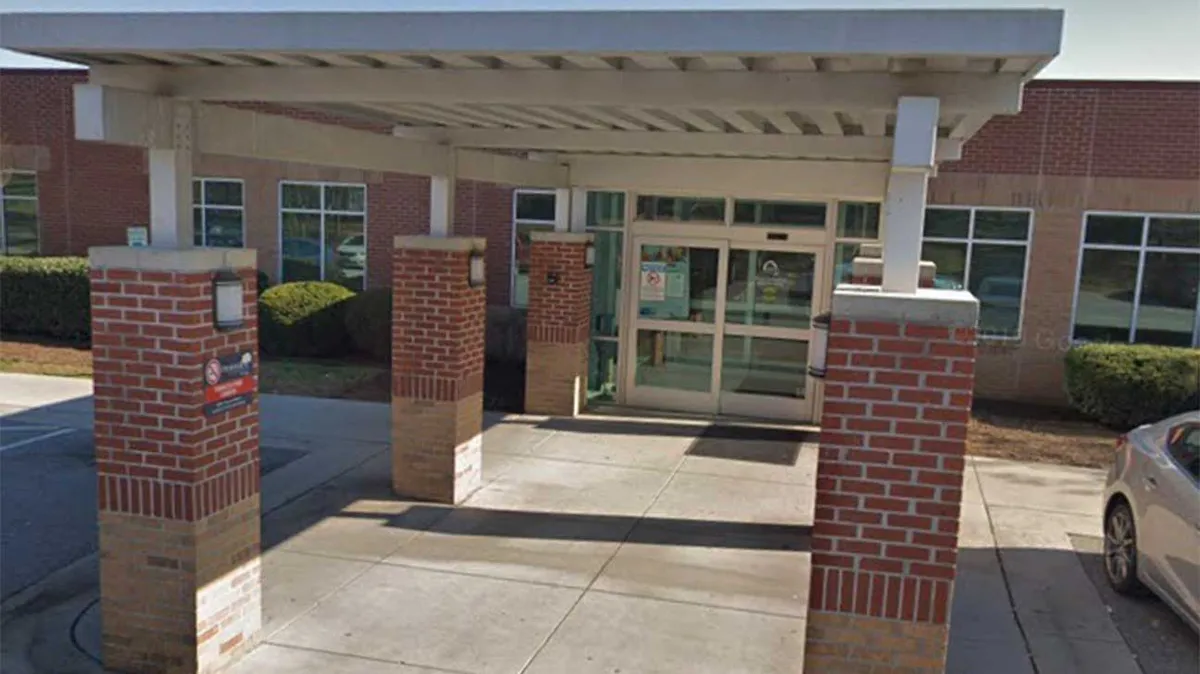
Women-centered outpatient care in Knoxville, Tennessee, includes intensive and regular outpatient tracks at Peninsula Substance Abuse Services, with naltrexone used in treatment. Programs serve adult and pregnant or postpartum women and clients with co-occurring disorders. Medicaid, Medicare, TRICARE, and SAMHSA block grants are accepted.
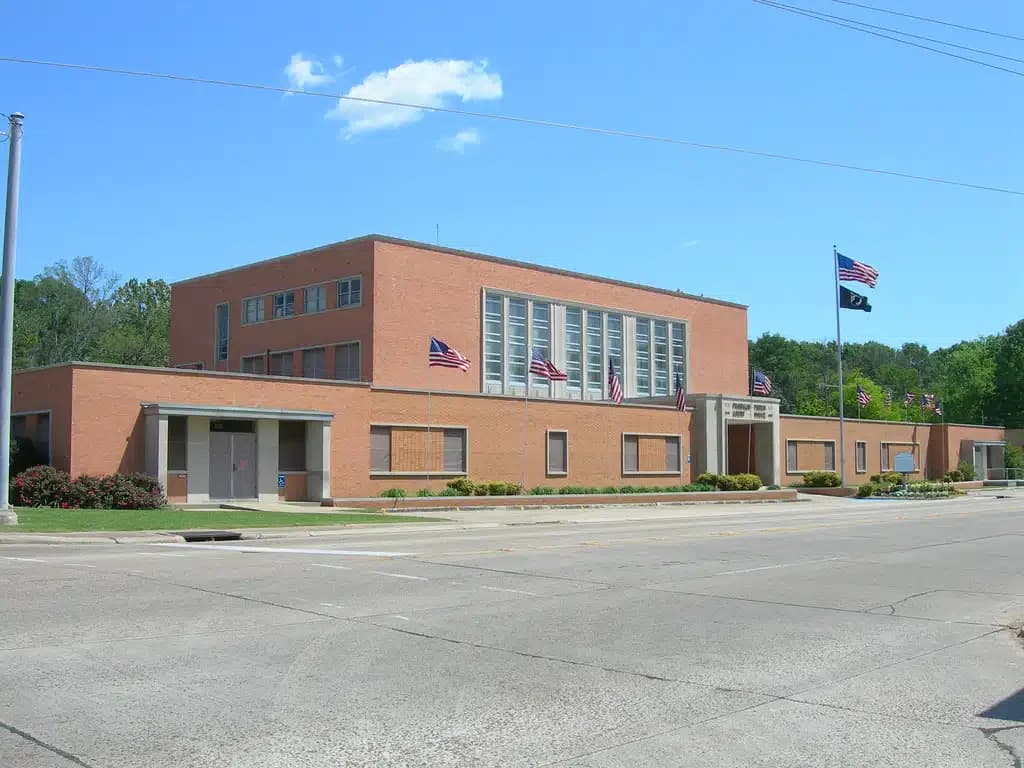
Northeast LA Substance Abuse Inc, situated in Winnsboro, LA, delivers tailored programs for substance use recovery, addressing the distinct requirements of diverse demographics. Their services encompass intensive outpatient care, general outpatient support, and medication-assisted treatment including methadone, buprenorphine, or naltrexone. Employing strategies like 12-step facilitation, anger management, and brief intervention, the center extends specialized care to active military, teenagers, and adult men. Northeast LA Substance Abuse Inc provides comprehensive support across all age spectrums from children to seniors, with gender-specific tracks to optimize treatment efficacy.

Situated in Indio, CA, Indio Substance Abuse delivers a wide range of treatment options for both adults and teens dealing with substance use issues. The center specializes in intensive outpatient programs, general outpatient services, and outpatient treatments utilizing medications such as methadone, buprenorphine, or naltrexone. Emphasizing techniques like 12-step participation, brief intervention, and cognitive behavioral therapy, this facility customizes its methods to meet each client's specific requirements. Unique programs are available for adolescents, as well as for adult men and women. Indio Substance Abuse is committed to providing high-quality care to all clients, establishing itself as a crucial option for effective and individualized addiction recovery in the Indio community.

Keystone Substance Abuse Services, located in Rock Hill, SC, provides a wide range of addiction recovery services tailored for both adults and teenagers. Their offerings encompass hospital-based detoxification, intensive outpatient programs, and around-the-clock inpatient support. The center is well-versed in various therapeutic methods, including 12-step programs, brief intervention strategies, and cognitive behavioral therapy. Keystone Substance Abuse Services features specialized care for adolescents, as well as distinct programs for adult men and women, ensuring that treatment is customized to meet individual needs. With provisions for both genders, this center fosters a welcoming and supportive atmosphere for all clients. Experience effective care and proven recovery solutions at Keystone Substance Abuse Services.

Situated in Pasadena, TX, the Pasadena Substance Abuse Clinic delivers outpatient services for substance use recovery, emphasizing personalized treatment strategies. This center offers options like methadone, buprenorphine, or naltrexone therapy for both adults and adolescents of all genders. Utilizing methodologies such as 12-step facilitation, brief interventions, and motivational incentives, the clinic customizes care to address the distinct requirements of each individual. Dedicated to providing high-quality support, the Pasadena Substance Abuse Clinic strives to assist individuals in their path to overcoming substance use challenges.
Georgia Pines Substance Abuse Services in Pelham, GA, delivers outpatient treatment for adults, children, and adolescents struggling with substance use. Their expertise extends to addressing dual diagnoses, including co-occurring substance use and serious mental health conditions in adults, and serious emotional disturbances in youth. The program incorporates 12-step facilitation, anger management, and brief intervention techniques to offer personalized support to all clients, regardless of gender. Specialized services are available for adolescents, individuals with co-occurring disorders, and those involved with the criminal justice system. Georgia Pines Substance Abuse Services is committed to providing thorough and effective care to aid in the recovery journey.
Hill Alcohol and Substance Abuse in Flossmoor, IL, provides tailored substance abuse treatment for adults and young people. Their services include intensive outpatient, outpatient, and standard outpatient programs. Emphasizing 12-step facilitation, anger management, and brief intervention, the center serves both men and women. Specialized tracks for adolescents, adult men, and adult women guarantee personalized support. Hill Alcohol and Substance Abuse is recognized for its dedication to providing exceptional care to individuals of all ages, making it a complete recovery resource in the region.
The Iberville Parish Substance Abuse Center, situated in Plaquemine, LA, delivers outpatient services for adults and young adults grappling with substance use disorders. Employing techniques such as brief intervention, cognitive behavioral therapy, and motivational interviewing, this establishment provides personalized treatment plans designed to meet the unique requirements of each individual. The center is committed to a client-centered philosophy, serving both male and female individuals. Through its dedication to excellent care and focused interventions, the center strives to empower individuals on their path toward overcoming substance abuse.
In Waukegan, Illinois, Lake County Substance Abuse Prog provides structured outpatient and intensive outpatient care for individuals facing substance use disorders and co-occurring mental health conditions. The program is equipped to serve adult men, adult women, and individuals with dual diagnoses. Additionally, specialized therapeutic pathways are developed for young adults. The therapeutic modalities employed include 12-step program integration, anger management techniques, and brief intervention strategies. This facility is dedicated to delivering high-quality, individualized support for men and women across various age demographics, facilitating a holistic recovery journey from addiction and mental health struggles.
LRC Substance Abuse and Behavioral Programs provides outpatient and intensive outpatient addiction treatment in Columbia, South Carolina, for adolescents, adults, and seniors. Programs serve pregnant women, veterans, clients with HIV or AIDS, and trauma survivors. Payment is by self-pay or SAMHSA block grants, and sign language services are offered.
MK Place Adolescent Substance Abuse, located in Pocatello, ID, provides a range of substance use treatment options, including intensive outpatient, long-term residential, and outpatient programs. The center is dedicated to assisting adolescents, particularly those dealing with the aftermath of sexual abuse and trauma. Emphasizing techniques such as anger management, cognitive behavioral therapy, and motivational incentives, MK Place offers personalized services for young clients of all genders. The facility is committed to delivering high-quality, individualized care to help clients navigate their path to recovery.
The North Coast Substance Abuse Council, situated in Eureka, CA, delivers thorough substance use disorder care within a nurturing setting. This establishment features residential options that are long-term, short-term, and available 24/7, all adapted to individual requirements. They offer distinct programs for adult men, adult women, and individuals with trauma histories, ensuring a personalized recovery journey. Employing methods like 12-step facilitation, anger management, and brief intervention, they tackle the specific hurdles faced by each person. The North Coast Substance Abuse Council is committed to providing excellent, scientifically-backed treatment for adults and young adults across all gender identities, aiding them in their recovery process.
The Perinatal Substance Abuse Program, located in San Jose, CA, is dedicated to providing targeted substance use therapy for adult women struggling with addiction. This center offers a range of services including intensive outpatient care, general outpatient services, and medication-assisted treatment utilizing methadone, buprenorphine, or naltrexone. Their treatment methodology incorporates evidence-based practices like anger management, cognitive behavioral therapy, and motivational interviewing to meet each person's unique circumstances. Specifically designed to support adult women, including those who have experienced intimate partner violence, domestic abuse, or sexual assault, the program fosters a secure and supportive atmosphere for healing. They welcome adults of all ages, from young adults to seniors, prioritizing comprehensive care and overall well-being in their recovery journey.
Pro Med Substance Abuse Prog LLC, located in Hamtramck, MI, delivers focused treatment for adults and young adults grappling with substance use and concurrent mental health issues. The center offers a range of programs including intensive outpatient, outpatient, and partial hospitalization, utilizing proven methods such as 12-step facilitation and anger management. Catering to the needs of active military members as well as adult men and women, the facility fosters an inclusive atmosphere for all genders. Prioritizing personalized treatment strategies and high-quality care, those in need of thorough and effective addiction recovery support can turn to Pro Med Substance Abuse Prog LLC for specialized assistance.
Speedball (Opioid + Stimulant Combination): Key Facts
Classification
Polydrug combination (opioid + stimulant)
Also known as
Speedball, Goofball, Dynamite, Snowball
Components
Heroin/fentanyl + cocaine/methamphetamine
Main risks
Cardiac arrest, respiratory failure, stroke, sudden death
Lethality
Extremely high — opposing effects mask overdose signs
Notable deaths
John Belushi, Chris Farley, Philip Seymour Hoffman, River Phoenix
DEA scheduling
Both components are Schedule I/II controlled substances
Recommended treatment
Dual-focus opioid + stimulant recovery program
What Is a Speedball?
Speedball definition
A speedball is a combination of heroin (or another opioid such as fentanyl) and cocaine, typically injected intravenously but sometimes snorted together. The term has been used since the 1950s and refers to the practice of mixing a powerful central nervous system depressant with a powerful stimulant in a single dose. Users seek the combined euphoria of both substances — cocaine's intense rush and energy paired with heroin's deep sedation and pain relief — which they describe as a "perfect" high that balances the extremes of each drug.
Why people combine heroin and cocaine
People who use speedballs often believe the stimulant counteracts the sedation of the opioid, allowing them to stay awake and functional while still experiencing euphoria. Others believe the opioid takes the "edge off" cocaine's jitteriness and anxiety. In reality, neither drug cancels out the dangerous effects of the other. Instead, the combination places extraordinary stress on the heart and respiratory system simultaneously, making speedballing one of the most dangerous forms of drug use.
Fentanyl has made speedballs even deadlier
The rise of illicit fentanyl in the drug supply has dramatically increased the lethality of speedballs. Much of what is sold as heroin now contains fentanyl or fentanyl analogs, which are 50 to 100 times more potent than morphine. A person who combines fentanyl-laced heroin with cocaine faces an even higher risk of fatal respiratory depression once the short-acting cocaine wears off, leaving the full force of the fentanyl unchecked.
What Is a Goofball? Meth and Heroin Combined
Goofball definition
A goofball is the methamphetamine-based variant of a speedball — a combination of methamphetamine and heroin (or fentanyl), used together by injection, smoking, or snorting. While the classic speedball pairs cocaine with heroin, goofballs substitute methamphetamine as the stimulant component. The term is most commonly used in the western United States, where methamphetamine is more widely available and often cheaper than cocaine.
Why goofball use is rising
The prevalence of goofball use has increased significantly as fentanyl has contaminated the heroin supply. Many people who primarily use methamphetamine have begun co-using opioids, and vice versa. Data from the CDC shows that overdose deaths involving both psychostimulants and opioids have risen sharply since 2015. In some western states, combined methamphetamine-opioid use now accounts for a substantial portion of overdose fatalities.
How goofballs differ from speedballs
The key difference is the stimulant involved. Methamphetamine has a much longer duration of action than cocaine — meth effects can last 8 to 12 hours compared to cocaine's 15 to 30 minutes. This changes the risk profile: with a traditional speedball, the cocaine wears off quickly and the opioid overwhelms the system. With a goofball, the meth may keep the user awake longer, but the combined cardiovascular strain is prolonged and severe. Both combinations are extremely dangerous and frequently fatal.
Why Mixing Uppers and Downers Is Lethal
Opposing effects mask overdose symptoms
The fundamental danger of a speedball is that the stimulant masks the warning signs of opioid overdose. Normally, a person taking too much heroin would become visibly sedated, breathe slowly, and lose consciousness — signals that bystanders can recognize. When cocaine or methamphetamine is present, the stimulant keeps the person alert and breathing even as the opioid reaches dangerous levels in the body. The user feels fine, so they may take more. When the stimulant wears off, the full opioid dose hits the system with no opposing force.
The timing mismatch
Cocaine's effects last roughly 15 to 30 minutes. Heroin's effects last 4 to 5 hours. Fentanyl, while shorter-acting than heroin, still outlasts cocaine by a wide margin. This timing gap is deadly: the cocaine wears off while the opioid is still at peak concentration in the blood. The result is a sudden, unexpected wave of respiratory depression that can cause breathing to stop entirely. This delayed respiratory crisis is the primary mechanism by which speedballs kill.
Extreme cardiovascular stress
The heart receives contradictory signals from each drug simultaneously. Cocaine and methamphetamine increase heart rate, constrict blood vessels, and raise blood pressure. Heroin and fentanyl slow heart rate and dilate blood vessels. The heart struggles to respond to these opposing commands, which can trigger cardiac arrhythmias, heart attack, or stroke — even in young, otherwise healthy people. Autopsy studies of speedball deaths frequently reveal cardiac damage.
Higher doses and compounding risk
Because the drugs partially counteract each other's perceived effects, users often take higher doses of both substances than they would take of either one alone. They may also re-dose cocaine multiple times during a session to maintain the "balance" while the longer-acting opioid accumulates. Each additional dose increases the risk of a fatal outcome exponentially.
Speedball Overdose Signs and Emergency Response
Recognizing a speedball overdose
Speedball overdose can look different from a typical opioid overdose because stimulant effects may mask some classic signs. Watch for:
- Confusion, agitation, or incoherence
- Irregular, shallow, or labored breathing
- Chest pain or clutching the chest
- Seizures or uncontrollable tremors
- Blue or gray lips and fingertips (cyanosis)
- Extremely high body temperature
- Loss of consciousness or unresponsiveness
- Foaming at the mouth
Emergency response
Call 911 immediately. Administer naloxone (Narcan) if available — it will reverse the opioid component of the overdose. However, naloxone does not reverse the effects of cocaine or methamphetamine, so the person may still be in danger from the stimulant. Place the person in the recovery position, monitor their breathing, and stay with them until emergency services arrive. Be honest with paramedics about what substances were used.
Good Samaritan laws
Most states have Good Samaritan laws that provide legal protection to people who call 911 during an overdose emergency. These laws are designed to remove the fear of arrest so that bystanders will seek help immediately. A speedball overdose can become fatal within minutes — calling for help quickly is the single most important factor in survival.
Signs of Speedball Addiction
Behavioral and physical signs
- Alternating between extreme energy and heavy sedation
- Track marks or bruising on arms, hands, or feet
- Dramatic weight loss and neglected personal hygiene
- Possessing drug paraphernalia (syringes, spoons, lighters, tourniquets)
- Financial problems, selling possessions, or stealing
Warning signs of escalating use
- Needing larger doses of both substances to get high
- Inability to use one substance without the other
- Previous overdose events or emergency room visits
- Complete withdrawal from family, work, and social life
- Continued use despite knowing it could be fatal
How Speedball Addiction Develops
Dual tolerance and escalation
Speedball addiction involves developing tolerance to two substances simultaneously. The body adapts to the presence of both an opioid and a stimulant, requiring higher doses of each to achieve the desired effect. This dual tolerance drives rapid dose escalation — the user needs more heroin and more cocaine with each session. Because both substances are involved, the window between "enough to feel it" and "enough to die" narrows dangerously fast.
Progression to injection
Many speedball users progress from snorting to intravenous injection to maximize the intensity and onset of the combined high. IV drug use introduces additional severe health risks: HIV and hepatitis C transmission from shared needles, bacterial endocarditis (infection of the heart valves), skin abscesses, collapsed veins, and sepsis. Injection drug use also makes precise dosing even harder, increasing overdose risk with every use.
The cycle of compulsion
Speedball addiction creates an especially powerful compulsion because withdrawal involves symptoms from both drug classes. When the opioid wears off, the person experiences opioid withdrawal — pain, nausea, sweating, and intense cravings. When the stimulant wears off, they experience a stimulant crash — deep depression, exhaustion, and overwhelming urge to use again. These overlapping withdrawal cycles make it extremely difficult to stop without professional treatment.
Treatment for Speedball Addiction
The unique challenge of dual-substance treatment
Treating speedball addiction is more complex than treating addiction to either opioids or stimulants alone. The treatment program must address both dependencies simultaneously — neglecting one component dramatically increases relapse risk. This is why specialized dual-focus programs or facilities experienced with polydrug addiction are strongly recommended.
Medication-Assisted Treatment for the opioid component
Medication-Assisted Treatment (MAT) is the standard of care for the opioid component of speedball addiction. Buprenorphine (Suboxone) and methadone stabilize opioid receptors, reduce cravings, and prevent withdrawal without producing a high. Naltrexone (Vivitrol) is an option after full detoxification, blocking opioid effects entirely. MAT significantly reduces overdose death risk and improves treatment retention.
Behavioral therapy for the stimulant component
There are currently no FDA-approved medications for cocaine or methamphetamine addiction, making behavioral therapy the primary treatment for the stimulant component. Cognitive Behavioral Therapy (CBT) helps identify triggers and build coping strategies. Contingency management — which provides tangible rewards for negative drug tests — has shown the strongest evidence for treating stimulant use disorders. The SAMHSA-supported contingency management model has demonstrated significant effectiveness in reducing methamphetamine and cocaine use.
Inpatient treatment is often necessary
Because of the severity and complexity of speedball addiction, many people require residential (inpatient) treatment — particularly during the initial stabilization and detoxification phase. Inpatient programs provide 24/7 medical supervision, structured daily schedules, and separation from the environment and triggers associated with use. After residential care, stepping down to Intensive Outpatient (IOP) or standard outpatient care provides ongoing support during the transition back to daily life.
Treating underlying trauma and co-occurring disorders
Speedball use is frequently associated with significant trauma, chronic pain, depression, PTSD, and other mental health conditions. Effective treatment must address these root causes — not just the substances. Dual diagnosis treatment programs are designed to treat addiction and mental health conditions simultaneously, which is critical for sustained recovery from polydrug addiction.
How To Choose the Right Treatment Center for Speedball Addiction
Polydrug addiction expertise
Choose a facility experienced in treating concurrent opioid and stimulant addiction — speedball recovery requires a dual-focus approach that addresses both dependencies.
MAT for opioid dependence
Ensure the program offers medication-assisted treatment (buprenorphine, methadone, or naltrexone) to stabilize the opioid component and reduce overdose risk during recovery.
Contingency management available
Programs that offer contingency management (incentive-based therapy) have the strongest evidence for treating cocaine and methamphetamine addiction.
Trauma-informed care
Speedball addiction often co-occurs with PTSD, depression, and chronic pain. Look for dual diagnosis programs that treat mental health and addiction together.
Verify insurance coverage
Substance use disorder treatment is covered under most health plans. Ask the center to verify your benefits before admission to understand costs and coverage.
Check credentials and accreditation
Look for CARF or Joint Commission accreditation, licensed addiction counselors, board-certified physicians, and evidence-based treatment protocols.
Related Treatment Approaches and Levels of Care
Treatment approaches
Frequently Asked Questions About Speedballs
What is a speedball?
A speedball is a combination of heroin (or fentanyl) and cocaine, typically injected intravenously or snorted together. Users combine a powerful opioid depressant with a powerful stimulant seeking an intense, "balanced" high. In reality, speedballs are one of the most dangerous forms of drug use — the opposing effects mask overdose warning signs, and the timing mismatch between the drugs creates a high risk of fatal respiratory depression.
What is a goofball drug?
A goofball is the methamphetamine-based variant of a speedball — a combination of methamphetamine and heroin or fentanyl. The term is most common in the western United States where meth is widely available. Goofballs carry similar extreme risks to speedballs, including cardiac arrest, respiratory failure, and sudden death. The longer duration of methamphetamine compared to cocaine creates a different but equally dangerous risk pattern.
Why is mixing heroin and cocaine so dangerous?
The core danger is a timing mismatch: cocaine wears off in 15–30 minutes while heroin lasts 4–5 hours. While cocaine is active, it masks the signs of opioid overdose — the user feels alert and continues breathing even as heroin reaches dangerous levels. When the cocaine wears off, the full opioid dose overwhelms the respiratory system, potentially causing breathing to stop. The combination also places extreme cardiovascular stress on the heart, risking cardiac arrest and stroke.
Can naloxone (Narcan) reverse a speedball overdose?
Naloxone reverses the opioid component of a speedball overdose but has no effect on cocaine or methamphetamine. Administer naloxone if available, but always call 911 immediately. The person may still experience dangerous stimulant effects (seizures, cardiac arrhythmia, stroke) even after the opioid component is reversed. Multiple doses of naloxone may be needed, especially if fentanyl is involved.
What are the signs of a speedball overdose?
Signs include confusion or agitation, irregular or shallow breathing, chest pain, seizures, blue or gray lips and fingertips, extremely high body temperature, loss of consciousness, and foaming at the mouth. Because the stimulant can mask typical opioid overdose signs like extreme drowsiness and slow breathing, a speedball overdose may be harder to recognize until it becomes critical.
How is speedball addiction treated?
Speedball addiction requires a dual-focus treatment approach. The opioid component is treated with medication-assisted treatment — buprenorphine (Suboxone), methadone, or naltrexone (Vivitrol). The stimulant component is treated primarily through behavioral therapy, including cognitive behavioral therapy and contingency management. Residential treatment is often recommended for stabilization. Comprehensive programs also address co-occurring mental health conditions like trauma, depression, and anxiety.
Who has died from speedballing?
Numerous well-known figures have died from speedball overdoses, including comedian John Belushi (1982), actor River Phoenix (1993), comedian Chris Farley (1997), and Academy Award-winning actor Philip Seymour Hoffman (2014). These deaths occurred across decades and demographics, illustrating that speedball use can be fatal regardless of age, physical health, or access to resources. Thousands of non-public individuals die from speedball overdoses every year.
Can you recover from speedball addiction?
Yes. Recovery from speedball addiction is absolutely possible with comprehensive, professional treatment. The most effective approach combines medical detoxification, medication-assisted treatment for the opioid component, behavioral therapy for the stimulant component, and long-term aftercare support including therapy, peer support groups, and relapse prevention planning. Many people with severe polydrug addiction achieve lasting recovery when they receive appropriate, sustained treatment.
Medical Review and Sources
Trusted Resources
Substance Abuse and Mental Health Services Administration
Federal agency providing information, resources, and treatment locator for substance abuse and mental health.
Helpline: 1-800-662-4357
National Institute on Drug Abuse
NIH institute advancing science on drug use and addiction causes, consequences, and treatment.
National Institute on Alcohol Abuse and Alcoholism
NIH institute supporting research on alcohol's impact on health and providing treatment resources.
Need Help Finding Treatment Now?
Speedball addiction is life-threatening, but recovery is possible. Speak with a compassionate specialist who can help you find the right detox, residential, or outpatient program — 100% free and confidential, available 24/7.
Browse speedball addiction programs in states with the most treatment options.
Related conditions, treatment approaches, and levels of care.