
Stimulant Addiction Treatment Centers Near You
Stimulant addiction to cocaine, methamphetamine, or prescription drugs requires specialized care. Discover treatment centers providing evidence-based behavioral therapies, support groups, and comprehensive recovery programs.
Found 1,506 rehab centers specializing in stimulant addiction across the United States.
Need Help Finding the Right Treatment Center?
Speak with a compassionate specialist now - 100% free & confidential
Showing 6 of 1506 results

Yellowstone Women's First Step House in Costa Mesa, CA, provides extensive long-term residential and detox services for adult men needing help with substance use. Their expertise lies in guiding clients through the 12-step process, teaching anger management techniques, and employing brief intervention strategies to foster recovery. This facility is particularly equipped to support individuals involved with the criminal justice system and forensic clients, offering customized treatment plans. Yellowstone Women's First Step House caters to a broad age range, including adults, seniors, and young adults, delivering specialized, gender-affirming care aimed at achieving sustained abstinence and overall wellness.
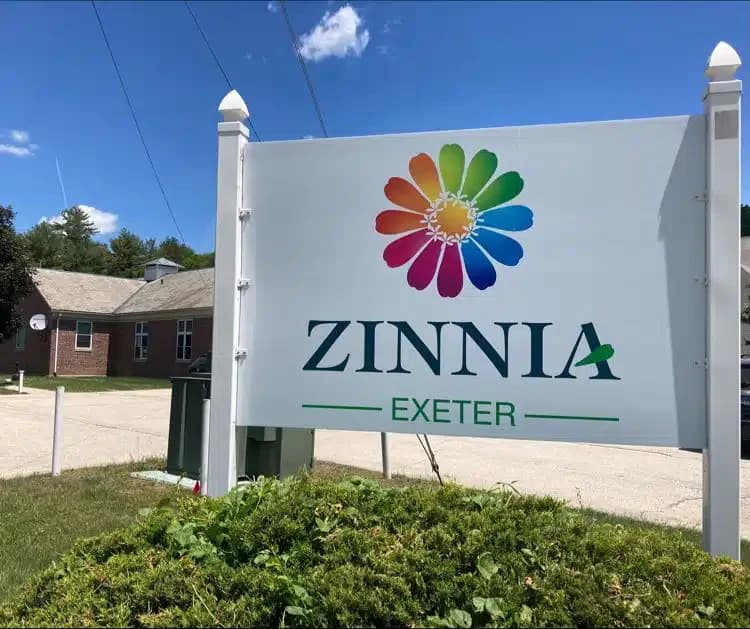
Nestled in Exeter, RI, Zinnia Exeter stands as a leading recovery facility, delivering a spectrum of tailored programs for those pursuing freedom from addiction. The facility offers hospital-based inpatient detox, round-the-clock hospital inpatient support, and extended residential care. Emphasizing 12-step integration, emotional regulation strategies, and concise intervention methods, Zinnia Exeter welcomes adult individuals, including those impacted by domestic or intimate partner abuse. This establishment is committed to providing excellent, all-encompassing treatment to aid adults and young adults of any gender in their path to lasting abstinence.
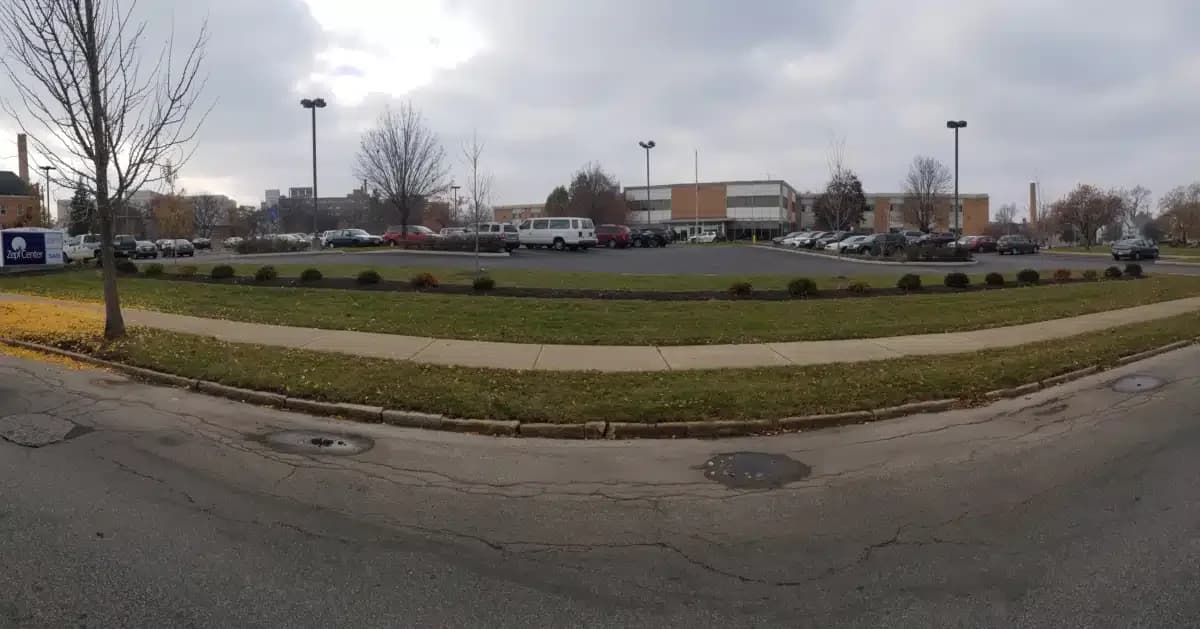
Situated in Toledo, OH, Zepf Center delivers complete addiction recovery solutions for adults and young adults. This establishment offers detox and substance use treatment via intensive outpatient, outpatient, and day treatment options. Focusing on anger management, brief intervention, and cognitive behavioral therapy, Zepf Center serves both male and female individuals, including expectant/new mothers and those involved with the criminal justice system or forensic services. The center’s specific programs are designed to meet the distinct requirements of these groups. Individuals can anticipate high-standard care and customized recovery strategies to aid their healing process.
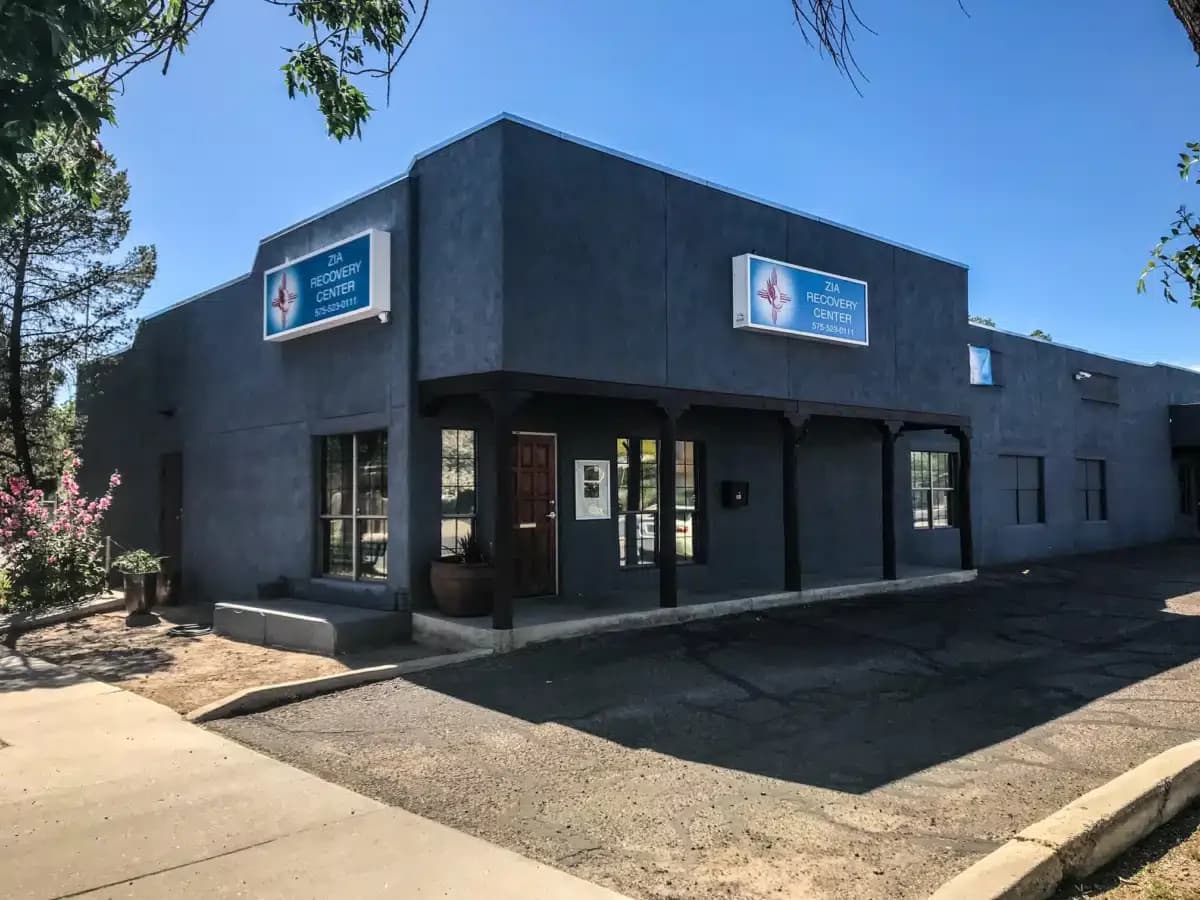
Situated in Las Cruces, NM, Zia Recovery Center delivers an array of all-inclusive addiction rehabilitation services. The facility encompasses detoxification, treatment for substance use disorders, transitional housing, and options for sober living, available in formats such as intensive outpatient care, long-term residential programs, and outpatient services. Zia Recovery Center employs methods including 12-step approaches, anger management techniques, and brief intervention strategies, serving adult men and women, as well as individuals who have faced domestic violence or intimate partner violence. With an emphasis on both adult and young adult populations, the center provides dedicated support specifically designed for males and females. Discover exceptional care and personalized assistance at Zia Recovery Center.
Yellow Wood Recovery, situated in Rancho Cordova, CA, provides complete addiction recovery solutions for adults and adolescents. This establishment excels in extended residential stays, detox services within a residential setting, and round-the-clock residential support. By integrating anger management techniques, brief intervention strategies, and cognitive behavioral therapy, the center delivers customized care for individuals facing both substance use disorders and significant mental health challenges. Yellow Wood Recovery serves adult men and women, along with individuals with histories of trauma. Its gender-specific approaches guarantee personalized attention for both male and female patients, prioritizing high standards and successful rehabilitation outcomes.
Wyoming Recovery, situated in Casper, WY, is a facility dedicated to providing extensive rehabilitation programs. They offer detox services, address substance abuse, and deliver tailored support for individuals dealing with co-occurring mental health conditions and substance use disorders, or significant emotional challenges in minors. Their flexible treatment approaches include intensive outpatient, extended residential stays, and standard outpatient care, serving adult men and women, and those affected by domestic or intimate partner violence. Employing strategies like 12-step facilitation, anger management, and brief intervention, Wyoming Recovery extends effective addiction treatment to adults and young adults across all genders.
Frequently Asked Questions
What are stimulant drugs?
What treatment approaches work best for stimulant addiction?
How long does methamphetamine stay in your system?
What is contingency management for stimulant addiction?
Can prescription stimulant abuse lead to illegal drug use?
About Stimulant Addiction Treatment
Stimulant addiction, including cocaine, methamphetamine, and prescription stimulants, presents unique treatment challenges. While there are currently no FDA-approved medications specifically for stimulant addiction, evidence-based behavioral therapies have proven highly effective in supporting lasting recovery.
Types of Stimulants
Stimulants increase activity in the central nervous system, producing alertness, energy, euphoria, and confidence. Common stimulants include cocaine (powder and crack forms), methamphetamine (crystal meth), and prescription medications like Adderall, Ritalin, and Vyvanse when misused. Each presents specific challenges and health risks requiring specialized treatment approaches.
Behavioral Therapies for Stimulant Addiction
The most effective treatments for stimulant addiction include:
- Cognitive Behavioral Therapy (CBT): Identifies triggers, changes thought patterns, and develops coping skills to prevent relapse
- Contingency Management (CM): Provides tangible rewards for negative drug tests and treatment participation; particularly effective for stimulant addiction
- The Matrix Model: Comprehensive 16-week program combining CBT, family education, individual counseling, drug testing, and 12-step support
- Motivational Interviewing: Enhances internal motivation and commitment to change
Methamphetamine Addiction
Methamphetamine use has increased dramatically in recent years. Meth is highly addictive, causing severe physical and psychological effects including dental problems, skin sores, psychosis, and cardiovascular damage. Treatment focuses on behavioral interventions, management of mental health symptoms, dental and medical care, and long-term recovery support.
Cocaine Addiction Treatment
Cocaine creates intense but short-lived euphoria, leading to binge patterns of use. While physical withdrawal is less severe than opioids or alcohol, psychological withdrawal including depression, anhedonia (inability to feel pleasure), and intense cravings can be extremely challenging. Comprehensive treatment addresses these psychological aspects through therapy and support.
Prescription Stimulant Misuse
ADHD medications like Adderall and Ritalin are increasingly misused for performance enhancement or recreational purposes, particularly among students and young professionals. Dependence develops through tolerance, withdrawal symptoms when not using, and inability to function without the medication. Treatment helps develop non-pharmacological strategies for focus and energy while addressing underlying issues.
Recovery Support
Long-term recovery from stimulant addiction benefits from extended treatment, participation in support groups, ongoing therapy, lifestyle changes including exercise and stress management, treatment of co-occurring conditions, and strong social support networks. Residential treatment provides intensive support for severe addiction.
For more information on stimulant addiction:
Related Conditions
Explore Treatment Methods
Browse stimulant addiction programs in states with the most treatment options.
Related conditions, treatment approaches, and levels of care.
Need immediate help? Call SAMHSA: 1-800-662-4357 (24/7, free)