
Medical Detox Centers Near You | Safe Withdrawal Management
Medical detoxification is often the critical first step in addiction recovery, providing 24/7 medical supervision during withdrawal from drugs or alcohol. Professional detox ensures safety and comfort while your body clears substances, preparing you for successful ongoing treatment.
Found 2,466 detoxification treatment centers across the United States.
Need Help Finding the Right Treatment Center?
Speak with a compassionate specialist now - 100% free & confidential
Showing 6 of 2466 results

Yellowstone Women's First Step House in Costa Mesa, CA, provides extensive long-term residential and detox services for adult men needing help with substance use. Their expertise lies in guiding clients through the 12-step process, teaching anger management techniques, and employing brief intervention strategies to foster recovery. This facility is particularly equipped to support individuals involved with the criminal justice system and forensic clients, offering customized treatment plans. Yellowstone Women's First Step House caters to a broad age range, including adults, seniors, and young adults, delivering specialized, gender-affirming care aimed at achieving sustained abstinence and overall wellness.

Your Local Rehab Clinic in Phoenix, AZ, delivers a wide range of outpatient services for detoxification and treatment of substance use disorders. The facility offers various programs, including outpatient day treatment, partial hospitalization, and outpatient detoxification. Emphasizing relapse prevention and counseling for substance use disorders, the center also provides telemedicine and telehealth options for easy access. Specialized programs are designed for active duty military members, adult men, and adult women. Catering to adults and young adults of all genders, this clinic ensures comprehensive care and support for individuals pursuing successful addiction recovery.
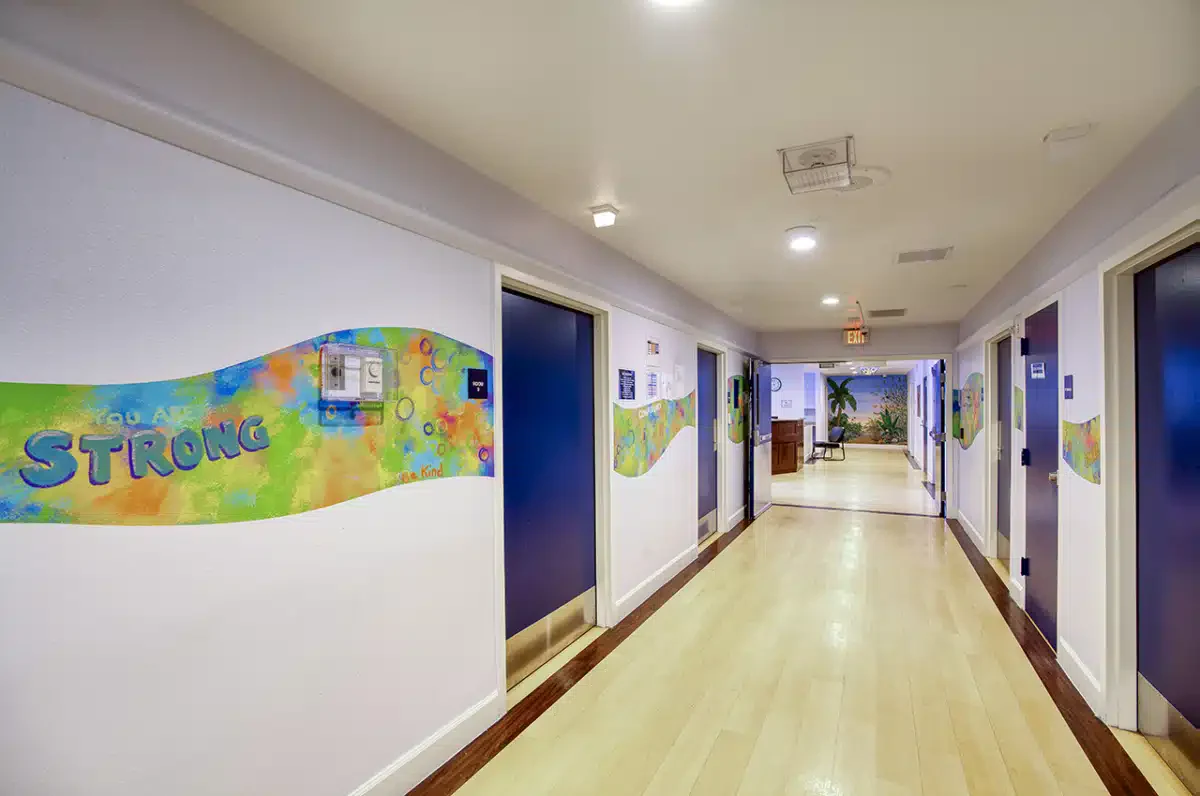
Zenith Behavioral Health, located in Phoenix, AZ, provides an extensive range of addiction treatment services catering to both adults and children. This center focuses on detoxification, addressing substance use issues, and treating co-occurring mental health conditions. With inpatient hospital programs available and round-the-clock care, Zenith Behavioral Health fosters a nurturing atmosphere conducive to recovery. The facility employs proven methods, including 12-step facilitation, anger management strategies, and brief interventions. Specialized programs are available for teenagers and those affected by trauma, addressing distinct needs. Zenith Behavioral Health offers exceptional care for both male and female clients pursuing sustainable recovery.
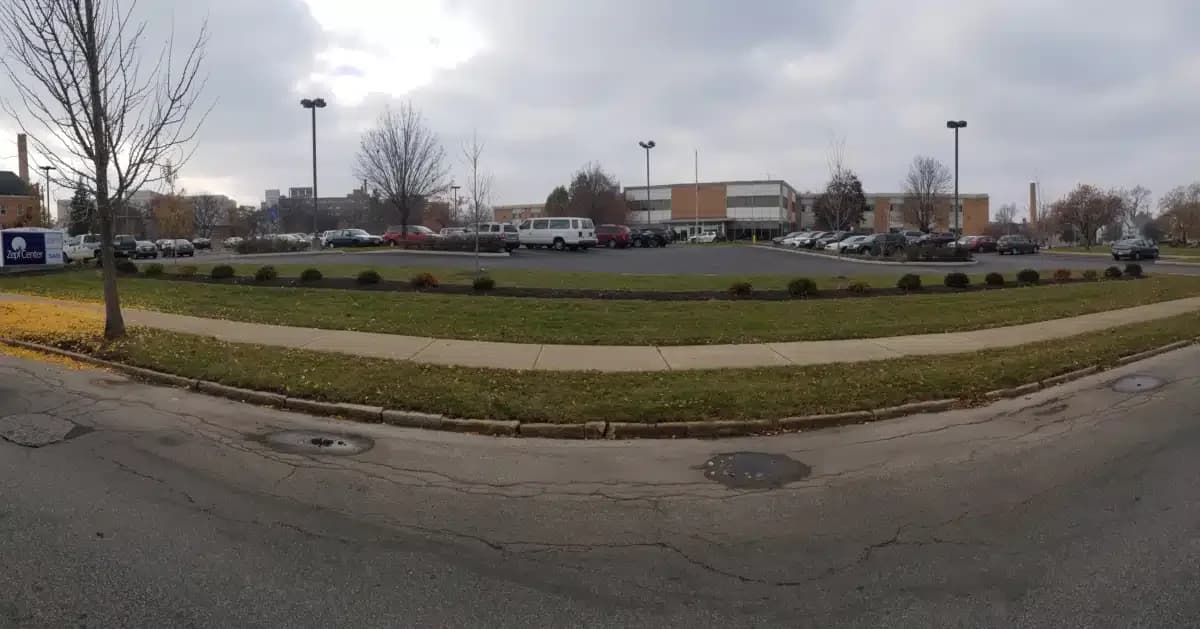
Situated in Toledo, OH, Zepf Center delivers complete addiction recovery solutions for adults and young adults. This establishment offers detox and substance use treatment via intensive outpatient, outpatient, and day treatment options. Focusing on anger management, brief intervention, and cognitive behavioral therapy, Zepf Center serves both male and female individuals, including expectant/new mothers and those involved with the criminal justice system or forensic services. The center’s specific programs are designed to meet the distinct requirements of these groups. Individuals can anticipate high-standard care and customized recovery strategies to aid their healing process.
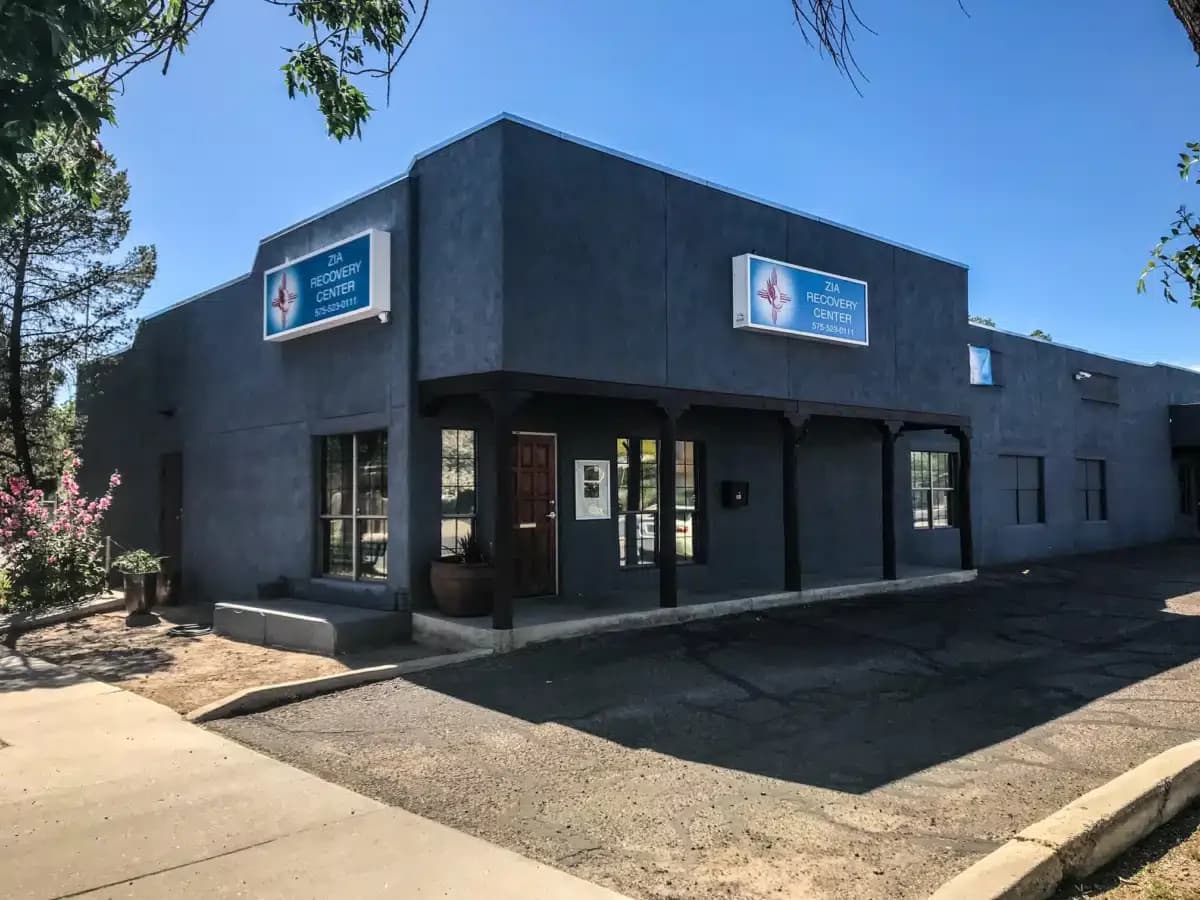
Situated in Las Cruces, NM, Zia Recovery Center delivers an array of all-inclusive addiction rehabilitation services. The facility encompasses detoxification, treatment for substance use disorders, transitional housing, and options for sober living, available in formats such as intensive outpatient care, long-term residential programs, and outpatient services. Zia Recovery Center employs methods including 12-step approaches, anger management techniques, and brief intervention strategies, serving adult men and women, as well as individuals who have faced domestic violence or intimate partner violence. With an emphasis on both adult and young adult populations, the center provides dedicated support specifically designed for males and females. Discover exceptional care and personalized assistance at Zia Recovery Center.
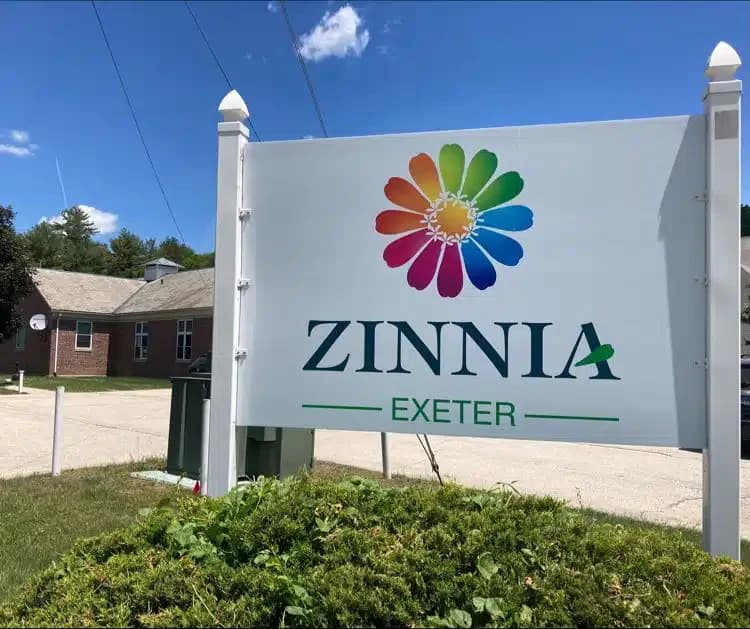
Nestled in Exeter, RI, Zinnia Exeter stands as a leading recovery facility, delivering a spectrum of tailored programs for those pursuing freedom from addiction. The facility offers hospital-based inpatient detox, round-the-clock hospital inpatient support, and extended residential care. Emphasizing 12-step integration, emotional regulation strategies, and concise intervention methods, Zinnia Exeter welcomes adult individuals, including those impacted by domestic or intimate partner abuse. This establishment is committed to providing excellent, all-encompassing treatment to aid adults and young adults of any gender in their path to lasting abstinence.
Frequently Asked Questions
What is medical detoxification?
How long does detox last?
Is detox dangerous without medical supervision?
What medications are used during detox?
What happens after detox?
Does insurance cover medical detox?
About Detoxification
Medical detoxification is often the essential first step in addiction recovery, addressing physical dependence through medically supervised withdrawal. Professional detox ensures safety and comfort during this challenging process, preparing you physically and mentally for ongoing addiction treatment and recovery work.
The Withdrawal Process
When you stop using substances your body has become dependent on, withdrawal symptoms occur as your brain and body adjust. Symptoms range from mild discomfort to life-threatening medical emergencies depending on substance, duration of use, and individual factors. Medical detox provides safety, symptom management, and support throughout this process.
Substances Requiring Medical Detox
Medical supervision is especially critical for:
- Alcohol: Withdrawal can cause seizures, delirium tremens (DTs), hallucinations, and death without medical management
- Benzodiazepines: Similar dangers to alcohol including life-threatening seizures requiring gradual tapering
- Opioids: While rarely fatal, withdrawal is extremely uncomfortable and often leads to relapse without support
- Stimulants: Psychological withdrawal including severe depression requires monitoring and support
What Happens During Detox
Medical detox includes comprehensive assessment upon admission, vital sign monitoring (heart rate, blood pressure, temperature), medications to manage symptoms and prevent complications, 24/7 medical and nursing staff availability, nutritional support and hydration, psychiatric evaluation and support, and discharge planning for continuing care. The structured environment provides safety while your body heals.
Medications Used in Detox
Physicians prescribe medications to manage withdrawal safely and comfortably. For alcohol: benzodiazepines prevent seizures and ease anxiety. For opioids: buprenorphine or methadone eliminate withdrawal; clonidine manages symptoms. For benzodiazepines: gradual tapering with long-acting medications. Additional medications address specific symptoms like nausea, insomnia, or anxiety. All medications are closely monitored and adjusted based on your response.
After Detox: Continuing Care
Detox alone doesn't treat addiction - it only addresses physical dependence. Without continuing treatment, relapse rates exceed 90%. Most people transition immediately to residential treatment, intensive outpatient programs, or other ongoing care. Quality detox programs include discharge planning connecting you to appropriate next level of care for addressing underlying addiction.
Detox resources:
Other Levels of Care
Browse detoxification programs in states with the most treatment options.
Related conditions, treatment approaches, and levels of care.
Need immediate help? Call SAMHSA: 1-800-662-4357 (24/7, free)