
Medical Detox Centers Near You | Safe Withdrawal Management
Medical detoxification is often the critical first step in addiction recovery, providing 24/7 medical supervision during withdrawal from drugs or alcohol. Professional detox ensures safety and comfort while your body clears substances, preparing you for successful ongoing treatment.
Found 2,958 detoxification treatment centers across the United States.
Need Help Finding the Right Treatment Center?
Speak with a compassionate specialist now - 100% free & confidential
Showing 20 of 2958 results

Landmark Recovery of Knoxville, located in Seymour, TN, delivers extensive, research-backed therapeutic options for adults and young adults battling addiction and accompanying mental health challenges. The center features intensive outpatient, extended residential, and standard outpatient care, employing methods like 12-step guidance, cognitive behavioral therapy, and brief intervention strategies. Dedicated programs for active military personnel, adult men, and adult women are available, demonstrating Landmark Recovery of Knoxville's commitment to varied client requirements. Their customized treatment strategies and skilled professionals guarantee excellent care for all clients, establishing it as a premier destination for effective and individualized recovery assistance.

Landmark Recovery of Louisville in Louisville, KY, delivers extensive substance abuse rehabilitation for adults and young adults. Their offerings encompass detox services, drug and alcohol treatment, and tailored support for co-occurring mental health disorders. The center provides various treatment modalities, including intensive outpatient, residential stays, and flexible outpatient programs, to suit different requirements. Employing proven therapeutic strategies such as 12-step integration, cognitive behavioral therapy, and brief intervention techniques, Landmark Recovery ensures high-quality care. Additionally, they feature distinct programs designed for active military members, adult males, and adult females. A key focus at this facility is the development of personalized treatment strategies to aid every individual's path to recovery.
Landmark Recovery of Western Michigan, located in Battle Creek, MI, provides a variety of evidence-supported treatment options for adults and young adults facing addiction challenges. This facility emphasizes detoxification, treatment for substance use, and handling co-occurring disorders. Offering a spectrum of services that includes intensive outpatient, long-term residential, and outpatient programs, the center emphasizes a tailored approach through methods such as 12-step facilitation, cognitive behavioral therapy, and brief interventions. Additionally, there are specialized programs designed for active duty military and distinct groups of adult men and women, ensuring focused care. Catering to both genders, this center is dedicated to delivering effective and personalized rehabilitation solutions.
Situated in Gainesville, GA, Lanier Treatment Center provides outpatient detox services and treatment for substance use issues for both adult males and females. The center emphasizes brief intervention techniques, cognitive behavioral therapy, and motivational interviewing. Lanier Treatment Center features specialized programs designed for individuals who have faced trauma, accommodating both adults and young adults. With a commitment to delivering high-quality care, the facility offers outpatient treatment options with methadone, buprenorphine, or naltrexone as needed. Their gender-specific programs are designed to offer personalized support for men and women pursuing complete and effective rehabilitation solutions.
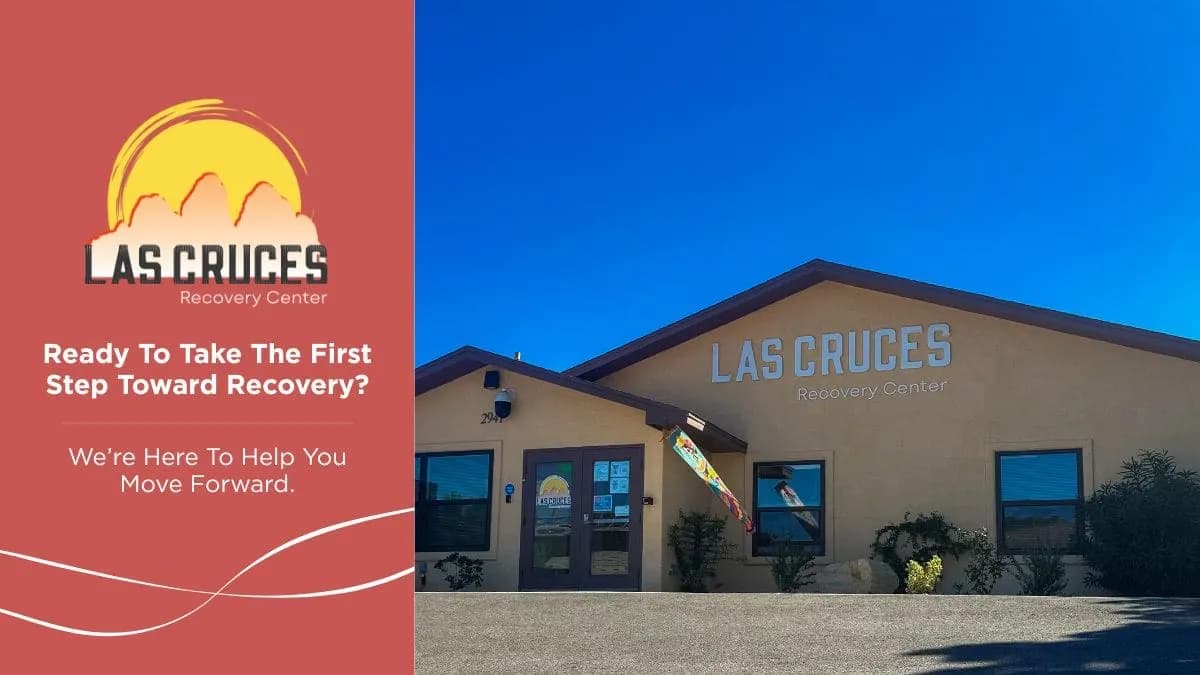
In Las Cruces, New Mexico, this center provides hospital inpatient and short-term residential treatment with detoxification available in both settings. Buprenorphine and naltrexone are used in treatment. Adults, young adults, and seniors are served, and Medicaid, TRICARE, and private insurance are accepted. Spanish-language services are available.
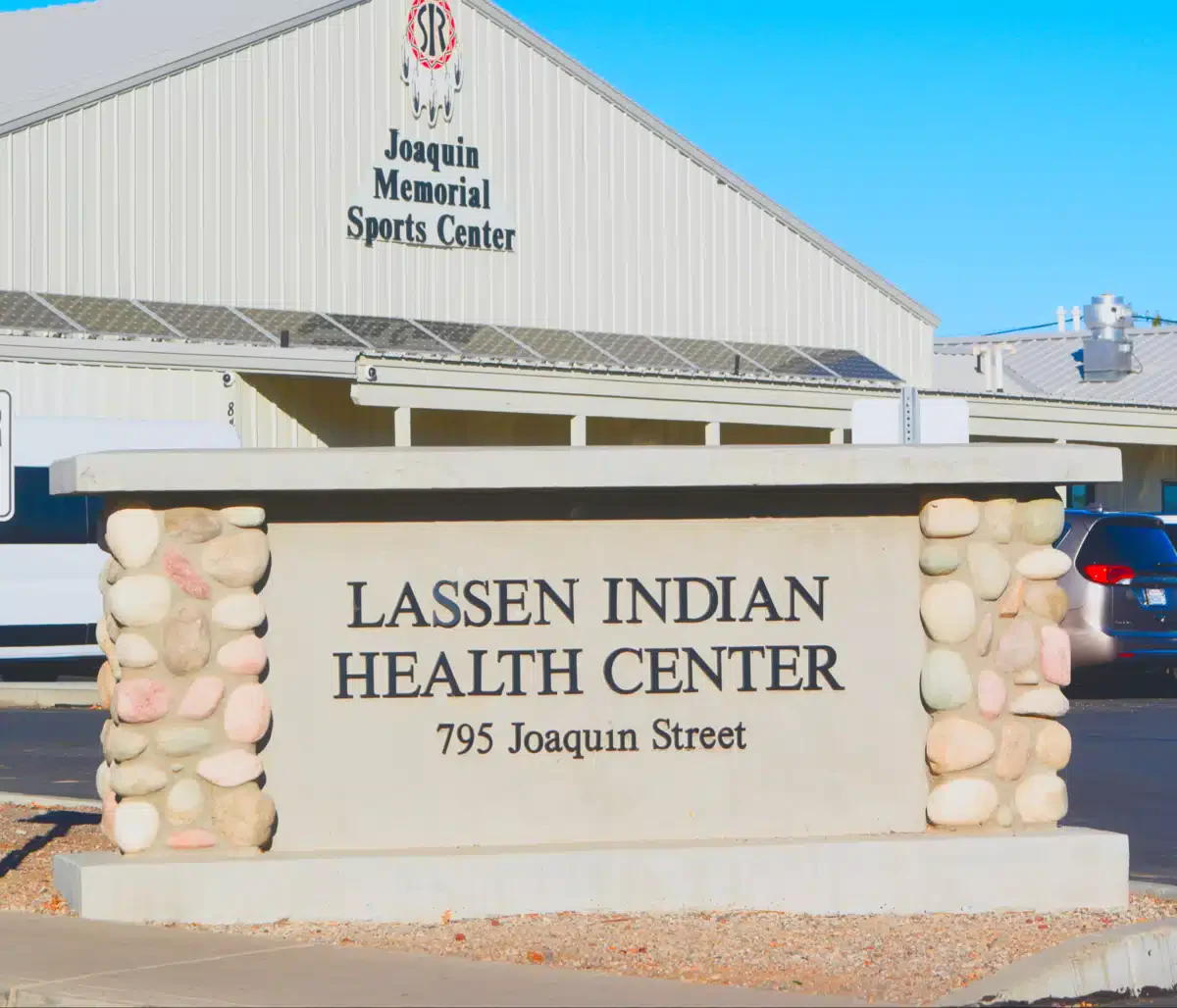
The Lassen Indian Health Center, situated in Susanville, CA, provides outpatient services for addiction and withdrawal management, designed for adults and older adults. They accommodate male and female patients, utilizing techniques like anger management, cognitive behavioral therapy, and brief interventions. Emphasizing personalized care plans, the center delivers excellent support for individuals battling substance dependence. Offering outpatient methadone, buprenorphine, or naltrexone treatments, the center is a well-rounded option for those starting their path to sobriety.

Laurel Ridge Treatment Center, situated in San Antonio, TX, provides extensive inpatient care for adults and children dealing with addiction and co-occurring mental health issues. Their hospital setting offers round-the-clock support, employing proven therapies like cognitive behavioral therapy and relapse prevention strategies. Specialized tracks are available for active military personnel, teenagers, and adult men, guaranteeing personalized treatment. The center emphasizes brief intervention and customized plans to deliver excellent care for individuals of all genders seeking recovery from substance abuse and mental health challenges.
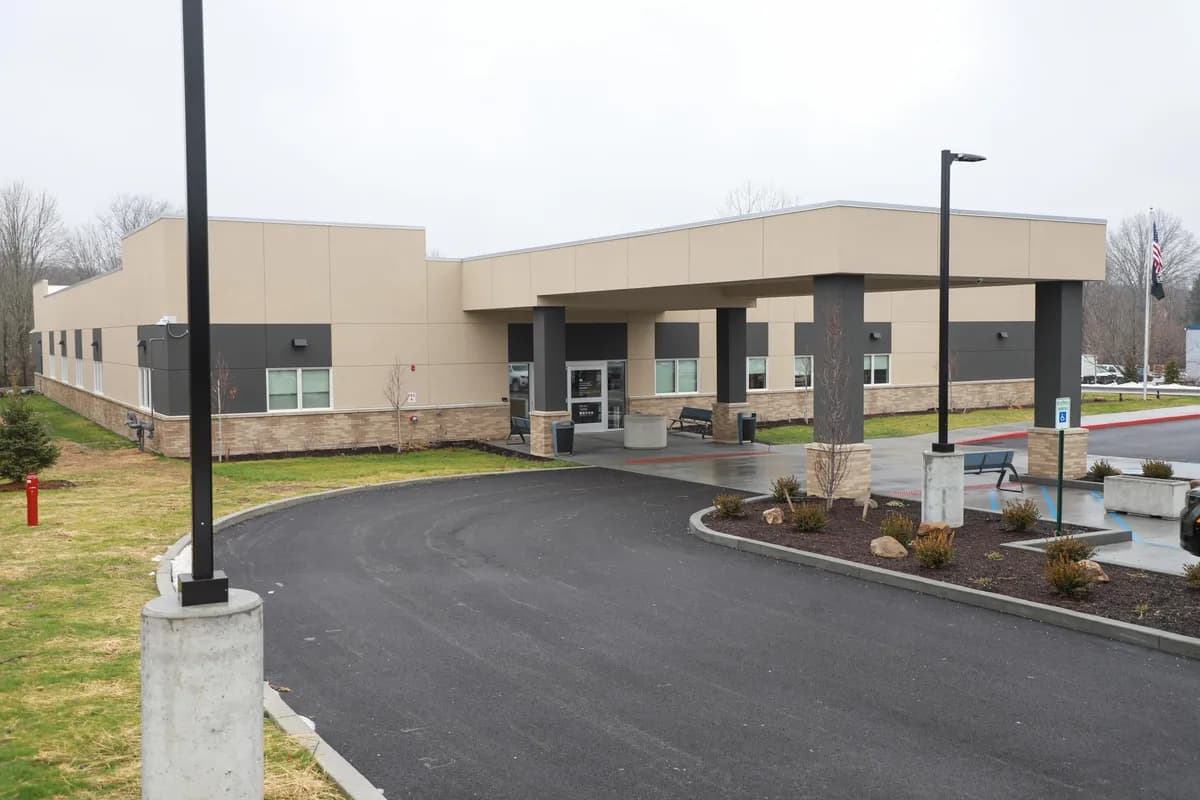
Veterans in New Castle, Pennsylvania, can undergo outpatient detoxification and receive buprenorphine or naltrexone treatment at the Lawrence County VA Outpatient Clinic, which also treats co-occurring serious mental illness and chronic pain. Medicare, Medicaid, TRICARE, and payment assistance are accepted.

Situated in Orange, CA, Lead Recovery Center delivers extensive addiction treatment options for both adults and young adults. The facility includes long-term residential treatment, detox services, and support available around the clock. It emphasizes 12-step programs, anger management strategies, and short-term intervention techniques, specifically addressing the needs of individuals with simultaneous substance abuse and significant mental health challenges. Tailored programs are provided for adult men, women, and individuals who have faced sexual trauma. The center's distinct methodology guarantees personalized care for every client, prioritizing effective treatment to foster long-term recovery.

Long-term residential care with on-site detoxification is provided by Leadership Center in New York City, serving adult men including criminal justice and forensic clients and those with co-occurring mental health disorders or trauma histories. Buprenorphine and naltrexone are used. Medicaid, SAMHSA block grants, and a sliding fee scale apply.
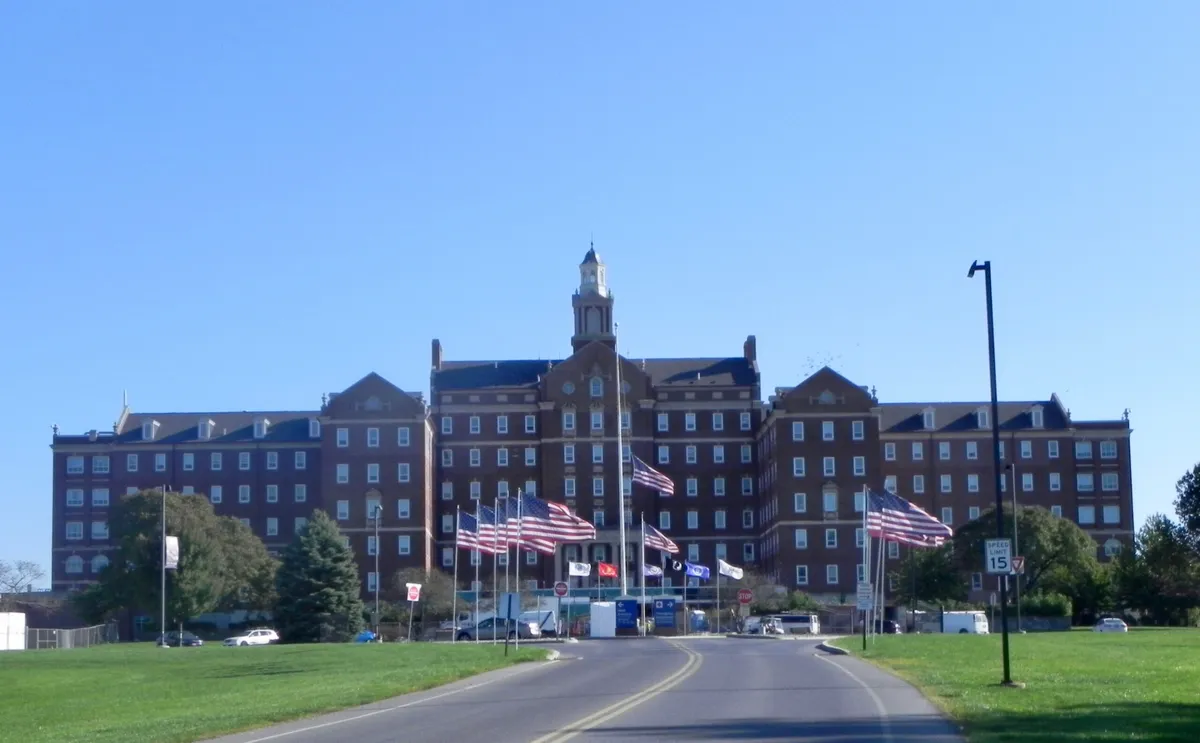
The Lebanon VAMC Behavioral Health and Sciences campus in Lebanon, Pennsylvania, runs a full continuum of veteran care, from hospital inpatient and residential detoxification to long-term residential, intensive outpatient, and medication treatment with buprenorphine and naltrexone. Transitional housing is available. Medicare, TRICARE, and private insurance are accepted.

Hospital-based detoxification and inpatient treatment in Green Springs, Ohio, with outpatient detox, day treatment, and sober housing also available. Legends Recovery Center of Ohio uses buprenorphine and naltrexone, treats co-occurring mental disorders, and accepts Medicaid, TRICARE, and private insurance.
Situated in Bethlehem, PA, the Lehigh County Center for Recovery delivers an extensive selection of services aimed at those looking for help with substance use and concurrent mental health issues. This establishment features long-term residential options, detoxification services, and round-the-clock residential support. It offers tailored programs for active military members, as well as for adult men and women, addressing the needs of a wide variety of clients. Treatment methods include 12-step programs, anger management strategies, and brief intervention techniques. The center is dedicated to serving adults and young adults of all genders, focusing on providing high-quality care to assist individuals on their recovery journey.

Situated in Elizabeth, NJ, the Lennard Clinic Inc delivers an extensive variety of services aimed at treating addiction. The center specializes in detoxification and substance use recovery through a combination of intensive outpatient, outpatient, and outpatient detox programs. Employing evidence-based methods including 12-step facilitation, brief interventions, and cognitive behavioral therapy, the facility serves adult men and individuals who have faced issues such as intimate partner violence, domestic violence, and sexual abuse. With a commitment to supporting both adult and young adult clients of all genders, the Lennard Clinic Inc provides high-quality care and assistance for those on their path to recovery from addiction.
Lennard Clinic Inc in Newark, NJ, delivers all-encompassing addiction recovery solutions. Their offerings include detox and a spectrum of substance abuse care via intensive outpatient, standard outpatient, and day treatment. Employing methods like 12-step facilitation, brief intervention, and cognitive behavioral therapy, this establishment serves adult men, younger adults, and those affected by intimate partner violence, domestic abuse, or sexual trauma. Featuring distinct treatment plans for male and female patients, Lennard Clinic Inc is dedicated to providing superior care to empower individuals to conquer addiction and reclaim their well-being.
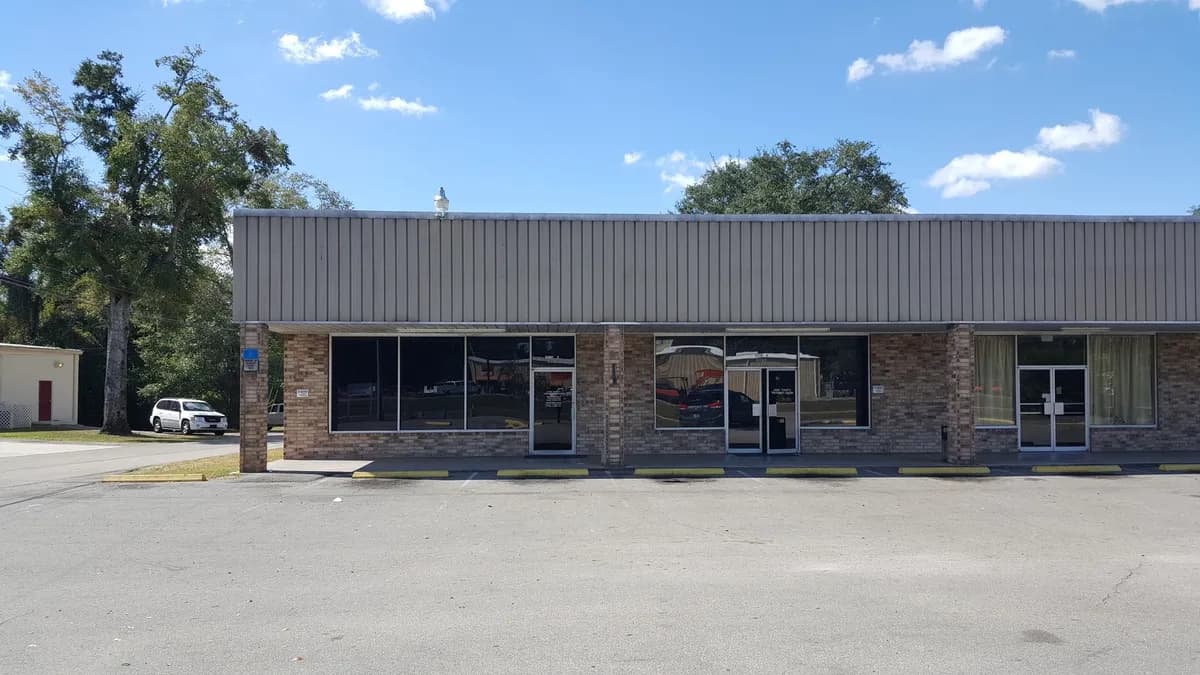
Leon County Treatment Center, operating as New Season Treatment Center 7 in Tallahassee, Florida, is an outpatient opioid treatment program using methadone and buprenorphine with outpatient detoxification. Programs serve pregnant women, veterans, and forensic clients. Medicare, Medicaid, TRICARE, and private insurance are accepted, with sign language services.
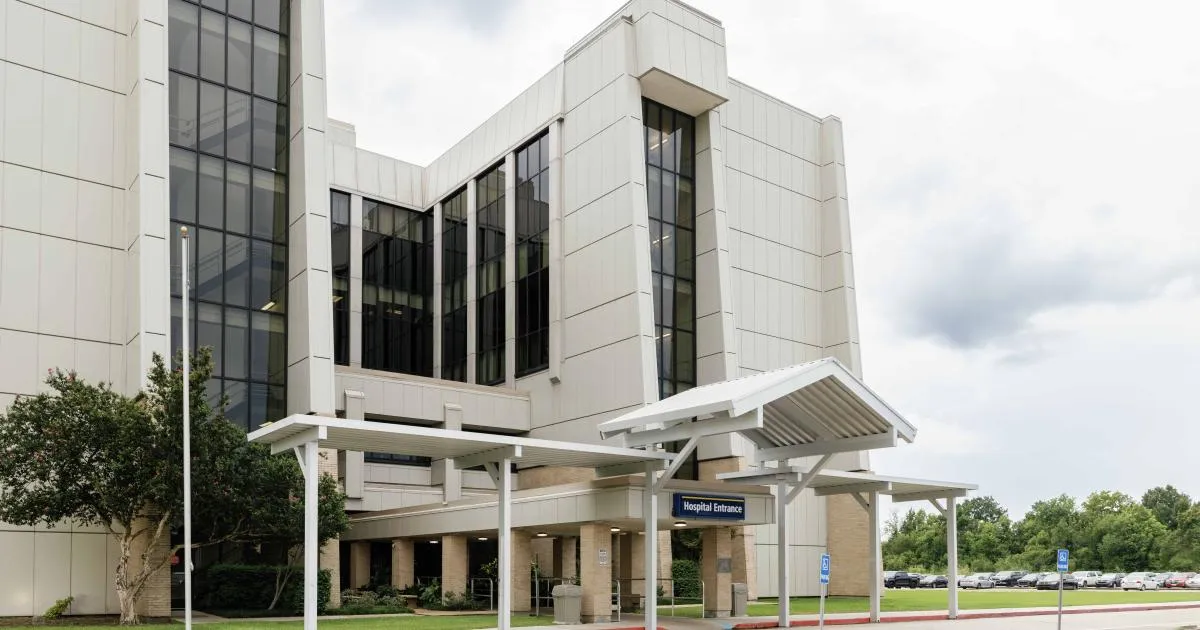
Hospital inpatient detoxification and substance use treatment in Houma, Louisiana, through the behavioral health unit of Leonard J Chabert Medical Center. Buprenorphine and naltrexone are used, and programs cover pregnant and postpartum women, veterans, and clients with co-occurring disorders. Medicare, Medicaid, and tribal funds are accepted.

Outpatient detoxification, partial hospitalization, and intensive outpatient treatment in Columbus, Ohio, for adults with substance use and co-occurring mental disorders. Leora Behavioral Health uses buprenorphine and naltrexone, accepts Medicaid, TRICARE, and private insurance, and provides sign language services.
Leora Behavioral Health in Dayton, Ohio provides outpatient detoxification alongside day treatment, intensive outpatient, and regular outpatient care for substance use and co-occurring mental illness. Buprenorphine and naltrexone are used in treatment. Medicaid, TRICARE, and private insurance are accepted, with sign language services available.
Lewis and Clark Behavioral Hlth Servs, located in Yankton, SD, provides a wide variety of treatment options for both adults and seniors facing challenges related to substance use and mental health disorders. The center offers dedicated support through its inpatient detoxification and treatment services, which are available around the clock. Emphasizing approaches such as 12-step programs, anger management, and concise therapeutic interventions, the facility personalizes its treatment to meet the distinct needs of each client. It also features specialized programs designed for adolescents, adult women, and those who have endured experiences of sexual abuse, assuring tailored assistance. Lewis and Clark Behavioral Hlth Servs is committed to serving both men and women, fostering a nurturing environment for individuals on their path to recovery.
Frequently Asked Questions
What is medical detoxification?
How long does detox last?
Is detox dangerous without medical supervision?
What medications are used during detox?
What happens after detox?
Does insurance cover medical detox?
About Detoxification
Medical detoxification is often the essential first step in addiction recovery, addressing physical dependence through medically supervised withdrawal. Professional detox ensures safety and comfort during this challenging process, preparing you physically and mentally for ongoing addiction treatment and recovery work.
The Withdrawal Process
When you stop using substances your body has become dependent on, withdrawal symptoms occur as your brain and body adjust. Symptoms range from mild discomfort to life-threatening medical emergencies depending on substance, duration of use, and individual factors. Medical detox provides safety, symptom management, and support throughout this process.
Substances Requiring Medical Detox
Medical supervision is especially critical for:
- Alcohol: Withdrawal can cause seizures, delirium tremens (DTs), hallucinations, and death without medical management
- Benzodiazepines: Similar dangers to alcohol including life-threatening seizures requiring gradual tapering
- Opioids: While rarely fatal, withdrawal is extremely uncomfortable and often leads to relapse without support
- Stimulants: Psychological withdrawal including severe depression requires monitoring and support
What Happens During Detox
Medical detox includes comprehensive assessment upon admission, vital sign monitoring (heart rate, blood pressure, temperature), medications to manage symptoms and prevent complications, 24/7 medical and nursing staff availability, nutritional support and hydration, psychiatric evaluation and support, and discharge planning for continuing care. The structured environment provides safety while your body heals.
Medications Used in Detox
Physicians prescribe medications to manage withdrawal safely and comfortably. For alcohol: benzodiazepines prevent seizures and ease anxiety. For opioids: buprenorphine or methadone eliminate withdrawal; clonidine manages symptoms. For benzodiazepines: gradual tapering with long-acting medications. Additional medications address specific symptoms like nausea, insomnia, or anxiety. All medications are closely monitored and adjusted based on your response.
After Detox: Continuing Care
Detox alone doesn't treat addiction - it only addresses physical dependence. Without continuing treatment, relapse rates exceed 90%. Most people transition immediately to residential treatment, intensive outpatient programs, or other ongoing care. Quality detox programs include discharge planning connecting you to appropriate next level of care for addressing underlying addiction.
Detox resources:
Other Levels of Care
Browse detoxification programs in states with the most treatment options.
Related conditions, treatment approaches, and levels of care.
Need immediate help? Call SAMHSA: 1-800-662-4357 (24/7, free)