
IOP & Outpatient Rehab Near You: Intensive Outpatient Programs
Find Intensive Outpatient Programs (IOP) and outpatient rehab near you offering 9-19 hours of structured addiction treatment per week. IOP is the ASAM Level 2.1 standard of care for moderate substance use disorder — patients live at home, maintain work and family responsibilities, and attend group therapy, individual counseling, and MAT 3-5 days per week. IOP works as a step-down from residential treatment, step-up from standard outpatient, or as primary care for moderate SUD with stable home environment. Typical duration: 8-12 weeks.
Found 6,534 intensive outpatient (iop) treatment centers across the United States.
Need Help Finding the Right Treatment Center?
Speak with a compassionate specialist now - 100% free & confidential
Showing 20 of 6534 results
Spanish Clinic LLC, situated in Denver, CO, delivers a wide range of substance use treatment options for both adults and children dealing with significant emotional challenges. The center offers various levels of care, including intensive outpatient and regular outpatient treatment programs. Utilizing targeted methodologies such as 12-step facilitation, anger management, and brief interventions, the facility serves individuals of all ages and genders. Specialized programs for adolescents, adult men, and adult women guarantee personalized support to accommodate unique requirements. Spanish Clinic LLC prioritizes high-quality care and customized treatment plans to promote recovery and overall wellness.
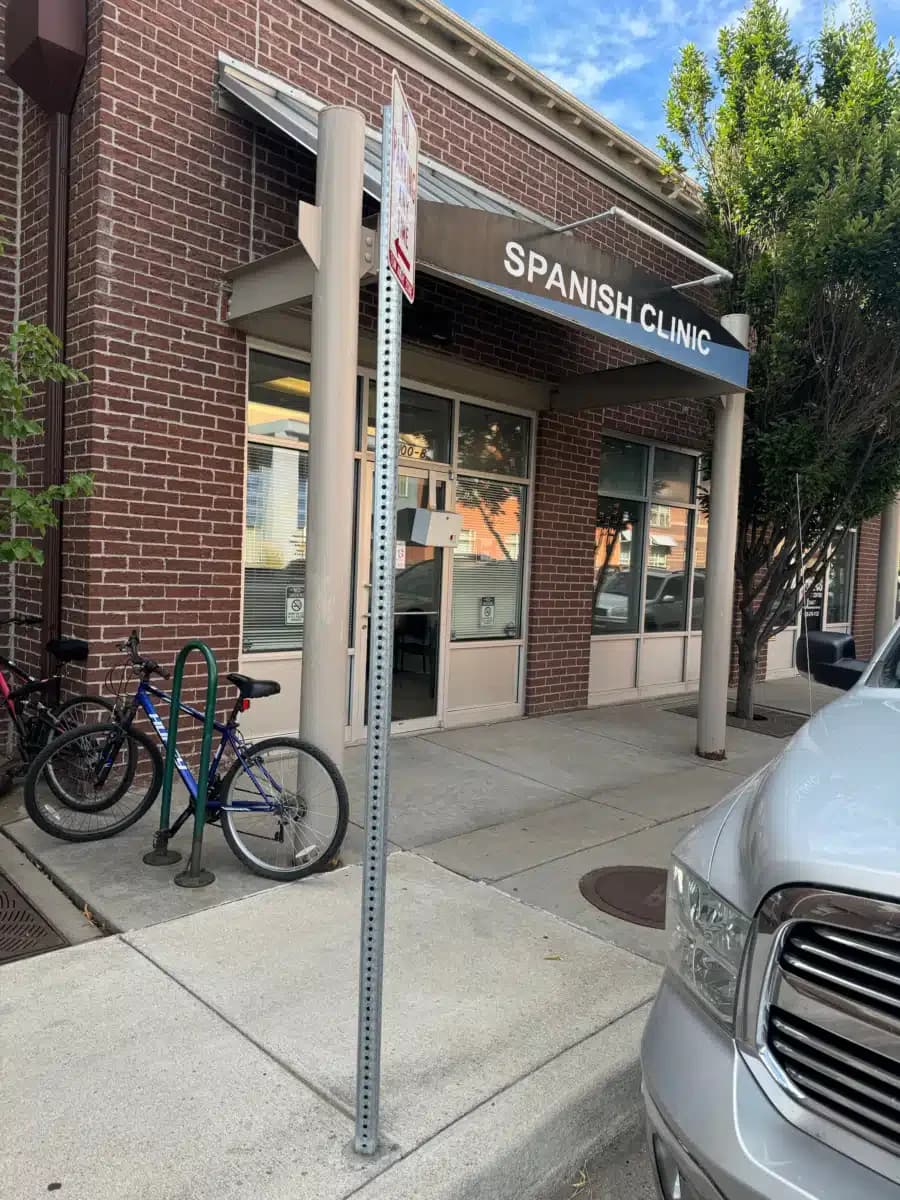
Spanish Clinic LLC, situated in Denver, CO, delivers a wide spectrum of substance abuse rehabilitation for adults, as well as those experiencing concurrent serious mental health issues or emotional challenges. The center features various treatment modalities such as intensive outpatient, outpatient, and standard outpatient programs. It also offers tailored programs for teenagers, adult males, and adult females, aiming to meet the needs of a broad range of clients. Through the application of 12-step approaches, anger management techniques, and short-term interventions, the center provides individualized care for every patient. Catering to both adult and senior clients of all genders, Spanish Clinic LLC is committed to offering high-quality and effective rehabilitation support to those seeking assistance.
Spark Recovery in Indianapolis, Indiana provides outpatient substance use treatment through partial hospitalization, intensive outpatient, and regular outpatient levels of care, including buprenorphine and naltrexone treatment. Care covers adults with co-occurring serious mental illness from young adults through seniors. Medicaid, TRICARE, private insurance, and self-payment are accepted.
Spark Wellness in Oregon City, Oregon offers partial hospitalization, intensive outpatient, and regular outpatient substance use treatment, with buprenorphine and naltrexone available. Programs serve veterans, adult men and women, criminal justice clients, and trauma survivors. Medicaid, TRICARE, SAMHSA block grants, and a sliding fee scale are accepted.

Special Services for Groups Inc, located in Los Angeles, CA, delivers targeted substance abuse treatment designed for adults managing concurrent severe mental health conditions. Their services include intensive outpatient, standard outpatient, and general outpatient care, all grounded in proven therapeutic methods such as cognitive behavioral therapy and motivational interviewing. The facility also features distinct programs for adult women, women in their prenatal or postpartum stages, and young adults. Emphasizing brief intervention strategies, they provide customized support to both male and female individuals. Special Services for Groups Inc is committed to delivering high-quality, personalized rehabilitation, making it a valuable resource for individuals pursuing recovery.
Specialty Services II, located in Port Angeles, WA, delivers targeted care for adult men grappling with substance use disorders and co-occurring mental health conditions. The facility offers a spectrum of programs, including intensive outpatient, outpatient, and standard outpatient services. Treatment modalities employed encompass 12-step facilitation, brief intervention strategies, and cognitive behavioral therapy. The center's specialized approach is designed for adult men, particularly those with histories of sexual abuse or trauma. It serves a diverse age range, from young adults to seniors, all seeking personalized and effective recovery solutions. Patients will find dedicated assistance and scientifically validated therapeutic methods to support their path to wellness.
SpectraCare Health Systems located in Dothan, Alabama, specializes in addressing substance use disorders and concurrent mental health issues for both adults and children. The facility offers a range of treatment modalities, including intensive outpatient programs, standard outpatient services, and options for medication-assisted treatments such as methadone, buprenorphine, or naltrexone. By employing evidence-based methods such as cognitive behavioral therapy, the Matrix Model, and strategies for relapse prevention, the center customizes its services to meet the unique requirements of each client. There are also specialized programs designed for active duty military personnel, as well as for adult men and women. Catering to individuals across the gender spectrum, SpectraCare Health Systems is committed to providing thorough and high-quality support for those pursuing recovery from addiction and mental health difficulties.
SpectraCare Health Systems, located in Ozark, AL, provides extensive treatment options for substance use disorders, along with targeted support for individuals facing co-existing mental health challenges in adults or severe emotional issues in children. Their services encompass intensive outpatient programs, general outpatient care, and treatment options such as methadone/buprenorphine or naltrexone for outpatient clients. The center employs proven therapeutic methods, including cognitive behavioral therapy, the Matrix Model, and relapse prevention strategies, creating customized treatment plans based on each person's unique situation. Catering to active duty military members, adolescents, and adult males, SpectraCare is dedicated to delivering high-quality care for individuals of all ages and genders, facilitating effective and sustained recovery.
SpectraCare Health Systems, located in Geneva, AL, specializes in providing targeted treatment for substance use disorders in adults, including individuals experiencing simultaneous mental health challenges. The center offers both intensive outpatient and outpatient programs, alongside treatment options such as methadone, buprenorphine, or naltrexone. Employing research-backed methods, including cognitive behavioral therapy and the Matrix Model, SpectraCare prioritizes strategies aimed at preventing relapse. This center also distinguishes itself by offering customized programs specifically for active-duty military members, adolescents, and adult males. Catering to both adults and young people, the facility delivers tailored support for individuals of all genders. With a strong emphasis on high-quality, personalized care, SpectraCare Health Systems is a reliable option for comprehensive rehabilitation solutions.
SpectraCare Health Systems in Eufaula, AL, provides extensive care for individuals battling substance abuse, including those also experiencing significant mental health conditions. The center supports adults with dual diagnoses and children with serious emotional challenges. Treatment options include intensive outpatient services, standard outpatient care, and medication-assisted treatment with methadone, buprenorphine, or naltrexone. They are adept at utilizing therapies like cognitive behavioral therapy, the Matrix Model, and relapse prevention strategies. SpectraCare Health Systems serves adolescents, adult men, and adult women, with distinct programs designed for all age groups and genders. Their commitment is to delivering high-quality, research-backed treatment to aid in successful recovery.
Spectrum Child and Family Services, situated in Detroit, MI, delivers a variety of tailored interventions for individuals of all ages grappling with substance abuse and coinciding mental health challenges. This establishment features intensive outpatient, standard outpatient, and flexible outpatient options, employing proven therapeutic methods including anger control, brief counseling, and cognitive behavioral techniques. Dedicated to personalized support, the center serves adults and older adults without regard to gender. Spectrum's dedication to high-standard treatment and customized recovery strategies positions it as a crucial provider for extensive recovery programs within the Detroit community.
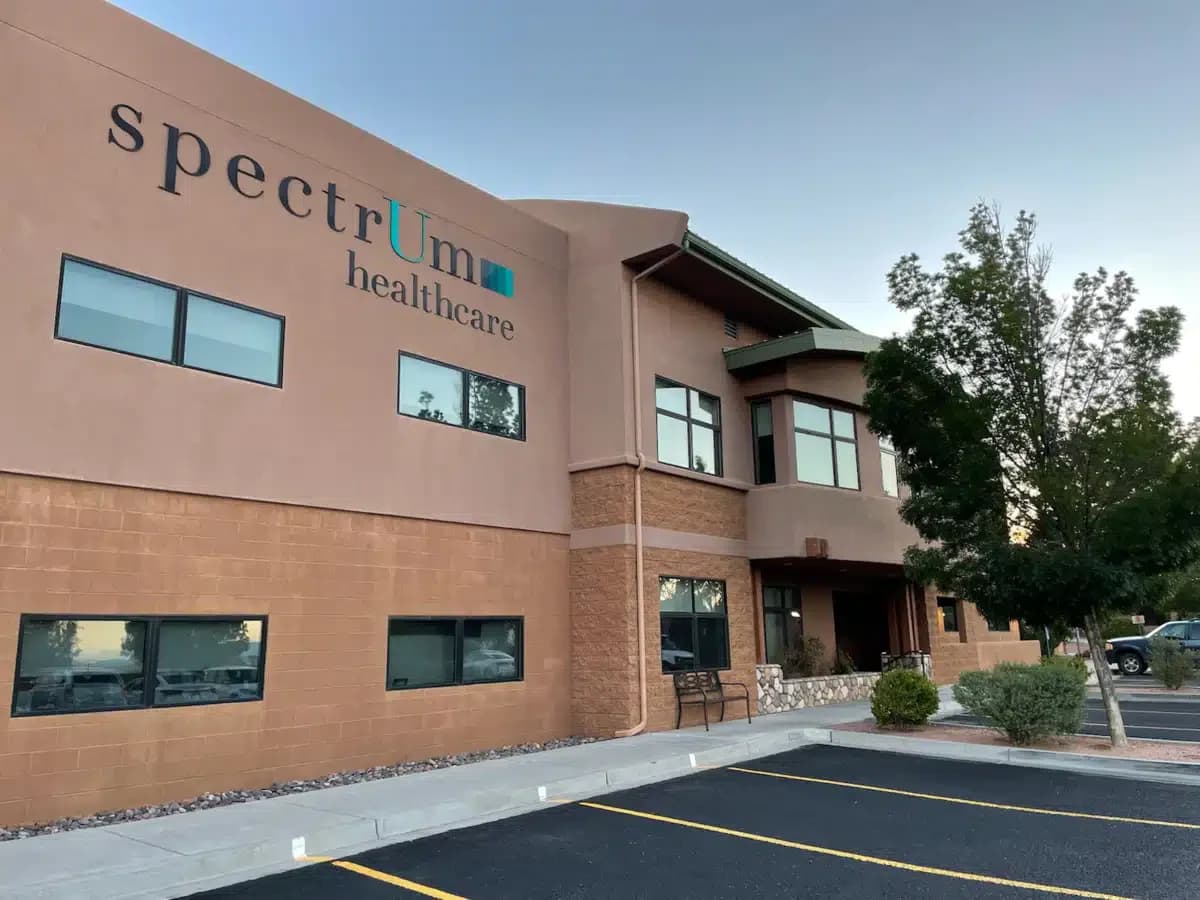
Nestled in Cottonwood, AZ, Spectrum Healthcare delivers extensive addiction recovery services for adults and young people facing combined serious mental health challenges. The facility features intensive outpatient, extended residential, and standard outpatient services, all customized for each person's unique requirements. Spectrum Healthcare distinguishes itself with a personalized care strategy emphasizing substance use disorder counseling. This establishment supports adults and older individuals of every gender, fostering a nurturing atmosphere conducive to healing. For those in search of expert treatment within an empathetic environment, Spectrum Healthcare in Cottonwood, AZ, is dedicated to providing excellent support for individuals on their journey to wellness.
Spectrum Healthcare Inc located in Jersey City, NJ, presents an extensive selection of services for addiction recovery for both adults and young adults. This center focuses on detox services, treatment for substance use disorders, and managing co-occurring conditions. They offer intensive outpatient programs along with outpatient treatments using methadone, buprenorphine, or naltrexone. Emphasizing cognitive behavioral therapy, anger management techniques, and short-term intervention strategies, Spectrum Healthcare Inc serves a diverse clientele that includes adult women and men. Furthermore, they provide specialized care for individuals dealing with HIV/AIDS and those facing mental health challenges, ensuring tailored support for each client. Experience exceptional care and assistance at Spectrum Healthcare Inc.
Spectrum Recovery in Sanford, North Carolina, offers outpatient and intensive outpatient substance use treatment with buprenorphine services. Programs serve pregnant and postpartum women, veterans, seniors, and clients who have experienced sexual abuse or trauma. Medicare, Medicaid, private insurance, self-payment, and federal funding are accepted.
Spencer Recovery Centers Florida Inc, located in Saint Petersburg, FL, provides extensive addiction treatment within a supportive setting. This establishment features various offerings such as sober living accommodations and rigorous outpatient services designed for adult men, women, and young adults. Emphasizing 12-step principles, emotional regulation techniques, and short-term counseling, the center personalizes treatment plans for each client. Distinctive programs specifically for active military members elevate the standard of care. Adults requiring either outpatient care or partial hospitalization will discover expert assistance at this location. The center's dedication to guiding individuals through their recovery path establishes it as a vital support system for those in need.

Spencer Recovery Centers Inc, situated in Los Angeles, CA, delivers extensive treatment for addiction and co-occurring psychological issues. Their offerings include intensive outpatient, long-term residential, and standard outpatient care, incorporating methods like 12-step facilitation, anger management techniques, and brief interventions. The center features tailored programs for adult men and women, alongside those with HIV or AIDS, demonstrating a commitment to serving a broad spectrum of individuals. Additionally, they provide transitional housing and sober living environments, ensuring comprehensive support for adults and young adults across all genders.
Spero Health, located in Cincinnati, OH, provides expert services for substance use recovery with its array of programs including intensive outpatient, outpatient, and medication-assisted treatments featuring methadone, buprenorphine, and naltrexone. The center emphasizes anger management, short interventions, and cognitive behavioral therapy, catering to both adult men and women, alongside those who have faced domestic violence or intimate partner issues. Spero Health supports adults and young adults of any gender, ensuring a holistic approach to recovery. With a dedication to high-quality care and varied therapeutic methods, it stands out as a reliable option for effective addiction treatment in the Cincinnati area.
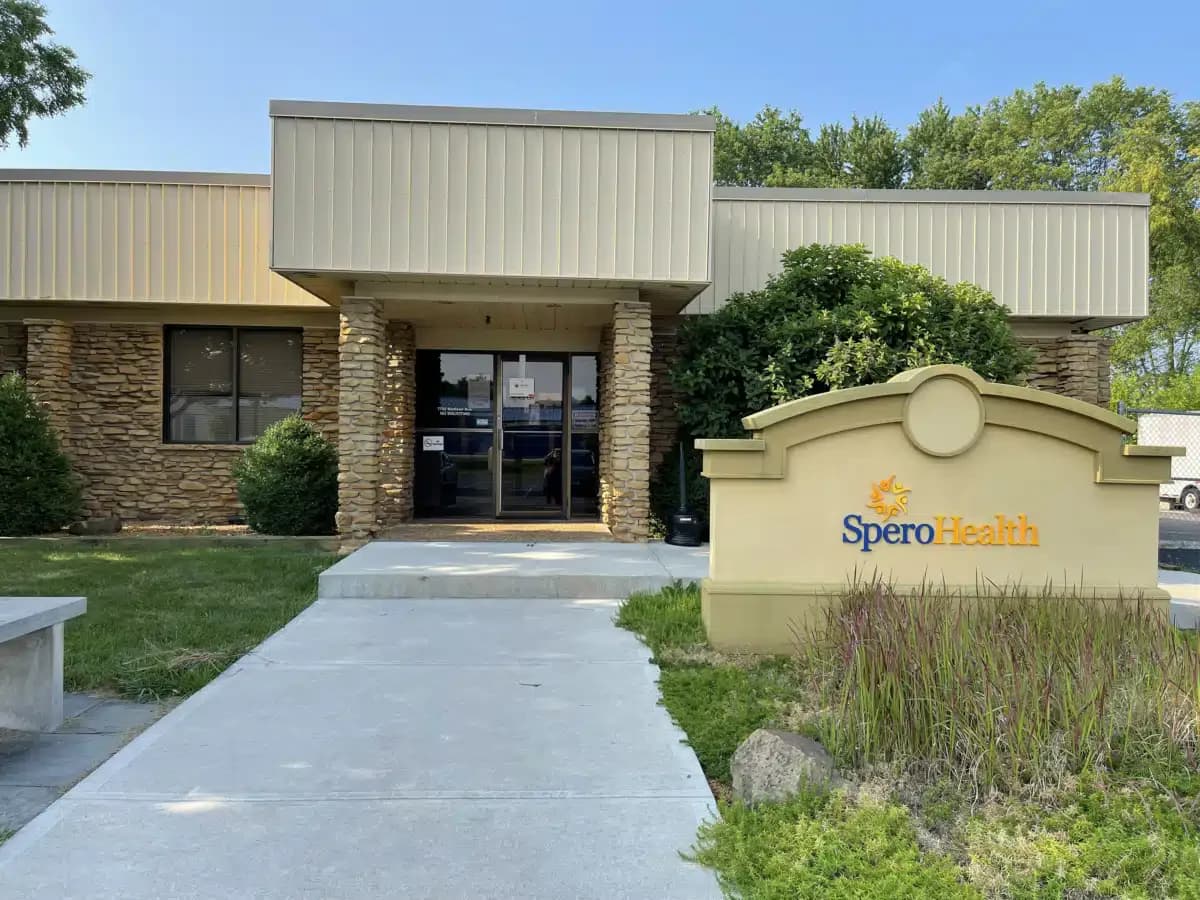
Spero Health, situated in Warren, OH, delivers a wide range of treatment options for substance use disorders, designed to meet the unique requirements of each individual. The center specializes in intensive outpatient care, outpatient programs, and medication-assisted treatments with methadone, buprenorphine, or naltrexone. Spero Health employs various therapeutic methods, including cognitive behavioral therapy, anger management, and brief interventions, to address the needs of adult clients, including those affected by intimate partner or domestic violence. Aiming to provide exceptional care for both men and women, this facility is dedicated to offering a supportive and professional setting for those pursuing recovery from addiction.
Spero Health, located in Youngstown, OH, provides extensive treatment for substance use disorders with a variety of programs designed to meet the unique needs of each individual. The center focuses on intensive outpatient services, general outpatient care, as well as treatments utilizing methadone, buprenorphine, and naltrexone. Emphasizing techniques such as anger management, brief interventions, and cognitive behavioral therapy, Spero Health supports both adults and young adults, regardless of gender. Additionally, specialized programs are available for adult men, adult women, and those who have faced situations of intimate partner or domestic violence. Spero Health is committed to delivering high-quality, customized care plans to assist individuals on their recovery journey.
Spero Health, located in Lancaster, OH, provides comprehensive outpatient services, including intensive outpatient programs and treatment options utilizing methadone, buprenorphine, or naltrexone for those dealing with substance use challenges. Their methodology encompasses therapies such as anger management, cognitive behavioral therapy, and brief intervention strategies. The center features specialized programs catering to adult men and women, as well as those affected by intimate partner or domestic violence. Spero Health serves a diverse clientele of adults and young adults, ensuring that care is personalized to meet the unique requirements of each individual. Committed to evidence-based methods and holistic support, Spero Health strives to help individuals navigate their recovery journey effectively.
Frequently Asked Questions
What is an Intensive Outpatient Program (IOP)?
Who should attend IOP?
What happens during IOP sessions?
How long does IOP last?
Can I work while attending IOP?
About Intensive Outpatient (IOP)
Intensive Outpatient Programs (IOP) provide structured, comprehensive addiction treatment requiring 9-19 hours weekly while allowing you to live at home. IOP bridges the gap between residential care and standard outpatient, offering substantial support, accountability, and therapeutic programming while maintaining flexibility for work and family responsibilities.
IOP Treatment Structure
IOP typically meets 3-5 days per week for 3-4 hours per session (often 6-9pm for working individuals). Programming includes evidence-based group therapy using CBT, DBT, or other modalities; psychoeducation about addiction and recovery; process groups exploring emotions and experiences; skills training for triggers and cravings; individual therapy sessions; family therapy; and sometimes medication management.
IOP vs PHP vs Outpatient: Level of Care Comparison
Choosing the right level of care depends on severity, home environment, and ASAM Level of Care criteria. The table below compares the four primary outpatient and residential tiers:
| Level of care | Hours/week | Setting | Typical duration | ASAM Level | Best for |
|---|---|---|---|---|---|
| Residential | 24/7 | Live at facility | 30-90 days | 3.5-3.7 | Severe SUD, dual diagnosis, unsafe home environment |
| Partial Hospitalization (PHP) | 20-25h | Day program, live at home | 2-4 weeks | 2.5 | Step-down from residential; step-up from IOP for high-risk relapse |
| Intensive Outpatient (IOP) | 9-19h | 3-5 days/week, live at home | 8-12 weeks | 2.1 | Moderate SUD; working / family obligations; stable housing |
| Standard Outpatient | 1-9h | 1-2 sessions/week | 6 months-2 years | 1 | Mild SUD; maintenance after IOP; aftercare |
Most patients progress through multiple levels: detox → residential → PHP → IOP → standard outpatient over 6-12 months. ASAM criteria guide placement based on withdrawal severity, biomedical conditions, emotional/behavioral conditions, readiness to change, relapse potential, and recovery environment.
Common IOP Pathways
People enter IOP through various routes:
- Step-Down from Residential: Transitioning from residential or PHP for continued structure
- Primary Treatment: First treatment level for moderate addiction with stable living situation
- Relapse Prevention: Intensive support after detox to prevent relapse
- Outpatient Step-Up: Increasing intensity when standard outpatient proves insufficient
Balancing Treatment and Life
IOP allows maintaining employment, family responsibilities, and community connections while receiving substantial treatment. Most people work full-time attending evening IOP sessions. This real-world practice of recovery skills, immediate application of therapy lessons, and integration of recovery into daily life often strengthens long-term success. You're not removed from life but learning to live it differently.
IOP Duration and Progression
IOP typically lasts 6-12 weeks at full intensity (9-19 hours weekly), then may step down to fewer hours before transitioning to standard outpatient. Total IOP involvement might extend 3-6 months. As stability increases and skills strengthen, programming decreases, supporting gradual independence while maintaining accountability and support during vulnerable early recovery period.
IOP Effectiveness and Outcomes
Research demonstrates IOP effectiveness comparable to residential treatment for appropriately selected individuals. Success depends on motivation, stable environment, support system, and treatment engagement. IOP offers high-quality care at lower cost than residential, making it accessible option for many. When residential isn't necessary or feasible, IOP provides substantial support bridging detox and long-term maintenance care.
IOP resources:
Other Levels of Care
Browse intensive outpatient (iop) programs in states with the most treatment options.
Related conditions, treatment approaches, and levels of care.
Need immediate help? Call SAMHSA: 1-800-662-4357 (24/7, free)