
Long-Term Residential Treatment Programs Near You
Long-term residential programs extending 90 days or longer provide extended support for developing deep recovery skills and lifestyle changes. Therapeutic community models offer immersive environments where individuals heal together, building foundations for sustained long-term sobriety.
Found 2,511 long-term residential treatment centers across the United States.
Need Help Finding the Right Treatment Center?
Speak with a compassionate specialist now - 100% free & confidential
Showing 20 of 2511 results
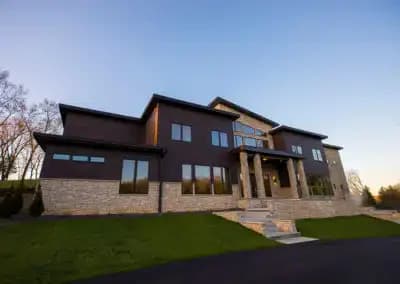
Situated in Ozark, MO, Synergy Executive stands out as a leading rehabilitation facility dedicated to providing extensive addiction recovery services. The center focuses on long-term residential treatment, encompassing detox and continuous support around the clock. Emphasizing a 12-step approach, anger management, and cognitive behavioral therapy, the program is designed for adult men facing challenges related to substance abuse and concurrent mental health issues. Synergy Executive also features tailored programs for clients who have undergone trauma, ensuring personalized attention. Catering to adults of all ages, this center creates a secure and nurturing atmosphere for male individuals pursuing effective rehabilitation solutions.
Synergy Treatment Centers, situated in Memphis, TN, provides an extensive range of services for substance use treatment along with transitional housing. This facility accommodates both adults and young adults of all genders, offering options for long-term, short-term, and 24-hour residential care. Synergy Treatment Centers employs multiple therapeutic strategies such as 12-step programs, anger management, and brief interventions. They also feature specialized programs designed for active military personnel, as well as distinct services for adult men and women. Renowned for its high standard of care and customized treatment plans, this center fosters a nurturing atmosphere for those on their path to recovery and rehabilitation.
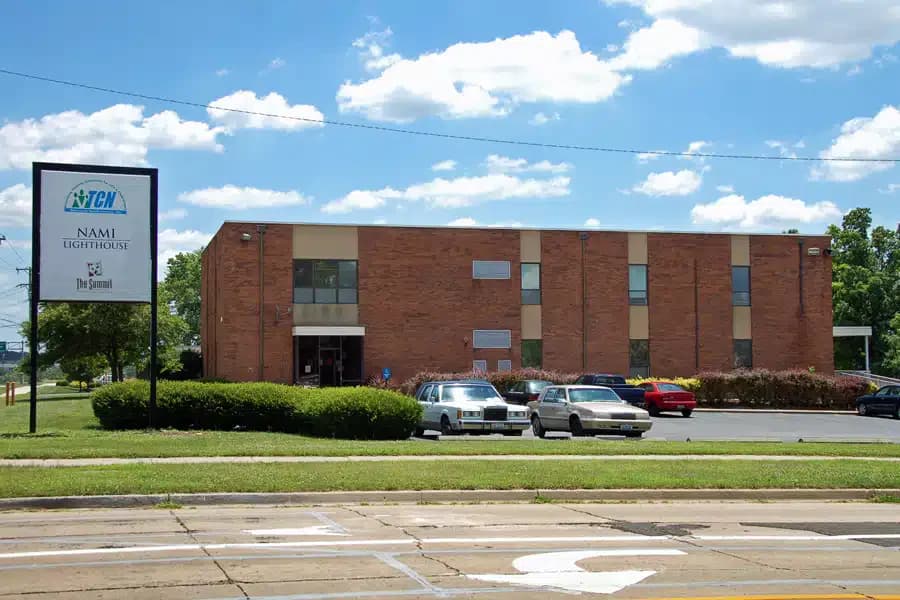
TCN Behavioral Health Services Inc, located in Xenia, OH, delivers an extensive array of rehabilitation services with a focus on substance abuse treatment, transitional living arrangements, and support for individuals dealing with both substance use disorders and severe mental health issues. This center provides various program options, including long-term, short-term, and round-the-clock residential care, employing customized strategies such as 12-step programs, anger management sessions, and brief intervention tactics. TCN Behavioral Health Services Inc also offers specialized programs designed for adolescents, adult males, and individuals who have faced intimate partner violence, addressing the specific needs of men and older adults. Clients can expect high-quality care and assistance in a secure and organized setting at this rehabilitation center.
A long-term residential program for women in Watertown, New York, combining substance use treatment with transitional housing. THRIVE Wellness and Recovery serves veterans, military families, criminal justice clients, and women who have experienced trauma or domestic violence. Buprenorphine is used in treatment. Medicare, Medicaid, and TRICARE are accepted.
TREE House for Women, situated in Albany, NY, is a distinguished facility dedicated to providing extensive residential care for adult women, including seniors. The center features tailored interventions for individuals impacted by intimate partner violence, domestic abuse, and sexual assault. Through techniques such as anger management, cognitive behavioral therapy, and motivational interviewing, they deliver thorough detoxification and treatment for substance use disorders alongside co-occurring mental health conditions. This program is specifically designed for young adults, fostering a nurturing atmosphere for women on their journey to recovery. TREE House for Women distinguishes itself through personalized support and scientifically validated methods, solidifying its reputation as a premier rehabilitation provider in the Albany region.
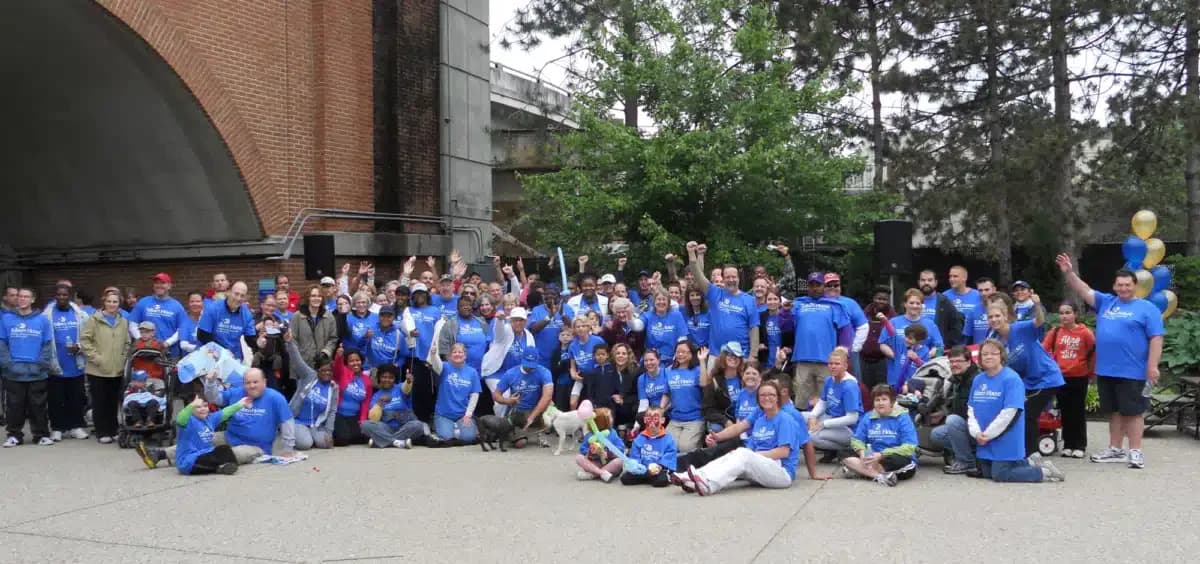
Situated in Cincinnati, OH, Talbert House provides both long-term and 24-hour residential treatment for substance use aimed at adult men and women. The center emphasizes 12-step programs, anger management techniques, and cognitive behavioral strategies. It features specialized programs designed for clients affected by intimate partner and domestic violence. Talbert House serves a diverse clientele of adults and young adults, creating an encouraging atmosphere for individuals on their recovery journey. Committed to delivering high-quality and evidence-based care, this facility strives to support individuals in overcoming addiction and restoring their lives.
Talbot Clinical Services of Ohio in Toledo, Ohio spans short-term and long-term residential care plus day treatment and intensive outpatient programs, using buprenorphine and naltrexone. Services cover veterans, pregnant and postpartum women, and adults with co-occurring disorders. Medicare, Medicaid, and TRICARE are accepted.

Tarzana Treatment Centers Inc, located in Tarzana, CA, delivers extensive recovery programs for individuals of all ages. Their offerings include inpatient detoxification within a hospital setting, round-the-clock hospital inpatient services, and robust outpatient programs. Emphasizing methods such as 12-step integration, emotional regulation techniques, and short-term counseling strategies, this institution addresses the specific requirements of active military members, adult men, and adult women. Catering to both genders, Tarzana Treatment Centers Inc provides exceptional care designed for each person's distinct situation, positioning it as a leading option for those pursuing successful substance abuse rehabilitation in a nurturing atmosphere.
Tarzana Treatment Centers Inc in Lancaster, CA, delivers thorough care for individuals, including youth, struggling with substance abuse and co-occurring emotional health challenges. Their primary focus is on extended stay in a supervised setting, offering detox services and around-the-clock residential support. Treatment plans are tailored to each person's needs, incorporating methods like guided 12-step participation, techniques for managing anger, and short-term counseling. The center is committed to high standards of service and has specific offerings for young people, serving both genders. For those in search of responsive and customized recovery solutions, Tarzana Treatment Centers Inc in Lancaster is a distinguished choice.
Tarzana Treatment Centers Inc, situated in Long Beach, CA, provides a full spectrum of care for substance abuse disorders. Their expertise lies in detox and ongoing recovery, offering extended stay programs, immediate detox services, and round-the-clock residential supervision. The center employs proven therapeutic methods including 12-step integration, emotional regulation training, and short-term counseling. They have dedicated programs for active military members, adult males, and adult females, accommodating a wide variety of needs. Catering to adults and young adults across genders, this center is committed to excellent service and personalized recovery strategies for sustained sobriety.

Teen Challenge San Diego, based in San Diego, CA, provides targeted treatment for adult males struggling with substance use issues. The facility offers long-term residential care, outpatient programs, and frequent outpatient therapy. Emphasizing anger management, short intervention strategies, and preventing relapses, the center supports individuals who have faced intimate partner violence, domestic abuse, and sexual trauma. Serving a diverse age range including adults, seniors, and young adults, Teen Challenge San Diego focuses on delivering individualized care for every client. Its dedication to high-quality treatment and customized strategies positions it as a reliable option for those in need of effective addiction support.
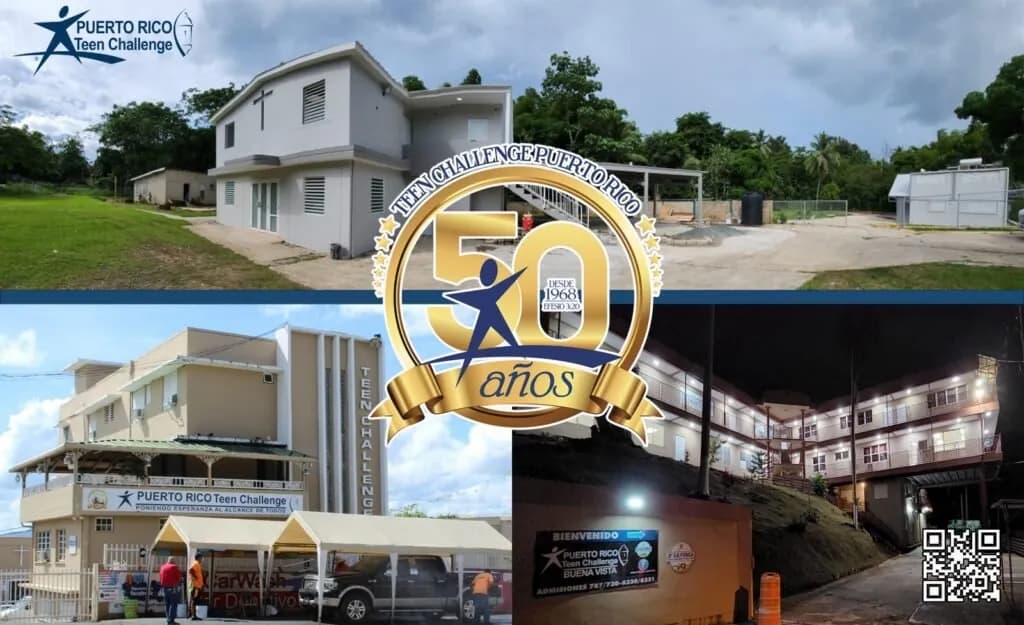
Teen Challenge de Puerto Rico in Bayamon provides a full continuum that includes hospital inpatient and residential detox, long-term residential care, intensive outpatient treatment, and sober housing. Buprenorphine is used in treatment. Programs serve young adults, adult men and women, veterans, and criminal justice clients. Medicaid and payment assistance are accepted, with services in Spanish.

Teen Challenge of East Bay Inc, located in Oakland, California, specializes in extensive rehabilitation services for adult men struggling with substance abuse issues. The center offers long-term residential care, outpatient options, and consistent outpatient services that cater to those who have faced trauma or are dealing with the criminal justice system. Aimed primarily at adult, senior, and young adult males, this facility takes a holistic approach to meet the intricate needs of its clientele. Teen Challenge of East Bay Inc is recognized for its dedication to providing high-quality care and customized programs that foster sustainable recovery in a nurturing and secure setting.
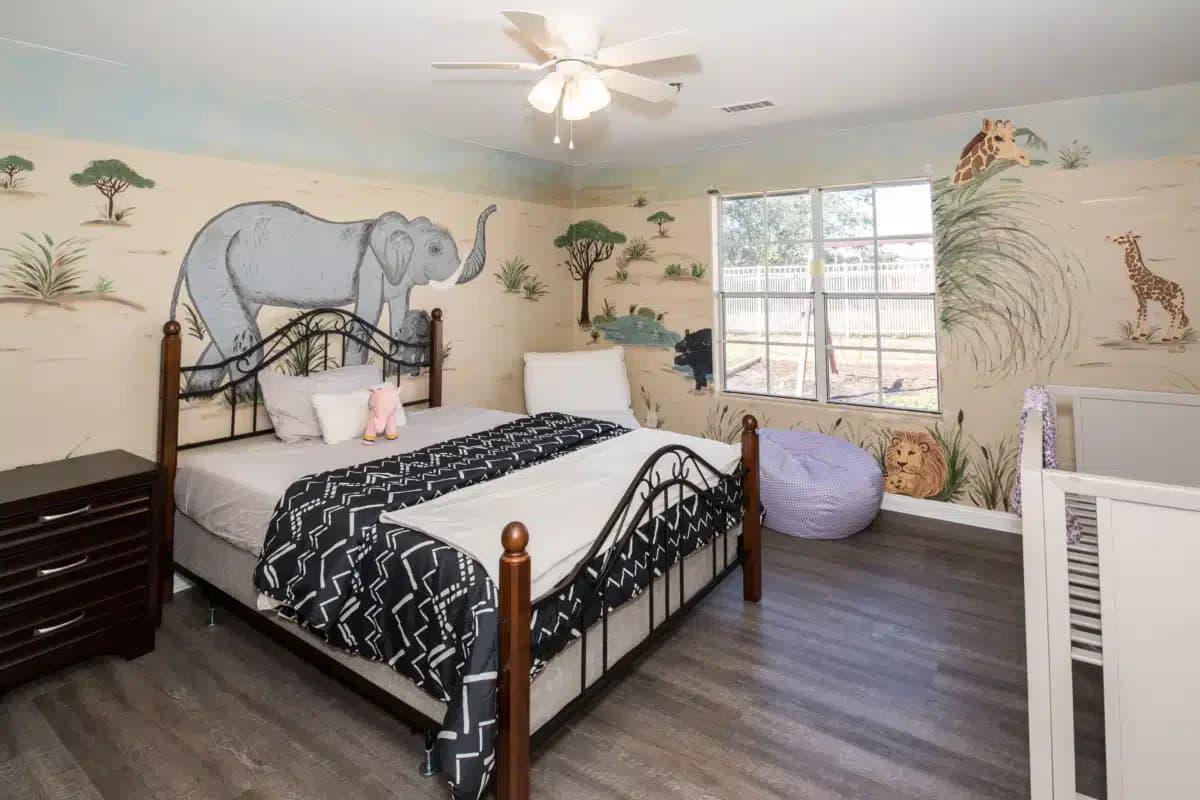
Teen Project Inc, located in Trabuco Canyon, CA, specializes in long-term residential care for adult women and seniors facing challenges related to substance abuse and co-occurring mental health disorders. The center offers customized detoxification services along with round-the-clock support, employing evidence-based methods such as 12-step programs and anger management techniques. They also provide distinct programs designed for active military personnel, women, and those who have experienced intimate partner violence. With an emphasis on personalized care, this facility empowers individuals through targeted interventions and comprehensive treatment plans. Teen Project Inc is committed to providing exceptional rehabilitation services within a compassionate and supportive atmosphere.
Teen Project Inc, located in Van Nuys, CA, provides extensive addiction rehabilitation services aimed at adult women, seniors, and young adults, with a strong emphasis on long-term residential care. The center excels in detox programs and treatments for substance use disorders, including support for individuals facing both substance abuse and significant mental health challenges. Their approach integrates 12-step principles, anger management techniques, and brief intervention strategies, ensuring that treatment plans are personalized for every participant. Prioritizing individual attention, Teen Project Inc fosters a nurturing setting conducive to recovery. For those in search of proficient residential addiction recovery services, this center presents a focused program that addresses the distinct needs of female clients.
Teen Project Inc in Trabuco Canyon, CA, delivers a complete spectrum of unique recovery programs designed specifically for women. This establishment features extended residential stays, detox in a residential setting, and continuous around-the-clock residential assistance for adults, elderly individuals, and young adults grappling with addiction and coexisting severe mental health challenges. Emphasizing 12-step integration, emotional regulation skills, and concise intervention strategies, Teen Project Inc distinguishes itself through its commitment to individualized support. Unique offerings include assistance for active military personnel, adult women, and those who have endured domestic abuse. For individuals pursuing empathetic and successful treatment, this center provides a nurturing space for sustained healing.
Teen Project Inc, situated in Trabuco Canyon, CA, provides targeted recovery programs for women across all age groups. This establishment delivers extended residential stays, encompassing detox services and comprehensive treatment for addiction and significant mental health challenges. Their therapeutic approach integrates 12-step principles, anger management techniques, and brief intervention strategies. Specialized support is available for active military members, adult women, and survivors of domestic violence. For those desiring thorough, gender-tailored addiction care within a nurturing residential environment, Teen Project Inc stands out as an excellent option.
Tellurian Inc in Madison, WI, provides extensive treatment for detoxification and substance use disorders. Their offerings include hospital inpatient detoxification, continuous 24-hour hospital inpatient care, and extended residential stays. Employing methods like 12-step facilitation, brief intervention, and cognitive behavioral therapy, the center customizes care to each person's unique situation. They have specialized programs for active duty military, adult men, and adult women. Catering to adults, children, adolescents, and seniors of any gender, Tellurian Inc prioritizes excellent care through individualized recovery plans and a nurturing atmosphere.

Tennessee Detox Center in La Vergne, TN, offers residential detoxification plus short-term and long-term residential care, partial hospitalization, and outpatient services for adults. Veterans, active duty military, and clients with co-occurring disorders are among those served, with naltrexone used in treatment. TRICARE, private insurance, and self-payment are accepted.
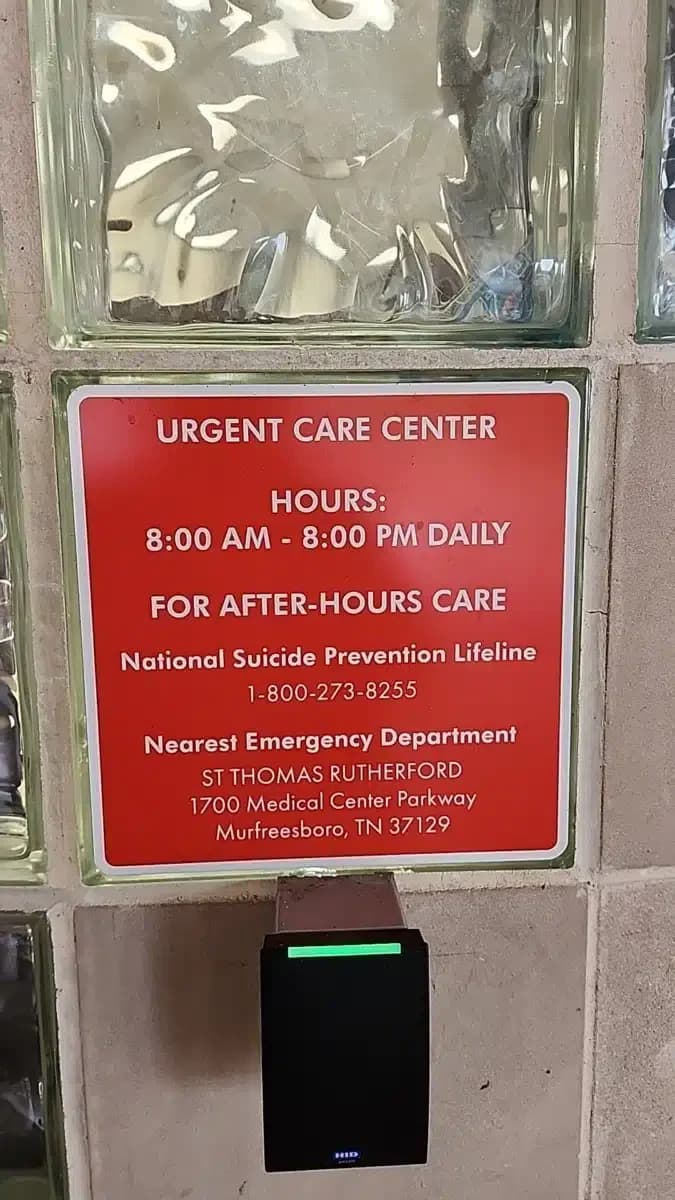
Nestled in Murfreesboro, TN, Tennessee Valley Healthcare Services delivers a complete spectrum of care for adults and children battling addiction, substance abuse, and coinciding mental health challenges. This facility offers round-the-clock inpatient hospital services for detoxification, treatment, and ongoing support. They feature distinct programs designed for adult women, survivors of domestic abuse, and those who have faced sexual trauma. Employing proven methods such as cognitive behavioral therapy and the Matrix Model, the center emphasizes emotional regulation and complete well-being. Catering to adults and young adults irrespective of gender, Tennessee Valley Healthcare Services prioritizes personalized, superior treatment, positioning it as a premier destination for recovery.
Frequently Asked Questions
What is long-term residential treatment?
Who benefits from long-term residential programs?
What are therapeutic communities?
How long do long-term programs last?
Does insurance cover long-term residential treatment?
About Long-term Residential
Long-term residential programs extending 90 days or longer provide extended time and support for developing deep recovery skills, processing trauma, addressing co-occurring conditions, and building sustainable lifestyle changes. Therapeutic community models create immersive healing environments where individuals recover together, developing the foundation for sustained long-term sobriety.
Who Benefits from Long-Term Care
Long-term residential particularly helps individuals with chronic severe addiction and multiple relapses, complex trauma requiring extended therapeutic work, co-occurring mental health conditions, unstable or unsafe living situations, lack of family or community support, need for vocational or life skills development, or those who simply need more time to develop solid recovery foundation before returning to independent living.
Therapeutic Community Model
Many long-term programs use Therapeutic Community (TC) approach where the community itself becomes primary therapeutic tool. TCs emphasize peer accountability, self-governance, hierarchical responsibility structure, communal living and work, confrontation of negative behaviors, and "right living" principles. Residents progress through phases earning increased privileges and responsibilities, teaching accountability and social skills essential for recovery.
Extended Time for Deep Work
Longer programs allow:
- Trauma Processing: Extended time for trauma-focused therapy addressing underlying issues
- Behavior Pattern Change: Months to establish new habits replacing old destructive patterns
- Relationship Repair: Family therapy, communication skills, rebuilding trust over time
- Vocational Development: Work skills, resume building, interview practice, career planning
- Life Skills: Budgeting, cooking, time management, healthy relationships
- Gradual Responsibility: Practicing independence within supportive structure before full independence
Research Supporting Longer Treatment
Studies consistently show longer treatment duration correlates with better long-term outcomes. The 90-day threshold is particularly significant, with research demonstrating substantially improved abstinence rates, employment outcomes, criminal justice involvement reduction, and overall functioning for individuals completing 90+ days compared to shorter programs. Extended time allows neurobiological healing, behavioral change consolidation, and development of recovery lifestyle.
Practical Considerations
Long-term residential requires significant time commitment away from work, family, and normal life. However, for individuals with chronic relapse patterns, this investment often proves more effective and ultimately less disruptive than repeated short treatment episodes. Family involvement, employer FMLA protections, and careful planning help manage practical logistics. Many find the extended healing time transformational.
Long-term treatment information:
Other Levels of Care
Browse long-term residential programs in states with the most treatment options.
Related conditions, treatment approaches, and levels of care.
Need immediate help? Call SAMHSA: 1-800-662-4357 (24/7, free)