
Inpatient Rehab Near You: Residential Treatment Programs (30-90 Days)
Find inpatient rehab and residential treatment centers offering 24/7 structured addiction recovery care across all 50 states. Residential programs are the ASAM Level 3.5-3.7 standard for severe substance use disorder, dual diagnosis, and patients without safe home environments. Typical lengths: 30, 60, or 90 days — the American Society of Addiction Medicine (ASAM) and NIDA recommend a minimum of 90 days for chronic SUD. Programs combine MAT, group and individual therapy, family programming, medical detox where needed, and structured discharge planning to lower levels of care (PHP, IOP, sober living).
Found 2,920 residential treatment treatment centers across the United States.
Need Help Finding the Right Treatment Center?
Speak with a compassionate specialist now - 100% free & confidential
Showing 20 of 2920 results

Channel Islands Rehab, situated in Oxnard, California, delivers extensive addiction recovery services tailored for both adults and young adults. The center features a hospital-based inpatient detox and treatment program that includes specialized options for active military members, as well as for adult males and females. Treatment methodologies employed here encompass 12-step facilitation, cognitive behavioral therapy, and the Matrix Model. Channel Islands Rehab also supports individuals dealing with both substance use disorders and significant mental health challenges. With a commitment to high-quality care, this facility prioritizes the specific requirements of clients on their journey to overcoming addiction.

Situated in Brentwood, NY, the Charles K Post Addiction Treatment Ctr delivers focused programs for overcoming substance dependency within a nurturing setting. This institution features inpatient services emphasizing 12-step integration, emotional regulation techniques, and brief counseling strategies. The treatment is designed for adult men and women, including individuals affected by domestic abuse. The center also offers interim housing and sober living accommodations, serving adults and adolescents in need of brief inpatient stays. Their dedication to excellent support and personalized recovery plans establishes them as a significant provider for individuals pursuing help with addiction.
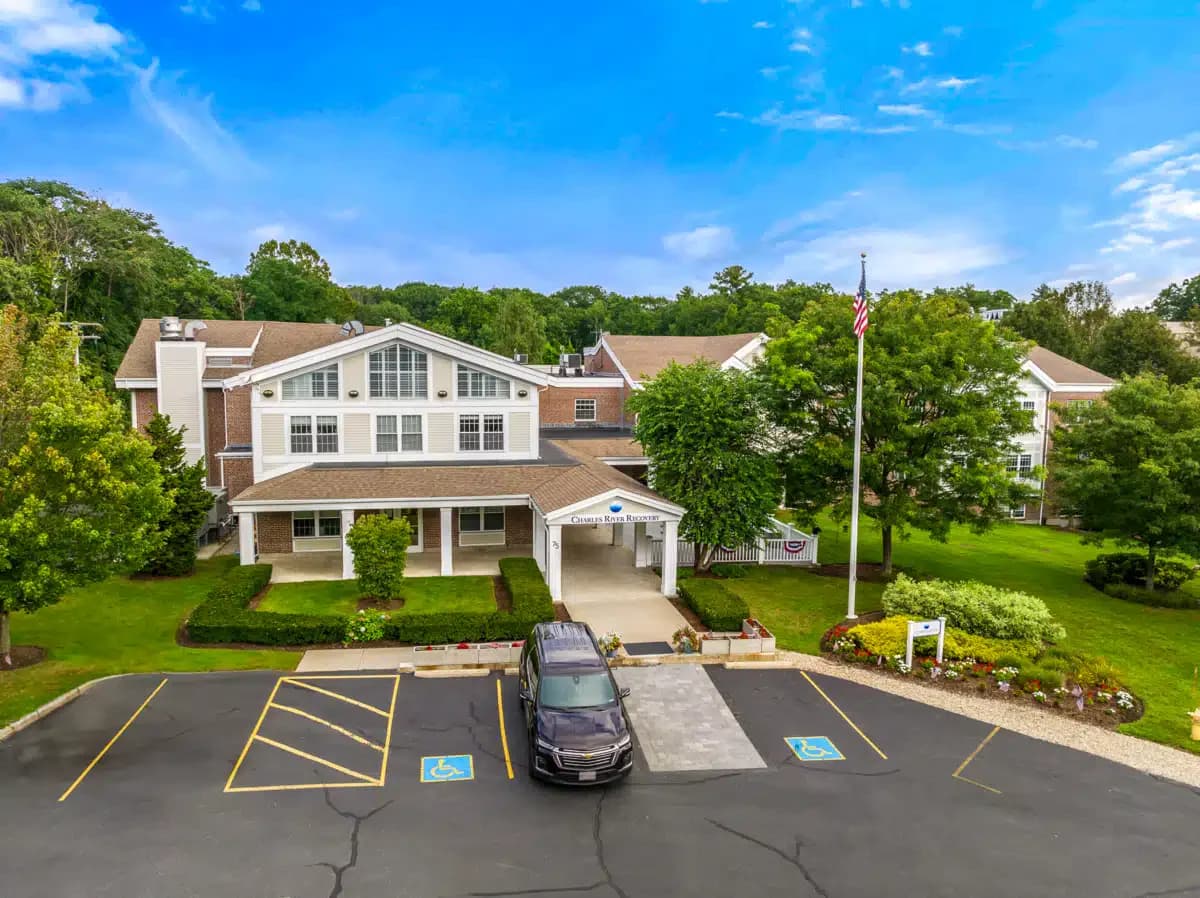
Charles River Recovery LLC, situated in Weston, MA, delivers thorough programs for substance abuse, encompassing detoxification. This center provides hospital-level inpatient detox and care, with tailored services for adult men, women, and active military. Employing methods like 12-step facilitation and anger management, the facility serves adult men and women, as well as young adults. Prioritizing exceptional care and personalized plans, Charles River Recovery LLC is committed to supporting individuals in their path to regaining health.

Nestled in North Charleston, SC, the Charleston Center of Charleston County delivers extensive care for substance abuse. Their offerings include detox and a variety of treatment options such as intensive outpatient, long-term residential, and standard outpatient care. Employing methods like anger management, brief intervention, and cognitive behavioral therapy, they support adolescents, adult men, and adult women. This facility also extends its services to seniors of all genders, prioritizing tailored treatment plans and proven therapeutic techniques to guide individuals toward lasting recovery. The Charleston Center stands as a dedicated provider of specialized addiction services.
Charleston Residential Services, located in Las Vegas, NV, provides an extensive array of addiction recovery services encompassing detox, treatment for substance use disorders, transitional housing, and sober living options. The facility emphasizes hospital-based inpatient detoxification and treatment, utilizing strategies like 12-step facilitation, brief interventions, and cognitive behavioral therapy. Special programs are designed for active military members, adult women, and those who have faced trauma. Catering to both adults and young adults, regardless of gender, Charleston Residential Services is committed to delivering high-quality support and care for those aiming to overcome substance abuse challenges.
Charlestown Recovery Home, situated in Charlestown, MA, provides long-term residential treatment for substance use disorders specifically aimed at adult men. The center features around-the-clock support and specialized programs designed for older adults. Emphasizing 12-step methodology, anger management, and brief intervention strategies, the facility addresses the specific requirements of its male clientele. Catering to adults, seniors, and young adults, it guarantees individualized support and care for every resident. Charlestown Recovery Home is distinguished by its customized programs, skilled staff, and dedication to guiding clients towards sustainable recovery.
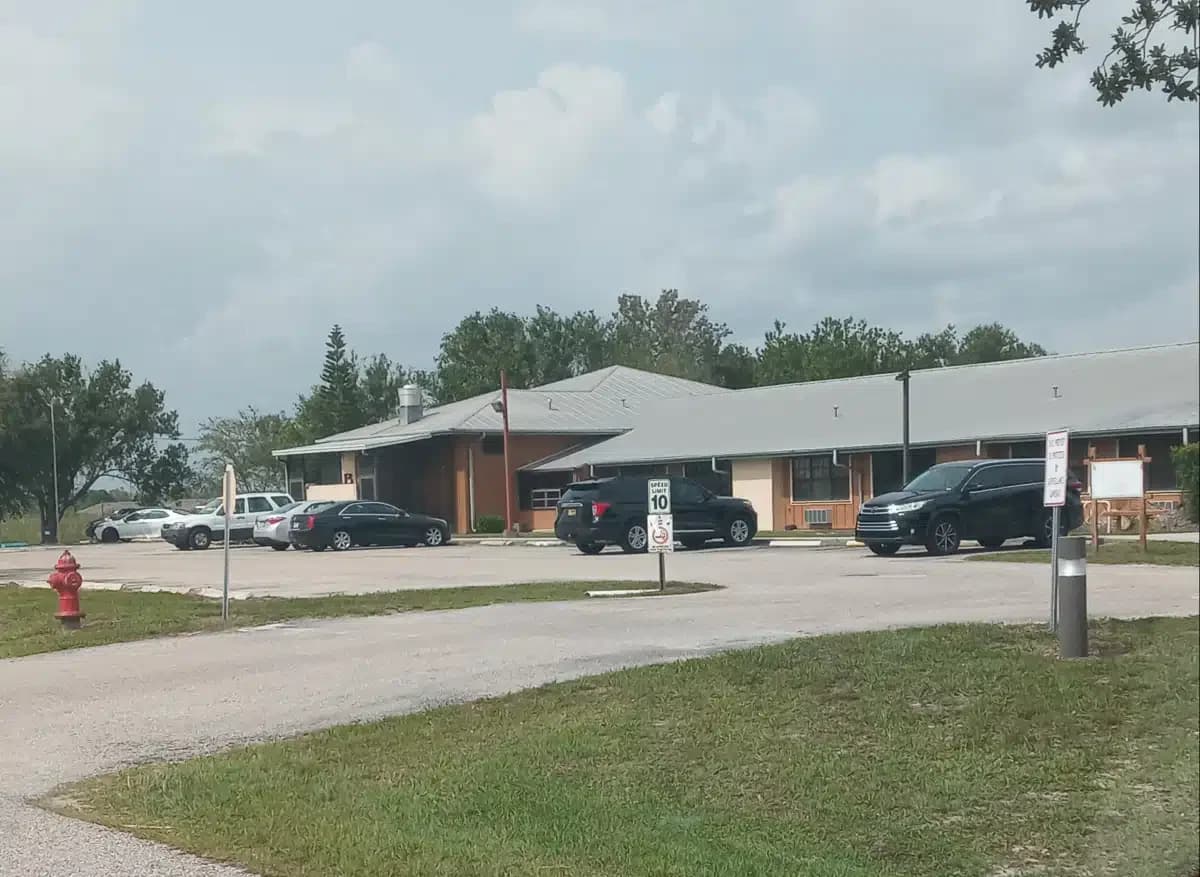
Charlotte Behavioral Healthcare Inc., situated in Punta Gorda, FL, delivers extensive rehabilitation support for individuals of all ages. The facility is dedicated to specialized care for addiction, withdrawal management, and dual diagnoses. Offering services that include round-the-clock hospital inpatient care, hospital inpatient detoxification, and outpatient options, each person benefits from customized support for their path to recovery. Distinctive programs are available for teenagers, adult men, and adult women. Through methods like 12-step facilitation, anger management techniques, and brief intervention strategies, the center emphasizes excellent, gender-tailored treatment to foster healing and well-being.
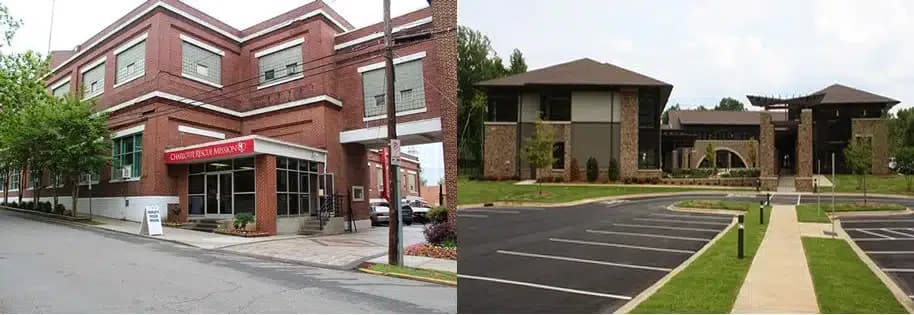
Based in Charlotte, NC, the Charlotte Rescue Mission provides an extensive rehabilitation program designed for adult men dealing with substance abuse. This center offers long-term residential treatment, emphasizing 12-step programs, anger management, and cognitive behavioral approaches. It addresses the needs of individuals who have faced trauma and those suffering from dual diagnoses of mental health and substance use issues. Notable aspects include transitional housing and sober living arrangements. The program is adaptable for adults, seniors, and young adults, ensuring personalized support for everyone. With a dedicated focus on men’s needs and a strong commitment to excellence, the Charlotte Rescue Mission stands out as a reliable option for individuals pursuing enduring recovery.
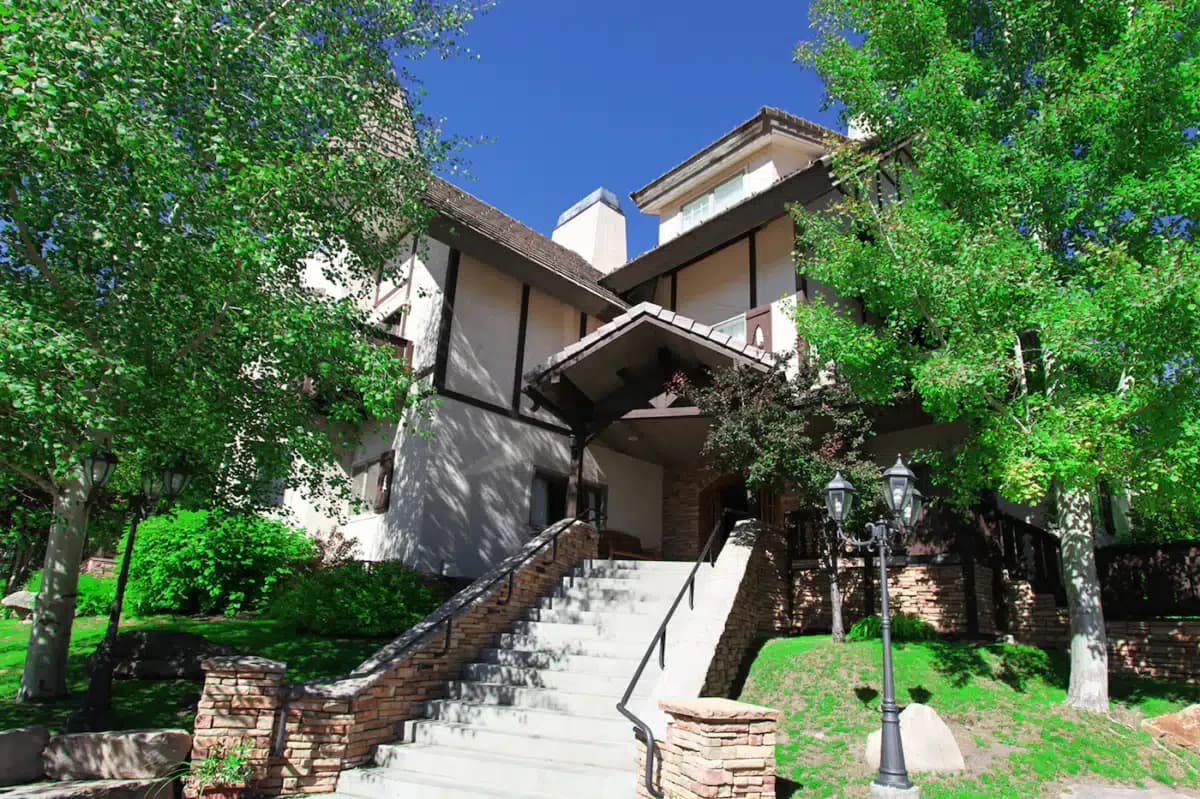
Chateau Recovery, situated in Midway, UT, provides extensive treatment for substance use disorders aimed at both adults and young adults. Offering a range of options, including long-term residential care, outpatient services, and day programs, the center employs methods such as 12-step facilitation, anger management, and brief intervention strategies. It features dedicated programs for active duty military members as well as separate tracks for adult men and women. Chateau Recovery is committed to maintaining a supportive atmosphere while delivering exceptional care to all clients. If you're interested in individualized addiction recovery options with various program structures and tailored paths, this facility may be a perfect fit for your healing process.

Situated in Bridgeport, CT, the Chemical Abuse Services Agency Inc delivers an extensive array of services aimed at treating substance use issues. This center features hospital inpatient care, intensive outpatient programs, and transitional living arrangements, including halfway houses and sober living facilities. It offers specialized services for active-duty service members, adult men and women, and incorporates various methods such as 12-step programs and anger management. Catering to adults and young adults of all genders, the center emphasizes high-quality treatment using evidence-based strategies like brief interventions.
Situated in Panama City, FL, the Chemical Addictions Recovery Effort specializes in extensive detox programs designed for both adults and young adults facing substance dependency issues. This center offers residential detox services alongside 24/7 support within a nurturing environment. Emphasizing methods such as 12-step support, brief interventions, and motivational interviewing, the facility customizes its strategies to suit each individual's requirements. It features specialized programs for active military members, as well as distinct offerings for adult men and women. Accredited by CARF, the center guarantees superior care for clients of all genders seeking constructive treatment for chemical dependencies.

Situated in Alford, FL, the Chemical Addictions Recovery Effort provides an extensive array of services for substance use treatment as well as transitional housing for adult women and seniors. The center focuses on addressing co-occurring substance use disorders alongside significant mental health challenges, employing effective methods like cognitive behavioral therapy and the 12-step framework. Its long-term and 24-hour residential programs are designed to meet the specific needs of clients who have faced intimate partner or domestic violence. Committed to delivering high-quality care, this facility offers tailored programs for active military members, adult females, and those coping with substance use and mental health difficulties.

Chestnut Health Systems Inc in Bloomington, IL is a dedicated facility providing extensive support for those battling addiction and dual diagnoses. They offer various levels of care, including intensive outpatient, outpatient, and day treatment programs. Their therapeutic methods encompass anger management, cognitive behavioral therapy, and brief interventions. Specialized services are available for adult men, women, and survivors of domestic abuse. Chestnut Health Systems Inc is committed to delivering high-quality, evidence-based treatment for adults and seniors, fostering a journey toward lasting well-being.
Cheyenne Center Inc, located in Houston, TX, provides an extensive array of rehabilitation services designed for adult males facing challenges related to substance use and concurrent mental health conditions. The center features both hospital inpatient and residential treatment programs, along with transitional housing and sober living facilities. It includes targeted programs for individuals affected by HIV/AIDS, emphasizing 12-step support, anger management techniques, and brief intervention strategies. Catering to adults, seniors, and young adults, this center is dedicated to delivering high-quality care within a nurturing and organized setting for those pursuing recovery.

Situated in Cheyenne, WY, the Cheyenne VA Healthcare System provides specialized rehabilitation programs aimed at adults and young adults facing challenges related to substance use and concurrent mental health disorders. Emphasizing 12-step methodologies, anger management techniques, and short-term interventions, this facility offers various types of care, including inpatient stays, intensive outpatient programs, and around-the-clock support. It features distinctive offerings for adult women and those impacted by intimate partner violence or sexual assault. Committed to delivering personalized treatment for both genders, the Cheyenne VA Healthcare System focuses on ensuring high standards of care to assist individuals in their recovery journey.
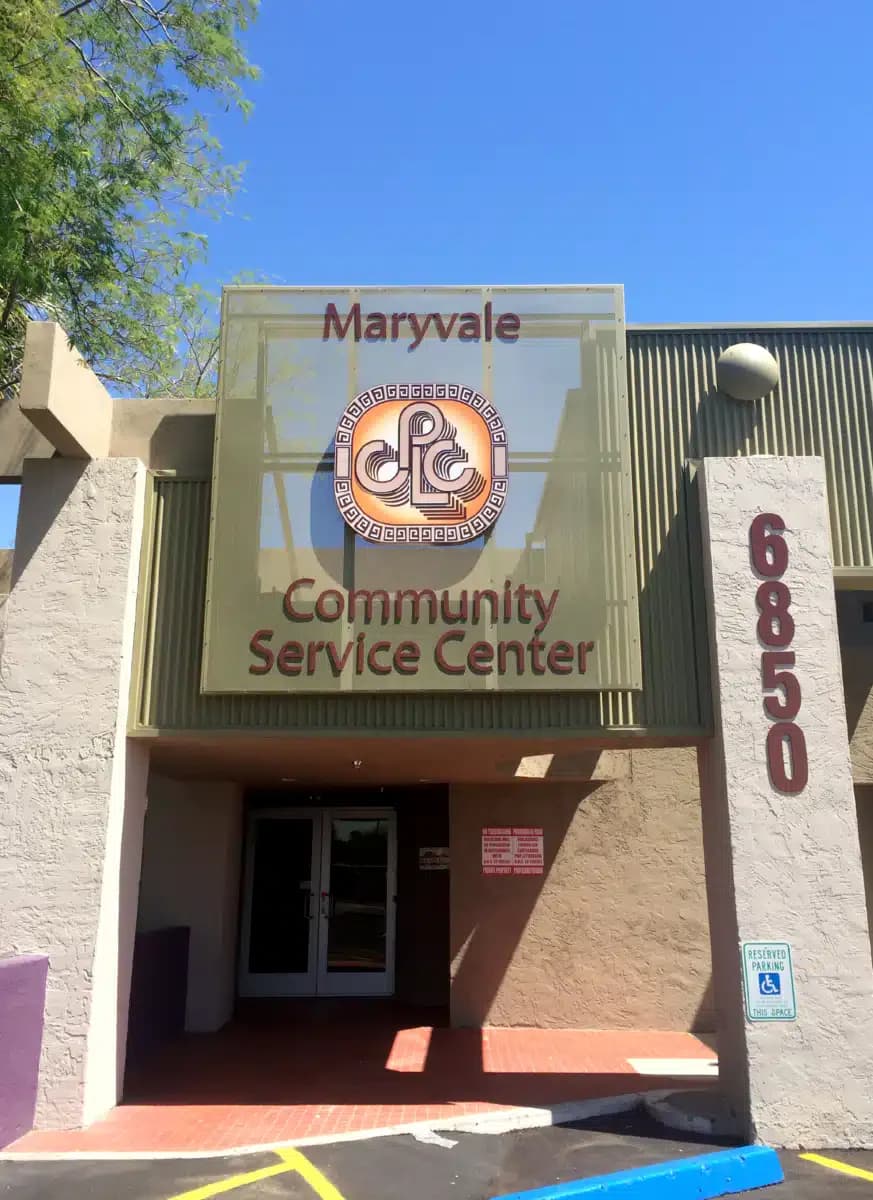
Chicanos Por La Causa Inc, situated in Phoenix, AZ, provides extensive recovery support, concentrating on addiction treatment and temporary housing for adult males. This establishment offers extended stay, residential, and brief residential options, utilizing 12-step encouragement, emotional regulation strategies, and cognitive behavioral techniques. Specialized services are available for individuals facing dual diagnoses of mental health and addiction issues, those connected to the legal system, and for addressing significant emotional distress in youth. Dedicated to delivering excellent support, the center assists adults, older adults, and young adults in need of targeted care within a male-exclusive setting.
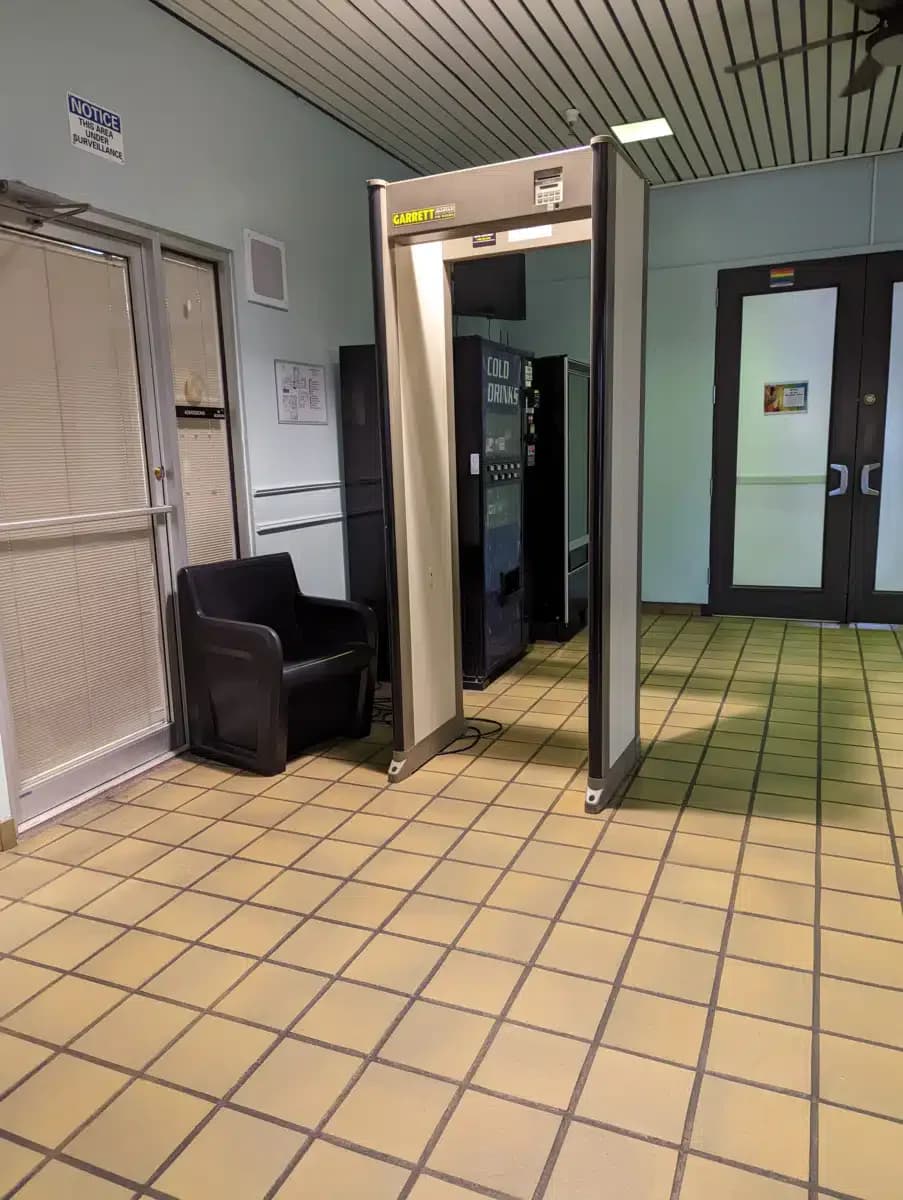
Situated in Norman, OK, Childrens Recovery Center of Oklahoma provides extensive treatment for substance use disorders in children and teenagers. This center focuses on addressing co-occurring substance use issues along with significant emotional challenges. It offers a range of programs, including long-term, short-term, and 24-hour residential options, designed to meet individual needs through methods such as 12-step facilitation and anger management. The center features unique initiatives for adolescents and those impacted by intimate partner violence, domestic violence, and sexual abuse. With gender-specific programs, it emphasizes high-quality care within a secure and nurturing setting for individuals seeking specialized support.
Situated in Talihina, OK, the Choctaw Nation rehabilitation center provides comprehensive long-term and 24-hour residential treatment options for adult males dealing with substance use disorders. This center emphasizes a range of strategies, including 12-step facilitation, anger management, and brief intervention techniques. Designed for men across various age groups, from young adults to seniors, it fosters a nurturing atmosphere for those on their recovery journey. The Choctaw Nation rehabilitation center stands out as a prime destination for individuals seeking thorough and efficient treatment for substance use within a residential framework.
Situated in Vista, CA, Choices in Recovery Center provides an extensive selection of programs for treating substance use disorders. The facility features options such as long-term residential, short-term residential, and round-the-clock care, catering to adults and young adults across all genders. With a focus on 12-step guidance, anger management, and short intervention strategies, Choices in Recovery Center is particularly noted for its dedicated care for active military members, adult males, and individuals who have faced sexual trauma. Committed to delivering high-quality and personalized treatment, this center fosters a nurturing atmosphere for individuals pursuing recovery from addiction.
Choices in Recovery Center, situated in Vista, CA, provides extensive residential care for extended durations. This program addresses detoxification, substance abuse, and co-occurring severe mental health conditions in adults, as well as emotional disorders in children. The center ensures round-the-clock supervision and offers specific treatment plans for active military personnel, adult men, and women. Therapeutic methods incorporated include 12-step program support, anger control strategies, and concise interventions designed for adults and young adults. Committed to high standards of care, the center fosters a secure and encouraging atmosphere for those on a path to overcoming addiction and mental health struggles.
Frequently Asked Questions
What is residential addiction treatment?
Who should consider residential treatment?
What does a typical day look like in residential treatment?
How long should I stay in residential treatment?
Can I leave residential treatment early?
What happens after residential treatment?
About Residential Treatment
Residential inpatient treatment provides immersive 24/7 care in structured therapeutic environments. Living at the treatment facility allows complete focus on recovery without outside distractions, triggers, or responsibilities. This intensive approach combines comprehensive therapy, medical support, peer connection, and skills development for lasting behavioral change and recovery foundation.
Inpatient Rehab vs Residential Treatment: Are They the Same?
The terms are used interchangeably in most consumer contexts and both refer to live-in addiction treatment. Strictly speaking, "inpatient" can also include hospital inpatient detox (acute medical setting), while "residential treatment" specifically refers to the therapeutic community model — ASAM Level 3.5 (clinically managed) and Level 3.7 (medically monitored). In practice, when someone searches "inpatient rehab near me" or "residential treatment near me", they typically want the same thing: a 30-90 day live-in program with daily therapy, MAT support, and structured discharge planning. Both terms are correct.
Residential Program Length Comparison: 30 vs 60 vs 90 Days
Residential addiction treatment is typically offered in 30, 60, or 90-day programs, with long-term options beyond 90 days. The table below compares the four primary length tiers:
| Program length | Best for | Outcomes | ASAM Level | Insurance coverage |
|---|---|---|---|---|
| 30-day | Mild-moderate SUD; first-time treatment; insurance-limited | Strong baseline; usually needs step-down to IOP | 3.5 | Most plans cover full |
| 60-day | Moderate SUD; prior treatment failure | Better long-term sobriety vs 30-day (NIDA) | 3.5 | Most plans cover; pre-auth common |
| 90-day | Severe SUD; polysubstance; dual diagnosis | NIDA-recommended minimum for chronic SUD | 3.5-3.7 | Often requires medical-necessity review |
| Long-term (6-12 mo) | Severe SUD with social, legal, or housing complications | Therapeutic community model; lowest relapse | 3.7 | Often Medicaid-funded; sober living blended |
Comprehensive Therapeutic Programming
Quality residential programs provide:
- Individual Therapy: Weekly sessions addressing personal issues, trauma, and individualized goals
- Group Therapy: Daily process groups, CBT groups, skills training, and peer support
- Family Programming: Family therapy, education, and weekend family visits or programs
- Psychiatric Services: Assessment, medication management for co-occurring conditions
- Medical Care: Nursing staff, physician oversight, medication administration
- Recreational Therapy: Exercise, sports, outdoor activities, creative therapies
- Life Skills: Communication, stress management, healthy habits, relapse prevention
- 12-Step Integration: On-site meetings, step work, sponsorship connections
Structured Daily Schedule
Days follow structured schedules providing routine, accountability, and multiple therapeutic touchpoints. Wake-up, meals, group therapy, individual sessions, educational programming, recreational activities, reflection time, and support meetings create rhythm supporting recovery. Structure reduces decision fatigue, provides safety, teaches healthy routines, and demonstrates disciplined living supporting long-term sobriety.
Peer Community and Support in Residential Rehab
Living alongside others in recovery provides powerful peer support, reduces isolation, offers validation and understanding, creates accountability, models healthy relationships, and demonstrates that recovery is possible. Many people form lasting friendships and support networks beginning in residential treatment that continue supporting recovery for years afterward.
Residential Treatment Duration and Outcomes
While 28-30 day programs are common for insurance reasons, research shows 60-90 days provides better outcomes for most people. Longer duration allows deeper therapeutic work, more complete skill development, stronger recovery foundation, and greater behavior change integration. Some individuals benefit from extended programs beyond 90 days, particularly for severe addiction, trauma, or co-occurring conditions.
Transitioning to Lower Levels of Care
Quality residential programs include comprehensive discharge planning connecting clients to continuing care. Most people step down to PHP or IOP for continued structure, then gradually to standard outpatient care and long-term maintenance. Some enter sober living homes providing supportive housing during transition to independent living.
Residential treatment resources:
Other Levels of Care
Browse residential treatment programs in states with the most treatment options.
Related conditions, treatment approaches, and levels of care.
Need immediate help? Call SAMHSA: 1-800-662-4357 (24/7, free)