
Outpatient Addiction Treatment Programs Near You
Standard outpatient treatment offers flexible addiction care while you maintain work, school, and family responsibilities. With regular counseling sessions (typically 1-9 hours weekly), outpatient programs provide ongoing support for motivated individuals with stable environments and strong support systems.
Found 11,913 standard outpatient treatment centers across the United States.
Need Help Finding the Right Treatment Center?
Speak with a compassionate specialist now - 100% free & confidential
Showing 20 of 11913 results

WhiteSands Alcohol and Drug Rehab in Palm Harbor, FL, provides extensive care for individuals struggling with addiction, catering to both adults and adolescents. The center excels in addressing dual diagnoses, treating co-occurring substance use disorders alongside significant mental health conditions in adults, and severe emotional issues in children. Their therapeutic offerings include intensive outpatient, outpatient, and standard outpatient programs, all delivered through personalized approaches like 12-step facilitation, anger management techniques, and brief intervention strategies. WhiteSands also features distinct programs designed for active military personnel, adult men, and adult women. Prioritizing high-standard care and bespoke treatment journeys, WhiteSands is committed to guiding individuals toward enduring sobriety.
WhiteSands Alcohol and Drug Rehab in Titusville, FL is dedicated to treating adults with addiction and co-occurring mental health conditions, along with children experiencing emotional issues. They offer various levels of care, including intensive outpatient and standard outpatient programs, and utilize medication-assisted treatment such as methadone, buprenorphine, or naltrexone. The center employs therapeutic strategies like 12-step facilitation, anger management, and brief intervention, specifically addressing the needs of active military members, adult men, and women. Serving a diverse population of adults and young adults, WhiteSands Alcohol and Drug Rehab emphasizes high-quality, personalized care to foster enduring recovery.
WhiteSands Alcohol and Drug Rehab in Melbourne, FL is a premier facility dedicated to providing thorough addiction and mental health care for adults and young adults. They offer a spectrum of services, including intensive outpatient, outpatient, and medication-assisted treatment using methadone, buprenorphine, or naltrexone. Their therapeutic approach emphasizes 12-step facilitation, anger management, and brief intervention strategies. The center proudly serves adult men and women, along with active duty military members, with distinct, personalized programs designed for each gender to ensure optimal recovery outcomes. WhiteSands Alcohol and Drug Rehab is committed to delivering exceptional, research-supported treatment for individuals battling substance use disorders and co-occurring mental health conditions.
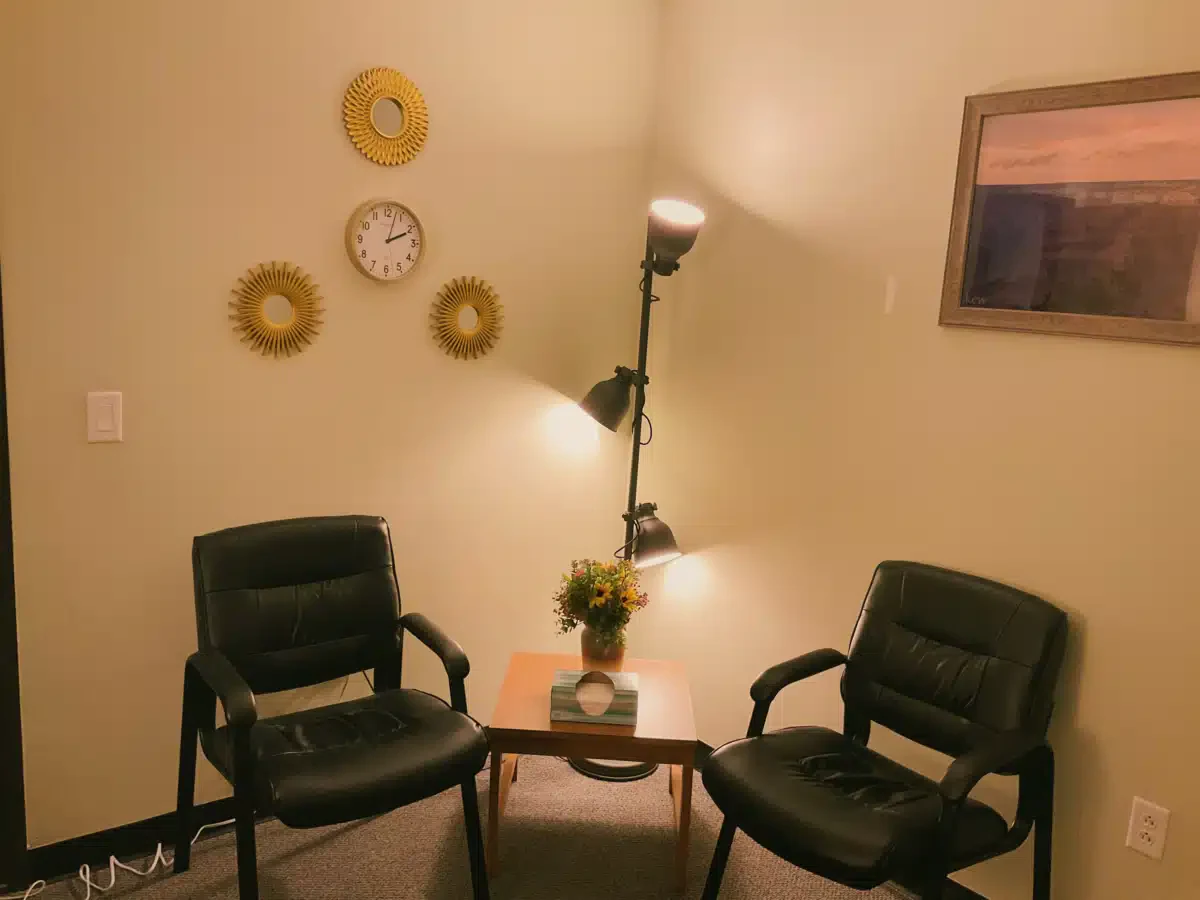
Whitehall CAP Inc., located in Reynoldsburg, OH, delivers comprehensive outpatient services for individuals grappling with substance use disorders. They also provide targeted support for adults facing co-occurring substance use and mental health challenges, as well as for children experiencing emotional disturbances. The program emphasizes regular outpatient care, incorporating strategies such as anger management, brief intervention, and cognitive behavioral therapy. Whitehall CAP Inc. designs personalized treatment plans for adolescents, adult men, and women, serving all genders and age groups from children to adults, with a dedication to superior, client-centered care on the journey to healing.
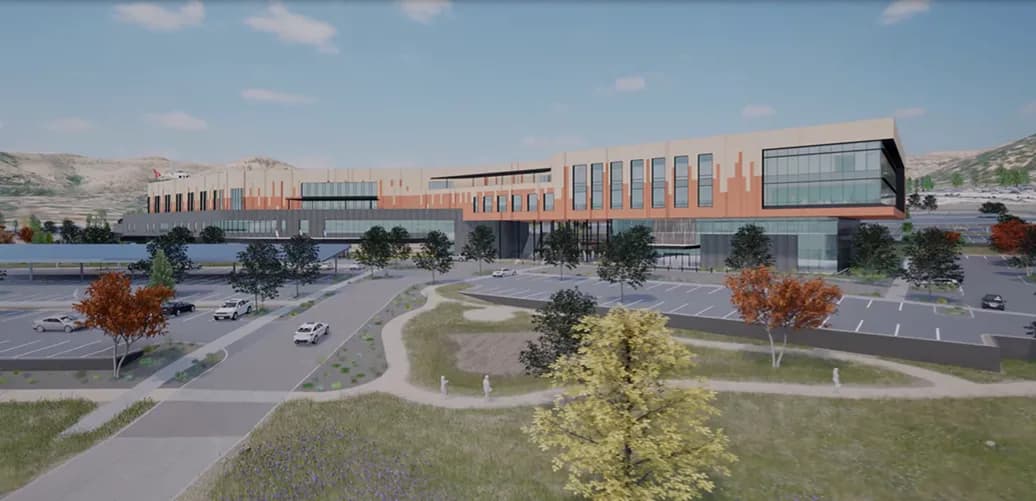
Hospital-based care in Whiteriver, Arizona, combining 24-hour inpatient detoxification with outpatient treatment that includes buprenorphine and naltrexone. Whiteriver Indian Hospital runs programs for pregnant and postpartum women, veterans, military families, people with HIV or AIDS, and clients with co-occurring disorders. Medicare, Medicaid, TRICARE, and IHS/Tribal/Urban funds are among accepted payments.

Whiteside Manor, located in Riverside, CA, provides targeted substance abuse rehabilitation for adult males. The center features a variety of treatment options, including intensive outpatient, long-term residential, and regular outpatient services, all designed to address the unique requirements of each client. Emphasizing 12-step principles, techniques for managing anger, and short-term intervention strategies, this facility focuses on individuals who have faced trauma as well as those dealing with both mental health and substance abuse issues. Catering to adults, seniors, and young adults, Whiteside Manor is committed to delivering excellent care through a professional staff. If you are looking for effective addiction recovery in a nurturing setting, this center provides extensive programs to help you on your journey to healing.

Whitman Walker Clinic/Mental Hlth in Washington, DC provides expert outpatient services for individuals dealing with substance abuse and concurrent severe mental health conditions. The facility employs proven therapeutic methods such as cognitive behavioral therapy and motivational interviewing. Emphasizing care sensitive to past trauma, this center supports individuals living with HIV or AIDS, as well as those with dual diagnoses. Whitman Walker Clinic/Mental Hlth offers outpatient medication-assisted treatment (methadone, buprenorphine, naltrexone) and general outpatient care for adults and young adults across the gender spectrum. Their commitment is to offering thorough, top-tier support for those pursuing recovery.
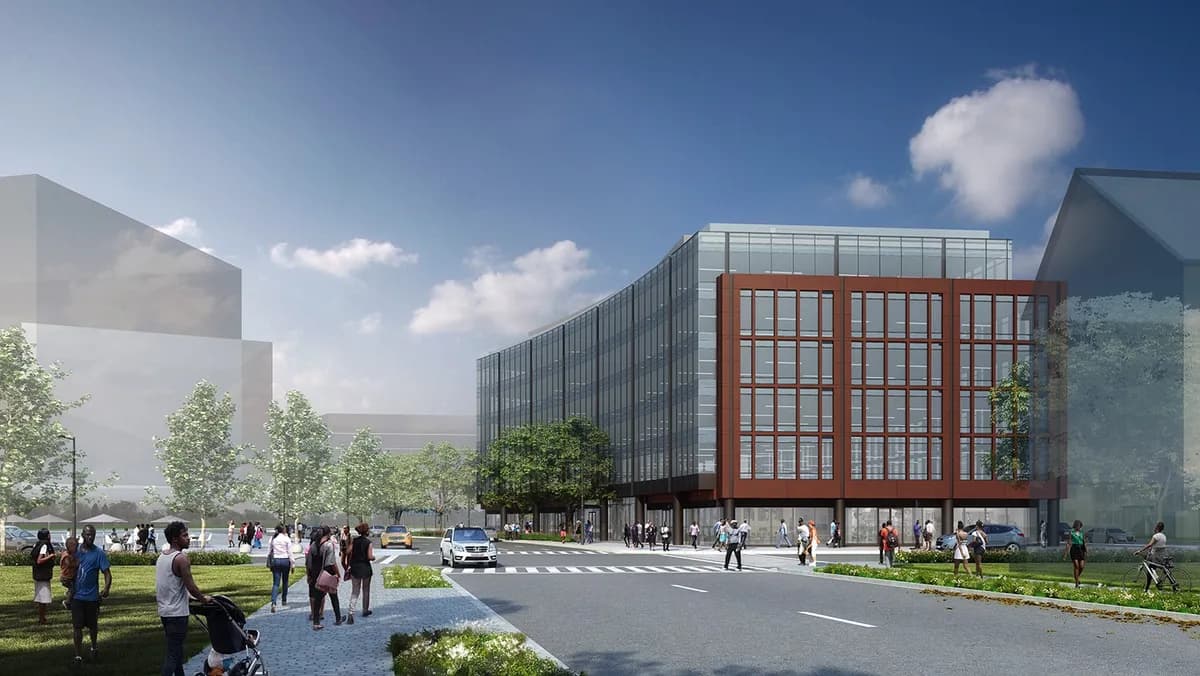
Whitman Walker Health in Washington, DC, provides outpatient substance use treatment with buprenorphine and naltrexone, with programs for clients with HIV or AIDS, co-occurring mental health disorders, and trauma histories. Medicare, Medicaid, TRICARE, and SAMHSA block grants are accepted, and sign language services are available.
The Max Robinson Center at Whitman Walker Health in Washington, DC, delivers outpatient substance use treatment with buprenorphine and naltrexone, focusing on clients with HIV or AIDS, trauma histories, and co-occurring mental disorders. Payment options include Medicaid, Medicare, TRICARE, and SAMHSA block grants. Sign language services are offered.
Situated in Albany, NY, Whitney M Young Jr Health Center Inc specializes in a wide range of substance abuse treatment options. This facility offers intensive outpatient programs, standard outpatient services, and specific outpatient treatments utilizing methadone, buprenorphine, or naltrexone. With methodologies that include 12-step facilitation, brief interventions, and cognitive behavioral therapy, the center addresses the needs of adult men and women, including those who have faced trauma. Catering to both adults and young adults from diverse backgrounds, the center prioritizes personalized care and support. By focusing on high-quality treatment and tailored programs, Whitney M Young Jr Health Center Inc stands as a reliable choice for individuals in need of effective rehabilitation services.
Situated in Albany, NY, the Whitney M Young Jr Health Center Inc specializes in providing comprehensive treatment for substance use disorders. The center offers a range of services, including intensive outpatient programs, standard outpatient care, and treatment options involving methadone, buprenorphine, or naltrexone. Utilizing evidence-based methods like 12-step facilitation, cognitive behavioral therapy, and motivational interviewing, the center emphasizes effective, research-supported techniques. Tailored programs are designed to meet the needs of adult men and women, as well as individuals who have faced trauma. Catering to both adults and young adults of all genders, this facility is committed to delivering individualized support and care for those on their path to recovery.
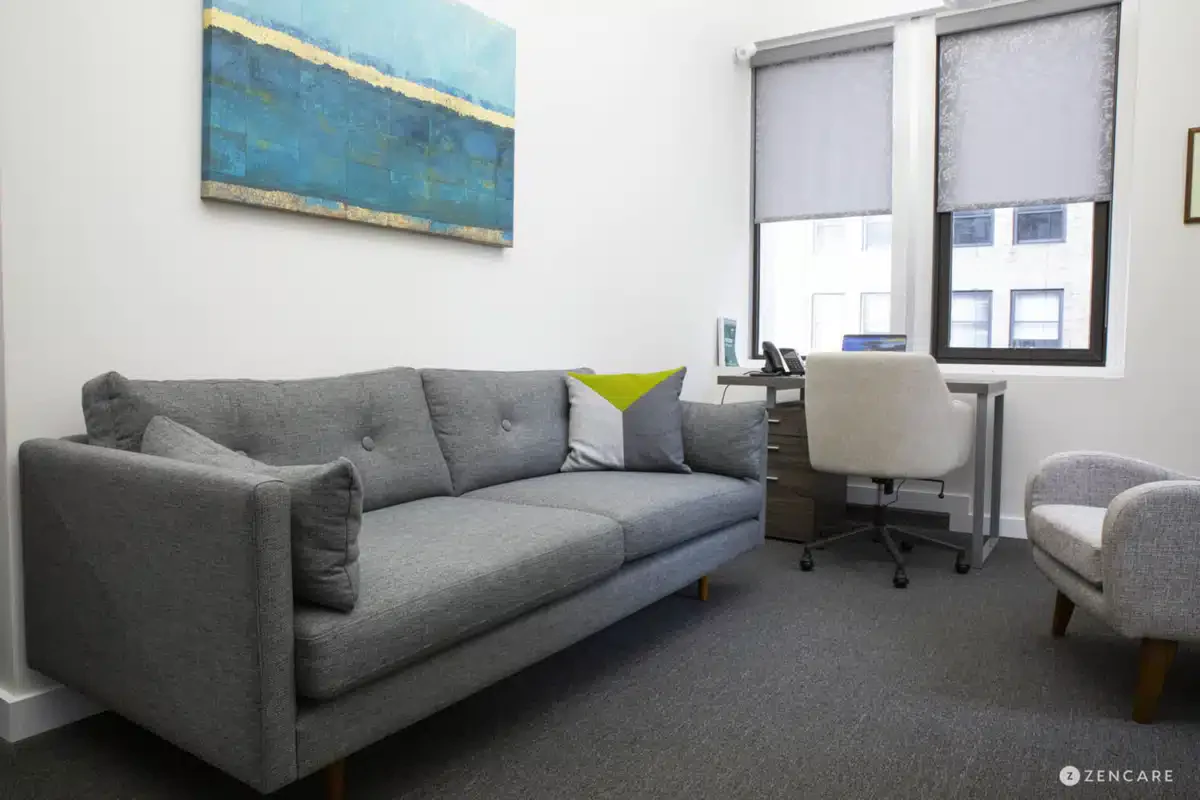
Wholeview Wellness LLC, situated in New York, NY, delivers extensive treatment for adults dealing with substance use issues alongside severe mental health problems or emotional challenges in children. The center specializes in both intensive outpatient and regular outpatient services, offering treatments such as methadone/buprenorphine and naltrexone. It features targeted programs for active military personnel, as well as for adult men and women, addressing a wide range of requirements. With methodologies that include 12-step facilitation, anger management, and brief intervention, the center prioritizes customized support for adults and young adults of every gender. Wholeview Wellness LLC is recognized for its exceptional care and individualized programs that assist people in their recovery journey.
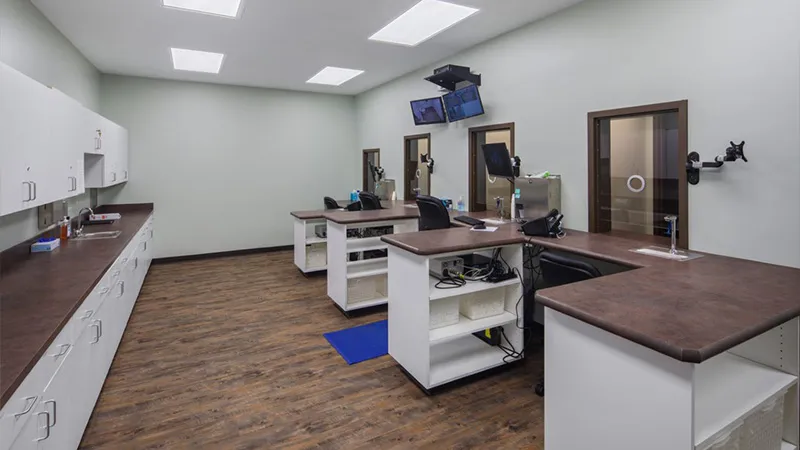
Methadone and buprenorphine treatment for opioid use disorder is the focus of this outpatient center in Wichita, Kansas. Programs serve adult women, pregnant and postpartum women, adult men, criminal justice clients, and people with co-occurring disorders or trauma. Federal funding, Medicare, Medicaid, TRICARE, SAMHSA block grants, and private insurance are accepted.
Situated in Wickenburg, AZ, Wickenburg Health Home provides expert outpatient treatment for substance use tailored for both adults and young adults. The center is particularly adept at assisting those who are grappling with simultaneous mental health issues and substance use disorders. Employing scientifically validated methods, including cognitive behavioral therapy and motivational interviewing, this facility offers extensive care for both male and female patients. Emphasizing short-term interventions and consistent outpatient support, Wickenburg Health Home commits to offering top-tier services designed to cater to the distinct requirements of each person on their path to recovery.
Wicomico Behavioral Health, situated in Salisbury, MD, delivers thorough recovery programs for those struggling with addiction and co-occurring psychological issues. The center offers advanced outpatient treatment, standard outpatient services, and tailored programs for younger individuals, adult men, and adult women. Utilizing strategies like brief intervention, cognitive behavioral therapy, and the Matrix Model, this institution serves both adults and children/adolescents. Wicomico Behavioral Health provides outpatient medication-assisted treatment including methadone/buprenorphine or naltrexone, ensuring personalized care for every client, with a commitment to excellent recovery support for all individuals, regardless of gender, on their path to healing.

Situated in Salisbury, MD, the Wicomico County Health Department provides dedicated treatment programs for substance use specifically designed for both adults and young adults. This center offers a range of outpatient services, such as treatments with methadone or buprenorphine, naltrexone therapy, cognitive behavioral therapy, the Matrix Model, and motivational interviewing. Emphasizing personalized attention, the facility serves adult males and females by creating customized treatment plans that address the unique requirements of each individual. Committed to delivering high-quality care, the center supports all clients on their journey to recovery.

Outpatient substance use treatment in Minneapolis, Minnesota, with intensive and regular levels of care for adults with co-occurring serious mental illness. Programs serve pregnant and postpartum women, veterans, and trauma survivors. Payment options include Medicaid, Medicare, TRICARE, SAMHSA block grants, and a sliding fee scale based on income.

Situated in Wilkes Barre, PA, the Wilkes Barre VA Medical Center provides extensive addiction recovery services aimed at both adults and young adults. This facility focuses on detoxification, treatment for substance use, and addressing co-occurring mental health disorders, offering inpatient care within a hospital setting. Their approach incorporates 12-step facilitation, anger management techniques, and brief interventions. The center features specialized programs for adult men, women, and those who have faced intimate partner violence, ensuring personalized treatment plans for every patient. Committed to delivering exceptional and compassionate care, the Wilkes Barre VA Medical Center strives to support individuals on their journey to overcoming addiction.
This VA outpatient clinic in Wilkes Barre, PA, provides substance use treatment for veterans at regular and intensive outpatient levels, including buprenorphine and naltrexone for opioid or alcohol use disorders. Co-occurring serious mental illness is also treated. Federal military insurance such as TRICARE is accepted, and sign language services are available.
Veterans near Wilkes Barre, PA, receive outpatient and intensive outpatient addiction treatment through this VA clinic, with buprenorphine and naltrexone available for medication-assisted treatment. Adults with co-occurring substance use and serious mental illness are served. TRICARE and federal military insurance cover care, and sign language services are offered.
Frequently Asked Questions
What is standard outpatient addiction treatment?
Who is a good candidate for outpatient treatment?
What services are included in outpatient treatment?
How long does outpatient treatment last?
Can I work while in outpatient treatment?
About Standard Outpatient
Standard outpatient treatment provides addiction counseling and therapy while you maintain normal daily life - living at home, working, attending school, and fulfilling family responsibilities. This flexible approach typically involves 1-9 hours of treatment weekly, offering ongoing support for motivated individuals with stable environments and strong support systems.
Who Succeeds in Outpatient Treatment
Outpatient care works well for:
- Mild to Moderate Addiction: Without severe physical dependence or medical complications
- Completed Detox: If physical dependence existed, safely completed medical withdrawal
- Stable Living Situation: Safe, supportive home environment free from active substance use
- Strong Motivation: Internal commitment to recovery and willingness to engage fully in treatment
- Support System: Family, friends, or community supporting recovery
- Step-Down Care: Transitioning from higher levels after stabilization in residential or IOP
Outpatient Services and Approaches
Programs typically offer individual counseling using evidence-based approaches like CBT or Motivational Interviewing, group therapy for peer support and skill development, family therapy addressing relationships and communication, relapse prevention education and planning, referrals to AA/NA or other support groups, case management coordinating care, and medication management if applicable.
Flexibility and Real-World Practice
Outpatient treatment's primary advantage is maintaining life responsibilities while receiving care. You practice recovery skills in real-world situations immediately, maintain employment and income, stay connected with supportive family and friends, and integrate recovery into daily life rather than being removed from it. Sessions schedule around work and family commitments, often evenings or weekends.
Long-Term Maintenance Care
Outpatient treatment continues as long as beneficial, often 6-12 months or longer. Frequency may decrease gradually as stability increases. Many people maintain some level of outpatient therapy for years as relapse prevention and ongoing support. There's no predetermined endpoint - treatment continues while providing value, supporting growth, and preventing relapse.
Outpatient treatment resources:
Other Levels of Care
Browse standard outpatient programs in states with the most treatment options.
Related conditions, treatment approaches, and levels of care.
Need immediate help? Call SAMHSA: 1-800-662-4357 (24/7, free)