
Online Addiction Treatment & Telehealth Rehab Services
Telehealth addiction treatment brings counseling, therapy, and recovery support directly to you via secure video platforms. Online treatment offers convenience, accessibility, and privacy for those unable to attend in-person programs due to location, mobility, scheduling, or other barriers.
Found 11,273 telehealth services treatment centers across the United States.
Need Help Finding the Right Treatment Center?
Speak with a compassionate specialist now - 100% free & confidential
Showing 20 of 11273 results

Situated in Spokane, WA, Spokane Addiction Recovery Centers delivers extensive substance abuse treatment specifically designed for adult women in a nurturing and secure atmosphere. This center focuses on providing tailored support for individuals facing co-occurring mental health issues using proven methods such as cognitive behavioral therapy and motivational interviewing. Offering both residential and short-term residential options, the facility serves adults, seniors, and young adults who are in pursuit of effective treatment. With distinctive programs aimed at women and those dealing with integrated disorders, Spokane Addiction Recovery Centers stands out as an excellent option for individuals aiming to conquer addiction and enhance their mental well-being.
Spokane Addiction Recovery Centers, situated in Spokane, WA, offers dedicated therapeutic services for individuals grappling with addiction and concurrent mental health conditions. This establishment features both long-term and brief residential care options, specifically designed to meet the needs of adult men facing co-occurring disorders. Their approach incorporates proven methodologies such as 12-step support, cognitive behavioral therapy, and motivational interviewing to provide complete assistance for those pursuing sobriety. Serving adults, older individuals, and younger adults, this program is structured to address the distinct requirements of its male clientele. Spokane Addiction Recovery Centers is committed to delivering exceptional care through scientifically validated methods, positioning it as a premier resource for individuals confronting addiction and psychological health concerns.

Spokane Comprehensive Treatment Center in Spokane, Washington, is an outpatient opioid treatment program using methadone and buprenorphine for adults and seniors. Programs serve pregnant and postpartum women and veterans. Medicare, Medicaid, TRICARE, SAMHSA block grant funding, and a sliding fee scale based on income are accepted, with sign language services available.

Spokane Falls Recovery Center, situated in Spokane, WA, specializes in extended residential care for addiction and chemical dependency. Their treatment strategies encompass a variety of methods, such as 12-step integration and techniques for managing anger. They cater to adults and young adults across all gender identities, offering personalized support. The center's dedication to a unique treatment path for each individual is a key feature, guaranteeing that care plans are specifically designed for every client's particular circumstances. For those requiring inpatient detox or round-the-clock supervision, Spokane Falls Recovery Center delivers effective, research-supported therapy.
Spokane Falls Recovery Center, situated in Spokane, WA, provides a spectrum of care including intensive outpatient, standard outpatient, and day treatment programs for individuals battling substance use disorders. Their expertise lies in 12-step facilitation, anger management, and brief intervention, crafting personalized treatment plans for adult men and women, as well as young adults. Dedicated to a tailored approach, the center prioritizes effective treatment through customized strategies. For those needing outpatient services or partial hospitalization, Spokane Falls Recovery Center offers robust support to facilitate their recovery. The center distinguishes itself with its dedication to personalized care and the application of proven methods in addiction rehabilitation.

Situated in Spokane, WA, the Spokane Regional Health District provides an extensive array of outpatient treatment options for substance use disorders aimed at both adults and young adults. The center focuses on addressing co-occurring substance use issues in conjunction with significant mental health challenges or emotional difficulties. Patients can benefit from personalized interventions such as cognitive behavioral therapy and motivational incentives. With specific programs designed for adult men, women, and those with dual diagnoses, the facility guarantees customized care tailored to different genders and age demographics. Individuals seeking outpatient services, whether for methadone/buprenorphine or general outpatient care, can anticipate receiving high-quality, evidence-supported treatment at this center.

Spokane Treatment and Recovery Service, situated in Spokane, WA, provides extensive long-term residential care for adult women battling substance use disorders. The center focuses on dual diagnoses of substance use and significant emotional challenges in children. Employing proven therapeutic methods like 12-step facilitation, anger management, and cognitive behavioral therapy, they deliver personalized support to individuals impacted by intimate partner violence, domestic abuse, and sexual trauma. Serving adults, older adults, and young adults, this center is committed to offering excellent care and encouragement to women on their journey toward recovery and well-being.
Situated in Wellpinit, WA, the Spokane Tribe Behavioral Health Prog specializes in outpatient care for adults facing substance use challenges, as well as serious mental health disorders and emotional issues in children. The center employs a range of treatment modalities, including 12-step programs, cognitive behavioral therapy, and brief intervention strategies. Committed to providing individualized attention, the facility serves adults and senior individuals of all genders. It offers outpatient treatments such as methadone/buprenorphine or naltrexone, ensuring a thorough and customized recovery process. For those in need of effective addiction support with a personal approach, this center is devoted to helping you on your path to health and recovery.
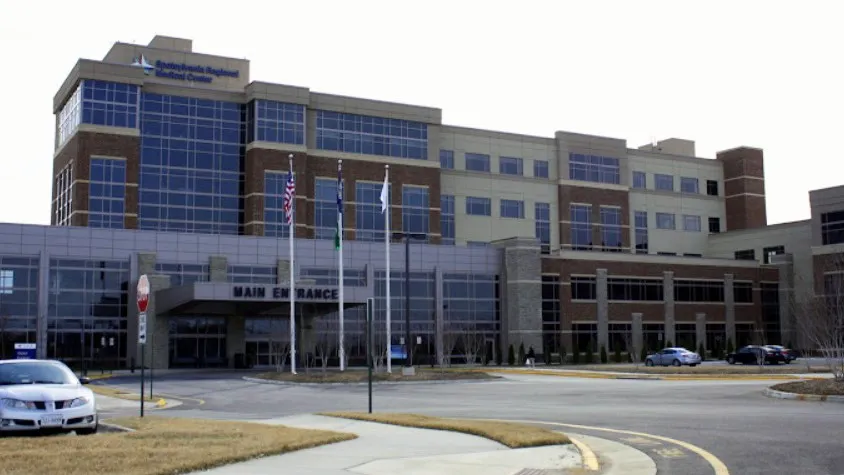
Spotsylvania Regional Medical Center in Fredericksburg, Virginia, provides hospital inpatient detoxification and inpatient treatment for substance use disorders in adults, with buprenorphine and naltrexone used in care. Programs serve pregnant women, veterans, military members, and clients with co-occurring conditions. Medicare, Medicaid, and TRICARE are accepted, with sign language services available.

Spring Gardens Recovery, situated in Spring Hill, FL, delivers a full spectrum of recovery support for adults and young adults facing addiction and co-occurring mental health issues. They provide inpatient detox, continuous residential support, and brief residential stays, all customized for each person's unique situation. Utilizing proven techniques like cognitive behavioral therapy and anger management, the center also features specific offerings for military members, adult men, and adult women. Committed to excellent care within a nurturing setting, Spring Gardens Recovery aims to guide individuals toward sustained healing and enhanced mental wellness.

Nestled in Ashby, MA, Spring Hill Recovery Center delivers thorough addiction treatment for adults and young adults within a nurturing setting. This establishment features long-term and short-term residential care, specifically designed for those managing both addiction and significant mental health challenges. Offering distinct tracks for active-duty military personnel, adult men, and adult women, the center emphasizes 12-step principles, emotional regulation techniques, and concise intervention strategies. Catering to both male and female individuals, Spring Hill Recovery Center is committed to providing exceptional, personalized care aimed at fostering enduring recovery.

Spring Hill Wellness New York LLC, situated in Brooklyn, NY, specializes in providing extensive services for substance use recovery. The facility offers detox and intensive outpatient programs designed to cater to the unique needs of adults and young adults. By employing methods like 12-step facilitation and anger management, Spring Hill prioritizes a personalized recovery experience. The center also incorporates brief interventions for clients of all genders. With day outpatient treatment options available, Spring Hill Wellness New York LLC is committed to offering exceptional, gender-sensitive support to assist individuals on their journey to healing.

Outpatient day treatment, partial hospitalization, and intensive outpatient programs are offered in High Point, North Carolina, for adults and seniors with substance use disorders. Buprenorphine and naltrexone are used in treatment. Payment is limited to Medicaid and state-financed health insurance plans other than Medicaid.

Outpatient day treatment, partial hospitalization, intensive outpatient, and regular outpatient care for substance use disorders are offered in Winston Salem, North Carolina. Buprenorphine and naltrexone are used in treatment. Adults and seniors are served. Payment is limited to Medicaid and state-financed health plans other than Medicaid.

Partial hospitalization, intensive outpatient, and regular outpatient substance use treatment in Kinston, North Carolina, with buprenorphine and naltrexone available. Spring Life Behavioral Care LLC runs programs for pregnant and postpartum women, veterans, military families, and criminal justice clients, accepting Medicaid and state-financed insurance plans.

Substance use treatment in Roanoke Rapids, North Carolina, at the partial hospitalization, intensive outpatient, and regular outpatient levels. Spring Life Behavioral Care LLC offers buprenorphine and naltrexone, serves veterans, pregnant women, and criminal justice clients, and accepts Medicaid and state-financed insurance other than Medicaid.

Day treatment, intensive outpatient, and regular outpatient addiction care in Ahoskie, North Carolina, with buprenorphine and naltrexone available. Spring Life Behavioral Care LLC serves veterans, pregnant and postpartum women, trauma survivors, and criminal justice clients, and accepts Medicaid plus state-financed insurance other than Medicaid.

Adults in Plymouth, North Carolina, can choose between partial hospitalization, intensive outpatient, and regular outpatient treatment at Spring Life Behavioral Care LLC, where buprenorphine and naltrexone are used. Programs serve veterans, pregnant women, and trauma survivors, with Medicaid and state-financed insurance accepted.

Partial hospitalization and intensive outpatient programs in Elizabeth City, North Carolina, with buprenorphine and naltrexone used in treatment. Spring Life Behavioral Care LLC serves veterans, military families, pregnant and postpartum women, and criminal justice clients, accepting Medicaid and state-financed insurance other than Medicaid.

Situated in Columbus, KS, Spring River MH and Wellness functions as an all-encompassing rehabilitation center that provides outpatient services for adults dealing with substance abuse and complex mental health issues, as well as serious emotional challenges in children. The center emphasizes techniques such as anger management, brief interventions, and cognitive behavioral therapy. Catering to a broad spectrum of clients, it offers customized programs for adolescents, men, and women adults. By serving both adults and youth of every gender, Spring River MH and Wellness is committed to delivering effective treatment centered around personalized care and proven methods.
Frequently Asked Questions
What is telehealth addiction treatment?
Is telehealth addiction treatment effective?
What are advantages of telehealth treatment?
What are limitations of telehealth for addiction?
Does insurance cover telehealth addiction treatment?
About Telehealth Services
Telehealth addiction treatment delivers professional counseling, therapy, and recovery support remotely via secure video platforms, phone, or messaging applications. The COVID-19 pandemic accelerated telehealth adoption, with research now demonstrating effectiveness comparable to in-person treatment for appropriately selected individuals. Telehealth increases access, reduces barriers, and provides convenient, private addiction care.
Telehealth Services Available
Remote addiction treatment can include:
- Individual Therapy: One-on-one video counseling sessions with licensed therapists
- Group Therapy: Virtual group sessions using video conferencing for peer support and skills training
- Psychiatric Services: Medication management, psychiatric evaluation via telehealth
- Case Management: Care coordination, resource connection, discharge planning remotely
- Support Groups: Online 12-step meetings, SMART Recovery, and peer support
- Family Therapy: Virtual family sessions from separate locations if needed
Effectiveness and Research
Growing research demonstrates telehealth effectiveness for addiction treatment. Studies show comparable outcomes to in-person care regarding treatment engagement, retention rates, abstinence outcomes, and patient satisfaction. Telehealth works particularly well for continuing care, relapse prevention, medication management, and individuals with appropriate clinical severity (mild to moderate cases without complex medical/psychiatric needs requiring in-person care).
Advantages of Telehealth
Remote treatment eliminates geographic barriers (rural areas, lack of local providers), transportation obstacles (disability, no vehicle, distance), scheduling conflicts (flexible hours including evenings/weekends), privacy concerns (anonymous from home), stigma worries (no one knows you're attending), pandemic safety, continuity when relocating, and social anxiety about in-person groups. Telehealth democratizes access to quality addiction treatment.
Limitations and Considerations
Telehealth cannot provide medical detox or 24/7 supervision, may be less effective for severe addiction requiring intensive structure, requires stable housing and reliable internet, presents challenges for crisis management, may involve home environment distractions, and depends on individual comfort with technology. Telehealth works best for stable, motivated individuals with appropriate clinical severity and supportive home environments.
Hybrid Models
Many programs now offer hybrid approaches combining in-person and telehealth services. Some require periodic in-person assessments with telehealth sessions between. Others allow clients to choose per session. Hybrid models provide flexibility while maintaining some in-person connection. Insurance coverage and state licensing regulations influence available options.
Telehealth treatment resources:
Other Levels of Care
Browse telehealth services programs in states with the most treatment options.
Related conditions, treatment approaches, and levels of care.
Need immediate help? Call SAMHSA: 1-800-662-4357 (24/7, free)