
Art & Music Therapy Treatment Centers
Art and music therapy use creative expression to help process emotions, reduce stress, and develop healthy coping mechanisms in addiction recovery. Creative therapies access feelings and experiences that may be difficult to verbalize.
Found 300 treatment centers offering art & music therapy across the United States.
Need Help Finding the Right Treatment Center?
Speak with a compassionate specialist now - 100% free & confidential
Showing 21 of 300 results

1 Method in Los Angeles, CA offers residential detoxification and short-term and long-term residential substance use treatment, with programs for veterans and active duty military. Buprenorphine and naltrexone are used in treatment. TRICARE, private insurance, self-pay, and a sliding fee scale are accepted.

1 Method Center in Los Angeles, California provides residential detoxification plus short-term and long-term residential substance use treatment for young adults, adults, and seniors, with programs for veterans and active duty military. Buprenorphine and naltrexone are used in treatment. Payment options include TRICARE, private insurance, and a sliding fee scale.
Nestled in Warren, AR, the 10th District Substance Abuse Program delivers extensive support for individuals battling substance use. Their offerings include structured intensive outpatient services, day treatment, and partial hospitalization. Employing strategies like 12-step integration, anger management, and brief intervention, the center accommodates adult men and women, even those facing dual diagnoses of mental health and substance use challenges. The program also provides supportive housing and sober living environments for adults and young adults. With dedicated tracks for male and female participants, this center is committed to delivering exceptional care and personalized recovery pathways.
Methadone, buprenorphine, and naltrexone support outpatient detox and opioid treatment at this Milwaukee, WI, clinic operated by Milwaukee Health Services System LLC. A program for pregnant and postpartum women is offered alongside care for co-occurring disorders. Medicare, Medicaid, and state-financed plans are accepted, with Spanish-language services.

12 South Recovery in Lake Forest, CA delivers outpatient day treatment, intensive outpatient, and medication-based care with buprenorphine and naltrexone. Programs serve veterans, military families, pregnant women, forensic clients, and people with HIV or trauma histories. TRICARE, tribal funds, private insurance, and state-financed plans are accepted.
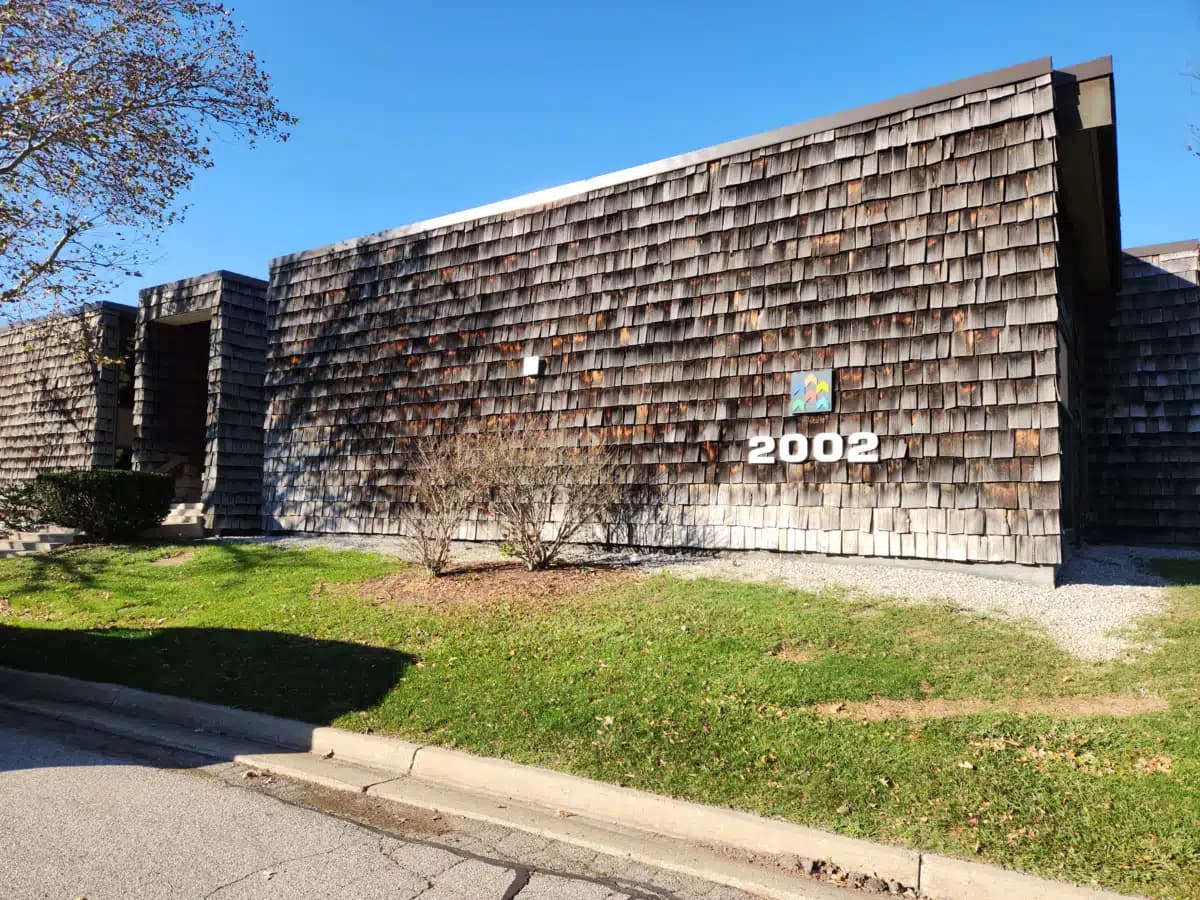
1st Step Referral Services in Ann Arbor, MI, provides accessible outpatient care for adults and youth struggling with addiction and dual diagnoses. Their therapeutic offerings encompass anger management, preventative interventions, and cognitive behavioral therapy. This center is equipped to serve specific populations, including military personnel, teenagers, and adult males. Catering to adults and older individuals of any gender, 1st Step Referral Services is committed to delivering personalized support designed for a wide range of requirements. The dedication to high-quality, customized treatment options positions 1st Step Referral Services as a leading provider for individuals in pursuit of recovery from substance abuse and mental health challenges.
Operating as Trost Health New Jersey, this Freehold, New Jersey center provides intensive and regular outpatient substance use treatment with naltrexone used in care. It treats adults with co-occurring mental health disorders and serves young adults, women, men, and older adults. Private health insurance is accepted.
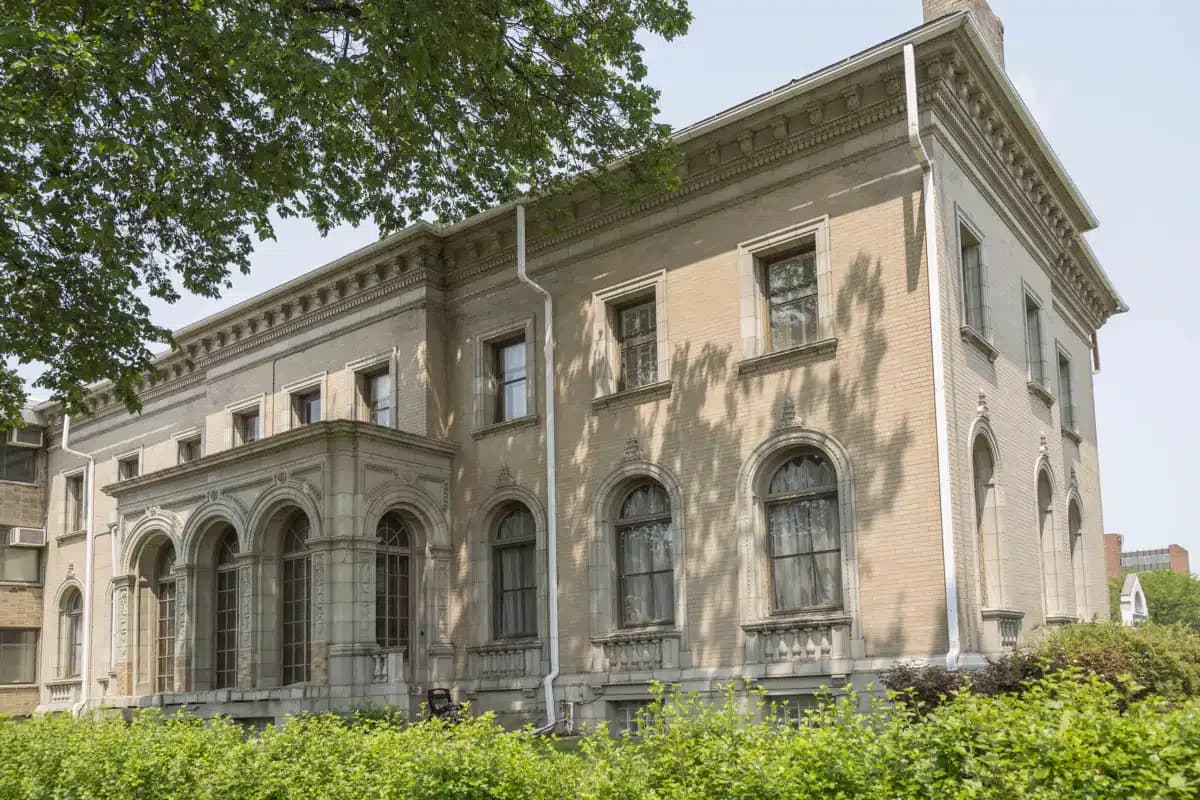
Situated in Minneapolis, MN, the 2118 NUWAY Counseling Center specializes in treating substance use disorders in adults facing significant mental health challenges, as well as emotional issues in children. The center features intensive outpatient and standard outpatient services that employ proven methods like 12-step support, anger management, and short-term interventions. Customized programs cater to adult men, adult women, and individuals who have encountered trauma. This facility serves adults and young adults across all genders, providing tailored support to aid individuals in their recovery journey. Committed to excellence and specialized care, the 2118 NUWAY Counseling Center stands as a guiding light for those in need of effective rehabilitation solutions.
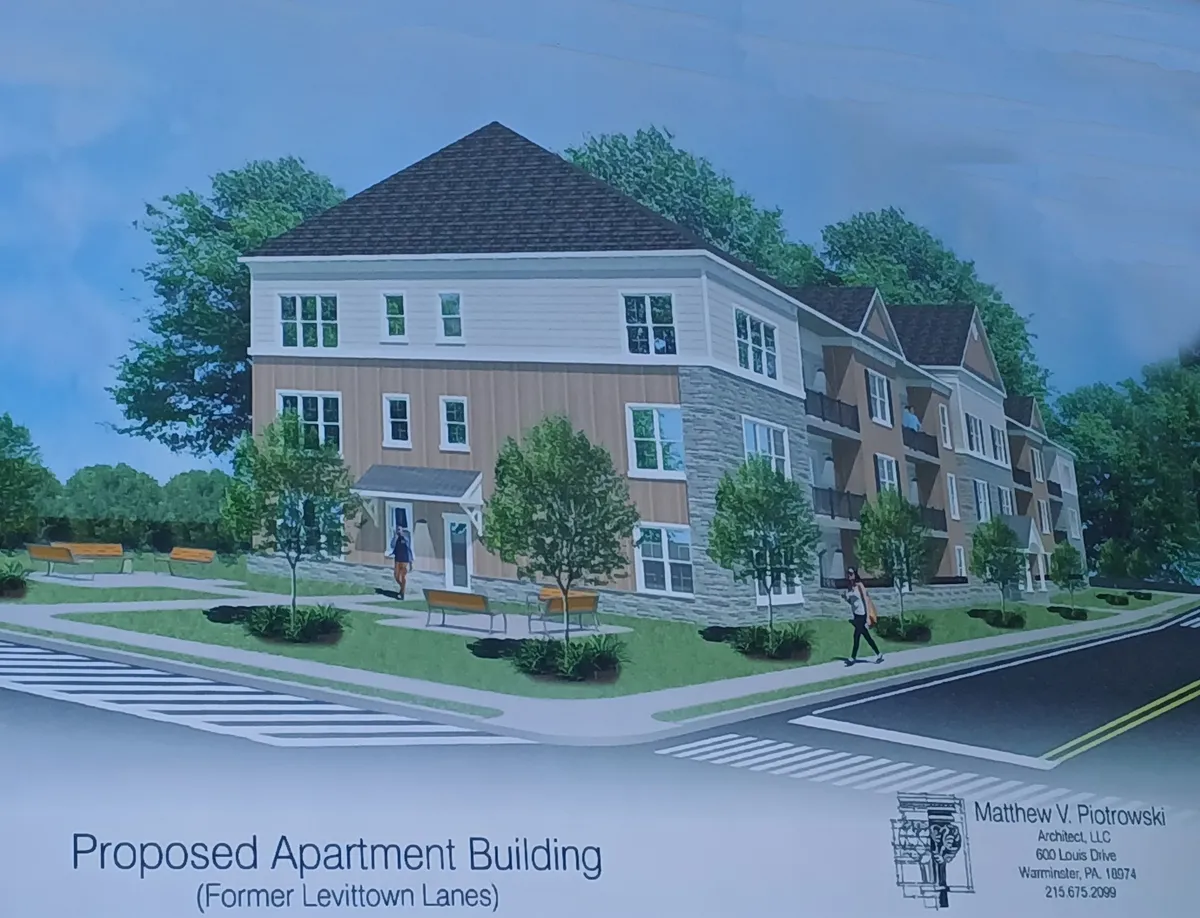
Operating as Hillside Wellness Center in Levittown, PA, this facility offers short-term and long-term residential substance use treatment for adults with co-occurring serious mental illness. Programming covers pregnant and postpartum women, trauma survivors, and domestic violence survivors, with buprenorphine and naltrexone available. Payment is through private insurance or self-pay.
228 COE House, located in Framingham, MA, provides extended residential care for adults facing substance use challenges alongside serious mental health concerns, as well as addressing significant emotional disturbances in children. The center emphasizes a variety of therapeutic approaches, including 12-step programs, brief interventions, and cognitive behavioral methods, ensuring a personalized path to recovery. Tailored initiatives are available for adult women, those who have encountered domestic violence or trauma, and individuals across all ages, from seniors to young adults. Dedicated to maintaining a secure and nurturing atmosphere, 228 COE House focuses on delivering exceptional treatment specifically designed for female clients through an all-encompassing rehabilitation program.
Outpatient addiction treatment with buprenorphine or naltrexone, including an intensive outpatient track, is provided by 2nd Chance in Lexington, Kentucky. The program treats young adults, adults, and seniors. Medicare, Medicaid, private insurance, and self-payment are accepted forms of payment.
2nd Chance Mental Health Center, located in Port Saint Lucie, FL, offers both intensive outpatient and outpatient services aimed at helping adults and children deal with substance abuse and co-occurring mental health disorders. The center specializes in supporting clients with dual diagnoses through tailored programs. Utilizing a variety of evidence-based techniques, such as cognitive behavioral therapy, anger management, and brief interventions, this facility is committed to providing high-quality care. Catering to individuals of all genders, including young adults, 2nd Chance Mental Health Center is focused on guiding people on their journey to recovery. For those seeking holistic treatment that addresses both addiction and mental health issues, this center is dedicated to assisting you in achieving wellness.

2nd Chance Treatment Center, located in Gilbert, AZ, provides a wide range of outpatient services aimed at helping individuals recover from substance use disorders alongside mental health issues. The center emphasizes techniques such as brief intervention, cognitive behavioral therapy, and motivational interviewing. Programs are specifically designed for various groups, including active duty service members, adolescents, and adult males. Personalized treatment strategies are crafted for adults, children or adolescents, and young adults, with programs tailored for different genders. The center offers services like detoxification, outpatient treatment for substance use, and medications such as methadone, buprenorphine, or naltrexone. Discover compassionate and effective support at 2nd Chance Treatment Center.
2nd Chance Treatment Center in Litchfield Park, AZ, provides extensive outpatient care for those pursuing freedom from addiction. Their expertise includes detox, addiction treatment, and addressing co-occurring mental health issues in adults, alongside emotional challenges in younger individuals. Employing techniques like motivational interviewing, relapse prevention, and counseling for substance use disorders, they craft personalized recovery paths. With dedicated programs for active military, teens, and adult men, 2nd Chance Treatment Center serves a wide spectrum of clients. They welcome adults and youth of all genders, committed to delivering excellent support and care throughout the sobriety process.
2nd Chance Treatment Center in Phoenix, AZ, provides extensive outpatient care for those pursuing freedom from addiction and related mental health challenges. The center features tailored programs for current military members, teenagers, and adult men, welcoming adults and young adults of any gender. Employing proven techniques such as cognitive behavioral therapy and motivational interviewing, the center is committed to delivering superior support customized for each person's unique journey. Offering services from detox to ongoing outpatient care and medication-assisted treatment (methadone, buprenorphine, or naltrexone), 2nd Chance Treatment Center is devoted to guiding clients toward enduring recovery and overall well-being.
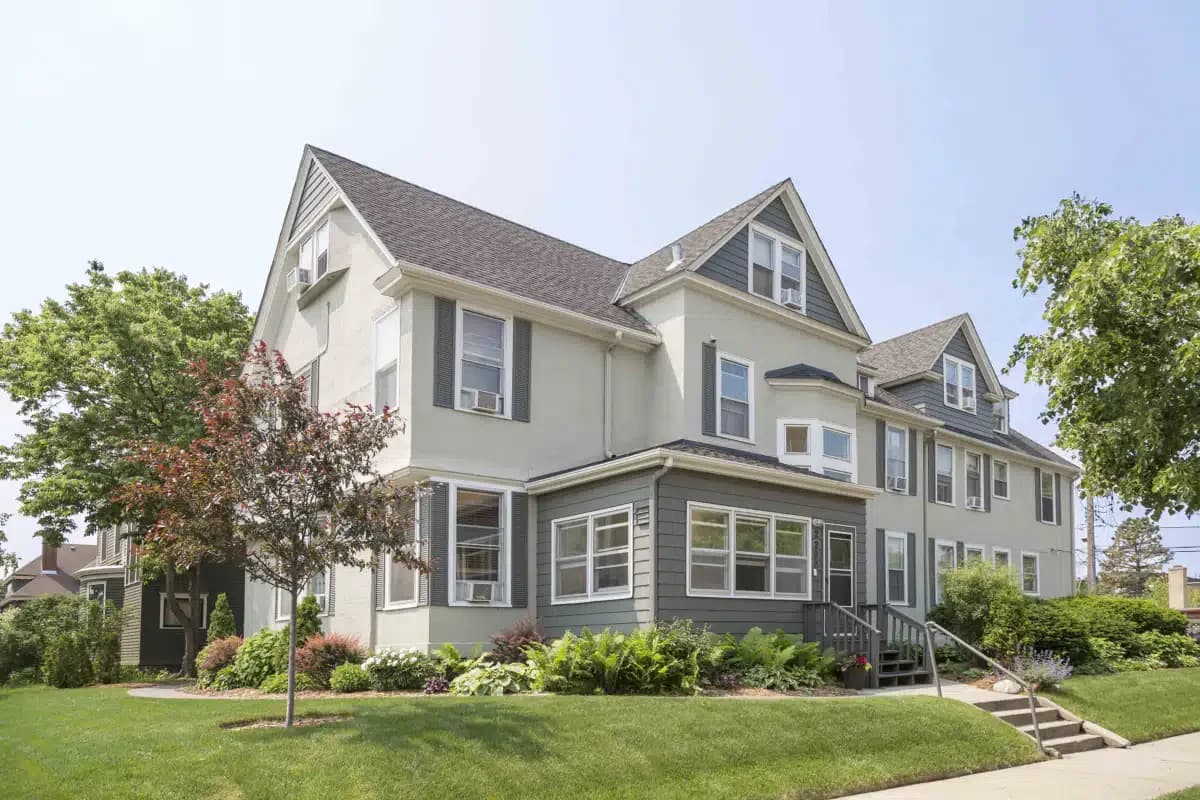
Situated in Minneapolis, MN, the 3Rs NUWAY Counseling Center specializes in thorough substance use rehabilitation along with focused support for those grappling with significant mental health challenges or emotional issues. The center features both intensive outpatient and outpatient treatment options, employing methods like 12-step facilitation, anger management, and short intervention techniques. Custom programs are designed for adult males, adult females, and individuals who have faced trauma. Catering to adults and young adults of all genders, this center prioritizes providing exceptional, personalized care aimed at fostering recovery and promoting sustainable wellness.
4 2 Restore LLC, situated in Baltimore, MD, specializes in providing rehabilitation services tailored for adult men facing challenges with substance use disorders. The center offers various treatment options, including long-term and short-term residential programs, along with transitional housing, all supported by continuous care around the clock. The therapeutic approach integrates evidence-based practices such as 12-step facilitation, brief interventions, and cognitive behavioral therapy to deliver holistic support. Focusing on the specific requirements of adult men and seniors, this center is committed to delivering personalized and high-quality care. 4 2 Restore LLC is devoted to assisting clients in achieving sustainable recovery outcomes.
4 2 Restore LLC, located in Windsor Mill, MD, delivers thorough recovery support for adults and older individuals facing addiction and concurrent mental health challenges. The center offers inpatient medical detox and comprehensive treatment, featuring tailored care for adult men, adult women, and those with dual diagnoses. Their methods incorporate anger management techniques, short-term counseling, and cognitive behavioral therapy for a complete healing experience. Prioritizing excellent service and personalized care strategies, 4 2 Restore LLC serves both male and female patients, committed to aiding their path to sustained sobriety and psychological health.
Outpatient detoxification and treatment with buprenorphine and naltrexone are provided by 406 Recovery in Bozeman, Montana, including care for adults with co-occurring serious mental illness. Programs serve adult women and men and clients with trauma histories. Medicare, Medicaid, TRICARE, and federal government funding are accepted.
Regular and intensive outpatient substance use treatment is offered in Abilene, Kansas, by 409 Addiction Treatment Inc for young adults, adults, and seniors. Federal government funding and Medicaid are accepted alongside cash or self-payment, and a sliding fee scale adjusts charges based on income and other factors.
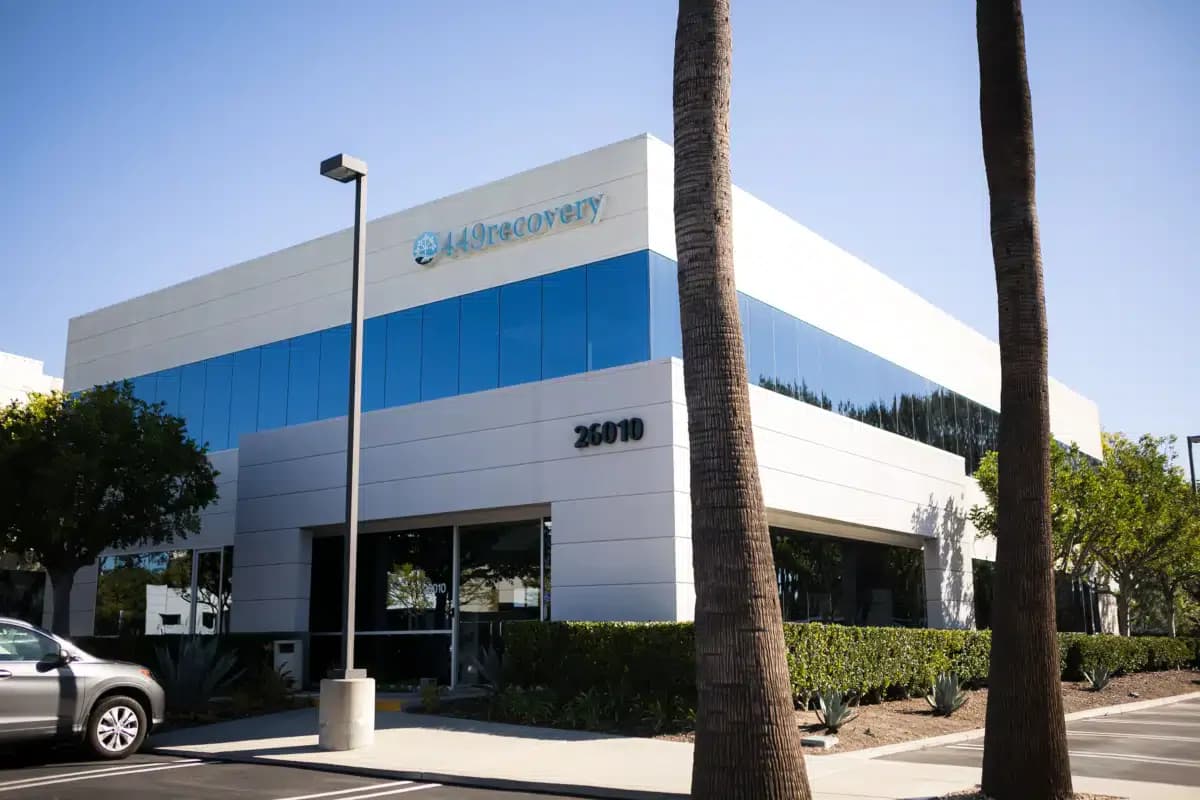
Situated in Mission Viejo, California, 449 Recovery is dedicated to providing tailored substance abuse treatment for adults facing significant mental health challenges or emotional issues in children. This center features intensive outpatient programs, day treatment services, and partial hospitalization options. Emphasizing approaches such as 12-step support, anger management, and brief interventions, it serves both men and women, including clients who have undergone intimate partner or domestic violence. With a commitment to delivering personalized care, this facility offers a supportive atmosphere for adults and adolescents pursuing holistic rehabilitation solutions.
Frequently Asked Questions
What is art and music therapy in addiction treatment?
Do I need artistic talent for art/music therapy?
What activities are involved in creative therapies?
How do creative therapies help addiction recovery?
Can art/music therapy replace traditional therapy?
About Art & Music Therapy
Art and music therapy use creative expression as therapeutic tools in addiction recovery. Facilitated by credentialed therapists (Board Certified Art Therapists, Board Certified Music Therapists), these approaches help individuals process emotions, reduce stress, develop coping skills, explore identity, and heal from trauma. Creative therapies access feelings and experiences often difficult to express verbally, providing alternative pathways to healing.
Art Therapy in Addiction Treatment
Art therapy uses creative processes - painting, drawing, sculpture, collage, and other media - to explore emotions, experiences, and issues related to addiction. Creating art externalizes internal experiences, making them visible and manageable. Art therapists help clients understand meanings in their artwork, process difficult emotions, develop self-awareness, and build healthier coping mechanisms replacing substance use.
Music Therapy Benefits
Music therapy in addiction recovery includes:
- Songwriting: Creating lyrics and music expressing recovery journey
- Music-Assisted Relaxation: Reducing stress and anxiety through guided music experiences
- Improvisation: Spontaneous musical expression promoting emotional release
- Lyric Analysis: Exploring meaningful songs relating to recovery themes
- Group Music Making: Building social skills and community through shared musical experiences
Therapeutic Benefits
Creative therapies provide healthy emotional outlets reducing need for substance-based coping. They build self-esteem through creative accomplishment, process trauma non-verbally when words fail, develop mindfulness and present-moment awareness, foster social connection in group settings, offer positive activities replacing substance use, and access unconscious material bypassing intellectual defenses. Many find creative expression profoundly healing.
No Talent Required
Creative therapies focus on process, not product. Artistic skill, musical talent, or previous experience aren't necessary. Therapists create safe, non-judgmental environments where everyone can participate. The goal is self-expression, exploration, and healing - not creating gallery-quality art or concert performances. What matters is your willingness to engage creatively, not your technical ability.
Integration in Treatment
Creative therapies complement evidence-based treatments like CBT, DBT, and individual counseling. Many comprehensive treatment programs integrate art and music therapy into schedules, recognizing that addressing addiction from multiple angles - cognitive, emotional, creative, social - provides most robust support for recovery.
Creative therapy resources:
Related Treatment Methods
Browse by Condition
Browse art & music therapy programs in states with the most treatment options.
Related conditions, treatment approaches, and levels of care.
Need immediate help? Call SAMHSA: 1-800-662-4357 (24/7, free)