
Suboxone Clinic Near You: Buprenorphine Treatment for Opioid Addiction
Find a Suboxone clinic near you. Buprenorphine — sold under brand names Suboxone, Sublocade, Subutex, Zubsolv, and Brixadi — is the most-prescribed MAT for opioid use disorder. It is a partial mu-opioid agonist with a ceiling effect that dramatically reduces overdose risk vs. methadone. After the MAT Act of 2023 eliminated the X-waiver requirement, any licensed prescriber can prescribe buprenorphine in office-based settings (OBOT), via telehealth, or at retail pharmacies. Buprenorphine is a Schedule III controlled substance and is covered by Medicaid in all 50 states.
Found 7,094 treatment centers offering buprenorphine (suboxone) across the United States.
Need Help Finding the Right Treatment Center?
Speak with a compassionate specialist now - 100% free & confidential
Showing 21 of 7094 results
Central Mass Clinical Associates Inc. in Worcester, MA, provides targeted recovery support for individuals of all ages grappling with addiction and co-occurring psychological conditions. Their approach emphasizes intensive outpatient and standard outpatient care, along with medication-assisted treatment options such as methadone, buprenorphine, or naltrexone. Through tailored strategies like 12-step integration, anger management, and brief intervention techniques, the center ensures personalized care plans. They also offer specialized programs for teens, survivors of domestic violence, intimate partner violence, and sexual assault. Open to adults, seniors, and young adults across the gender spectrum, Central Mass Clinical Associates Inc. delivers thorough and empathetic assistance for addiction recovery.

Central Ozarks Medical Center in Richland, MO, provides a comprehensive outpatient program addressing substance use disorders and dual diagnoses in adults, alongside emotional health concerns for children. Their therapeutic offerings encompass 12-step facilitation, anger management, and short-term counseling. They also feature distinct programs designed for active military members, young people, and adult men. Catering to a broad demographic of adults and older adults across all genders, the center offers various outpatient care options, including medication-assisted treatment with methadone or buprenorphine. Dedicated to delivering high-quality, individualized care, this institution guides individuals toward lasting recovery.

Central Texas VA Healthcare, located in Austin, TX, delivers extensive rehabilitation programs designed for adults and young adults confronting substance abuse and co-occurring mental health challenges. Their services include intensive outpatient care, outpatient detox, and an array of proven therapeutic methods like 12-step facilitation and anger management. They also offer specialized support for those who have undergone trauma, intimate partner violence, sexual abuse, or domestic violence. Prioritizing high-quality, personalized care, this center serves male and female individuals pursuing healing and assistance within a secure and welcoming setting.

Central Texas VA Healthcare System in Waco, TX, delivers extensive support for individuals battling substance use disorders, including specialized care for those with co-occurring mental health conditions in adults and emotional challenges in children. The facility offers round-the-clock hospital inpatient services and intensive outpatient treatment. Utilizing therapeutic methods such as anger management, brief intervention, and cognitive behavioral therapy, the center supports adult men and women, along with active duty military members. Catering to adults and young adults, it provides distinct programs for males and females. Central Texas VA Healthcare System in Waco is recognized for providing excellent, individualized care, establishing itself as a leading option for comprehensive rehabilitation.
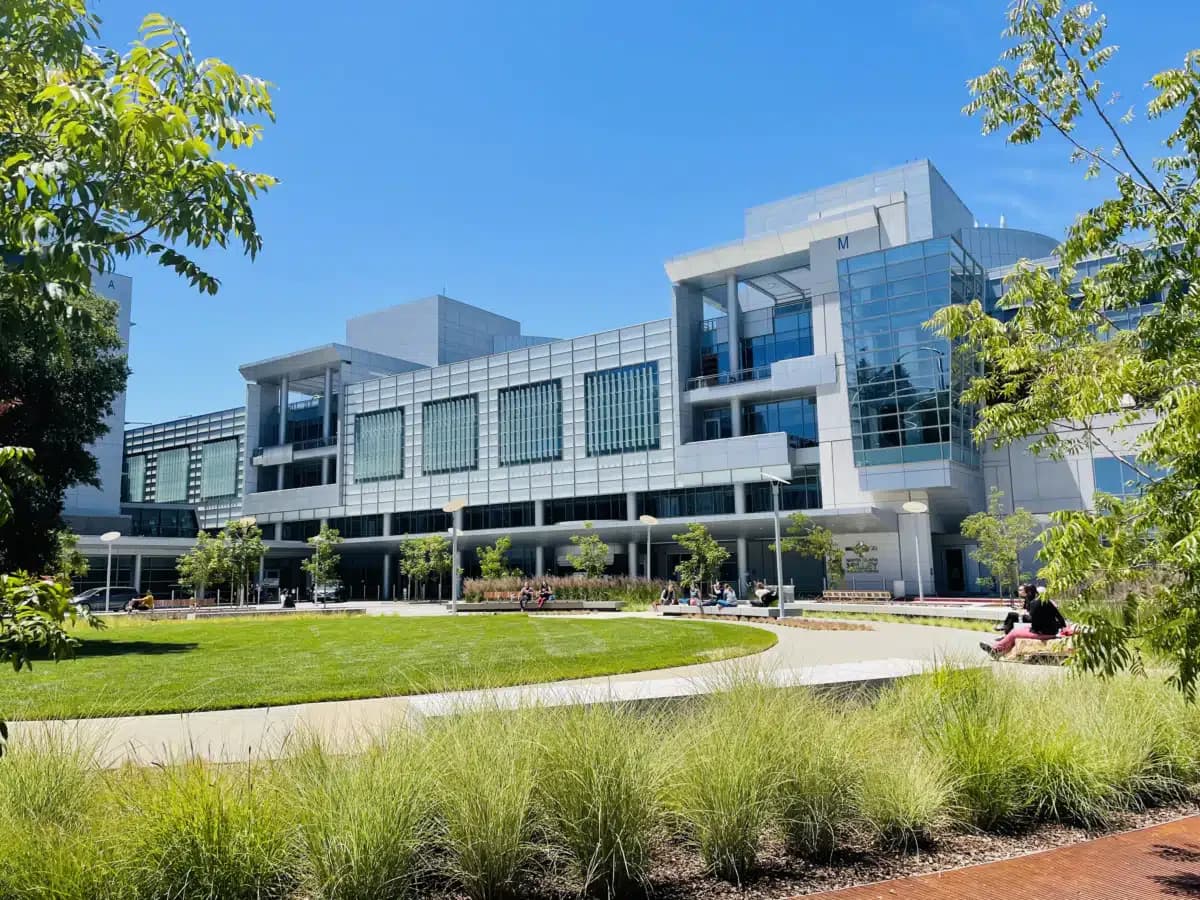
Nestled in San Jose, CA, Central Valley Clinic delivers a full spectrum of substance abuse recovery services via personalized outpatient plans. They offer medication-assisted treatment with methadone, buprenorphine, or naltrexone, alongside standard outpatient care. Their approach incorporates scientifically proven methods such as anger management, cognitive behavioral therapy, and motivational interviewing. The clinic is adept at serving adult men and women, including those affected by intimate partner or domestic violence. Central Valley Clinic is dedicated to providing effective rehabilitation and compassionate support to adults and young adults of all genders.

Central Wyoming Counseling Center in Casper, WY, provides extensive support for individuals struggling with substance abuse and offers tailored services for children and adults facing concurrent mental health challenges. The center delivers various treatment modalities, including intensive outpatient, extended residential stays, and flexible outpatient options, all adapted to each person's unique requirements. Employing proven therapeutic methods such as cognitive behavioral therapy and anger management, Central Wyoming Counseling Center also features distinct programs for active military personnel, teenagers, and adult men. The facility is dedicated to serving adults and seniors across all gender identities, prioritizing excellent care aimed at fostering lasting recovery and overall wellness.
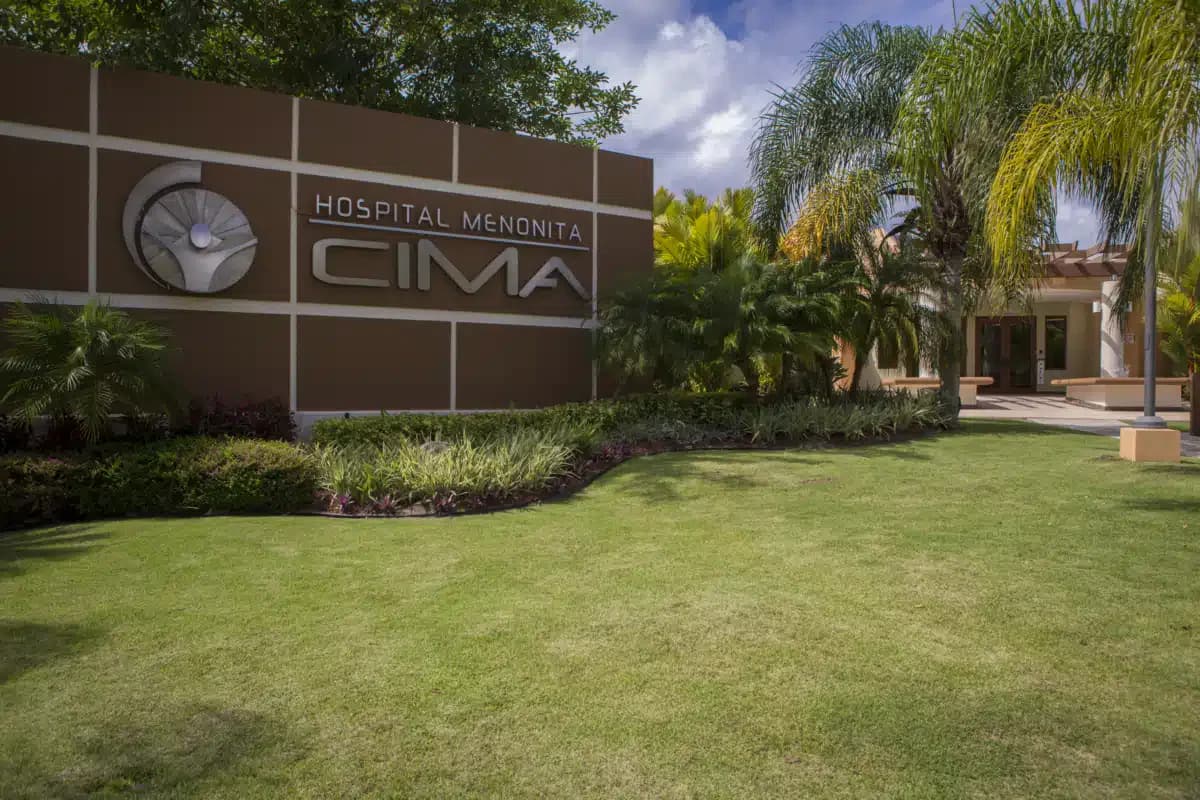
Centro de Salud Conductual, located in Aibonito, PR, delivers a wide range of rehabilitation services aimed at adults and young adults facing challenges with substance abuse and associated mental health issues. The center features an inpatient detox program along with treatment strategies, including 12-step principles and anger management techniques. With customized programs designed for active military personnel, men, and women, the center addresses various individual requirements. Committed to providing high-quality care, Centro de Salud Conductual fosters a nurturing atmosphere for recovery. Whether individuals are in need of detoxification, treatment for substance use, or assistance with co-occurring disorders, this facility focuses on guiding patients toward enduring sobriety and improved mental health.
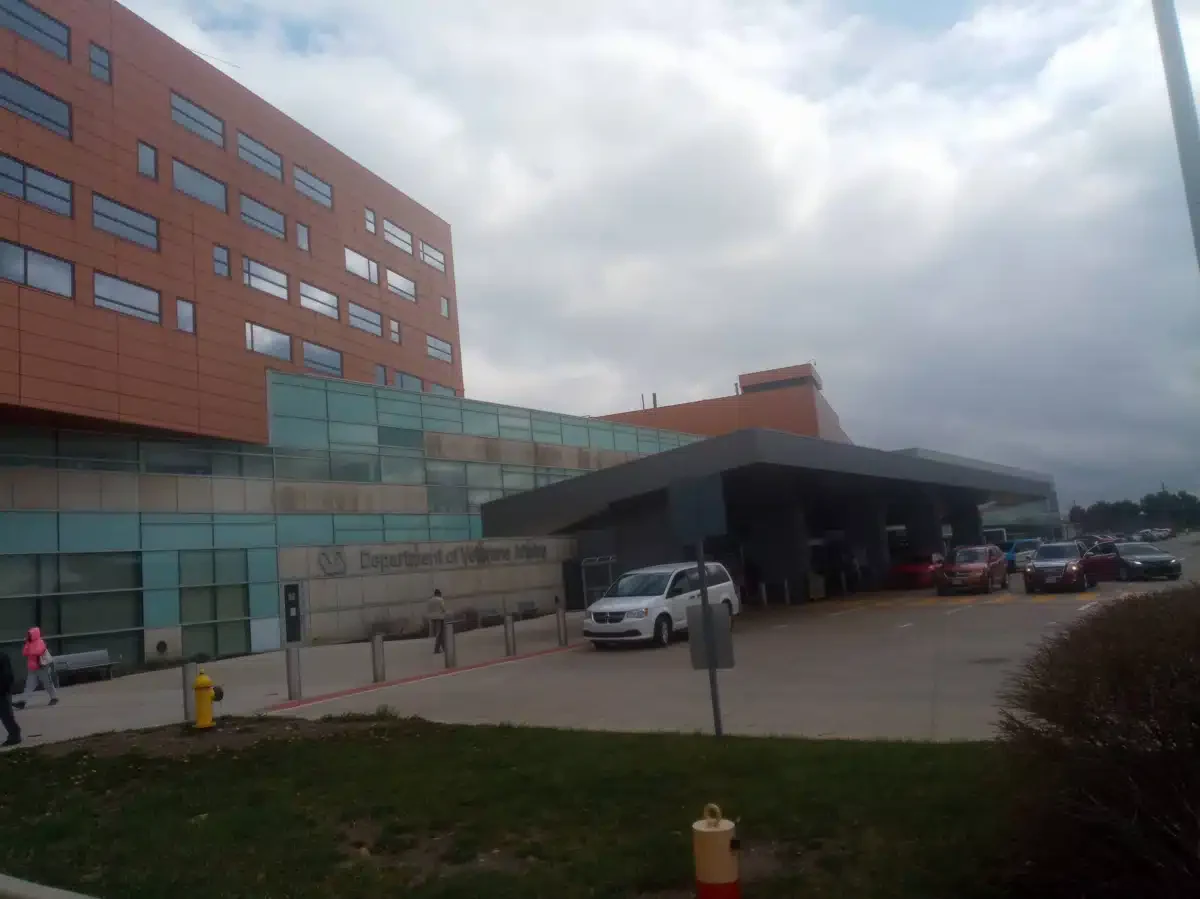
Chalmers P Wylie VA ACC located in Columbus, OH, provides an extensive variety of rehabilitation services aimed at adults and young adults who are struggling with substance abuse along with co-existing mental health issues. Their offerings encompass detoxification, intensive outpatient therapy, and targeted assistance for those affected by intimate partner violence. Emphasizing techniques such as 12-step facilitation, anger management, and brief interventions, this facility delivers customized support for both genders. The center's dedication to high-quality care and a range of treatment modalities position it as an essential asset for individuals in need of effective and compassionate support in overcoming addiction.

Central Nassau Guidance Srvs, located in Hicksville, NY, provides extensive outpatient services for detox, addiction treatment, and co-occurring mental health conditions for all ages. Their expertise includes anger management, brief interventions, and cognitive behavioral therapy, with specialized support for active military, men, and women. The center offers outpatient detox and medication-assisted treatment (methadone/buprenorphine) to adult men, women, and young people. Central Nassau Guidance Srvs is dedicated to offering excellent, personalized support to foster long-term healing and mental well-being.
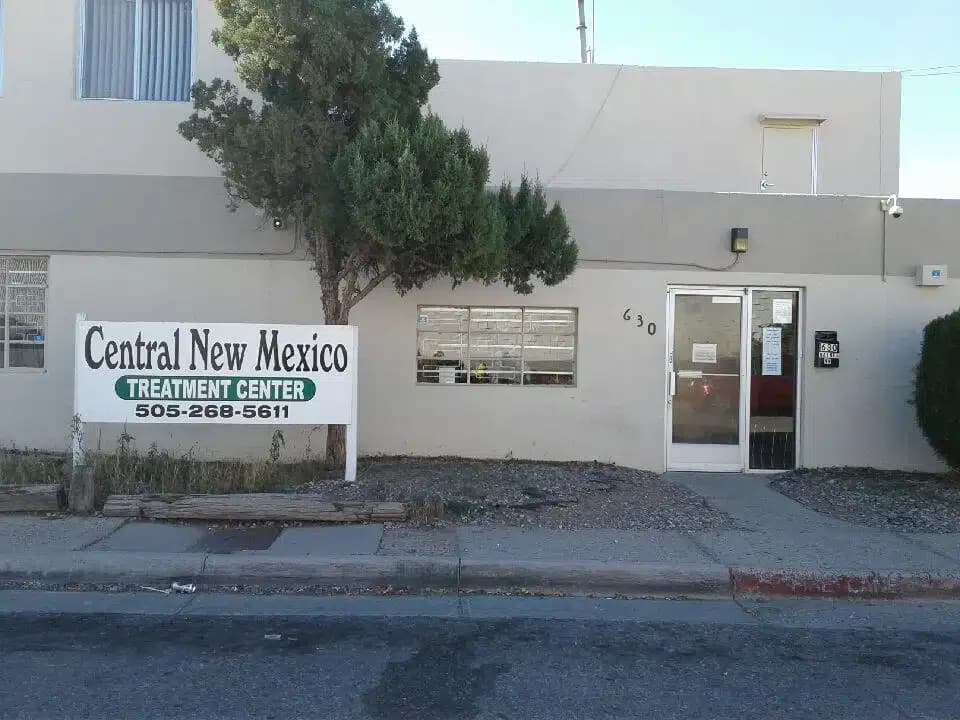
Central New Mexico Treatment Center, situated in Albuquerque, NM, specializes in outpatient treatment for substance use disorders, emphasizing high-quality care. The center provides options for outpatient methadone/buprenorphine and naltrexone therapies, as well as standard outpatient services. They implement various strategies, including 12-step facilitation, anger management, and brief intervention techniques. The facility offers specialized programs for adult males, adult females, and individuals who have faced intimate partner or domestic violence. Catering to both adults and young adults of all genders, this center’s customized services and skilled staff deliver thorough assistance for those striving to overcome their addiction challenges.
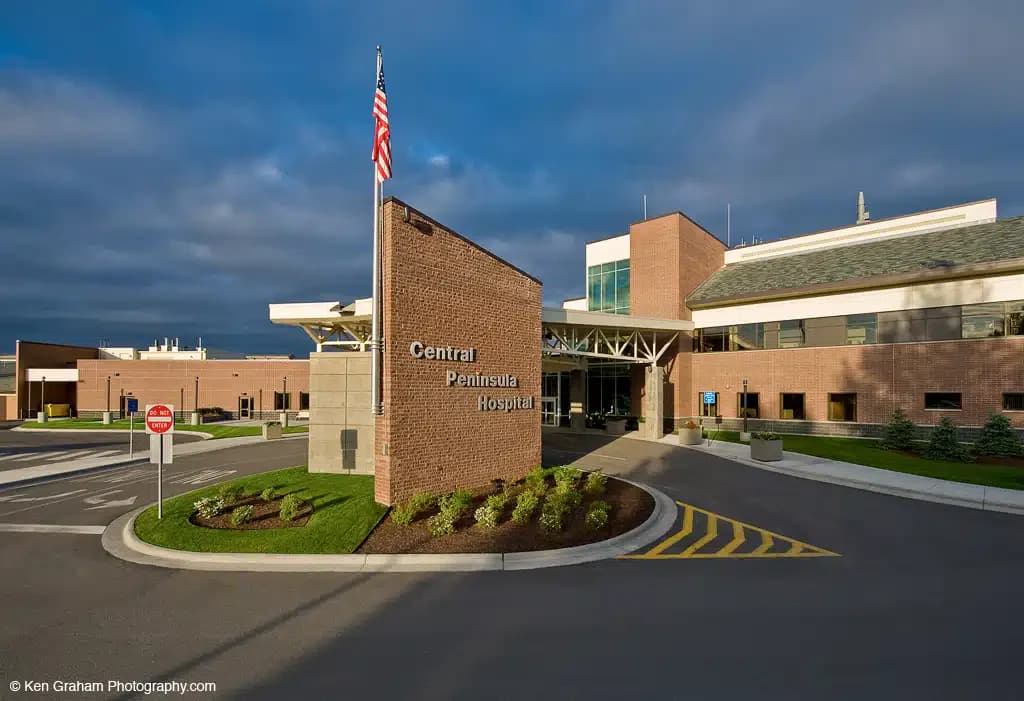
Situated in Soldotna, AK, Central Peninsula General Hospital presents an array of thorough rehabilitation services aimed at individuals recovering from substance use disorders. This center features detox programs, intensive outpatient care, and extended residential treatment options for both adults and young adults. It includes specialized services for active military personnel, as well as tailored programs for adult men and women, employing methods like 12-step facilitation and anger management. The facility also offers transitional housing and outpatient services, focusing on personalized care for male and female clients alike. Central Peninsula General Hospital is distinguished by its high-quality care and dedication to supporting individuals in achieving long-term sobriety.
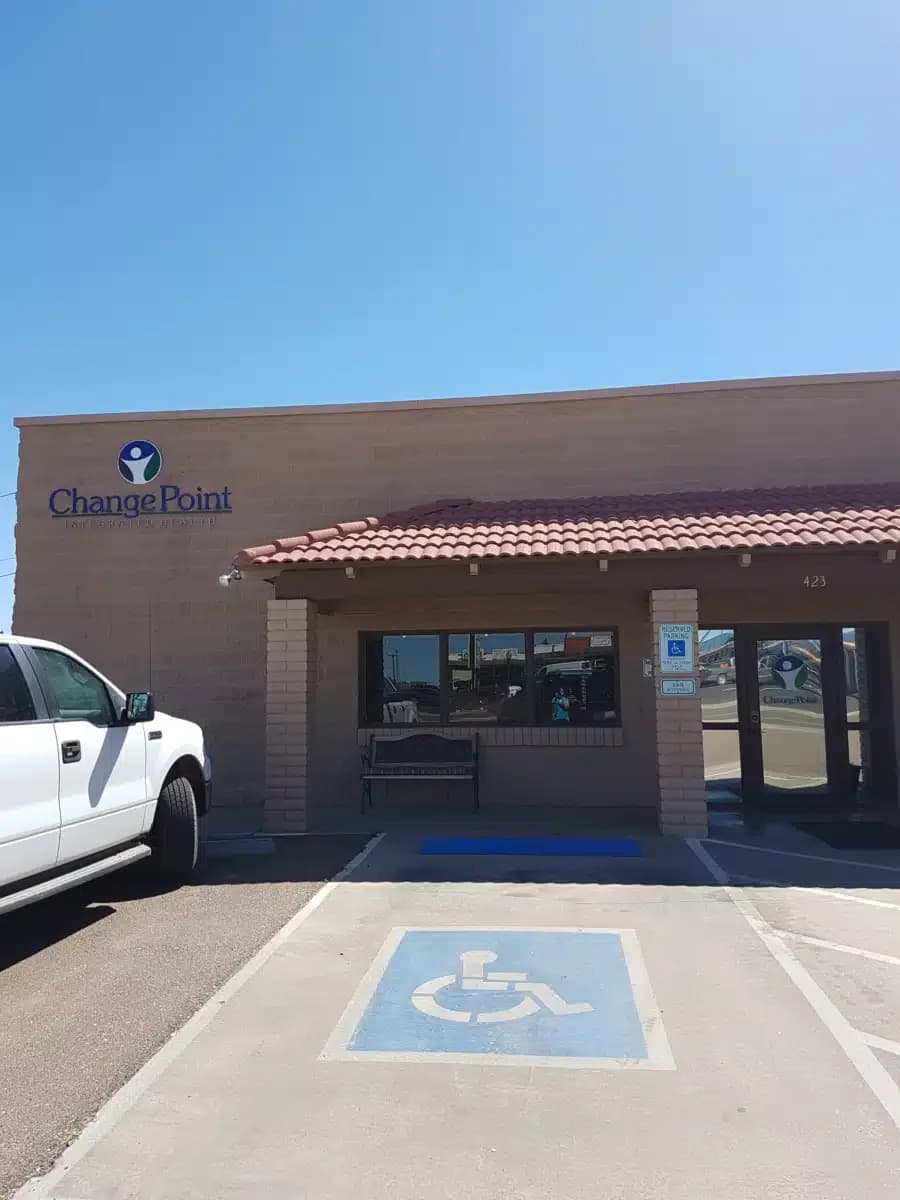
ChangePoint Integrated Health, located in Show Low, AZ, provides a wide range of services for individuals dealing with substance use disorders and co-existing serious mental health challenges in adults, as well as emotional disturbances in children. The facility offers various treatment options, including intensive outpatient programs, outpatient services, and medications such as methadone, buprenorphine, or naltrexone. Utilizing techniques such as anger management, brief interventions, and cognitive behavioral therapy, the center supports adolescents, men, and women. ChangePoint Integrated Health is dedicated to delivering high-quality care to adults and seniors of all genders, focusing on personalized treatment strategies and evidence-based methods to facilitate enduring recovery.

Situated in Lewiston, ME, Central Maine Family Counseling PA is dedicated to delivering thorough treatment for substance use disorders, as well as focused support for adults dealing with both substance-related issues and significant mental health conditions. The center also addresses emotional challenges faced by children. It offers both intensive outpatient and traditional outpatient programs, featuring treatments such as methadone, buprenorphine, or naltrexone. Utilizing various methodologies, including 12-step principles, anger management, and brief interventions, the center serves a diverse clientele, including active military personnel, adolescents, adult males, and seniors. With programs customized for each gender, this facility is committed to providing effective care and assistance for those on their journey to recovery and wellness.

Situated in Plattsburgh, NY, Champlain Valley Family Center delivers a wide array of outpatient programs for substance use treatment. This center is dedicated to addressing co-occurring substance use disorders alongside significant mental health challenges in adults, in addition to supporting children with emotional issues. Emphasizing approaches such as cognitive behavioral therapy, anger management, and short-term interventions, the center offers personalized treatment plans for adult men and women, teenagers, and older adults. By focusing on outpatient therapies involving methadone, buprenorphine, or naltrexone, this facility prioritizes providing effective care for those on the road to recovery. It welcomes a diverse clientele, fostering a nurturing atmosphere for everyone in need of rehabilitation assistance.
Champlain Valley Family Center, situated in Schuyler Falls, NY, delivers thorough support for addiction recovery. This facility offers extended residential stays, detox services, and round-the-clock assistance for adults and young adults. Their approach integrates 12-step principles, anger management techniques, and brief intervention strategies, serving both men and women. Dedicated programs are designed for active military members, adult males, and adult females. Champlain Valley Family Center is committed to delivering excellent care and tailored treatment paths to guide individuals toward overcoming substance use challenges.
ChangePoint Integrated Health, located in Winslow, AZ, specializes in holistic treatment for adults facing substance use issues alongside mental health disorders. The facility offers both intensive outpatient and standard outpatient services, featuring treatment alternatives such as methadone, buprenorphine, and naltrexone. Emphasizing techniques like anger management, brief interventions, and cognitive behavioral therapy, ChangePoint devises customized treatment strategies to meet the unique needs of each individual. The center also has specialized programs designed for adolescents and distinct groups, including adult men and women. By welcoming adults and seniors of all genders, ChangePoint Integrated Health is committed to delivering excellent care and support to those on their journey to recovery from addiction and mental health struggles.
Central Park Recovery LLC, located in Yonkers, NY, delivers thorough substance abuse treatment via intensive outpatient, outpatient, and day program options. The center is particularly adept at addressing issues such as anger management, short-term intervention, and cognitive behavioral therapy, offering customized support for teenagers as well as adult men and women. Catering to adults and seniors of any gender, this facility adapts its services to the specific requirements of each client. Committed to providing high-quality care through research-backed methods, Central Park Recovery LLC stands out as a reputable choice for individuals seeking tailored addiction recovery solutions in the Yonkers community.
Central Park Recovery LLC, located in Yonkers, NY, delivers a full spectrum of care for adults and youngsters facing addiction and simultaneous mental health challenges. Their offerings include intensive outpatient, outpatient, and day treatment services, grounded in proven therapeutic methods like cognitive behavioral therapy and anger management. The center features distinct programs for those who have endured trauma and individuals with co-occurring disorders. Catering to both men and women, Central Park Recovery LLC prioritizes personalized treatment plans for every individual. Their commitment to excellence and bespoke care is central to helping clients achieve sustained recovery and enhanced emotional health.
Centrec Care, located in Saint Louis, MO, delivers a wide range of addiction treatment services for both adults and young adults. The center specializes in detoxification, addressing substance use issues, and providing targeted support for individuals dealing with co-occurring disorders, including serious mental health challenges for adults and emotional issues for children. With a variety of treatment formats such as intensive outpatient, outpatient, and day programs, patients have access to resources like 12-step facilitation, anger management sessions, and brief intervention strategies. Centrec Care serves adult men, women, and active duty military members, offering tailored care aimed at fostering recovery, making it a top option for those in need of effective and empathetic addiction support.
ChangePoint Integrated Health in Snowflake, AZ, provides a wide array of services aimed at treating substance use disorders for both adults and children facing concurrent mental health challenges. Their offerings encompass intensive outpatient programs, standard outpatient treatment, as well as specific options for methadone, buprenorphine, or naltrexone therapies. Emphasizing techniques such as anger management, brief intervention strategies, and cognitive behavioral therapy, this center delivers customized assistance for youths, adult males, and adult females. ChangePoint Integrated Health is committed to delivering exceptional care for individuals of all genders, including seniors, as they navigate their recovery journey.
ChangePoint Integrated Health in Holbrook, AZ, is a premier facility dedicated to adults facing substance use disorders, particularly those with concurrent serious mental health conditions or emotional challenges in youth. They offer robust intensive outpatient and standard outpatient services, which include pharmacotherapy options like methadone and buprenorphine. Their therapeutic approach incorporates proven methods such as anger management, brief interventions, and cognitive behavioral therapy. ChangePoint Integrated Health serves a diverse population, including adolescents, adult men, adult women, and seniors, ensuring gender-inclusive and age-appropriate care. This center is committed to providing exceptional, all-encompassing rehabilitation programs focused on achieving sustained recovery and overall well-being.
Frequently Asked Questions
What is buprenorphine and how does it treat opioid addiction?
What is the difference between Suboxone and Subutex?
What is a Sublocade injection and how does it work?
What are the common side effects of Suboxone?
What happens during Suboxone withdrawal?
How does Suboxone compare to methadone?
How can I find a Suboxone clinic or doctor near me?
What is Zubsolv and how is it different from Suboxone?
Does Medicaid cover Suboxone treatment?
Can I get Suboxone through telehealth?
About Buprenorphine (Suboxone)
Buprenorphine is classified as a partial opioid agonist, meaning it activates opioid receptors in the brain but to a much lesser degree than full agonists such as heroin, fentanyl, or oxycodone. This partial activation suppresses withdrawal symptoms and reduces cravings without producing dangerous respiratory depression or intense euphoria. Buprenorphine also has an unusually high binding affinity for the mu-opioid receptor, effectively blocking other opioids from attaching — providing a protective effect against relapse-related overdose.
How Buprenorphine Works
One of the defining features of buprenorphine is its ceiling effect — after a certain dose threshold, increasing the amount does not produce additional opioid effects. This dramatically reduces the risk of fatal overdose compared to methadone or illicit opioids. The ceiling effect, combined with its long duration of action (24 to 72 hours), makes buprenorphine one of the safest and most effective tools in medication-assisted treatment (MAT). Approved by the FDA in 2002, buprenorphine was a breakthrough because it could be prescribed in outpatient settings rather than requiring daily clinic visits.
Buprenorphine Brand Comparison: Suboxone, Subutex, Sublocade, Zubsolv, Brixadi
Buprenorphine is available under several FDA-approved brand names, each with distinct formulations, dosing schedules, and clinical use cases. The comparison below highlights the key differences:
| Brand | Active ingredient | Form | Frequency | Setting | FDA year | Best for |
|---|---|---|---|---|---|---|
| Suboxone | Buprenorphine + naloxone | Sublingual film / tablet | Daily | OBOT, telehealth, retail pharmacy | 2002 | Most prescribed; naloxone deters injection misuse |
| Subutex | Buprenorphine (alone) | Sublingual tablet | Daily | OBOT | 2002 | Pregnancy; documented naloxone sensitivity |
| Sublocade | Buprenorphine extended-release | Subcutaneous injection (ATRIGEL depot) | Monthly | Clinic-administered | 2017 | No daily dosing; eliminates diversion risk |
| Zubsolv | Buprenorphine + naloxone | Sublingual tablet (higher bioavailability) | Daily | OBOT | 2013 | Faster dissolution; mint flavor; lower mg/dose |
| Brixadi | Buprenorphine extended-release | Subcutaneous injection | Weekly or monthly | Clinic | 2023 | Newer alternative to Sublocade; weekly option for induction |
All five medications are Schedule III controlled substances and equivalent in clinical efficacy at appropriate doses. The choice depends on adherence patterns, lifestyle, insurance coverage, and clinical context (e.g., pregnancy, prior injection use, daily-dosing burden). Many patients begin on sublingual Suboxone for stabilization and transition to monthly Sublocade or weekly Brixadi after sustained recovery.
Buprenorphine Side Effects
Common buprenorphine side effects include:
- Headache and dizziness
- Nausea and vomiting, especially during induction
- Constipation and insomnia
- Excessive sweating
- Mouth numbness or oral discomfort from sublingual formulations
More serious side effects may include respiratory depression (particularly when combined with benzodiazepines or alcohol), liver problems, and allergic reactions. For most patients, side effects are mild and resolve within one to two weeks. The benefits in preventing relapse and overdose death significantly outweigh the risks.
Buprenorphine Dosage and Induction
Treatment begins with an induction phase where the patient must be in mild to moderate opioid withdrawal. Common induction doses range from 2 mg to 8 mg on the first day, with increases over the following days. Most patients stabilize on 8 mg to 24 mg per day, with 16 mg being the most commonly prescribed dose. Research suggests doses of 16 mg or higher are associated with better retention and outcomes. Dosage should always be adjusted under medical supervision.
Buprenorphine/Naloxone Combination
Many buprenorphine formulations include naloxone as an abuse deterrent. When taken sublingually as directed, naloxone has very low bioavailability and produces no clinical effect. However, if someone attempts to inject the medication, the naloxone component becomes fully active and triggers severe withdrawal. This design discourages injection misuse while having no impact on patients who take the medication correctly. The combination is the standard first-line formulation for opioid addiction treatment.
Suboxone: Sublingual Buprenorphine
Suboxone is the most recognized brand name for buprenorphine-naloxone and is most commonly dispensed as a sublingual film (Suboxone strips) that dissolves under the tongue. Suboxone has transformed opioid treatment by enabling millions of patients to receive effective pharmacotherapy in outpatient settings without the daily clinic visits required by methadone programs.
Suboxone Side Effects
Commonly reported Suboxone side effects include headache, nausea, tongue or mouth irritation, constipation, insomnia, sweating, and decreased libido. The sublingual film can cause irritation or small sores inside the mouth — rotating placement between under the tongue and against the cheek helps minimize this. Patients should not eat, drink, or smoke while the film is dissolving.
Suboxone Strips: Film vs. Tablet
Suboxone strips (sublingual film) have largely replaced the original tablet form. The film dissolves more quickly (two to four minutes), provides more consistent absorption, and is harder to divert due to individual foil packaging. Generic buprenorphine-naloxone tablets are often less expensive and may be preferred for cost reasons. Both are therapeutically equivalent when taken as prescribed.
Suboxone Treatment Programs
Comprehensive Suboxone treatment typically includes three phases:
- Induction: Initial dosing under medical supervision, requiring the patient to be in early withdrawal
- Stabilization: Dose adjustment until cravings and withdrawal are minimal, usually one to two months
- Maintenance: Stable dosing for an extended period — often a year or longer — combined with counseling and behavioral therapy
Evidence consistently shows that longer treatment durations are associated with better outcomes. Most addiction medicine experts recommend a minimum of one to two years of maintenance therapy.
Find a Suboxone Clinic Near You — OBOT & Telehealth Options
Finding a Suboxone clinic has become significantly easier since the federal government eliminated the X-waiver requirement in January 2023, meaning any provider with a standard DEA license can now prescribe Suboxone. Patients can search SAMHSA's treatment locator at findtreatment.gov or use our directory to locate nearby facilities that offer buprenorphine-based treatment.
Suboxone Doctors Near Me
Beyond SAMHSA's locator, many state health departments maintain directories of addiction treatment providers. Telehealth has dramatically expanded access — several platforms now offer virtual Suboxone consultations, which is especially valuable for patients in rural areas. When selecting a provider, look for those offering comprehensive treatment including counseling, not just medication prescriptions.
Suboxone Withdrawal and Tapering
Suboxone withdrawal can include muscle aches, anxiety, insomnia, nausea, sweating, and intense opioid cravings. A gradual, medically supervised taper is recommended — typically reducing the dose by 10 to 25 percent every one to four weeks. Slower tapers over several months produce fewer symptoms and lower relapse rates. There is no medically mandated time limit for Suboxone treatment, and many patients benefit from indefinite maintenance.
Suboxone vs Methadone
Suboxone can be prescribed in office settings and taken at home, carries lower overdose risk due to its ceiling effect, and offers greater scheduling flexibility. Methadone is a full agonist that may be more effective for severe, long-standing dependence but must be dispensed at licensed clinics with daily visits. Neither is inherently superior — the best choice keeps the patient in treatment. Some patients may also benefit from naltrexone, a non-opioid alternative.
Sublocade: Monthly Buprenorphine Injection
Sublocade delivers buprenorphine as a once-monthly subcutaneous injection in the abdominal area using the ATRIGEL delivery system, which forms a solid biodegradable depot that slowly releases medication. Patients must first stabilize on sublingual buprenorphine (8 mg+ daily) for at least seven days. Treatment typically begins with two 300 mg injections, followed by maintenance on 300 mg or 100 mg. Sublocade eliminates concerns about daily adherence, missed doses, and medication diversion.
Sublocade Side Effects
The most common Sublocade side effects are injection-site reactions (pain, itching, redness, or a noticeable lump), nausea, constipation, headache, and fatigue. The injection-site lump is normal and gradually diminishes as medication is absorbed. Patients should avoid rubbing or massaging the site. Elevated liver enzymes may also occur but are usually mild and transient.
Subutex: Buprenorphine Without Naloxone
Subutex was the original brand-name buprenorphine product. While the brand has been discontinued, generic buprenorphine-only tablets remain available. Buprenorphine monotherapy is typically reserved for pregnant patients (to avoid naloxone exposure to the fetus), patients with documented naloxone sensitivity, or sometimes during the induction phase before transitioning to the combination product.
Subutex vs Suboxone
The primary difference is the absence of naloxone in Subutex. Because Subutex lacks the abuse-deterrent naloxone component, it may carry slightly higher diversion risk, and many insurance formularies prioritize the combination as the default. Current clinical guidelines favor buprenorphine-only formulations primarily for pregnancy and naloxone sensitivity.
Zubsolv: Alternative Buprenorphine Brand
Zubsolv is a buprenorphine-naloxone sublingual tablet featuring a mint flavor and faster dissolution (under two minutes). Due to enhanced bioavailability, Zubsolv uses different dose strengths — a 5.7 mg/1.4 mg tablet equals a Suboxone 8 mg/2 mg dose. Zubsolv is available in multiple strengths for flexible dosing during both induction and maintenance.
Buprenorphine resources:
Related Treatment Methods
Browse by Condition
Browse buprenorphine (suboxone) programs in states with the most treatment options.
Related conditions, treatment approaches, and levels of care.
Need immediate help? Call SAMHSA: 1-800-662-4357 (24/7, free)