
Cognitive Behavioral Therapy (CBT) Treatment Centers
Cognitive Behavioral Therapy (CBT) is one of the most researched and effective evidence-based treatments for addiction. CBT helps identify and change negative thought patterns and behaviors that contribute to substance use, providing practical skills for lasting recovery.
Found 12,940 treatment centers offering cognitive behavioral therapy (cbt) across the United States.
Need Help Finding the Right Treatment Center?
Speak with a compassionate specialist now - 100% free & confidential
Showing 21 of 12940 results

Space Coast Recovery Inc, located in Cocoa, FL, provides extensive treatment programs for substance use aimed at both adults and young adults. The facility features long-term residential care, outpatient services, and regular outpatient treatment options. It emphasizes 12-step facilitation, anger management, and brief intervention strategies. Specialized programs are designed for adult men, adult women, and those who have faced sexual abuse. With a commitment to personalized care, Space Coast Recovery Inc guarantees high-quality treatment for all clients. If you are looking for a supportive setting for effective addiction recovery, this center is focused on guiding individuals towards a healthier future.

Special Services for Groups Inc, located in Los Angeles, CA, delivers targeted substance abuse treatment designed for adults managing concurrent severe mental health conditions. Their services include intensive outpatient, standard outpatient, and general outpatient care, all grounded in proven therapeutic methods such as cognitive behavioral therapy and motivational interviewing. The facility also features distinct programs for adult women, women in their prenatal or postpartum stages, and young adults. Emphasizing brief intervention strategies, they provide customized support to both male and female individuals. Special Services for Groups Inc is committed to delivering high-quality, personalized rehabilitation, making it a valuable resource for individuals pursuing recovery.
Situated in Salt Lake City, UT, Sovegna is a leading rehabilitation center that provides various outpatient services for detoxification, treatment of substance use disorders, and addressing co-occurring mental health issues in adults, alongside emotional challenges in children. The center features tailored programs for different groups, including adolescents, adult men, and women, emphasizing 12-step facilitation, brief interventions, and cognitive behavioral therapy techniques. Sovegna offers outpatient detox services as well as methadone and buprenorphine therapies for both adult genders, in addition to children and adolescents. Dedicated to delivering high-quality care, this center is known for its extensive and personalized treatment strategies that meet the specific needs of each individual.

Southwestern Behavioral Healthcare Inc, based in Evansville, IN, provides targeted outpatient services for substance use as well as co-occurring mental health disorders for both adults and children. The center implements personalized treatment strategies that include anger management, brief interventions, and cognitive behavioral therapy. Emphasizing support for trauma survivors and clients with dual diagnoses, this facility serves individuals of all ages and genders. Clients are assured of receiving top-notch, evidence-informed care customized to meet their specific requirements. Southwestern Behavioral Healthcare Inc distinguishes itself with its all-encompassing programs that tackle both substance use and mental health issues, making it an essential option for those in need of effective rehabilitation support.

Space Coast Health Centers Inc in Titusville, Florida, offers outpatient substance use treatment with buprenorphine and naltrexone, addressing co-occurring mental illness and serious emotional disturbance in children. Programs include veterans, pregnant women, and trauma survivors. Medicaid, Medicare, SAMHSA block grants, and sliding fees are accepted, with Spanish services.

Situated in Lancaster, PA, the Spanish American Civic Association delivers an extensive array of services aimed at adult men looking for assistance with substance use disorders and transitional housing. This center offers long-term residential treatment emphasizing 12-step programs, cognitive behavioral therapy, and motivational interviewing techniques. It focuses on helping individuals who have faced sexual abuse or trauma, serving adult, senior, and young adult males. The Spanish American Civic Association is recognized for its commitment to high-quality care and individualized programs, making it a reliable option for those seeking organized support and recovery solutions.

Spark Recovery in Indianapolis, Indiana provides outpatient substance use treatment through partial hospitalization, intensive outpatient, and regular outpatient levels of care, including buprenorphine and naltrexone treatment. Care covers adults with co-occurring serious mental illness from young adults through seniors. Medicaid, TRICARE, private insurance, and self-payment are accepted.
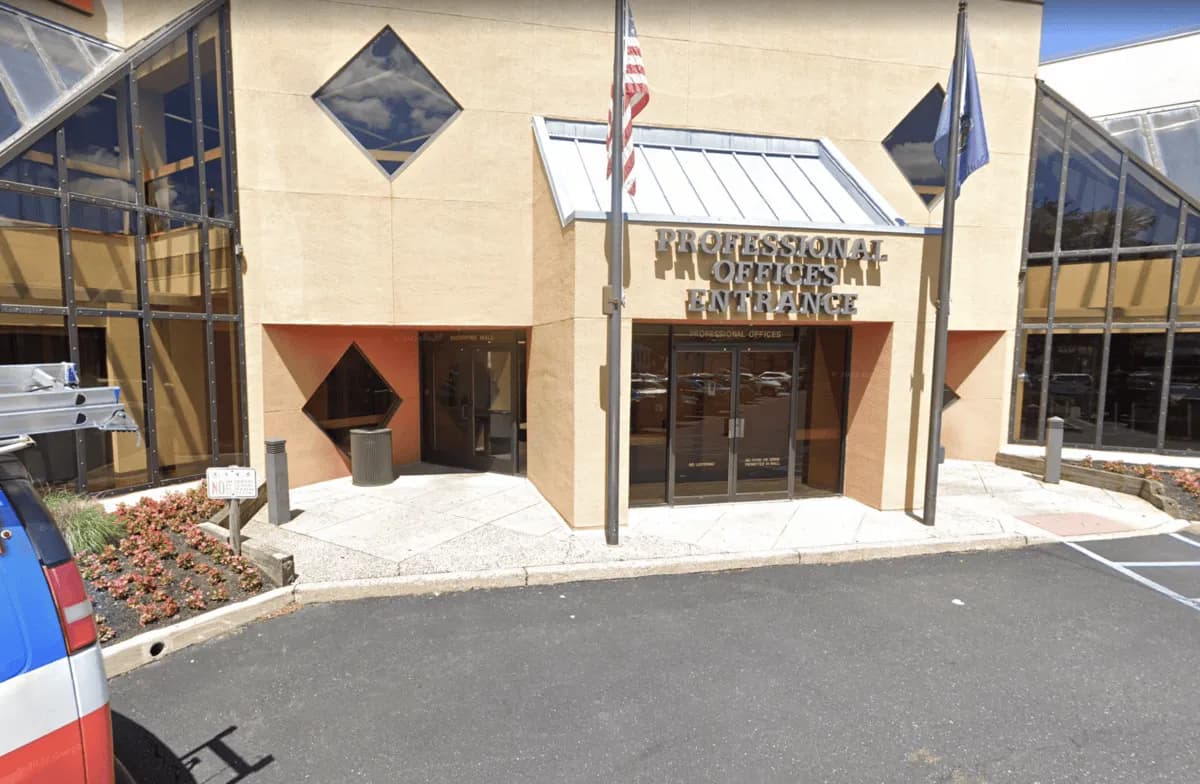
Spark Wellness in Oregon City, Oregon offers partial hospitalization, intensive outpatient, and regular outpatient substance use treatment, with buprenorphine and naltrexone available. Programs serve veterans, adult men and women, criminal justice clients, and trauma survivors. Medicaid, TRICARE, SAMHSA block grants, and a sliding fee scale are accepted.
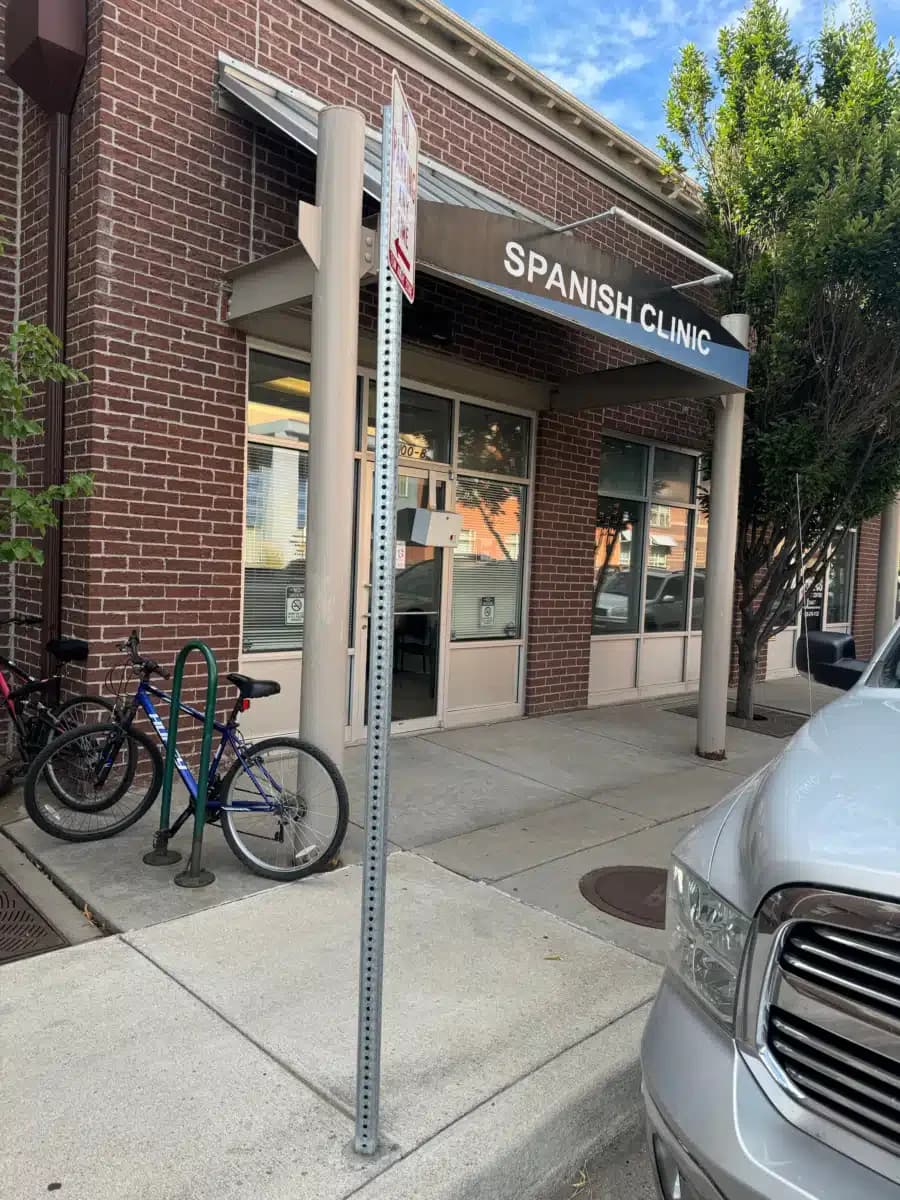
Spanish Clinic LLC, situated in Denver, CO, delivers a wide spectrum of substance abuse rehabilitation for adults, as well as those experiencing concurrent serious mental health issues or emotional challenges. The center features various treatment modalities such as intensive outpatient, outpatient, and standard outpatient programs. It also offers tailored programs for teenagers, adult males, and adult females, aiming to meet the needs of a broad range of clients. Through the application of 12-step approaches, anger management techniques, and short-term interventions, the center provides individualized care for every patient. Catering to both adult and senior clients of all genders, Spanish Clinic LLC is committed to offering high-quality and effective rehabilitation support to those seeking assistance.
Specialized Treatment Services Inc, situated in Minneapolis, MN, delivers focused outpatient programs aimed at addressing substance use disorders. This center features options such as outpatient treatments with methadone, buprenorphine, or naltrexone, as well as standard outpatient care and short intervention strategies. Emphasizing cognitive behavioral therapy alongside the Matrix Model, the facility serves both adult men and women, including young adults. There are dedicated programs specifically designed for pregnant or postpartum women, providing customized support for their unique needs. The center's dedication to high-quality and personalized care positions it as a significant asset for individuals pursuing effective addiction recovery solutions.
Specialized Treatment Services Inc, located in Minneapolis, MN, provides targeted substance use disorder care for adults and young adults through its outpatient programs. Services include medication-assisted treatment with methadone, buprenorphine, or naltrexone, alongside regular outpatient services. Therapeutic interventions employed include brief intervention, cognitive behavioral therapy, and the Matrix Model. A notable feature of this center is its specialized offerings for pregnant and postpartum women. Catering to both men and women across various age demographics, Specialized Treatment Services Inc is committed to delivering effective and individualized recovery support.
Situated in The Plains, OH, Southwestern Recovery Center presents a wide array of outpatient programs aimed at treating substance use and co-occurring mental health issues in both adults and children. The center specializes in customized care that addresses individual needs, employing methods such as 12-step facilitation, anger management, and brief intervention strategies. With an emphasis on personalized service, Southwestern Recovery Center serves adults and young adults of all genders. The facility provides outpatient services including methadone/buprenorphine or naltrexone treatment, all designed to offer high-quality support for individuals seeking to recover.
Southwestern Behavioral Healthcare Inc located in Princeton, IN, provides focused outpatient services for adults facing substance use challenges and concurrent serious mental health disorders, as well as addressing significant emotional issues in children. The center emphasizes 12-step programs, anger management techniques, and brief therapeutic interventions, ensuring that care is customized for individuals who have experienced trauma or are involved in the criminal justice system. Catering to a diverse clientele that includes adults, seniors, and both men and women, the center is dedicated to delivering high-quality programs aimed at fostering recovery and overall well-being. With a strong commitment to evidence-informed practices and personalized care, Southwestern Behavioral Healthcare Inc serves as an essential support system for those in need of effective and empathetic rehabilitation options.
Southwestern Behavioral Healthcare Inc. in Evansville, IN, provides complete support for addiction recovery, featuring sober living accommodations and aid for combined substance use and mental health challenges. Their extensive offerings include intensive outpatient, long-term residential, and standard outpatient programs, incorporating techniques like 12-step guidance, anger management, and brief intervention. This center serves adults of all genders, older adults, and survivors of domestic abuse. A key distinction is their dedicated expertise in treating individuals with significant mental health conditions, guaranteeing effective care for those pursuing healing in a nurturing setting.
Southwestern Behavioral Healthcare Inc. in Mount Vernon, IN, provides outpatient care for adults dealing with addiction and/or severe mental health conditions, alongside children experiencing significant emotional difficulties. Their expertise includes guiding individuals through 12-step programs, anger management, and implementing brief intervention strategies. They also offer distinct services for teenagers, individuals who have experienced trauma, and those managing both chronic pain and substance use issues. Catering to a diverse adult and senior population of any gender, this center delivers high-quality, individualized treatment, making it a prime option for those looking for thorough and customized recovery support.
Southwestern Recovery Center in Waverly, OH, provides extensive outpatient care for adults struggling with substance use, co-occurring conditions, and severe mental health challenges, as well as children with serious emotional disturbances. Their customized services encompass outpatient medication-assisted treatment (methadone/buprenorphine or naltrexone), support for 12-step programs, anger management training, and brief therapeutic interventions. Emphasizing a personalized approach, the center serves adults and young adults across all genders. Their dedication to delivering high-quality, individualized recovery support positions them as a leading option for effective and empathetic rehabilitation.
Spanish Clinic LLC, located in Aurora, CO, specializes in a variety of scientifically supported addiction recovery services for both adults and older adults. The center features intensive outpatient, outpatient, and standard outpatient programs designed for individuals grappling with both substance use disorders and significant mental health issues. Emphasizing techniques such as 12-step guidance, anger management, and short intervention strategies, this facility addresses the specific requirements of adult males, females, and teenagers. Spanish Clinic LLC is committed to delivering high-quality support for all clients in need of thorough and impactful rehabilitation services.
Spanish Clinic LLC, situated in Denver, CO, delivers a wide range of substance use treatment options for both adults and children dealing with significant emotional challenges. The center offers various levels of care, including intensive outpatient and regular outpatient treatment programs. Utilizing targeted methodologies such as 12-step facilitation, anger management, and brief interventions, the facility serves individuals of all ages and genders. Specialized programs for adolescents, adult men, and adult women guarantee personalized support to accommodate unique requirements. Spanish Clinic LLC prioritizes high-quality care and customized treatment plans to promote recovery and overall wellness.
Special Services Clinic Inc located in Denver, CO, provides outpatient treatment for substance abuse, emphasizing approaches such as 12-step facilitation, anger management, and brief interventions. This center features customized programs for adult men, adult women, and active duty military members. It serves a diverse clientele that includes adults, seniors, and young adults of all genders, ensuring that care is tailored to meet the unique needs of each individual. With a strong focus on quality and a variety of personalized services, Special Services Clinic Inc excels as a holistic rehabilitation facility committed to assisting individuals in their recovery process.
Special Services for Groups Inc, located in Los Angeles, CA, provides targeted outpatient care for adults dealing with substance use disorders and co-occurring severe mental health issues, as well as for children and adolescents experiencing significant emotional difficulties. The facility employs scientifically validated methods such as cognitive behavioral therapy, motivational interviewing, and strategies for preventing relapse. A distinctive feature of Special Services for Groups Inc is its dedication to crafting personal treatment plans designed for each individual's specific circumstances. Committed to delivering excellent service, the center supports both male and female individuals, assisting them with the support and direction needed for their path to healing.
Specialized Treatment Services Inc, located in Saint Paul, MN, delivers focused outpatient programs designed for individuals and younger adults struggling with substance use disorders. They provide varied treatment modalities, including medication-assisted treatment with methadone, buprenorphine, or naltrexone, alongside standard outpatient services. The center is committed to effective care, employing proven methods like motivational interviewing, cognitive behavioral therapy, and the Matrix Model. Furthermore, Specialized Treatment Services Inc provides specialized care for expectant and new mothers, offering inclusive support. The availability of gender-specific tracks ensures that both men and women receive care tailored to their unique needs within this comprehensive addiction treatment setting.
Frequently Asked Questions
What is Cognitive Behavioral Therapy (CBT)?
How does CBT work for addiction treatment?
How long does CBT treatment last?
What techniques are used in CBT for addiction?
Is CBT effective for all types of addiction?
About Cognitive Behavioral Therapy (CBT)
Cognitive Behavioral Therapy (CBT) is one of the most extensively researched and widely used evidence-based treatments for substance use disorders. Developed in the 1960s by Dr. Aaron Beck, CBT has been adapted and proven effective for addiction treatment across decades of clinical research and practice.
Core Principles of CBT for Addiction
CBT is based on the principle that thoughts, feelings, and behaviors are interconnected. Negative or distorted thinking patterns contribute to problematic behaviors including substance use. By identifying and challenging these thought patterns, individuals can change their emotional responses and behaviors, developing healthier coping mechanisms.
How CBT Works in Addiction Treatment
CBT treatment includes:
- Functional Analysis: Understanding triggers, thoughts, and consequences of substance use
- Identifying High-Risk Situations: Recognizing people, places, and circumstances that trigger use
- Cognitive Restructuring: Challenging and changing distorted thoughts and beliefs
- Skills Training: Learning coping strategies, refusal skills, and problem-solving
- Relapse Prevention: Developing plans for managing triggers and preventing return to use
- Homework Assignments: Practicing skills between sessions for real-world application
Effectiveness and Research
Extensive research demonstrates CBT effectiveness for various substance use disorders including alcohol, cocaine, marijuana, opioids, and polysubstance use. Studies show CBT helps reduce substance use, improves treatment retention, and provides skills that continue benefiting individuals long after treatment ends. CBT works well alone or combined with other approaches like medication-assisted treatment.
Finding CBT Treatment
Most quality addiction treatment programs incorporate CBT. Look for centers with licensed therapists trained in CBT for substance use disorders, structured programming, evidence-based practices, and individualized treatment planning. CBT can be delivered in individual therapy, group settings, or both, across various treatment levels from residential to outpatient care.
Learn more about CBT research:
Related Treatment Methods
Browse by Condition
Browse cognitive behavioral therapy (cbt) programs in states with the most treatment options.
Related conditions, treatment approaches, and levels of care.
Need immediate help? Call SAMHSA: 1-800-662-4357 (24/7, free)