
Contingency Management Treatment Centers
Contingency Management uses positive reinforcement and tangible rewards to encourage sobriety and treatment engagement. Research shows this approach is particularly effective for stimulant addiction and improving treatment retention.
Found 6,989 treatment centers offering contingency management across the United States.
Need Help Finding the Right Treatment Center?
Speak with a compassionate specialist now - 100% free & confidential
Showing 21 of 6989 results

Fall River Comprehensive Treatment Ctr, located in Fall River, MA, delivers extensive outpatient services for those dealing with substance use disorders. The facility features tailored programs for adult men and women, as well as those facing dual mental health challenges. Employing techniques such as anger management, cognitive behavioral therapy, and brief interventions, it serves both adult and young adult clients of all genders. With an emphasis on high-quality care, the offerings include outpatient treatments with methadone/buprenorphine or naltrexone and consistent outpatient services. Fall River Comprehensive Treatment Ctr is committed to helping individuals navigate their recovery journey.
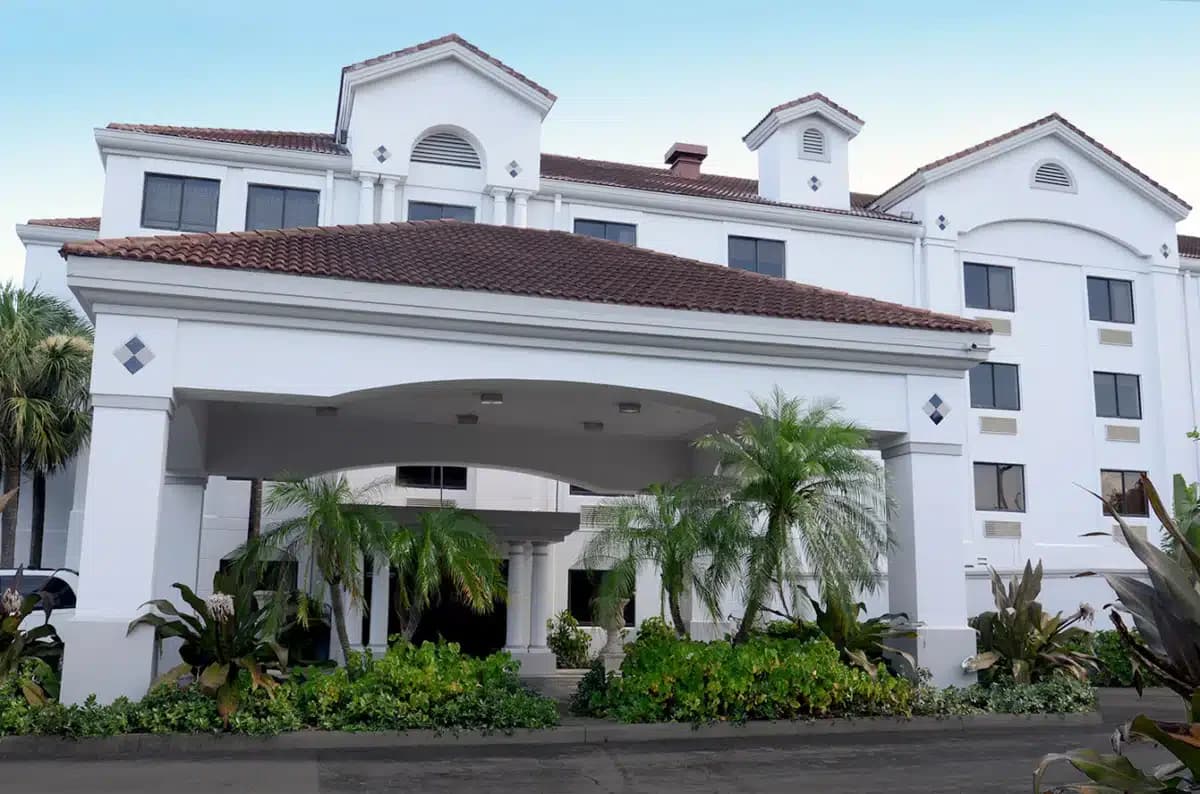
Situated in Lake Worth, FL, the Family Center for Recovery delivers a wide array of services aimed at combating addiction. The center's offerings include detox, treatment for substance use disorders, transitional housing, and sober living arrangements for both adults and teens. It provides various treatment options such as intensive outpatient programs, long-term residential care, and standard outpatient services to address different needs. Additionally, specialized programs are designed for active-duty military personnel, adult male clients, and adolescents. The facility utilizes methods like 12-step facilitation, anger management, and brief interventions. Emphasizing personalized care and effective treatment strategies, the Family Center for Recovery stands as a reliable option for individuals pursuing healing and recovery.

The Family Counseling Center for Recovery, situated in Richmond, VA, delivers focused outpatient care for individuals battling substance use disorders and co-occurring mental health conditions. Their treatment offerings encompass medication-assisted treatment utilizing methadone, buprenorphine, or naltrexone, alongside specialized programs such as anger management, cognitive behavioral therapy, and brief intervention strategies. They also provide distinct treatment paths for active duty military members, adult men, and women, thereby elevating the standard of care. Serving adults and young adults across genders, the center's all-encompassing methodology guarantees customized and impactful assistance for those pursuing sobriety and well-being.
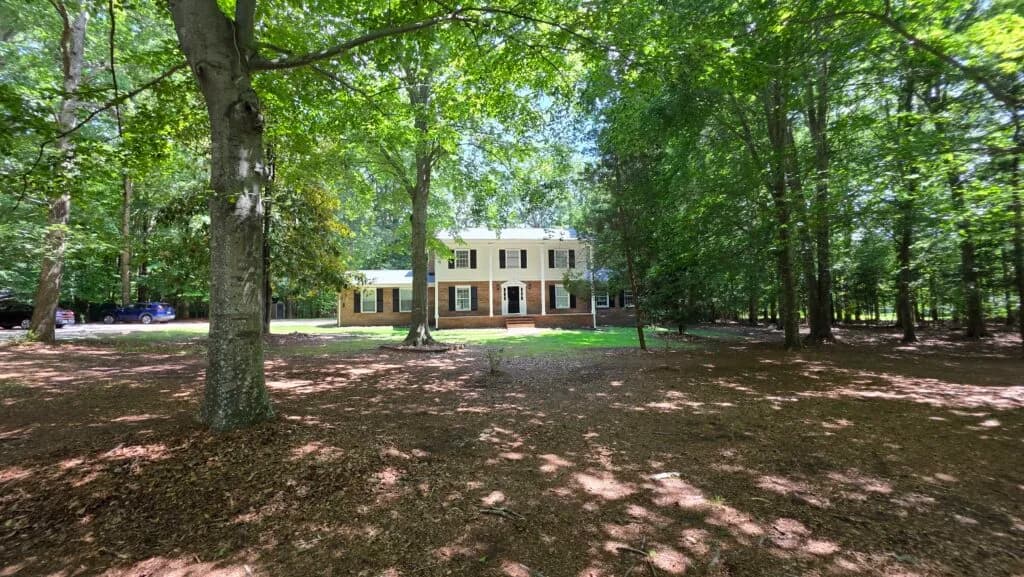
Faith Recovery's Mens Ewell program in Williamsburg, Virginia, combines long-term residential care with partial hospitalization, intensive outpatient, and regular outpatient treatment for adult men. Buprenorphine and naltrexone are used, and veterans, criminal justice clients, and men with co-occurring disorders are served. Medicaid is accepted, with a sliding fee scale and payment assistance.
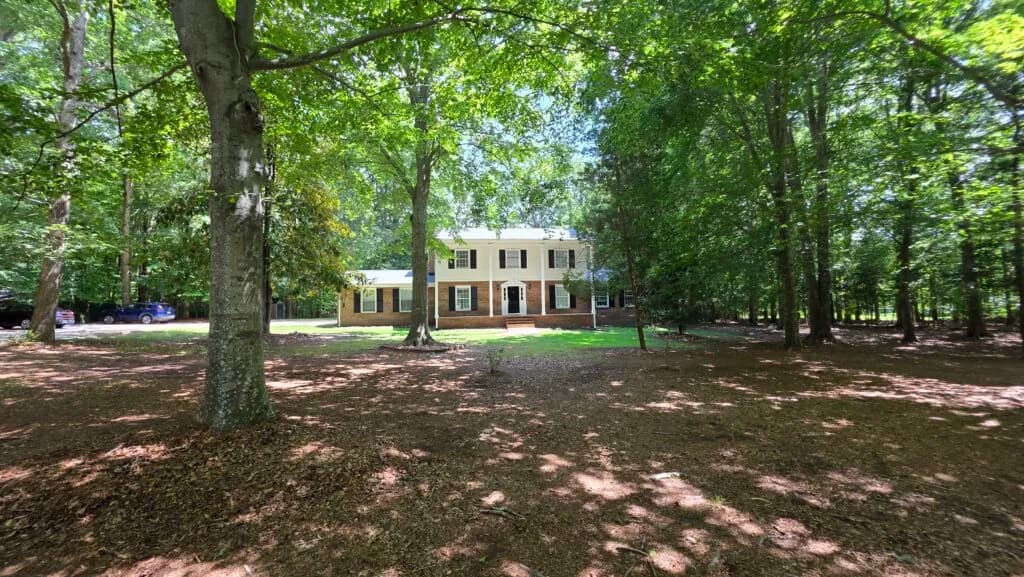
Faith Recovery in Williamsburg, Virginia runs the full span from outpatient and intensive outpatient care through day treatment and long-term residential stays, with buprenorphine and naltrexone available for opioid use disorder. Programs serve adult men and women, pregnant and postpartum women, veterans, and people with co-occurring mental illness. Medicaid, a sliding fee scale, and payment assistance are accepted.
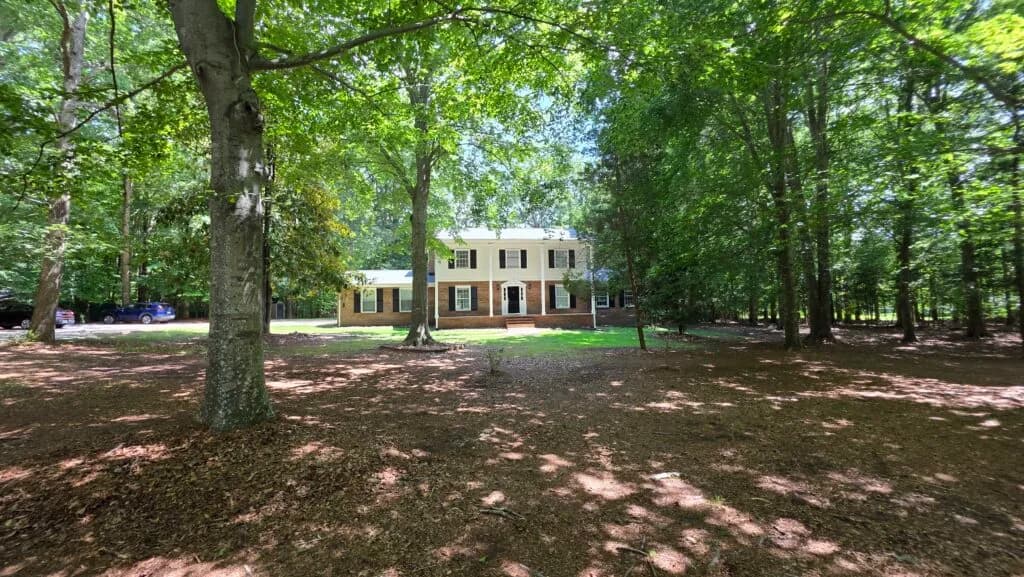
This Williamsburg, Virginia facility offers residential and outpatient substance use treatment, including partial hospitalization, intensive outpatient care, and long-term residential programming. Buprenorphine and naltrexone are used in treatment. Special programs cover pregnant and postpartum women, veterans and military families, forensic clients, and survivors of trauma, sexual abuse, and domestic violence. Medicaid and a sliding fee scale help with cost.
Adults and seniors in Williamsburg, Virginia can access outpatient, day treatment, intensive outpatient, and long-term residential care here, with buprenorphine and naltrexone among the medication options. The program treats co-occurring substance use and serious mental illness and serves veterans, active duty military, criminal justice clients, and people with HIV or AIDS. Medicaid, state-financed insurance, and sliding scale fees are accepted.
Families Free Inc in Kingsport, Tennessee, provides intensive and regular outpatient treatment with naltrexone, focused on adult women, pregnant and postpartum women, and criminal justice clients. Medicaid is accepted, and the listing notes no payment accepted along with payment assistance and federal funding options.
Transitional housing and sober home options accompany intensive outpatient treatment at Families Free Inc in Johnson City, Tennessee, where naltrexone is used in care. Programs serve adult women, pregnant women, and criminal justice clients. Medicaid and federal funding are accepted, with no payment accepted per the listing.
Adults in Elizabethton, Tennessee, can combine intensive outpatient treatment with transitional housing at Families Free Inc, which uses naltrexone and serves pregnant and postpartum women, trauma survivors, and criminal justice clients. Medicaid, federal funding, and payment assistance are listed, with no payment accepted.
Family Center Inc's Healthy Branches program in Brooklyn, New York provides outpatient substance use and co-occurring disorder treatment for all ages, from children to seniors, with buprenorphine and naltrexone available. Programs serve veterans, pregnant women, and clients with HIV or AIDS. Medicaid, SAMHSA block grants, and payment assistance are accepted, with Spanish services.
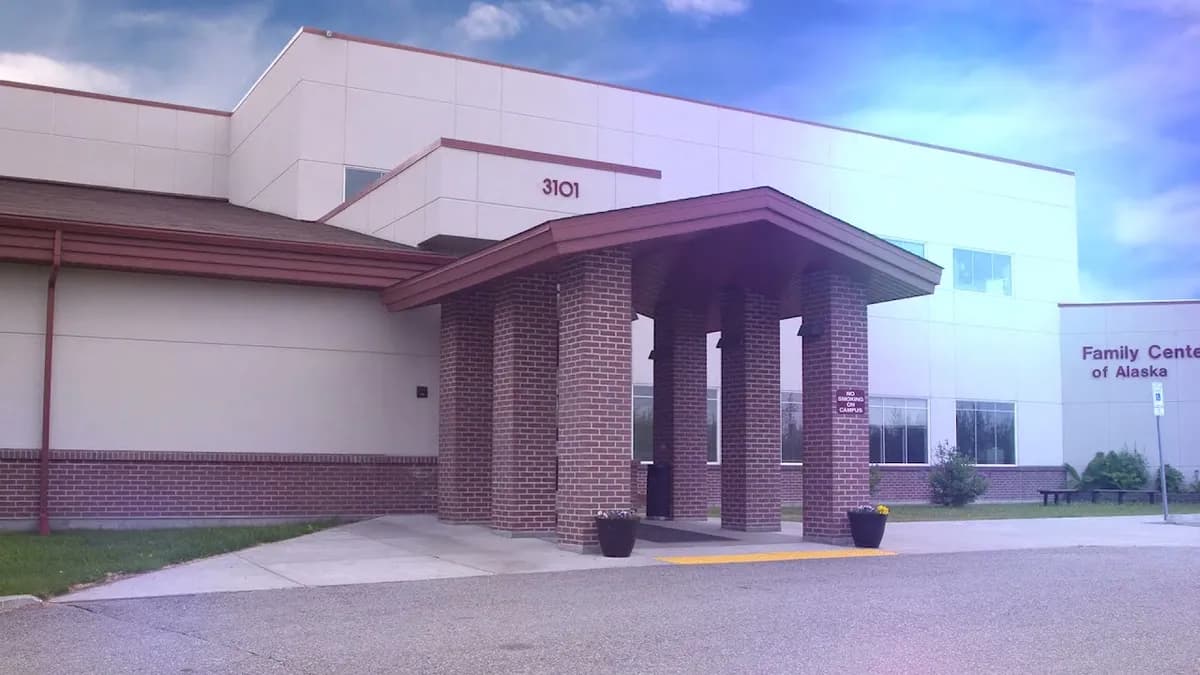
Outpatient substance use treatment for children, adolescents, and young adults in Fairbanks, Alaska, including care for co-occurring serious emotional disturbance and programs for trauma and sexual abuse survivors. Medicaid, TRICARE, private insurance, and self-pay are accepted.
The Family Counseling Center for Recovery, situated in Richmond, VA, delivers thorough outpatient care for substance misuse. This establishment focuses on addressing dual diagnoses of substance use disorders and significant mental health conditions in adults, as well as severe emotional challenges in youth. Offering customized plans for active duty service members, adult males, and females, the center features services such as 12-step program support, anger control techniques, and short-term therapeutic interventions. Catering to adults and young adults irrespective of gender, this facility emphasizes high-quality support and personalized treatment strategies aimed at fostering sustained healing.
Nestled in Fredericksburg, VA, the Family Counseling Center for Recovery delivers extensive outpatient support for individuals pursuing freedom from addiction. This establishment offers detox services, addiction treatment, and tailored support for individuals facing dual mental health diagnoses. Their therapeutic methods encompass 12-step integration, emotional regulation skills, and concise intervention strategies. Distinctive offerings are available for adult females, those who have experienced trauma, and individuals with co-occurring conditions. Serving adult and young adult men and women, the center is dedicated to providing high-standard assistance and encouragement during the recovery journey.
The Family Behavioral Health Clinic, situated in Des Plaines, IL, provides customized treatment programs for substance use that cater to the unique needs of each individual. The facility emphasizes a continuum of care including intensive outpatient, outpatient, and standard outpatient options. It utilizes a variety of methodologies such as anger management techniques, brief interventions, and cognitive behavioral therapy. Special programs are designed for adolescents and adult men and women, and services are accessible to adults and seniors of all genders. The clinic is dedicated to providing exceptional care in a friendly atmosphere, making it a prime option for individuals looking for thorough and effective addiction recovery solutions.
The Family Center of Thomas Jefferson Univ, situated in Philadelphia, PA, is dedicated to assisting adult women who have faced intimate partner violence, domestic abuse, or sexual trauma by providing specialized substance use disorder treatment. They offer robust programs including intensive outpatient care, general outpatient services, and medication-assisted treatment with methadone, buprenorphine, or naltrexone. The center delivers holistic support, integrating approaches such as 12-step facilitation, anger management training, and brief intervention strategies. Serving adults, seniors, and young adults, the Family Center of Thomas Jefferson Univ is committed to delivering empathetic and effective care to support clients in achieving lasting recovery.
Situated in Greenville, MO, Family Counseling Center Inc delivers extensive treatment for substance use disorders alongside specialized support for adults facing co-occurring substance use and severe mental health issues, as well as for children dealing with significant emotional challenges. The center offers outpatient services that incorporate treatments such as methadone/buprenorphine and naltrexone. Additionally, it features various services including anger management, cognitive behavioral therapy, and short-term interventions. The facility also provides customized programs for active-duty service members, adolescents, and adult males. Catering to both adults and youths and serving clients of all genders, this center is dedicated to delivering high-quality care through personalized treatment and supportive measures.
Family Counseling Center Inc, located in Hayti, MO, provides a wide range of addiction recovery services, including detox and treatment for substance use disorders. The center features inpatient detox and treatment options offering round-the-clock care for adults and young adults. Employing methods such as 12-step programming, anger management, and short-term interventions, the facility serves both male and female clients. Tailored programs are also in place for adult men, women, and those who have faced intimate partner or domestic violence. This center is dedicated to delivering effective care and assistance to individuals on their path to recovery from addiction.
Situated in Mountain Grove, MO, Family Counseling Center Inc provides extensive outpatient treatment for substance use issues in both adults and young adults. This center excels in addressing co-occurring substance use disorders along with significant mental health challenges in adults or emotional issues in children. The treatment program incorporates proven methods like 12-step facilitation, anger management strategies, and concise interventions. Moreover, the facility offers tailored support for individuals who have faced sexual abuse or trauma. Emphasizing high-quality care and personalized treatment plans, Family Counseling Center Inc serves both male and female individuals on their journey to recovery and overall wellness.
Situated in Kennett, MO, the Family Counseling Center Inc specializes in providing outpatient substance use treatment specifically designed for adult women. The center utilizes evidence-supported methods, including 12-step facilitation, anger management, and brief intervention strategies, to deliver consistent outpatient care. Prioritizing personalized treatment, this facility serves not only adult women but also LGBTQ individuals, seniors, and young adults involved in the criminal justice system. With its dedication to offering high-quality care and customized programs, the center serves as an essential resource for individuals looking for effective rehabilitation and assistance with substance use challenges.
Family Counseling Center Inc. in Ava, MO, provides extensive outpatient services for individuals of all ages struggling with substance use. The center excels in addressing dual diagnoses, integrating care for co-occurring mental health conditions alongside addiction. Their therapeutic offerings encompass structured approaches like 12-step facilitation, anger management, and brief intervention strategies, all designed to meet unique client requirements. Furthermore, Family Counseling Center Inc. offers dedicated support for individuals with histories of trauma and those involved in the legal system. They are committed to delivering high-quality rehabilitation, welcoming both male and female patients.
Frequently Asked Questions
What is Contingency Management (CM)?
How does Contingency Management work?
What types of rewards are used in CM?
Which addictions respond best to CM?
What happens after CM treatment ends?
About Contingency Management
Contingency Management (CM) is an evidence-based behavioral therapy applying operant conditioning principles to addiction treatment. By providing tangible rewards for verified abstinence and positive behaviors, CM strengthens recovery behaviors through immediate, certain reinforcement. Research demonstrates CM is particularly effective for stimulant addiction where few other treatments work as well.
Scientific Foundation
CM is based on decades of behavioral psychology research showing that behaviors followed by positive consequences increase in frequency. In addiction, substance use is powerfully reinforced by immediate drug effects. CM provides competing positive reinforcement for abstinence and recovery behaviors, shifting behavioral patterns away from substance use toward healthy activities.
How CM Programs Work
Typical CM programs include:
- Frequent Drug Testing: Usually 2-3 times weekly to verify abstinence
- Immediate Reinforcement: Rewards provided right after negative tests
- Escalating Value: Rewards increase with consecutive achievements
- Reset Contingencies: Positive tests reset reward schedule but don't terminate treatment
- Duration: Programs typically run 12-24 weeks with gradual tapering of incentives
Research on Effectiveness
Extensive research shows CM significantly improves abstinence rates, particularly for cocaine and methamphetamine addiction where behavioral therapies are primary treatment options. CM also improves outcomes for marijuana, opioids (especially combined with MAT), alcohol, and nicotine. Benefits include better treatment retention, longer periods of continuous abstinence, and improved engagement.
Types of Rewards
CM programs use various reinforcement approaches: voucher-based systems where points are exchanged for retail goods supporting recovery (sports equipment, educational materials, personal care items); prize-based systems with drawings for prizes of varying values; or privilege-based systems within treatment settings. All avoid cash rewards that could be misused.
Sustainability and Transition
While CM provides external motivation initially, treatment also focuses on developing intrinsic motivation and identifying natural reinforcers in recovery - improved health, relationships, employment, self-respect. Many programs gradually reduce incentive magnitude and frequency, supporting transition to sustainable recovery supported by life improvements rather than tangible rewards.
CM research and information:
Related Treatment Methods
Browse by Condition
Browse contingency management programs in states with the most treatment options.
Related conditions, treatment approaches, and levels of care.
Need immediate help? Call SAMHSA: 1-800-662-4357 (24/7, free)