
Contingency Management Treatment Centers
Contingency Management uses positive reinforcement and tangible rewards to encourage sobriety and treatment engagement. Research shows this approach is particularly effective for stimulant addiction and improving treatment retention.
Found 6,989 treatment centers offering contingency management across the United States.
Need Help Finding the Right Treatment Center?
Speak with a compassionate specialist now - 100% free & confidential
Showing 21 of 6989 results
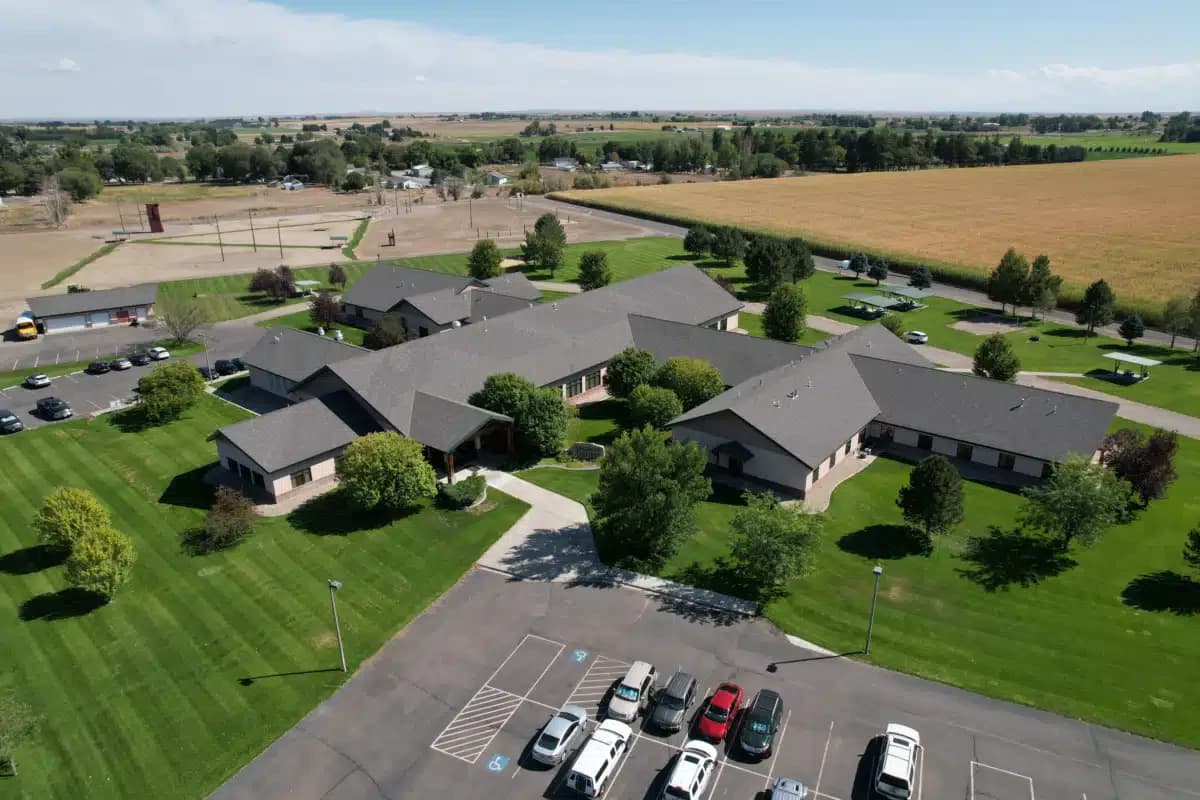
Situated in Gooding, ID, the Walker Center delivers an extensive array of rehabilitation services tailored for both adults and young adults. The facility is particularly focused on detoxification and treatment for substance use disorders, offering long-term residential support and emphasizing 12-step methods and anger management strategies. It also accommodates those facing both substance use issues and significant mental health challenges. Specialized programs are available for active military members, as well as for adult men and women. Committed to providing high-quality care, the Walker Center seeks to assist individuals as they progress on their path to recovery.
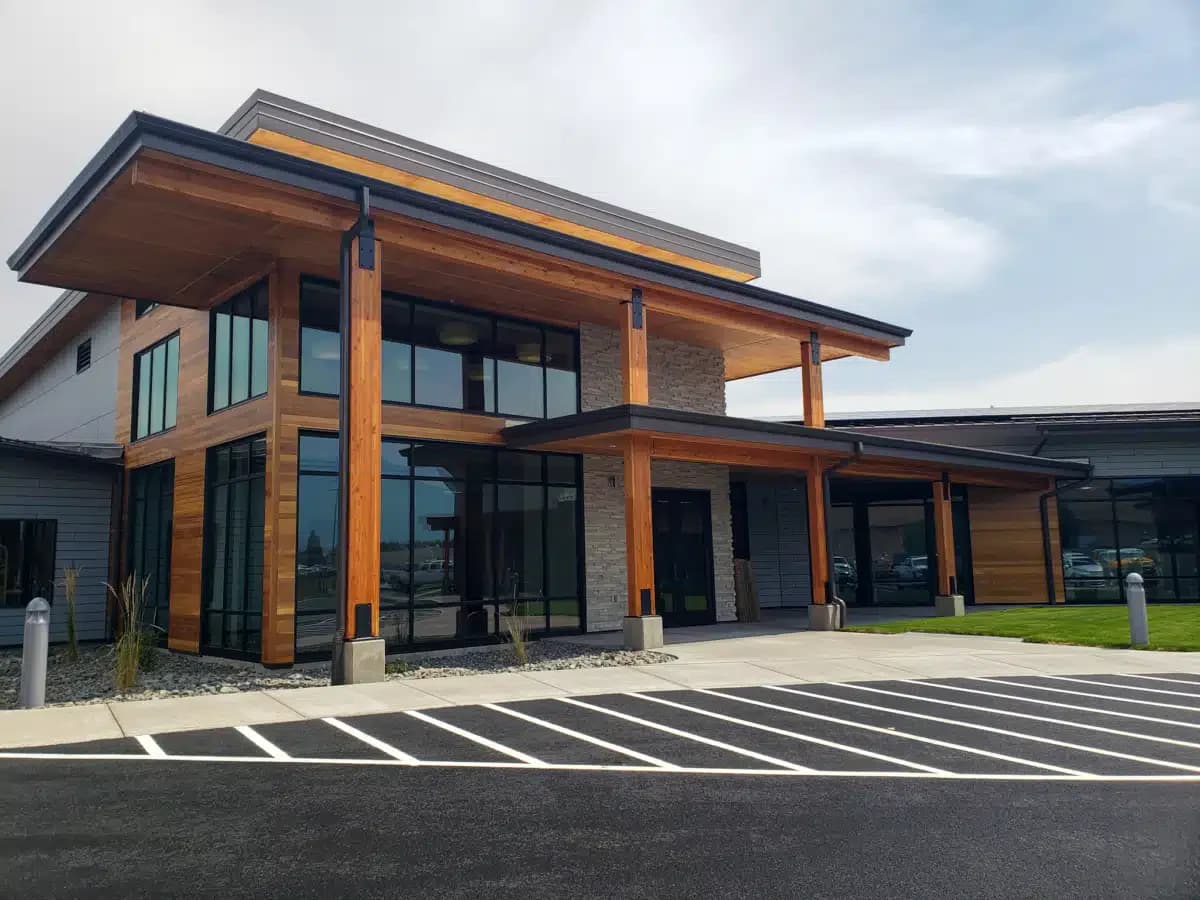
Situated in Enterprise, OR, the Wallowa Valley Center for Wellness provides outpatient services for substance use disorders affecting both adults and children who face significant mental health challenges. Emphasizing techniques such as anger management, brief intervention, and cognitive behavioral therapy, the center is particularly attentive to the needs of veterans. Catering to adults and seniors of every gender, this facility is committed to creating personalized treatment strategies that foster comprehensive healing and recovery. The devoted staff at Wallowa Valley Center for Wellness offers outstanding, evidence-supported care to assist individuals on their path to health and sobriety.
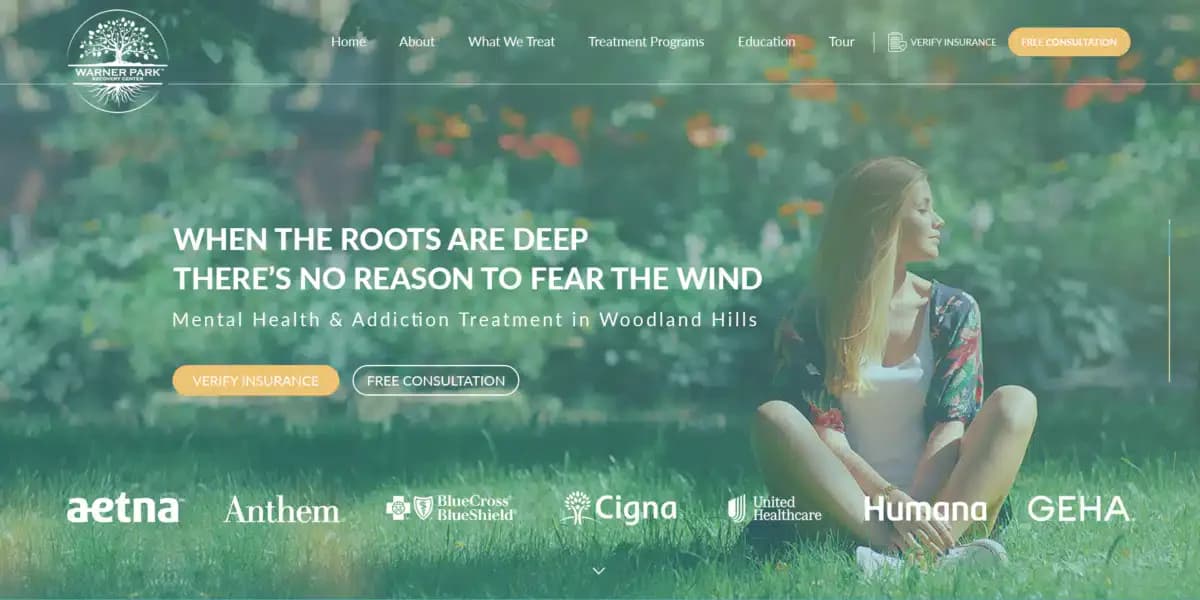
Warner Park Recovery Center, situated in Woodland Hills, CA, delivers targeted treatment for individuals grappling with addiction and concurrent severe mental health challenges, serving both adults and adolescents. The center offers a spectrum of care, including intensive outpatient, outpatient, and partial hospitalization programs. Core therapeutic modalities employed at the facility encompass 12-step facilitation, anger management strategies, and brief intervention techniques. Specialized programming is available for active military personnel, adult men, and women, reflecting a commitment to diverse client needs. Warner Park Recovery Center is dedicated to providing comprehensive and individualized care to assist clients in achieving lasting recovery, welcoming adults and young adults of all gender identities.
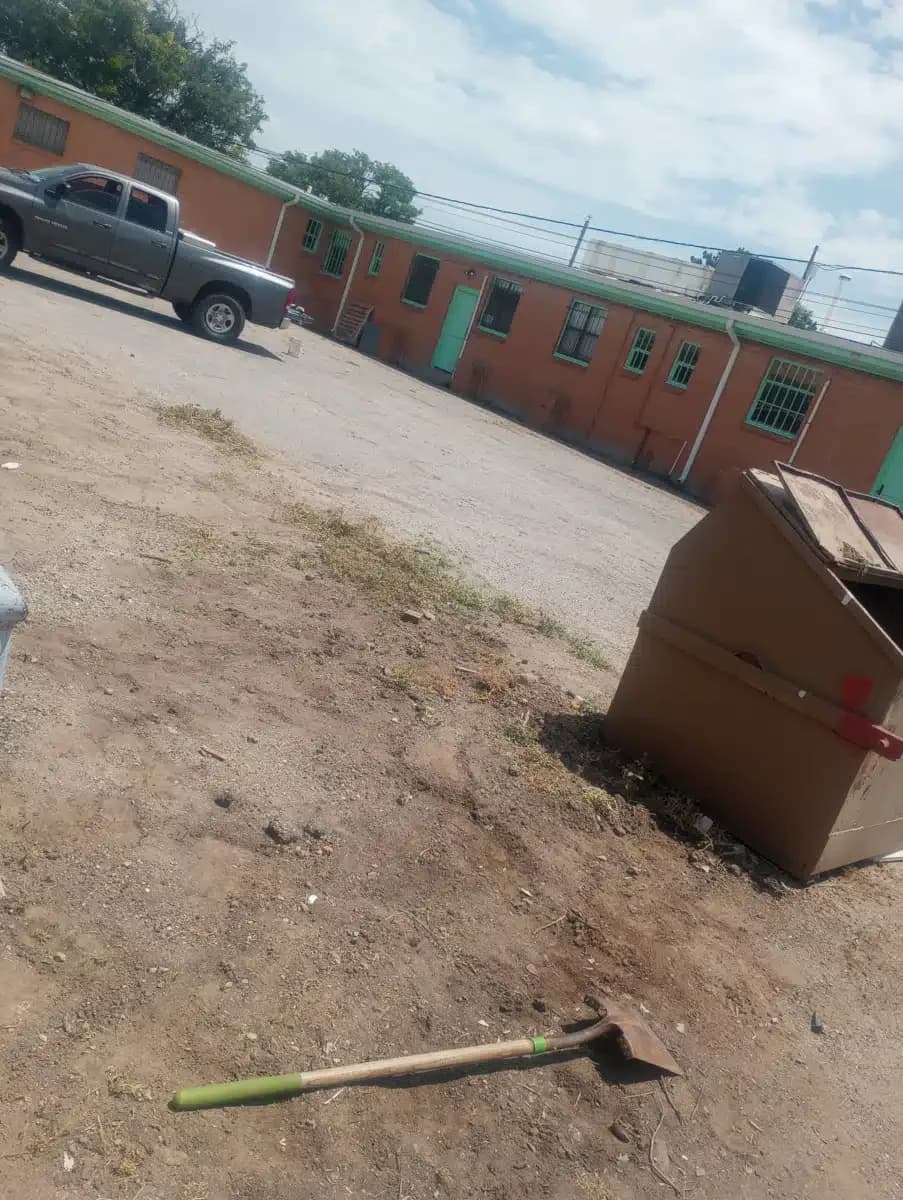
At WTCR Amarillo in Amarillo, TX, adults and young adults can access outpatient services for substance use disorder and detoxification. This center excels in 12-step facilitation, anger management, and brief intervention strategies, serving both male and female individuals. They offer specialized support for pregnant and postpartum women, ensuring quality care within a nurturing setting. WTCR Amarillo provides comprehensive treatment options, including detoxification and medication-assisted treatment with methadone, buprenorphine, or naltrexone, tailored to each person's unique recovery journey. Their mission is to guide clients toward sustained sobriety and overall well-being.
Situated in Twin Falls, ID, Walker Center provides extensive treatment options for substance use disorders, catering to both adults and children dealing with concurrent serious mental health issues. Their offerings encompass various levels of care, including intensive outpatient, outpatient, and standard outpatient programs, integrating methods such as 12-step assistance, anger management, and short-term intervention strategies. The center features specialized programs aimed at adolescents, as well as adult men and women, ensuring that a wide range of needs are met. Walker Center delivers personalized care for both male and female clients, creating a nurturing space for individuals seeking recovery from substance use or mental health challenges.

Situated in Plano, TX, WTCR Plano delivers outpatient detox and substance use treatment solutions for both adults and young adults. This center emphasizes 12-step facilitation, anger management, and brief intervention techniques, accommodating clients of all genders. With special attention to pregnant and postpartum women, WTCR Plano ensures personalized care tailored to various requirements. Clients seeking detox options or continuous treatment involving methadone, buprenorphine, or naltrexone can rely on receiving exceptional support. For those in need of efficient addiction treatment in Plano, WTCR Plano is committed to guiding individuals toward sustainable recovery.
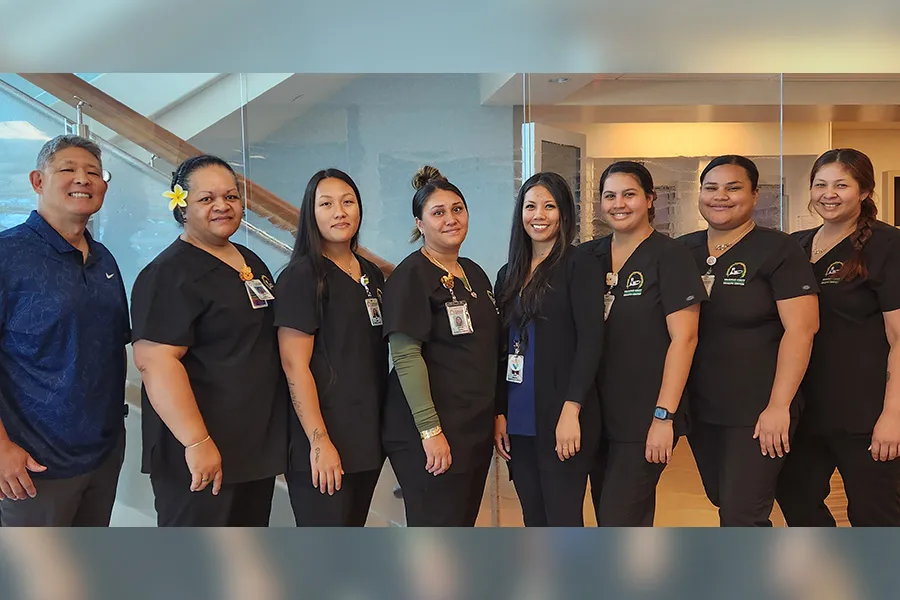
Malama Recovery Services at Waianae Coast Comp Health Center in Waianae, Hawaii, offers outpatient and intensive outpatient substance use treatment with buprenorphine and naltrexone. Programs serve pregnant and postpartum women and criminal justice clients. Medicare, Medicaid, and private insurance are accepted, with a sliding fee scale.
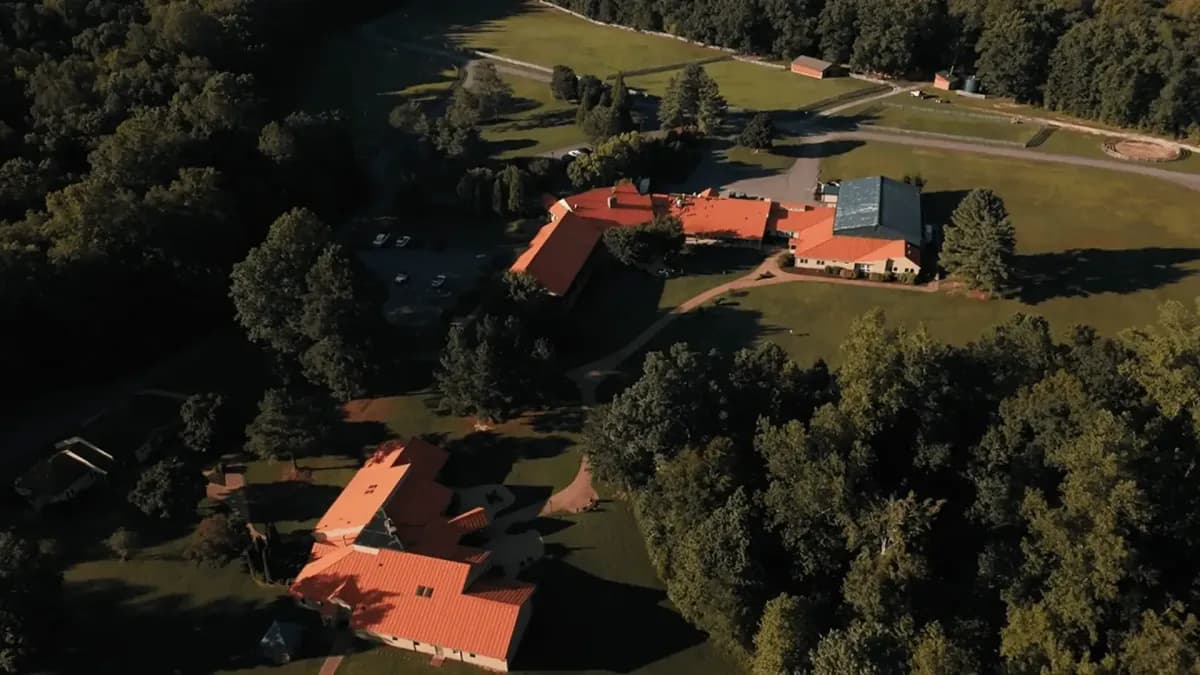
Warriors Heart Texas in Bandera, Texas, focuses on military veterans and first responders, offering residential detox, long-term residential care, partial hospitalization, and intensive outpatient treatment with buprenorphine and naltrexone, plus transitional housing. TRICARE, tribal funds, and private insurance are accepted.

Warriors Heart Virginia in Milford, Virginia, is a long-term residential program with on-site detoxification built around military veterans and first responders. Buprenorphine and naltrexone are used in treatment, and care addresses co-occurring mental health conditions, chronic pain, and trauma. TRICARE, tribal funds, government funding, and private insurance are accepted.
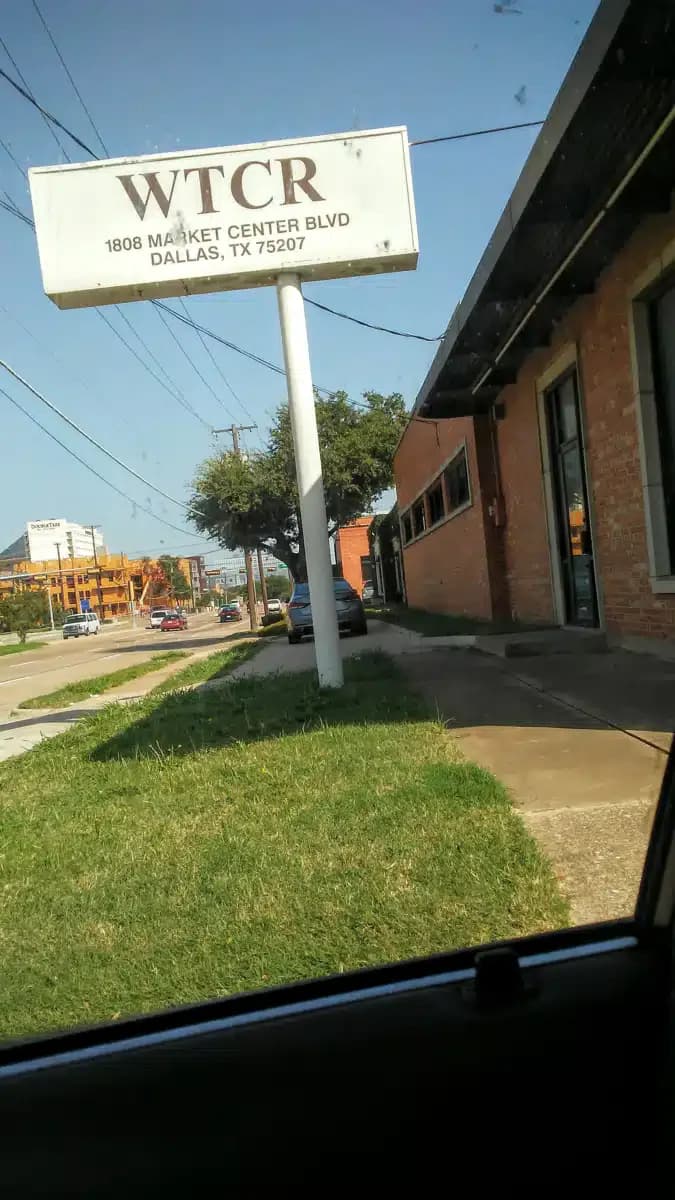
WTCR Dallas, situated in Dallas, TX, provides comprehensive outpatient services including substance abuse treatment and detox. They offer tailored programs for expectant and new mothers, serving adults and young adults across the gender spectrum. Their treatment methodologies encompass 12-step facilitation, anger management, and brief intervention. The center specializes in outpatient medication-assisted treatment, utilizing methadone, buprenorphine, or naltrexone. WTCR Dallas is committed to fostering a secure and welcoming space for individuals to begin and sustain their recovery, emphasizing personal healing and development.
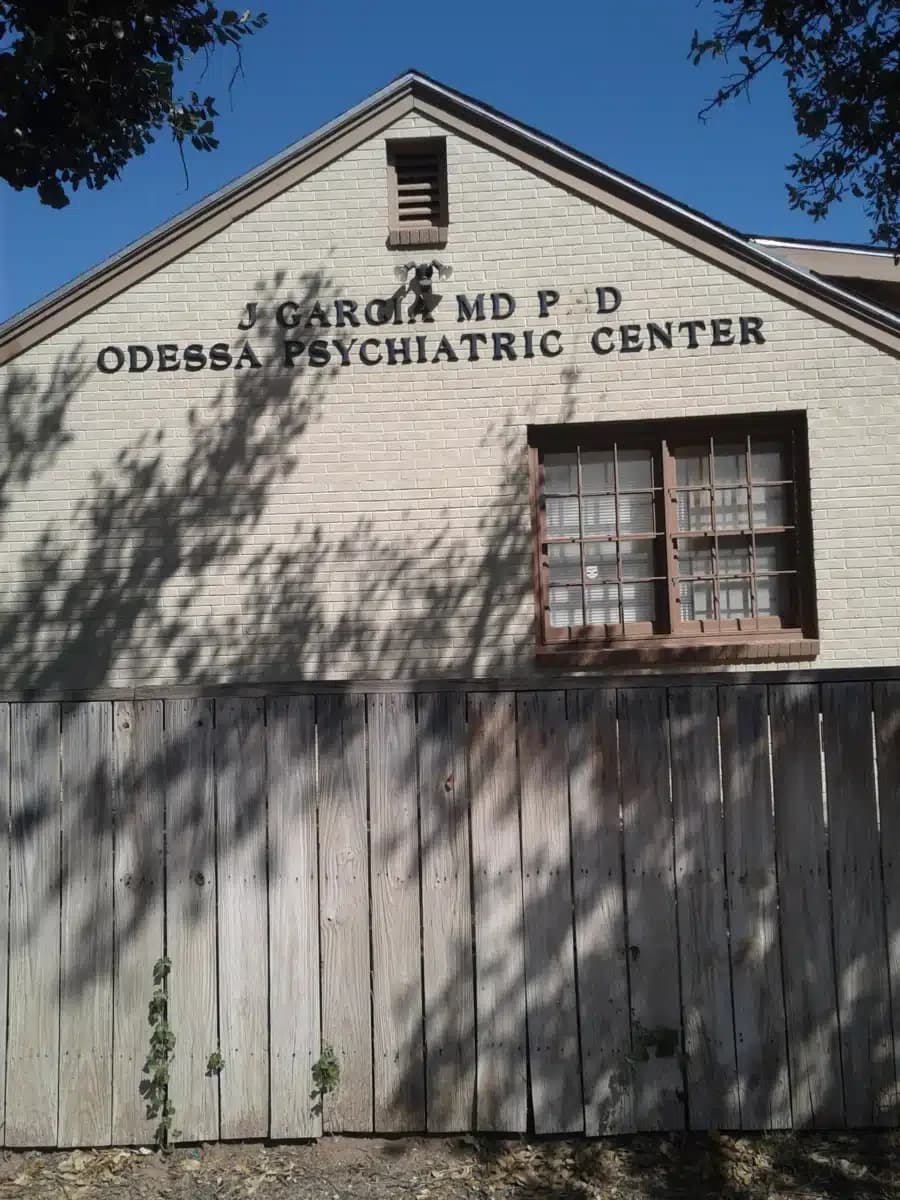
WTCR Odessa, situated in Odessa, TX, is dedicated to providing outpatient addiction treatment, with a focus on medically supervised detox and comprehensive substance use disorder care. The center offers services including outpatient detox, and medication-assisted treatment with methadone, buprenorphine, or naltrexone, serving adults and young adults regardless of gender. WTCR Odessa utilizes proven therapeutic methods like 12-step support, anger management techniques, and brief intervention strategies to deliver thorough treatment. Furthermore, they have specific treatment plans tailored for pregnant and postpartum women. WTCR Odessa is recognized for its commitment to delivering high-quality, personalized care, making it a reliable choice for individuals pursuing effective and empathetic addiction recovery.
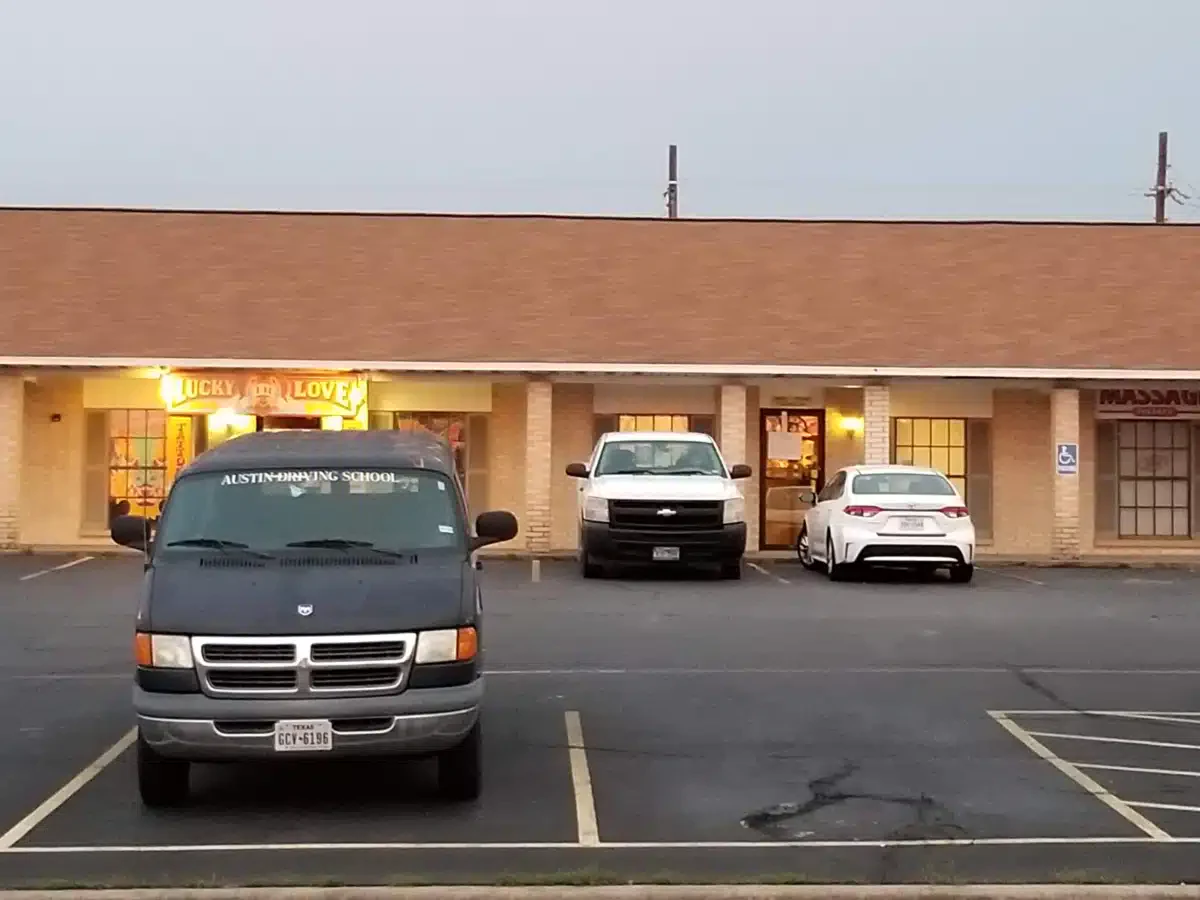
Situated in Temple, TX, WTCR Temple delivers outpatient detox services and treatment for substance use issues for both adults and young adults. This center emphasizes methods such as 12-step facilitation, anger management, and brief intervention strategies, accommodating clients of all genders. WTCR Temple especially prioritizes the needs of pregnant and postpartum women, offering a nurturing space for those aiming to recover. Their outpatient programs for methadone, buprenorphine, or naltrexone provide tailored support for each individual. With a strong focus on high-quality care, WTCR Temple is committed to guiding individuals towards a path of sobriety.
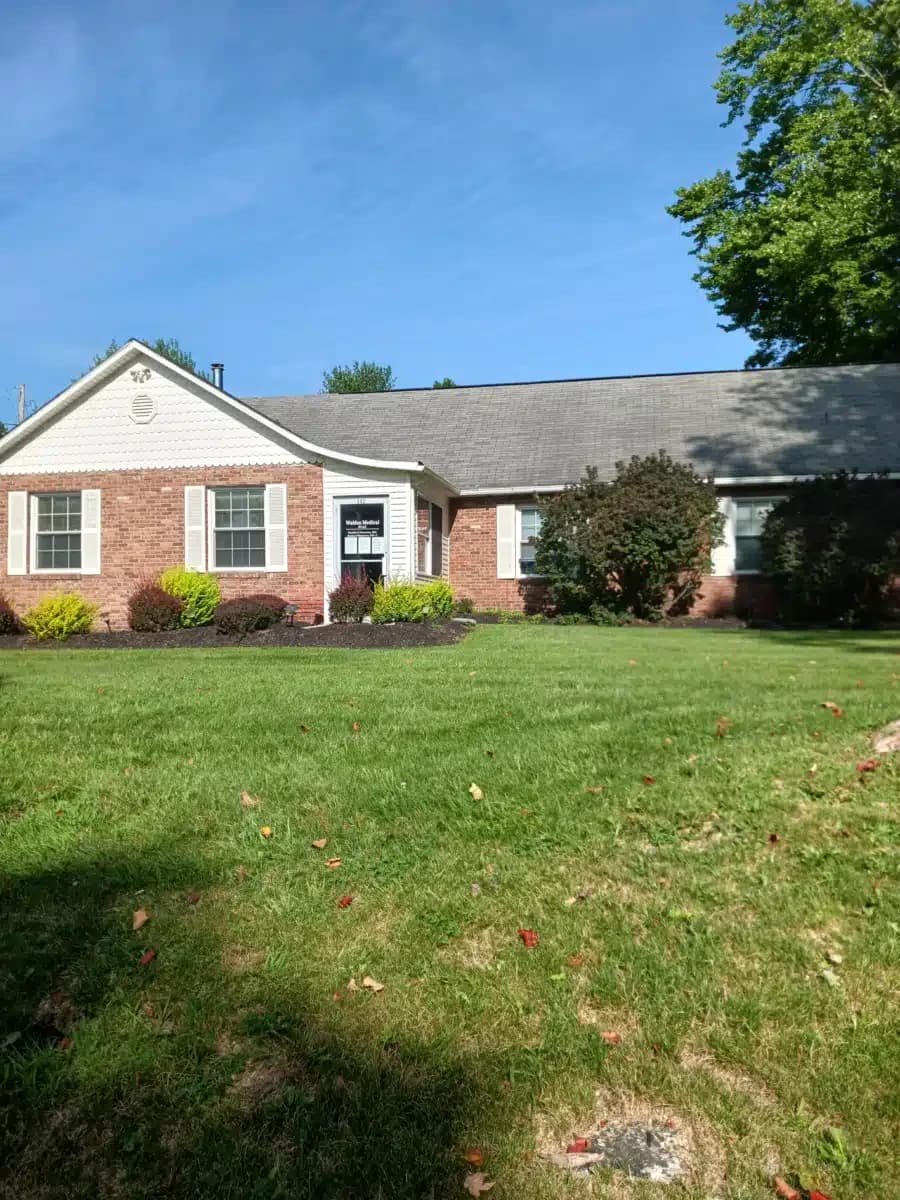
Situated in Walden, NY, Walden Clinic is a dedicated facility providing specialized outpatient services for individuals grappling with substance use disorders, co-occurring severe mental health conditions in adults, and emotional challenges in children. The clinic employs a range of therapeutic modalities, including medication-assisted treatment with methadone, buprenorphine, or naltrexone, alongside general outpatient therapy. They also implement evidence-based interventions like cognitive behavioral therapy and contingency management, tailored to each person's needs. Walden Clinic distinguishes itself with distinct programs catering to adult men, adult women, and those affected by intimate partner violence or domestic abuse. The center extends its support to both adults and the younger population of children and adolescents, serving all genders. Walden Clinic is recognized for its thorough offerings, customized treatment strategies, and a strong dedication to delivering high-quality care.
W B Healthcare/Nu Image, situated in Red Springs, NC, delivers extensive support for substance abuse and tailored services for adults with co-occurring substance use and significant mental health disorders, as well as children experiencing severe emotional challenges. The facility offers a range of treatment modalities, such as intensive outpatient, standard outpatient, and day treatment programs. Their approach emphasizes 12-step facilitation, anger management techniques, and brief intervention strategies, serving active duty military personnel, teenagers, adult males, and seniors across both genders. W B Healthcare/Nu Image is committed to providing excellent care and assistance to those on their journey to recovery within a professional and inviting setting.
Situated in Waimea, HI, Waimea Canyon/Teen Care specializes in outpatient treatment for teenagers dealing with substance use challenges. The center employs proven methods such as cognitive behavioral therapy, motivational interviewing, and contingency management to create personalized treatment plans for young clients. It caters to both male and female adolescents, providing them with holistic support in a nurturing setting. Waimea Canyon/Teen Care is distinguished by its dedication to offering top-notch, impactful treatment for youth facing substance use problems. If you're looking for professional assistance for your teenager, this facility is committed to helping them attain sustainable recovery.
Situated in Spanish Fork, UT, the Wasatch BH Special Servs District offers a wide range of addiction recovery services aimed at both adults and young adults. This center specializes in detoxification, treatment for substance use disorders, and care designed for those facing both substance use issues and significant mental health challenges. The facility provides various treatment options, including hospitalization, round-the-clock inpatient care, and extended residential programs to meet the unique needs of each client. By implementing methods such as 12-step programs, anger management techniques, and brief interventions, the center focuses on tailored treatment plans. Additionally, dedicated programs for men, women, and those who have suffered from intimate partner violence underscore the center's dedication to individualized and effective recovery solutions.
WTCR Abilene Inc in Abilene, TX provides a full spectrum of care for those in recovery. Their programs include outpatient detox and treatment for substance use disorders, utilizing medications such as methadone, buprenorphine, or naltrexone. The center's expertise lies in serving adults and young adults, with particular attention to pregnant and postpartum women. Employing proven methods like 12-step facilitation, anger management, and brief intervention, they deliver effective care to all genders. For specialized assistance in a supportive setting, explore the varied therapeutic paths at WTCR Abilene Inc.
Situated in Garland, TX, WTCR Garland provides outpatient detox services, treatment for substance use disorders, and outpatient programs for methadone, buprenorphine, or naltrexone. This center is dedicated to 12-step facilitation methods, anger management strategies, and brief intervention techniques. Focusing on the needs of pregnant and postpartum women, WTCR Garland caters to adults and young adults across all genders. The facility fosters a nurturing atmosphere for those striving to defeat addiction. Their customized programs and extensive care guarantee that every client gets individualized treatment to support their path to recovery.
WTCR Irving, situated in Irving, TX, provides outpatient detox and treatment solutions for substance use, specifically designed for both adults and young adults. The center features targeted support for women during pregnancy and postpartum. Treatment modalities employed include 12-step support, anger management strategies, and brief intervention methods. WTCR Irving serves both male and female clients, delivering gender-specific care when appropriate. Committed to high-quality service and personalized treatment plans, this center aims to assist individuals in conquering addiction and establishing a solid pathway to enduring recovery.
WTCR Midland, situated in Midland, TX, delivers thorough outpatient care for withdrawal management and addiction recovery. They provide services for detox as an outpatient, along with medication-assisted treatment using methadone, buprenorphine, or naltrexone, serving adults and younger adults. Their approach incorporates 12-step support, strategies for managing anger, and brief intervention techniques, adapting programs to each person's unique situation. A key feature at WTCR Midland is dedicated assistance for expectant and new mothers. Welcoming both men and women, the center fosters a nurturing space for everyone on their path to sobriety. Discover effective, individualized recovery at WTCR Midland.
Situated in San Angelo, TX, WTCR San Angelo specializes in outpatient detox and substance use recovery for both adults and young adults. The center includes specific programs designed for pregnant or postpartum women, providing customized care for their unique needs. Employing treatment methods such as 12-step facilitation, anger management, and brief interventions, this facility emphasizes holistic support. WTCR San Angelo serves clients of all genders, fostering a secure and welcoming atmosphere for everyone. Renowned for its high-quality care and individualized treatment plans, those in search of effective addiction recovery can find understanding and assistance at this well-regarded rehabilitation center.
Frequently Asked Questions
What is Contingency Management (CM)?
How does Contingency Management work?
What types of rewards are used in CM?
Which addictions respond best to CM?
What happens after CM treatment ends?
About Contingency Management
Contingency Management (CM) is an evidence-based behavioral therapy applying operant conditioning principles to addiction treatment. By providing tangible rewards for verified abstinence and positive behaviors, CM strengthens recovery behaviors through immediate, certain reinforcement. Research demonstrates CM is particularly effective for stimulant addiction where few other treatments work as well.
Scientific Foundation
CM is based on decades of behavioral psychology research showing that behaviors followed by positive consequences increase in frequency. In addiction, substance use is powerfully reinforced by immediate drug effects. CM provides competing positive reinforcement for abstinence and recovery behaviors, shifting behavioral patterns away from substance use toward healthy activities.
How CM Programs Work
Typical CM programs include:
- Frequent Drug Testing: Usually 2-3 times weekly to verify abstinence
- Immediate Reinforcement: Rewards provided right after negative tests
- Escalating Value: Rewards increase with consecutive achievements
- Reset Contingencies: Positive tests reset reward schedule but don't terminate treatment
- Duration: Programs typically run 12-24 weeks with gradual tapering of incentives
Research on Effectiveness
Extensive research shows CM significantly improves abstinence rates, particularly for cocaine and methamphetamine addiction where behavioral therapies are primary treatment options. CM also improves outcomes for marijuana, opioids (especially combined with MAT), alcohol, and nicotine. Benefits include better treatment retention, longer periods of continuous abstinence, and improved engagement.
Types of Rewards
CM programs use various reinforcement approaches: voucher-based systems where points are exchanged for retail goods supporting recovery (sports equipment, educational materials, personal care items); prize-based systems with drawings for prizes of varying values; or privilege-based systems within treatment settings. All avoid cash rewards that could be misused.
Sustainability and Transition
While CM provides external motivation initially, treatment also focuses on developing intrinsic motivation and identifying natural reinforcers in recovery - improved health, relationships, employment, self-respect. Many programs gradually reduce incentive magnitude and frequency, supporting transition to sustainable recovery supported by life improvements rather than tangible rewards.
CM research and information:
Related Treatment Methods
Browse by Condition
Browse contingency management programs in states with the most treatment options.
Related conditions, treatment approaches, and levels of care.
Need immediate help? Call SAMHSA: 1-800-662-4357 (24/7, free)