
Motivational Interviewing Treatment Programs
Motivational Interviewing (MI) is a collaborative, person-centered counseling approach that helps individuals discover their own motivation and commitment to change addictive behaviors. MI addresses ambivalence and builds internal drive for recovery.
Found 13,023 treatment centers offering motivational interviewing across the United States.
Need Help Finding the Right Treatment Center?
Speak with a compassionate specialist now - 100% free & confidential
Showing 21 of 13023 results

Situated in Flint, MI, Catholic Charities of Shiawassee provides extensive support for substance use recovery via both outpatient and intensive outpatient services. The center employs various methodologies, including 12-step strategies, anger management techniques, and cognitive behavioral therapy, to assist adults of all genders, including those who have faced domestic or intimate partner violence. With dedicated programs designed for adults and youth of every gender identity, the center focuses on custom-tailored solutions to address the unique challenges of each client. Clients can anticipate compassionate care and personalized treatment plans at this supportive rehabilitation facility.
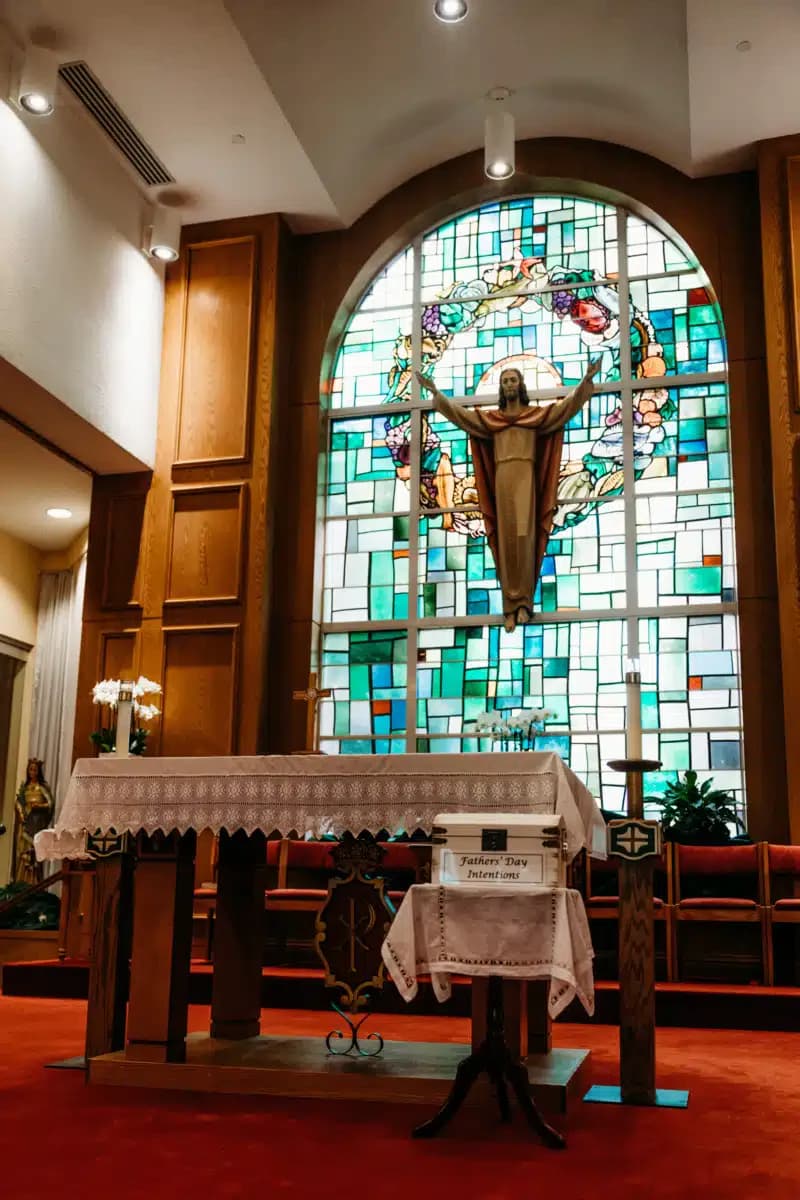
Situated in Hampton Bays, NY, Catholic Charities/Rockville Centre specializes in comprehensive treatment for adults and young adults dealing with substance use issues, particularly those with co-occurring serious mental health conditions or emotional challenges. The center offers outpatient services, including treatments with methadone, buprenorphine, or naltrexone, along with standard outpatient care. Emphasizing techniques such as 12-step facilitation, brief interventions, and cognitive behavioral therapy, this facility serves active duty military members as well as adult men and women. Catholic Charities/Rockville Centre provides customized programs for both genders, ensuring high-quality support for individuals on their path to recovery.
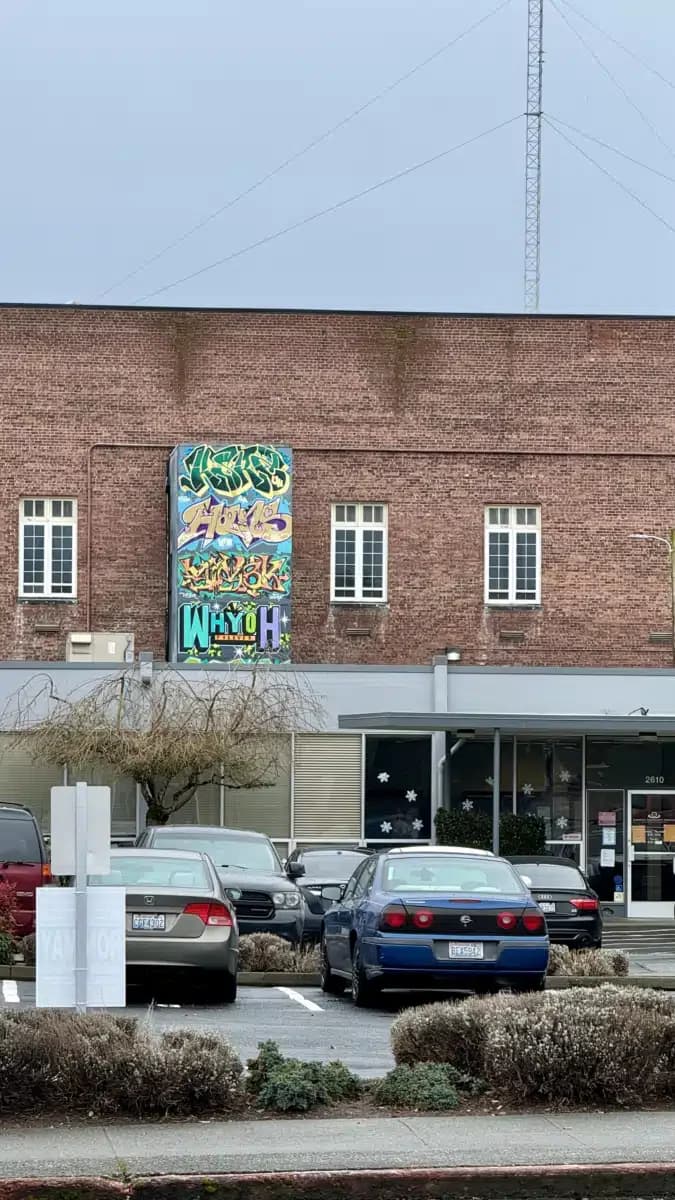
Catholic Community Services located in Seattle, WA provides outpatient treatment for substance use disorders in adults, including those who may also experience significant mental health challenges or emotional issues. This center offers a variety of treatment options, such as outpatient care utilizing methadone, buprenorphine, or naltrexone, alongside standard outpatient services. Emphasizing personalized care, the facility employs evidence-based methods like cognitive behavioral therapy, motivational interviewing, and brief interventions. Customized programs are available for both adults and young adults, accommodating the needs of all genders. For individuals in search of effective addiction treatment that prioritizes individualized support, this center could be an excellent choice.

Catholic Charities of Miami, situated in Miami, FL, provides extensive addiction recovery services for adults and adolescents. This center excels in addressing dual diagnoses, treating individuals with both substance abuse and severe mental health conditions, alongside children experiencing significant emotional challenges. Offering extended residential stays, daily outpatient services, and medication-assisted treatment including methadone, buprenorphine, or naltrexone, the facility tailors each recovery journey with methods like 12-step encouragement, emotional regulation training, and short-term counseling. Special therapeutic offerings are available for those with trauma histories and co-occurring conditions. Emphasizing superior support, Catholic Charities of Miami serves both men and women in pursuit of successful recovery.
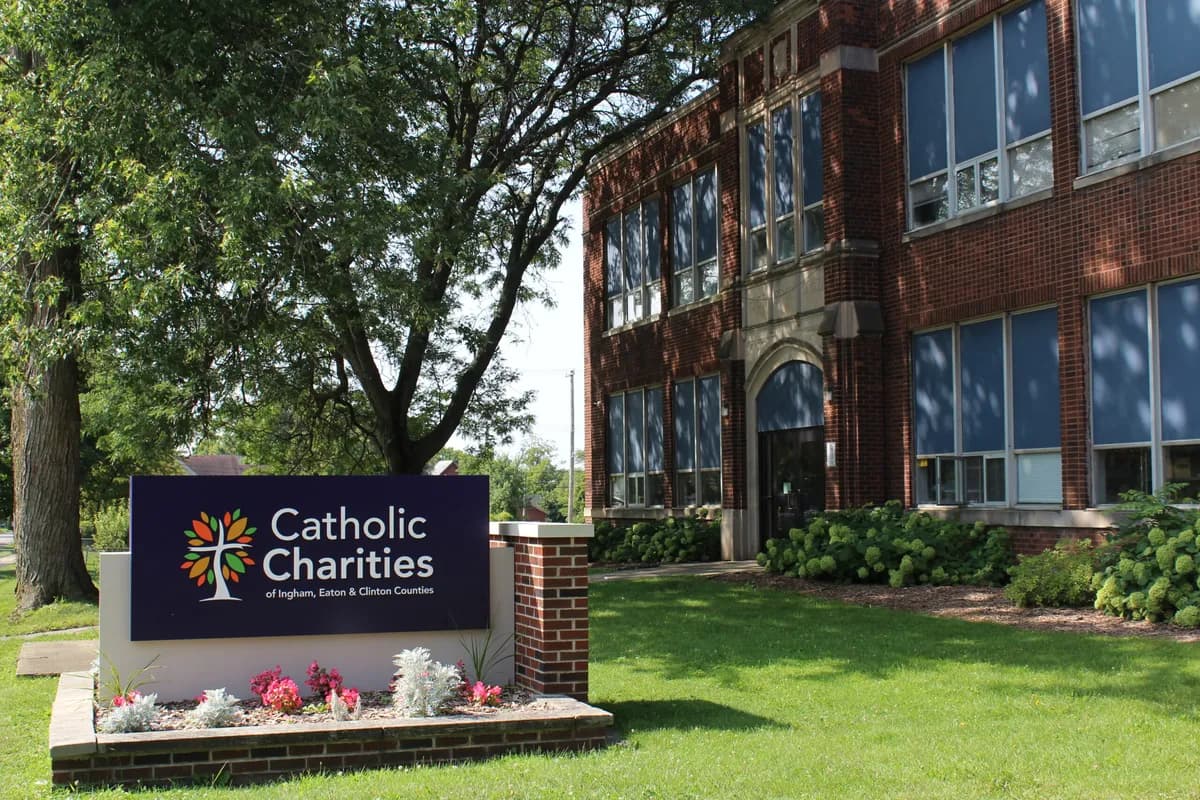
Catholic Charities of Ingham in Lansing, Michigan, offers intensive and regular outpatient substance use treatment for adults, with programs for women, pregnant and postpartum clients, and people with co-occurring mental health disorders. Medicaid, payment assistance, and a sliding fee scale based on income are available.
Regular outpatient substance use treatment in Jackson, Michigan, for adults, young adults, and seniors, including care for co-occurring disorders with serious mental illness. Catholic Charities of Jackson, Lenawee and Hillsdale Counties, accepts Medicare, Medicaid, TRICARE, private insurance, and self-payment.
This Adrian, Michigan, location of Catholic Charities of Jackson, Lenawee and Hillsdale Counties, provides regular outpatient treatment for substance use and co-occurring disorders in adults, including a program for criminal justice and forensic clients. Medicare, Medicaid, TRICARE, and SAMHSA block grant funding are accepted.

Situated in Port Huron, Michigan, Catholic Charities of SE Michigan provides outpatient treatment options for substance use for both adults and youth. The facility employs proven methods such as cognitive behavioral therapy, anger management, and brief interventions in its regular outpatient programs. It particularly focuses on clients involved in the criminal justice system, customizing its services to meet their specific requirements. With an emphasis on personalized care, this center welcomes male and female clients, fostering a nurturing and inclusive atmosphere. Catholic Charities of SE Michigan is recognized for its extensive range of services and dedication to offering exceptional addiction recovery support to those seeking help.
Catholic Community Services in Everett, WA, provides an extensive variety of substance abuse rehabilitation options and focused care for those facing simultaneous mental health challenges. Their offerings encompass intensive outpatient, outpatient, and standard outpatient programs, utilizing methods like anger management, brief intervention, and cognitive behavioral therapy. Designed to meet the needs of adolescents, women, and clients with co-occurring disorders, this center serves adults and seniors of every gender. Catholic Community Services fosters a nurturing atmosphere and employs evidence-based practices to assist individuals in attaining sustainable recovery and overall wellness.
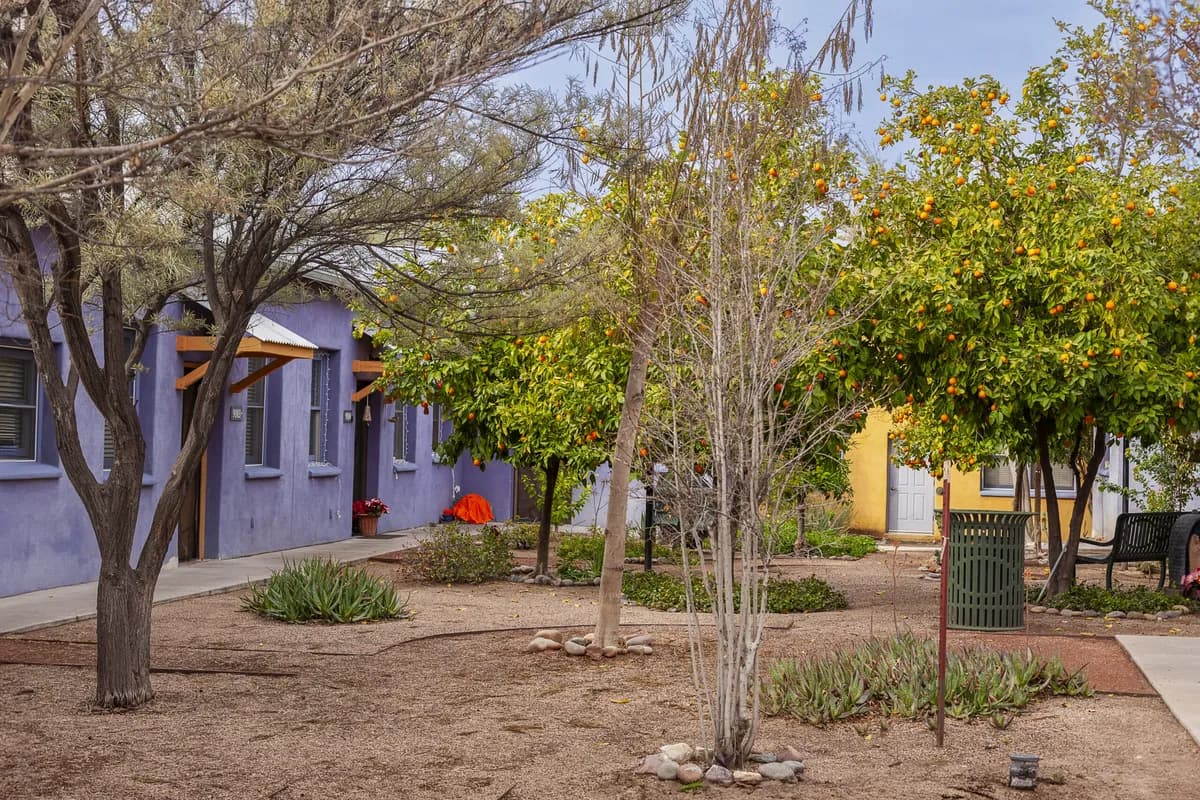
Regular outpatient substance use treatment in Tucson, Arizona, serving children, adolescents, adults, and seniors. Catholic Community Services of Southern Arizona accepts Medicaid and self-payment, with services available in Spanish and in sign language for the deaf and hard of hearing. No opioid treatment medications are listed.
Catholic Human Services in Traverse City, Michigan, provides regular outpatient addiction treatment for adolescents through seniors, including veterans, pregnant and postpartum women, and trauma survivors. Buprenorphine is used in treatment, and Medicaid, Medicare, SAMHSA block grants, and payment assistance are available.
The Houghton Lake, Michigan, office of Catholic Human Services treats adolescents and adults on a regular outpatient basis, using buprenorphine where appropriate. Programs cover pregnant and postpartum women, veterans, and clients with co-occurring mental health conditions. Medicaid, Medicare, and payment assistance are accepted.
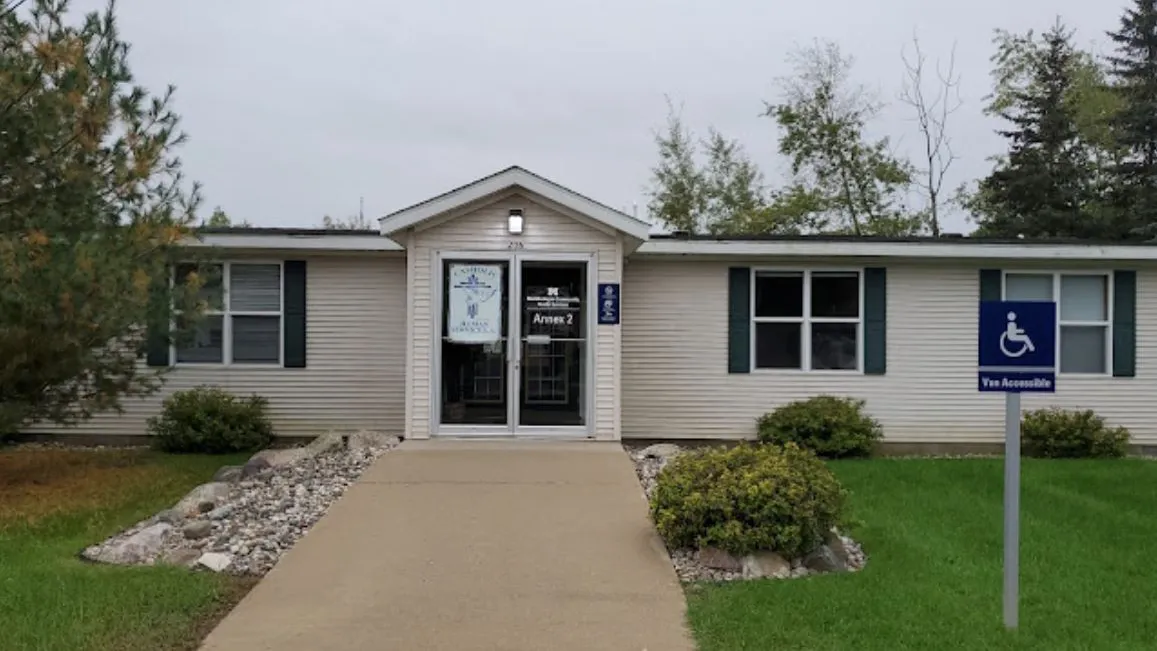
Outpatient addiction treatment in Benzonia, Michigan, is available through Catholic Human Services, which serves adolescents, adults, and seniors, including forensic clients and people with HIV or AIDS. Buprenorphine is used in treatment, and Medicaid, Medicare, SAMHSA block grants, and payment assistance help cover costs.

Catholic Charities of Utica/Rome, situated in Utica, NY, provides extended residential care for adult women battling substance use disorders within a nurturing atmosphere. This establishment offers interim lodging, structured recovery housing, and sober living arrangements for individuals managing both mental health and substance dependency issues. The program employs proven therapeutic methods, including techniques for managing anger, cognitive restructuring, and motivational strategies, to adeptly meet each person's unique challenges. Emphasizing support for those with a history of trauma, the center serves adults, older adults, and younger adults in search of all-encompassing support within a women-only environment. Catholic Charities of Utica/Rome is committed to delivering superior rehabilitative services to foster enduring recovery.
Catholic Charities of SE Michigan, situated in Lapeer, MI, delivers expert outpatient services designed for individuals of all ages struggling with substance abuse and related mental health challenges. Their approach is personalized, incorporating methods like 12-step support, anger management techniques, and brief intervention strategies. The center is equipped to support adolescents, adult men, and women through various treatment options, including outpatient medication-assisted treatment (methadone, buprenorphine, naltrexone) and standard outpatient care, all aimed at fostering lasting recovery.
Situated in Cortland, NY, Catholic Charities of Cortland County provides extensive long-term residential treatment for substance use aimed at adults and young adults. This center features options such as transitional housing, halfway houses, or sober living within a 24-hour residential environment. Emphasizing personalized care, it incorporates 12-step guidance, anger management techniques, and brief intervention methods. The program is designed for both men and women, focusing on customized treatment plans tailored to each individual's needs. Catholic Charities of Cortland County is recognized for its wide-ranging services and dedication to delivering high-quality care, making it an excellent option for individuals seeking effective and individualized support for addiction recovery.
Situated in Cortland, NY, Catholic Charities of Cortland County delivers extensive services for substance use rehabilitation and transitional housing. This center features long-term residential programs that emphasize 12-step principles, anger management techniques, and short intervention strategies. With a strong focus on individualized support, it serves both adult and young adult clients of any gender. Those in need of a sober living environment, halfway house, or around-the-clock residential care can anticipate high-quality, tailored assistance. Catholic Charities of Cortland County is recognized for its dedication to personalized treatment approaches and comprehensive recovery solutions for individuals on their journey to sobriety.
Situated in Utica, NY, Catholic Charities/Diocese of Syracuse provides high-quality substance abuse treatment in a long-term residential framework for adult males. This center delivers targeted care for individuals dealing with both mental health and substance abuse challenges, utilizing methods such as anger management, cognitive-behavioral therapy, and motivational techniques. Programs are customized for clients with a history of trauma. The center also features transitional housing and sober living options. Aimed at adult, senior, and younger adult males, this facility creates a nurturing atmosphere for individuals pursuing extensive rehabilitation support.
Situated in Marysville, WA, Catholic Community Services delivers extensive substance use rehabilitation programs for adults facing significant mental health challenges or emotional issues in children. Their offerings range from intensive outpatient care to standard outpatient services, incorporating methods like anger management, brief intervention techniques, and cognitive behavioral therapy. This center serves both adolescents and adult women, along with individuals dealing with simultaneous mental health and substance use disorders. With an emphasis on supporting both male and female adults and seniors, Catholic Community Services is committed to providing personalized care aimed at achieving successful recovery results.
Catholic Community Services located in Burlington, WA, provides an extensive array of treatment options for individuals of all ages dealing with substance use issues alongside mental health difficulties. The center emphasizes various treatment formats, including intensive outpatient, outpatient, and standard outpatient services. It features tailored programs for teenagers, women, and individuals with dual diagnoses. The facility employs proven methodologies like anger management, brief intervention, and cognitive behavioral therapy, accommodating adults and seniors of any gender. With a strong dedication to delivering high-quality care and personalized treatment strategies, this center serves as an essential support system for those in need of compassionate rehabilitation services.
Catholic Community Services, situated in Bellingham, WA, delivers a full spectrum of substance use disorder care for individuals and families facing co-occurring mental health challenges. Their offerings include intensive outpatient, outpatient, and standard outpatient treatment modalities, employing strategies like anger management, brief intervention, and cognitive behavioral therapy. The facility is equipped to serve various demographics, with tailored programs for teens, adult women, and those with dual diagnoses. Catholic Community Services is dedicated to providing excellent care and personalized recovery plans.
Frequently Asked Questions
What is Motivational Interviewing (MI)?
How does MI differ from traditional counseling?
What are the four processes of MI?
Who benefits from Motivational Interviewing?
How long does MI treatment take?
About Motivational Interviewing
Motivational Interviewing (MI), developed by psychologists William Miller and Stephen Rollnick, is a collaborative, person-centered counseling approach that helps individuals discover their own motivation for behavior change. MI is particularly valuable for addressing ambivalence about recovery and enhancing engagement in treatment.
The Spirit of MI
MI is guided by four key principles:
- Partnership: Collaborative relationship between counselor and client rather than expert-recipient dynamic
- Acceptance: Absolute worth, accurate empathy, autonomy support, and affirmation
- Compassion: Actively promoting client's welfare and prioritizing their needs
- Evocation: Drawing out client's own motivations, ideas, and solutions rather than imposing them
MI Techniques and Strategies
MI counselors use specific techniques including open-ended questions (exploring rather than yes/no), affirmations (recognizing strengths and efforts), reflective listening (understanding client's perspective), and summarizing (pulling together information). These OARS skills create environment where clients articulate their own reasons for change, increasing commitment and follow-through.
Change Talk and Sustain Talk
MI counselors listen for and strengthen "change talk" - client statements expressing desire, ability, reasons, need, and commitment to change. They also recognize "sustain talk" - arguments for maintaining status quo - and respond with reflective listening rather than confrontation. This approach reduces resistance and allows clients to work through ambivalence at their own pace.
Applications and Integration
MI is used as standalone brief intervention, preparation for intensive treatment, or integrated throughout recovery programs. It enhances effectiveness of other treatments like CBT by improving motivation and engagement. MI is effective across substances, populations, and settings from emergency departments to residential treatment to outpatient care.
MI training and resources:
Related Treatment Methods
Browse by Condition
Browse motivational interviewing programs in states with the most treatment options.
Related conditions, treatment approaches, and levels of care.
Need immediate help? Call SAMHSA: 1-800-662-4357 (24/7, free)