
12-Step Programs in Alabama
Medically reviewed by NWVCIL Editorial TeamLast reviewed: May 2026
Our directory lists 59 12-step programs across Alabama, with the largest concentrations in Birmingham (7), Huntsville (5) and Mobile (5).
12-Step Programs like Alcoholics Anonymous (AA) and Narcotics Anonymous (NA) provide peer support, structured recovery framework, and proven principles for lasting sobriety. Many treatment centers integrate 12-step facilitation into their programs.
Treatment landscape in Alabama:
- Alabama reported 1,608 drug overdose deaths in 2023, an age-adjusted rate of 33.9 per 100,000 (CDC NCHS).
- 67 facilities prescribe buprenorphine statewide and 17 are SAMHSA-certified methadone Opioid Treatment Programs; Birmingham, Huntsville, and Mobile carry the largest concentrations.
- Alabama Medicaid covers buprenorphine and naltrexone; methadone for opioid use disorder is reimbursed only at licensed OTPs under Alabama Department of Mental Health oversight.
- 94 of 125 verified facilities offer telehealth therapy, supporting MAT continuation in rural counties between in-person visits.
12-Step in Alabama — By the Numbers
33.9
per 100,000 drug overdose mortality (CDC 2023)
1,608
total overdose deaths in Alabama (2023)
125
verified facilities in our directory
94 / 125
facilities offering telehealth
83
accept Medicaid for treatment
17
SAMHSA-certified Opioid Treatment Programs
Top cities by buprenorphine provider density
Birmingham (14) · Huntsville (7) · Mobile (5)
Sources: CDC NCHS Drug Overdose Mortality (2023) · SAMHSA Treatment Locator · NWVCIL directory snapshot, May 2026
Alabama Medicaid
Alabama Medicaid covers buprenorphine and naltrexone; methadone for opioid use disorder is covered only at licensed Opioid Treatment Programs.
State regulations
Opioid Treatment Programs in Alabama are overseen by the Alabama Department of Mental Health (ADMH) and must meet SAMHSA 42 CFR Part 8 standards.
How to access MAT in Alabama
Most Alabama OTPs cluster around Birmingham, Mobile, and Huntsville; rural patients typically access buprenorphine through primary-care OBOT providers.
- Cash or self-payment55
- Federal, or any government funding for substance use treatment programs42
- Private health insurance37
- SAMHSA funding/block grants32
- Medicaid30
- Medicare23
- Outpatient39
- Regular outpatient treatment36
- Outpatient methadone/buprenorphine or naltrexone treatment26
- Intensive outpatient treatment23
- Residential/24-hour residential20
Need Help Finding the Right Treatment Center?
Speak with a compassionate specialist now - 100% free & confidential
12-Step Treatment Providers in Alabama
12-step programs in Alabama
Birmingham · 7 centers
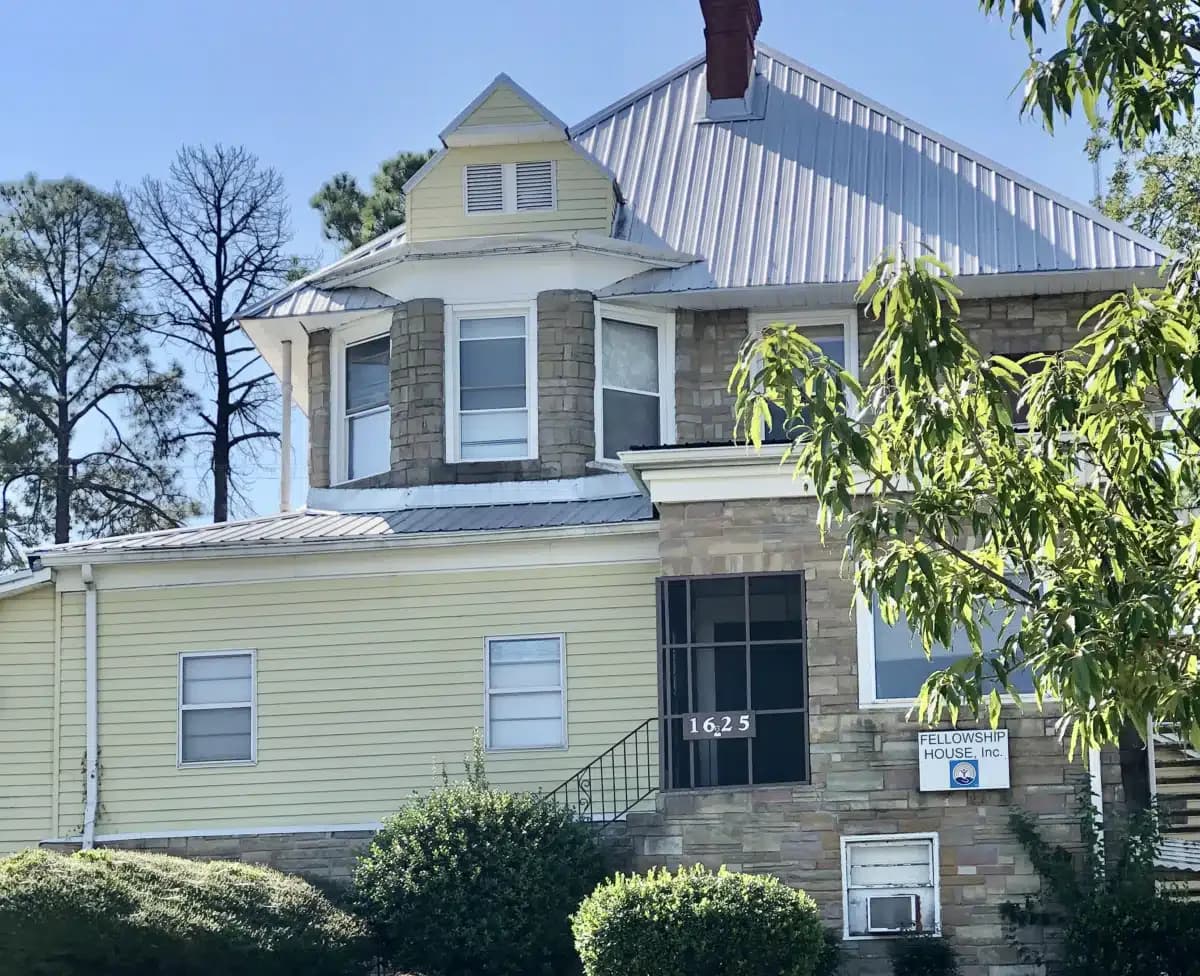
Fellowship House Inc
Birmingham, AL
Services:

Tri County Treatment Center
Birmingham, AL
Services:

Zukoski Outpatient
Birmingham, AL
Services:
Kolbe Clinic
Birmingham, AL
Services:

University of Alabama at Birmingham
Birmingham, AL
Services:
Birmingham VA Healthcare System
Birmingham, AL
Services:
Huntsville · 5 centers
Pathfinder Inc
Huntsville, AL
Services:
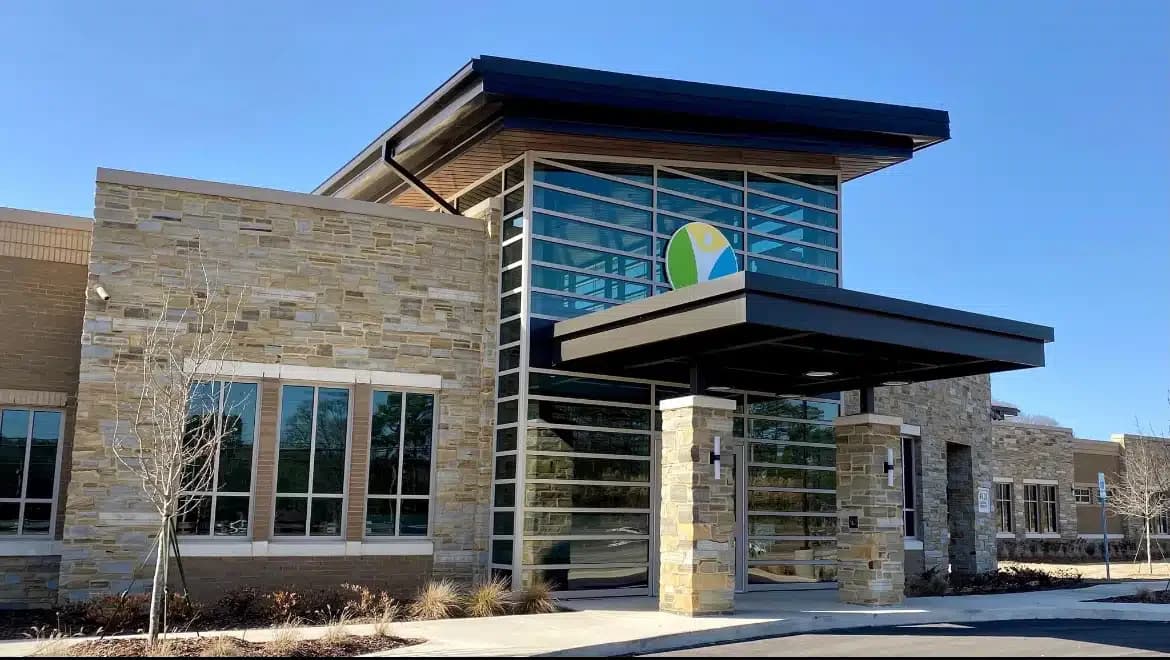
WellStone Inc
Huntsville, AL
Services:
AIDS Action Coalition
Huntsville, AL
Services:
Mobile · 5 centers
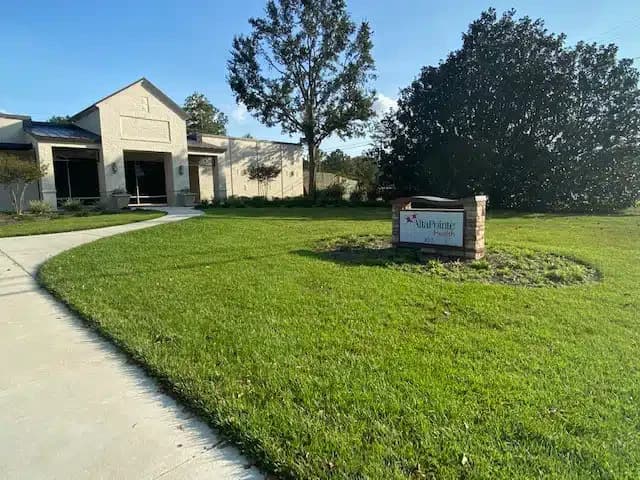
AltaPointe Health Systems Inc
Mobile, AL
Services:

BHG Mobile Treatment Center
Mobile, AL
Services:
Serenity Care Inc
Mobile, AL
Services:
Anniston · 3 centers
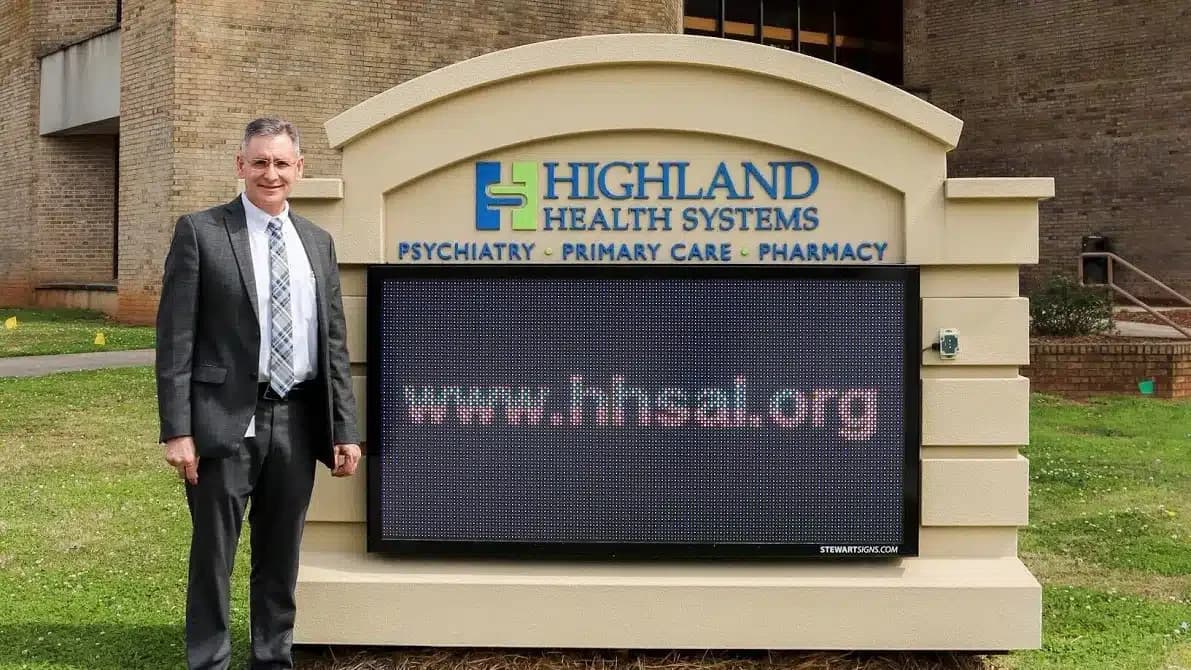
Highland Health Systems
Anniston, AL
Services:
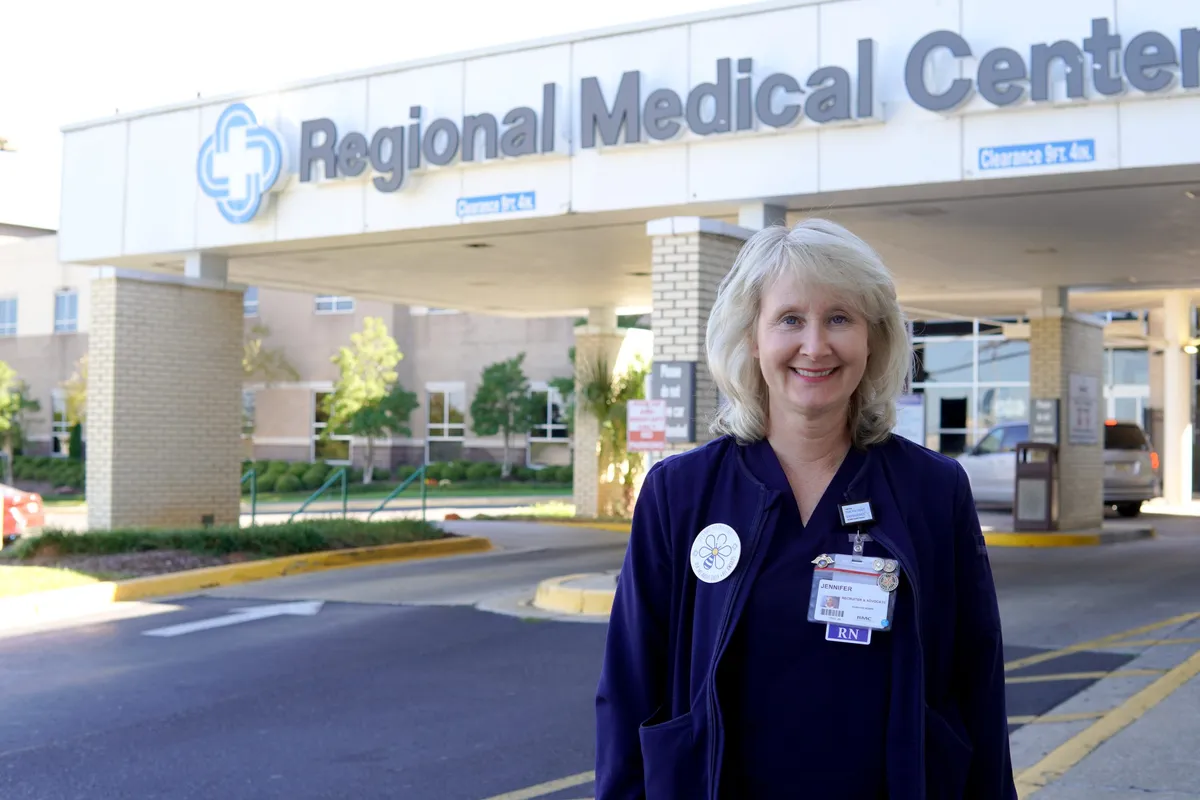
RMC Health System
Anniston, AL
Services:

Anniston Fellowship House Inc
Anniston, AL
Services:
Florence · 3 centers
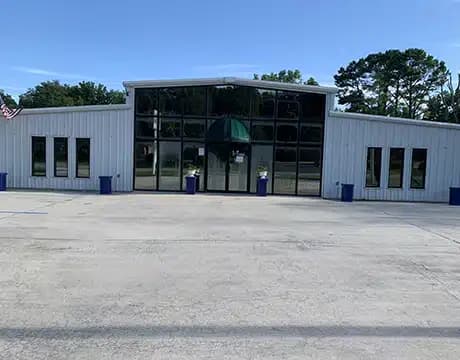
Health Connect America
Florence, AL
Services:
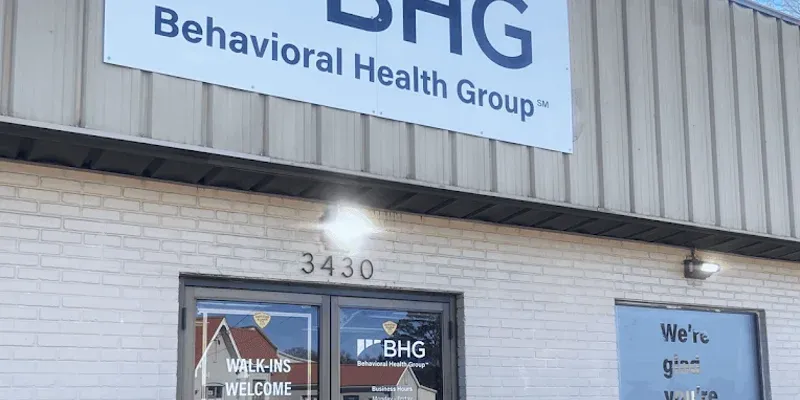
Gadsden · 3 centers
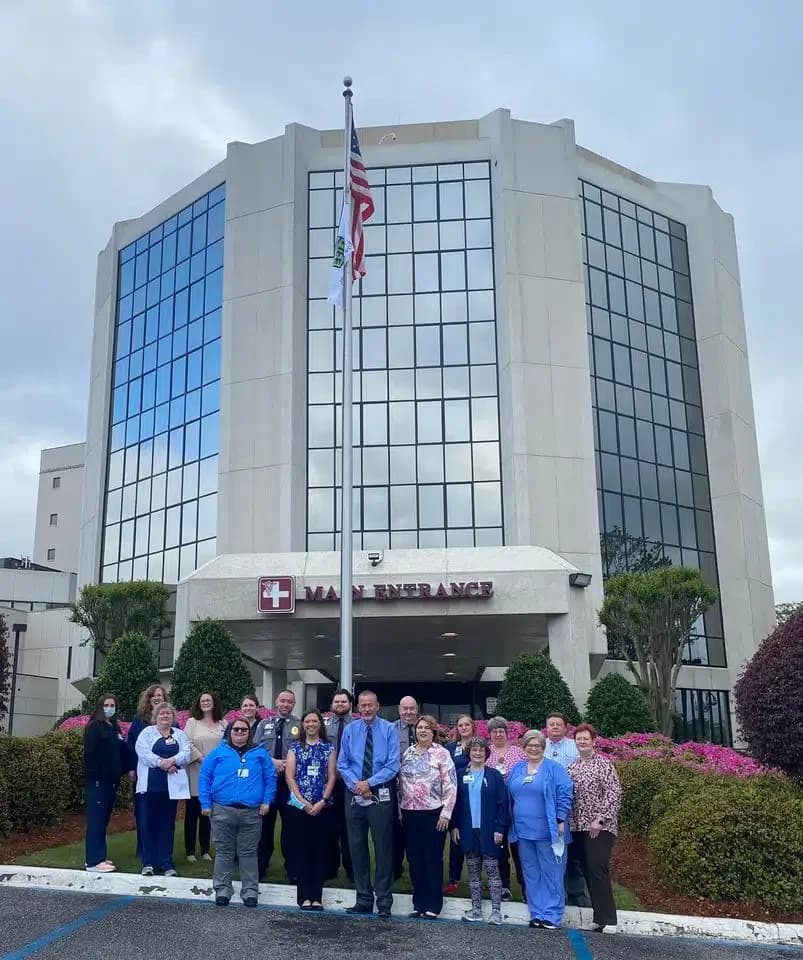
CED Fellowship House Inc
Gadsden, AL
Services:
Jasper · 3 centers

Northwest Alabama Mental Health Ctr
Jasper, AL
Services:
Kolbe Clinic
Jasper, AL
Services:
Walker Recovery Center Inc
Jasper, AL
Services:
Tuscaloosa · 3 centers
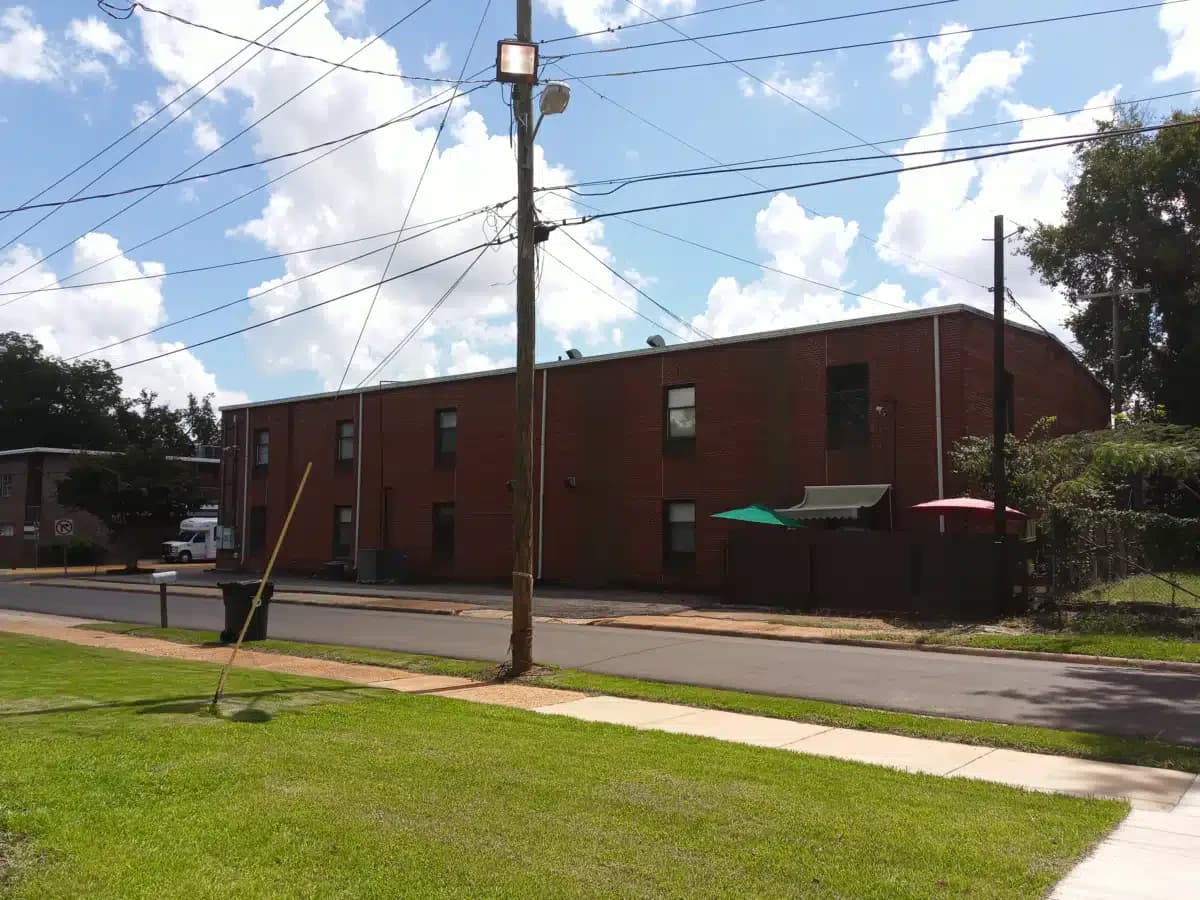
Phoenix House Inc
Tuscaloosa, AL
Services:
Tuscaloosa VA Medical Center
Tuscaloosa, AL
Services:
Kolbe Clinic
Tuscaloosa, AL
Services:
Cullman · 2 centers
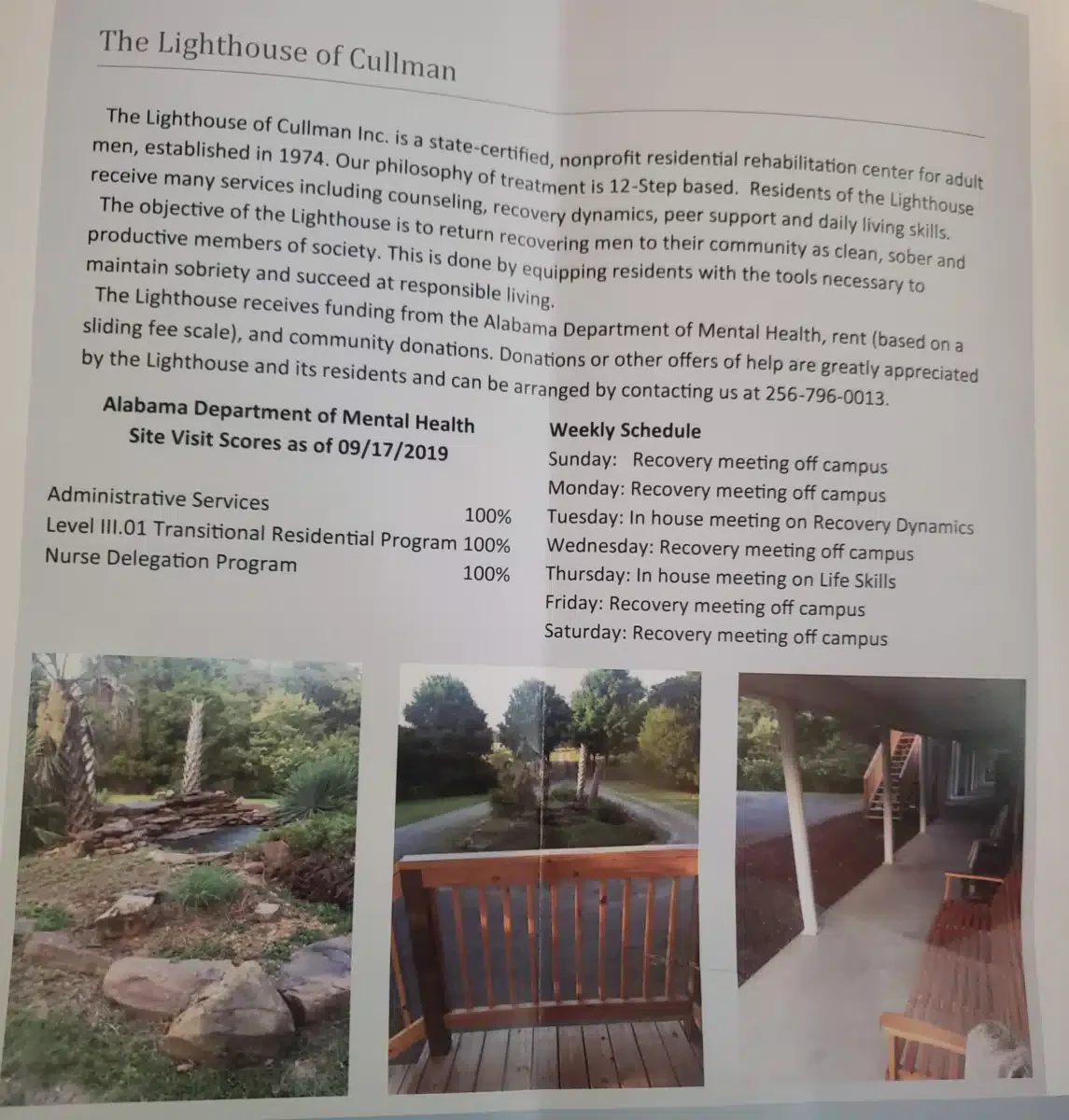
Lighthouse Inc
Cullman, AL
Services:
WellStone Inc
Cullman, AL
Services:
Dothan · 2 centers
SpectraCare Health Systems
Dothan, AL
Services:
Dothan Houston County Drug
Dothan, AL
Services:
Montgomery · 2 centers
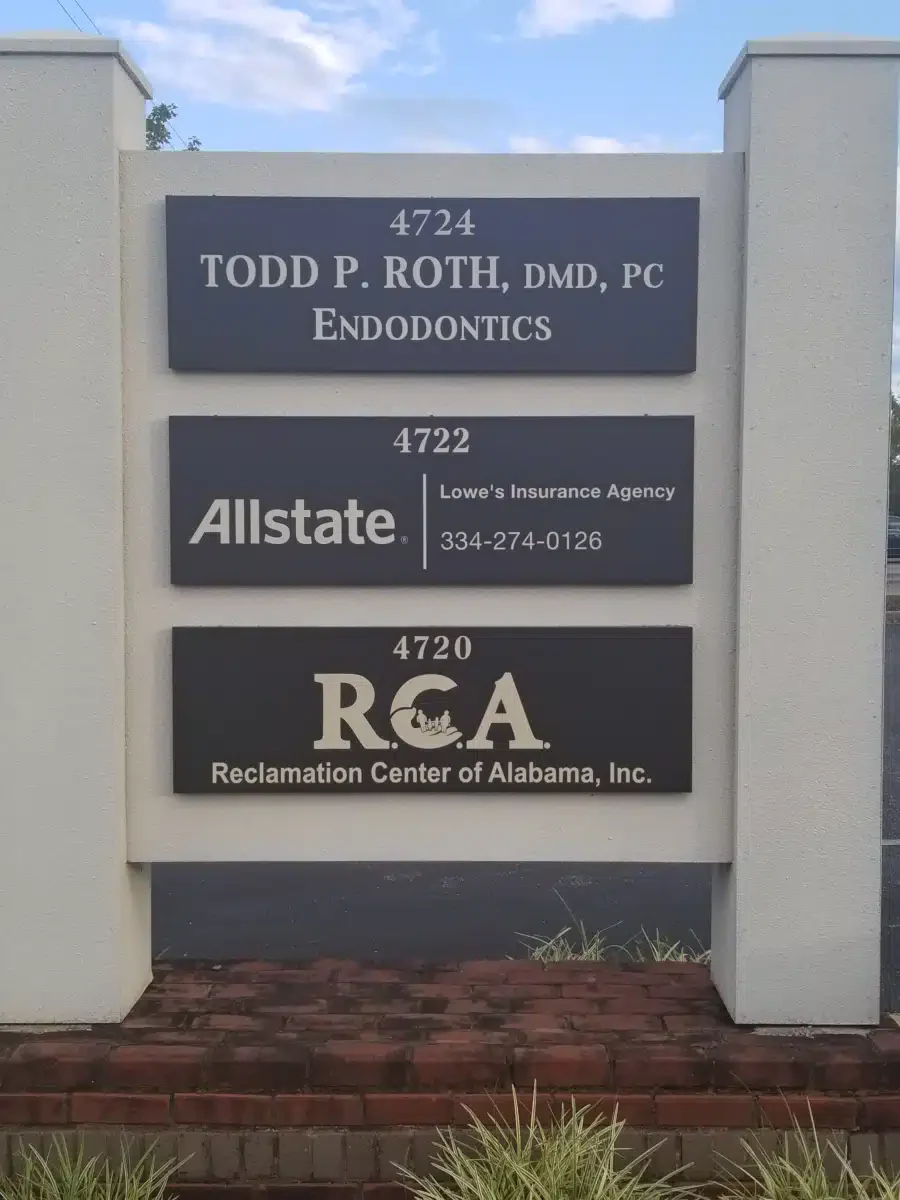
RCA Foundation
Montgomery, AL
Services:
Winfield · 2 centers
Northwest Alabama Mental Health Ctr
Winfield, AL
Services:
Alabaster · 1 center

Shelby County Treatment Center
Alabaster, AL
Services:
Alexander City · 1 center
Lighthouse of Tallapoosa County Inc
Alexander City, AL
Services:
Andalusia · 1 center
South Central Alabama MHC
Andalusia, AL
Services:
Chatom · 1 center

Chelsea · 1 center
Kolbe Clinic
Chelsea, AL
Services:
Clanton · 1 center

Chilton County Treatment Center
Clanton, AL
Services:
Fayette · 1 center
Northwest Alabama Mental Health Ctr
Fayette, AL
Services:
Guntersville · 1 center
Cedar Lodge
Guntersville, AL
Services:
Haleyville · 1 center
Northwest Alabama Mental Health Ctr
Haleyville, AL
Services:
Jackson · 1 center
Madison · 1 center
Bradford Health Services
Madison, AL
Services:
Oneonta · 1 center
Hope House Inc
Oneonta, AL
Services:
Pell City · 1 center

New Pathways Counseling
Pell City, AL
Services:
Sheffield · 1 center

Spanish Fort · 1 center
The Shoulder
Spanish Fort, AL
Services:
Talladega · 1 center
New Beginnings Recovery
Talladega, AL
Services:
Tallassee · 1 center
Kolbe Clinic
Tallassee, AL
Services:
Tuskegee · 1 center

Central Alabama VA Healthcare System
Tuskegee, AL
Services:
Warrior · 1 center
Bradford Health Services
Warrior, AL
Services:
Frequently Asked Questions About 12-Step in Alabama
Do I have to pay to join a 12-step program in Alabama?
No. 12-step programs are free. Members make voluntary contributions ($1–$5 is typical) to cover rent and refreshments, but there are no dues or fees. Never pay a fee to be a member of AA, NA, or any traditional 12-step fellowship.
What happens at a typical 12-step meeting in Alabama?
A typical meeting lasts one hour and includes readings from the fellowship’s literature, a speaker sharing their recovery experience, or a group discussion. Most Alabama meetings close with the Serenity Prayer or similar. First-timers are invited — not required — to introduce themselves.
Do I have to have a sponsor to work the 12-step program?
No. A sponsor is strongly recommended but not mandatory. Some members work the steps in a group study, others do so independently with the help of 12-step literature. Most Alabama old-timers consider a sponsor key to long-term recovery.
Is 12-step more effective than medication?
For opioid use disorder, medication-assisted treatment is the evidence-based gold standard — 12-step alone is not a substitute. For alcohol use disorder, 12-step is comparable to MAT in effectiveness. Combining 12-step with MAT produces the best outcomes.
Do 12-step meetings in Alabama pray together?
Many meetings open with the Serenity Prayer and close with the Lord’s Prayer — though the Lord’s Prayer is less common and some groups have discontinued it. Secular meetings substitute non-religious readings. Alabama groups vary; check format listings.
Can I share that I saw someone at a meeting?
No. "Who you see here, what you hear here, stays here" is repeated at most meetings. Breaking another member’s anonymity outside the meeting violates the 12-step tradition and can cause real harm. Alabama groups take anonymity seriously.
Will I be judged in 12-step for taking prescribed medication?
Some older-generation members hold the view that medication undermines full recovery — this is a minority position and contradicts official AA and NA literature. If you encounter it in Alabama, find a different meeting or a MARA group where MAT is explicitly welcomed.
Does Alabama Medicaid pay for 12-step?
Alabama Medicaid does not pay for peer-led 12-step meetings directly — they are free. However, Alabama Medicaid does cover "12-step facilitation therapy" delivered by a licensed clinician, which is evidence-based and often offered at Alabama treatment programs.
Do I need to show my face on camera at an online 12-step meeting?
No. Most online meetings allow members to keep cameras off; many encourage it for anonymity. Display names may be a first name or initial. Alabama members who value maximum privacy often attend camera-off.
Should I tell my family or partner I’m attending 12-step?
Sharing with a supportive partner or family member can help. Some members prefer privacy in the early weeks. Al-Anon and Nar-Anon in Alabama support family members while you focus on your own recovery. The choice is personal.
Other Treatment Options in Alabama
12-Step Programs in Other States
Need immediate help? Call SAMHSA: 1-800-662-4357 (24/7, free)