
Methadone Treatment Centers in Alabama
Medically reviewed by NWVCIL Editorial TeamLast reviewed: May 2026
Our directory lists 18 methadone clinics across Alabama, with the largest concentrations in Mobile (3), Birmingham (2) and Huntsville (2).
Methadone is a long-acting opioid medication used to treat opioid use disorder by eliminating withdrawal symptoms and cravings without producing a high. It is dispensed through federally certified Opioid Treatment Programs (OTPs) under strict SAMHSA and state regulations.
Treatment landscape in Alabama:
- Alabama reported 1,608 drug overdose deaths in 2023, an age-adjusted rate of 33.9 per 100,000 (CDC NCHS).
- 67 facilities prescribe buprenorphine statewide and 17 are SAMHSA-certified methadone Opioid Treatment Programs; Birmingham, Huntsville, and Mobile carry the largest concentrations.
- Alabama Medicaid covers buprenorphine and naltrexone; methadone for opioid use disorder is reimbursed only at licensed OTPs under Alabama Department of Mental Health oversight.
- 94 of 125 verified facilities offer telehealth therapy, supporting MAT continuation in rural counties between in-person visits.
Methadone in Alabama — By the Numbers
33.9
per 100,000 drug overdose mortality (CDC 2023)
1,608
total overdose deaths in Alabama (2023)
17
methadone providers in our directory
94 / 125
facilities offering telehealth
83
accept Medicaid for treatment
17
SAMHSA-certified Opioid Treatment Programs
Top cities by buprenorphine provider density
Birmingham (14) · Huntsville (7) · Mobile (5)
Sources: CDC NCHS Drug Overdose Mortality (2023) · SAMHSA Treatment Locator · NWVCIL directory snapshot, May 2026
Alabama Medicaid
Alabama Medicaid covers buprenorphine and naltrexone; methadone for opioid use disorder is covered only at licensed Opioid Treatment Programs.
State regulations
Opioid Treatment Programs in Alabama are overseen by the Alabama Department of Mental Health (ADMH) and must meet SAMHSA 42 CFR Part 8 standards.
How to access MAT in Alabama
Most Alabama OTPs cluster around Birmingham, Mobile, and Huntsville; rural patients typically access buprenorphine through primary-care OBOT providers.
- Cash or self-payment18
- Medicaid18
- Medicare17
- Federal, or any government funding for substance use treatment programs15
- Private health insurance15
- SAMHSA funding/block grants14
- Outpatient18
- Outpatient methadone/buprenorphine or naltrexone treatment18
- Regular outpatient treatment14
- Outpatient detoxification8
- Intensive outpatient treatment4
Need Help Finding the Right Treatment Center?
Speak with a compassionate specialist now - 100% free & confidential
Methadone Treatment Providers in Alabama
Methadone clinics in Alabama
Mobile · 3 centers

Metro Treatment of Alabama LP
Mobile, AL
Services:
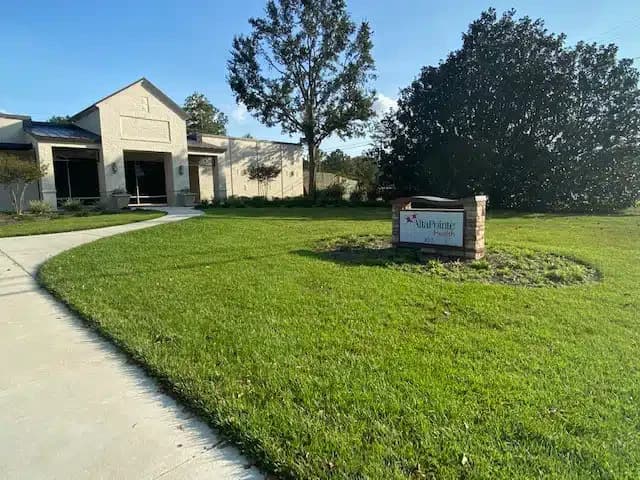
AltaPointe Health Systems Inc
Mobile, AL
Services:

BHG Mobile Treatment Center
Mobile, AL
Services:
Birmingham · 2 centers


Tri County Treatment Center
Birmingham, AL
Services:
Huntsville · 2 centers

Huntsville Metro Treatment Center
Huntsville, AL
Services:

BHG Huntsville Treatment Center
Huntsville, AL
Services:
Alabaster · 1 center

Shelby County Treatment Center
Alabaster, AL
Services:
Bessemer · 1 center

BHG Bessemer Treatment Center
Bessemer, AL
Services:
Clanton · 1 center

Chilton County Treatment Center
Clanton, AL
Services:
Cullman · 1 center

BHG Cullman Treatment Center
Cullman, AL
Services:
Gadsden · 1 center

BHG Gadsden Treatment Center
Gadsden, AL
Services:
Jasper · 1 center
Walker Recovery Center Inc
Jasper, AL
Services:
Montgomery · 1 center

Montgomery Metro Treatment Center
Montgomery, AL
Services:
Newton · 1 center
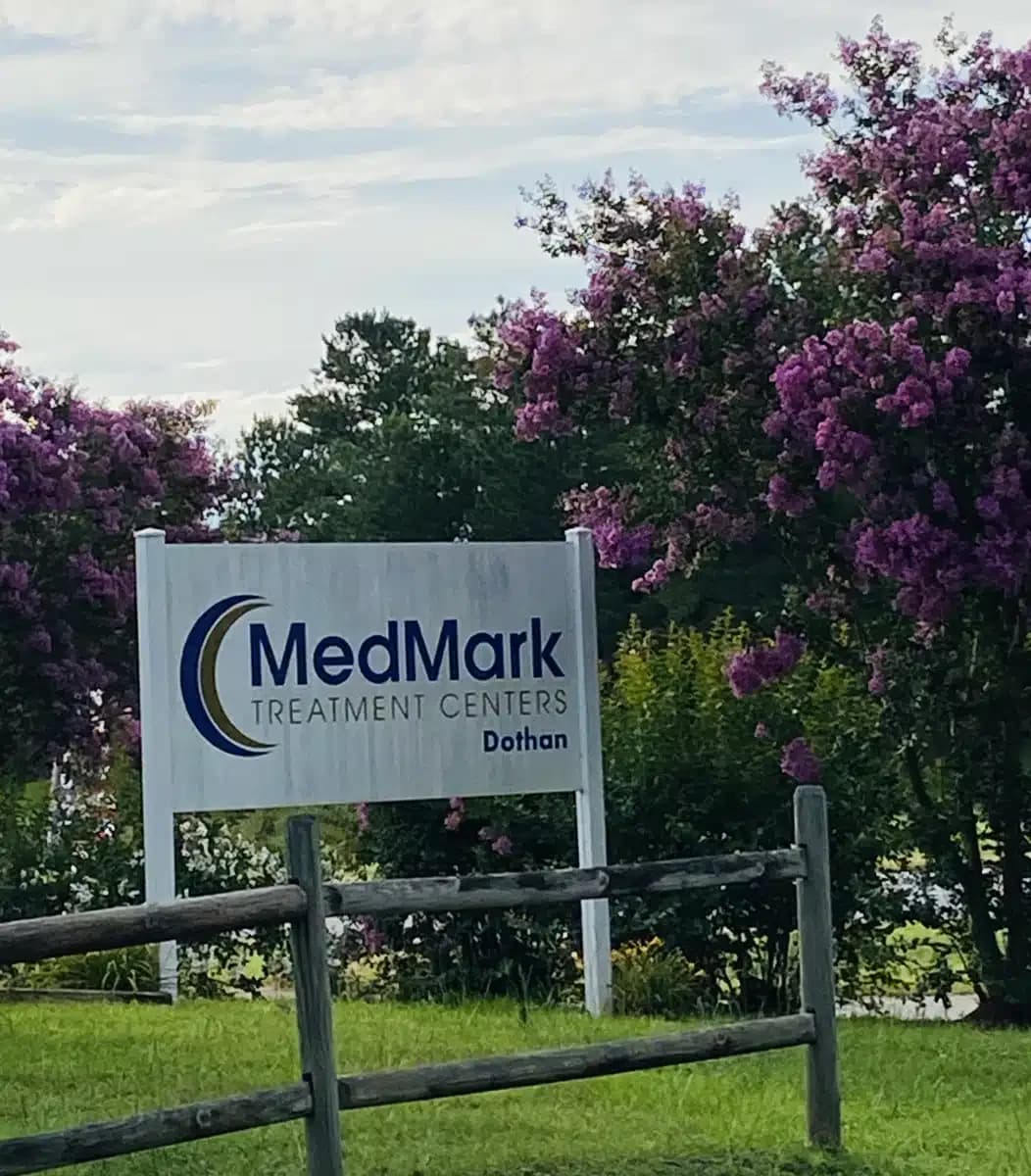
Oxford · 1 center
Sheffield · 1 center

Tuscaloosa · 1 center

BHG Tuscaloosa Treatment Center
Tuscaloosa, AL
Services:
Frequently Asked Questions About Methadone in Alabama
Do I have to stop using opioids before starting methadone?
For methadone and buprenorphine, continued opioid use during induction is common and expected; the medication itself helps stop use. For naltrexone, however, you must complete a 7–14 day opioid-free period first. Your Alabama clinician will tailor the induction based on your medication.
Do I have to pay for counseling separately from the medication?
It depends on the program. Bundled MAT programs include counseling in a single weekly or monthly fee. Others bill counseling separately ($40–$150 per session). Alabama Medicaid and most commercial plans cover both components when delivered by a licensed provider.
What is the Alabama Medicaid copay for methadone visits?
Alabama Medicaid copays for MAT visits are typically $0–$3, and are often waived for patients with behavioral-health conditions. Pharmacy copays for buprenorphine or naltrexone prescriptions follow the same schedule.
What is the best way to verify insurance before my first methadone visit?
Call the number on the back of your insurance card and ask: (1) Is {provider name} in-network? (2) What is my mental-health/MAT deductible? (3) What is my copay for MAT visits? Write the reference number from the call for any dispute later.
Are there license caps or certificate-of-need rules for new methadone clinics in Alabama?
Alabama applies state-specific licensure review for new OTPs; some states also require a certificate-of-need demonstrating unmet demand. Existing buprenorphine prescribers do not face these caps — only methadone OTPs are subject to location-specific licensure review.
How long does methadone treatment typically last in Alabama?
Many Alabama patients stay on methadone for a year or more, and some stay indefinitely. Duration depends on individual stability, quality of life, and risk of relapse. Research consistently shows that longer MAT duration is associated with lower overdose mortality.
How do I find a methadone provider near me in Alabama?
Use the SAMHSA treatment locator at findtreatment.gov, filter by Alabama, and search for medications offered. You can also browse our directory of methadone clinics filtered to Alabama, or call 988 for live referrals from a trained counselor.
How soon after the first visit do I come back?
Follow-up within 3–7 days is standard after the first methadone visit to confirm response and titrate the dose. Alabama clinics may see stable patients weekly for the first month, then space visits out as stability is achieved.
Is constipation on methadone a serious problem?
Constipation is one of the most common and persistent methadone side effects. Daily fluids, fiber, stool softeners, and an over-the-counter laxative like polyethylene glycol are first-line. If severe, your Alabama clinician may prescribe a peripherally acting opioid-receptor antagonist.
Can postpartum women continue methadone in Alabama?
Yes. Postpartum continuation of MAT is strongly recommended — overdose risk is elevated in the postpartum period. Alabama programs increasingly embed MAT within postpartum home-visiting programs to support the mother-infant dyad during the first year.
Is telehealth counseling available with methadone in Alabama?
Yes. Alabama MAT programs routinely deliver individual counseling and group therapy by video. Telehealth counseling is reimbursed at parity by Alabama Medicaid and most commercial insurers under current state and federal parity rules.
Will my employer find out if I’m in methadone treatment in Alabama?
Only if you disclose it. Your Alabama clinic cannot inform your employer under 42 CFR Part 2. If you need FMLA leave, HR can verify the medical appointment without learning the diagnosis. Safety-sensitive roles may have specific DOT rules — consult an employment attorney.
Other Treatment Options in Alabama
Methadone Treatment in Other States
Need immediate help? Call SAMHSA: 1-800-662-4357 (24/7, free)