
Methadone Treatment Centers in Alaska
Medically reviewed by NWVCIL Editorial TeamLast reviewed: May 2026
Our directory lists 6 methadone clinics across Alaska, with the largest concentrations in Anchorage (2), Wasilla (1) and Juneau (1).
Methadone is a long-acting opioid medication used to treat opioid use disorder by eliminating withdrawal symptoms and cravings without producing a high. It is dispensed through federally certified Opioid Treatment Programs (OTPs) under strict SAMHSA and state regulations.
Treatment landscape in Alaska:
- Alaska reported 359 drug overdose deaths in 2023, a 49.4 per 100,000 age-adjusted rate (CDC NCHS) — among the top five U.S. rates.
- 45 buprenorphine providers operate statewide alongside 6 SAMHSA-certified Opioid Treatment Programs, clustered in Anchorage, Fairbanks, and Juneau.
- Alaska Medicaid (DenaliCare) covers the full MAT bundle — methadone, buprenorphine, and naltrexone — including counseling delivered via telehealth.
- 68 of 79 verified facilities offer telehealth, reflecting the state-funded push to expand MAT into Alaska Native and remote-village communities.
Methadone in Alaska — By the Numbers
49.4
per 100,000 drug overdose mortality (CDC 2023)
359
total overdose deaths in Alaska (2023)
6
methadone providers in our directory
68 / 79
facilities offering telehealth
72
accept Medicaid for treatment
6
SAMHSA-certified Opioid Treatment Programs
Top cities by buprenorphine provider density
Anchorage (16) · Fairbanks (4) · Juneau (3)
Sources: CDC NCHS Drug Overdose Mortality (2023) · SAMHSA Treatment Locator · NWVCIL directory snapshot, May 2026
Alaska Medicaid (DenaliCare)
Alaska Medicaid covers the full MAT bundle — methadone, buprenorphine, and naltrexone — with counseling delivered in person or by telehealth in rural communities.
State regulations
Alaska has few Opioid Treatment Programs relative to its geography, so many patients rely on buprenorphine prescribed in primary care and community behavioral-health clinics.
How to access MAT in Alaska
Statewide telehealth reimbursement covers buprenorphine induction; remote-village patients are typically connected to a hub clinic in Anchorage, Fairbanks, or Juneau.
- Federal military insurance (e.g., TRICARE)6
- Medicaid6
- Medicare6
- Private health insurance6
- Cash or self-payment4
- Federal, or any government funding for substance use treatment programs3
- Outpatient6
- Outpatient methadone/buprenorphine or naltrexone treatment6
- Regular outpatient treatment4
Need Help Finding the Right Treatment Center?
Speak with a compassionate specialist now - 100% free & confidential
Methadone Treatment Providers in Alaska
Methadone clinics in Alaska

Community Medical Services
Wasilla, AK
Services:
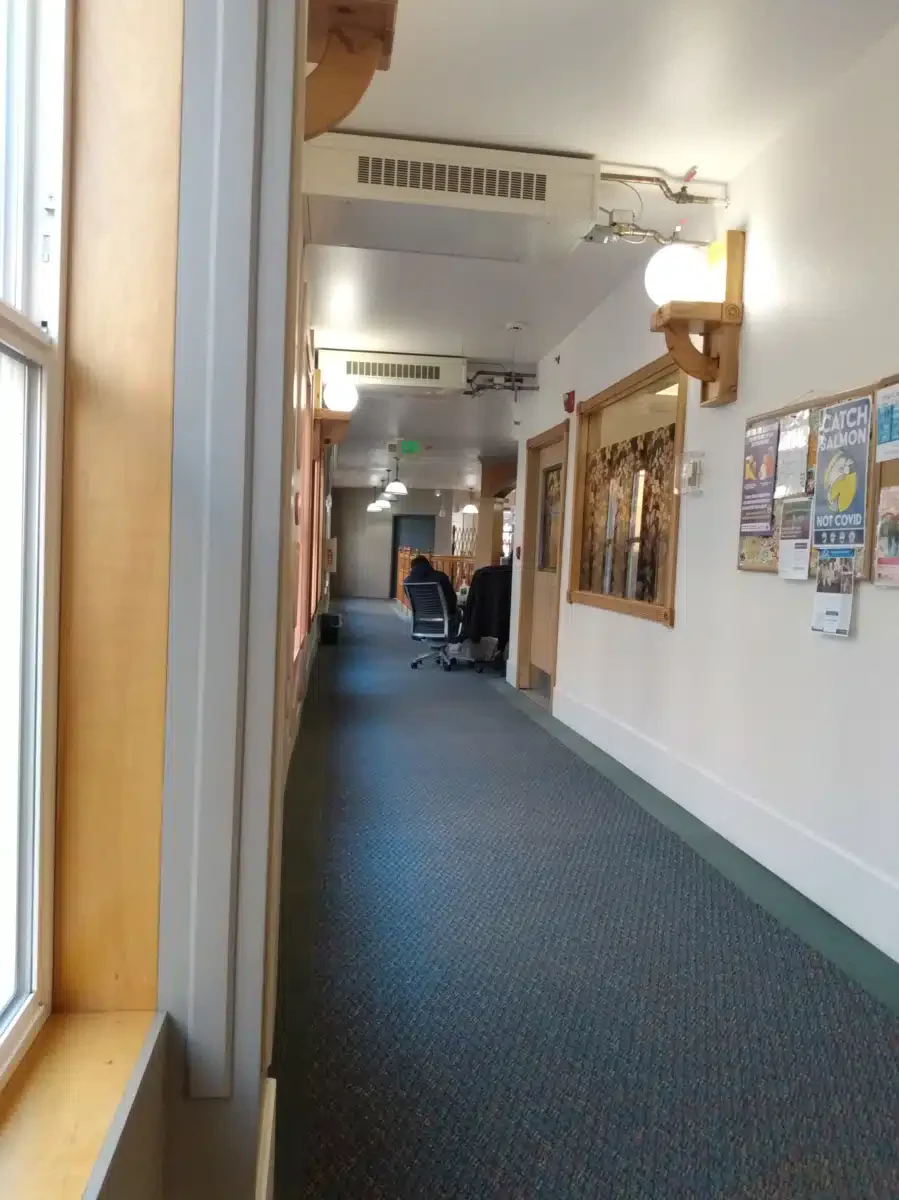
Southeast Alaska Regional Health
Juneau, AK
Services:
Community Medical Services
Anchorage, AK
Services:

Narcotic Drug Treatment Center Inc
Anchorage, AK
Services:
SEARHC
Sitka, AK
Services:
Frequently Asked Questions About Methadone in Alaska
Can adolescents start methadone in Alaska?
Patients 16 and older can generally be admitted to MAT including methadone with parental consent; some Alaska providers specialize in youth MAT and follow American Academy of Pediatrics guidance. For patients under 18, two documented failed detox attempts are typically required before methadone, per federal rule.
Can I get grant-funded methadone treatment in Alaska?
Yes. Alaska receives federal State Opioid Response (SOR) funding that subsidizes MAT for uninsured patients at participating agencies. The national SAMHSA helpline (1-800-662-4357) can refer you to SOR-funded methadone clinics in your area.
Do I need prior authorization for methadone under Alaska Medicaid (DenaliCare)?
Most Alaska Medicaid (DenaliCare) plans have eliminated prior authorization for MAT medications, but long-acting injectables like Sublocade and Vivitrol may still require PA. Your Alaska provider’s billing staff will handle any authorizations needed before your first dose.
What is the best way to verify insurance before my first methadone visit?
Call the number on the back of your insurance card and ask: (1) Is {provider name} in-network? (2) What is my mental-health/MAT deductible? (3) What is my copay for MAT visits? Write the reference number from the call for any dispute later.
Are drug courts in Alaska allowed to ban methadone?
No. A 2022 Department of Justice enforcement action confirmed that Alaska drug courts cannot ban FDA-approved MAT medications; doing so violates the ADA. Patients in drug court have the legal right to remain on their prescribed methadone regimen.
Can I move from methadone to buprenorphine or vice versa?
Yes. Cross-titration between methadone and buprenorphine is a routine clinical maneuver in Alaska. Transfer from methadone to buprenorphine is technically more challenging (risk of precipitated withdrawal) and usually requires a structured micro-induction protocol supervised by an experienced clinician.
Can I start methadone the same day I call?
Same-day induction is increasingly common in Alaska — especially for buprenorphine at low-barrier clinics and in emergency departments. Methadone same-day starts depend on OTP capacity; call early in the day to maximize your chance of same-day intake.
What if I feel worse after the first buprenorphine dose — is something wrong?
Feeling worse shortly after the first buprenorphine dose can indicate precipitated withdrawal (taken too soon after a full agonist). Call your Alaska clinic immediately — the team can adjust timing, switch to micro-induction, or provide supportive medication to relieve symptoms.
What should I do if I miss a dose of methadone?
For sublingual buprenorphine or oral methadone, take the next dose at the scheduled time — do not double up. For monthly Sublocade or Vivitrol, contact your Alaska clinic immediately if you miss the injection window to schedule a catch-up visit and prevent withdrawal or overdose relapse risk.
Is naltrexone recommended during pregnancy in Alaska?
Naltrexone is typically not started during pregnancy due to limited safety data — methadone or buprenorphine are preferred. Patients already stable on naltrexone who become pregnant discuss continuing versus switching with their Alaska MAT provider and obstetrician.
Can my family join methadone counseling in Alaska?
Yes. Family counseling is a standard component of many Alaska MAT programs; sessions with a partner, parent, or adult child can be scheduled with the patient’s consent. Al-Anon and Nar-Anon groups provide parallel support for family members.
Will my employer find out if I’m in methadone treatment in Alaska?
Only if you disclose it. Your Alaska clinic cannot inform your employer under 42 CFR Part 2. If you need FMLA leave, HR can verify the medical appointment without learning the diagnosis. Safety-sensitive roles may have specific DOT rules — consult an employment attorney.
Other Treatment Options in Alaska
Methadone Treatment in Other States
Need immediate help? Call SAMHSA: 1-800-662-4357 (24/7, free)